Top 19 Natural Monuments around Fonelas
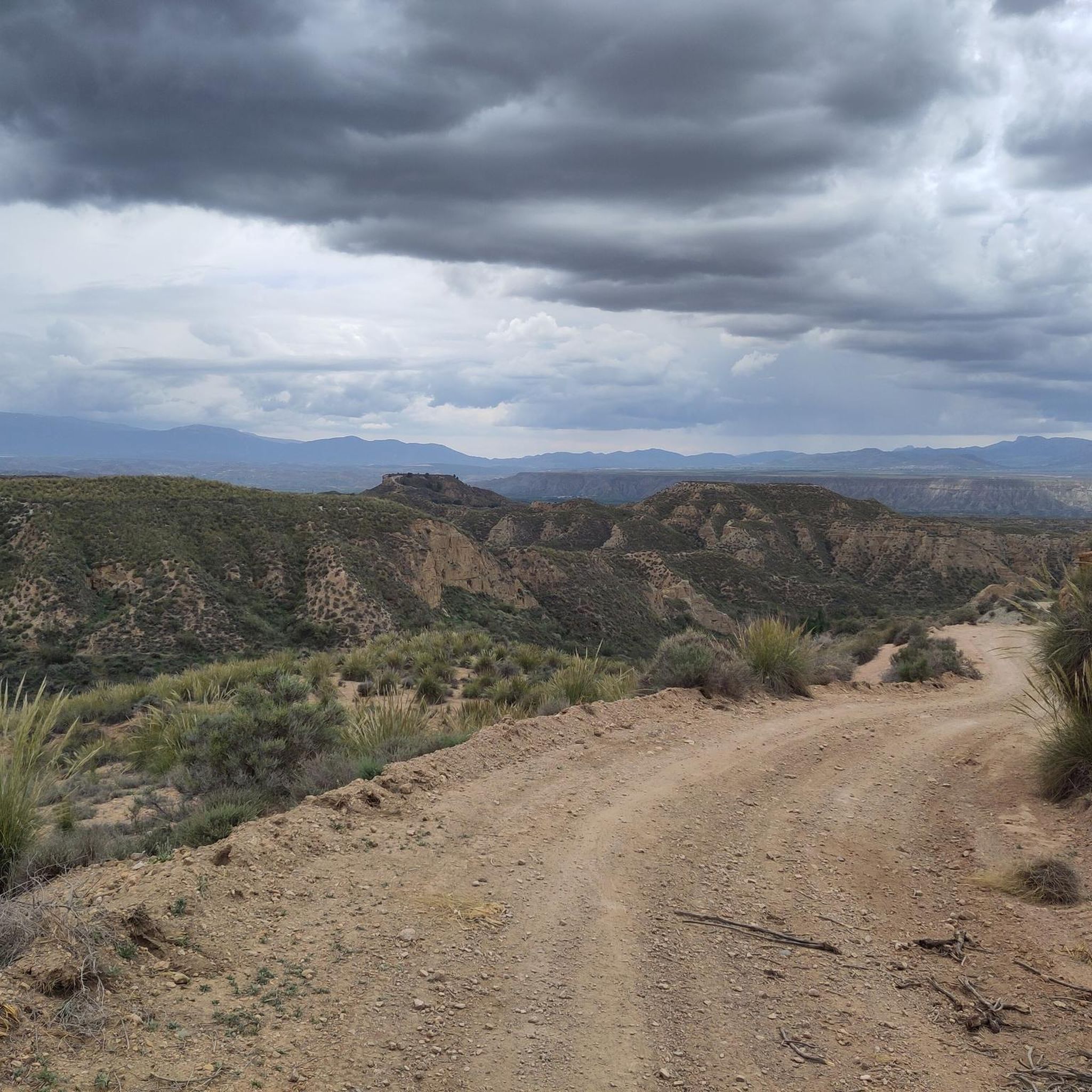
Natural monuments around Fonelas showcase a landscape shaped by ancient geological processes and human adaptation. The region, part of the Granada Geopark, features extensive badlands, gullies, and unique geological formations. It offers insights into the area's natural history and traditional water sources. These natural features provide opportunities for exploration and understanding the local environment.
Best natural monuments around Fonelas
- The most popular natural monuments is Puntal de Don Diego Viewpoint, a viewpoint that offers extensive panoramas of the Gorafe…
Last updated: July 28, 2026
Gorafe Desert
Highlight • Canyon
Translated by Google •
Tip by

Granada Geopark
Highlight • Natural Monument
The landscape is deeply marked by the erosion of …
Tip by

Sign up now to discover places like this
Get recommendations on the best single tracks, peaks, & plenty of other exciting outdoor places.
Sign up for free
End of the World Viewpoint
Highlight • Viewpoint
Tip by
Acequia del Toril
Highlight • Natural Monument
Translated by Google •
Tip by

Badlands de Purullena Viewpoint
Highlight • Viewpoint
Translated by Google •
Tip by

Sign up for free to discover even more natural monuments around Fonelas.
Sign up for free
Already have an account?
Start today with a free account
Your next adventure awaits.
Login or Signup

Tips from the Community

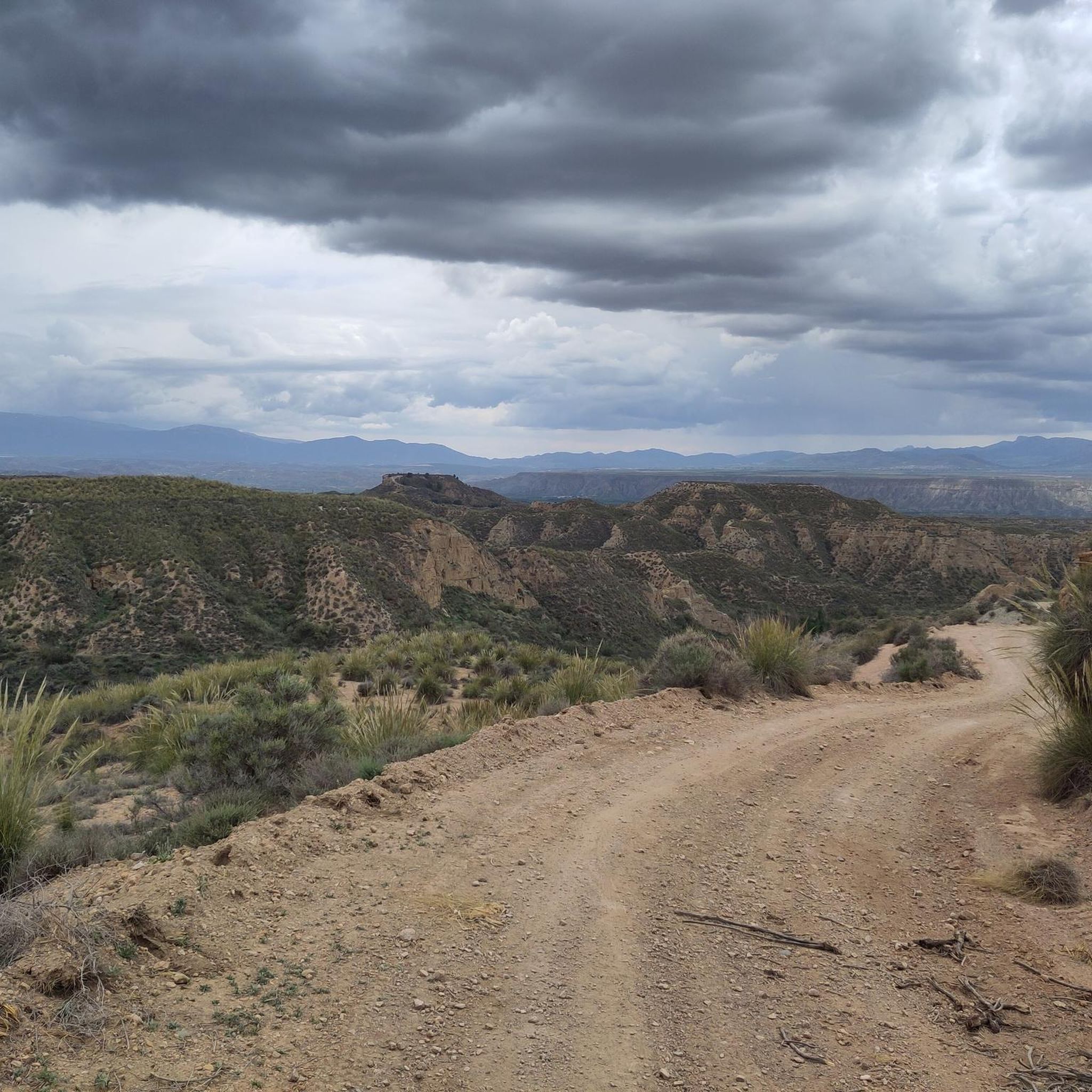
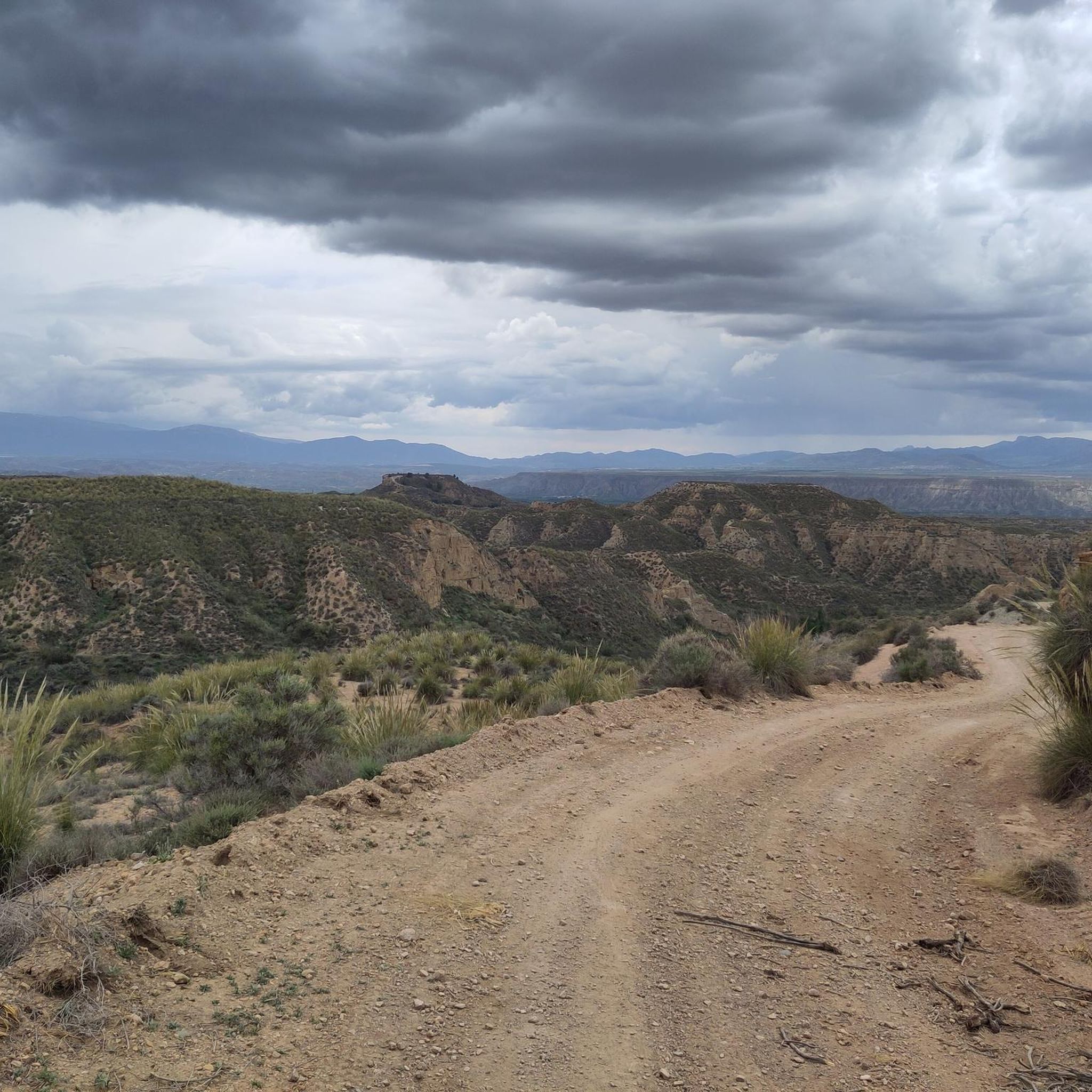
There are panels at this viewpoint explaining the formation process of the Marchal Gullies, making it a very impressive viewpoint.
4
0
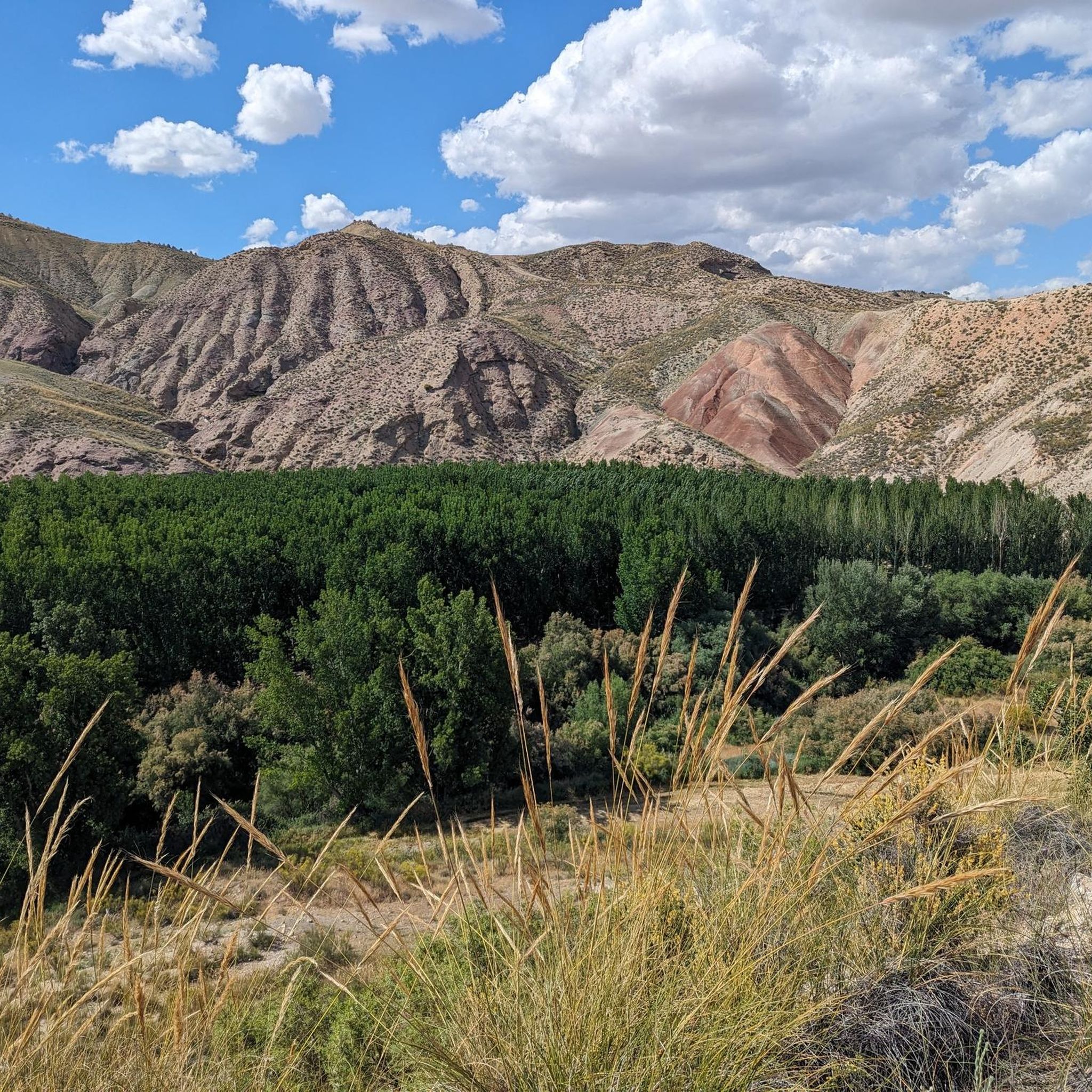
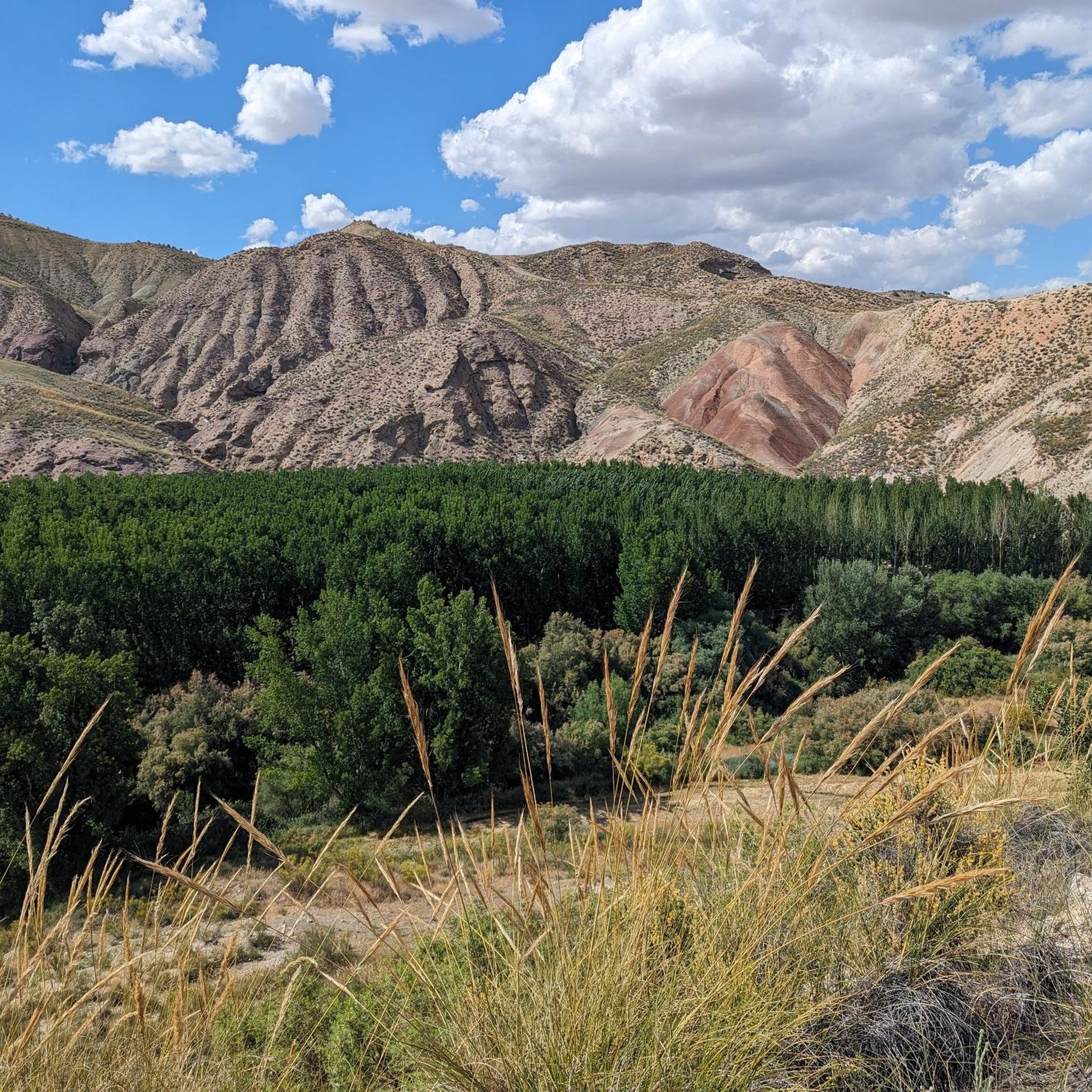
The Troil Canal. According to scientists, they date back at least 3600 years ago. Due to the precipitation of calcium carbonate, these canals grew and continuously formed these amazing walls (some of them are 4 meters wide at the base, less than a meter wide at the top, 15 meters high and reach a length of almost 750 meters
6
0

Coming from Beas de Guadix, you first have to overcome a steep climb. Doable with a MTB cassette, 38/42 were quite strenuous with a loaded bike. At the top, however, you are rewarded with a fantastic view. Absolutely brilliant and recommended.
3
0

Great view from here over the Sierra Nevada, the Hoya de Guadix and of course the town of Beas de Guadix.
3
0
Totally impressive and very steep path to the Mirador del Fin del Mundo.
1
0

The Mirador del Fin del Mundo is a natural balcony over the Granada Geopark, a plain plenty of gullies and badlands in the northern part of the province of Granada that contains the largest concentration of cave dwellings and dolmens in Europe. This iconic climb is just 700m in length but with an average of 15% and a maximum gradient over 25%.
7
0

Worthwhile, easy hike, but with incredibly beautiful views
3
0

A very interesting natural phenomenon that goes back to the first humans and beyond. An old calcareous water source that has been building itself for many thousands of years to the wall it has become today. At the top, the water still flows abundantly through the source. The water is still clearly visible on the road side, as the surrounding ground is even higher.
2
0
Frequently Asked Questions
What are the most significant natural features to explore around Fonelas?
The region around Fonelas, part of the Granada Geopark, is characterized by its unique geological formations, including extensive badlands and gullies. Key natural features include the Granada Geopark itself, known for its erosion by the Fardes and Guadix rivers, and the ancient Acequia del Toril, a natural travertine formation that has grown over millennia.
Are there any viewpoints offering panoramic views of the natural landscape?
Yes, several viewpoints provide stunning panoramas. The Puntal de Don Diego Viewpoint offers extensive views of the Gorafe desert. Another notable spot is the End of the World Viewpoint, which provides a natural balcony over the Granada Geopark with vistas of the Sierra Nevada and Hoya de Guadix. The Badlands de Purullena Viewpoint explains the formation process of the Marchal Gullies, offering a clear perspective on the arid, eroded landscapes.
What historical or cultural insights can be gained from visiting the natural monuments in Fonelas?
The natural landscape around Fonelas is deeply intertwined with its history. The Granada Geopark is significant for containing some of the oldest human settlements in the Iberian Peninsula, including a high concentration of cave dwellings and dolmens. The Acequia del Toril, a natural aqueduct, dates back at least 3600 years and was used by early settlers for water supply, showcasing ancient human adaptation to the environment.
What outdoor activities can I do near the natural monuments around Fonelas?
The area offers various outdoor activities, primarily hiking and cycling. You can find numerous routes for hiking around Fonelas, including trails through the badlands and near the Acequia del Toril. For cyclists, there are options for road cycling and touring bicycle routes that explore the diverse landscapes, including challenging climbs to viewpoints.
Are there family-friendly natural areas or trails in Fonelas?
Yes, the Badlands de Purullena Viewpoint is noted as family-friendly, offering an accessible way to understand the region's unique geology. Additionally, some of the hiking routes, such as the shorter loops around Acequia del Toril, are classified as easy and suitable for families.
What is the best time of year to visit the natural monuments in Fonelas?
The best time to visit is generally during spring (March to May) and autumn (September to November). During these seasons, the weather is milder and more pleasant for outdoor activities like hiking and exploring the viewpoints. Summers can be very hot, and winters can be chilly, though the natural beauty remains year-round.
What makes the Valle del Río Fardes Palaeontological Station significant?
The Valle del Río Fardes Palaeontological Station, located within the Granada Geopark, is exceptional for its ongoing in situ research. Since 2001, over 3,000 fossilized bones from 38 animal species, including 24 large mammals, have been discovered here. It offers a unique opportunity to observe paleontological research firsthand and provides crucial insights into the Pliocene-Pleistocene transition in Europe, a period when early humans spread beyond Africa. You can find more information about this significant site on Visit-Andalucia.com.
Where can I find natural water sources or springs in Fonelas?
The most notable natural water source in the municipality is El Cañillo. Located 3.5 km from the town center within the Coto de Mecina, it is the sole remaining natural water spring in Fonelas and offers a glimpse into the local hydrology and traditional water sources.
What do visitors enjoy most about the natural monuments around Fonelas?
Visitors frequently appreciate the spectacular panoramic views, especially from spots like Puntal de Don Diego Viewpoint and the End of the World Viewpoint. The unique geological formations of the badlands and gullies, particularly within the Granada Geopark, are also highly valued for their impressive and dramatic landscapes. The historical context, such as the ancient human settlements and cave dwellings, adds another layer of interest.
Are there any natural monuments that are particularly challenging to access or explore?
The End of the World Viewpoint involves a challenging climb, with sections reaching over 25% gradient, making it a strenuous but rewarding experience for those seeking a physical challenge. While the views are fantastic, visitors should be prepared for a steep ascent.
What are the unique geological features found in the Fonelas area?
The Fonelas area is renowned for its distinctive geological features, primarily the extensive badlands and gullies formed by erosion, particularly within the Granada Geopark. Another unique feature is the Acequia del Toril, a natural travertine formation of porous limestone that has grown into a winding wall over millennia, reaching up to 10 meters in height.
Can I combine a visit to the natural monuments with exploring traditional local culture?
Absolutely. The region's natural environment has shaped its traditional culture. The unique cave houses of Fonelas, dug into the natural clay landscape, are a fascinating example of human adaptation and are often available for rural tourism. Exploring the natural monuments provides context for understanding these historical dwellings and the traditional way of life in the area.
Most popular routes around Fonelas
Most popular attractions around Fonelas

Get inspired with the komoot mobile app


Explore more
Extend your search for the best caves by checking out these guides of the top ones around Fonelas:
