Top 5 Mountain Passes around Aínsa-Sobrarbe
Best mountain passes around Aínsa-Sobrarbe are situated in the Aragonese Pyrenees, a region characterized by its diverse natural landscapes and historical significance. This area features impressive gorges, high-mountain environments, and connections between various valleys. It offers a range of experiences for outdoor enthusiasts, from challenging climbs to scenic routes. The passes provide access to unique geological formations and panoramic views of the surrounding mountains.
Best mountain passes around Aínsa-Sobrarbe
- The most popular mountain passes is Puerto de Arro – Monastery of San Victorián, a mountain_pass that leads to the Monastery of San Victorián, considered the oldest in Spain. This route is well-developed and signposted, offering a scenic journey with varying gradients up to 13.5%.
- Another must-see spot is Puerto de Mondot, a mountain_pass with a south-east to north-west direction. Visitors can expect an ascent of over 4 kilometers with an average gradient of 6.9% and a maximum of 13%.
- Visitors also love Serrablo Pass, a long mountain pass over 12 kilometers. It is known for its quiet roads with very little traffic and offers views of the Sierra and Guara canyons to the south, and Ordesa and Monte Perdido National Park to the north.
- Aínsa-Sobrarbe is known for mountain passes suitable for cycling, hiking, and scenic drives. The region offers a variety of mountain passes to see and explore, ranging from challenging climbs to routes with historical landmarks and viewpoints.
- The mountain passes around Aínsa-Sobrarbe are appreciated by the komoot community, with 7 upvotes and 23 photos shared by visitors.
Last updated: May 20, 2026
Puerto de Arro – Monastery of San Victorián
Highlight (Segment) • Mountain Pass
Legend has it that Saint Victorián arrived in the Pyrenees fleeing from earthly temptations. After a life as a hermit in the Cueva de la Espelunga and realizing great prodigies, he was appointed abbot of the monastery, which was originally called San Martín de Asán. Some time later, in the 11th century, the monastery took its name and was renamed San Victorian or San Beturián.
Translated by Google •
Tip by

Cullivert Pass
Highlight • Mountain Pass
Access to the Cullivert pass (1,471 m) is via a demanding but beautiful track of almost 6 km that goes up the Ravine of Viu.
Translated by Google •
Tip by

Sign up now to discover places like this
Get recommendations on the best single tracks, peaks, & plenty of other exciting outdoor places.
Sign up for free
Puerto de Mondot
Highlight (Segment) • Mountain Pass
Translated by Google •
Tip by

Serrablo Pass
Highlight • Mountain Pass
The road is very quiet, with very little traffic, with good views of the natural park of the Sierra and the Guara canyons on the south side and the national park of Ordesa and Monte Perdido on the north side.
Translated by Google •
Tip by

Collada del Aire
Highlight (Segment) • Mountain Pass
Translated by Google •
Tip by

Sign up for free to discover even more mountain passes around Aínsa-Sobrarbe.
Sign up for free
Already have an account?
Start today with a free account
Your next adventure awaits.
Login or Signup
Popular around Aínsa-Sobrarbe
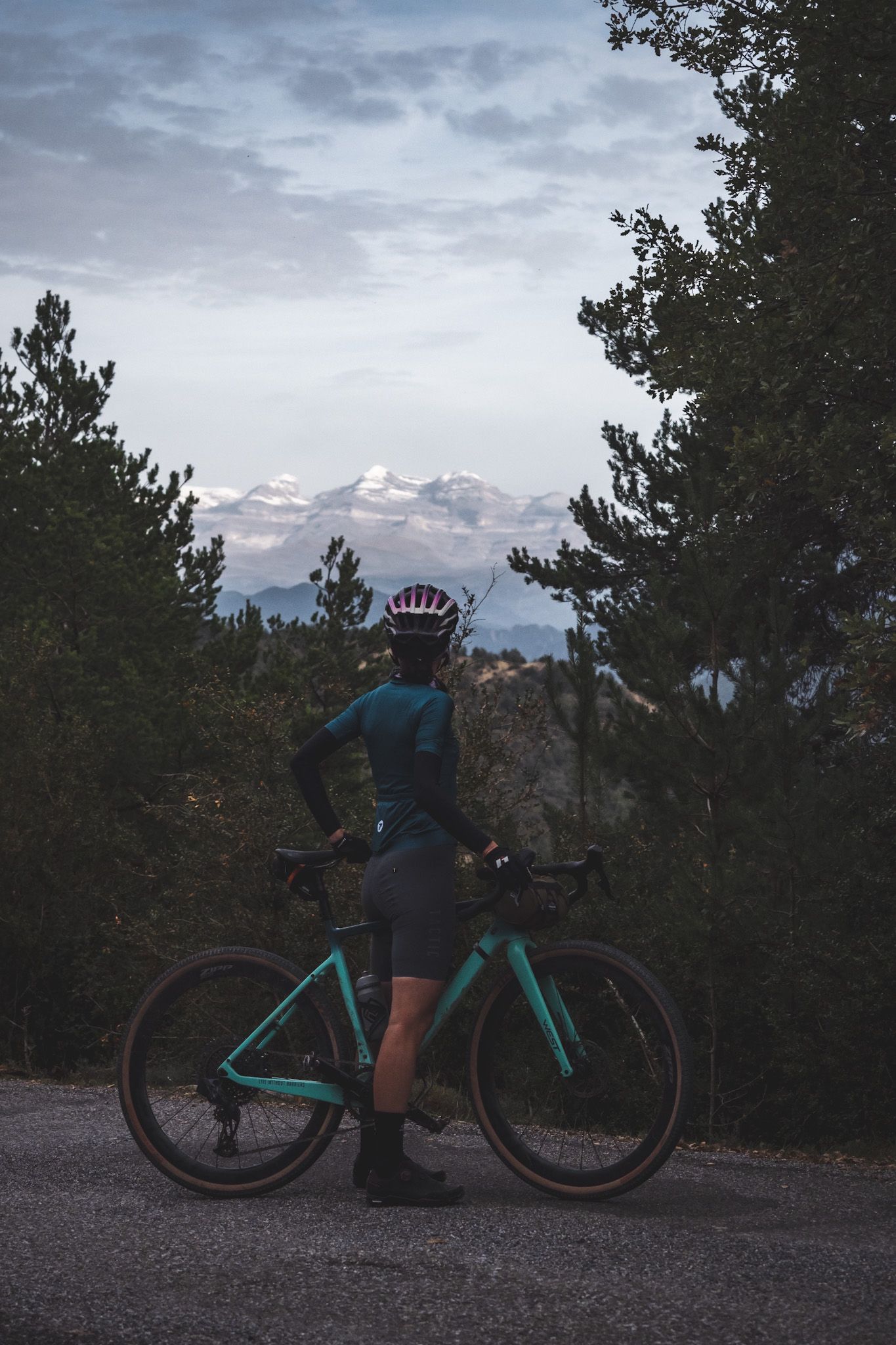
Where silence reigns - Grand Gravel Sobrarbe
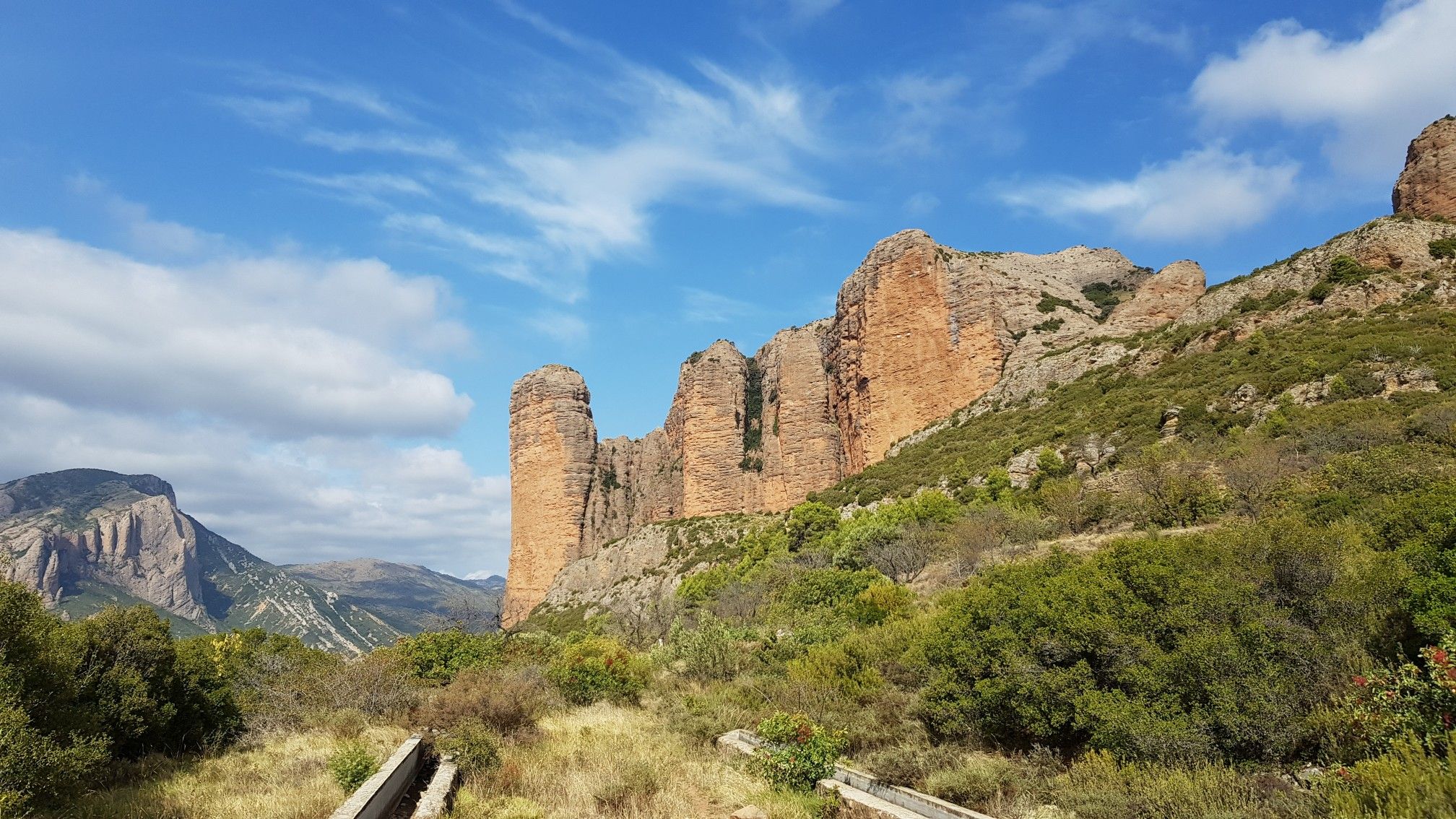
Monumental landscapes and culture — the Pre-Pyrenees by MTB
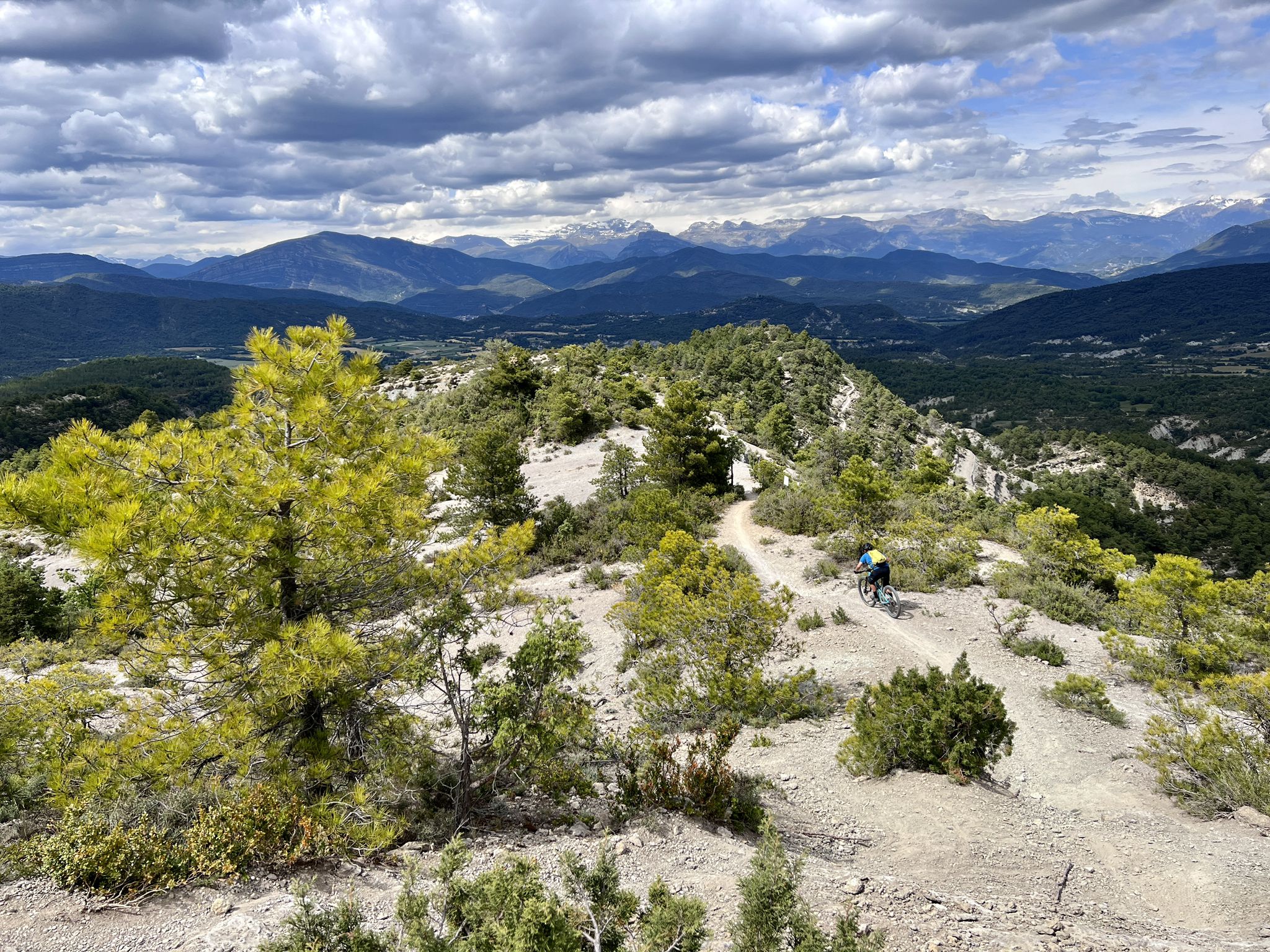
Zona Zero in Aínsa – Spain’s Eldorado for MTB enthusiasts
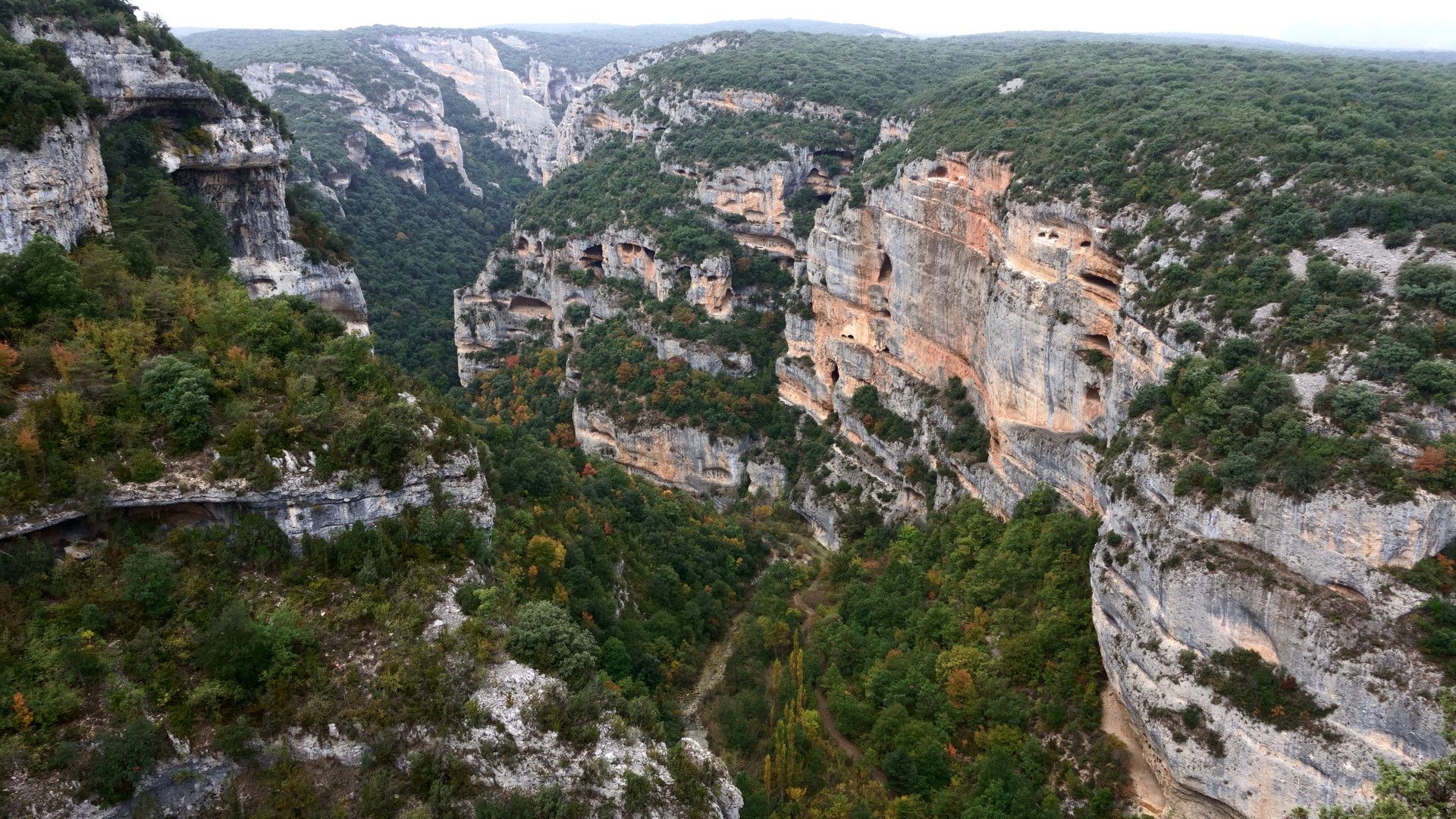
Trails and paths – Sierra de Guara and Biello Sobrarbe
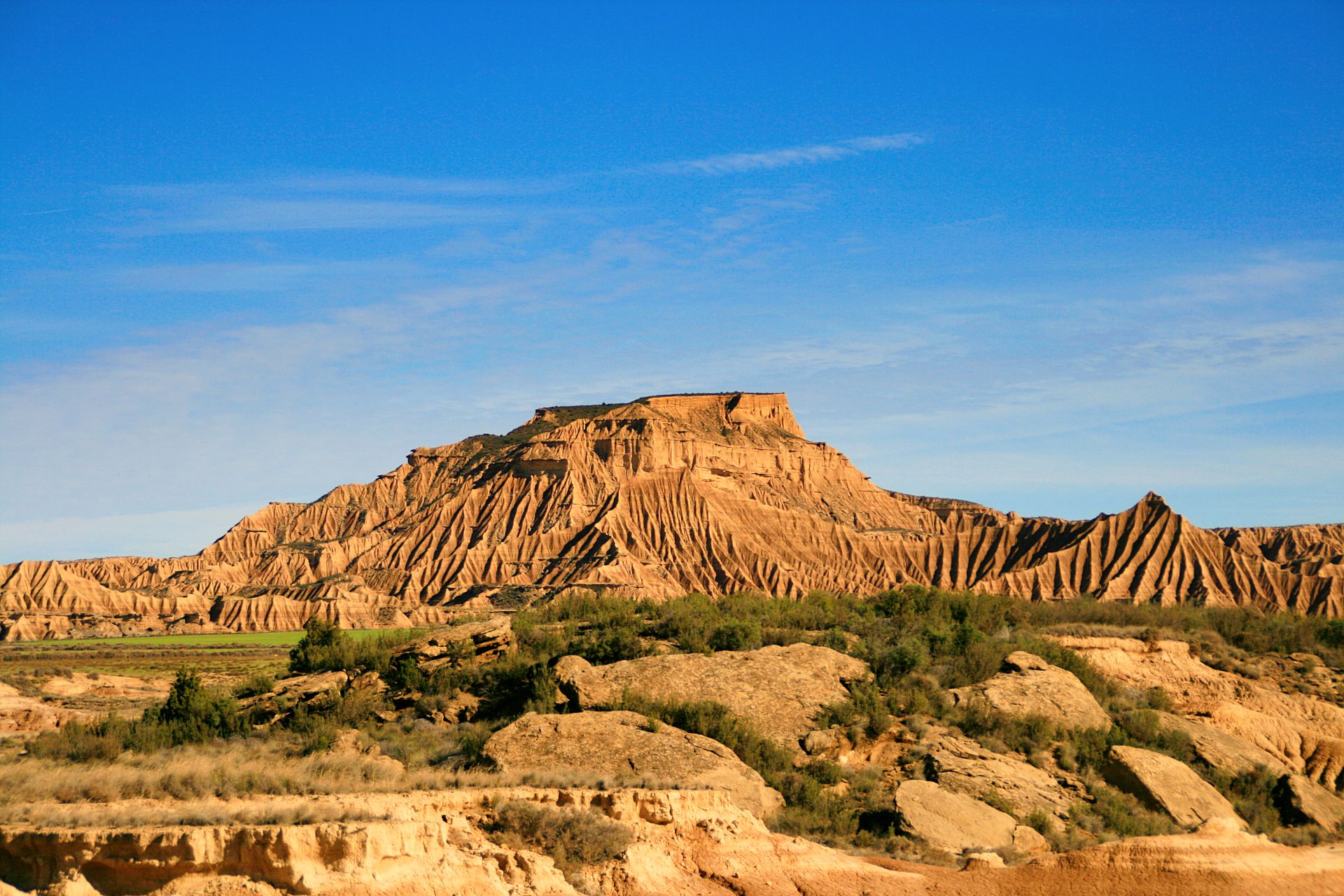
Spain’s Wild West – Sierra de Guara to the Bardenas
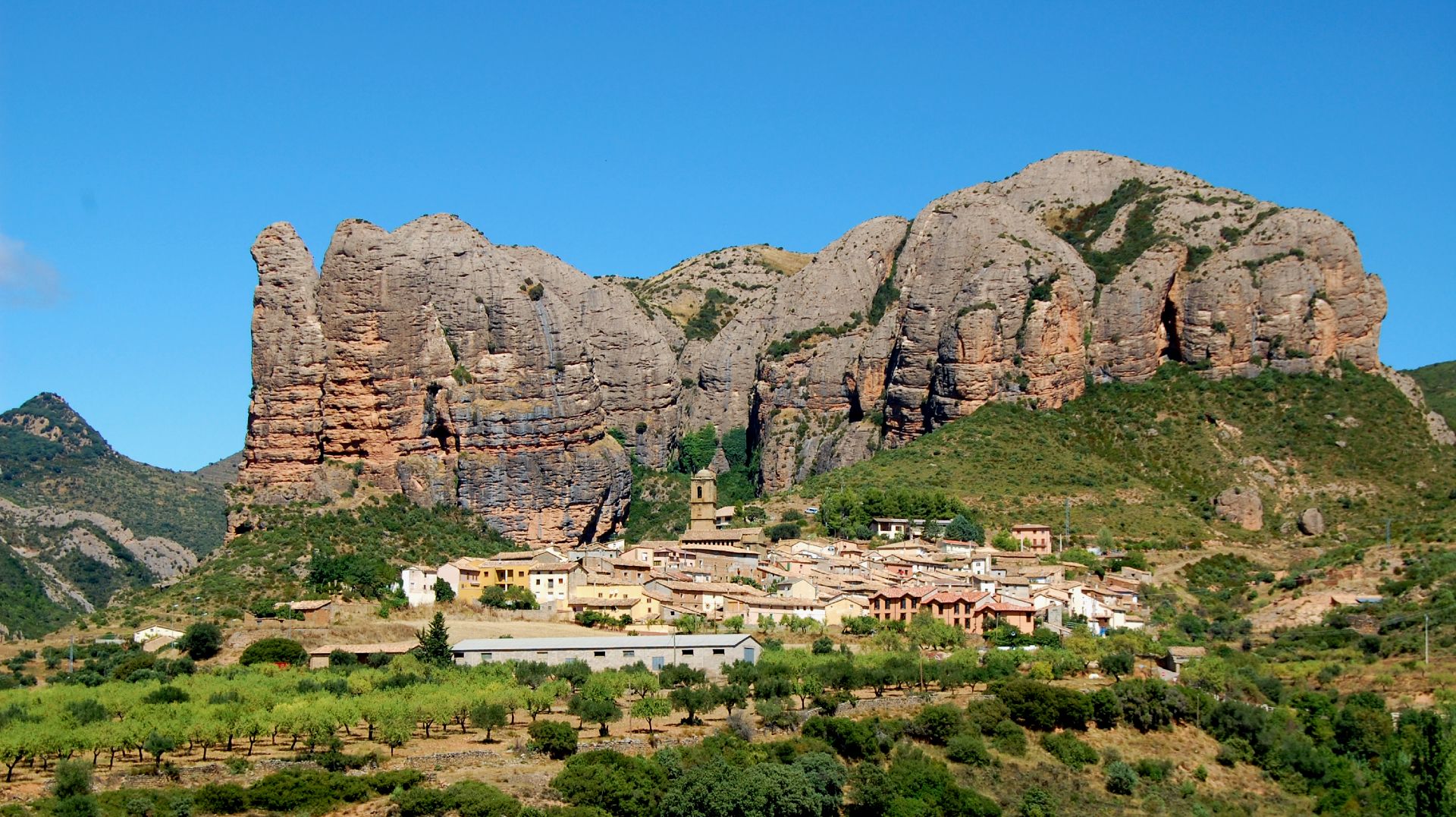
Land of rock and water – Sendero Histórico en Aragón
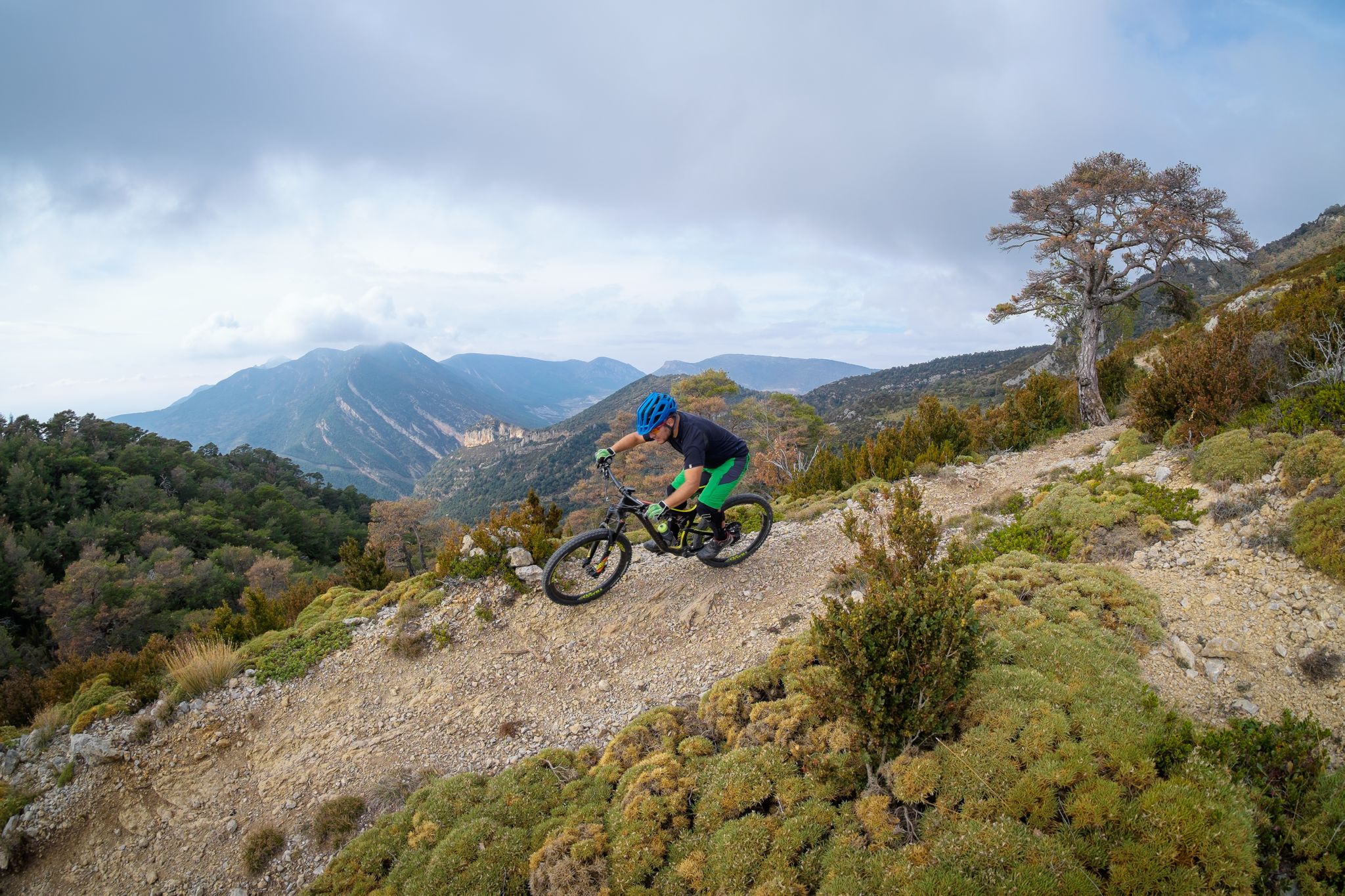
Aínsa, Benasque and Guara — Spain’s paradise for MTB (enduro)
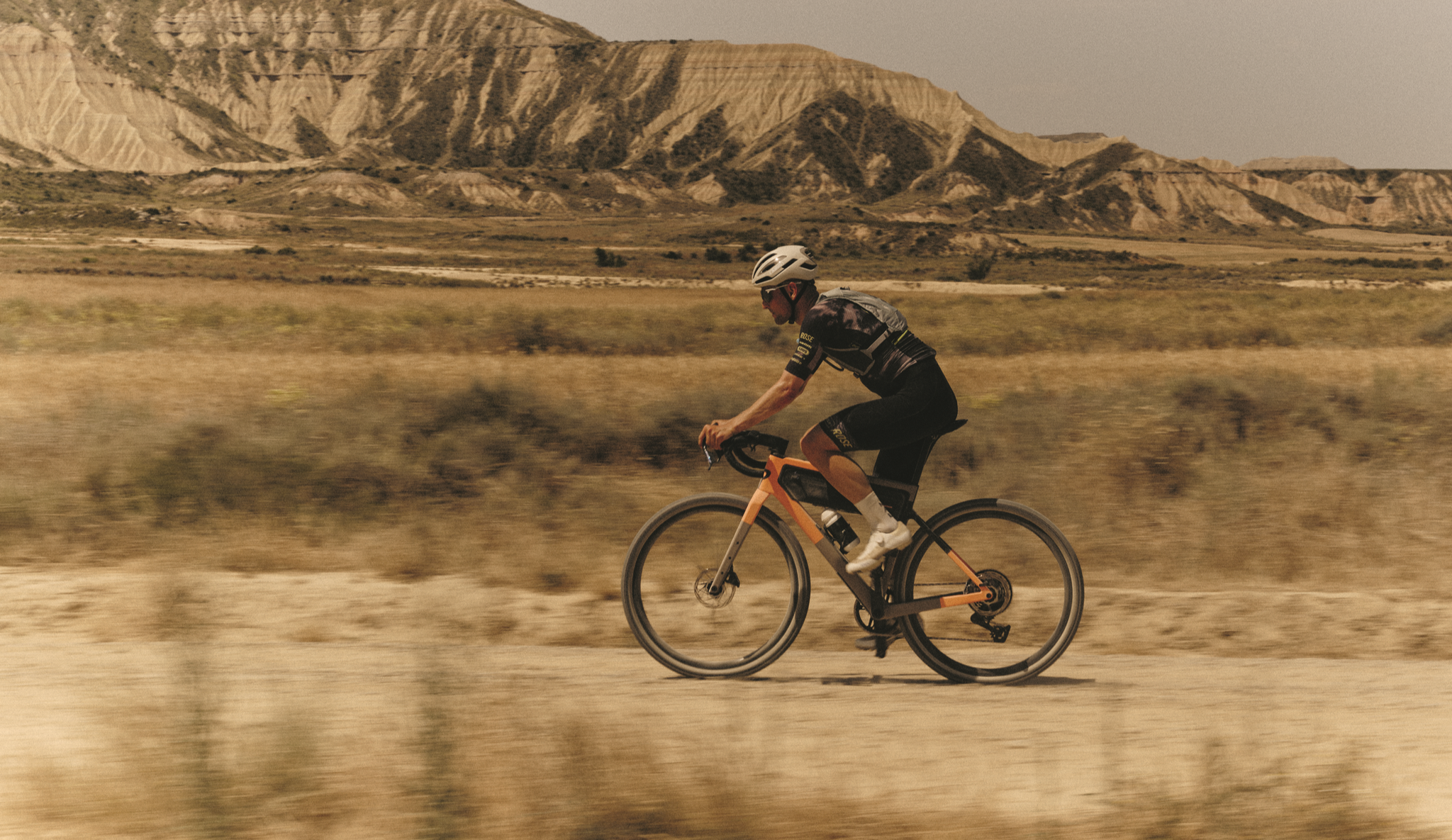
¡Qué bonito! – Mit dem ABUS Taipan durch Nordspanien
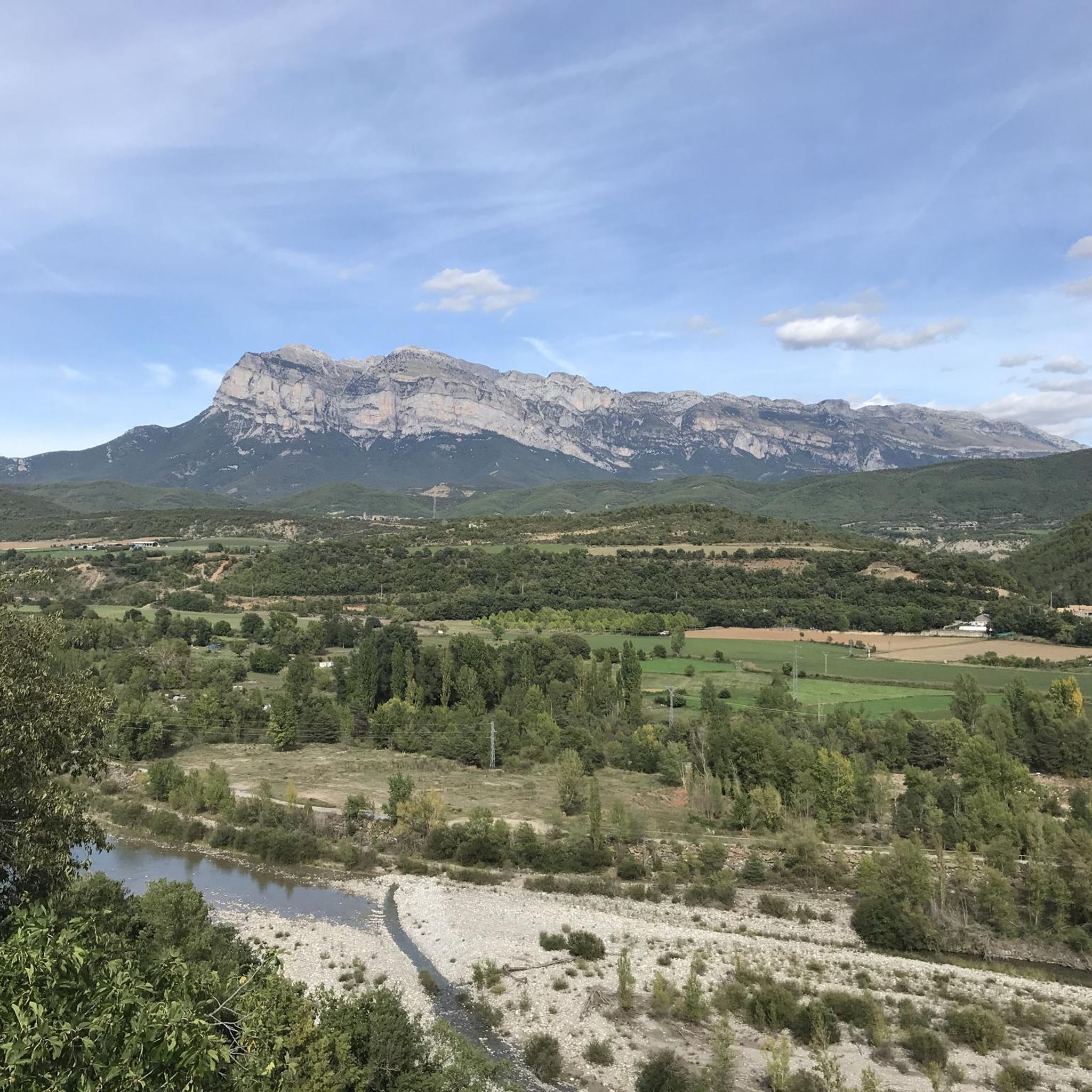
MTB Trails around Aínsa-Sobrarbe
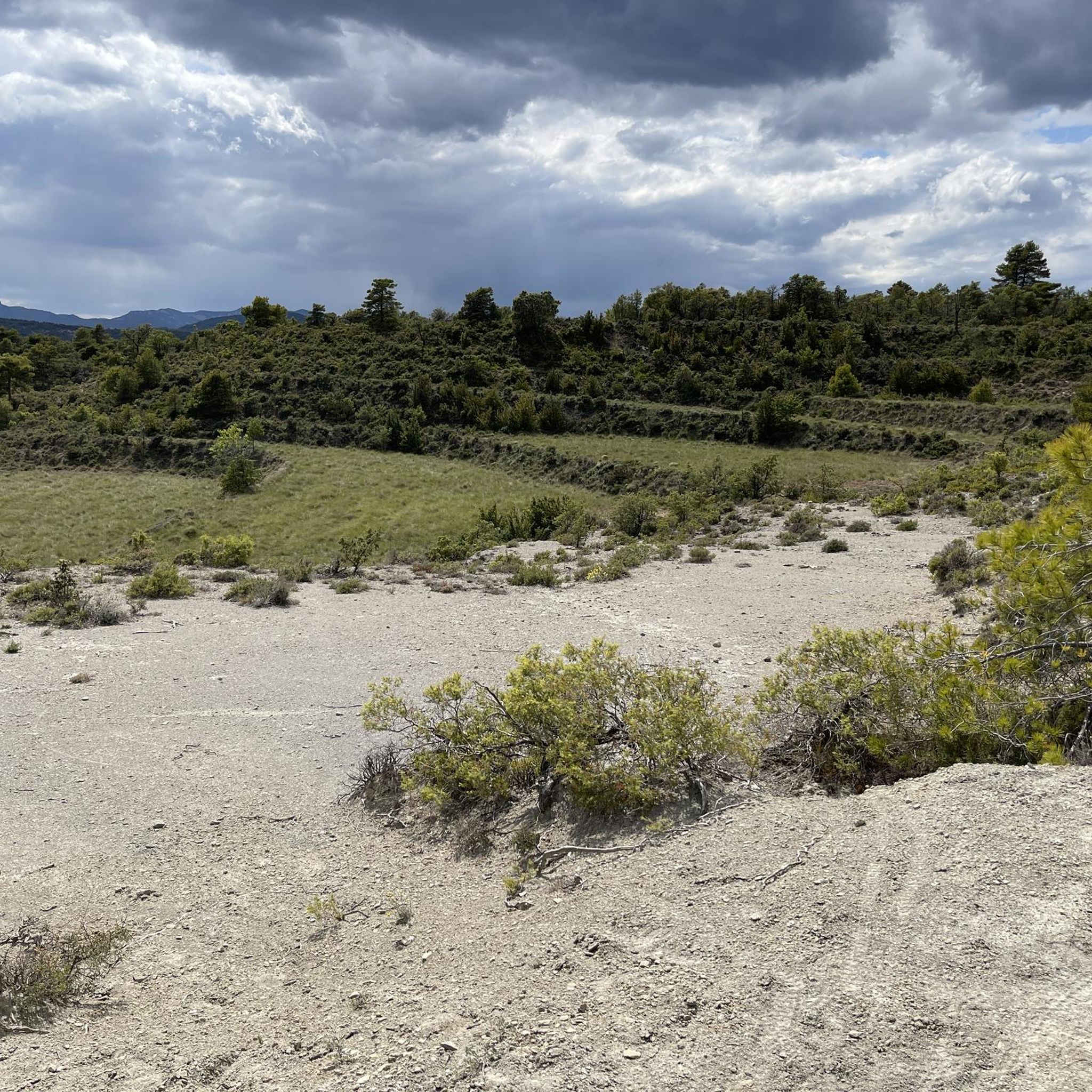
Road Cycling Routes around Aínsa-Sobrarbe
Other adventures around Aínsa-Sobrarbe


Tips from the Community

An idyllic meadow in the middle of the forest, located on the North face of Peña Montañesa
0
0
A very enjoyable climb. No steep inclines, a narrow but well-maintained road. The finish at the foot of Peña Montañesa has its charm.
0
0

Climb through a lot of bedrock, with rolling steps, Guara territory, inhospitable, without coverage, Collada with views of the Piri
0
0

Collado de Cullivert is the link between the Cotiella massif (2912 m), Sierra Ferrera and the Peña Montañesa (2291 m). Natural passage between the regions of Ribagorza and Sobrarbe, separation line of the slopes of the Ésera and Cinca rivers. Access to the Cullivert pass (1,471 m) is via a demanding but beautiful track of almost 6 km that goes up the Ravine of Viu.
0
0

On any of its slopes, that of Boltaña and that of Guarguera, the port of Serrablo is a long port, more than 12 kilometers long. It is more irregular from La Guarguera, due to the continuous ups and downs of its final kilometres, and with a more classic profile from Boltaña. Even so, the Boltaña slope alternates kilometers with a gradient of up to 6% with others of authentic rest. The road is very quiet, with very little traffic, with good views of the natural park of the Sierra and the Guara canyons on the south side and the national park of Ordesa and Monte Perdido on the north side.
1
0

The port of Arro leads to the Monastery of San Victorián, from the 6th century, considered the oldest in Spain. Legend has it that Saint Victorián arrived in the Pyrenees fleeing from earthly temptations. After a life as a hermit in the Cueva de la Espelunga and realizing great prodigies, he was appointed abbot of the monastery, which was originally called San Martín de Asán. Some time later, in the 11th century, the monastery took its name and was renamed San Victorian or San Beturián.
0
0

Length 11 km, difference in altitude 560 m, average gradient 4.6%, maximum gradient 13.5%. Very nice road and scenic a dream.
0
0
South-east to north-west direction, 3rd category pass. Length of ascent 4068 m, difference in altitude 288 m, average gradient 6.9%, maximum gradient 13%
0
0
Frequently Asked Questions
What are some popular mountain passes for cycling around Aínsa-Sobrarbe?
The region offers several excellent mountain passes for cycling. The Puerto de Arro – Monastery of San Victorián is a well-developed and signposted route with varying gradients up to 13.5%. Another popular choice is Puerto de Mondot, featuring an ascent of over 4 kilometers with an average gradient of 6.9%. The Puerto de Cotefablo is also a classic Pyrenean pass, popular with cyclists due to its good road surface and relatively low traffic.
Are there challenging mountain passes for experienced cyclists in the region?
Yes, for experienced cyclists seeking a demanding climb, the Puerto de Fanlo is an excellent choice. It's one of the longest in the Aragonese Pyrenees, stretching over 24 kilometers with significant elevation gain and sections up to 7-10% gradient. The route through the Añisclo Canyon offers spectacular scenery but requires caution due to narrow sections and potential rockfalls.
What historical sites can I explore near the mountain passes?
The Puerto de Arro – Monastery of San Victorián leads directly to the Monastery of San Victorián, considered the oldest in Spain, dating back to the 6th century. This offers a unique blend of challenging cycling and historical exploration.
What kind of views can I expect from the mountain passes in Aínsa-Sobrarbe?
The mountain passes offer diverse and breathtaking views. From the Serrablo Pass, you can see the Sierra and Guara canyons to the south, and Ordesa and Monte Perdido National Park to the north. Collado de Añisclo provides panoramic views of the Pineta Valley and the south face of the Monte Perdido massif. The Puerto de Cotefablo also offers expansive views of the Pyrenees and Sobrarbe from certain vantage points.
Are there challenging hiking routes in the Aínsa-Sobrarbe mountain passes?
Yes, the Collado de Añisclo is known for challenging hiking routes that require good physical condition and high-mountain experience. The upper part of the Añisclo Valley, leading to the Collado, is a high-mountain itinerary with significant geological interest and offers an immersive experience in a wild environment.
What are the road conditions like on the mountain passes?
Road conditions vary. The Puerto de Cotefablo generally has a good road surface. The Puerto de Arro – Monastery of San Victorián is well-developed and signposted. However, some sections of the Puerto de Fanlo, especially the older route through the Añisclo Canyon, can be narrow and prone to rockfalls, making caution advisable.
What is the best time of year to visit the mountain passes around Aínsa-Sobrarbe?
The region is generally best visited outside of winter for cycling and high-mountain hiking. During summer and Easter, the road through the Añisclo Canyon operates as a one-way, ascending route, which is an important consideration for planning. Always check local conditions, especially for high-mountain areas, as weather can change rapidly.
Are there any less-trafficked mountain passes for a quiet experience?
Yes, the Serrablo Pass is known for its quiet roads with very little traffic, offering a peaceful experience. The Cullivert Pass also offers a demanding but beautiful track through a ravine, leading to an idyllic meadow in the middle of the forest, suggesting a quieter, more natural experience.
What outdoor activities can I do near these mountain passes?
Beyond exploring the passes themselves, Aínsa-Sobrarbe is a hub for various outdoor activities. You can find numerous road cycling routes, including challenging loops like the 'Ordesa y Monteperdido – circular via Bajo Peñas'. There are also many running trails and MTB trails, such as the 'Ruta Bajo Peñas', offering diverse terrain for all skill levels.
Can I see wildlife on the mountain passes?
The high-mountain environment of areas like the Collado de Añisclo is a UNESCO World Heritage site, known for its unique landscapes and biodiversity. From the Mirador de Añisclo, visitors can observe a wide array of raptors, indicating a rich wildlife presence in the more remote and natural areas of the passes.
Are there any mountain passes with unique geological features?
The Collado de Añisclo is particularly notable for its geological interest. The valley itself is a narrow, glacially carved gorge, and the upper part leading to the Collado showcases rock formations from the Pyrenees' formation, offering insights into glacial landscapes from 65,000 years ago.
What do visitors enjoy most about the mountain passes around Aínsa-Sobrarbe?
Visitors appreciate the spectacular scenery, especially along routes like the Añisclo Canyon with its impressive gorge and turquoise waters. The challenging climbs and rewarding panoramic views are a highlight for cyclists, while hikers value the immersive experience in wild, high-mountain environments. The quiet roads and historical landmarks also add to the appeal.
Most popular routes around Aínsa-Sobrarbe
Most popular attractions around Aínsa-Sobrarbe

Get inspired with the komoot mobile app


Explore more
See even more epic mountain passes by checking out these guides around Aínsa-Sobrarbe:
