Top 20 Natural Monuments around Fago
Natural monuments around Fago are found in a small municipality nestled in the Aragonese Pyrenees of Huesca, Spain. This area is known for its tranquil, natural environment and traditional mountain architecture. Fago is situated within the Natural Park of the Western Valleys, which features abundant forests, rivers, mountains, and ravines. The wider Huesca province and Aragon region also offer significant natural attractions.
Best natural monuments around Fago
- The most popular natural monuments is Estanés Lake, a lake located at…
Last updated: October 4, 2026
Estanés Lake
Highlight • Lake
Translated by Google •
Tip by

Ibón de Acherito
Highlight • Lake
All the Aragonese lakes …
Translated by Google •
Tip by

Sign up now to discover places like this
Get recommendations on the best single tracks, peaks, & plenty of other exciting outdoor places.
Table of the Three Kings (Hiru Erregen Mahaia)
Highlight • Summit
Translated by Google •
Tip by

Burgui
Highlight • Settlement
Translated by Google •
Tip by

Sanchèse Waterfall
Highlight • Waterfall
Translated by Google •
Tip by

Sign up for free to discover even more natural monuments around Fago.
Already have an account?
Start today with a free account
Your next adventure awaits.

Tips from the Community

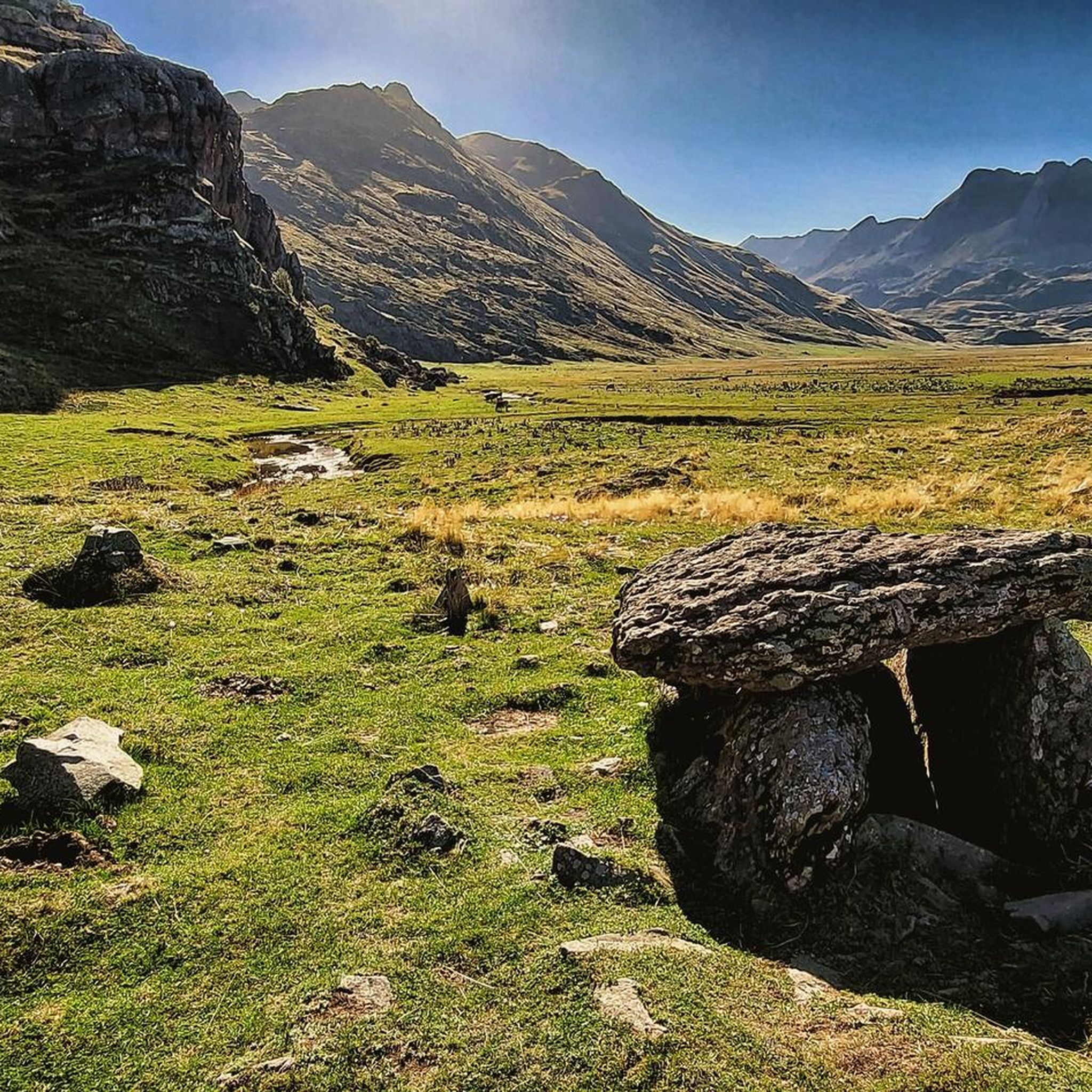
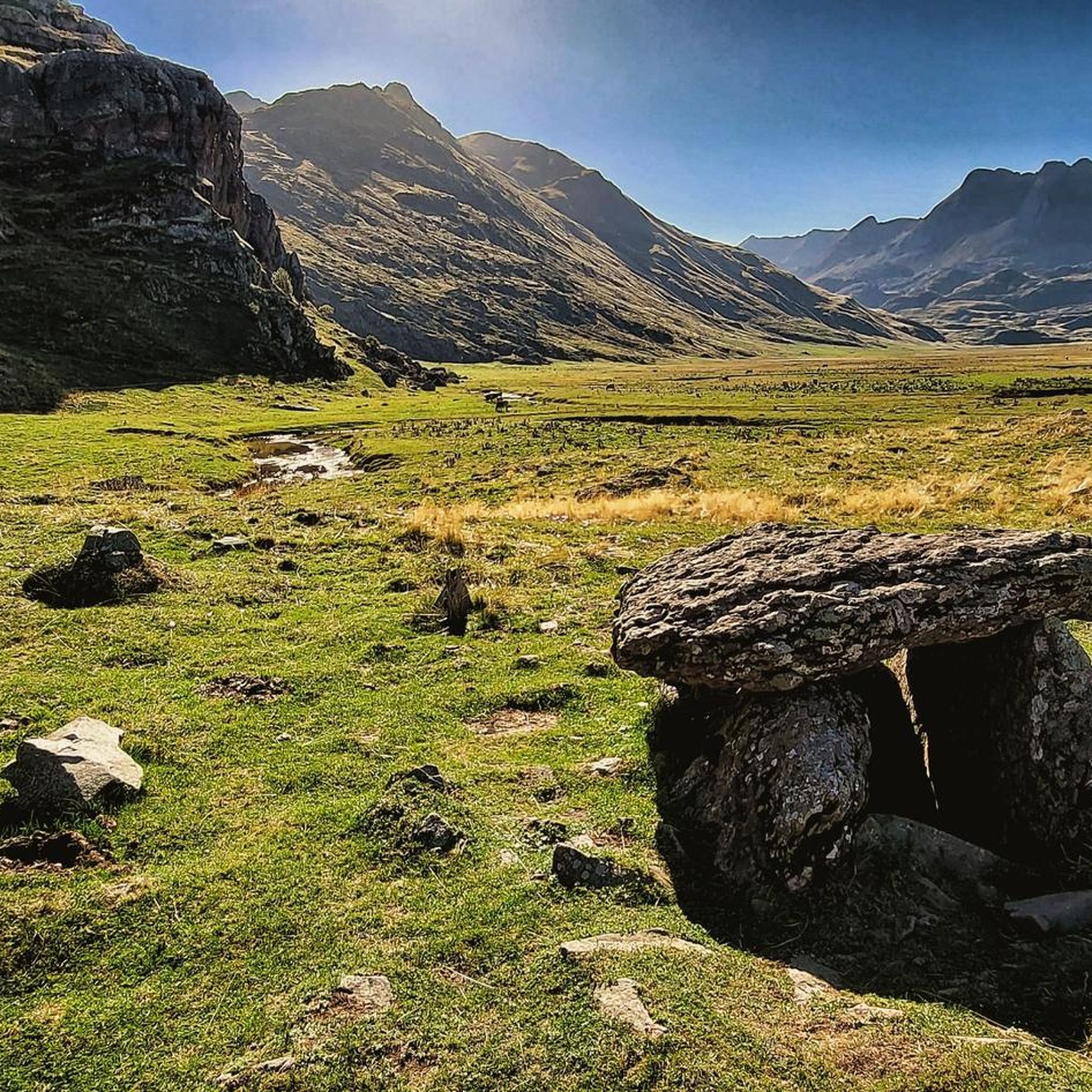
Sitting right at 1,754 meters on the Spanish side of the border, Lake Estanés (Ibón de Estanés) is a total Pyrenean classic. Grassy basin at the foot of towering, rugged limestone peaks, this spot feels completely timeless the second you step down to the shore. Also it's a local favorite and literally never disappoints!
1
0
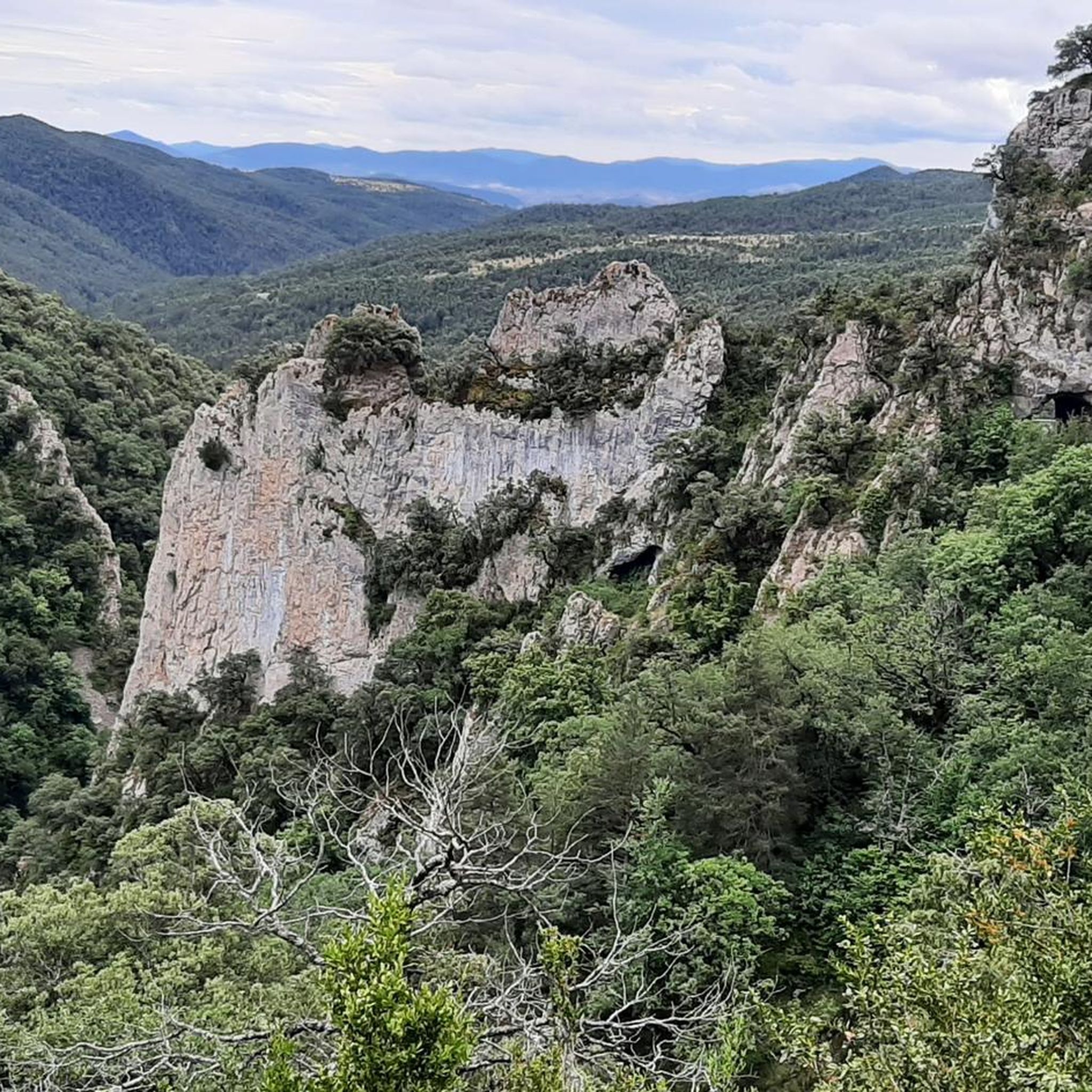
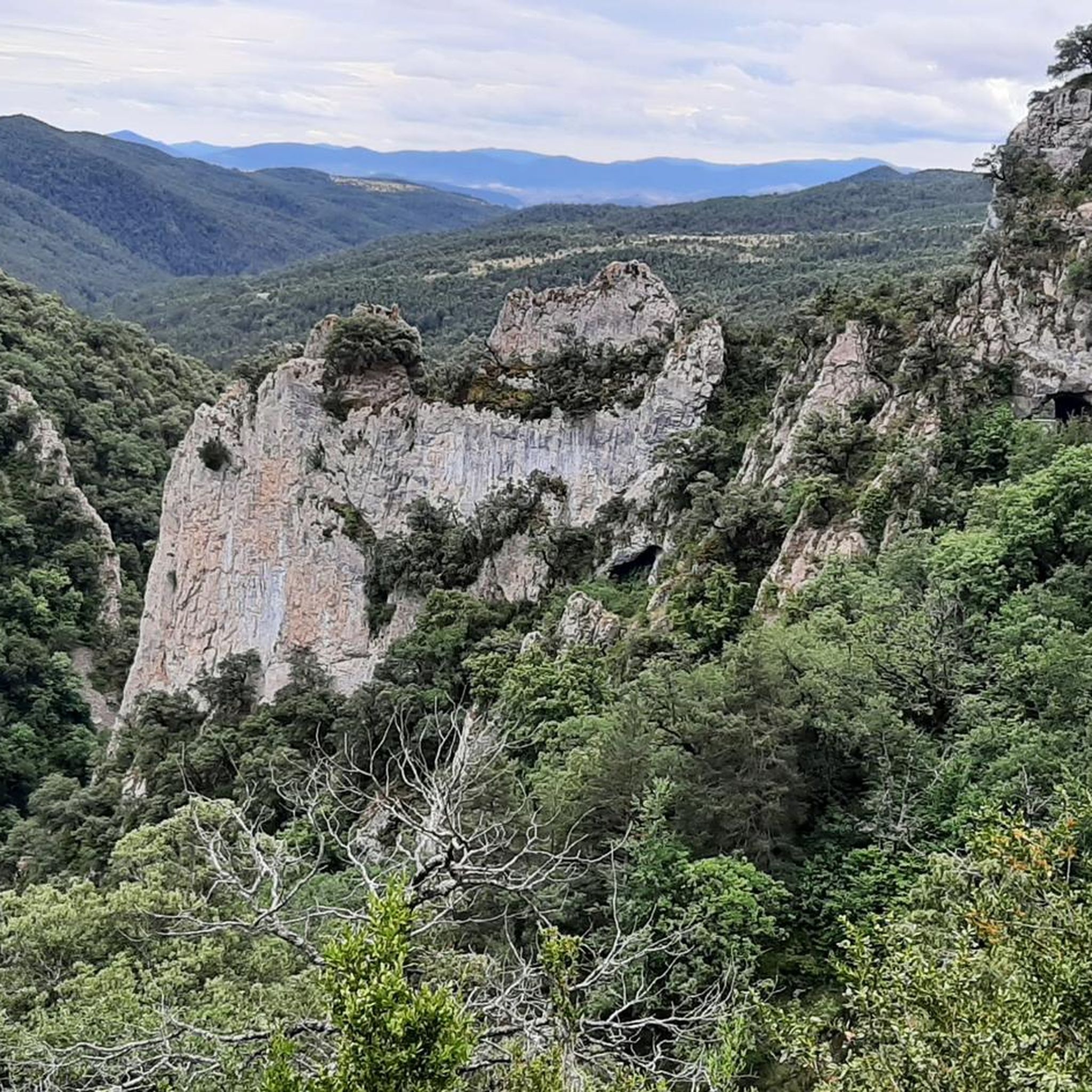
Pure mountain magic sitting at nearly 1,900 meters up in the Echo Valley, Ibón de Acherito is hands-down one of the coolest glacial lakes in this part of the Spanish Pyrenees. It’s tucked right into a big, rocky bowl of steep limestone cliffs that make the whole place feel super hidden and special.
2
0
At 2,444 meters, Hiru Erregen Mahaia (or Mesa de los Tres Reyes) is the absolute highest spot in Navarre and a total classic in the Pyrenees. Fun local legend says the old kings of Navarre, Aragon, and Béarn used to meet up right at the top so they could chat without stepping foot into each other's countries!
2
0

Beautiful hike, accessible to all levels, without any difficulty, and rich in panoramas.
0
0

Burgui is the start in the lower or southern part of the Roncal Valley, which ends in Belagua, at the foot of Piedra de San Martín. It is a very beautiful and quiet town, with all kinds of services to stay for several days and use it as a starting point for the various bike tours in the area. It is also highly recommended to reach Burgui via the road coming from Salvatierra de Esca, following the course of the Esca river through the Foz de Esca.
0
0

Wonderful waterfall and magnificent mountain scenery.
0
0

The Mesa de los Tres Reyes is the highest peak in Navarra with 2444 meters. It starts from the Linza refuge, being a hard and demanding climb due to the distance (17 km round trip) and the difference in altitude (1309 meters); and the last climb to reach the top in which you inevitably have to put your hands down on a steep slope with loose stones, although it is even more impressive on the way down. But the effort is rewarded by the areas that are crossed and the views throughout the journey.
1
0

It is best to put the bag down before climbing to the table.
0
0
Frequently Asked Questions
What are some notable natural monuments to explore around Fago?
The region around Fago, nestled in the Aragonese Pyrenees, offers a variety of stunning natural monuments. You can visit the beautiful Estanés Lake, a classic mountain lake at 1,754 meters above sea level, known for its clear waters and picturesque setting. Another unique spot is Ibón de Acherito, the westernmost lake in the Pyrenees, home to a colony of Pyrenean newts. For dramatic landscapes, the Foces de Fago y Biniés Protected Landscape features impressive gorges and canyons carved by rivers.
Are there family-friendly natural monuments or areas near Fago?
Yes, the area offers options suitable for families. The Llano de Tacheras is a great starting point for excursions within the Natural Park of the Western Valleys, offering accessible parking and a pleasant environment. The Sanschese plateau, near the Sanchèse Waterfall, is also very pleasant with horses and cows often grazing, providing a refreshing stop for families.
What kind of outdoor activities can I do near the natural monuments around Fago?
The natural monuments around Fago are perfect for various outdoor activities. You can enjoy hiking, mountain biking, and mountaineering. For hiking, there are routes like the Ibón de Acherito Loop. Cycling enthusiasts can explore routes such as the Foz de Biniés and Foz de Fago Loop. You can find more detailed routes and guides for these activities on the Hiking around Fago, Mountain Hikes around Fago, and Cycling around Fago pages.
What is the best time of year to visit the natural monuments around Fago?
Summer is generally recommended for visiting the high-altitude natural monuments like Ibón de Acherito, as mentioned in visitor tips. During this season, the weather is more stable, and trails are typically clear of snow, making hiking and exploring more accessible and enjoyable. However, spring and autumn also offer beautiful scenery with vibrant flora or changing leaf colors, though some higher routes might still have snow or require more preparation.
Are there any challenging natural monuments for experienced hikers?
Yes, for experienced hikers seeking a challenge, the Table of the Three Kings (Hiru Erregen Mahaia) is a demanding ascent. As the highest peak in Navarra, it requires good physical condition and favorable weather. The climb involves a significant distance and altitude gain, with some sections requiring hands-on scrambling over loose stones, but it rewards with spectacular views throughout the journey.
What kind of natural features can I expect to see in the Fago area?
The Fago area, situated within the Natural Park of the Western Valleys, is rich in diverse natural features. You'll encounter serene mountain lakes like Estanés Lake and Ibón de Acherito, refreshing waterfalls such as the Sanchèse Waterfall, and impressive summits like the Table of the Three Kings. The landscape also features abundant beech and pine forests, crystal-clear rivers, and dramatic ravines, especially in the Foces de Fago y Biniés Protected Landscape.
Where can I find parking and access points for natural monuments around Fago?
Many natural monuments in the region are accessible, often with designated parking areas. For instance, the Llano de Tacheras serves as a starting point for many excursions into the Valles Occidentales National Park and has a parking area reachable by car from the Zuriza campsite. This makes it a convenient access point for exploring the surrounding trails.
What wildlife and flora can be observed near Fago's natural monuments?
The Natural Park of the Western Valleys, where Fago is located, is a haven for wildlife. You might spot various bird species, including the white-backed beak and the bearded vulture. The park is also home to endangered species like the brown bear and osprey. In terms of flora, the area is characterized by abundant beech and pine forests, and unique species like the Pyrenean newt can be found in lakes such as Ibón de Acherito.
Are there any natural monuments with particularly good viewpoints?
Many natural monuments in the Fago area offer spectacular viewpoints. Both Estanés Lake and Ibón de Acherito provide breathtaking views of the surrounding mountains and valleys. The summit of the Table of the Three Kings offers panoramic vistas as the highest peak in Navarra. Additionally, the Llano de Tacheras is a viewpoint in itself, offering a particular beauty and serving as a gateway to further scenic spots.
What are some hidden natural gems in the wider Aragon region beyond Fago?
Beyond Fago, the wider Aragon region boasts several remarkable natural gems. The Ordesa y Monte Perdido National Park, a UNESCO World Heritage site, features vast valleys, canyons like Añisclo, and the famous Cola de Caballo waterfall. Another significant area is the Sierra and Canyons of Guara Natural Park, renowned globally for canyoning with its narrow, deep ravines, turquoise waters, and natural pools. These offer diverse experiences for nature lovers.
Can I find natural pools or swimming spots near Fago's natural monuments?
While specific natural pools for swimming are not highlighted directly within Fago's immediate natural monuments, the wider Huesca province offers such opportunities. The Sierra and Canyons of Guara Natural Park, for example, is famous for its turquoise waters and natural pools, making it a popular destination for swimming and canyoning. When visiting mountain lakes like Ibón de Acherito, it's important to note that activities that could modify water quality, such as bathing with chemicals like sunscreen, are prohibited to protect these singular wetlands.
Most popular attractions around Fago

Get inspired with the komoot mobile app


Explore more
Extend your search for the best caves by checking out these guides of the top ones around Fago:
