Top 20 Natural Monuments around Jun
Best natural monuments around Jun offer diverse landscapes for exploration. The region features a variety of natural formations, including caves, forests, and cultivated gardens. These sites provide opportunities to experience the local geography and plant life. Jun's natural monuments are ideal for outdoor activities and appreciating the area's unique environment.
Best natural monuments around Jun
- The most popular natural monuments is Cave of the Marbles, a cave located in the Sierra de Huétor Natural Park. This cave features imposing columns and accessible main caverns.
- Another must-see spot is Sierra de Huétor, a mountain range covered in pine, cedar, and fir forests. It offers views of Sierra Nevada and Pico Veleta, with routes suitable for gravel exploration.
- Visitors also love University of Granada Botanical Garden, a botanical garden founded in 1783. It is an oasis in the city, featuring a wide variety of native and exotic plant species.
- Jun is known for its natural parks, caves, and botanical gardens. The area offers a variety of natural monuments to see and explore, from geological formations to cultivated plant collections.
- The natural monuments around Jun are appreciated by the komoot community, with 79 upvotes and 42 photos shared by visitors.
Last updated: July 28, 2026
University of Granada Botanical Garden
Highlight • Natural
Translated by Google •
Tip by

Lower Gardens of the Generalife
Highlight • Natural Monument
Translated by Google •
Tip by

Sign up now to discover places like this
Get recommendations on the best single tracks, peaks, & plenty of other exciting outdoor places.
Sign up for free
Carmen de los Mártires Gardens
Highlight • Historical Site
Translated by Google •
Tip by
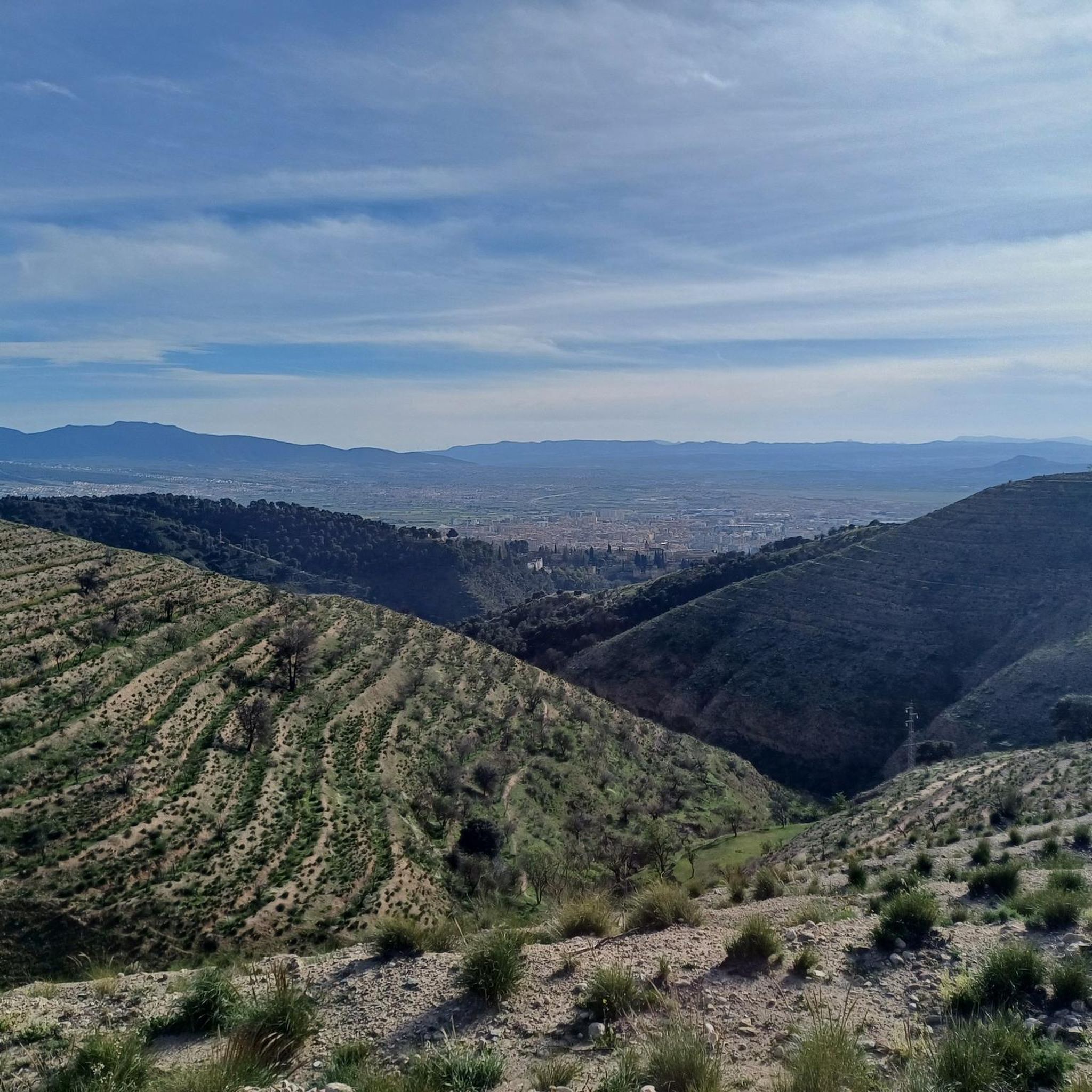
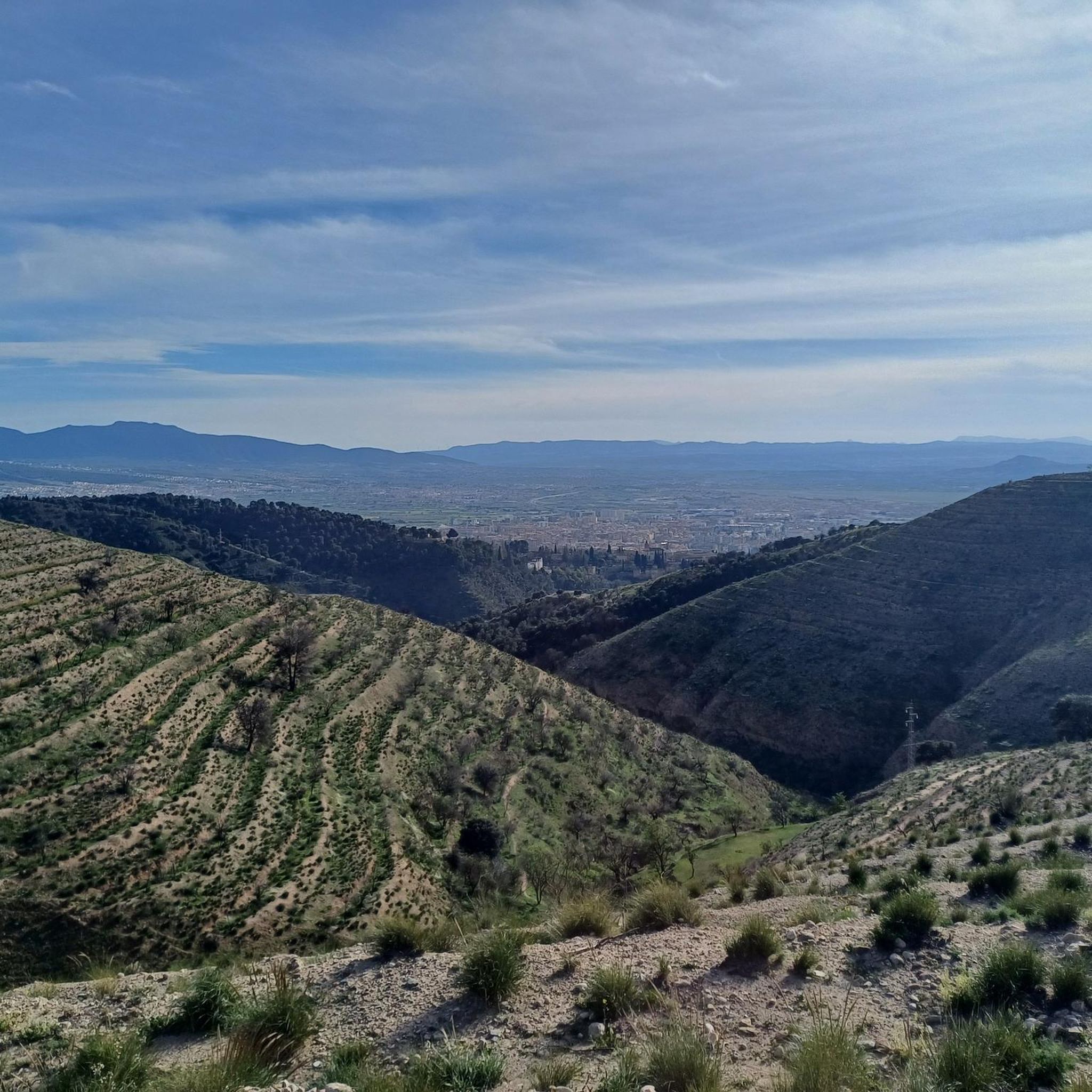
Sierra de Huétor
Highlight • Forest
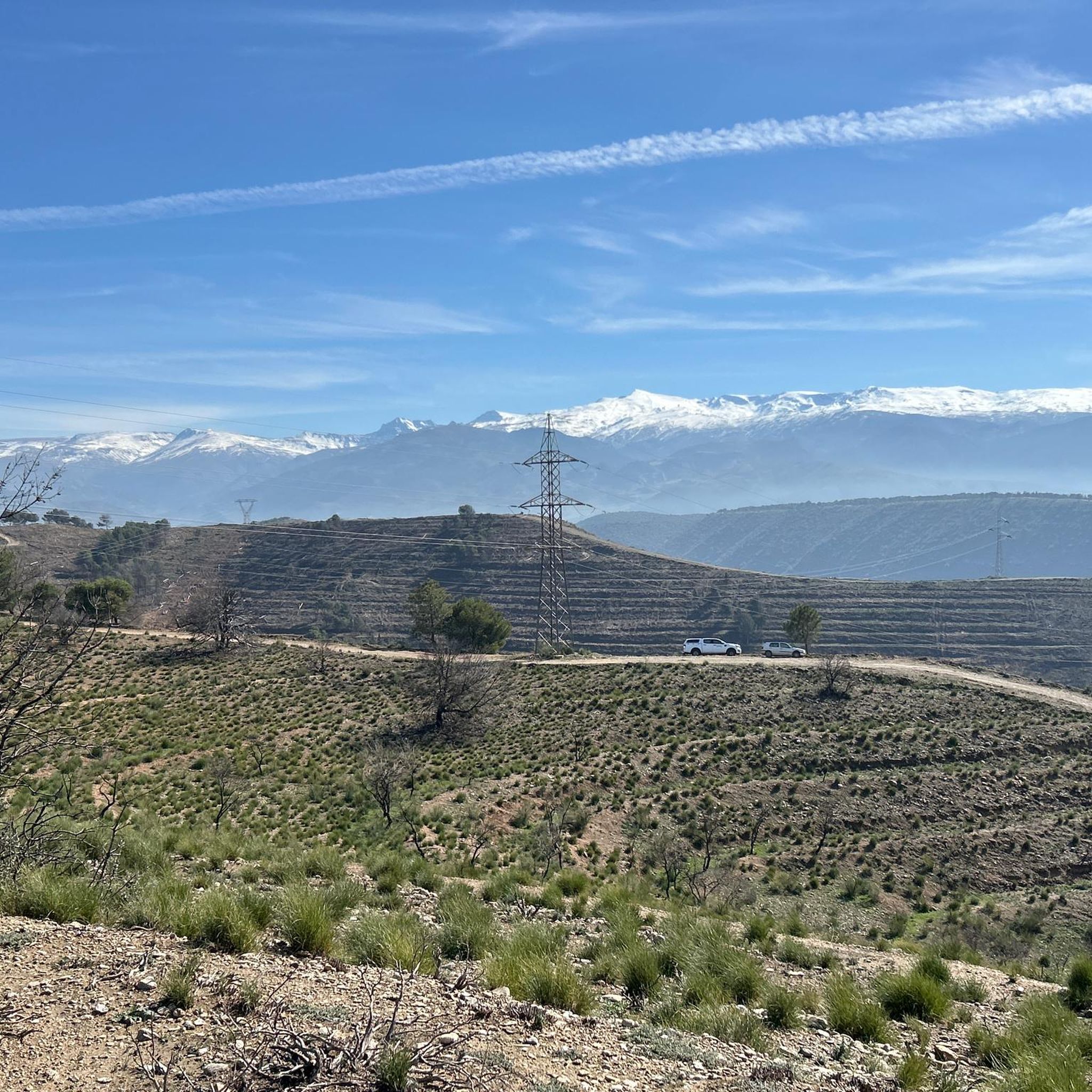
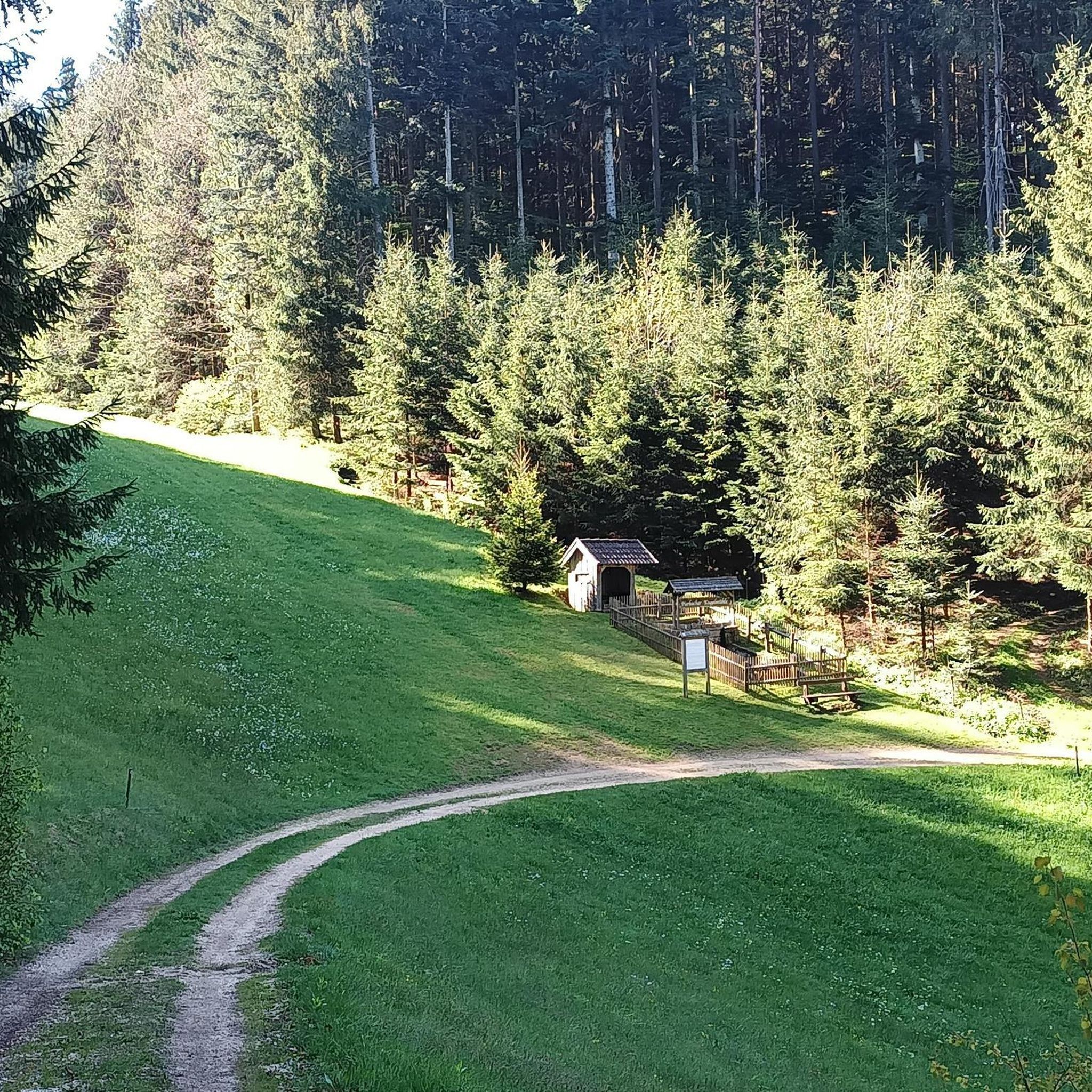
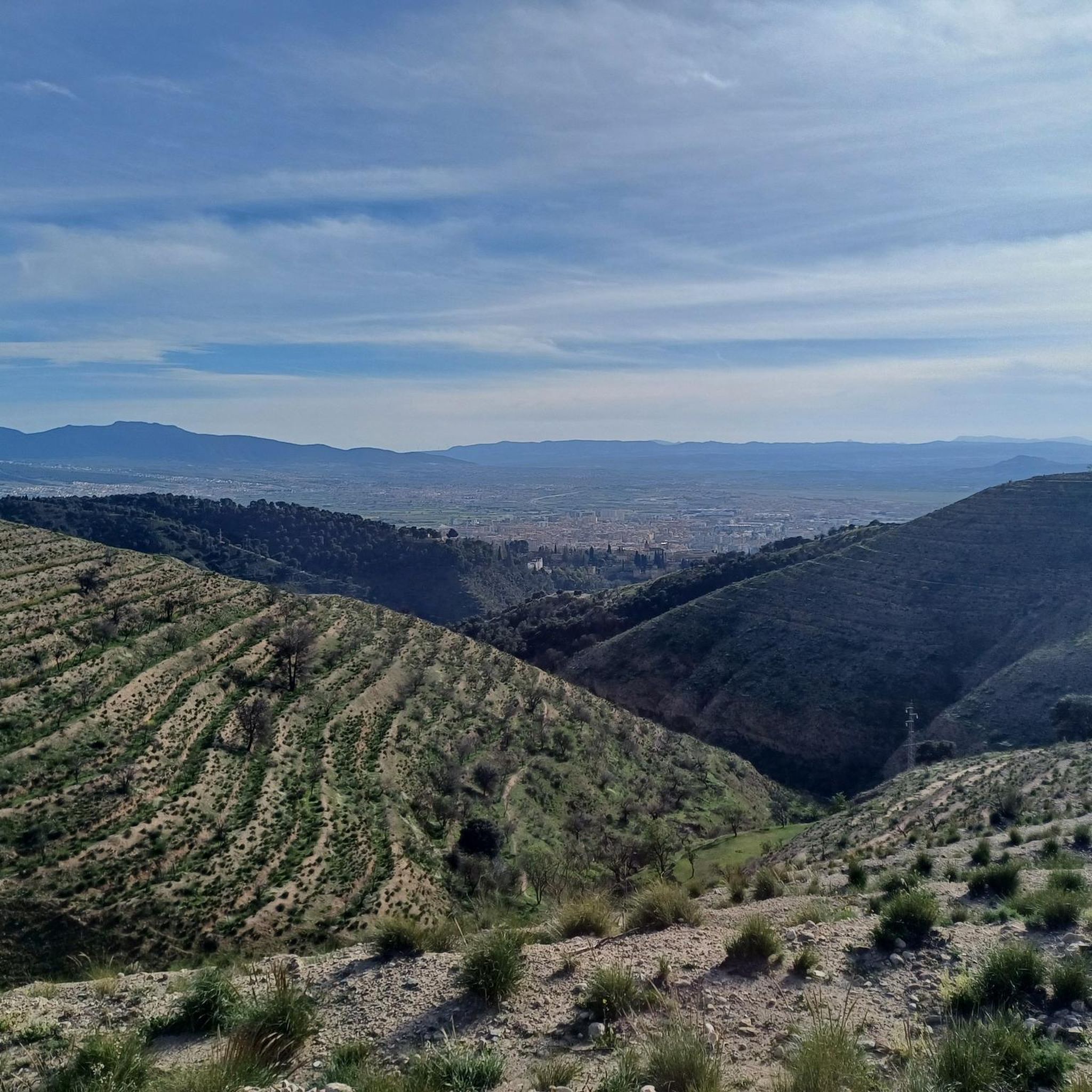
This mountain range covered in pine, cedar and fir forests, with amazing views of Sierra Nevada and the omnipresent Pico Veleta, contains dozens of kilometers and routes of just perfect gravel.
Tip by

Cypress Grove at the Alhambra Gardens
Highlight • Natural Monument
In the Mediterranean region and the Near East, it is difficult to distinguish which species were original here: cypress species were already planted in various locations during the Roman Empire.
Source and further information
de.m.wikipedia.org/wiki/Zypressen
Translated by Google •
Tip by

Sign up for free to discover even more natural monuments around Jun.
Sign up for free
Already have an account?
Start today with a free account
Your next adventure awaits.
Login or Signup
Tips from the Community

Unparalleled beauty to recharge your batteries and your senses
0
0

The University of Granada Botanical Garden is an oasis of tranquility in the heart of the city. The garden is home to a variety of native and exotic plants.
2
0

The Jardín Botánico of the University of Granada is a beautiful botanical garden founded in 1783 by Mariano del Campo. The garden is located in the heart of the city, next to the old university building. Here you will find a wide variety of plant species, both native and exotic, divided into different sections such as systematic, geographical and medicinal plants. The garden is an oasis of peace and a perfect place to relax and enjoy nature in the middle of the city.
7
0

The Carmen de los Mártires is a Carmen (house with gardens) in Granada, located in the immediate vicinity of the Alhambra; it is one of the largest such complexes in the city. Inside the Carmen there is a representative building, a palm garden, a landscaped lake with an island of ruins, a French garden, a historic kitchen garden and a viewing point that opens up onto the city, the Vega behind it and the Sierra Nevada. https://de.wikipedia.org/wiki/Carmen_de_los_M%C3%A1rtires
0
0

This mountainous landscape can be easily explored from Granada through shady pine forests, even on warmer days. Good gravel routes and always great views of the Pico Veleta. Highly recommended. Don't forget water.
2
0

The Garden of the Martyrs is not called one of the three most beautiful gardens in Granada for nothing. A visit is a must. Located next to the Alhambra, you can enjoy its beauty for hours. It is open daily. Monday to Friday 10:00 - 14:00 & 18:00 - 20:00, Saturday & Sunday 10:00 to 20:00. Admission is free.
1
0

Mediterranean cypresses (Cupressus sempervirens) have been cultivated since ancient times. They are, as the botanical species name suggests, evergreen conifers (sempervirens means “evergreen”) that grow rapidly when young and grow more slowly as they age. The species assigned to this genus and their numerous cultivated forms only tolerate cold to a limited extent. In the Mediterranean region and the Near East, it is difficult to distinguish which species were original here: cypress species were already planted in various locations during the Roman Empire. Source and further information https://de.m.wikipedia.org/wiki/Zypressen
3
0

The Paseo de los Mártires in Granada is a place with rich history and architectural beauty. This carmen and garden, built in the 19th century, is located on the southern slope of the Mauror hill, within the Alhambra complex. It has more than seven hectares and offers extraordinary panoramic views of the Sierra Nevada, La Vega and the city of Granada.
9
0
Frequently Asked Questions
What types of natural monuments can I explore around Jun?
Around Jun, you can explore a diverse range of natural monuments. These include geological formations like the Cave of the Marbles in Sierra de Huétor Natural Park, extensive forest areas such as Sierra de Huétor itself, and beautifully cultivated spaces like the University of Granada Botanical Garden and the Lower Gardens of the Generalife.
Are there any family-friendly natural monuments in the Jun area?
Yes, several natural monuments around Jun are great for families. The University of Granada Botanical Garden offers a peaceful oasis to explore various plant species. The Lower Gardens of the Generalife and the Carmen de los Mártires Gardens are also family-friendly, providing beautiful landscapes and historical context, with the latter offering free admission and stunning views.
What are the best natural monuments for beginners or those looking for easy access?
For beginners or those seeking easy access, the cultivated gardens are ideal. The University of Granada Botanical Garden is located in the heart of the city and is an easy stroll. Similarly, the Carmen de los Mártires Gardens, adjacent to the Alhambra, offers accessible paths and beautiful scenery without strenuous effort.
What kind of views can I expect from the natural monuments around Jun?
The natural monuments around Jun offer spectacular views. From Sierra de Huétor, you can enjoy amazing panoramic views of Sierra Nevada and Pico Veleta. The Carmen de los Mártires Gardens also provides extraordinary vistas of the Sierra Nevada, La Vega, and the city of Granada.
Are there historical natural monuments in the region?
Yes, the region boasts natural monuments with significant historical value. The University of Granada Botanical Garden was founded in 1783, making it one of the oldest botanical collections. The Lower Gardens of the Generalife were designed between 1931 and 1951, interpreting the Muslim garden style, reflecting the Islamic paradise. The Carmen de los Mártires Gardens also has a rich history, built in the 19th century within the Alhambra complex.
What outdoor activities can I do near these natural monuments?
The area around Jun offers various outdoor activities, especially near Sierra de Huétor. You can find excellent routes for road cycling, mountain biking, and gravel biking. For detailed routes and guides, check out the Road Cycling Routes around Jun, MTB Trails around Jun, and Gravel biking around Jun guides.
Are there hiking trails near the natural monuments?
Yes, particularly in the Sierra de Huétor Natural Park, there are dozens of kilometers of trails suitable for hiking and gravel exploration. These trails often pass through pine, cedar, and fir forests, offering shade even on warmer days and providing great views of Pico Veleta. The Cave of the Marbles is also located within this natural park, accessible via trails.
What is the best time to visit the natural monuments around Jun?
June is an ideal month to visit many natural monuments in Spain, including those around Jun. The weather is generally pleasant, making it perfect for exploring gardens and hiking in natural parks like Sierra de Huétor. Early mornings are often recommended for popular spots like the gardens to avoid crowds and enjoy cooler temperatures.
What are some unique natural features to look out for?
Beyond the general beauty, look for specific unique features. In the Cave of the Marbles, you can admire imposing columns within its accessible main caverns. The Lower Gardens of the Generalife are notable for their crossing ditches and dense cypress hedges, designed to reflect an Islamic paradise. The Carmen de los Mártires Gardens features a landscaped lake with an island of ruins and a French garden.
What do visitors appreciate most about the natural monuments in Jun?
Visitors frequently praise the tranquility and natural beauty of the area. The University of Granada Botanical Garden is described as an 'oasis of peace' and a perfect place to relax. The Carmen de los Mártires Gardens is often called one of Granada's most beautiful gardens, offering hours of enjoyment. The Sierra de Huétor is valued for its 'unparalleled beauty to recharge your batteries and your senses' and its excellent gravel routes with great views.
Is there public transport available to reach these natural monuments?
While specific public transport routes to each natural monument are not detailed, the University of Granada Botanical Garden is centrally located in the city, making it easily accessible. For natural parks like Sierra de Huétor, it's advisable to check local bus services from Granada or consider driving for more flexibility.
Most popular attractions around Jun

Get inspired with the komoot mobile app


Explore more
Extend your search for the best caves by checking out these guides of the top ones around Jun:
