Top 5 Natural Monuments around Utebo
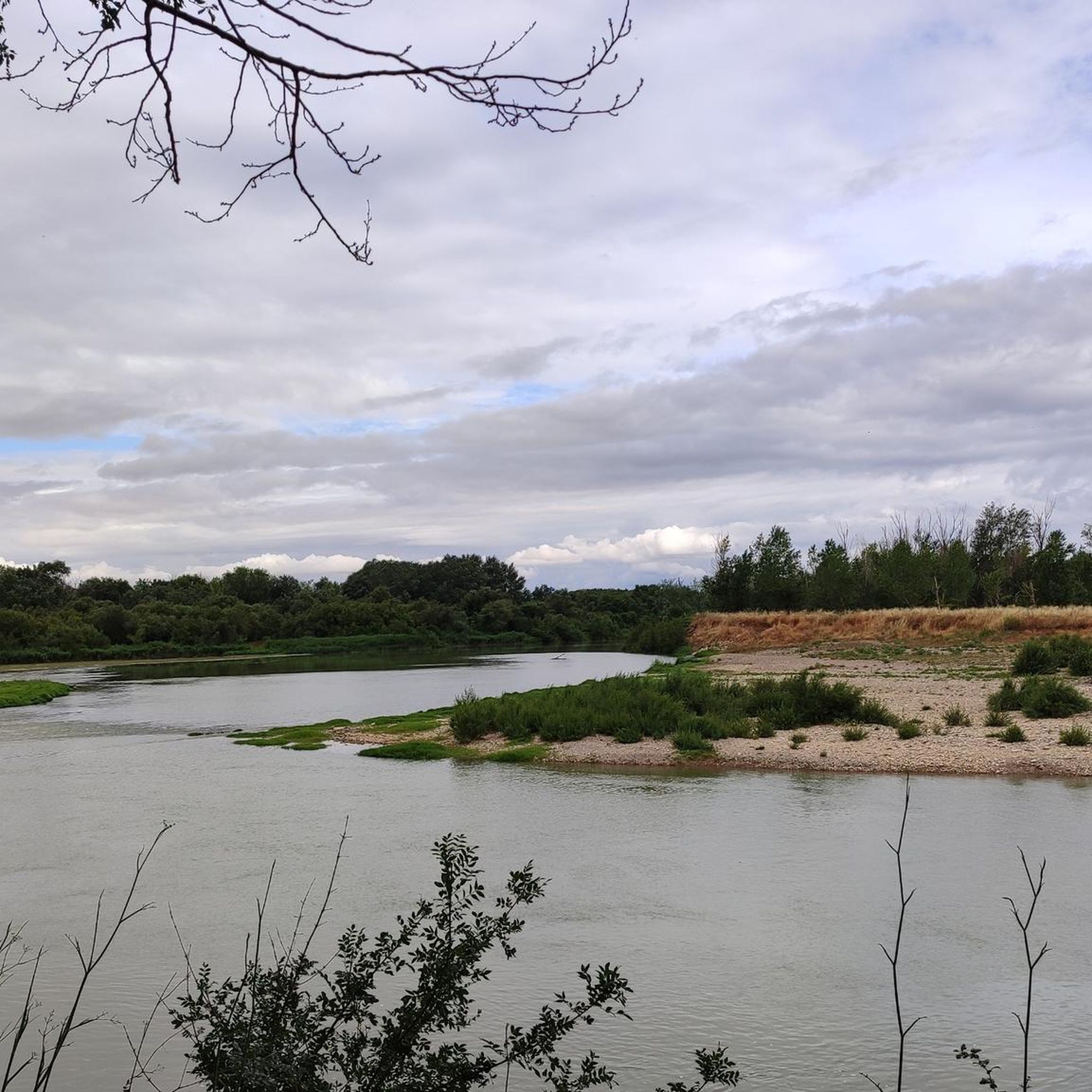
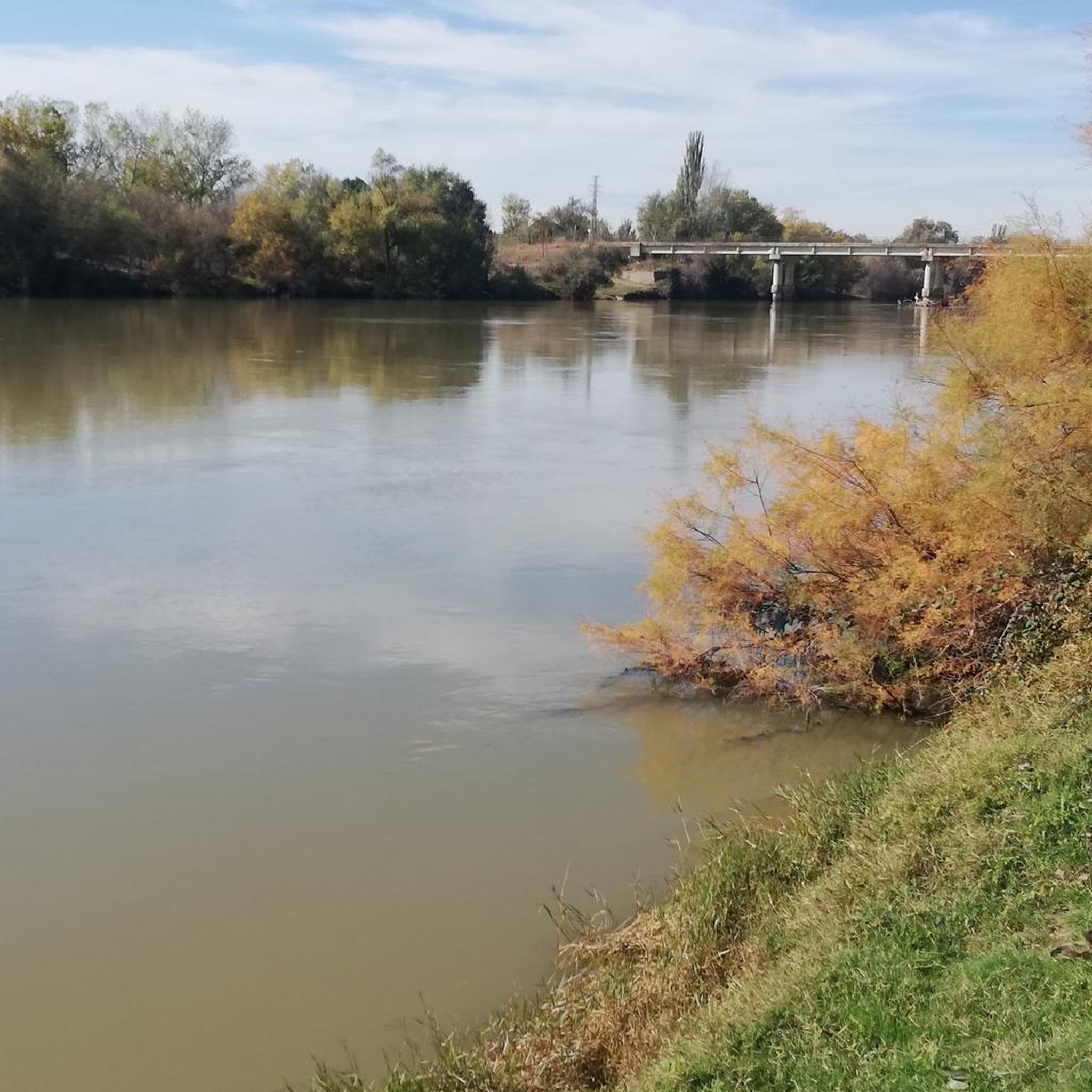
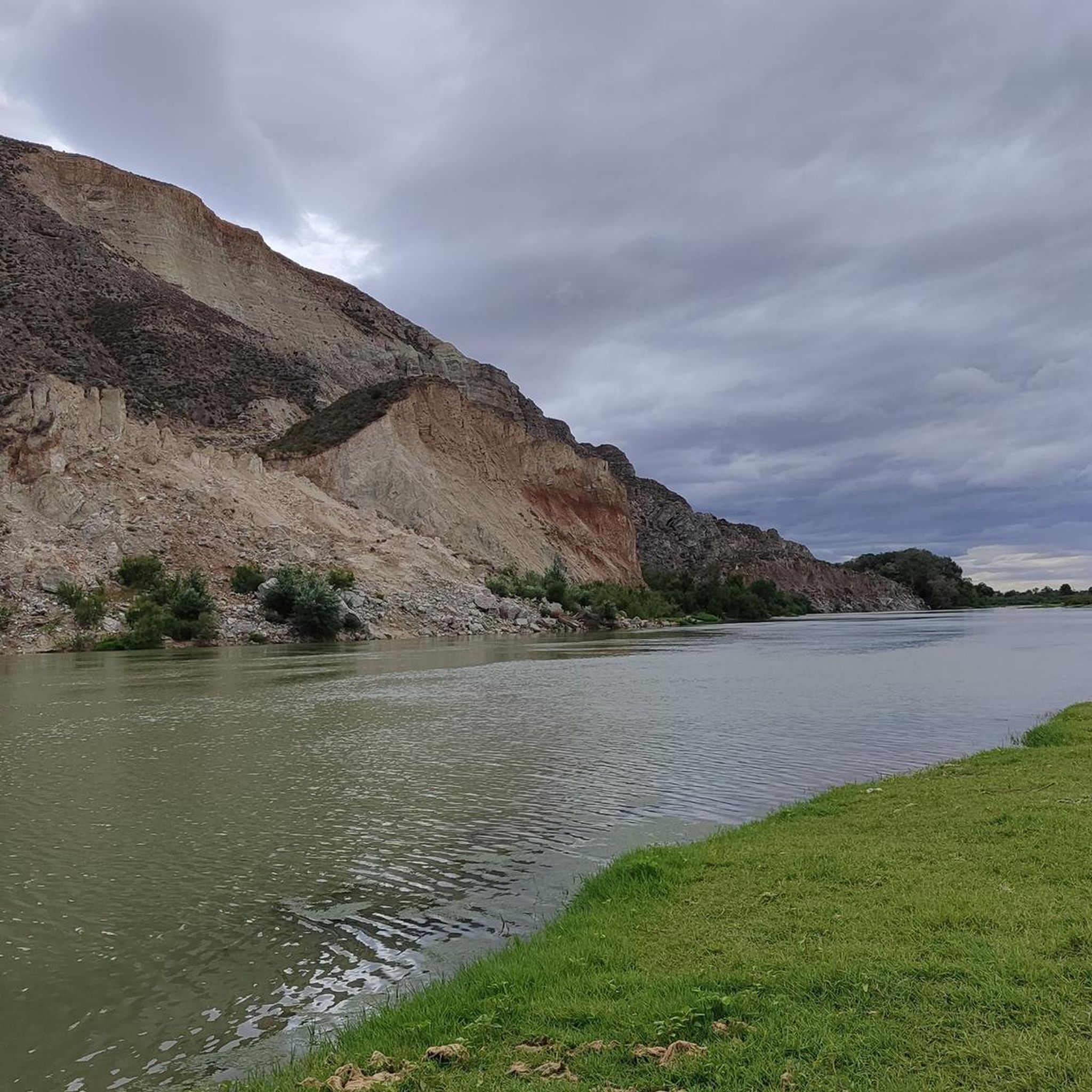
Natural monuments around Utebo are characterized by diverse natural areas, many recognized as Special Conservation Zones within the Natura 2000 network. The region features significant riverine ecosystems along the Ebro River, including sotos and mejanas, which are crucial for biodiversity. Additionally, steppe environments like El Castellar offer unique landscapes and important habitats for avian fauna. These areas provide opportunities to explore the ecological importance of river systems and observe diverse wildlife.
Best natural monuments around Utebo
- The most popular natural…
Last updated: June 4, 2026
Galachos de Juslibol Interpretation Center
Highlight • Rest Area
These centers offer activities, guided tours and …
Translated by Google •
Tip by

Balsa de Larralde
Highlight • Lake
Translated by Google •
Tip by

Sign up now to discover places like this
Get recommendations on the best single tracks, peaks, & plenty of other exciting outdoor places.
Sign up for free
Three-thorned acacia.
Highlight • Natural Monument
Translated by Google •
Tip by
Delicias Park Fountain
Highlight • Natural Monument
Translated by Google •
Tip by
Rason Spring
Highlight • Natural Monument
Translated by Google •
Tip by
Start today with a free account
Your next adventure awaits.
Login or Signup

Tips from the Community

For as long as the locals can remember, this field has always had an acacia tree that provided shade during agricultural work. This one is a descendant of a previous tree that was cut down in 1956. In 2004, its total height was 15 meters.
0
0

The Larralde raft is worth seeing, but not the rest.
0
0

Highly recommended for a day out
0
0

On September 18, 2018, the municipal brigade of Pinseque carried out the cleaning and uncovering of the Fuente del Rasón, reaching its source pipes through which spring water flows. These pipes, together with the wells of the houses, supplied the water jars of the homes of Pinseque until approximately the 1970s.
1
0

Galachos de Juslibol Interpretation Centre. It was closed on Saturday when I was there.
2
0

El Galacho is a protected area of high natural value, where educational activities and walks are carried out to get to know nature. Until just two decades ago, cycling on interior roads was prohibited. Drive slowly, respect pedestrians and, above all, forget about the rush as you cross the Galacho. Others will appreciate it, and so will you.
0
0

Be sure to stop and walk up the steps for about 5 minutes. From there you have an absolutely fantastic view towards Zaragoza and the Galalcho de Juslibol - a wetland of an old branch of the Rio Ebro.
2
0

In Zaragoza, you can find several interpretation centers that will allow you to learn more about the nature and heritage of the region. These centers offer activities, guided tours and an educational experience for anyone interested in exploring the nature and history of Aragon.
4
0
Frequently Asked Questions
What are the key natural areas to explore around Utebo?
Utebo is home to several significant natural areas, including the Sotos y Mejanas del Ebro, which are dynamic riverine landscapes with rich biodiversity, and El Castellar, a steppe environment important for birdlife. You can also experience the local natural and rural landscape via the Camino Natural de Utebo.
Where can I observe diverse wildlife, especially birds, near Utebo?
The Sotos y Mejanas del Ebro are crucial for biodiversity, serving as a refuge and food source for a wide array of wildlife, particularly birds during migration. This area is also a protected zone for the endangered *Margaritifera auricularia* (freshwater pearl mussel). Additionally, El Castellar is designated as a Special Protection Area for Birds (ZEPA), making it an excellent spot for avian fauna observation.
Are there family-friendly natural monuments or areas suitable for children around Utebo?
Yes, several natural spots are suitable for families. The Galachos de Juslibol Interpretation Center offers an educational experience about the region's nature and heritage. The Balsa de Larralde, a 4-hectare wetland, is also a great place to observe native flora and fauna. The Camino Natural de Utebo provides an easy and accessible way to enjoy the rural landscape with children.
What kind of historical or cultural significance do some natural monuments in Utebo hold?
The Three-thorned acacia. is a natural monument with historical significance, having provided shade for agricultural workers for generations. The Rason Spring also has historical importance, as its spring water supplied homes in Pinseque until the 1970s.
What outdoor activities can I do near the natural monuments in Utebo?
You can enjoy various outdoor activities. The Camino Natural de Utebo is perfect for walking, cycling, or horseback riding through orchards and riverbanks. For more structured routes, you can find numerous road cycling routes, running trails, and MTB trails around Utebo, many of which pass through or near these natural areas.
Are there accessible walking paths to experience Utebo's natural environment?
Yes, the Camino Natural de Utebo is a 6.5 km itinerary that offers an easy and accessible way to explore the municipality's orchards and riverbanks. It's suitable for walking, cycling, or horseback riding, with interpretation points providing information about the local environment.
What is the best time of year to visit the natural monuments around Utebo?
The best time to visit Utebo's natural monuments is generally during spring (April to June) and autumn (September to October). During these seasons, the weather is milder, making it more comfortable for outdoor activities and wildlife observation. Spring brings lush vegetation and active birdlife, while autumn offers pleasant temperatures and beautiful colors.
What unique natural features can I expect to see in the Sotos y Mejanas del Ebro?
In the Sotos y Mejanas del Ebro, you'll encounter 'sotos' (woodlands alongside the river) and 'mejanas' (islands formed in the riverbed). These dynamic formations are a result of the Ebro River's fluvial activity, including abandoned meanders known as 'galachos'. The area boasts rich riparian vegetation like reeds, poplars, tamarisks, willows, and elms.
What kind of landscape characterizes El Castellar?
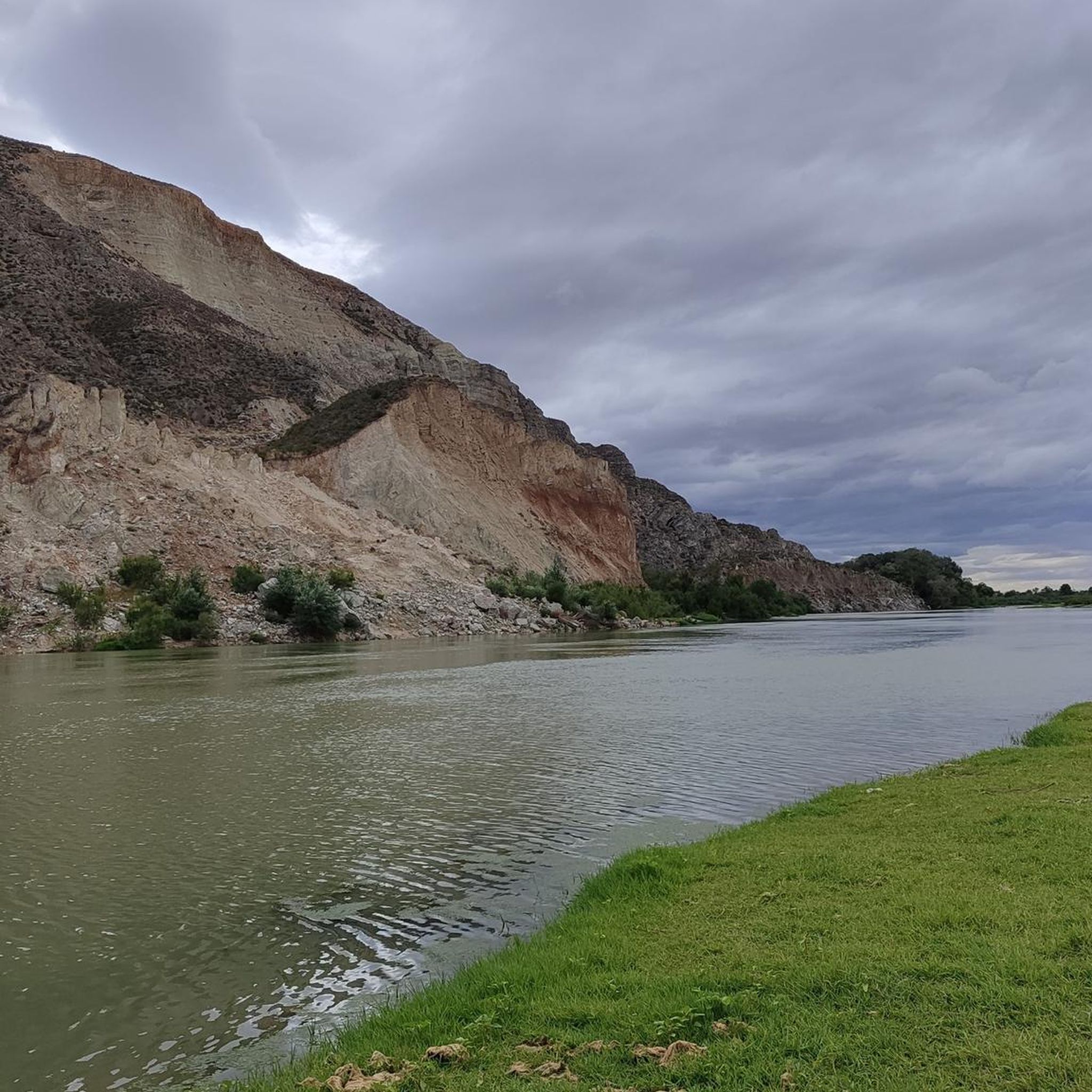
El Castellar is characterized by its steppe environment, featuring elevated areas and tabular platforms created by erosion processes. These expose resistant carbonate rock and slopes, offering panoramic views and a unique habitat for steppe bird species.
Are there any wetlands or lakes important for conservation in the Utebo area?
Yes, the Balsa de Larralde is a 4-hectare wetland crucial for the conservation of native flora and fauna. It features poplars and reedbeds, providing a vital habitat. This pond, along with the 'Ojo del Cura' and 'El Fraile', are part of an old set of lagoons formed by the subsidence of land.
What do visitors particularly enjoy about the natural monuments around Utebo?
Visitors appreciate the diverse natural areas, from the dynamic riverine ecosystems of the Ebro to the unique steppe landscapes. The opportunity to observe diverse bird species and understand the ecological importance of these protected zones is a major draw. The accessibility of paths like the Camino Natural also makes it easy for everyone to connect with nature.
Most popular attractions around Utebo

Get inspired with the komoot mobile app


Explore more
Extend your search for the best caves by checking out these guides of the top ones around Utebo:
