Top 15 Natural Monuments around El Pla Del Penedès
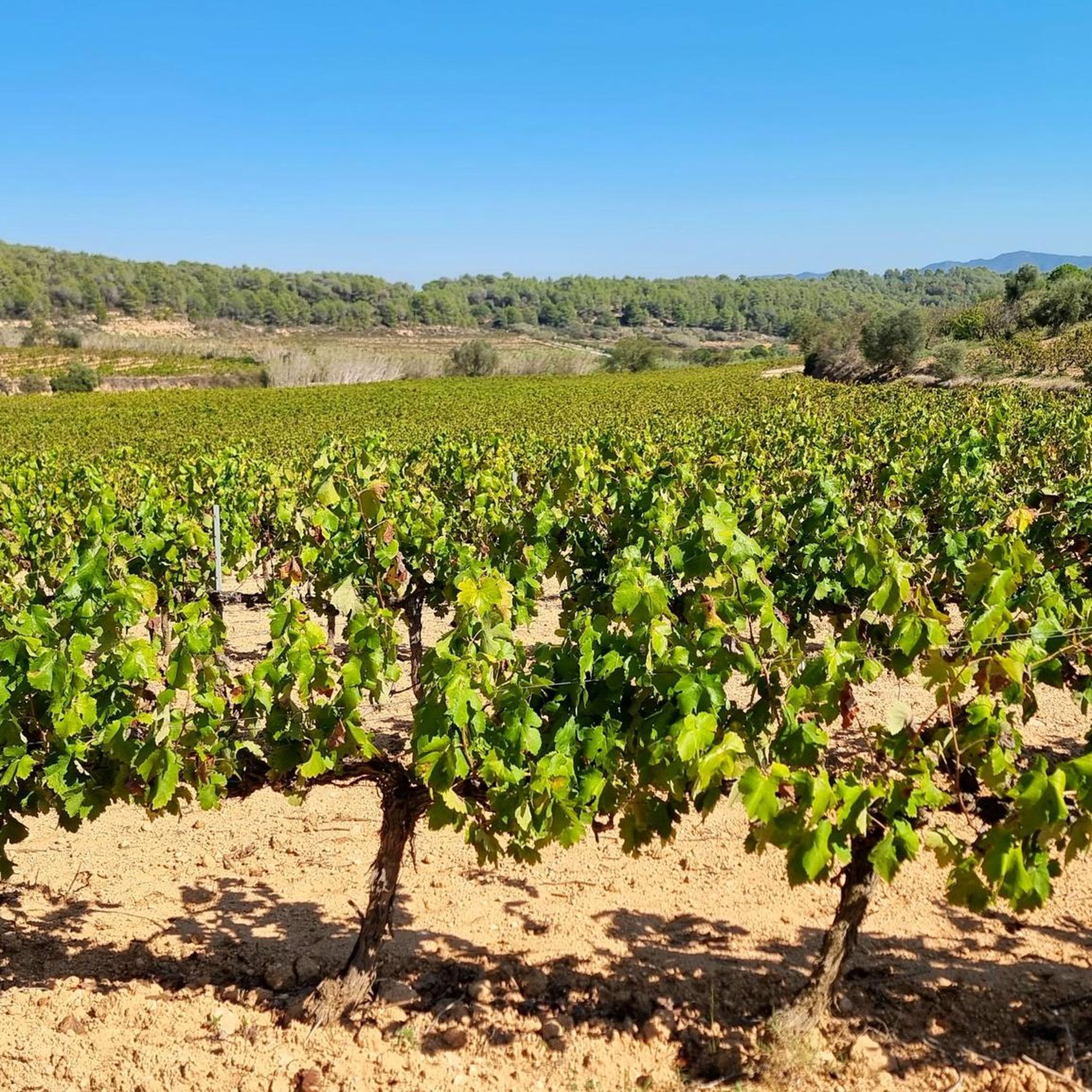
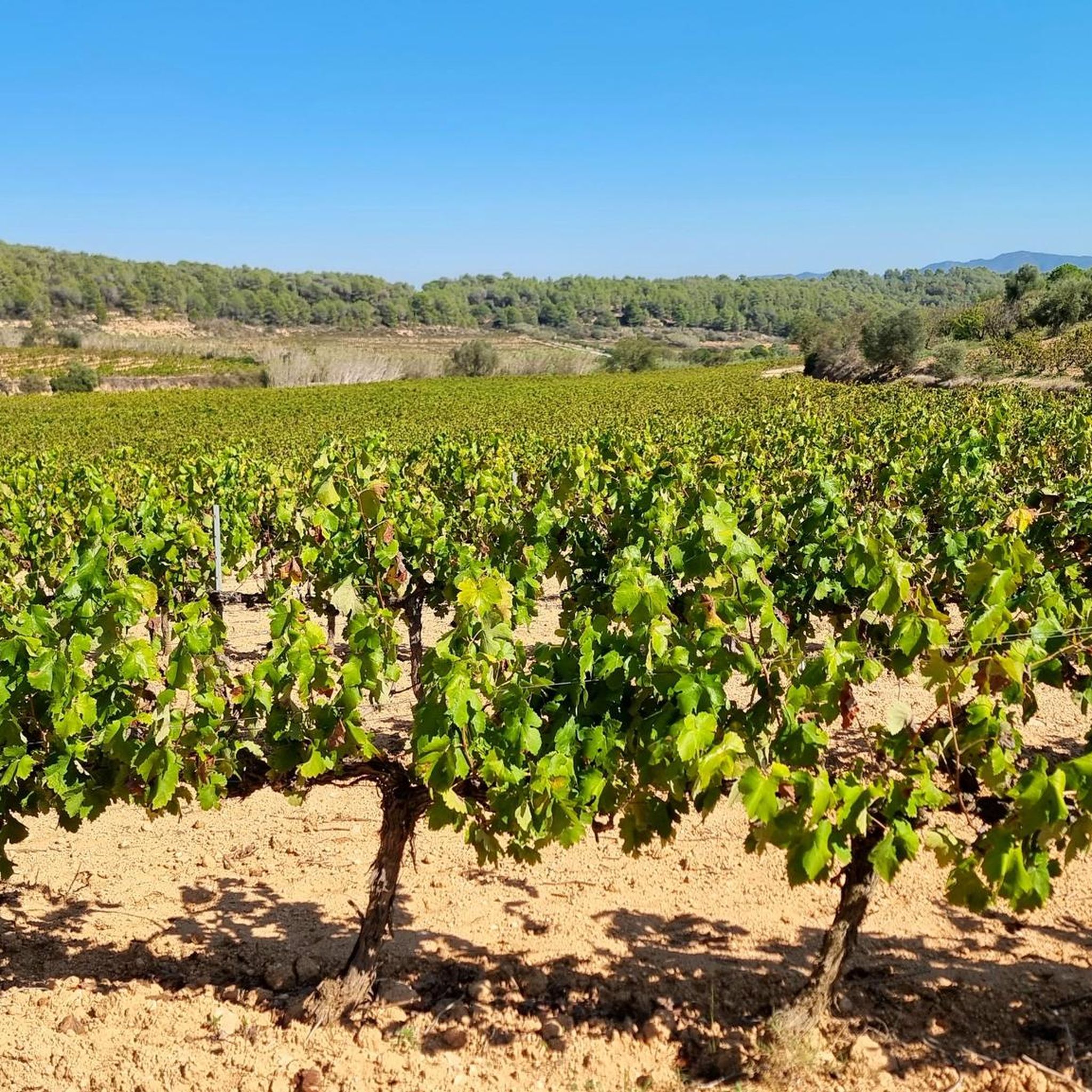
Best natural monuments around El Pla Del Penedès offer a blend of geological interest and unique ecosystems within a viticultural landscape. The region is characterized by its expansive vineyards, punctuated by natural features shaped by historical gypsum extraction. These natural areas provide a contrast to the agricultural surroundings, showcasing peculiar flora and fauna. Visitors can explore these landmarks, which include former quarries transformed into lagoons and various viewpoints across the Penedès plain.
Best natural monuments around El Pla Del Penedès
…Last updated: June 4, 2026
Gran Pèlag of Vilobí del Penedès
Highlight • Lake
Translated by Google •
Tip by

Penya del Papiol
Highlight • Summit
Translated by Google •
Tip by

Sign up now to discover places like this
Get recommendations on the best single tracks, peaks, & plenty of other exciting outdoor places.
Sign up for free
Les Deus Fountains
Highlight • Natural Monument
Translated by Google •
Tip by

Crestabocs Ridge / Hill of Lies
Highlight • Summit
Translated by Google •
Tip by

Font de Fontjilles
Highlight • Natural Monument
Translated by Google •
Tip by

Sign up for free to discover even more natural monuments around El Pla Del Penedès.
Sign up for free
Already have an account?
Start today with a free account
Your next adventure awaits.
Login or Signup

Tips from the Community

Les Deus is a natural site of Sant Quintí de Medionai is a space where there are 23 sources of water in a beautiful area to take a break.
0
0

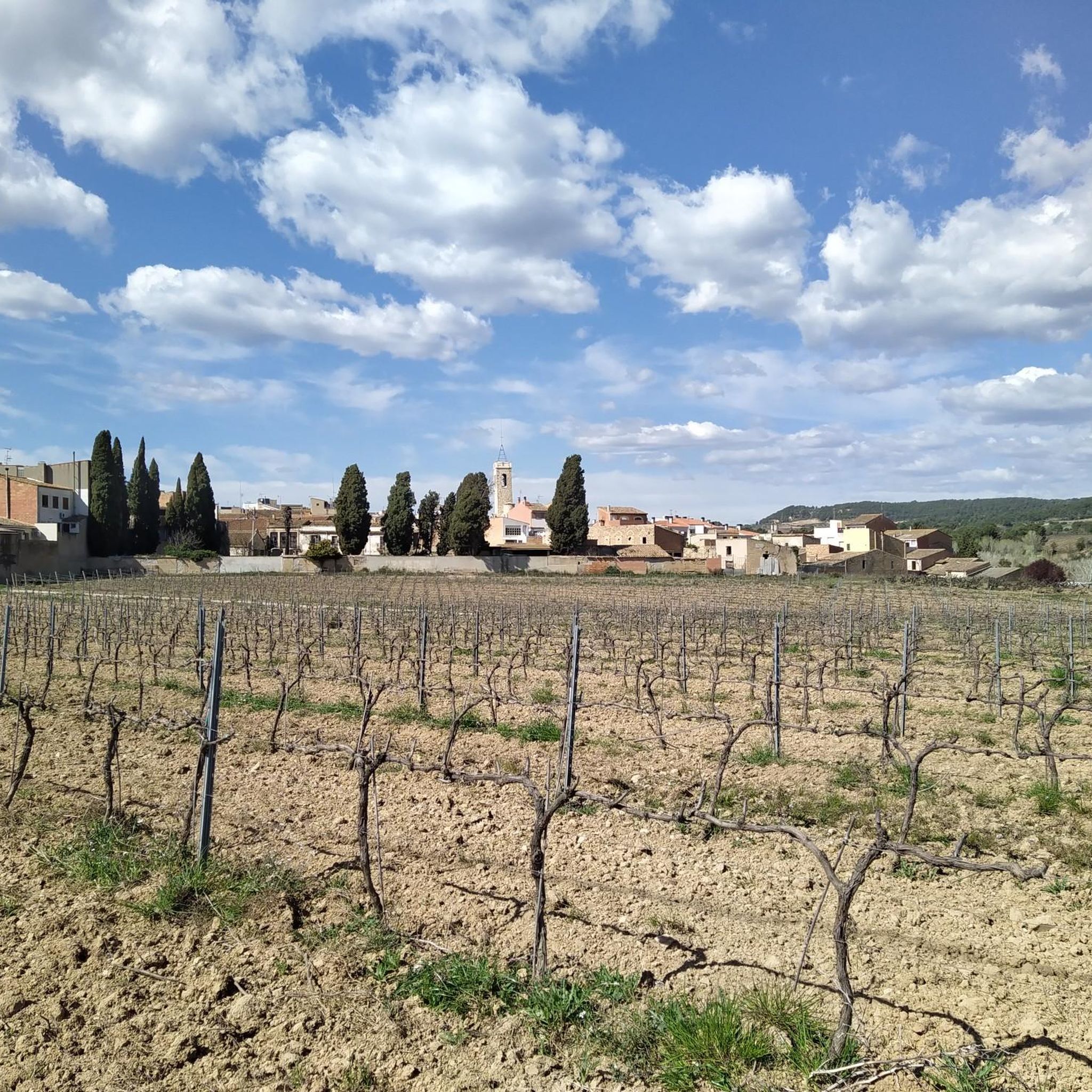
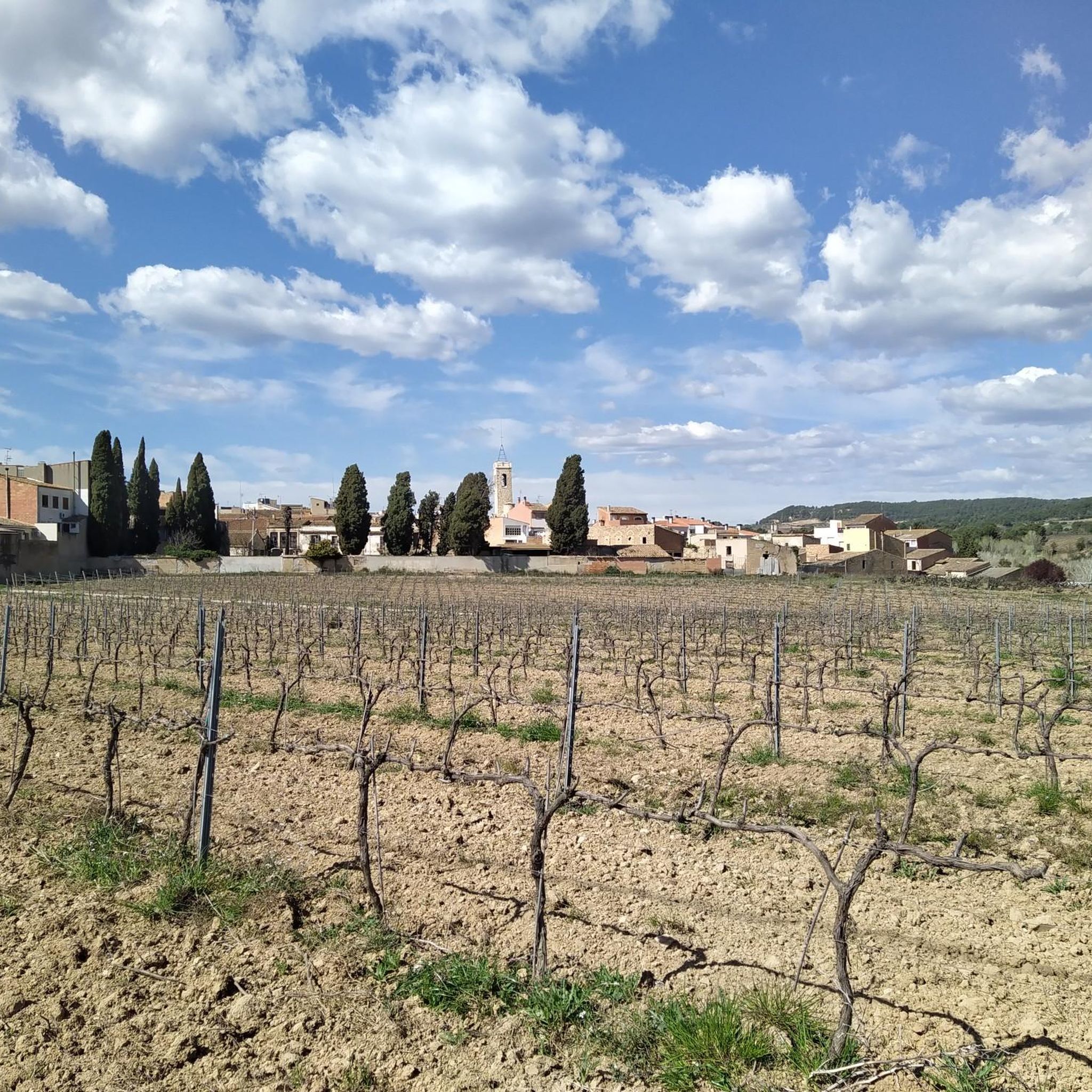
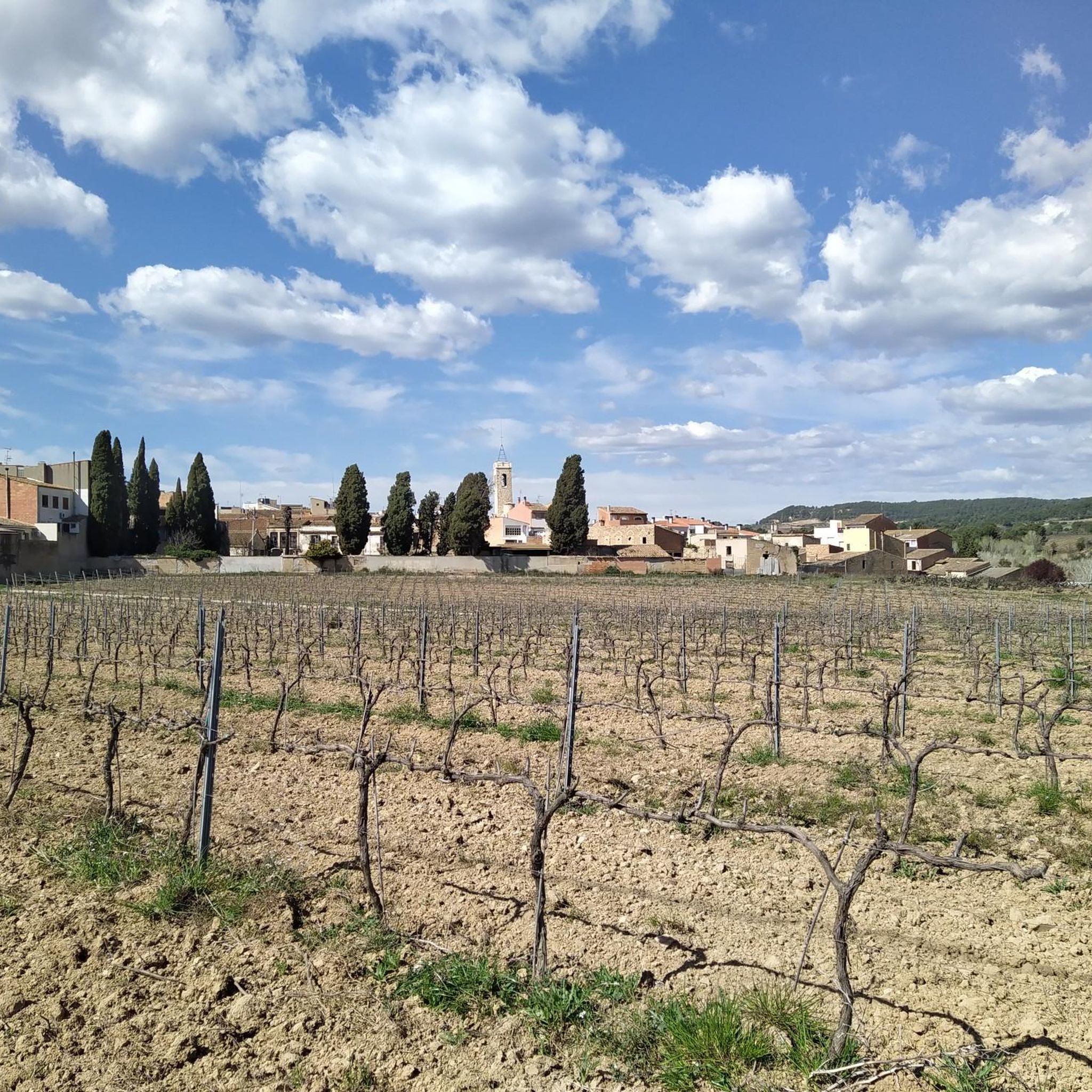
Small peak, near a quarry, where a series of rural roads converge. This is a typical area of the Penedès with extensive fields of vineyards interspersed with scattered farmhouses where you can also appreciate old quarries. From the top, if the vegetation allows us, you can see from Montserrat, la Mola, la Morella, el Montmell, el Montau and el Puig de l'Àliga, among others. As can be read on a small panel at the top, the Toponym derives from the word "popia", which in the geographical vocabulary of the popular language designates a hill of low height, with a regularly rounded shape and a wide base: the shape of the chest of 'a woman. The word "Papiol" derives from this metaphor. The name is already documented in 992 as the boundary of Viladellops (Olèrdola). Essential peak included in the list of 100 peaks of the F.E.E.C. https://www.feec.cat/activitats/100-cims/cim/penya-del-papiol/
1
0

Channeled fountain located in the upper part of the bottom of the Seguera, the water flows from a metal faucet fixed on a wall, on which the legend MCMLXV (1975) is written. Under the tap of the fountain there is a small square masonry sink and a concrete shed. A shallow channel carries the water to a small circular pool located a few meters below.
0
0

A natural area where you can enjoy lakes, pools, caves and waterfalls. Les Deus are a series of 23 fountains in a row - the water comes from a main source of the Carme Capellades aquifer. In high season, people take advantage of the lakes as a bathing area. On the highest part there is a restaurant and a bar with views and below there is a picnic area. There is also an adventure park where there is via ferrata etc.
1
0

La Penya del Papiol is a mountain of 381 meters located in the municipality of Olèrdola, in the Catalan region of Alt Penedès.
16
0

Take a small detour to the right at the height of a stone monolith.
0
1

The "pelags" -also called the talls- appeared as a result of the gypsum extractive activity that dates back to Roman times and that has been typical of Vilobí until 1993. Since the extraction of stone, a natural space made up of four lagoons. The concentration of runoff water has originated its characteristic crescent shape and the particular ecosystem that has developed in the environment. It has different very interesting and very peculiar landscapes such as the quarries themselves, and very peculiar fauna and flora. This microecosystem formed by the "pelags" of Vilobí contrasts strongly with the wine-growing landscape of the Alt Penedès region.
1
0
Frequently Asked Questions
What are some of the most unique natural monuments to visit around El Pla Del Penedès?
The region offers several distinct natural monuments. The Gran Pèlag of Vilobí del Penedès is particularly unique, featuring four crescent-shaped lagoons formed from ancient gypsum quarries. Another notable spot is Penya del Papiol, a summit offering extensive views of vineyards and distant mountains. You can also explore Crestabocs Ridge / Hill of Lies for tranquil panoramas.
What kind of natural features can I expect to see in El Pla Del Penedès?
El Pla Del Penedès is characterized by its expansive vineyards, but also features unique geological formations. You'll find former gypsum quarries transformed into lagoons, such as the Gran Pèlag of Vilobí del Penedès, as well as various summits and viewpoints like Penya del Papiol and Crestabocs Ridge / Hill of Lies, which offer broad vistas of the Penedès plain.
What makes the Gran Pèlag of Vilobí del Penedès a significant natural monument?
The Gran Pèlag of Vilobí del Penedès is significant for its geological history and unique ecosystem. Its four crescent-shaped lagoons are the result of historical gypsum extraction, dating back to Roman times. After mining ceased, runoff water created these lagoons, fostering a distinct micro-ecosystem with peculiar flora and fauna that contrasts sharply with the surrounding wine-growing landscape of Alt Penedès.
Are there hiking opportunities near the natural monuments in El Pla Del Penedès?
Yes, the region offers various hiking opportunities. While specific trails directly to every natural monument might vary, you can find numerous routes that allow you to appreciate the natural beauty of the Penedès. For example, there are many MTB Trails around El Pla Del Penedès that often pass through scenic natural areas, and some summits like Crestabocs Ridge / Hill of Lies involve short, steep paths to reach their viewpoints.
What other outdoor activities can I do around the natural monuments?
Beyond exploring the natural monuments themselves, El Pla Del Penedès is excellent for cycling. You can find many Road Cycling Routes and Touring Bicycle routes that traverse the vineyard landscapes and often pass near natural features. Mountain biking is also popular, with various MTB Trails available for different skill levels.
Are there any viewpoints offering panoramic views of the Penedès region?
Absolutely. The region is dotted with excellent viewpoints. Penya del Papiol and Crestabocs Ridge / Hill of Lies are summits that provide expansive views of the vineyards and distant mountains. Additionally, Miravinya La Bardera is a dedicated viewpoint offering sights of the northern Penedès plain, and Font-rubí Spring is located at a strategic high point with great views.
Are there family-friendly natural monuments in El Pla Del Penedès?
Yes, several natural monuments are suitable for families. The Gran Pèlag of Vilobí del Penedès is considered family-friendly, offering an interesting natural space to explore. The Miravinya La Bardera viewpoint and Font-rubí Spring are also good options for families looking for accessible natural spots with scenic views.
Can I bring my dog to the natural monuments around El Pla Del Penedès?
While specific regulations for each site may vary, generally, natural outdoor areas in the Penedès region are welcoming to dogs, especially on trails and open spaces, provided they are kept under control. It's always advisable to check local signage at each specific natural monument for any restrictions, particularly regarding protected wildlife areas like the Gran Pèlag of Vilobí del Penedès.
Are any of the natural monuments wheelchair accessible?
While many natural monuments in the region involve uneven terrain, trails, or summits, some viewpoints might offer better accessibility. For instance, dedicated viewpoints like Miravinya La Bardera, which is part of a network of viewpoints, may have more accessible approaches. However, sites like the Gran Pèlag or summits like Penya del Papiol typically involve natural paths that may not be suitable for wheelchairs.
What is the best time of year to visit the natural monuments in El Pla Del Penedès?
The Penedès region is beautiful year-round, but spring (April-May) and autumn (September-October) are often ideal. During these seasons, the weather is milder, making outdoor activities more comfortable. Spring brings lush greenery and blooming vineyards, while autumn offers stunning colors as the leaves change. Summer can be very hot, and winter, while mild, might have cooler, wetter days.
What kind of wildlife can be observed at the natural monuments?
The Gran Pèlag of Vilobí del Penedès is particularly noted for its unique micro-ecosystem, which supports peculiar flora and fauna. As a wetland area, it is home to various species of birds, including several protected ones. The contrast with the surrounding wine-growing landscape makes it a special spot for nature observation.
Are there any hidden gems among the natural monuments in El Pla Del Penedès?
While the Gran Pèlag of Vilobí del Penedès is well-known for its unique geological and ecological value, the region's charm often lies in discovering the smaller, less-trafficked viewpoints and natural springs. For instance, Font-rubí Spring, located at a high point, offers both a natural water source and strategic views, making it a pleasant discovery for cyclists and hikers.
What are the historical aspects related to the natural monuments in this region?
The natural monuments in El Pla Del Penedès often have a rich historical context. The Gran Pèlag of Vilobí del Penedès, for example, was formed from gypsum quarries whose extraction activities date back to Roman times. Similarly, the toponym for Penya del Papiol is documented as early as 992, reflecting the long human interaction with these natural landmarks.
Most popular routes around El Pla Del Penedès
Most popular attractions around El Pla Del Penedès

Get inspired with the komoot mobile app


Explore more
Extend your search for the best caves by checking out these guides of the top ones around El Pla Del Penedès:
