Top 8 Natural Monuments around Aldeonte
Best natural monuments around Aldeonte are characterized by dramatic river gorges, limestone cliffs, and diverse ecosystems. The region is situated near the Hoces del Río Riaza Natural Park and the Hoces del Duratón Natural Park, both renowned for their unique geomorphology and significant wildlife populations. These areas offer impressive landscapes carved by rivers, providing habitats for numerous bird species, including large colonies of griffon vultures. The natural features make the vicinity of Aldeonte a notable destination for exploring Spain's natural…
Last updated: November 15, 2026
Vulture Cliff
Highlight • Natural Monument
Translated by Google •
Tip by

Hoces del Duratón Natural Park
Highlight • Gorge
Translated by Google •
Tip by

Sign up now to discover places like this
Get recommendations on the best single tracks, peaks, & plenty of other exciting outdoor places.
Fuente de la Salud
Highlight • Natural Monument
Translated by Google •
Tip by

Cave of the Seven Altars
Highlight • Cave
There are seven altars carved into the rocks that seem to come from the Visigothic era.
Translated by Google •
Tip by

Villaseca Bridge
Highlight • Bridge
Translated by Google •
Tip by

Sign up for free to discover even more natural monuments around Aldeonte.
Already have an account?
Start today with a free account
Your next adventure awaits.

Tips from the Community

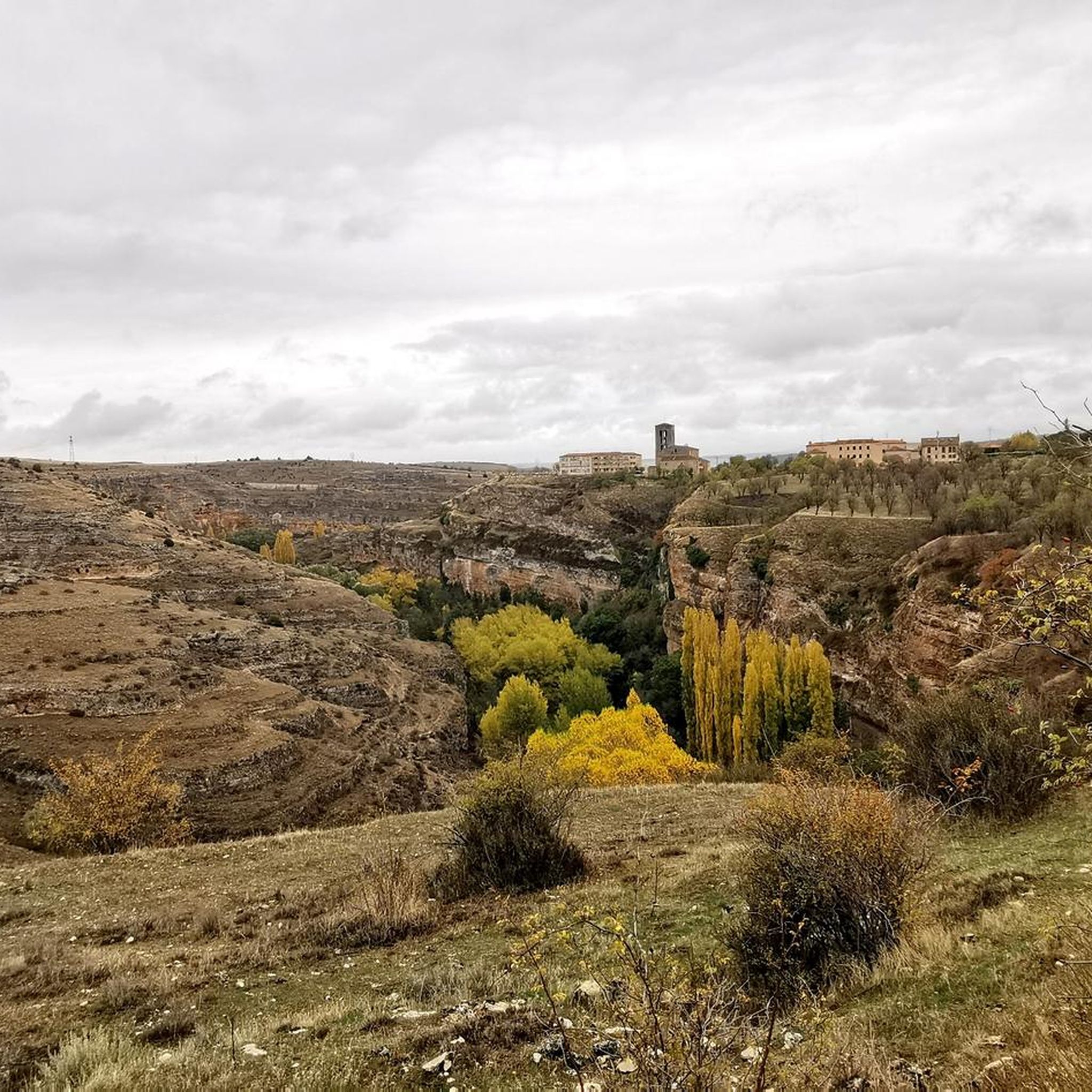
The angled path that crosses the Hoces del Río Duratón Natural Park reaches the bridge over the Duratón River before heading towards Sepúlveda.
0
0

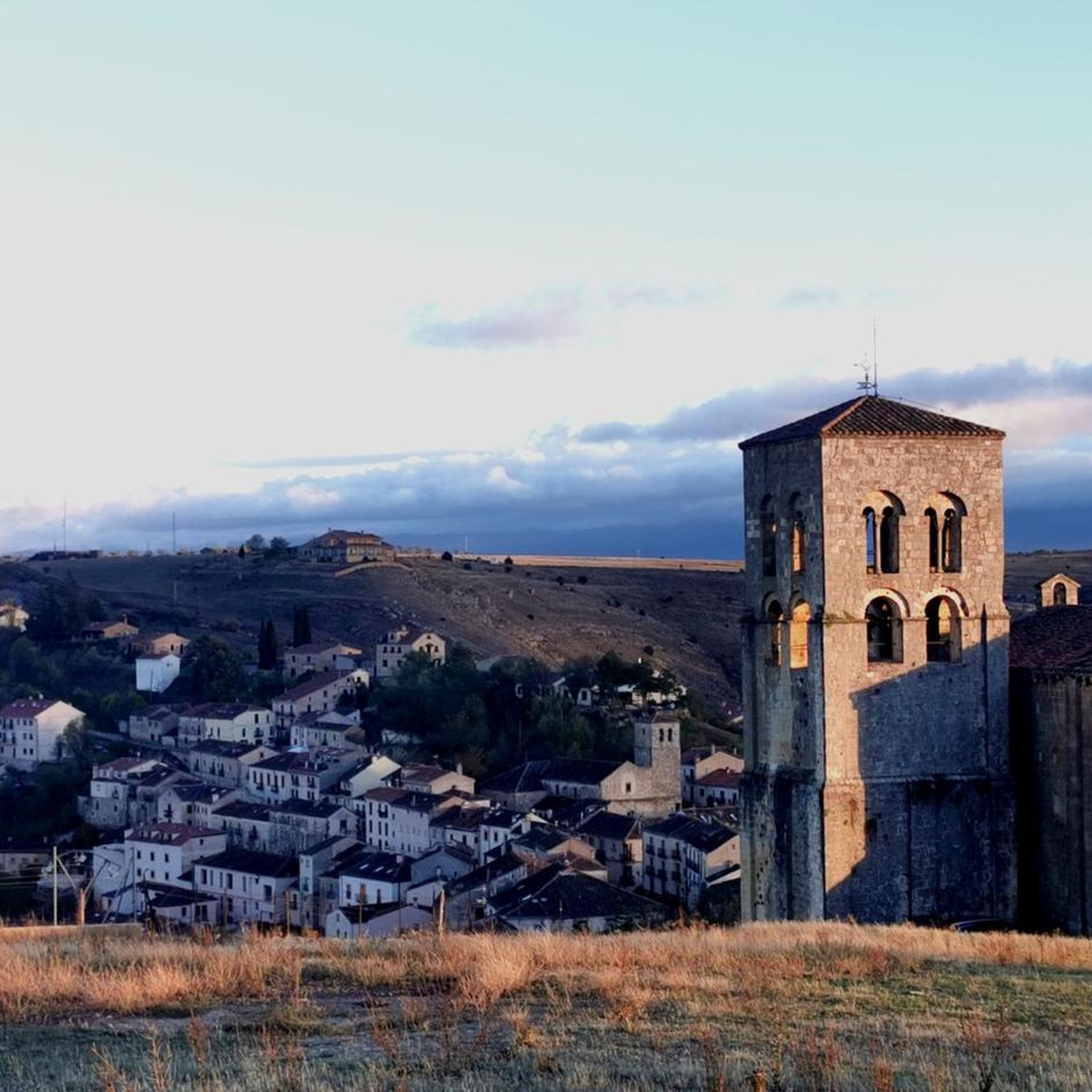
It was the place where San Frutos lived as a hermit. There are seven altars carved into the rocks that seem to come from the Visigothic era.
0
0

Above the Río Duratón there are these immense rocks, a gorge formed by the river, where we can see these huge animals.
0
1

The cave sanctuary of the Cueva de los Siete Altares is considered the first Christian sanctuary in the province of Segovia, inhabited by Visigoth hermits in the 7th century. Inside there are remains of the cave temple that has been used for centuries by the inhabitants of the region as a center of prayer.
0
1
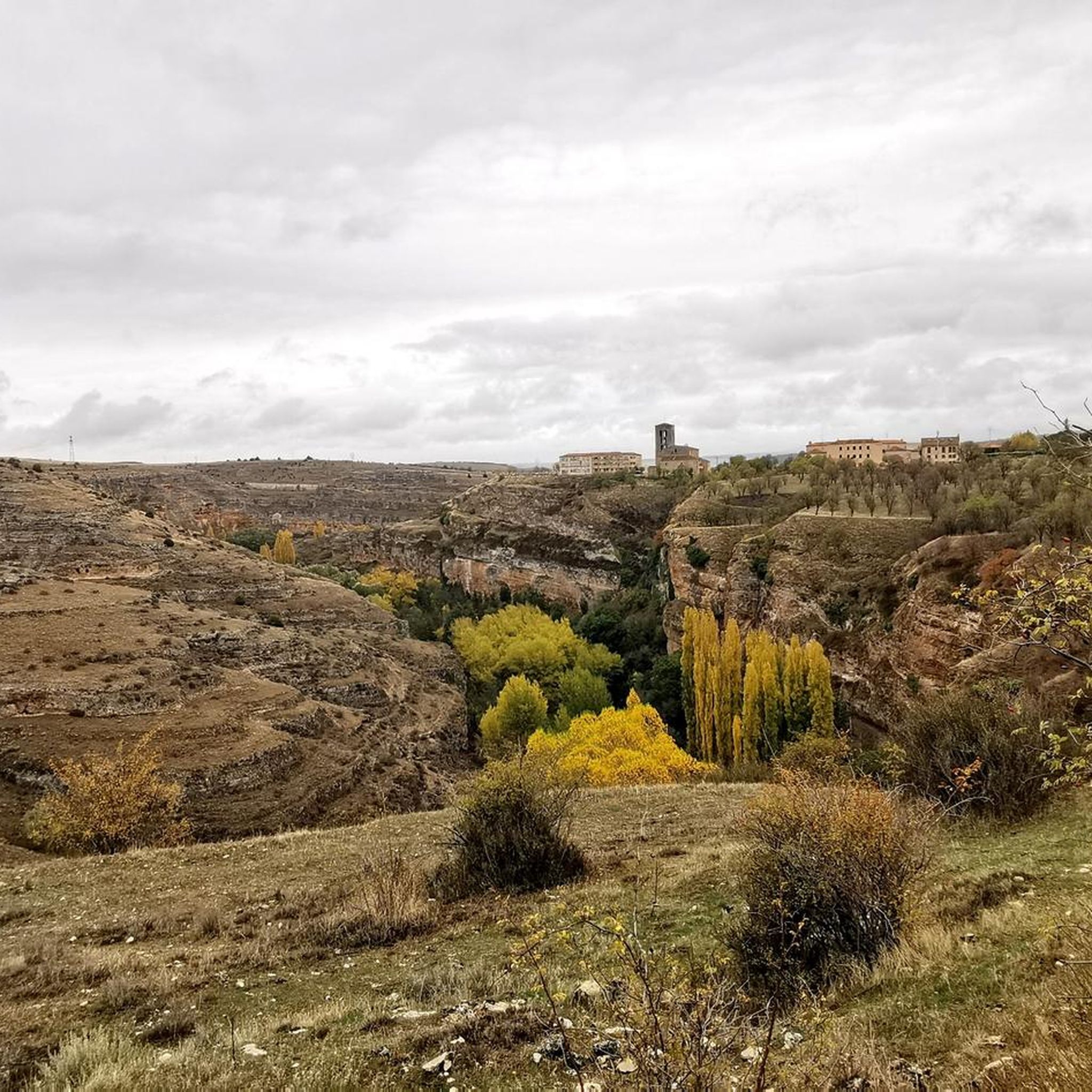
The Duratón canyon is a valley nestled between the plateau of the Segovian páramo with walls that reach one hundred meters in several areas and an average width of fifty meters. The road draws the river line of the canyon, it is winding and undulating between imposing limestone and dolomite walls that have suffered a forceful wear of karstic dissolution for millions of years. At first the water filtered into the earth, forming an underground water course below the current course and due to erosion the roof and the side walls collapsed and the current bed emerged, although much narrower. Later periglacial modeling continued to affect the cuts in the gorges and increased the width of the gorge until the gorges became what they are today. The bottom of the river valley is an alluvial plain of gravel, sand, silt and clay where forest species grow that fill the interior of the gorge with life and color up to the meanders of the Burgomillodo reservoir, in the final stretch of the river within of the space of the natural park. In the central part of the gorges is the mouth of the Valdemuelas stream, a narrow gorge that descends from Villar de Sobrepeña, the area where the largest community of griffon vultures and birds of prey in the natural park is concentrated. The path is a constant gallery of poplars, poplars, alders, ash trees, willows, elms and other forest species associated with water courses. In some meanders the plain is more extensive and there are old plantations of walnut, chestnut, plum and wild hazelnut trees, the autumn festival of color is guaranteed. More than five hundred pairs of griffon vultures nest on the walls of the gorges, there are also Egyptian vultures, golden eagles and peregrine falcons.
0
1

Fantastic place to see the vultures, as it is not a protected area, it allows you to see them much closer than other known areas of the Hoces del Duratón.
1
0

We have never seen more vultures together than here
1
1

A water source a short distance from Sepúlveda that flows into the nearby Duratón River. Fresh water and good place for a dip.
1
0
Frequently Asked Questions
What are the most notable natural features around Aldeonte?
The region around Aldeonte is characterized by dramatic river gorges, limestone cliffs, and diverse ecosystems. Key features include the impressive gorges and canyons carved by the Riaza River within the Hoces del Río Riaza Natural Park, and the winding river canyon of the Hoces del Duratón Natural Park. These areas showcase unique geomorphology and provide habitats for significant wildlife.
Where can I observe wildlife, especially birds of prey, near Aldeonte?
The area is a sanctuary for wildlife, particularly renowned for its raptor populations. The Vulture Cliff offers fantastic close-up views of griffon vultures. The Hoces del Río Riaza Natural Park is home to one of Europe's largest colonies of griffon vultures, along with golden eagles, Bonelli's eagles, and Egyptian vultures. The Birds of Prey Refuge within this park is specifically dedicated to their conservation.
Are there any family-friendly natural monuments or activities around Aldeonte?
Yes, Fuente de la Salud is a natural spring and river feature that is considered family-friendly. Visitors can enjoy fresh water and a refreshing dip. The Linares Reservoir, within the Hoces del Río Riaza Natural Park, also offers picturesque scenery and paths suitable for family walks, such as the 'Pathway of the Reservoir of Linares del Arroyo'.
What historical or cultural sites can be found within the natural monuments?
Within the Hoces del Río Riaza Natural Park, you can find historical elements such as ancient Romanesque churches and the partially ruined 12th-century Casuar hermitage, which is a declared cultural heritage site. Additionally, the Cave of the Seven Altars is a significant historical site, considered the first Christian sanctuary in the province of Segovia, with altars carved into the rocks from the Visigothic era.
What kind of hiking trails are available near the natural monuments?
The natural parks offer various hiking opportunities. You can explore trails along the gorges of the Riaza and Duratón rivers. For specific routes, consider checking the Running Trails around Aldeonte guide, which includes options like the 'Long Duratón Trail' and a 'Detour to Sepúlveda — circular through the Natural Park Hoces del río Duratón'.
Can I go cycling near the natural monuments around Aldeonte?
Yes, the region offers excellent cycling opportunities. You can find routes that take you through scenic landscapes near the natural monuments. For detailed cycling paths, refer to the Cycling around Aldeonte guide, which features routes like 'Mirador de Zuloaga y hoces del río Duratón' and various loops around Sepúlveda.
What is the best time of year to visit the natural monuments?
The Hoces del Río Riaza Natural Park is generally beautiful year-round. Spring and autumn offer pleasant temperatures for hiking and birdwatching, with vibrant flora and fauna. Winter can also be a unique experience, especially for observing water birds at the Linares Reservoir, though some trails might be more challenging.
Are there any unique geological formations to see?
Absolutely. The region is defined by its unique geomorphology. The Hoces del Duratón Natural Park features winding river canyons with imposing limestone and dolomite walls, shaped by millions of years of karstic dissolution. The Duratón River Canyon itself is a prime example of these dramatic formations.
What do visitors enjoy most about the natural monuments in this area?
Visitors frequently highlight the incredible opportunities for birdwatching, especially the large colonies of griffon vultures. The dramatic landscapes of the gorges and canyons, the tranquility of the riverside areas, and the chance to connect with nature are also highly appreciated. The unique blend of natural beauty and historical elements, like the submerged village at Linares Reservoir, adds to the appeal.
Are there options for road cycling near the natural monuments?
Yes, road cyclists can explore the scenic roads around Aldeonte and the natural parks. The Road Cycling Routes around Aldeonte guide provides several options, including the 'Waters of the Duratón River — Hoces' and the 'Sepúlveda and Hoces del Duratón Loop', offering challenging and picturesque rides.
Is the Linares Reservoir worth visiting, and what can I see there?
The Linares Reservoir, located within the Hoces del Río Riaza Natural Park, is definitely worth a visit. It's a natural environment of special beauty, formed by the damming of the Riaza River. When water levels are low, you can see the remains of the submerged town of Linares del Arroyo, including the bell tower of the church of San Juan Bautista. It's also an excellent spot for birdwatching, especially for water birds and cliff-dwelling species.
Most popular attractions around Aldeonte

Get inspired with the komoot mobile app


Explore more
Extend your search for the best caves by checking out these guides of the top ones around Aldeonte:
