Top 9 Natural Monuments around Rasines
Natural monuments around Rasines offer a diverse natural heritage within Cantabria, Spain. The region features a landscape shaped by karst mechanics, with significant caves and river systems. This area provides opportunities to explore geological formations, historical sites, and panoramic viewpoints. Its natural features and cultural elements make it a notable destination for outdoor exploration.
Best natural monuments around Rasines
- The most popular natural monuments is Cullalvera Cave, a cave that is a complex of karstic caves 12 km long…
Last updated: November 1, 2026
Cullalvera Cave
Highlight • Cave
Translated by Google •
Tip by

Lone Tree on the Way to Ojos del Diablo
Highlight • Natural Monument
Translated by Google •
Tip by
Sign up now to discover places like this
Get recommendations on the best single tracks, peaks, & plenty of other exciting outdoor places.
El Regatón Stream
Highlight • River
Translated by Google •
Tip by

Hermitage of Our Lady of the Snows
Highlight • Religious Site
Translated by Google •
Tip by

Menhir Yelso de Hayas
Highlight • Monument
Translated by Google •
Tip by
Sign up for free to discover even more natural monuments around Rasines.
Already have an account?
Start today with a free account
Your next adventure awaits.
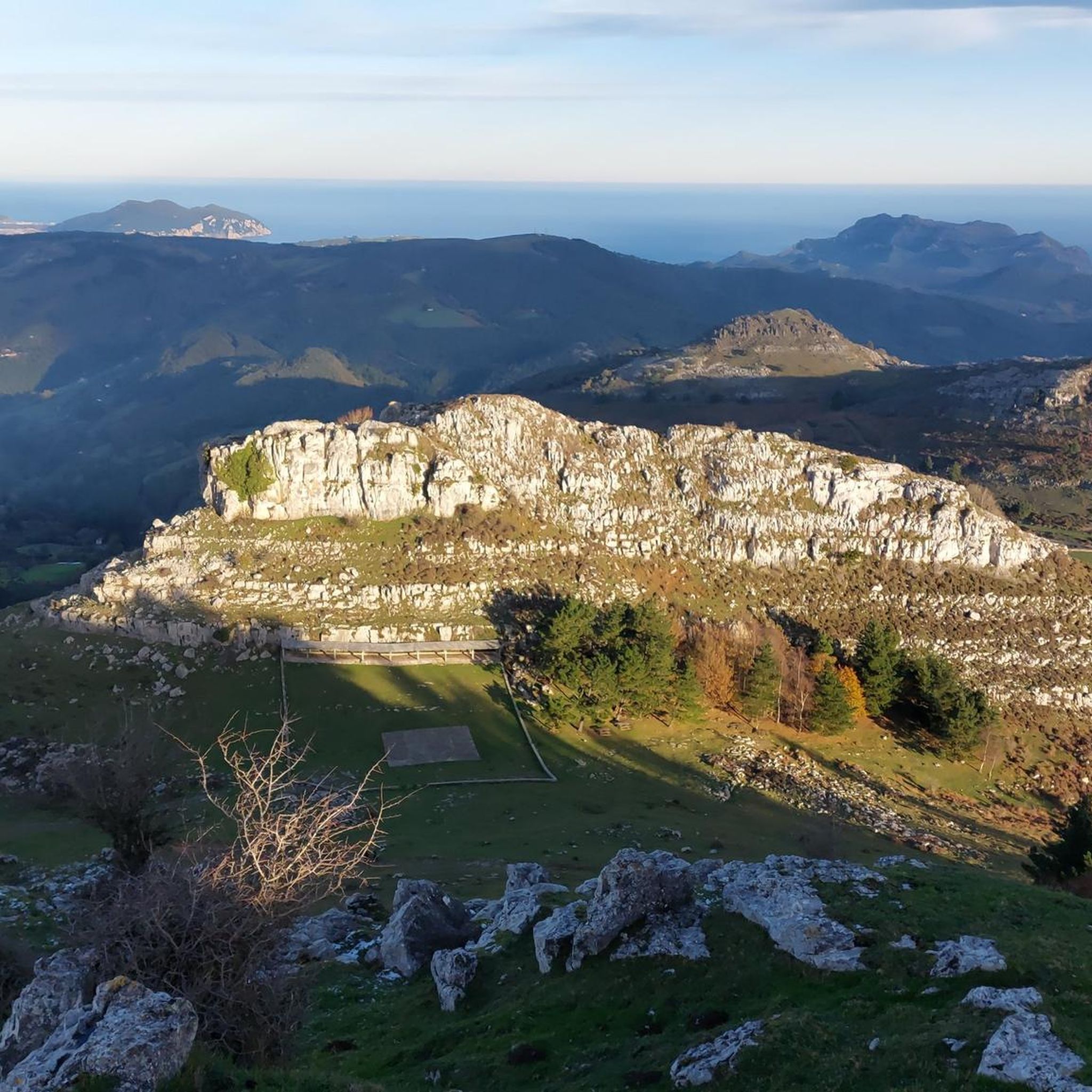
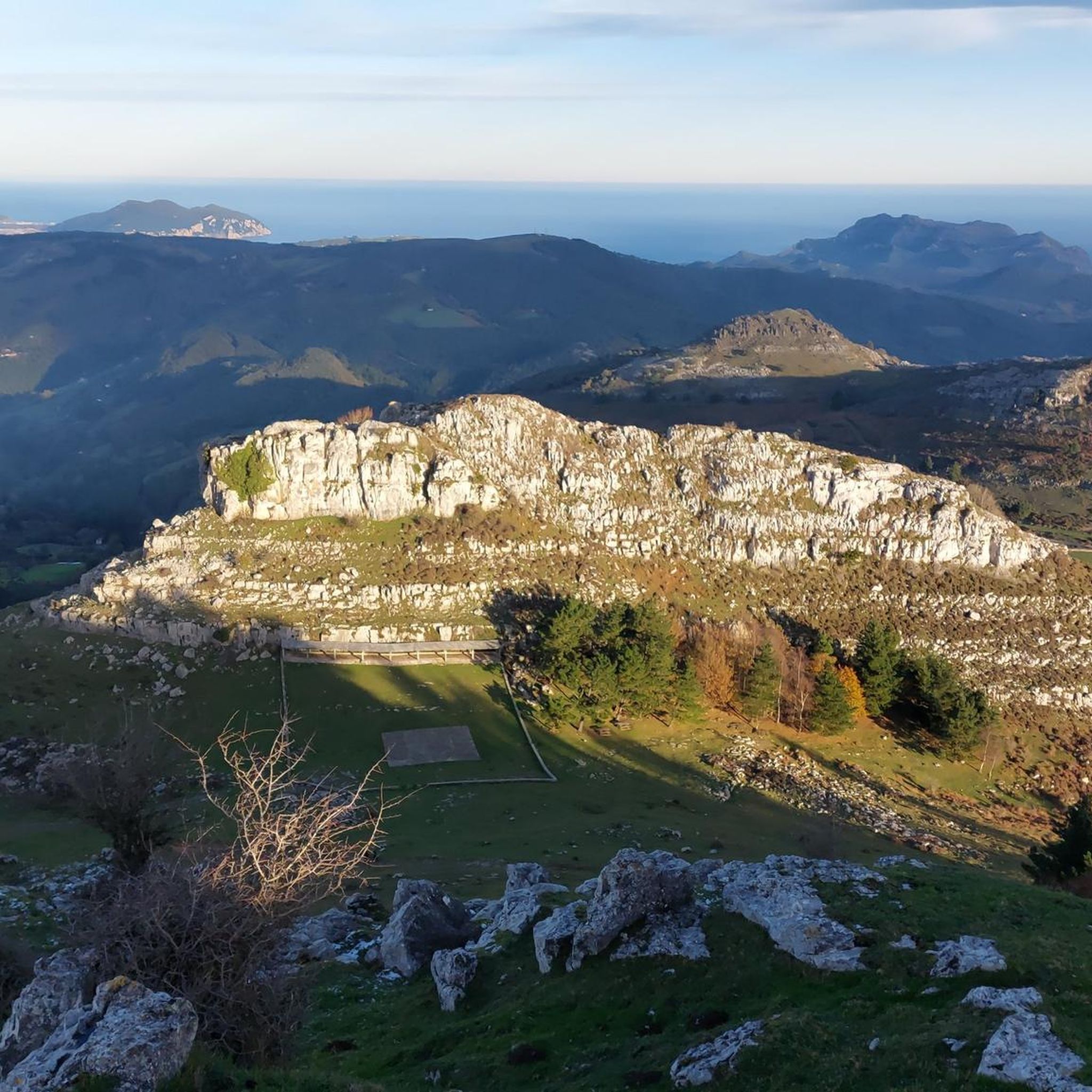
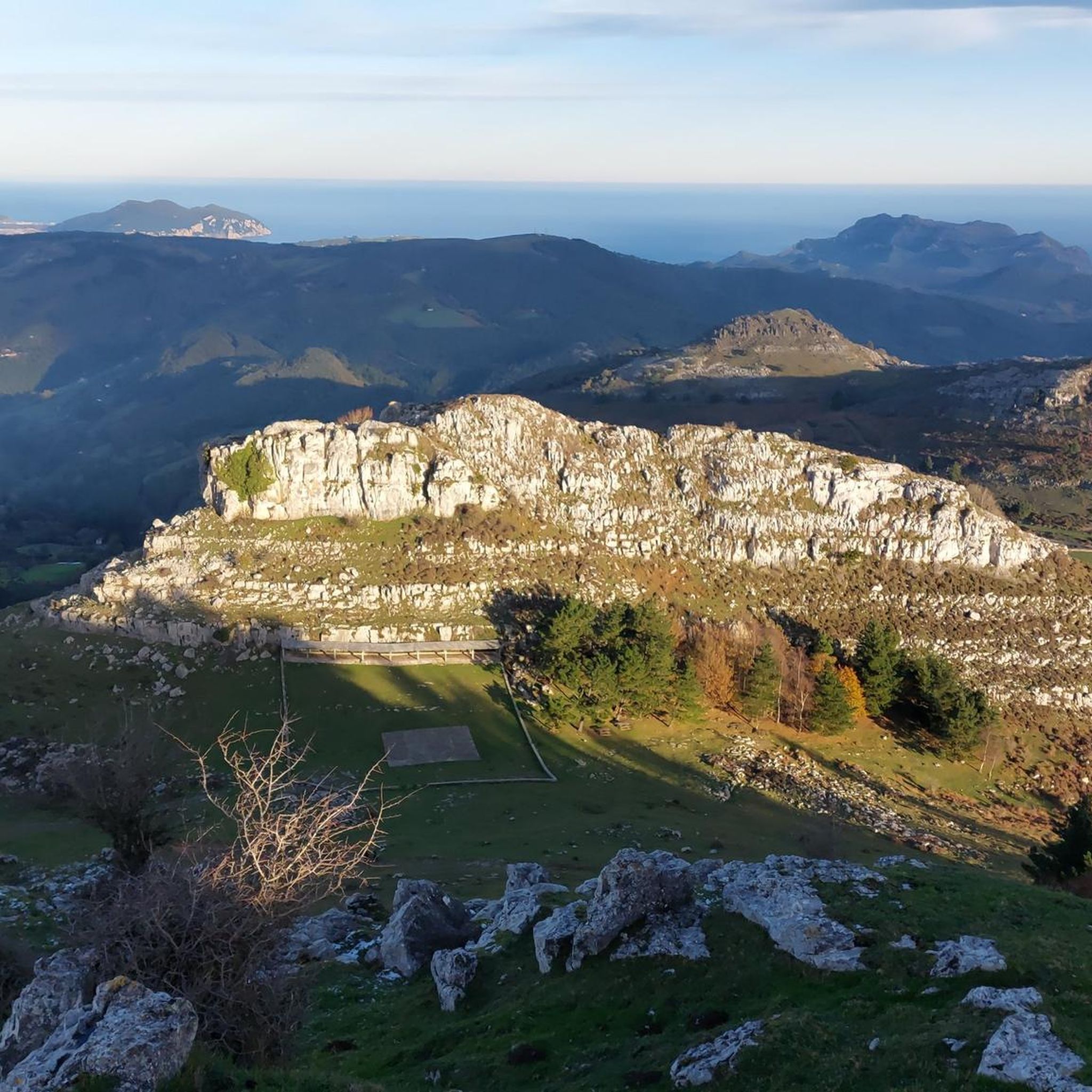
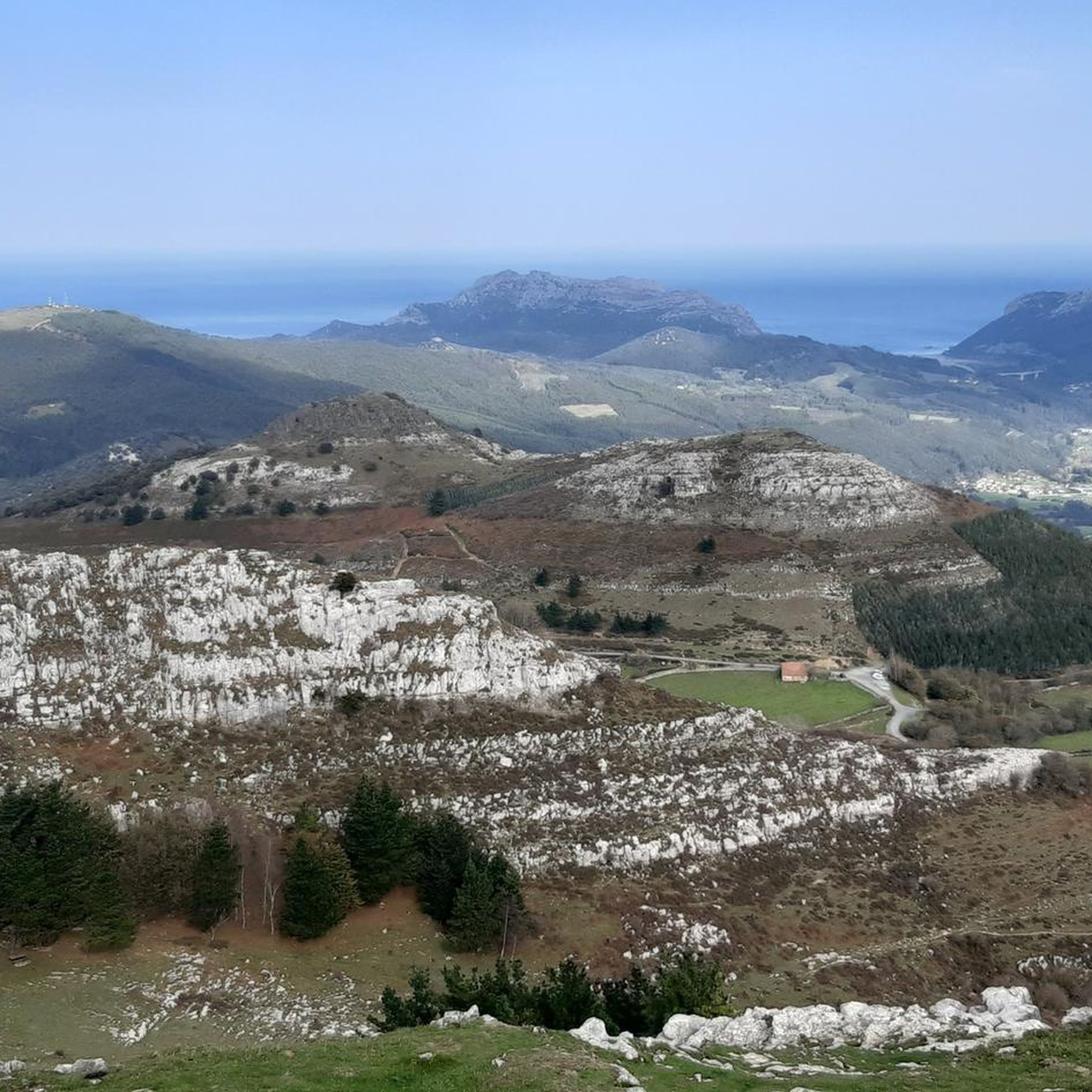
Tips from the Community

A quirky, solitary tree that has found a place to root here and is successfully holding on to the slope. Coming from the south, you have already covered most of the way to the Ojos del Diablo, but a final steep climb still awaits.
0
0

When you want to stop the survey, always keep the back wheel between your legs, it won't fall off ✌️✌️🍀
1
0
The scarf at home
1
0

Today we made the official visit to the cave, it's a pity they didn't let us take photos inside.
2
0
Indeed, in addition to being beautiful, it is a small milestone on the way to Ojos del Diablo.
2
0

The dune system here is one of the most important on the Atlantic coast. It is integrated into the Natural Park of the Santoña, Victoria and Joyel Marshes, an important wetland. Migratory birds visit the area during the fall and winter months and if you go with binoculars, you can see mallards, herons and egrets in their natural environment. There are two campsites in the area.
1
0

Just amazing and a ride for the whole family! It is a complex of karstic caves 12 km long with cavities of immense dimensions of up to 14 x 28 meters in some sectors. The water has been forming these incredible caves that fortunately today can be visited and explored. It is necessary to purchase tickets online, you can check here: https://cuevas.culturadecantabria.com/cullalvera-esp/
1
0
Also known as "high cairn", the menhir is approximately 3 meters high and is made of sandstone. It is estimated that it was buried by the inhabitants of the area more than 5,000 years ago.
2
0
Frequently Asked Questions
What unique geological features can I expect to see around Rasines?
The region around Rasines is shaped by fascinating karst mechanics, leading to impressive cave systems. You can explore extensive karstic caves like Cullalvera Cave, which boasts immense dimensions. The nearby Pozalagua Cave is particularly renowned for housing the world's largest concentration of eccentric stalactites, which appear to defy gravity with their whimsical shapes.
Are there any significant historical or archaeological sites among the natural monuments?
Yes, several natural monuments also hold historical significance. The Cueva del Valle features a Paleolithic Park, offering insights into prehistoric human occupation dating back to 7000 BC. You can also visit Menhir Yelso de Hayas, a sandstone monument estimated to have been buried over 5,000 years ago. Additionally, the Hermitage of Our Lady of the Snows on Pico de las Nieves adds a cultural and historical dimension to the natural landscape.
Which natural monuments are suitable for families?
The Cullalvera Cave is a great option for families, offering an accessible and engaging experience. Visitors have described it as 'a ride for the whole family!' The Cueva del Valle also has a Paleolithic Park with interpretative panels and a mammoth recreation, which can be educational and fun for children.
What makes the Cueva del Valle a notable natural monument?
The Cueva del Valle, also known as La Viejarrona, is significant for being the source of the Silencio River and one of the longest explored cave systems globally, with over 60 kilometers of passages. It combines natural beauty with archaeological importance, featuring a Paleolithic Park that details prehistoric human life and habitat.
What is unique about Pozalagua Cave?
Pozalagua Cave, though technically in Bizkaia, is a must-see for its extraordinary geological formations. It is famous for having the largest concentration of eccentric stalactites in the world, which are unique formations that grow in various directions, seemingly defying gravity. The cave also features a chamber known as the 'Versailles room' due to its rich interior and giant stalactites.
What outdoor activities can I do near these natural monuments?
The area around Rasines offers a variety of outdoor activities. You can enjoy hiking on trails of varying difficulties, with routes like the 'Pico de las Nieves loop' or the 'Cueva del Valle loop'. Cycling and mountain biking are also popular, with options ranging from moderate to difficult, such as the 'Menhir Yelso de Hayas loop'. For more details on routes, you can explore the hiking, cycling, and MTB guides around Rasines.
Are there good viewpoints among the natural monuments?
Yes, the Hermitage of Our Lady of the Snows, located at 774 meters above sea level on Pico de las Nieves, offers beautiful panoramic views of the Cantabrian interior. Additionally, the Lone Tree on the Way to Ojos del Diablo serves as a scenic point along a trail, providing picturesque vistas.
What is the best time to visit the natural monuments around Rasines?
While the Cueva del Valle and Pozalagua Cave can be visited year-round, the surrounding natural areas and hiking trails are best enjoyed during dry weather. Some trails, like the one to Ojos del Diablo, can become very slippery when wet. Migratory birds visit the Natural Park of the Santoña, Victoria and Joyel Marshes, near El Regatón Stream, during the fall and winter months, offering unique wildlife viewing opportunities.
What do visitors enjoy most about the natural monuments in this area?
Visitors frequently praise the stunning natural beauty and the unique geological formations, especially the impressive caves. The blend of natural exploration with historical and archaeological insights, such as at the Cueva del Valle's Paleolithic Park, is also highly appreciated. The scenic views from spots like Pico de las Nieves and the tranquil environment of river systems like El Regatón Stream also receive positive feedback.
Are there any specific tips for visiting Cullalvera Cave?
When planning a visit to Cullalvera Cave, it's important to purchase tickets online in advance. The cave is known for its immense karstic cavities and is fully accessible. While photography inside the cave might be restricted, the experience of exploring its vast chambers is highly recommended for all ages.
Can I find wildlife near the natural monuments?
Yes, particularly around El Regatón Stream, which is integrated into the Natural Park of the Santoña, Victoria and Joyel Marshes. This area is an important wetland visited by migratory birds like mallards, herons, and egrets during the fall and winter months. The Cueva del Valle's surrounding area also features riverbank trees like alders, oaks, and poplars, supporting local flora and fauna.
Are there any permits required to visit the natural monuments?
Generally, permits are not required for accessing the outdoor natural monuments or public trails. However, for specific attractions like the Cullalvera Cave or Pozalagua Cave, tickets must be purchased for entry. It's always advisable to check the official websites for any specific requirements or booking procedures, especially for guided tours.
Most popular attractions around Rasines

Get inspired with the komoot mobile app


Explore more
Extend your search for the best caves by checking out these guides of the top ones around Rasines:
