Top 7 Natural Monuments around Castejón De Monegros
Best natural monuments around Castejón De Monegros are defined by the semi-arid landscape of the Monegros Desert. This region features unique geological formations, primarily "tozales," which are multi-colored rock formations sculpted by centuries of erosion. The area presents a distinctive ecosystem with arid terrain and dramatic eroded landscapes, including canyons and ravines. These natural landmarks offer insight into the powerful effects of natural erosion and the unique semi-desert environment.
Best natural monuments around Castejón De Monegros
- The most popular natural…
Last updated: July 28, 2026
Tozal de la Cobeta
Highlight • Natural Monument
On windy days …
Translated by Google •
Tip by

El Pilón (Sierra de Sena Summit)
Highlight • Summit
Translated by Google •
Tip by
Sign up now to discover places like this
Get recommendations on the best single tracks, peaks, & plenty of other exciting outdoor places.
Sign up for free
Tozales de Monegros
Highlight • Natural Monument
Translated by Google •
Tip by

Bujal Viewpoint
Highlight • Viewpoint
We will arrive at this viewpoint, where we find amazing views of the ravine.
Translated by Google •
Tip by

Sabina Cascarosa
Highlight • Natural Monument
We will find some benches and an area to leave the car.
Translated by Google •
Tip by
Sign up for free to discover even more natural monuments around Castejón De Monegros.
Sign up for free
Already have an account?
Start today with a free account
Your next adventure awaits.
Login or Signup



Tips from the Community

This is where the Ruta de los Miradores really begins – a wonderful mountain road for MTB and gravel bikes.
0
0

The erosion of rainwater has created real sculptures such as the pedestal-shaped Tozal de la Cobeta
6
0

A natural viewpoint on a hill near Monzón offers excellent views of the Cinca River valley, the agricultural plain, and, on clear days, the Pyrenees. This is an ideal spot to stop, take photos, or rest during a mountain bike or gravel ride through the Cinca Medio. This peaceful setting is accessible via rural trails and connected to other points of interest such as the La Maza Refuge, Cabezo de Rodén, and Laguna de la Mediana.
0
0
Cycling or walking here is like crossing the heart of the Monegros landscape: arid terrain, ochre colors, and that solitary atmosphere that makes this region so special. On windy days (like during the Orbea Monegros 2025), this area becomes even more epic: the dust, the air, and the contours of the terrain make you feel like you're on another planet.
7
0
It's a small stone monolith that marks one of the highest points of the route, and although it's not very large, everyone who passes by instantly recognizes it. After kilometers of open slopes and wind (sometimes very strong), reaching the Pilón is like a symbol that you've overcome most of your hard work. Many take the opportunity to make a brief stop, take a quick photo, and catch their breath before continuing.
5
0

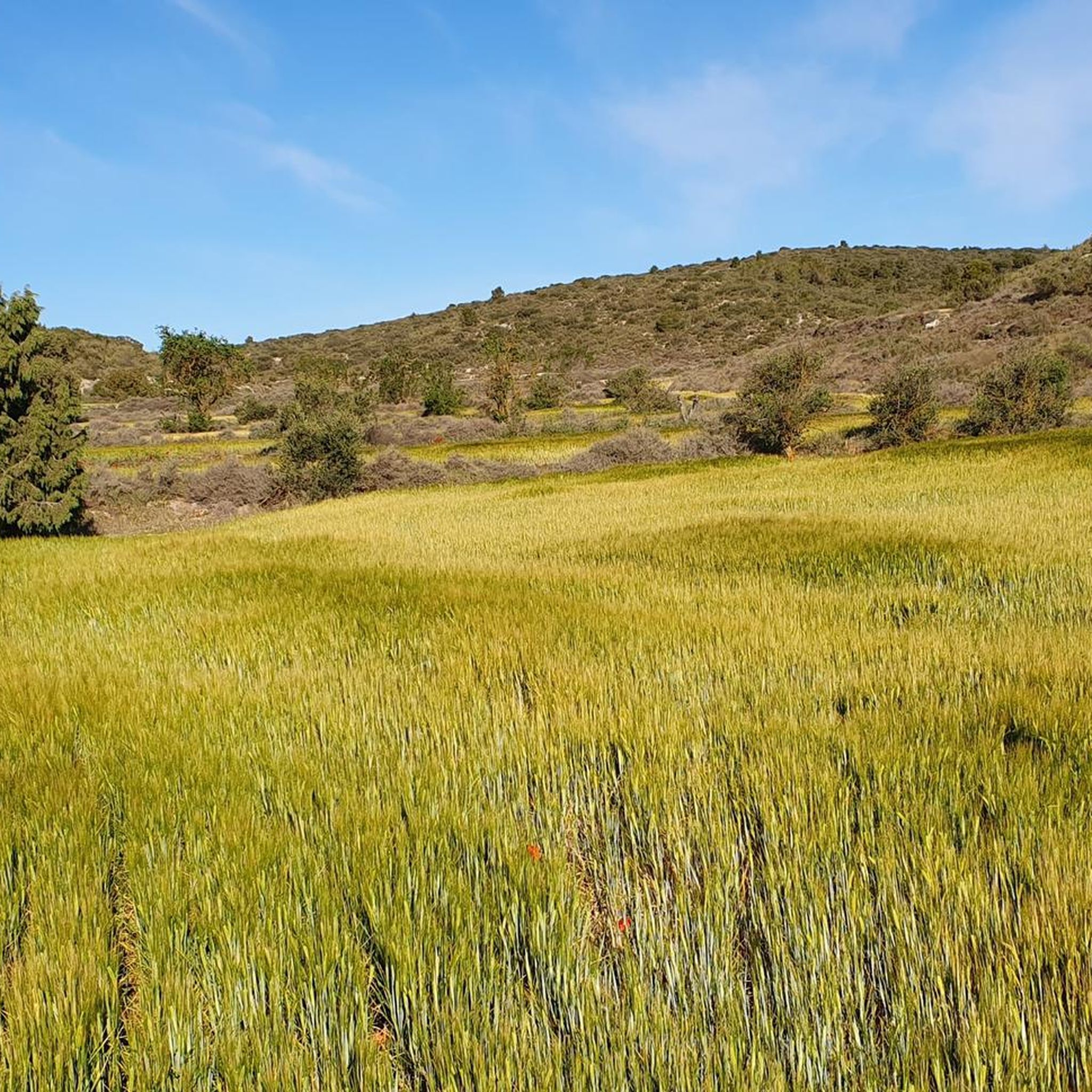
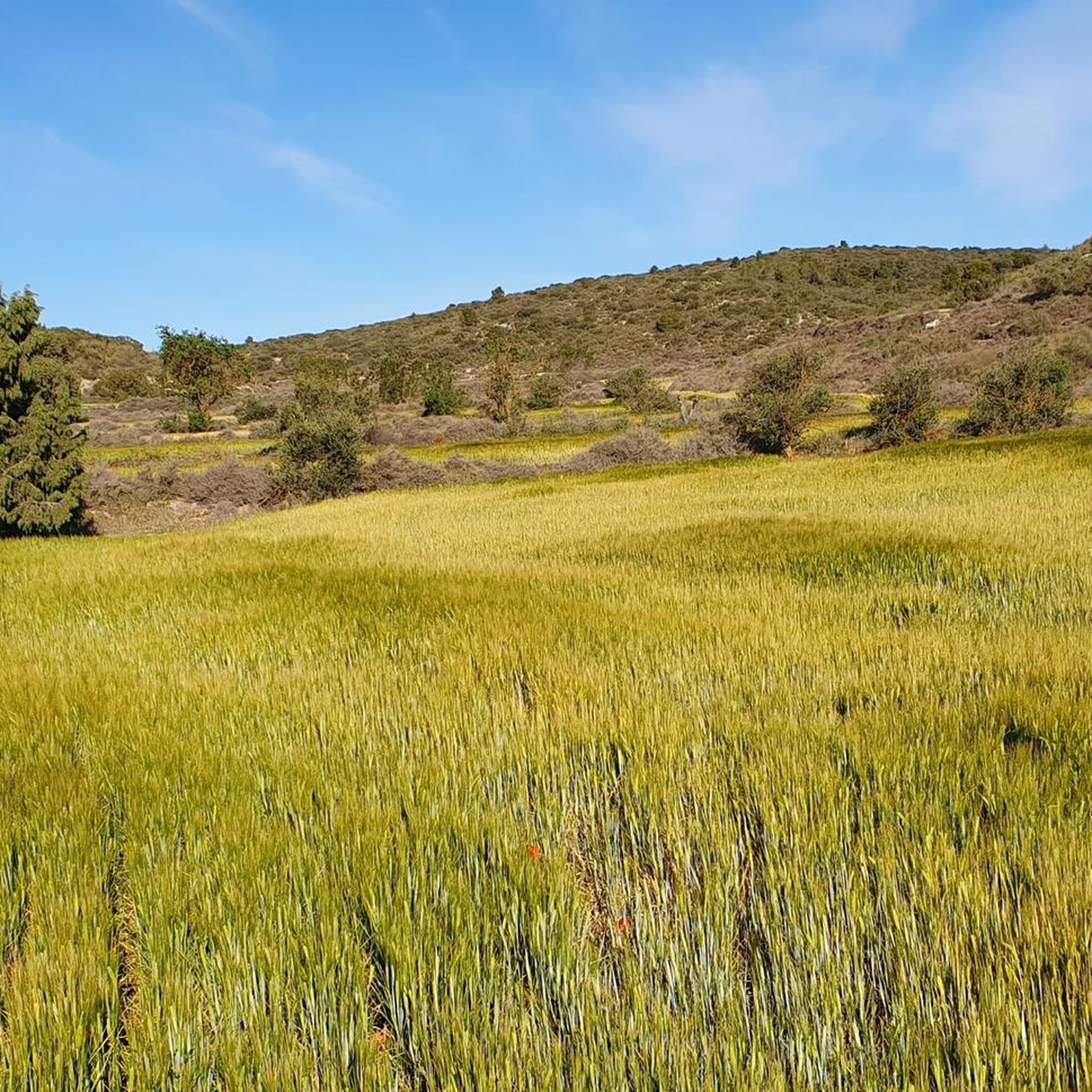
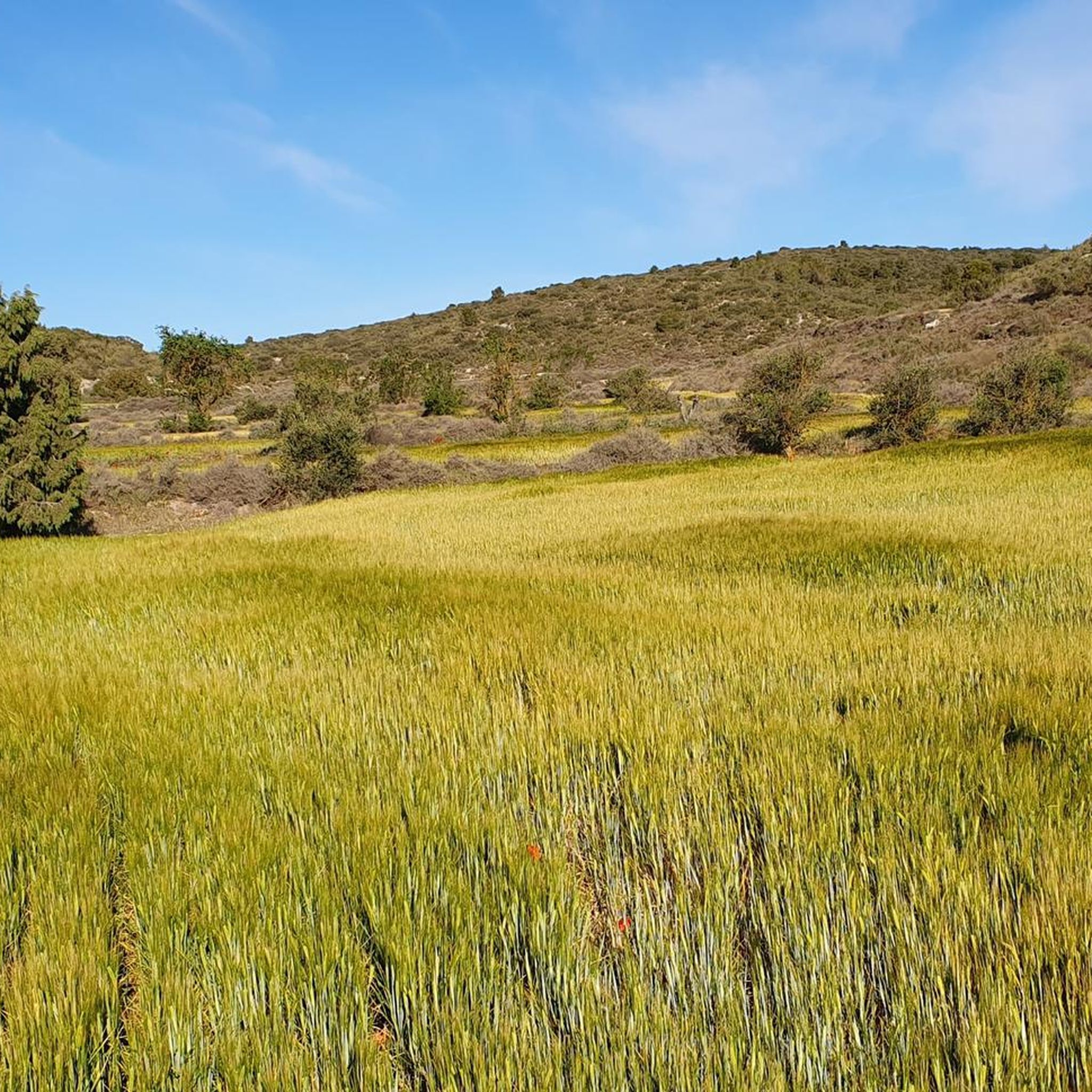
Spectacular scenery in April
3
0
The landscape is spectacular in the Spanish Far West.
3
0

It is worth visiting the Tozal de la Cobeta. You can enjoy spectacular 360° views while admiring the geological formation and the surrounding areas. The path from the San Miguel hermitage is simple and is dotted with areas where erosion caused by water gives rise to small formations, worthy of photographing.
1
0
Frequently Asked Questions
What are the most distinctive natural features to see around Castejón de Monegros?
The region is famous for its unique geological formations, primarily the "tozales." These are multi-colored rock formations sculpted by centuries of erosion, creating an almost otherworldly landscape. Key examples include the Tozales de Monegros, which encompass formations like Tozal Colasico and Tozal Solitario, and the pedestal-shaped Tozal de la Cobeta.
Are there any viewpoints offering panoramic views of the Monegros landscape?
Yes, several spots offer excellent views. El Pilón (Sierra de Sena Summit), at 595 meters, marks one of the highest points of the Sierra de Sena and provides expansive views. Additionally, the Bujal Viewpoint offers amazing views of the spectacular Bujal ravine.
What kind of outdoor activities can I do near the natural monuments?
The Monegros Desert landscape is ideal for various outdoor activities. You can explore the unique terrain through hiking, bird watching, and photography. The area is also popular for cycling; you can find numerous routes for MTB, gravel biking, and road cycling that pass by these natural monuments.
Are there any family-friendly natural monuments or trails?
Yes, the area offers options suitable for families. The site of Sabina Cascarosa, featuring a large ancient juniper, is noted as family-friendly and includes benches and a parking area, making it a good starting point for walks.
What is the best time of year to visit the natural monuments around Castejón de Monegros?
The Monegros region experiences a semi-arid climate. Spring (April-May) and autumn (September-October) are generally the most pleasant times to visit, offering milder temperatures ideal for outdoor exploration. Summers can be very hot, and windy conditions are common, which can make the landscape feel even more dramatic.
What makes the Monegros Desert landscape so unique?
The Monegros Desert is characterized by its arid terrain, ochre colors, and a solitary atmosphere that spans approximately 2,700 square kilometers. Its geology comprises sedimentary rocks, gypsum, clay, and saline soils, which, combined with centuries of water and wind erosion, have sculpted the distinctive 'tozales' and dramatic ravines. This unique environment also supports a rich biodiversity, with many endemic species.
Are there any historical or cultural sites related to the natural landscape?
While primarily known for its natural formations, the Monegros region also holds historical elements. The San Caprasio Caves, carved out of rock, are noted as a place for walkers and spiritual retreats, with a history that includes use by the bandit 'Cucaracha'. These caves offer a glimpse into the human interaction with this rugged landscape over time.
What should I wear when hiking or cycling in the Monegros region?
Given the semi-arid environment, it's advisable to wear lightweight, breathable clothing, a hat, and sunglasses to protect against the sun. Sturdy hiking shoes are recommended for trails, and layers are useful for temperature changes. Always carry plenty of water, as the landscape can be very exposed.
Are there any easy trails or routes for beginners?
While many routes in the Monegros can be challenging, there are options for beginners. The area around Sabina Cascarosa is a good starting point for easier walks, and the 'Camino Natural de Castejón de Monegros' offers routes through characteristic vegetation and views of the Sierra de Alcubierre.
What do visitors enjoy most about the natural monuments in Castejón de Monegros?
Visitors frequently highlight the unique, almost 'otherworldly' feel of the landscape, especially on windy days, which enhances the dramatic contours of the terrain. The striking multi-colored rock formations, like the Tozales de Monegros, and the sense of solitude and vastness are often mentioned as key attractions.
Is parking available at the natural monuments?
Yes, some natural monuments offer parking facilities. For instance, at Sabina Cascarosa, there is an area to leave your car, making it convenient for visitors to access the site and nearby trails.
How long does it typically take to explore the natural monuments?
The time required varies depending on the monument and your chosen activity. A visit to a specific 'tozal' or viewpoint might take an hour or two, while exploring areas like the Ruta Jubierre or undertaking longer hiking or cycling routes can easily fill half a day or more. Many visitors combine several sites into a full day of exploration.
Most popular routes around Castejón De Monegros
Most popular attractions around Castejón De Monegros

Get inspired with the komoot mobile app


Explore more
Extend your search for the best caves by checking out these guides of the top ones around Castejón De Monegros:
