Top 11 Natural Monuments around Mollina
Natural monuments around Mollina offer diverse landscapes and geological formations in the province of Málaga, Spain. The region features significant natural areas like the Sierra de la Camorra and the nearby Fuente de Piedra Lagoon. These sites provide opportunities for exploring unique ecosystems and geological features. Mollina's surroundings are characterized by a blend of mountainous terrain and important wetlands.
Best natural monuments around Mollina
- The most popular natural monuments is Fuente de Piedra Lagoon, a lake that is the…
Last updated: October 4, 2026
Fuente de Piedra Lagoon
Highlight • Lake
Translated by Google •
Tip by

Dolmen de Menga
Highlight • Historical Site
Translated by Google •
Tip by

Sign up now to discover places like this
Get recommendations on the best single tracks, peaks, & plenty of other exciting outdoor places.
Bird Observation Tower, Laguna de Fuente de Piedra Nature Reserve
Highlight • Viewpoint
Translated by Google •
Tip by

Hermitage of Our Lady of Fuensanta
Highlight • Religious Site
Translated by Google •
Tip by

Monument to the Heart of Mary
Highlight • Monument
Translated by Google •
Tip by

Sign up for free to discover even more natural monuments around Mollina.
Already have an account?
Start today with a free account
Your next adventure awaits.
Tips from the Community

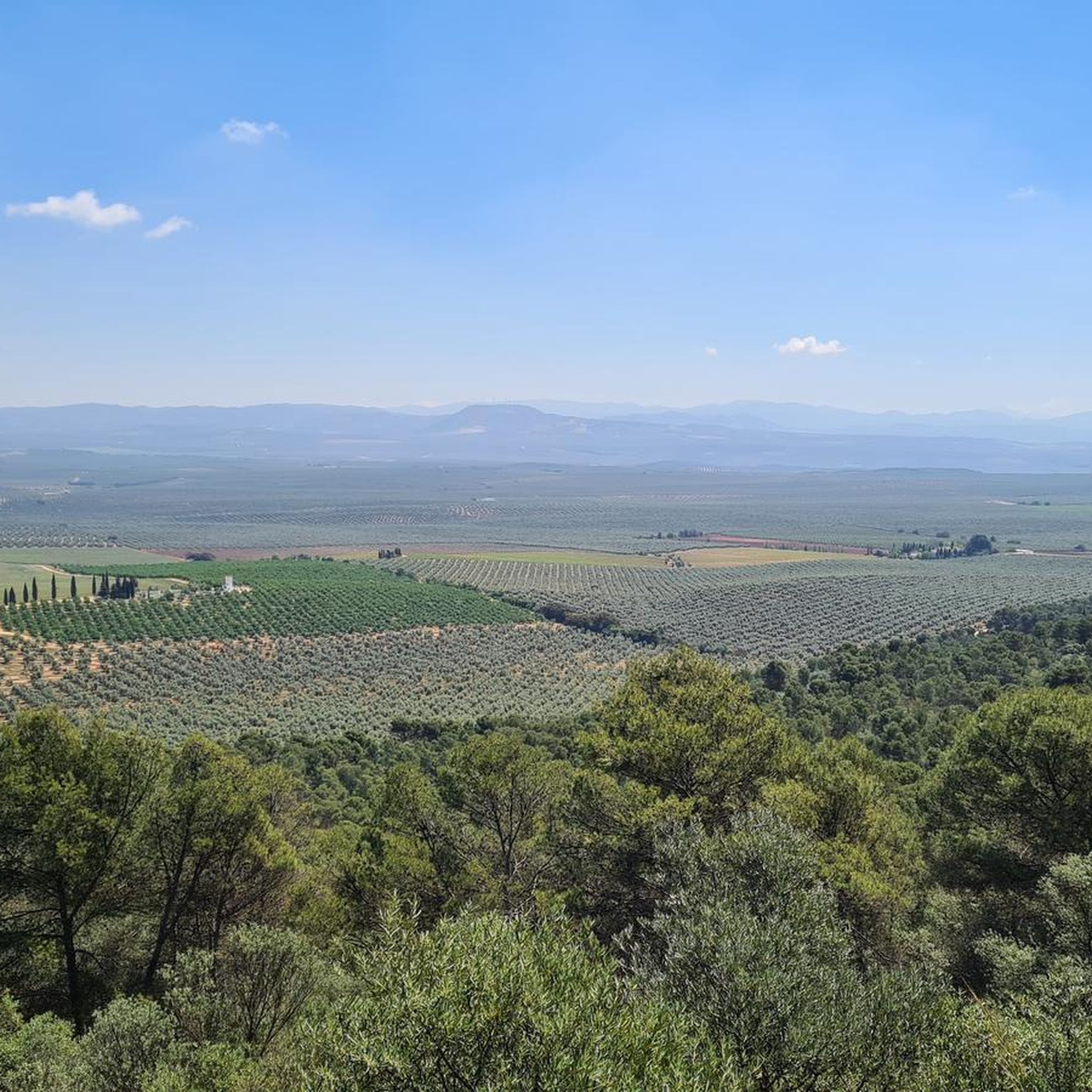
Designated trails run around the lagoon, leading directly to observation points and birdwatching towers. From there, flamingos and numerous other bird species can be observed undisturbed.
1
0
The Laguna de Fuente de Piedra is also ideal for exploring by bike. The nature reserve is accessible via well-maintained roads and paths that lead through the surrounding Andalusian countryside. The lake itself features designated trails and birdwatching towers, from which flamingos and other bird species can be observed undisturbed. A tour allows for flexible exploration of the reserve, enjoying the tranquil nature while also experiencing the diverse birdlife up close. The lagoon is particularly vibrant in spring and autumn, when numerous birds use the protected area as a breeding or resting place.
2
0

The Dolmen de Menga is one of the largest megalithic tombs in Europe and is part of the UNESCO World Heritage site Dolmenes de Antequera. Dating back to the 3rd millennium BC, the monument consists of enormous stone blocks that together form an impressive burial chamber. Its orientation is remarkable: instead of facing the sun, the entrance faces the Peña de los Enamorados, the striking mountain in the landscape.
0
0
The Laguna de Fuente de Piedra is the largest natural lagoon in Andalusia and an important wetland in the northwest of the province of Málaga. It is best known for its large colony of greater flamingos, which nest here in spring and provide one of the region's most impressive natural spectacles. The shallow salt lagoon also attracts nearly 200 species of birds and is an important resting place for migratory birds. Surrounded by salt marshes, reed beds, and Mediterranean vegetation, the area offers ideal conditions for wildlife. A visitor center provides information about the flora and fauna, while birdwatching platforms and guided tours offer nature lovers exciting insights. The lagoon is an ideal spot for nature photography amidst a fascinating landscape. The Laguna de Fuente de Piedra is also an ideal destination for cyclists who want to combine nature experiences with physical activity. The area offers a variety of cycling routes of varying difficulty levels, leading through the picturesque landscape and along the largest natural lagoon in Andalusia. The “José Antonio Valverde” visitor center serves as a good starting point for cycling tours and offers information about the flora and fauna of the region.
4
0

The Menga dolmen is a megalithic monument located in the city of Antequera. It is part of the Antequera Dolmens Site and was declared World Heritage on July 15, 2016. This impressive corridor tomb follows the Atlantic tradition of covered gallery dolmens. It is built with large vertical and horizontal stones, and its burial chamber is 6 meters wide and 3.5 meters high. An unusual singularity in Europe is the presence of a deep and narrow pit at the bottom of the chamber. The dolmen is covered by a mound 50 meters in diameter. Its construction dates back to the Neolithic, approximately between 3750 and 3650 BC. C. An impressive testimony to ancient history and megalithic architecture! 🌟
2
0
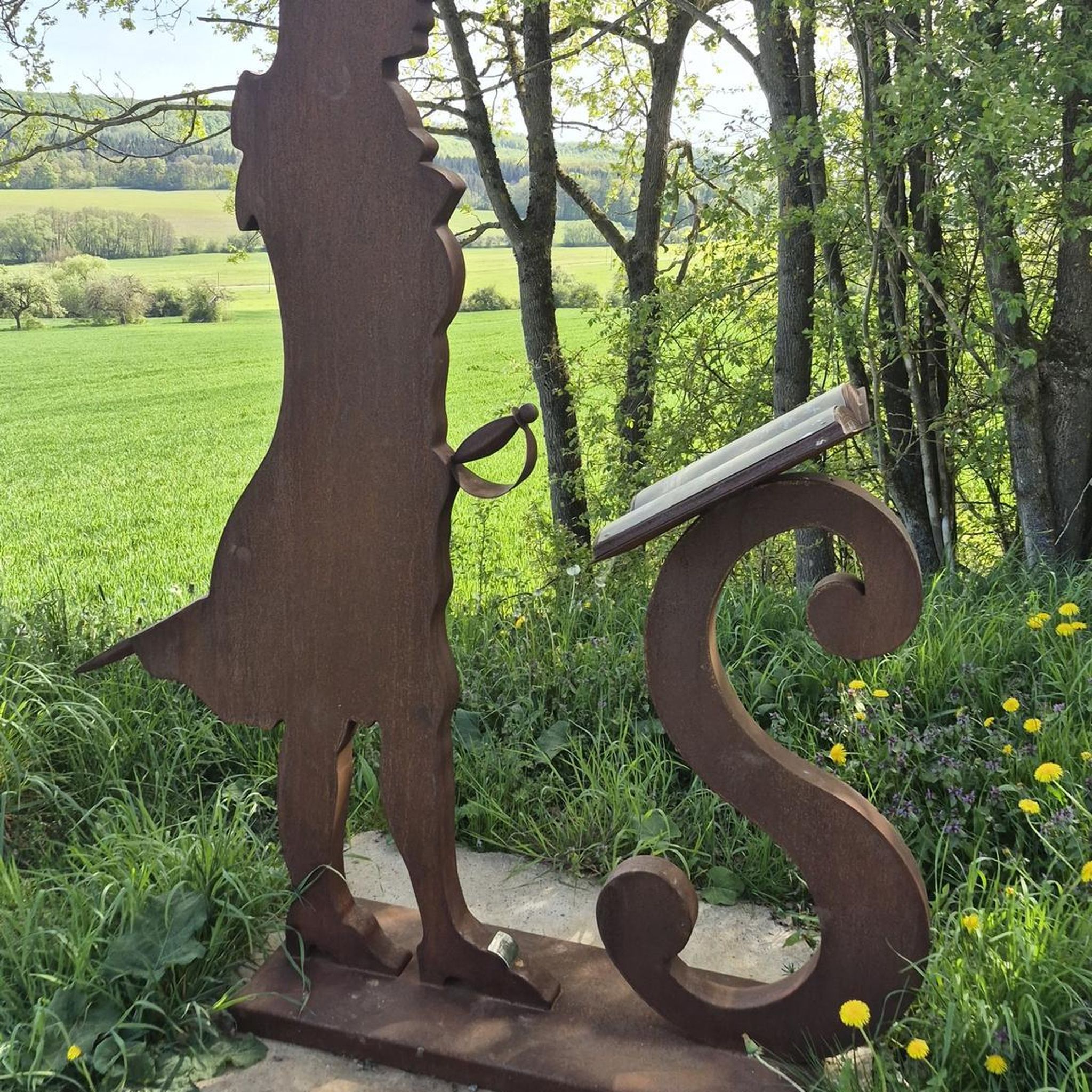
Charming green space offering a peaceful retreat in the middle of the city. In the park, you will find a beautiful sculpture called the Monument to the Heart of Mary, created by Francisco Palma Burgos and Francisco Espinosa Pérez in 1952.
3
0
The Fuente de Piedra Lagoon is a wetland located in the Antequera region, in the municipality of Fuente de Piedra, in Spain. It is the largest salt lagoon in Andalusia, 6.5 km long (northeast-southwest) and 2.5 km wide (northwest-southeast). Together with the Gallocanta lagoon, it represents one of the two large lagoons remaining on the Iberian Peninsula. It constitutes the most important enclave where the common flamingo breeds regularly, with the Fuente de Piedra nesting colony, along with the one in the Camargue, being the most relevant in the Western Mediterranean and Northwest Africa.
2
0

It is the largest salt lagoon on the Iberian Peninsula. It has a large population of flamingos, being one of the most important in Spain. It is an ideal place to observe these curious birds, as well as other migratory species.
0
0
Frequently Asked Questions
What are the primary natural attractions around Mollina?
The region around Mollina is known for the mountainous Sierra de la Camorra, which offers hiking and geological features, and the nearby Fuente de Piedra Lagoon, famous for its birdlife.
Where can I see flamingos near Mollina?
You can observe flamingos at the Fuente de Piedra Lagoon. It hosts the largest colony of flamingos on the Iberian Peninsula, with nesting typically occurring between March and June. There are also dedicated Bird Observation Towers for undisturbed viewing.
Are there hiking opportunities in the natural areas around Mollina?
Yes, the Sierra de la Camorra (also known as Sierra de Mollina) offers several well-marked hiking trails of varying difficulty. These routes often lead to prominent caves and provide spectacular views. For more hiking options, you can explore MTB Trails around Mollina, which include paths through natural areas.
What geological formations can be explored in the Sierra de la Camorra?
The Sierra de la Camorra features unique geological formations, including the Torcal de Mollina (El Corralón), a circular depression with a distinct microclimate. The area is also home to numerous caves and sinkholes, such as the Cueva de los Órganos, offering opportunities for speleology.
Are there any historical or archaeological sites considered natural monuments in the area?
Yes, the Dolmens of Antequera Archaeological Site, including the impressive Dolmen de Menga, are significant prehistoric sites dating back to the Neolithic period. These megalithic structures are part of a UNESCO World Heritage site and are considered natural monuments due to their ancient integration with the landscape.
What is the best time of year to visit the natural monuments around Mollina?
The spring months, particularly March to June, are ideal for visiting the Fuente de Piedra Lagoon to witness the flamingos nesting. For hiking and exploring the Sierra de la Camorra, spring and autumn offer pleasant temperatures, avoiding the heat of summer.
Are the natural monuments around Mollina suitable for families?
Many natural monuments in the area are family-friendly. The Fuente de Piedra Lagoon and its Bird Observation Tower are great for nature observation. The Dolmens of Antequera Archaeological Site also offers an educational experience for all ages.
What kind of wildlife can I expect to see in the natural monuments?
The Fuente de Piedra Lagoon is a vital wetland ecosystem, home to flamingos and nearly 200 other bird species. The Sierra de la Camorra also boasts diverse flora and fauna, making it suitable for wildlife observation, especially birds and smaller mammals.
Are there cycling routes near the natural monuments?
Yes, the area around Mollina offers various cycling routes. The Fuente de Piedra Lagoon is particularly popular for cyclists, with routes leading through the picturesque landscape. You can find more options in the Road Cycling Routes around Mollina and MTB Trails around Mollina guides.
What do visitors particularly enjoy about the natural monuments in this region?
Visitors frequently highlight the unique natural spectacle of the flamingo colony at the Fuente de Piedra Lagoon. The geological interest and hiking opportunities in the Sierra de la Camorra, along with the historical significance of the Dolmens of Antequera, are also highly appreciated.
Are there facilities available at the Fuente de Piedra Lagoon?
Yes, the Laguna de Fuente de Piedra has a visitor center that provides information about the flora and fauna. There are also birdwatching platforms and designated trails, including the Bird Observation Tower, to enhance your visit.
Most popular routes around Mollina
Most popular attractions around Mollina

Get inspired with the komoot mobile app


Explore more
Extend your search for the best caves by checking out these guides of the top ones around Mollina:
