Top 16 Natural Monuments around Abanilla
Best natural monuments around Abanilla are found within a municipality in the Region of Murcia, Spain, characterized by a blend of arid "lunar" landscapes and areas of lush vegetation. This region offers diverse geological formations, including deserts, canyons, and natural springs. The landscape has been shaped over millions of years by geological processes and water erosion. It provides opportunities to observe unique natural features and varied ecosystems.
Best natural monuments around Abanilla
- The most popular natural monuments is Cortao de…
Last updated: June 4, 2026
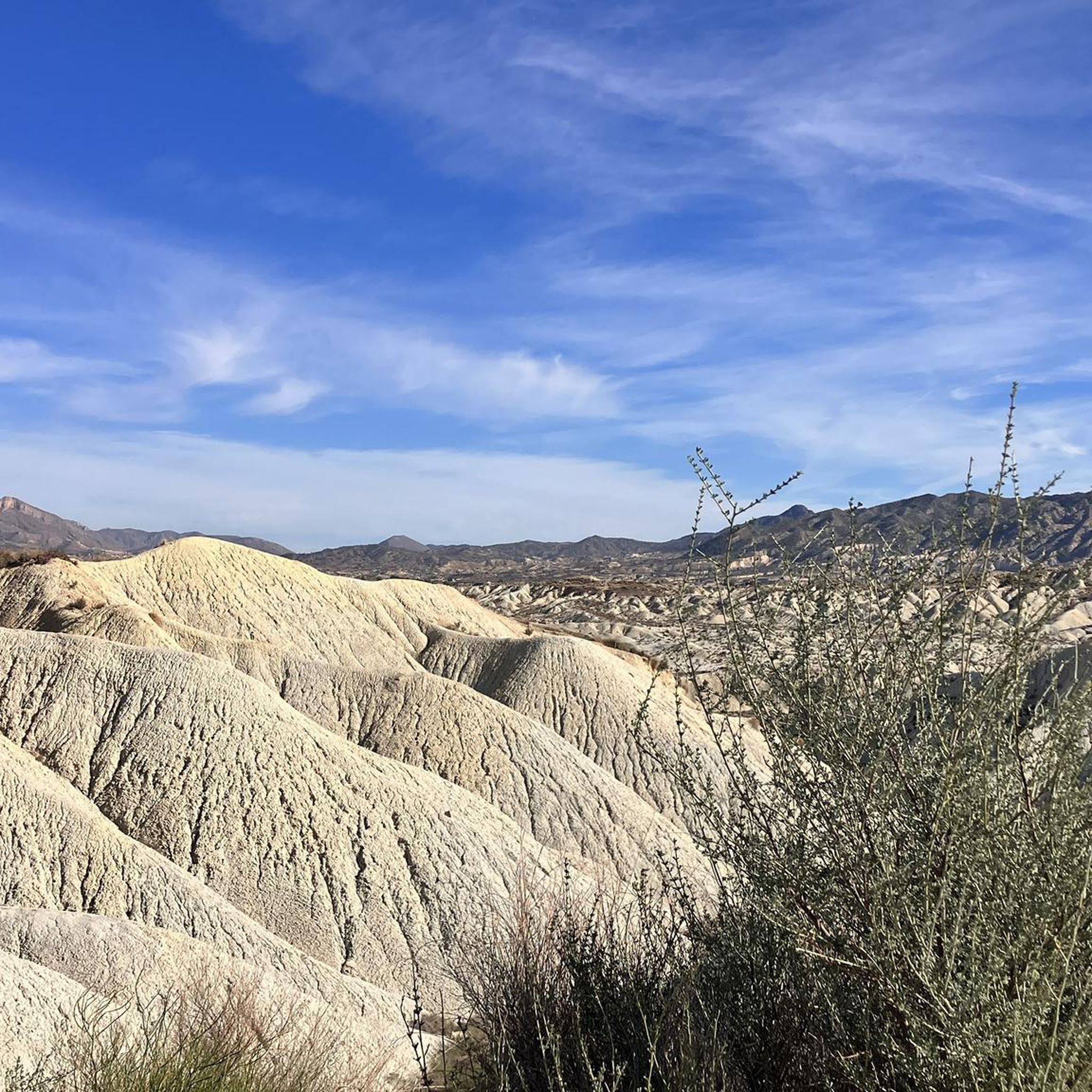
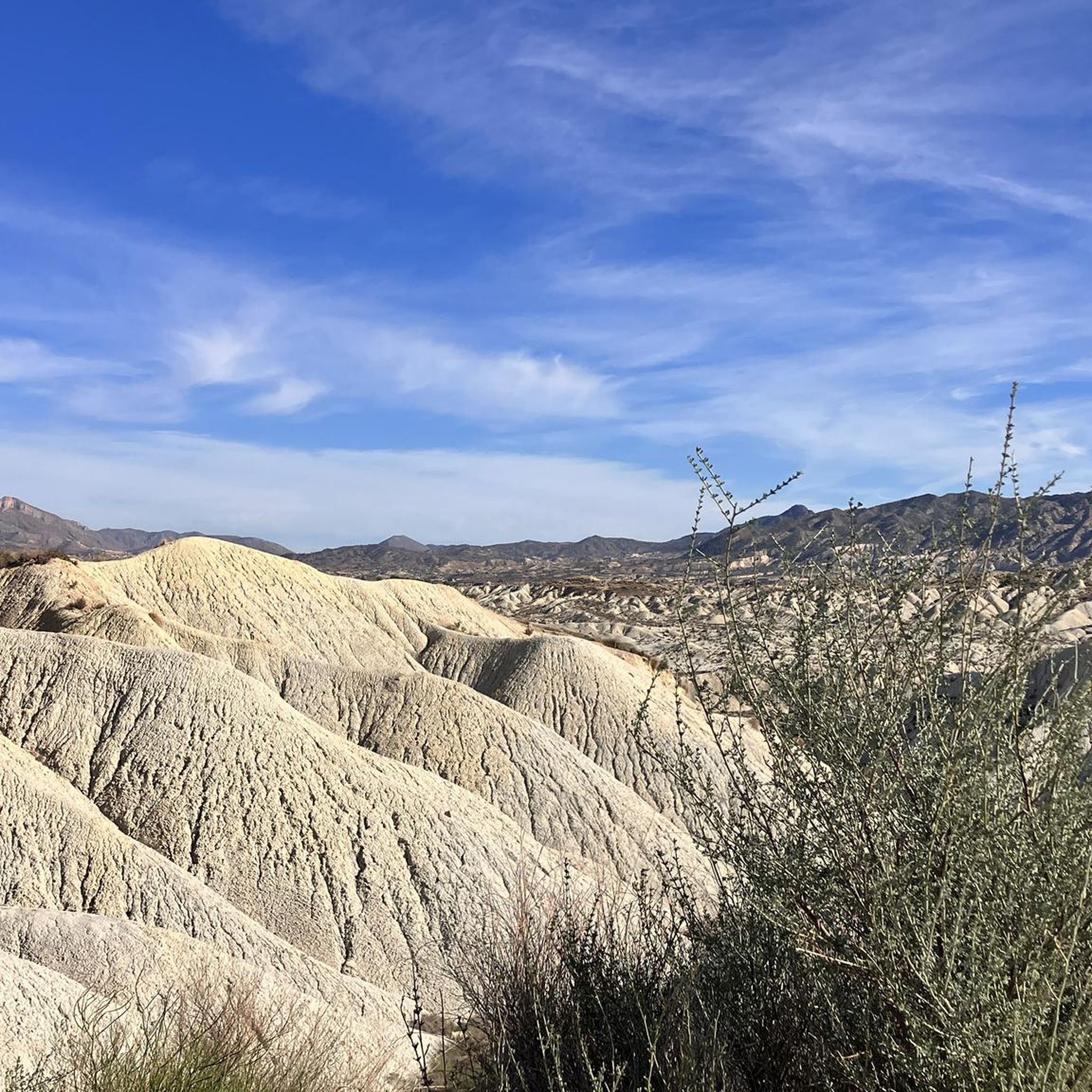
Desierto de Abanilla
Highlight • Natural
Translated by Google •
Tip by

Final Waterfall of the Via Ferrata
Highlight • Waterfall
Tip by

Sign up now to discover places like this
Get recommendations on the best single tracks, peaks, & plenty of other exciting outdoor places.
Sign up for free
La Rambla Salada
Highlight (Segment) • Gorge
Translated by Google •
Tip by

Cortao de las Peñas
Highlight • Viewpoint
Translated by Google •
Tip by

Cave of Jaime el Barbudo
Highlight • Cave
Translated by Google •
Tip by

Sign up for free to discover even more natural monuments around Abanilla.
Sign up for free
Already have an account?
Start today with a free account
Your next adventure awaits.
Login or Signup

Tips from the Community

The tour is listed as moderate on Komoot. In my opinion, that's incorrect. Hikers who a) haven't climbed any vertical 8-meter-high sections before and b) have to ascend or descend without via ferrata equipment, despite the available rungs... this should be rated as black or difficult. Don't get me wrong—I think it's okay for non-hikers, but I believe others will reach their limits here. 🤨
1
0

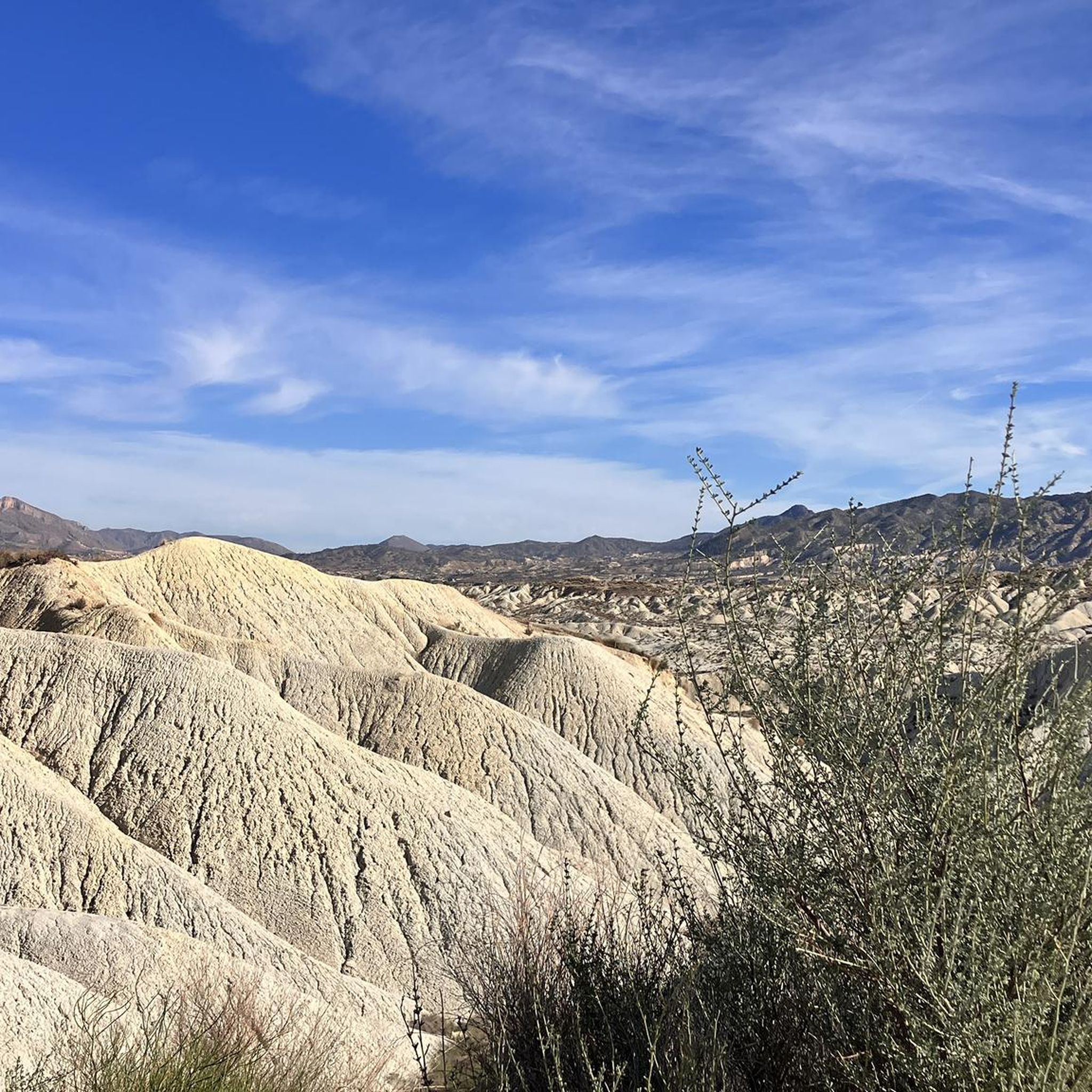
The Abanilla Desert, also known as the Mahoya Desert, is one of the most unique and fascinating places in the Murcia region, just an hour's drive from the beaches of the Costa Cálida and Costa Blanca South. This surreal landscape, often compared to the surface of the moon, offers a perfect combination of natural beauty and tranquility. Whether you're a nature lover, an adventurer, or simply looking for a place to relax,
17
0
On the road to Baños de Fortuna, you'll find a desert that was the seabed millions of years ago, now shaped by erosion. The Ramblas de la Parra, del Font, Balonga, Zurca, and the Chícamo Basin form one of Murcia's most otherworldly landscapes. Here you can see the remnants of ancient seas, such as the coral reefs formed by the Chícamo River and the El Cajer Ravine, which are now a feast for the eyes and the camera.
5
0

If you do the route in the direction as described. Then it goes 8 meters up. Not down.
1
0

for the second time in a month we were amazed here
4
0

One of the most spectacular natural spaces in the area. Very attractive area for lovers of hiking and unique places that combine rock and water. With a channel excavated and eroded by meteorological agents, which gives it a very characteristic appearance. This rambla is crossed by a small spring of salt water (hence its name).
4
1

Beautiful views as we pass through a popular place for nature lovers. It is the Cortao de las Peñas as we go up or down from Puerto Frío. Without a doubt, an ideal place to take a break or recover energy from the viewpoint.
2
0
Frequently Asked Questions
What unique natural features can I explore in Abanilla?
Abanilla offers a striking contrast of landscapes. You can explore the arid, 'lunar' terrain of the Desierto de Abanilla, characterized by deep furrows and geological formations. In stark contrast, the Chicamo River Canyon, known as the 'Oasis of Abanilla,' features lush vegetation, palm trees, and clear water, showcasing ancient geological history.
Are there any natural springs or water features to visit in Abanilla?
Yes, the Chicamo River Canyon is a prominent water feature, offering clear water and lush vegetation. Additionally, Fuente Caputa is consistently mentioned as a must-see natural spring, providing a tranquil and refreshing environment perfect for relaxation or picnicking.
What kind of hiking experiences can I find among Abanilla's natural monuments?
Abanilla provides diverse hiking experiences. You can trek through the surreal Desierto de Abanilla on foot, or explore the geological wonders of the Chicamo River Canyon, where you might walk through shallow water. For more challenging adventures, the Final Waterfall of the Via Ferrata offers an exciting climb with staples, while the Cave of Jaime el Barbudo presents a challenging exploration through a narrow, dark crevice.
Are there family-friendly natural monuments or activities in Abanilla?
Yes, the Chicamo River Canyon is suitable for children, offering a unique adventure where you can walk through the river. The Desierto de Abanilla also has a gravel road suitable for strollers and wheelchairs for a shorter, accessible experience, making it enjoyable for families.
What is the best time to visit the natural monuments in Abanilla?
The evening is suggested for visiting the Desierto de Abanilla for fresh air and stargazing. Generally, spring and autumn offer milder temperatures for exploring the region's diverse landscapes, avoiding the intense heat of summer.
What should I wear or bring when visiting the Chicamo River Canyon?
When visiting the Chicamo River Canyon, it is highly recommended to wear shoes with good grip that can get wet, as you will be walking through sectors where your feet will be submerged in water.
What kind of views can I expect from the viewpoints in Abanilla?
From viewpoints like Cortao de las Peñas, you can expect beautiful panoramic views of the surrounding natural landscapes. These spots are popular for nature lovers to take a break and appreciate the scenery.
Are there any unique geological formations or gorges to see?
Absolutely. The La Rambla Salada gorge is a spectacular natural space combining rock and water, with a channel eroded by meteorological agents and a small spring of salt water. The Chicamo River Canyon also features fault lines and rock folds, with narrow gorges eroded into conglomerate rock formations.
What outdoor activities, besides hiking, can I do near Abanilla's natural monuments?
Beyond hiking, the area around Abanilla offers excellent opportunities for cycling. You can find various routes for touring bicycles, road cycling, and even running. For detailed routes, explore the guides for Cycling around Abanilla, Road Cycling Routes around Abanilla, and Running Trails around Abanilla.
What makes the Desierto de Abanilla so unique?
The Desierto de Abanilla, also known as the Mahoya Desert, is unique for its surreal 'lunar' landscape. It was formed over millions of years from a seabed, shaped by drought and heavy rainfall, resulting in deep furrows and geological formations that offer a powerful symbol of the region's contrast and resilience.
Can I see any wildlife in the natural monuments of Abanilla?
While exploring the Chicamo River Canyon, you might be lucky enough to spot a fartet (Spanish toothcarp), a small fish that is resisting extinction and thrives in the river's clear waters.
Are there any challenging natural monuments for experienced adventurers?
Yes, experienced adventurers can tackle the Final Waterfall of the Via Ferrata, which involves an 8-meter vertical climb with staples. Another challenging option is exploring the Cave of Jaime el Barbudo, a narrow and dark crevice over 20 meters long that requires careful navigation and light.
Most popular routes around Abanilla
Most popular attractions around Abanilla

Get inspired with the komoot mobile app


Explore more
Extend your search for the best caves by checking out these guides of the top ones around Abanilla:
