Top 9 Natural Monuments around Folgoso Do Courel
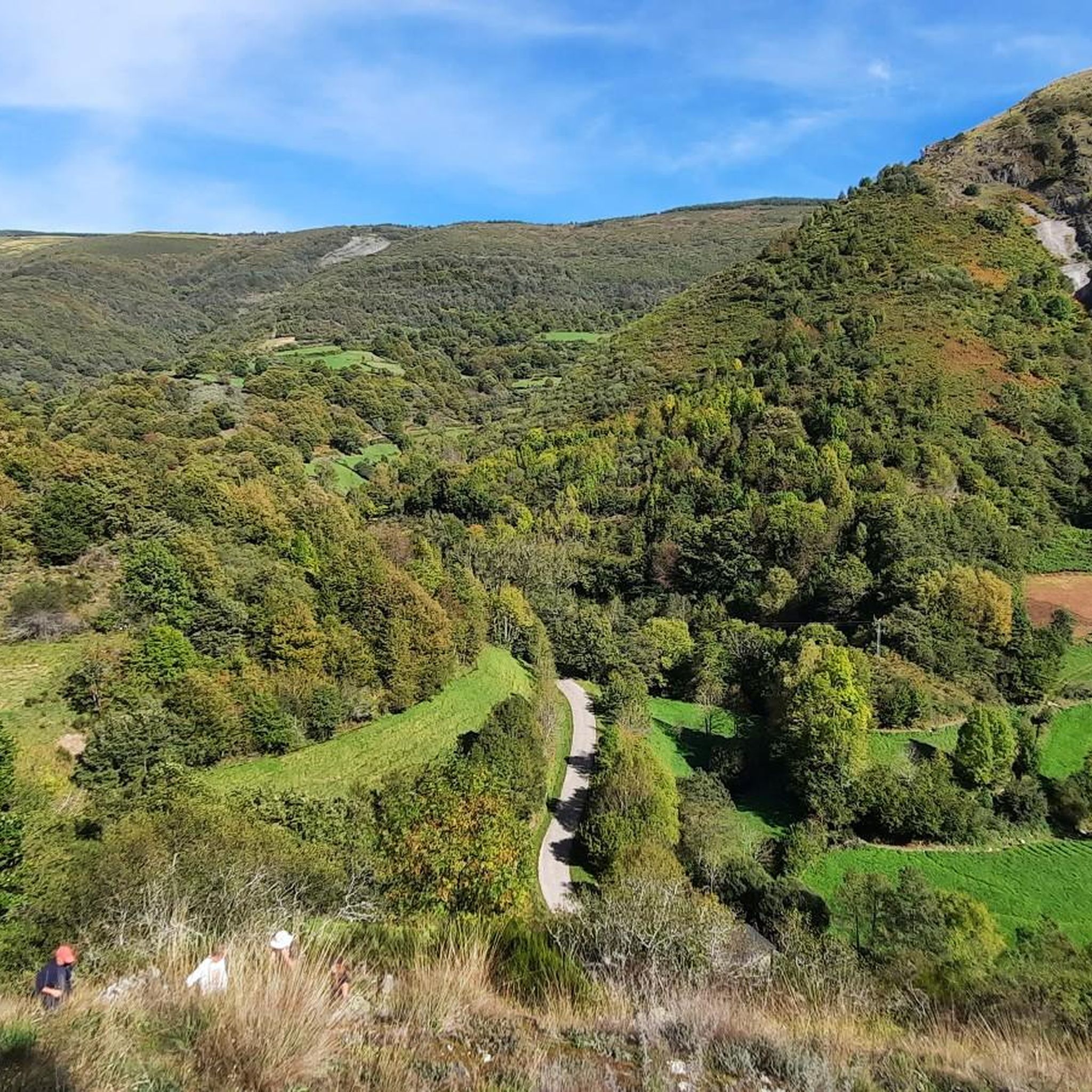
Best natural monuments around Folgoso Do Courel are found within the Serra do Courel mountain range, a UNESCO World Geopark in Lugo, Galicia. This region is characterized by its pristine natural beauty, diverse ecosystems, and significant geological formations. Visitors can explore forested slopes, deep river valleys, and ancient villages with traditional slate houses. The area offers a variety of natural features, from ancient forests to impressive waterfalls and historic chestnut groves.
Best natural monuments around Folgoso Do Courel
- The most…
Last updated: November 15, 2026
Ancient Chestnut Tree in Ramil
Highlight • Natural Monument
Translated by Google •
Tip by

Lor River
Highlight • River
Translated by Google •
Tip by
Sign up now to discover places like this
Get recommendations on the best single tracks, peaks, & plenty of other exciting outdoor places.
Deer Spring Waterfall
Highlight • Waterfall
Translated by Google •
Tip by

Beiro Waterfall
Highlight • Waterfall
Translated by Google •
Tip by

The three peaks of Cebreiro
Highlight (Segment) • Mountain Pass
In the …
Translated by Google •
Tip by

Sign up for free to discover even more natural monuments around Folgoso Do Courel.
Already have an account?
Start today with a free account
Your next adventure awaits.

Tips from the Community

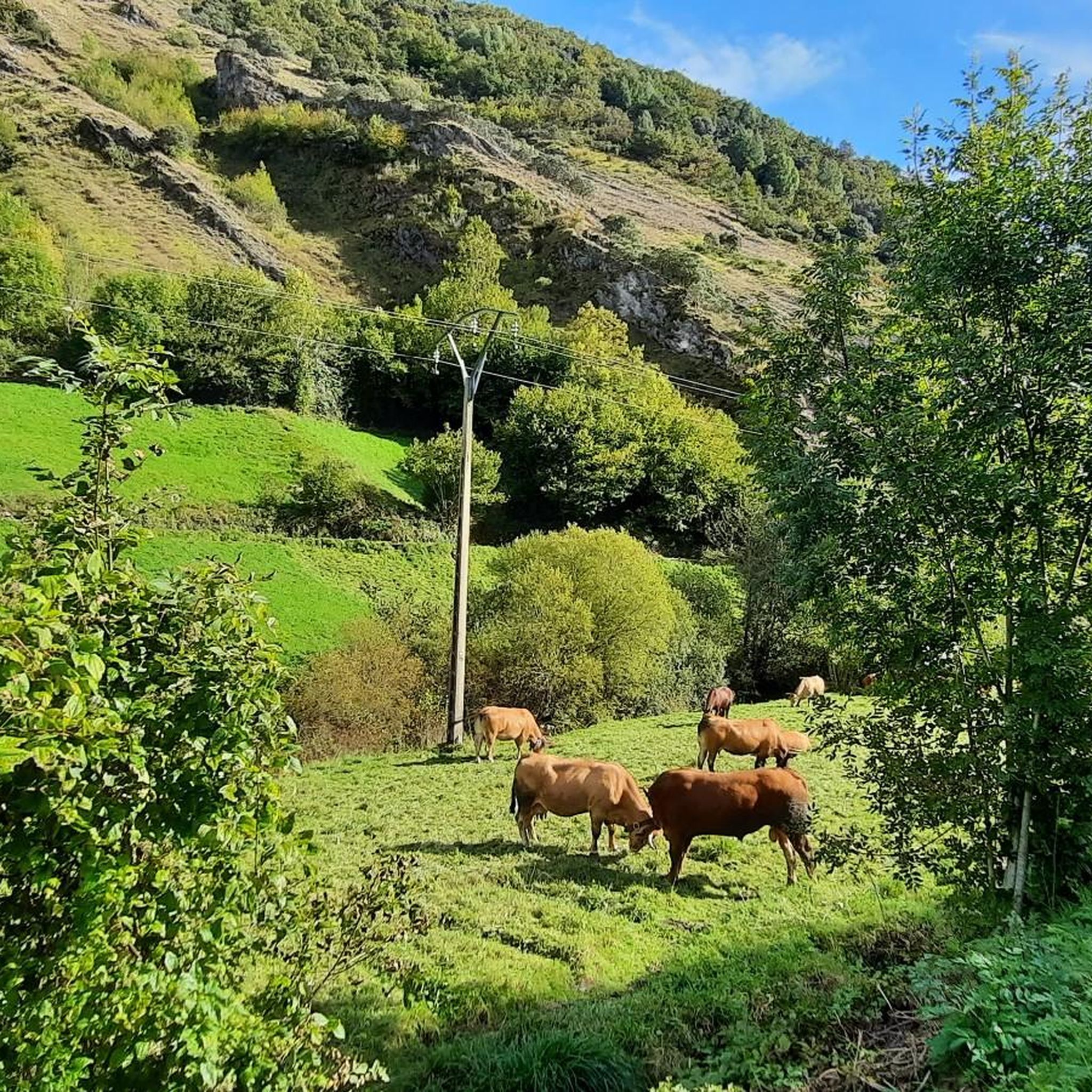
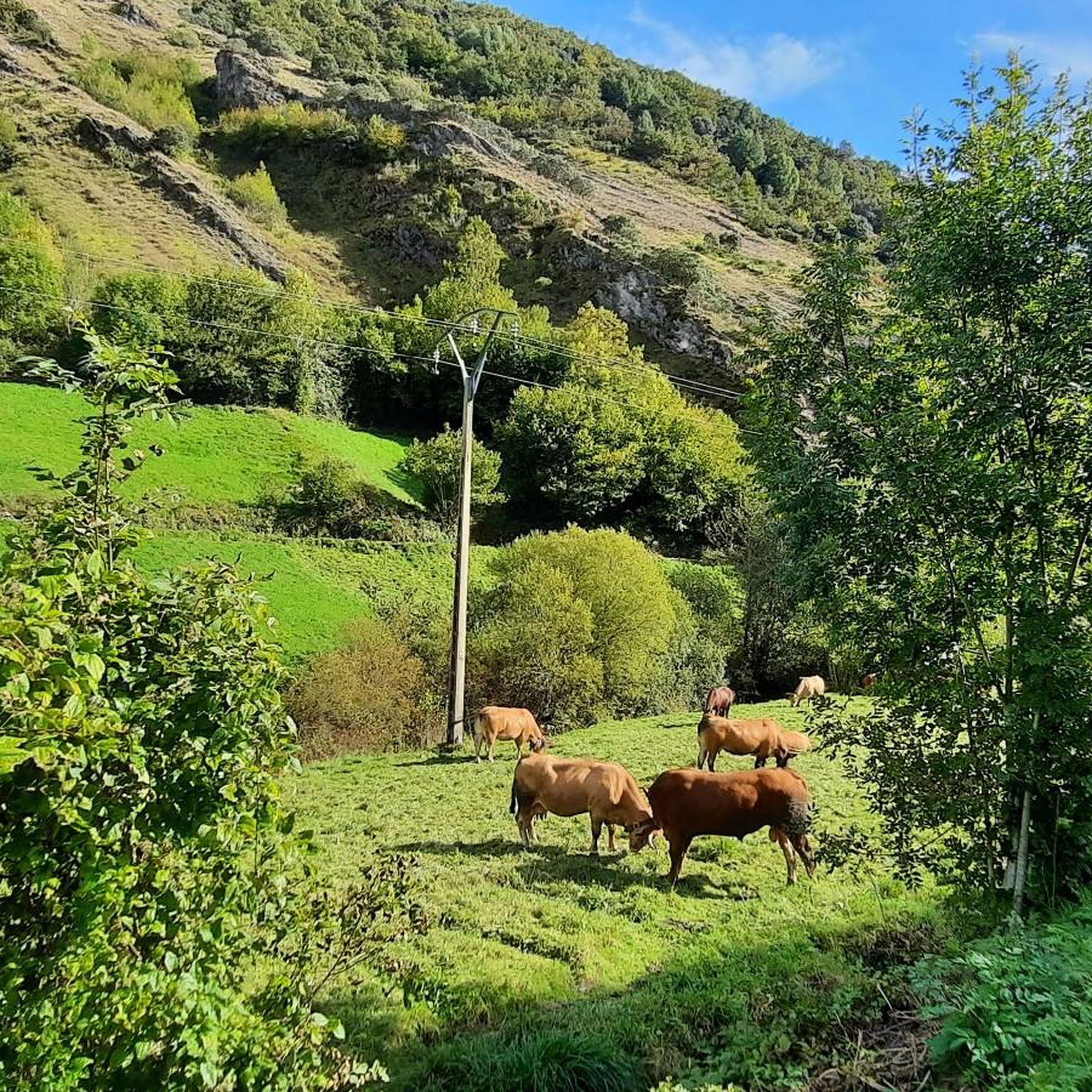
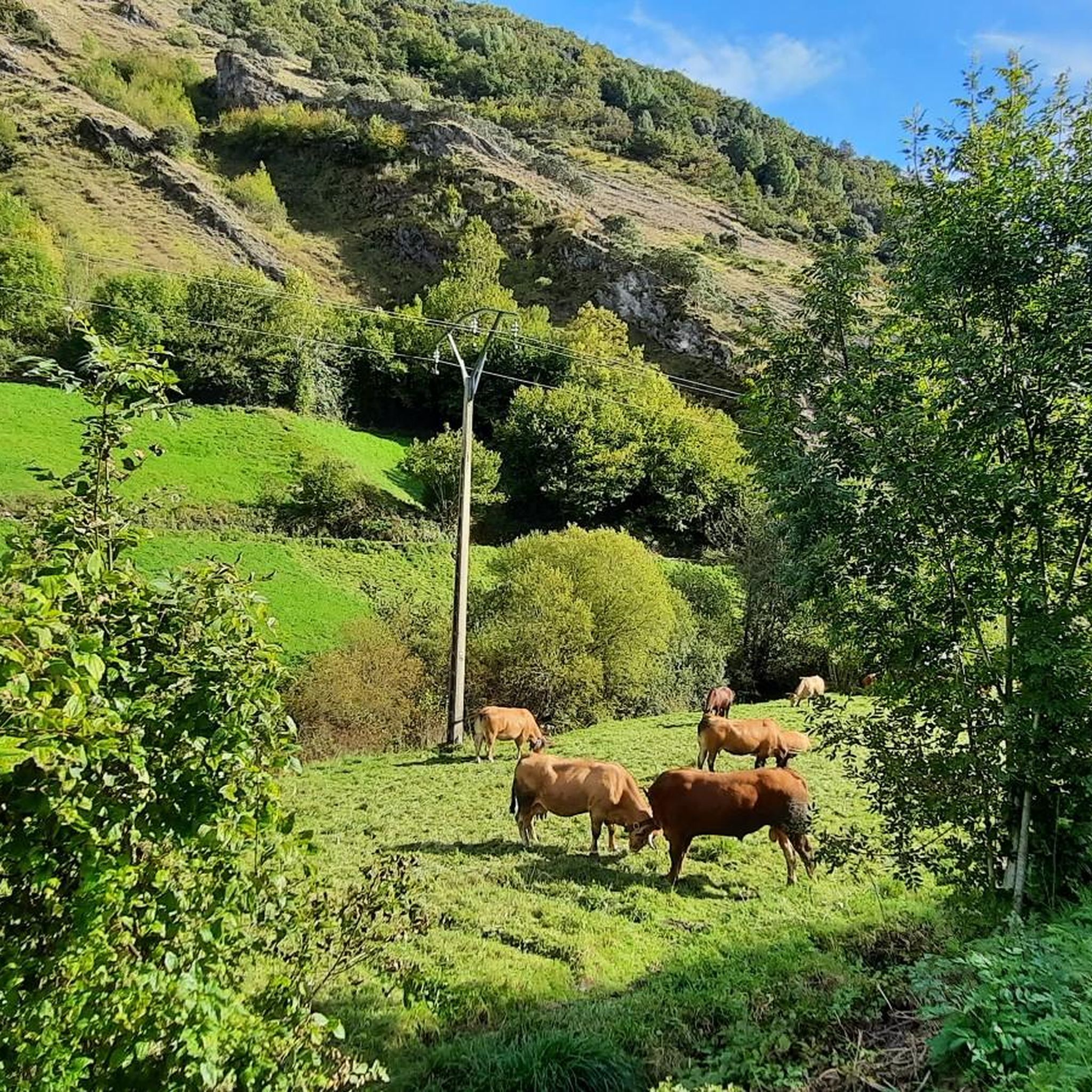
It rises in the Serra do Courel mountain range and flows into the Sil River, passing through chestnut and oak forests that look like something out of a fairy tale. Its name is said to come from the laurel trees that grew on its banks. It's cool, clean, and offers perfect spots to stop, take a dip, or simply watch the water flow by.
0
0

In the small village of Ramil at the foot of the Camino, just before Triacastela, stands one of Galicia's most beautiful century-old chestnut trees. Its trunk spans 8.5 meters and, with its hollow spaces and thick branches that seem to embrace the tree, resembles an X-ray of time.
0
1

Large deciduous tree that is common in the mountains of Galicia. The fruits are covered with a green rind with thorns, the "erize". The season for harvesting chestnuts is November, and in Triacastela and throughout Galicia in general it is celebrated with a festival called "magesto". The main use of the chestnut tree is to obtain its wood and use its fruit as food for the population in general and as food for livestock.
1
0

This impressive tree is over 800 years old. A true natural monument.
2
0

If you decide to explore this route, you will be surrounded by nature, history and stunning views along the River Lor. Enjoy your hike! 🏞️🚶♂️🥾🚵🌞
18
2

Fantastic ancient tree at entrance to Triacastela
4
0
This emblematic chestnut tree, which is located in the middle of the Jacobean route, specifically on the French Way, is more than 800 years old. It has become an iconic place that many pilgrims want to remember by taking photos.
13
0

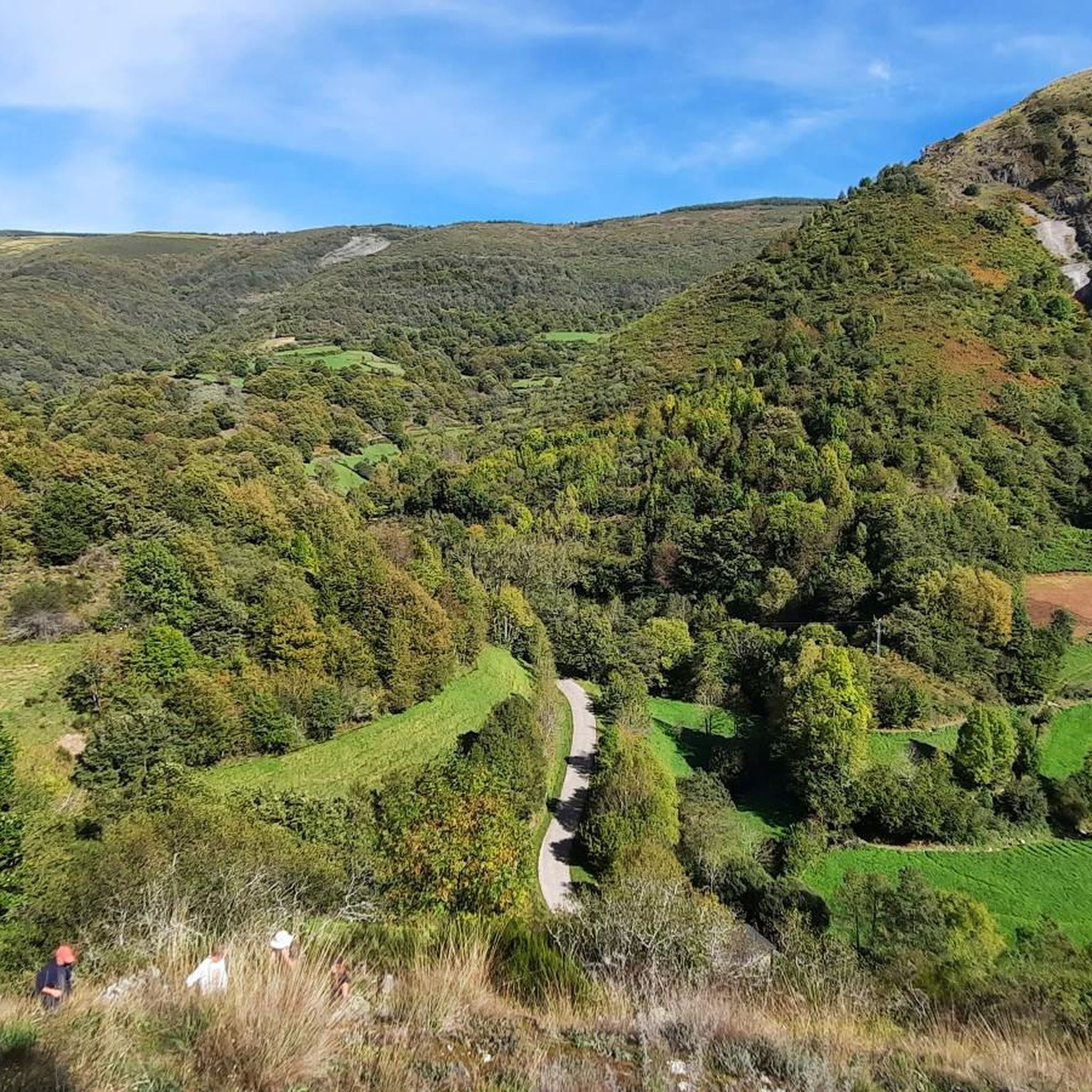
The last real climbs of the Camino are the three peaks of the Cebreiro mountain group, over a distance of approximately 13 km, divided into three equivalent segments. In the first stretch, starting from Pedrafita (1100 m above sea level) and following the LU-633 up to Cebreiro (1300 m.) there are 4 km almost entirely of climbs, which are also very tiring if you are carrying a lot of luggage: the heat accumulated for fatigue can turn into frozen sweat, cold and chills due to possible fog, tiredness and/or dehydration and the difference in temperature compared to Pedrafita; in addition to covering up, it is advisable to stop for a short refreshment at the village bar. In the second stretch you descend to Linares (1220 m), and then climb up to Alto de San Roque (1260 m), which is particularly windy, as evidenced by the statue of the saint placed on the pass of the hill. The third stretch descends again to Hospital (approximately 1250m) and then rises again reaching Alto do Poio (1335m), the highest point of the three peaks. From here the road begins to descend rapidly for about fifteen km up to 660 m. above sea level of Triacastela.
2
0
Frequently Asked Questions
What are some of the most ecologically significant natural monuments in Folgoso Do Courel?
The Devesa da Rogueira is considered the ecological jewel of the Serra do Courel. This expansive Atlantic mixed forest is renowned for its exceptional biodiversity, housing over 800 cataloged plant species, representing 40% of Galicia's total flora. It features diverse forest types, from beech and birch to Mediterranean flora, and is home to endemic species like the Iberian newt.
Are there any ancient trees or historical natural sites in the region?
Yes, Folgoso Do Courel is home to numerous ancient chestnut groves, known locally as "soutos." Some chestnut trees are over 500 years old, with trunks exceeding 8 meters in girth. A notable example is the Ancient Chestnut Tree in Ramil, which is over 800 years old and a significant landmark on the Camino de Santiago.
Where can I find impressive waterfalls around Folgoso Do Courel?
The Serra do Courel is dotted with several picturesque waterfalls. You can visit the Beiro Waterfall, which is the first waterfall encountered when starting from Busmayor. Other notable examples include Fervenza da Albardaira, Fervenza da Pedreira, Fervenza do Rexío, and Fervenza de Vieiros, all offering breathtaking scenic views, especially after heavy rains.
What kind of hiking opportunities are available near these natural monuments?
The region offers a variety of hiking experiences, often integrating natural monuments into trails. For instance, you can explore the rich flora and fauna of the Devesa da Rogueira through well-marked hiking trails. Many waterfalls, like the Fervenza da Pedreira, are accessible via marked paths. The Lor River also offers routes through chestnut and oak forests. For more detailed hiking routes, you can check out guides like Cycling around Folgoso Do Courel, which often include walking sections.
Are there any family-friendly natural monuments or activities in Folgoso Do Courel?
Yes, many natural monuments are suitable for families. Walking through the ancient chestnut groves offers a serene atmosphere for leisurely strolls. The Ancient Chestnut Tree in Ramil is a popular and accessible landmark. Exploring the various waterfalls can also be an exciting adventure for families, with some having easier access paths.
What is the best time of year to visit the natural monuments in Folgoso Do Courel?
Autumn is particularly stunning for visiting the ancient chestnut groves, as they display vibrant colors. Spring and early summer are ideal for experiencing the lush biodiversity of places like the Devesa da Rogueira and for seeing the waterfalls at their fullest after seasonal rains. The region's diverse vegetation zones offer beauty throughout the year, but these seasons highlight specific features.
Can I spot any wildlife while exploring the natural monuments?
The Devesa da Rogueira, in particular, is a haven for diverse fauna. You might spot roe deer, pine martens, weasels, polecats, wildcats, and dormice. The small rivers within the devesa are also home to endemic species like the Iberian newt and Iberian frog. The region's caves can shelter various bat species.
Are there any unique geological features or caves to explore?
The Serra do Courel, part of a UNESCO World Geopark, is known for its complex geology. While the Cova do Rei Cintolo is Galicia's largest cave, the region also features the Aradela cave near the Rogueira forest, which is Galicia's deepest explored cavern at 130m. These caves offer a unique adventure into the subterranean world, revealing impressive geological formations and ancient materials.
What kind of cycling routes are available near the natural monuments?
The mountainous terrain of Serra do Courel offers challenging and rewarding cycling routes. You can find various options for road cycling and mountain biking. For example, there are routes like the Alto do Boi Loop for road cycling or the La Faba – Pereje village loop for mountain biking. You can explore more options in the Road Cycling Routes around Folgoso Do Courel and MTB Trails around Folgoso Do Courel guides.
What do visitors enjoy most about the natural monuments in Folgoso Do Courel?
Visitors frequently praise the pristine natural beauty and tranquility of the area. The ancient trees, like the Ancient Chestnut Tree in Ramil, are often highlighted for their historical significance and impressive size. The lush forests, clear rivers like the Lor River, and the stunning waterfalls, such as Beiro Waterfall, are cherished for their scenic views and opportunities for immersion in nature.
Are there any challenging natural monuments for experienced hikers?
For experienced hikers, the Three Peaks of Cebreiro offer a challenging experience with significant elevation changes. These peaks are part of the Serra do Courel mountain group and provide demanding climbs and descents, rewarding hikers with expansive views. The access to some waterfalls, like Fervenza da Albardaira, can also be challenging, offering a more rugged adventure.
What should I pack when visiting the natural monuments in Folgoso Do Courel?
Given the diverse terrain and potential for varied weather, it's advisable to pack appropriate footwear for hiking, layers of clothing, and rain gear, especially if visiting during wetter seasons. Water and snacks are essential for longer excursions. If exploring caves, a headlamp or flashlight would be beneficial. Binoculars can enhance wildlife spotting.
Most popular routes around Folgoso Do Courel
Most popular attractions around Folgoso Do Courel

Get inspired with the komoot mobile app


Explore more
Extend your search for the best caves by checking out these guides of the top ones around Folgoso Do Courel:
