Top 10 Natural Monuments around Serón
Best natural monuments around Serón are situated on the northern slopes of the Sierra de los Filabres in Almería, offering a rich natural heritage. This region provides diverse experiences, from ancient trees to panoramic mountain vistas and trails. Serón's landscape is characterized by its mountainous terrain, including parts of the Sierra de los Filabres, and features like the Almanzora Greenway. The area combines natural beauty with historical and geological interest, making it suitable for outdoor exploration.
Best natural monuments around…
Last updated: November 15, 2026
Aljibe de Serón
Highlight • Natural Monument
Translated by Google •
Tip by

Sierras de Baza and Los Filabres
Highlight • Mountain Pass
Tip by

Sign up now to discover places like this
Get recommendations on the best single tracks, peaks, & plenty of other exciting outdoor places.
Mirador de Piedra Lobera
Highlight • Viewpoint
Translated by Google •
Tip by

Fuente Perica Spring
Highlight • Natural Monument
Translated by Google •
Tip by
Holm Oak of El Marchal del Abogado
Highlight • Natural Monument
Translated by Google •
Tip by
Sign up for free to discover even more natural monuments around Serón.
Already have an account?
Start today with a free account
Your next adventure awaits.
Popular around Serón
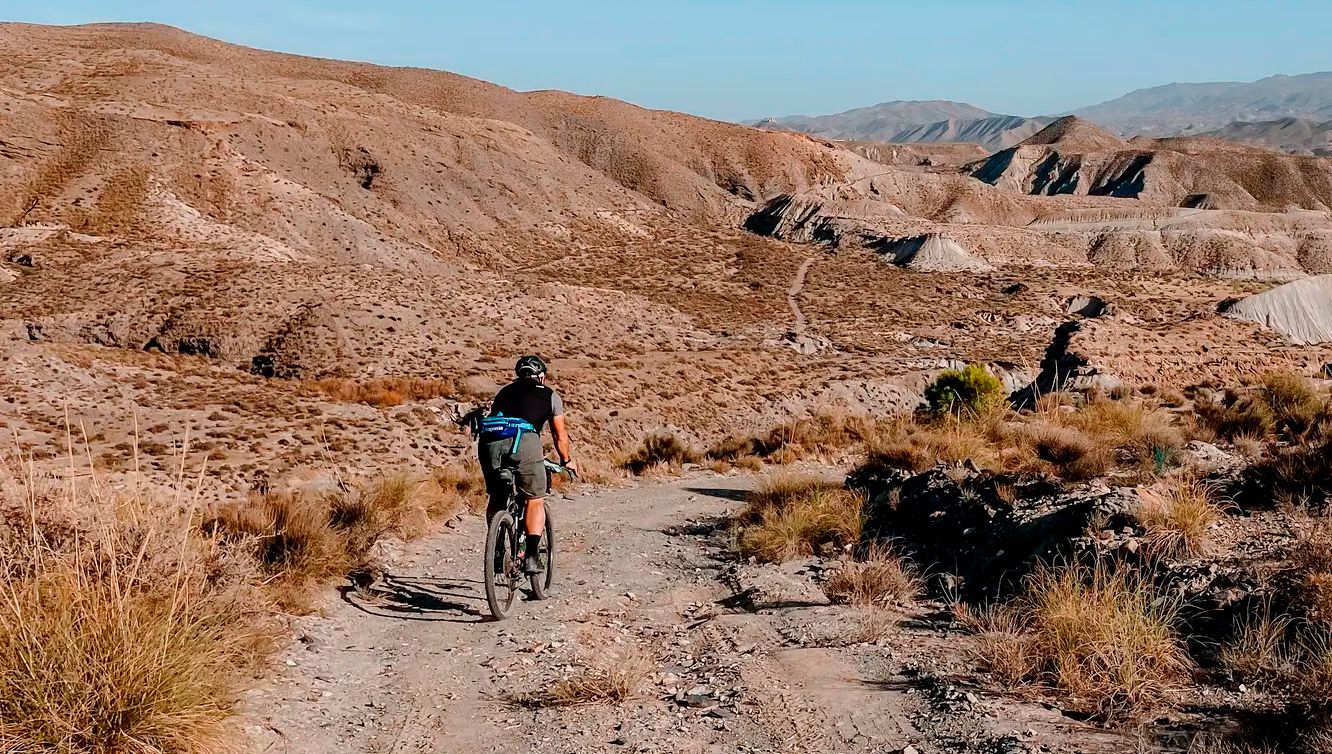
TransAlmería Gravel – Summits, dry riverbeds and deserts
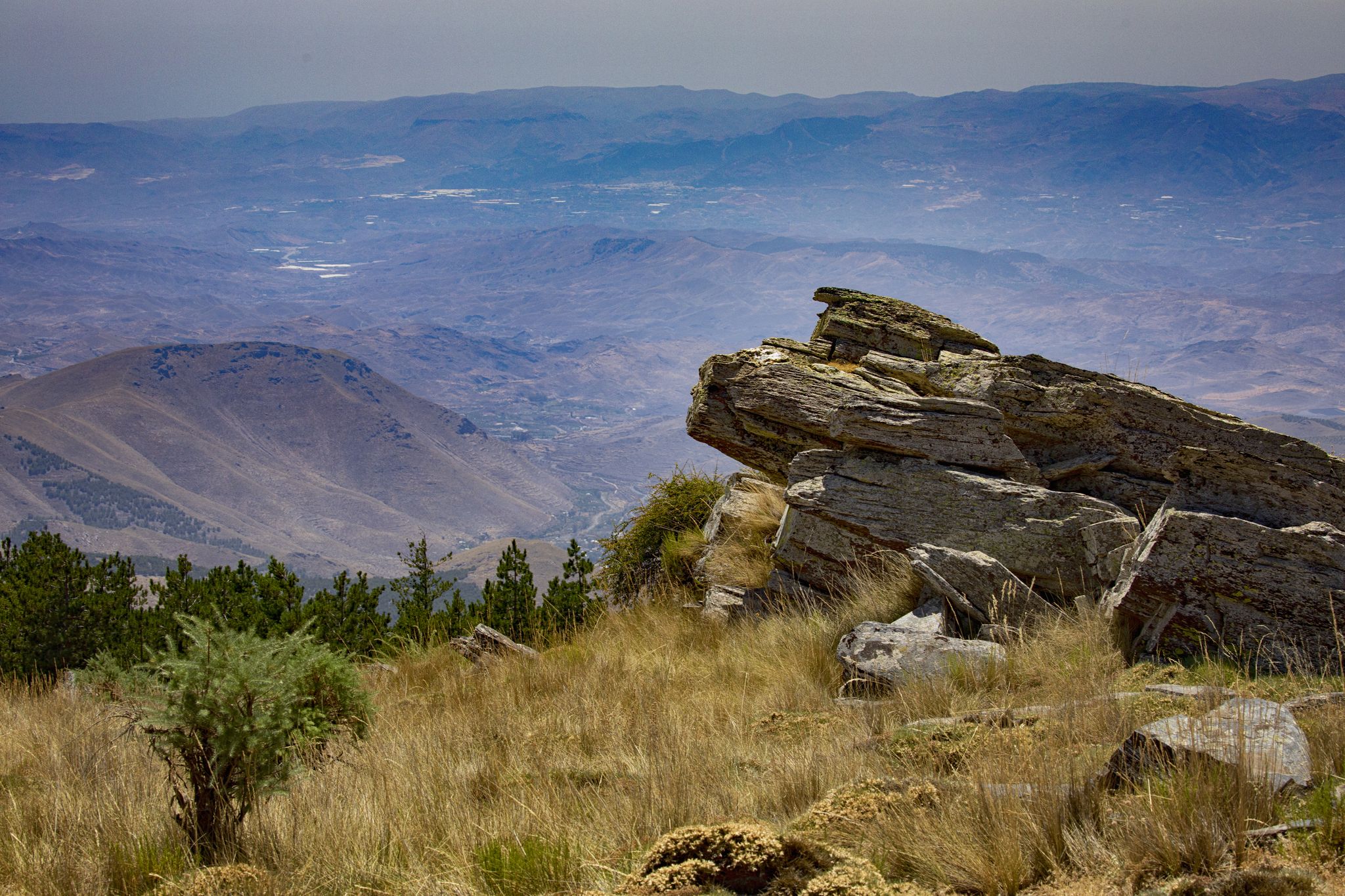
The solitude of the summits – TransAlmería by MTB (Almanzora)
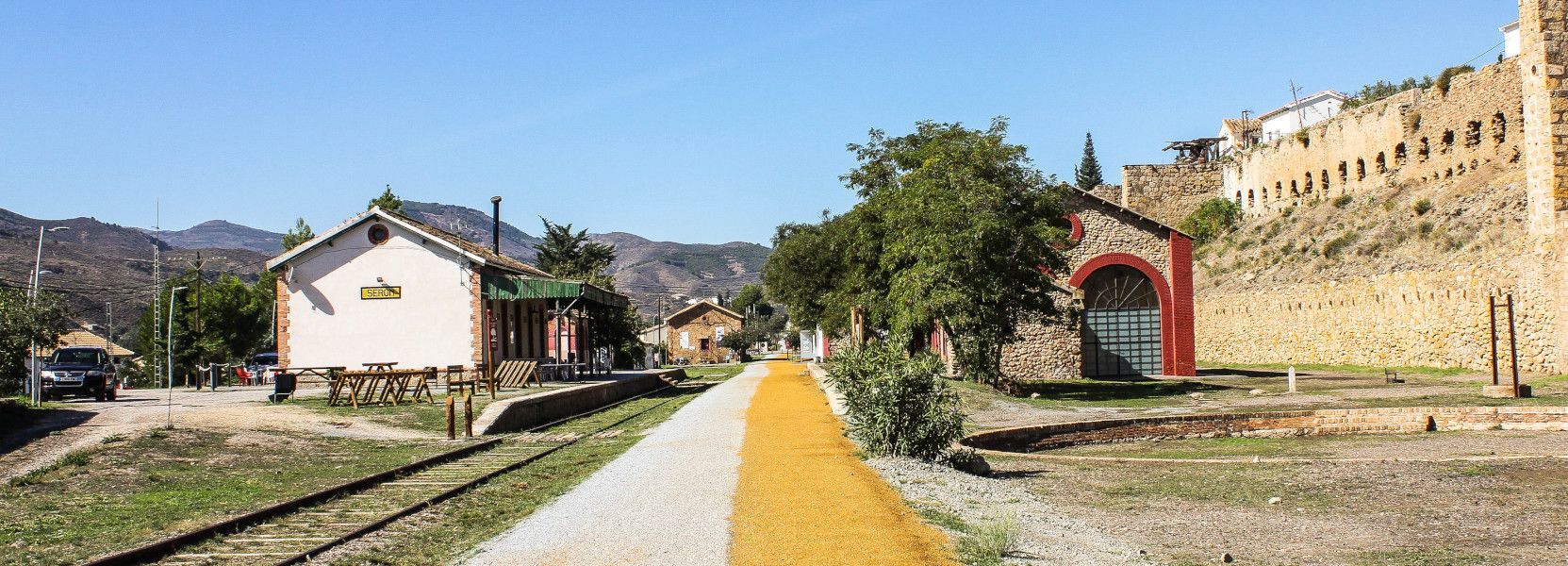
The Iron Road – Spain’s Almanzora Valley Greenway
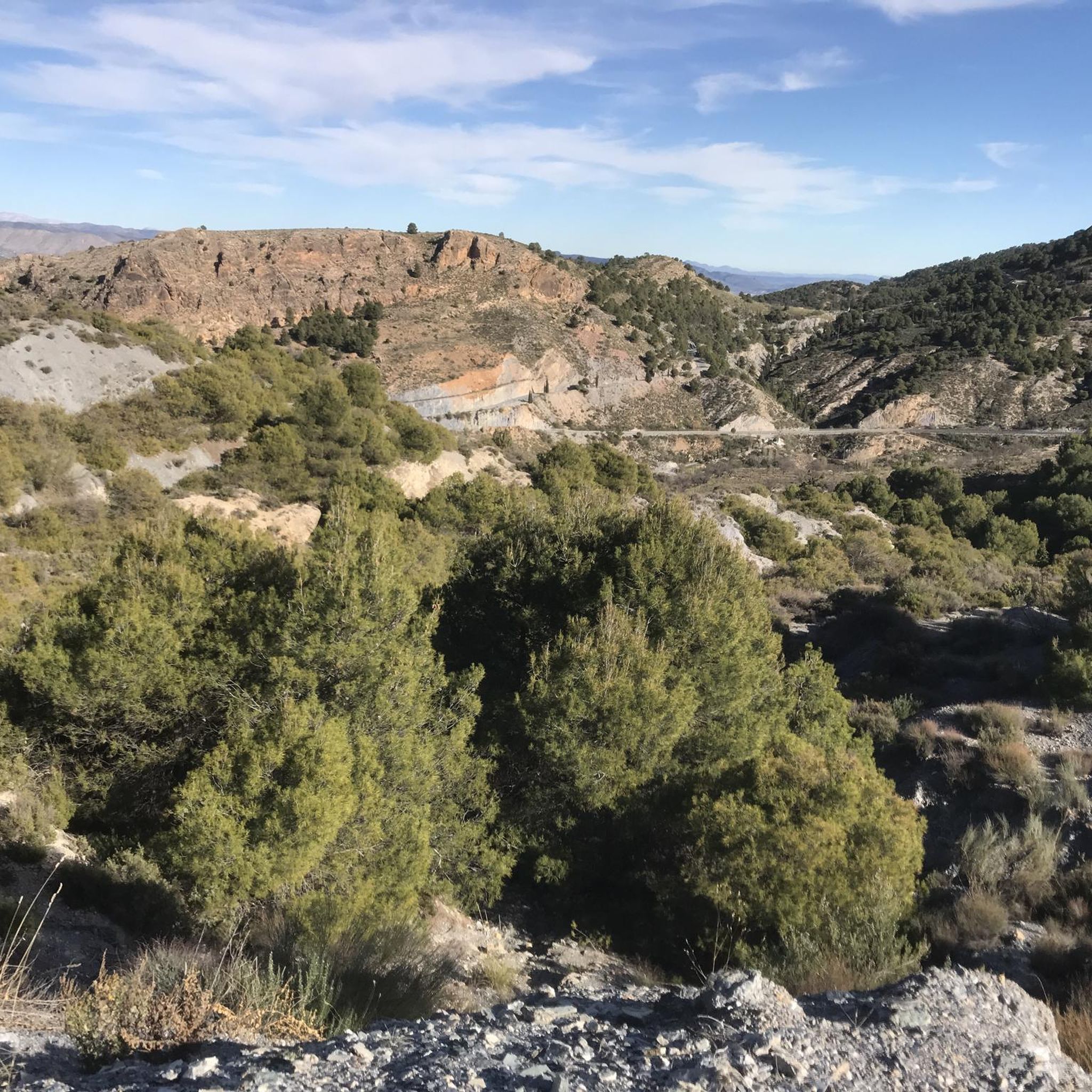
MTB Trails around Serón
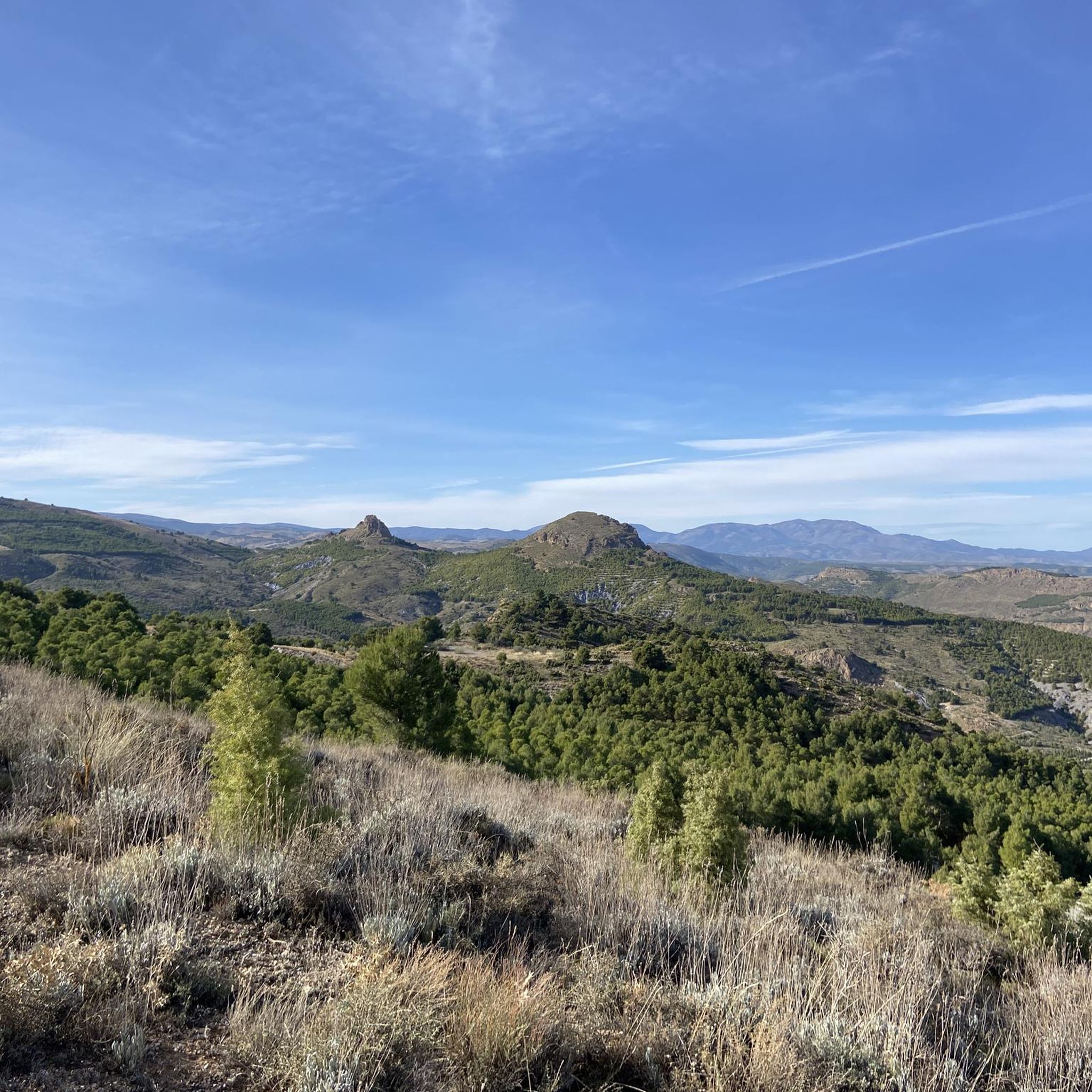
Cycling around Serón
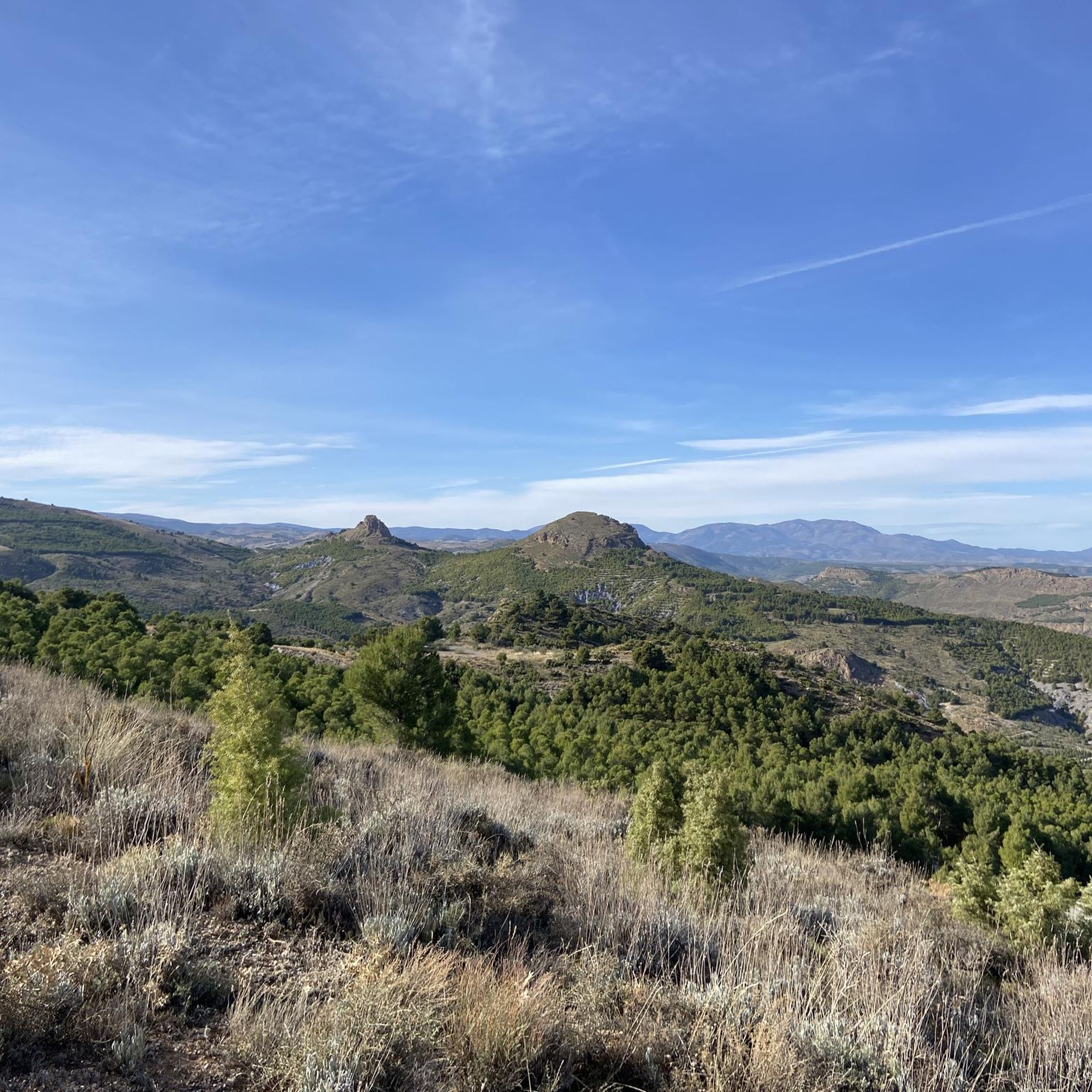
Hiking around Serón
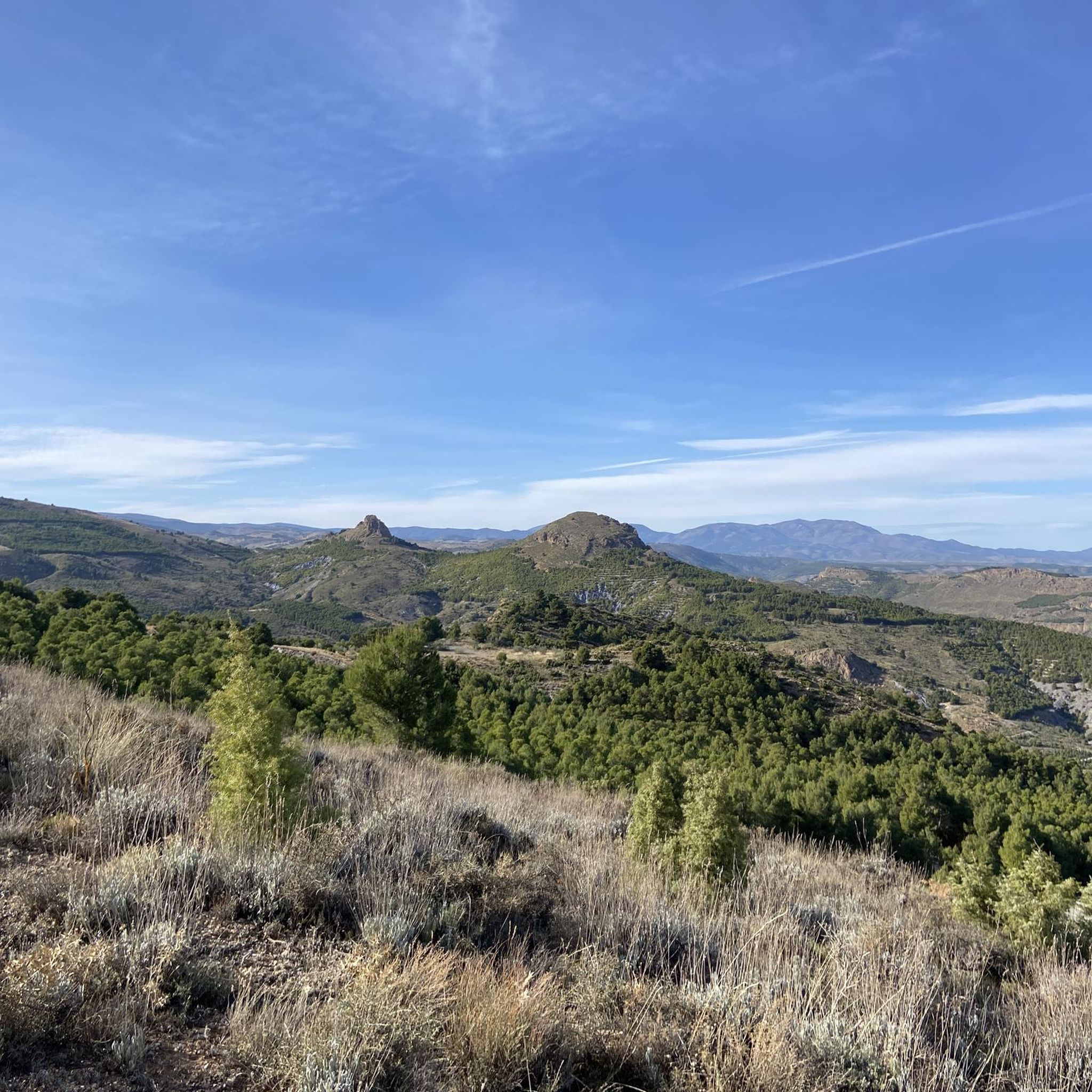
Road Cycling Routes around Serón
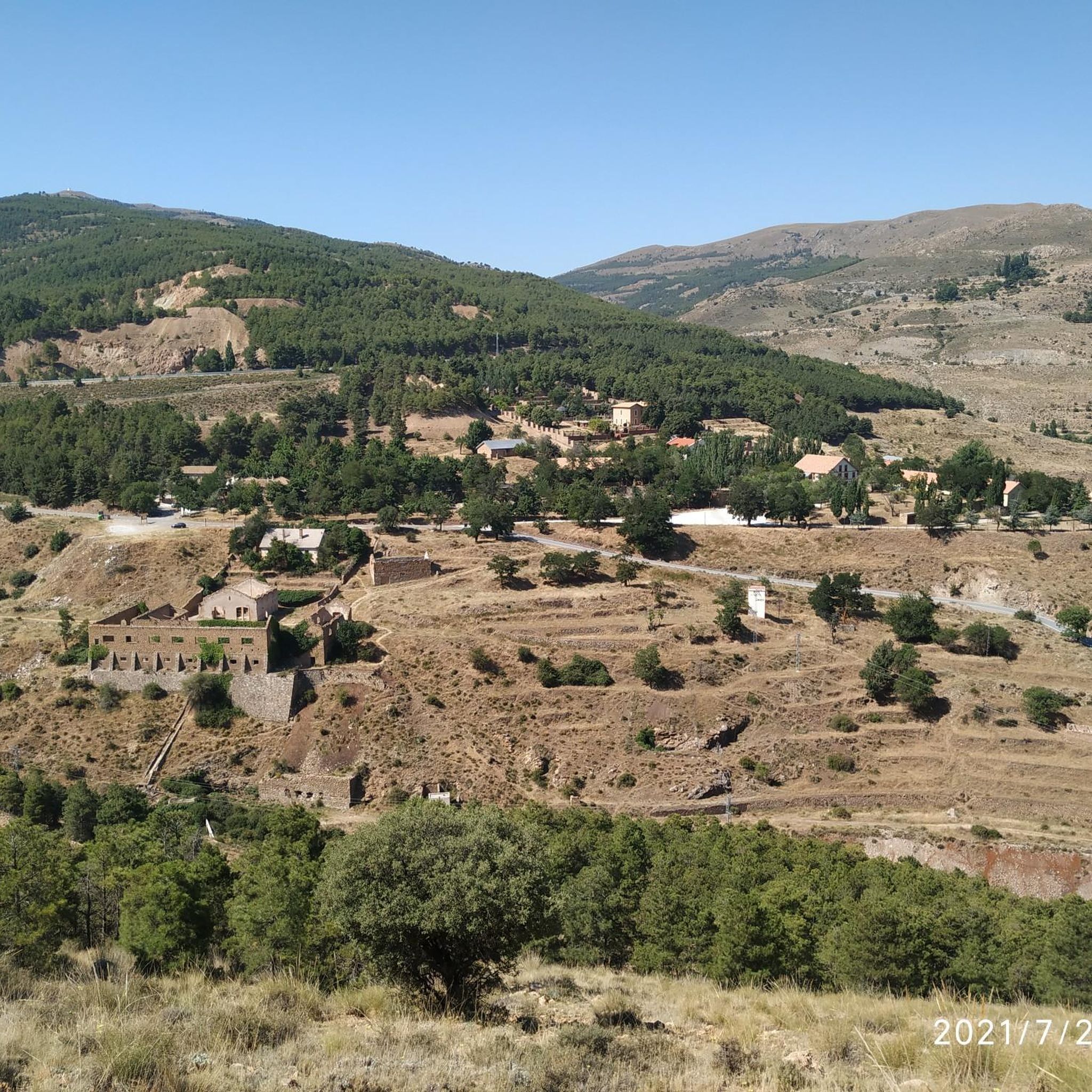
Running Trails around Serón

Gravel biking around Serón


Tips from the Community

Both mountain ranges ensure that it hardly rains in this semi-desert area.
1
0

The Piedra Lobera Viewpoint is an impressive place in the province of Almería, specifically in the Sierra de Lúcar. At more than 1,700 meters, from the watchtower of Puerto de Lúcar, there are panoramic views that dominate territories of the provinces of Granada, Jaén and Almería. This viewpoint offers a unique visual experience in the region. 🌿🏞️
2
0

Place to enjoy 360 * of various ecosystems and mountains
1
0

Sierra de Baza and Sierra de Los Filabres are part of a remote mountain range over 2.000m height in the province of Granada and Almería, and the most isolated area of Badlands. This mountain range was a historic crossroads of cultures, and its legacy includes remains of Roman aqueducts or Arab castles. At the highest point of the range lies the iconic Calar Alto Observatory (2.168m), easy recognizable from far away. The range also includes one of the most iconic and spectacular mountain pass in the Iberian Peninsula, el Puerto de Velefique (1.820m), popular by the high number of hairpin in the South side. The South limit of Sierra de los Filabres reaches the village of Gérgal, considered the North gate of the Tabernas Desert.
1
0
At the eastern end of the Betic System, in the province of Almería and in the Alto Almanzora region, is the Sierra de Lúcar, where the Piedra Lobera Natural Monument rises to a height of 1,722 meters. It is a spectacular limestone formation with steep walls that stands out remarkably in the landscape, constituting a geographical landmark of great interest and spectacular landscapes. Its legendary name comes from the oral tradition, which says that it was in this place where the last examples of wolves that existed in these mountains were exterminated. In addition to its scenic beauty, this natural monument is home to an important endemic flora adapted to the harsh conditions that occur in this environment: low rainfall, strong winds, long periods of insolation, frequent frosts and stony soils. Thus, exclusive species appear such as the arenaria tomentosa, which grows among the rocks and has a pillow-shaped bearing to counteract the whipping of the wind. It is covered with small hairs to reflect the incessant rays of the sun. Other specimens of interest are the honeysuckle of the Pyrenees, which lives sheltered from cracks and limestone rocks; and the exotic peony, called monte rosa, to which medicinal properties are attributed despite the fact that, at certain concentrations, it is toxic. In general, there are deciduous forests and the thorns that accompany and replace them, such as sweet durillo, hawthorn, hawthorn and mostajo, among a wide variety. In addition to the town of Lúcar, in its surroundings there are other municipalities of interest, both monumental and natural, such as Tíjola, where Cela, its natural pool of hot springs, stands out; Bacares, with a beautiful urban layout perfectly integrated into the high mountain landscape; or Serón, where the cultural richness of its plot is joined by a mining past with a rich ethnographic heritage (Las Menas de Serón).
1
0
La Encina del El Marchal del Abogado seems to emerge from a world of beings from fairy tales. It is an example of those rare botanical individuals that has survived thousands of years, witnessing the passage of time and the radical transformations of its environment. The common sense of the people, the overwhelming logic has protected them for generations and has allowed them to survive over so many years, tree species that are part of the bustle of people, peoples and their history. In the Almanzora Valley there is an important and still unknown tree mass cataloged and singled out in aspects as diverse as its longevity, a capricious morphology, height or its symbiosis with the nearby population. The Encina del El Marchal del Abogado, located in the municipality of Serón, is an obvious example due to its unique shape, since it offers a perimeter of trunk that exceeds six meters and symbolizes, together with the Poplar of El Marchal del Abogado, a set of opposites that represent the versatility of the arboreal world and evoke the well-known couple of knight and squire. Close to the Sierra de Baza Natural Park, in addition to the area's interesting monumental and ethnographic heritage (Las Menas de Serón mines), the headwaters of the Almanzora offer an interesting Greenway for non-motorized enjoyment. This unique botanical specimen is part of an excellent group of unique trees that dot the Almanzora Valley and its slopes: Acerolo del Cortijo de las Iglesias, Cornicabra del Puente de El Valle, Encina de El Marchal de El Abogado, Poplar de El Marchal de The Lawyer, Encina de la Fuente el Pino, Encina de los Trébedes and Olivo de las Lomas.
0
0
Outcrops of carbonate alpujárrides materials that are what make up the aquifer. The schists, phyllites and quartzites define the eastern and northern impervious substratum and edges, while contributing to the compartmentalization of the aquifer due to the existence of numerous tectonic scales. The southern and western limits are occupied by Miocene and Plioquaternary materials, which except those that make up the alluvial of the Almanzora River are of low permeability. The thickness of the limestone and aquifer dolomites is estimated at 300 m. The feeding of the aquifer comes from the direct infiltration of part of the rain that falls on the permeable outcrops and from the surface run-off waters, coming from the shales and phyllites of the environment. The discharge is produced by boreholes and by springs and galleries located on the southern edge. This group of springs emerges together with a group of small Triassic carbonate outcrops that emerge in the Almanzora valley, in the middle of the Miocene loamy pack. The waters of these springs present the peculiarity of being slightly thermal (28 ° C or more), the most important being Cela, Perica, Cañada y Plaza, Algibe and Huelago. This thermalism is also manifested in certain soundings, some of which are upwelling. The springs and galleries that are controlled show flows with slight decreases with a contribution of 3 to 4 Hm3 / year. The evolution of levels and flows of springs reveals the compartmentalisation of the aquifer in different blocks. Like the Cela spring, the Fuencaliente upwellings are possibly linked to the existence of an important fracture, or zone of fractures forming the "horst" of Fuencaliente, parallel to the edge of the Almanzora depression, thanks to which the emergence of water will take place, which would have circulated in depth through the carbonate formations of alpujarrides units.
2
0
Frequently Asked Questions
What are some unique natural monuments to visit around Serón?
Beyond the well-known spots, you can explore the impressive Mirador de Piedra Lobera, a limestone formation in the Sierra de Lúcar offering panoramic views across three provinces. Another unique site is the ancient Fuente Perica Spring, known for its slightly thermal waters, located in Bayarque.
Are there any natural monuments with historical significance in the Serón area?
Yes, the Cueva de la Paloma in Bayarque is a cavernous opening in the Bacares River gorge with historical significance, including local legends of hidden treasures from Moorish times. Additionally, the Sierra de los Filabres, which includes Sierras de Baza and Los Filabres, was a historic crossroads of cultures, with legacies like Roman aqueducts and Arab castles.
What outdoor activities can I do near the natural monuments in Serón?
The region offers diverse outdoor activities. You can enjoy cycling along the Vía Verde del Valle del Almanzora, which follows a disused railway line. For hikers, the Sierra de los Filabres provides numerous well-marked trails, including routes like the Saw by the Era del Violín or Las Minas de Talco. Running trails are also available, such as the Bayarque Village loop.
Are there family-friendly natural monuments or activities around Serón?
The Almanzora Greenway (Vía Verde del Hierro) is an ideal path for walking or cycling for all fitness levels due to its gentle incline, making it very family-friendly. The La Jordana Picnic Area, located about 5 km from Serón, offers a rest area, barbecue facilities, and a park, perfect for a family day out in nature.
Where can I find panoramic views of the region's natural landscapes?
Serón boasts several elevated locations offering breathtaking views. The Mirador de Piedra Lobera provides extensive vistas across Granada, Jaén, and Almería. Additionally, the 'Panoramic viewpoint' and the 'Viewpoint of Virgen de la Cabeza' offer stunning views of the entire Almanzora Valley, the winding Almanzora river, and the Sierra de las Estancias.
What is the best time of year to visit Serón for exploring its natural monuments?
The Sierra de los Filabres, where many natural monuments are located, experiences diverse seasonal weather. Spring and autumn generally offer pleasant temperatures for hiking and outdoor activities. Summers can be hot, especially at lower elevations, while higher peaks like Calar Alto can experience colder temperatures and even snow in winter.
Can I find waterfalls or unique water features among Serón's natural monuments?
Yes, the Fuente del Huevo Waterfall in Bayarque is a notable natural monument, featuring a 4-meter high waterfall that pours into a small lagoon. This spot is also associated with local traditions and is a beautiful place to visit.
What is the Millenary Oak and where can I find it?
The Millenary Oak is an impressive and ancient tree recognized as the largest in Andalusia. It stands approximately 19 meters high and is located in the Loma Valley, on the northern slope of the Sierra de los Filabres. It's part of the 'Serón Natural Experience' and can be accessed via mountain trails.
Are there any natural monuments suitable for cycling in Serón?
Absolutely. The Almanzora Greenway (Vía Verde del Hierro) is a fantastic option for cycling. This 11.8-kilometer natural trail follows a disused railway line with a minimal slope, making it accessible for various fitness levels. It combines natural beauty with insights into the region's mining past.
What kind of flora and fauna can I expect to see in the Sierra de los Filabres?
The Sierra de los Filabres, encompassing areas like Sierras de Baza and Los Filabres, boasts a diverse indigenous flora and fauna. The Mirador de Piedra Lobera, for instance, is home to important endemic flora adapted to harsh conditions, including species like arenaria tomentosa and the exotic peony (monte rosa).
Where can I have a picnic or relax amidst nature near Serón?
The La Jordana Picnic Area, situated approximately 5 km from Serón's town center, is an excellent spot for relaxation. It provides a rest area, barbecue facilities, and a park, all surrounded by picturesque landscapes. It also serves as a convenient starting point for various hiking routes in the area.
What is the significance of the Calar Alto Observatory in the Sierra de los Filabres?
The Calar Alto Observatory is located at the highest point of the Sierra de los Filabres, reaching 2168 meters. It is an iconic landmark, easily recognizable from afar, and is part of the remote mountain range that includes Sierras de Baza and Los Filabres. While not a natural monument itself, its location offers spectacular views and is a key feature of the natural landscape.
Most popular attractions around Serón

Get inspired with the komoot mobile app


Explore more
Extend your search for the best caves by checking out these guides of the top ones around Serón:
