Top 14 Natural Monuments around Piedrabuena
Best natural monuments around Piedrabuena are found within the Campo de Calatrava Volcanic Region, an extensive volcanic territory on the Iberian Peninsula. The area features diverse volcanic morphologies, including scoria cones, spatter cones, and volcanic lagoons. Piedrabuena's landscape is shaped by its geological past, with the town itself built upon an ancient volcano. This region offers a variety of natural attractions for exploration.
Best natural monuments around Piedrabuena
- The most popular natural monuments is Volcanic boulders, a natural monument…
Last updated: May 20, 2026
Volcanic boulders
Highlight • Natural Monument
Translated by Google •
Tip by

Peñarroya Lagoon
Highlight • Lake
Translated by Google •
Tip by

Sign up now to discover places like this
Get recommendations on the best single tracks, peaks, & plenty of other exciting outdoor places.
Sign up for free
Piedrabuena
Highlight • Settlement
Translated by Google •
Tip by
Sancho Rey Storks
Highlight • Natural Monument
Translated by Google •
Tip by
Alcolea de Calatrava
Highlight • Settlement
Translated by Google •
Tip by
Sign up for free to discover even more natural monuments around Piedrabuena.
Sign up for free
Already have an account?
Start today with a free account
Your next adventure awaits.
Login or Signup
Tips from the Community

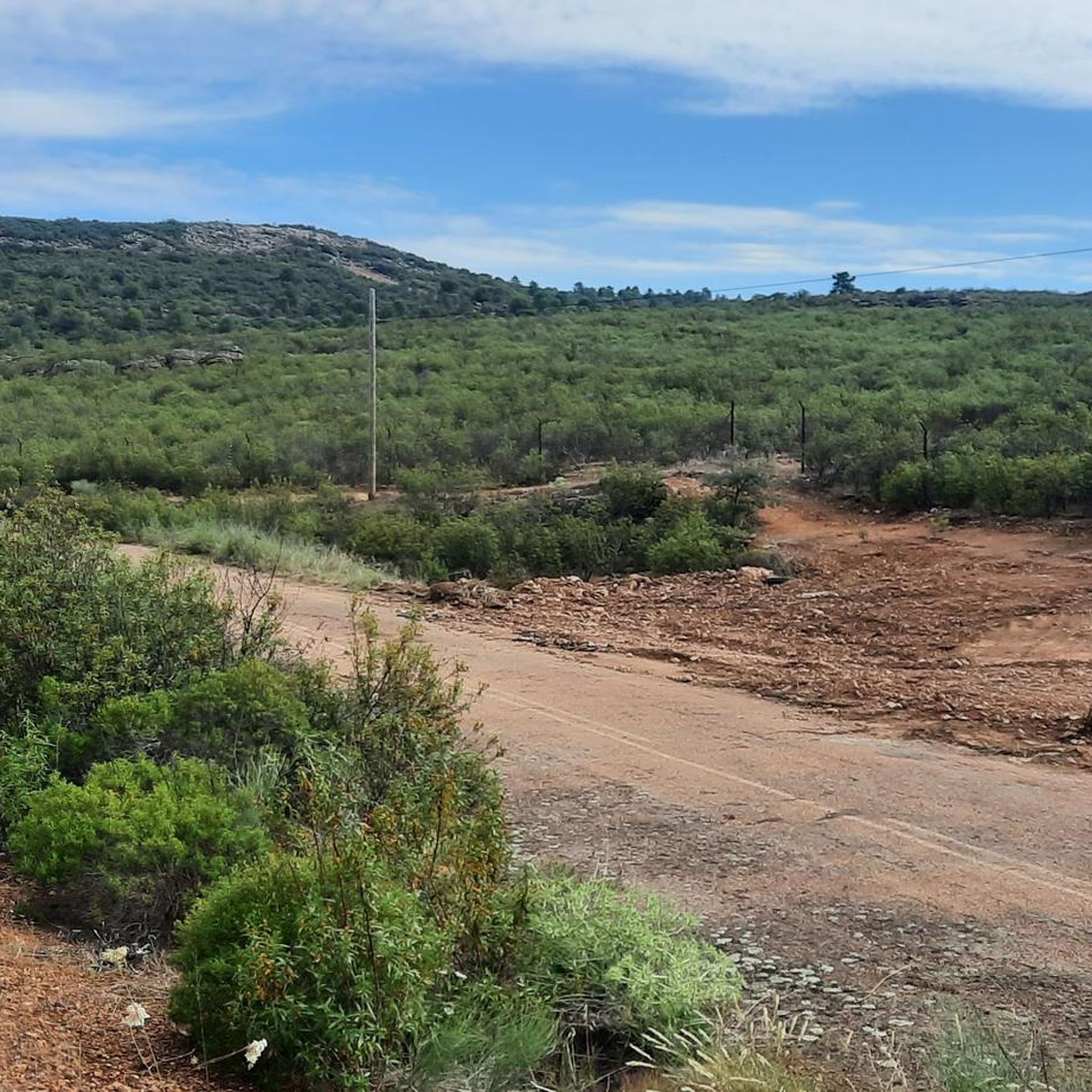
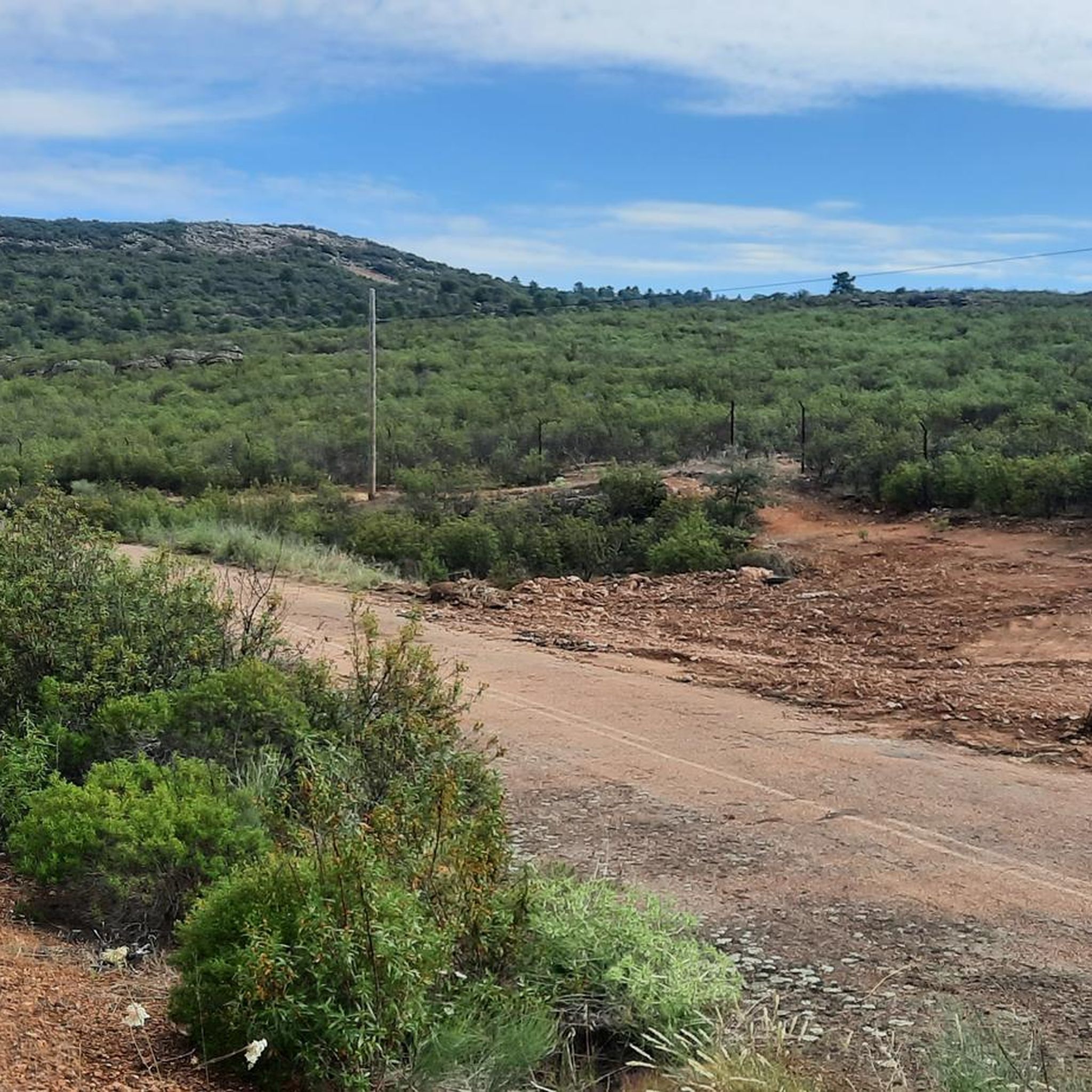
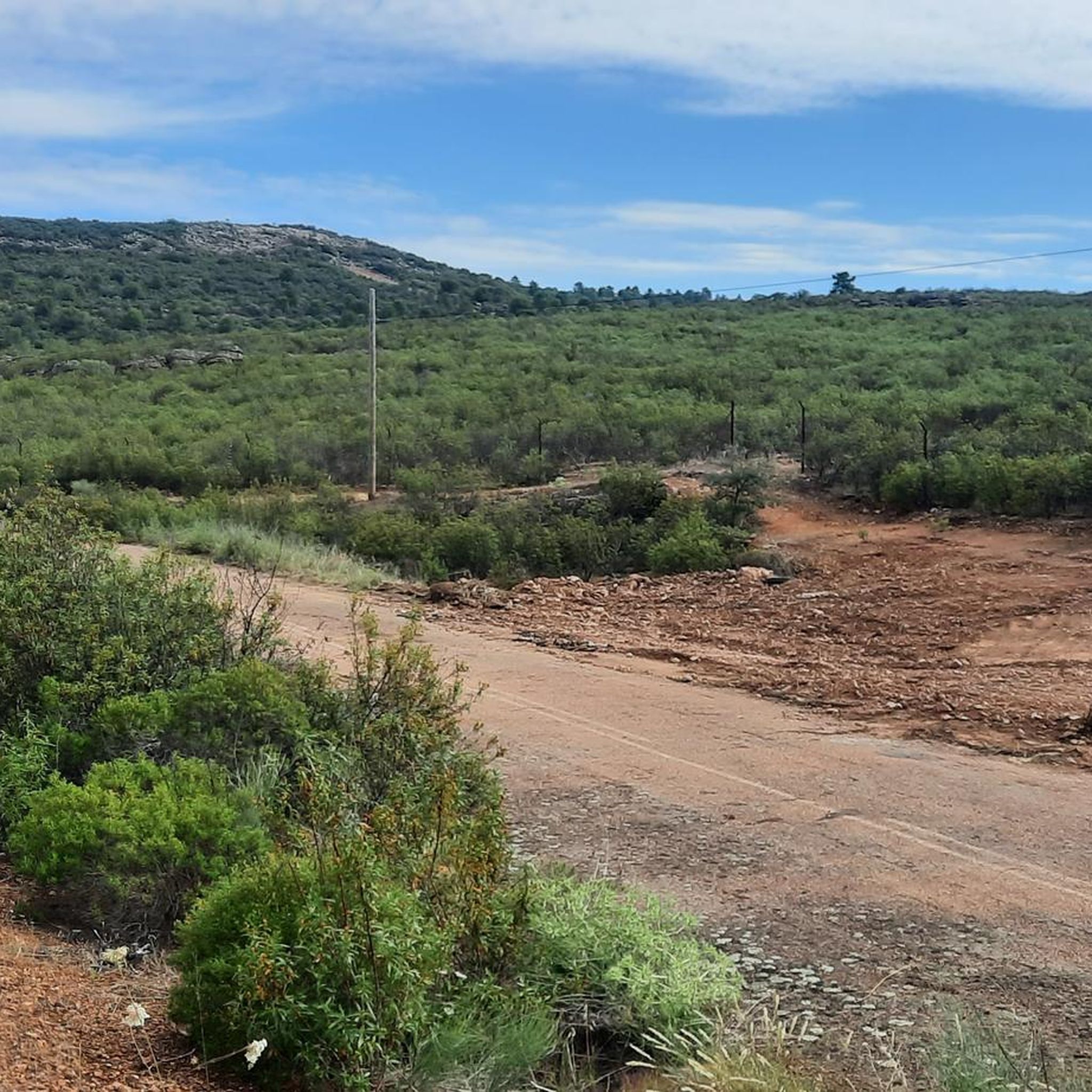
Piedrabuena is located in the northwestern central part of the province, on the edge of Campo de Calatrava. It is a land with water, dazzling with its green color and with the life that runs through the Bullaque River and numerous streams such as Bullaquejo, Puerto de las Tinajas or Alcornocal. The Natural Monument of the Piedrabuena Volcano is located, as its name indicates, in the town of Piedrabuena (Ciudad Real), in the volcanic area of Campo de Calatrava. Its age could range between eight and one and a half million years. This volcano is undoubtedly one of the most extensive spots formed by eruptive rocks in the region. The place where the exit conduit was located is located to the north-northeast of the town. Above it, lava materials accumulated, giving rise to a steep hill. From there, a large blanket or flow spread widely, surrounding what is now the urban center.
20
0
On the road to Sancho Rey, we can see the Hermitage from medieval times. It is in ruins, very destroyed, but it is still worth going to see it. The greatest interest in the area is the colony of storks that is nearby, about 500 meters away. And the Bolos Bolcanicos, the rounded rocks of erosive origin and associated with a volcanic eruption.
14
0
Alcolea de Calatrava is located in the central part of the historic Campo de Calatrava, between the Alcudia Valley and the Toledo Mountains. Mainly, what we will find in its 71 km2 area are several small mountain ranges full of craters and volcanic lagoons that give it a special geomorphological and landscape attraction. The area that includes this term, and the neighboring Picón, is perhaps the one in which the most remains of Castillejos are preserved, probably due to its proximity to the permanent waters of the Guadiana River.
39
0

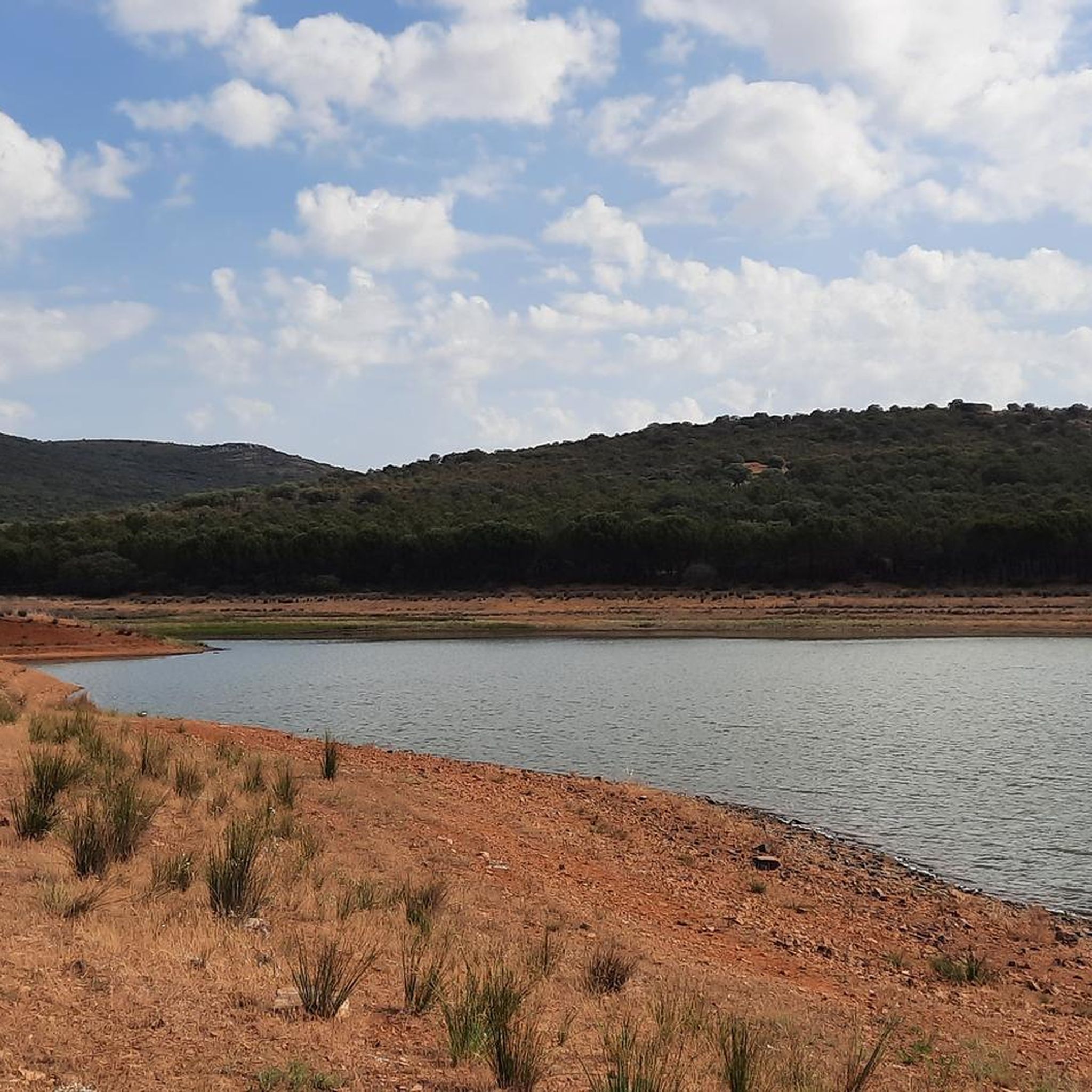
Perched in the Sierra de las Medias Lunas, this volcanic lagoon is one of the most beautiful in this region due to its red splash deposits on the edge of the main crater, which are what also give it its name (Peñarroya). The lagoon or maar is more than a kilometer in diameter and is surrounded by Mediterranean forest, holm oak meadows and pastures.
6
2

Curious balls. Sometimes they go unnoticed, as it happened to me, they are found between the Los Tilos farm and the storks' nests.
3
0
This natural monument is located between the municipalities of Alcolea de Calatrava and Corral de Calatrava and is included in the Campo de Calatrava volcanic complex. The volcano stands out for its magnificent 60 m cone. high, one of the best examples of Strombolian-type buildings. The lagoon was formed when lava from the volcano imprisoned the Lobo stream.
24
0
Rounded rocks of erosive origin and associated with a volcanic eruption. About 500 meters towards CR we can see the storks of Sancho Rey, and one km away the ruins of the Hermitage of Sancho Rey from medieval times.
48
0
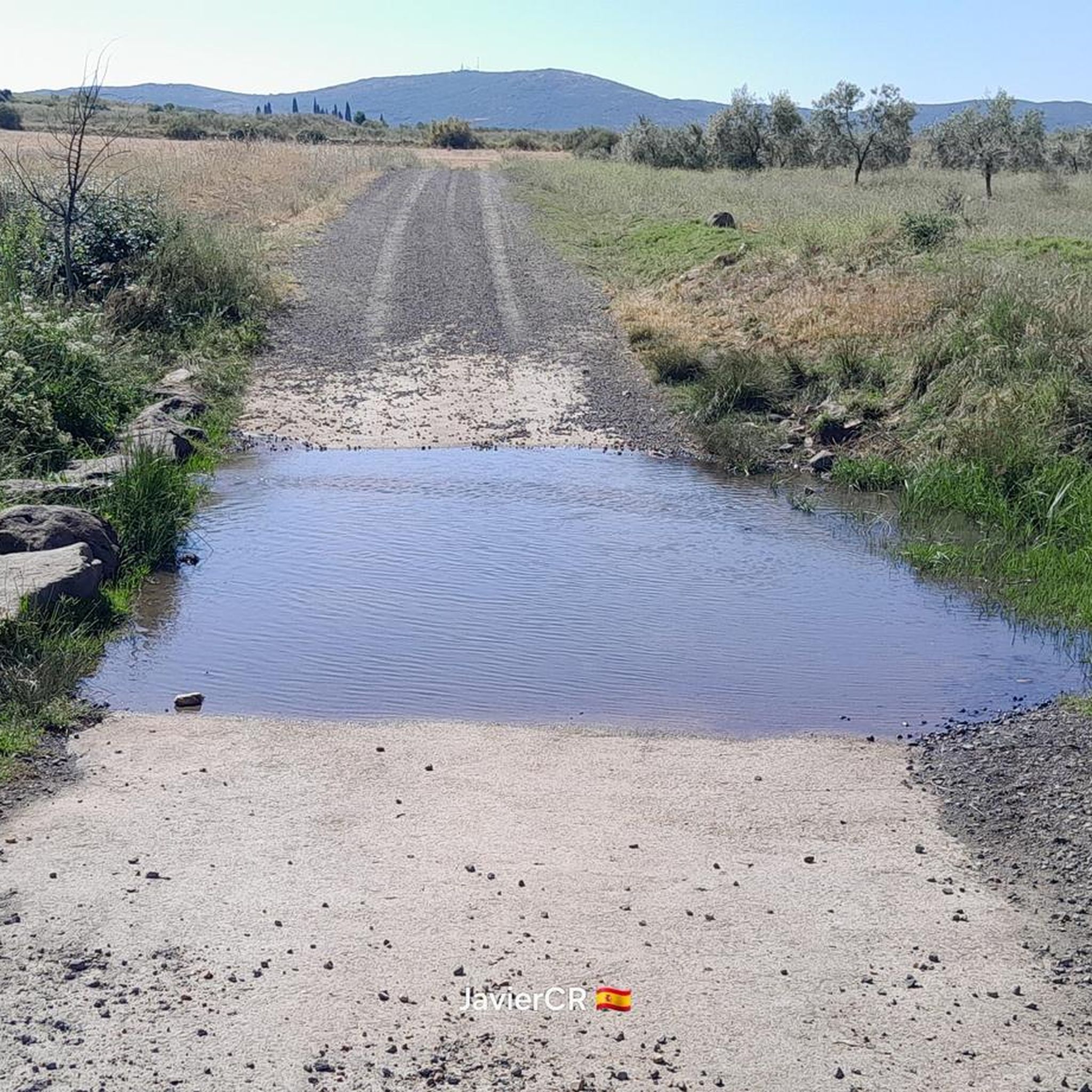
On the way from Sancho Rey to Guadiana
6
0
Frequently Asked Questions
What unique natural features can I explore around Piedrabuena?
Piedrabuena is situated within the extensive Campo de Calatrava Volcanic Region, offering a variety of unique natural features. You can explore ancient volcanic structures, including scoria cones and spatter cones, as well as volcanic lagoons. The town of Piedrabuena itself is built upon an ancient volcano, showcasing eruptive rocks and a large lava flow. Other notable features include the Volcanic boulders, which are rounded rocks of erosive origin, and the picturesque Peñarroya Lagoon, a volcanic lake known for its red splash deposits.
Are there family-friendly natural monuments or walks in the area?
Yes, the natural areas around Piedrabuena offer options for families. The Peñarroya Lagoon, with its surrounding Mediterranean forest, provides a scenic spot for walks. The Tabla de la Yedra, located on the Bullaque River, is also a tranquil area suitable for picnicking and gentle strolls, offering a serene escape for families.
What is the best time of year to visit the natural monuments in Piedrabuena?
The spring season is particularly rewarding for visiting Piedrabuena's natural monuments. This is the best time to observe the iconic Sancho Rey Storks, as they typically nest during this period, adding a vibrant element to the local scenery. The weather is also generally pleasant for outdoor activities like hiking and exploring volcanic landscapes.
What kind of wildlife can I expect to see near Piedrabuena's natural monuments?
The presence of stork nests is a significant natural highlight, especially in spring. These majestic birds choose elevated spots for their large nests. Their presence indicates a healthy local ecosystem, as they rely on wetlands and open terrain for foraging. The areas around lagoons and rivers, like the Tabla de la Yedra, also support diverse birdlife and other small animals.
What outdoor activities can I do near the natural monuments?
The region around Piedrabuena offers various outdoor activities. You can explore the volcanic landscapes on foot, with trails leading to sites like the Volcanic boulders and Peñarroya Lagoon. The Tabla de la Yedra on the Bullaque River is ideal for fishing, canoeing, and swimming. For cycling enthusiasts, there are numerous routes available, including MTB trails, road cycling routes, and touring bicycle routes that pass through scenic natural areas.
Are there any historical or cultural sites linked to the natural monuments?
While primarily natural, some sites have historical connections. Near the Volcanic boulders and Sancho Rey Storks, you can find the ruins of the Hermitage of Sancho Rey from medieval times. Additionally, many local buildings in Piedrabuena, including parts of the historic Castle of Mortara, are constructed from volcanic rock, directly linking the town's cultural heritage to its geological foundations.
What is the significance of the Campo de Calatrava Volcanic Region?
The Campo de Calatrava Volcanic Region is the most extensive volcanic territory on the Iberian Peninsula, featuring over 360 volcanic structures. Piedrabuena is an integral part of this region, with the town itself built upon an ancient volcano. The area's diverse volcanic morphologies, such as scoria cones and spatter cones, provide significant geological interest. You can learn more about this unique geological area at Wikipedia or explore its status as a UNESCO Global Geopark at UNESCO.
Where can I find viewpoints to appreciate the volcanic landscape?
The Peñarroya Lagoon is perched in the Sierra de las Medias Lunas and offers magnificent views, especially from its 60-meter-high cone, which is an excellent example of a Strombolian-type volcano. This spot provides a great vantage point to appreciate the volcanic landscape and the surrounding Mediterranean forest.
Are there any less crowded natural monuments to visit?
While popular spots like the Tabla de la Yedra can attract visitors, exploring some of the smaller volcanic formations or less-trafficked trails around the Volcanic boulders or the broader Campo de Calatrava region might offer a more secluded experience. The geological itinerary within Piedrabuena itself can also provide unique insights away from typical tourist paths.
What is the 'Piedrabuena Volcano Natural Monument'?
The Piedrabuena Volcano Natural Monument refers to the ancient volcano upon which the town of Piedrabuena is built. It's a cornerstone of the region's natural heritage, part of the larger Campo de Calatrava Volcanic Region. Visitors can observe the remnants of effusive and Strombolian eruptions, with the town's urban center showcasing eruptive rocks and a significant lava flow.
Can I bring my dog to the natural monuments around Piedrabuena?
Many natural areas and trails around Piedrabuena are generally dog-friendly, especially for walks in open spaces like the Tabla de la Yedra or trails leading to volcanic formations. However, it's always recommended to keep dogs on a leash and ensure you clean up after them to preserve the natural environment for everyone.
How long should I plan for a visit to the natural monuments?
The duration of your visit depends on which natural monuments you plan to see and what activities you wish to do. A visit to a single site like the Peñarroya Lagoon or the Tabla de la Yedra could take a few hours. If you plan to explore multiple volcanic sites, hike longer trails, or combine your visit with cycling, you might want to dedicate a full day or even several days to fully experience the region's natural beauty.
Most popular attractions around Piedrabuena

Get inspired with the komoot mobile app


Explore more
Extend your search for the best caves by checking out these guides of the top ones around Piedrabuena:
