Top 6 Natural Monuments around San Juan De La Nava
Best natural monuments around San Juan De La Nava reveal a landscape shaped by mountain ranges, river valleys, and ancient forests. This region features diverse natural formations, from high mountain passes offering expansive views to serene river viewpoints. The area provides opportunities to explore various natural attractions that highlight its geological and ecological characteristics.
Best natural monuments around San Juan De La Nava
- The most popular natural monuments is Puerto de Casillas – Entrance to the Valle de Iruelas Nature…
Last updated: November 1, 2026
Puerto de Casillas – Entrance to the Valle de Iruelas Nature Reserve
Highlight • Mountain Pass
The port of Casillas is one …
Translated by Google •
Tip by

Cabeza de la Parra
Highlight • Summit
Translated by Google •
Tip by

Sign up now to discover places like this
Get recommendations on the best single tracks, peaks, & plenty of other exciting outdoor places.
Valley of the Garganta del Niño Cojo
Highlight • Gorge
Translated by Google •
Tip by

Centuries-old oaks of Piviana
Highlight • Natural Monument
Translated by Google •
Tip by
View of the Alberche River
Highlight • Viewpoint
Translated by Google •
Tip by

Sign up for free to discover even more natural monuments around San Juan De La Nava.
Already have an account?
Start today with a free account
Your next adventure awaits.


Tips from the Community

phenomenal
0
1

A nice climb from the El Burguillo reservoir. The first part is asphalt in very good condition (as of November 1, 2025), and the second part is a dirt track, also in very good condition. It's a demanding climb; the asphalt section offers some flatter sections, but the dirt track is practically a continuous gradient of around 10%.
0
1

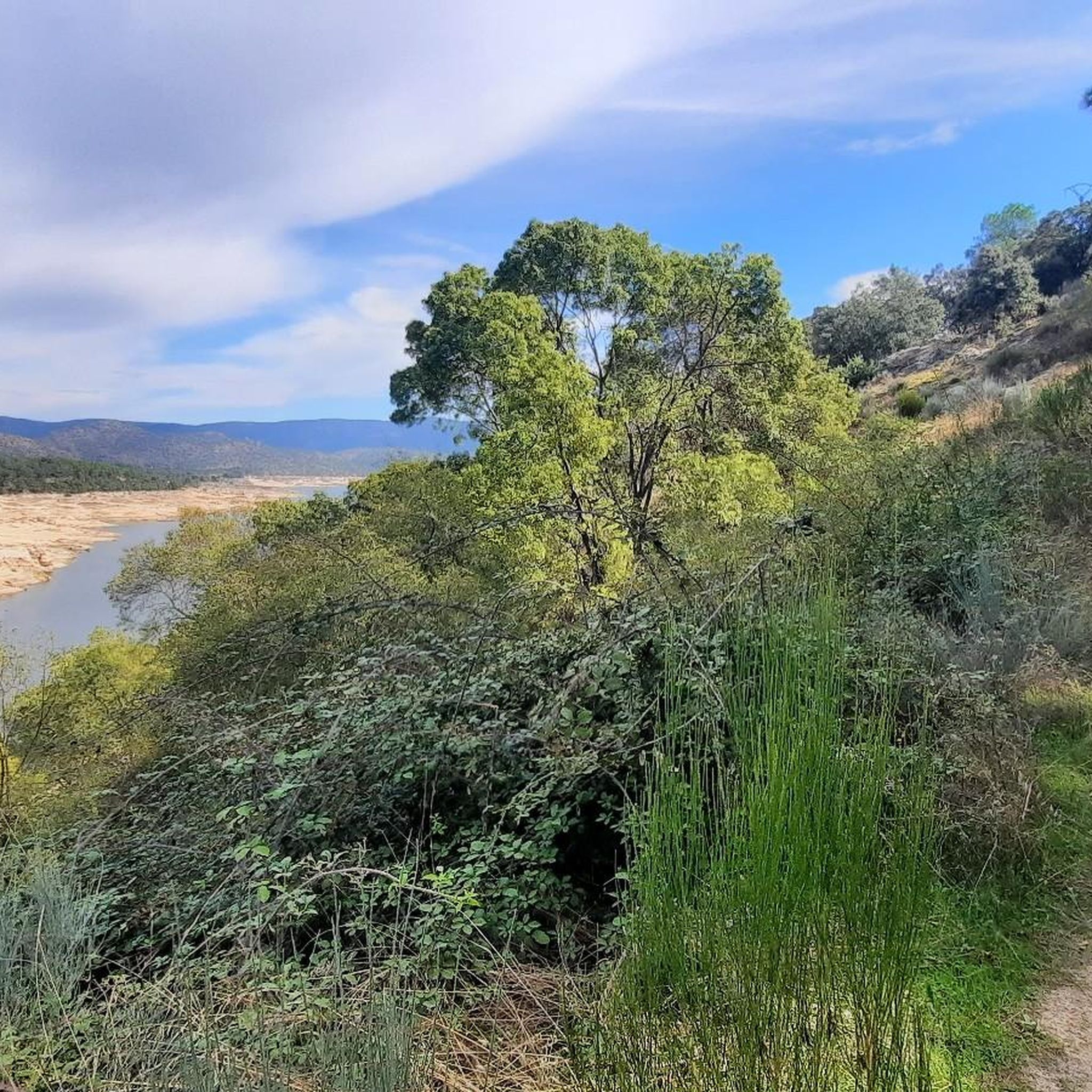
The Alberche River is one of the tributaries of the Tagus, and runs through the communities of Castilla y León, Madrid, and Castilla - La Mancha. It is born on the southern slope of the Villafranca mountain range, in the Central system. It is a river with a shallow flow, like all the rivers that originate from the southern slope of the Central system. It serves as a border between the Gredos and Guadarrama mountain ranges.
1
0

The Piviana pasture is extraordinary, there are abundant specimens of melojo oak that are two and three centuries old, there are mountain streams and a grazing corral in the forest clearing. The detour is at the sign for the area and in about two hundred meters it leads to a meadow near a stream with a small waterfall. The trail returns to the main path and continues climbing the side of the mountain range. Oak trees attract attention due to their size, the dancing silhouettes of the branches and the play of light, especially in autumn when the leaves are yellowing. The path passes through a clearing where the Los Manaderos sign is and at the next bend the Roble de los Manaderos appears on the right of the track, a fabulous specimen of melojo oak with about four hundred years of life.
0
0

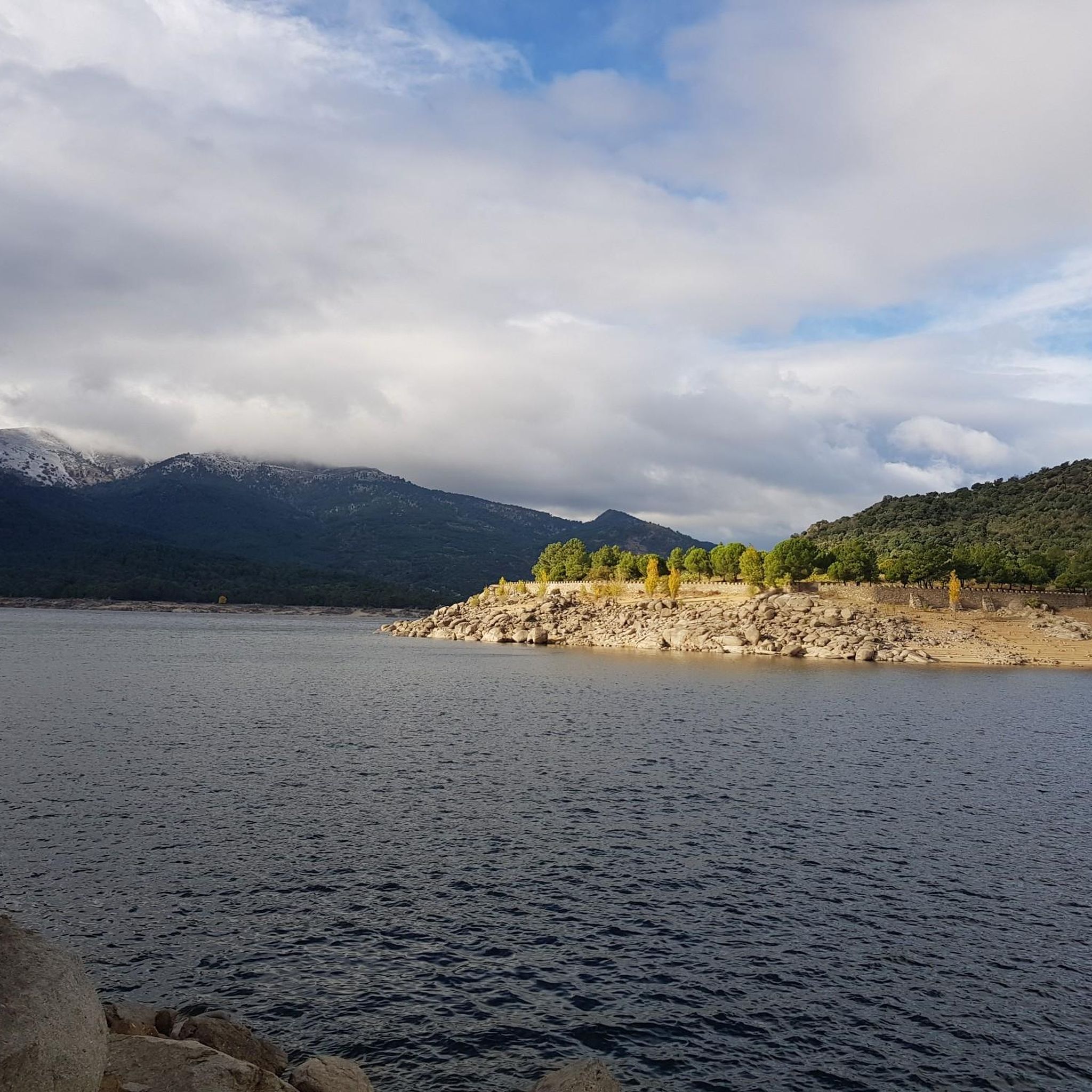
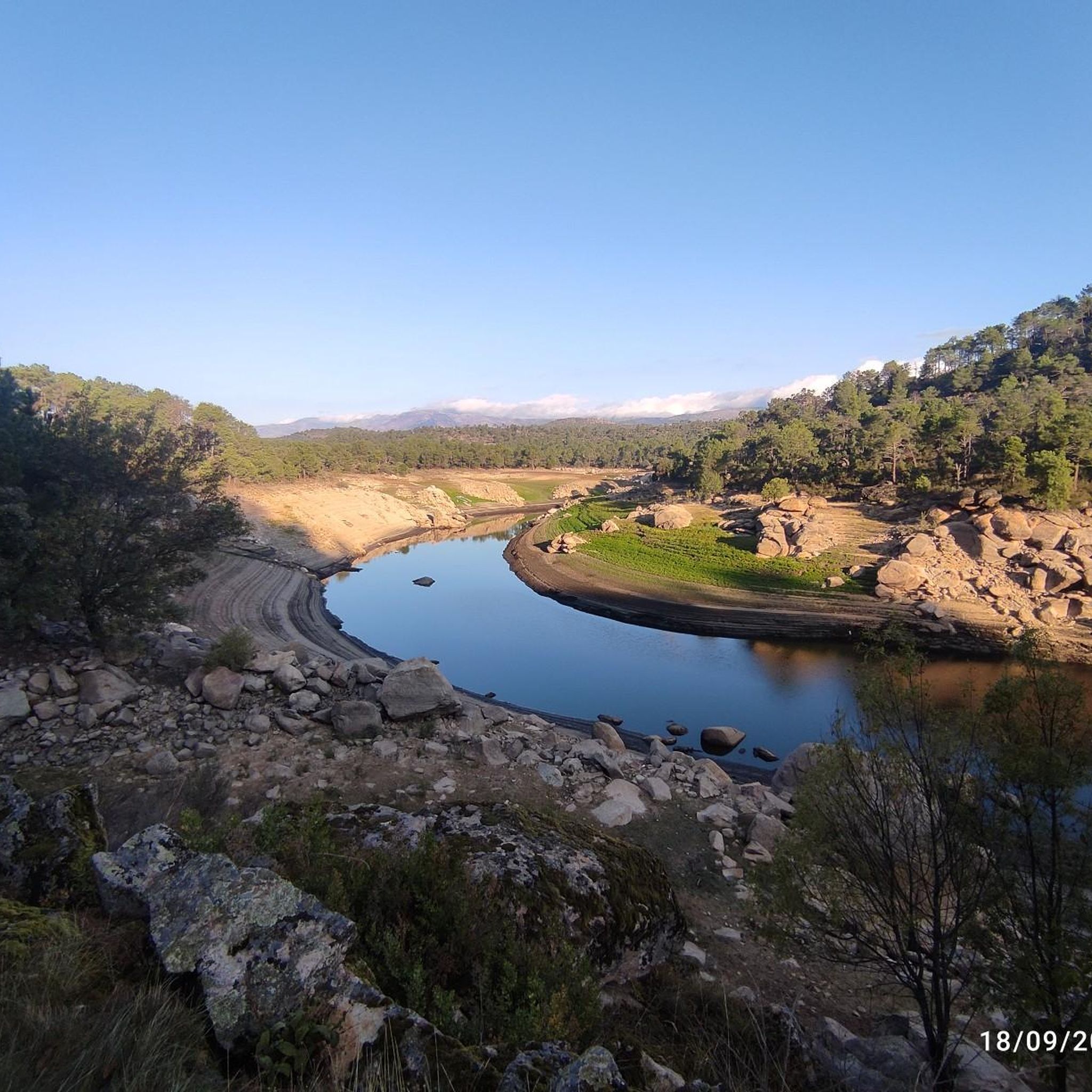
The Alberche river passes through this natural strait that ends with what is called the Burguillo Reservoir. It's worth going a few more meters to see the views of the meanders that the river itself offers.
0
0
The Alberche river passes through this natural strait that ends with what is called the Burguillo Reservoir. The views from this point are beautiful and wide.
1
0
The valley of the La Garganta del Niño Cojo goes from the ridge of the Sierra de Gredos to the same town of Piedralaves, they leave the Presa de Piedralves and in other parts, a magnificent view of the area.
1
0

Beautiful views that I find when I reach this point. A natural viewpoint of the Alberche river that is undoubtedly worth visiting.
1
0
Frequently Asked Questions
What are some of the most notable natural monuments to visit around San Juan De La Nava?
Around San Juan De La Nava, you can explore several significant natural monuments. The Puerto de Casillas – Entrance to the Valle de Iruelas Nature Reserve offers expansive views of the Burguillo Reservoir and the Sierras de la Paramera. Another must-see is the Valley of the Garganta del Niño Cojo, providing magnificent views from the Sierra de Gredos ridge. Don't miss the View of the Alberche River, a natural viewpoint offering scenic perspectives of this important Tagus tributary.
Are there good hiking opportunities near the natural monuments in San Juan De La Nava?
Yes, the area around San Juan De La Nava offers excellent hiking opportunities. For instance, the ascent to the Puerto de Casillas is considered one of the simpler and most essential hiking routes in this part of the Central System. You can find various trails, including those leading to summits like Cabeza de la Parra. For more detailed routes, you can explore the Hiking around San Juan De La Nava guide.
What kind of natural features can I expect to see at these monuments?
The natural monuments around San Juan De La Nava showcase diverse features. You'll encounter mountain passes, deep gorges like the Valley of the Garganta del Niño Cojo, and scenic river viewpoints such as the View of the Alberche River. The region is also home to ancient forests, including areas with centuries-old melojo oaks, particularly around the Centuries-old oaks of Piviana, and diverse wildlife, especially in the Valle de Iruelas Nature Reserve.
Are there any family-friendly natural attractions or trails in the area?
While specific 'family-friendly' tags aren't provided for all highlights, the ascent to Puerto de Casillas is noted as one of the simpler hiking routes, which could be suitable for families. Exploring the ancient oak forests near Piviana, with its mountain streams and small waterfall, also offers a pleasant natural experience for all ages. Always check the difficulty of specific routes before heading out with children.
What is the best time of year to visit the natural monuments around San Juan De La Nava?
The region's natural beauty, particularly the ancient oak forests, is highlighted in autumn when the leaves are yellowing, creating a beautiful play of light. However, the area offers scenic views year-round. For hiking, spring and early autumn generally provide pleasant weather conditions, while clear days are recommended for enjoying the wide landscape views from mountain passes like Puerto de Casillas.
Can I find cycling routes near these natural monuments?
Yes, there are several cycling routes available near the natural monuments. You can find options for both touring bicycles and road cycling. For example, there are routes like the 'El Berraco – Navaluenga Valley loop' for touring bicycles or the 'Burguillo Reservoir – Puerto de Mijares loop' for road cycling. More details can be found in the Cycling around San Juan De La Nava guide and the Road Cycling Routes around San Juan De La Nava guide.
What kind of wildlife can be observed in the natural reserves?
The Valle de Iruelas Nature Reserve, accessible via Puerto de Casillas, is a significant ecological area. It is home to approximately 120 pairs of black vultures, and you might also spot imperial eagles, golden eagles, and other diverse wildlife within its black pine, oak, holm oak, juniper, and ancient chestnut forests.
Are there any unique geological features to explore?
Yes, the region features unique geological formations. For instance, Cabeza de la Parra is characterized by soft periglacial reliefs formed in the Primary era. The area also boasts gorges like the Valley of the Garganta del Niño Cojo, carved from the Sierra de Gredos ridge, showcasing the powerful forces of nature.
What do visitors enjoy most about the natural monuments around San Juan De La Nava?
Visitors frequently praise the magnificent and wide landscape views, especially from viewpoints like Puerto de Casillas and the Valley of the Garganta del Niño Cojo. The beauty of the ancient oak forests, particularly the centuries-old specimens at Piviana, and the serene perspectives of the Alberche River are also highly appreciated.
Are there any historical or cultural landmarks associated with these natural monuments?
While the primary focus is on natural beauty, some sites have historical elements. For example, the summit of Cabeza de la Parra features a small sanctuary dedicated to San Antonio de Padua, offering a blend of natural and cultural interest alongside its panoramic views.
Is parking available at the natural monuments?
While specific parking details for each individual monument are not provided, it is generally advisable to check local information or trailheads for designated parking areas. For popular spots like the Puerto de Casillas, which serves as an entrance to a nature reserve, parking facilities are typically available to accommodate visitors.
Are permits required to access any of the natural monuments or trails?
The provided information does not indicate that permits are generally required for accessing the natural monuments or hiking trails around San Juan De La Nava. However, for specific activities within the Valle de Iruelas Nature Reserve, it's always a good practice to check with local authorities or park management for any updated regulations or special permits that might be needed for certain areas or activities.
Most popular routes around San Juan De La Nava
Most popular attractions around San Juan De La Nava

Get inspired with the komoot mobile app


Explore more
Extend your search for the best caves by checking out these guides of the top ones around San Juan De La Nava:
