Top 5 Natural Monuments around Vellisca
Best natural monuments around Vellisca include diverse geological formations and historical sites. The region, situated in the province of Cuenca, Spain, features unique karst landscapes, ancient rock formations, and significant natural features. Visitors can explore areas shaped by millions of years of erosion, offering insights into geological processes and natural beauty. This area provides opportunities for hiking and appreciating varied natural heritage.
Best natural monuments around Vellisca
- The most popular natural monuments is Rock-Cut Necropolis with Carved Symbol, a…
Last updated: May 20, 2026
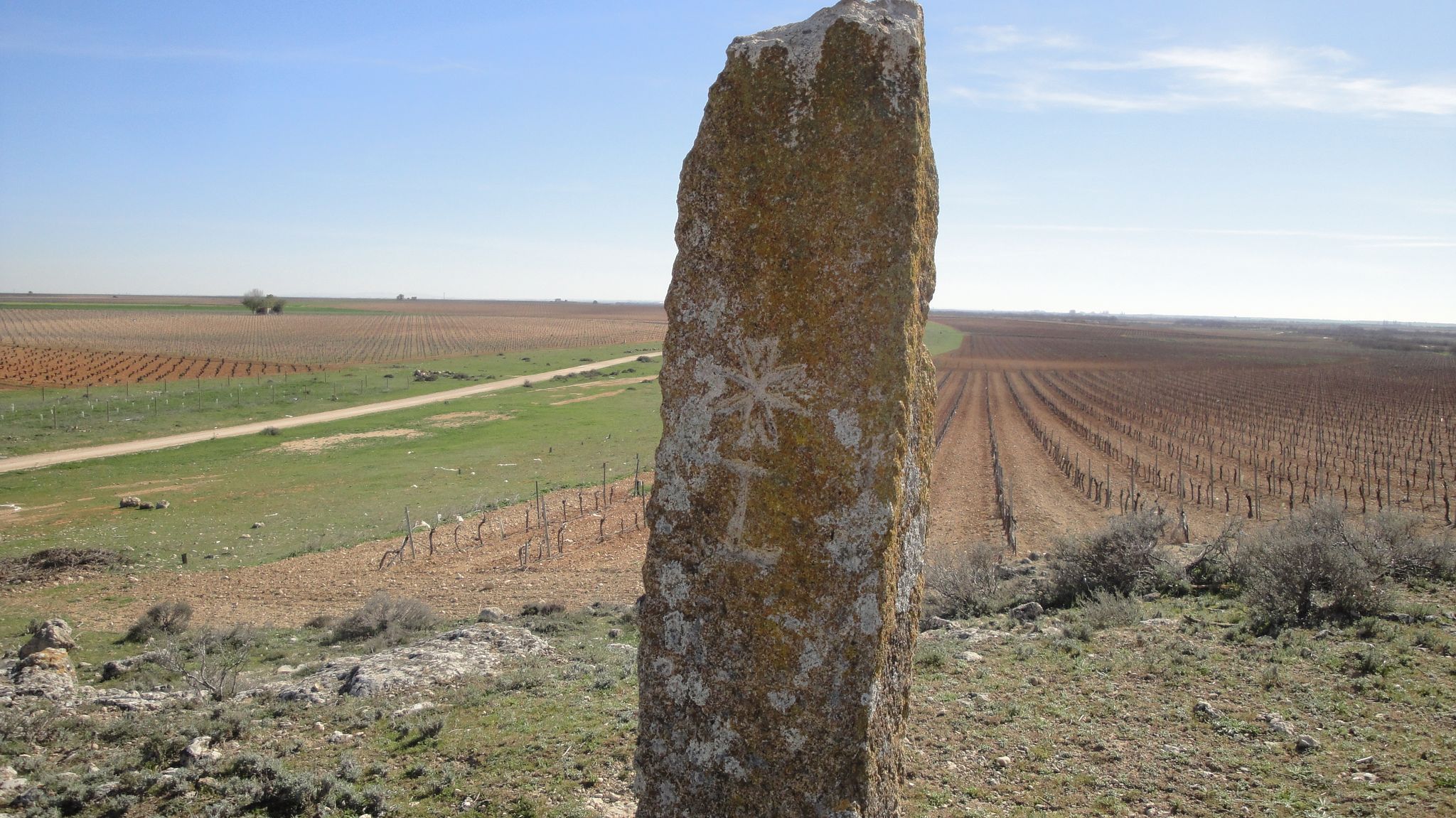
Rock-Cut Necropolis with Carved Symbol
Highlight • Historical Site
Translated by Google •
Tip by

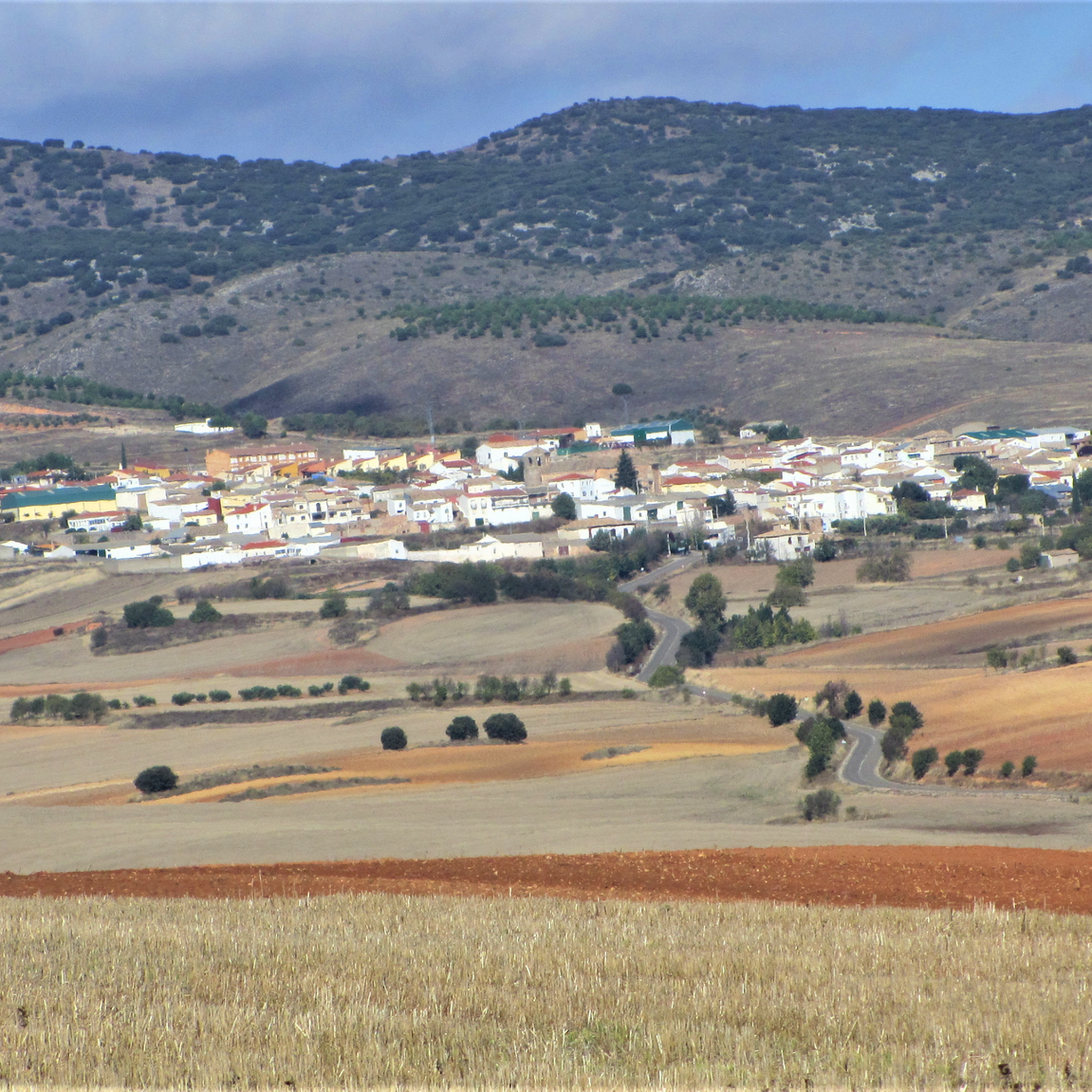
Rock-cut Necropolis of Buenafuente del Sistal
Highlight • Historical Site
Translated by Google •
Tip by
Sign up now to discover places like this
Get recommendations on the best single tracks, peaks, & plenty of other exciting outdoor places.
Sign up for free
Desert Landscape Near Cuenca
Highlight • Natural
Translated by Google •
Tip by

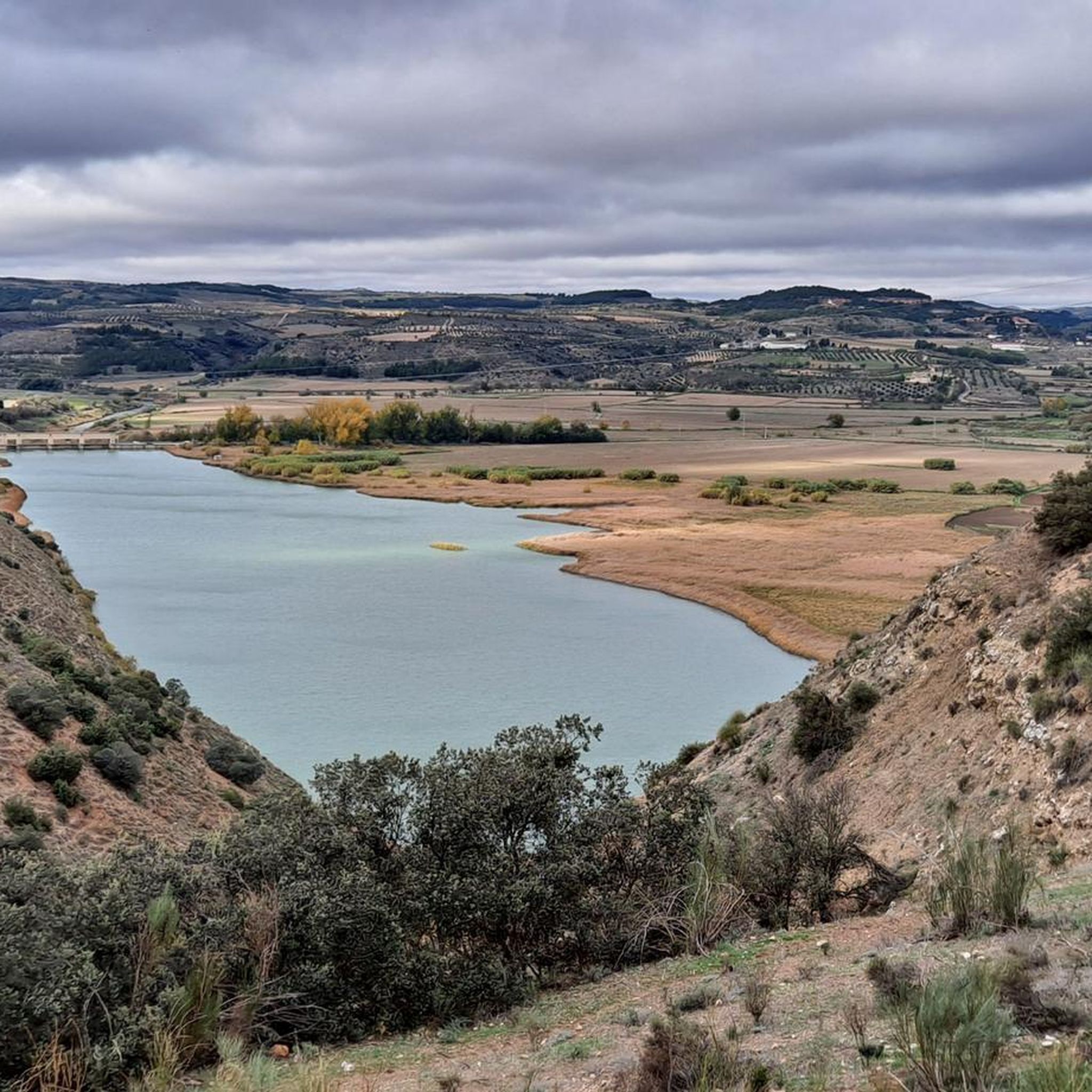
El Hoyo Redondo Sinkhole
Highlight • Natural Monument
Translated by Google •
Tip by

Start today with a free account
Your next adventure awaits.
Login or Signup
Other adventures around Vellisca

Tips from the Community

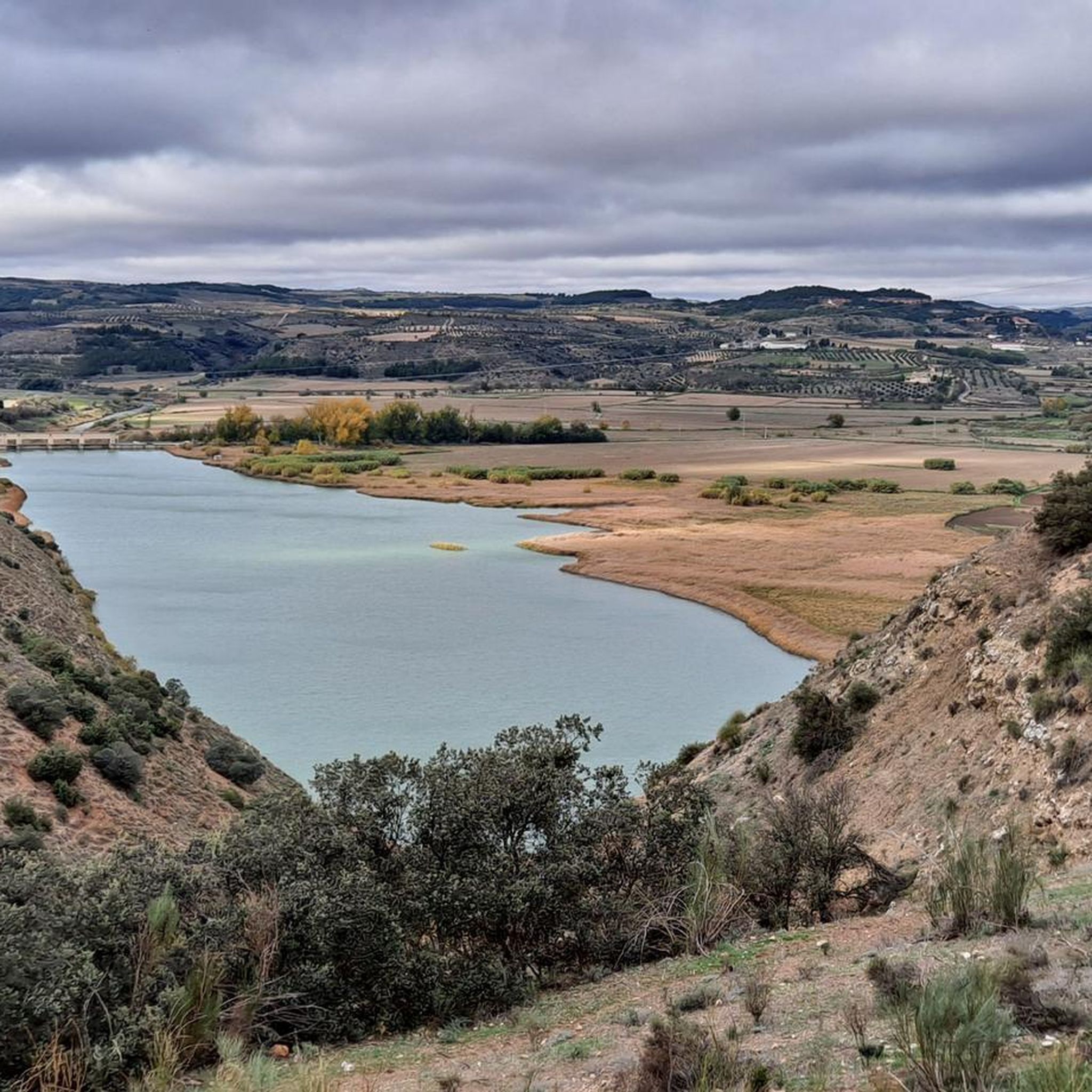
Our country is rich in geographical contrasts, and this area is a clear example as we find a small “secarral” surrounded by vegetation not too far away.
0
0
A place that fortunately goes unnoticed by most people, and which treasures centuries of history.
1
0

Necropolis, I don't know how old it is. Worth a visit. You have to follow the path to the picnic area below the Ave and go up the slope. It is seen on the left wall.
2
0

The Torca del Hoyo Redondo is a depression or sudden subsidence of the land, typical of soils of calcareous origin, very common in the province of Cuenca.
1
1
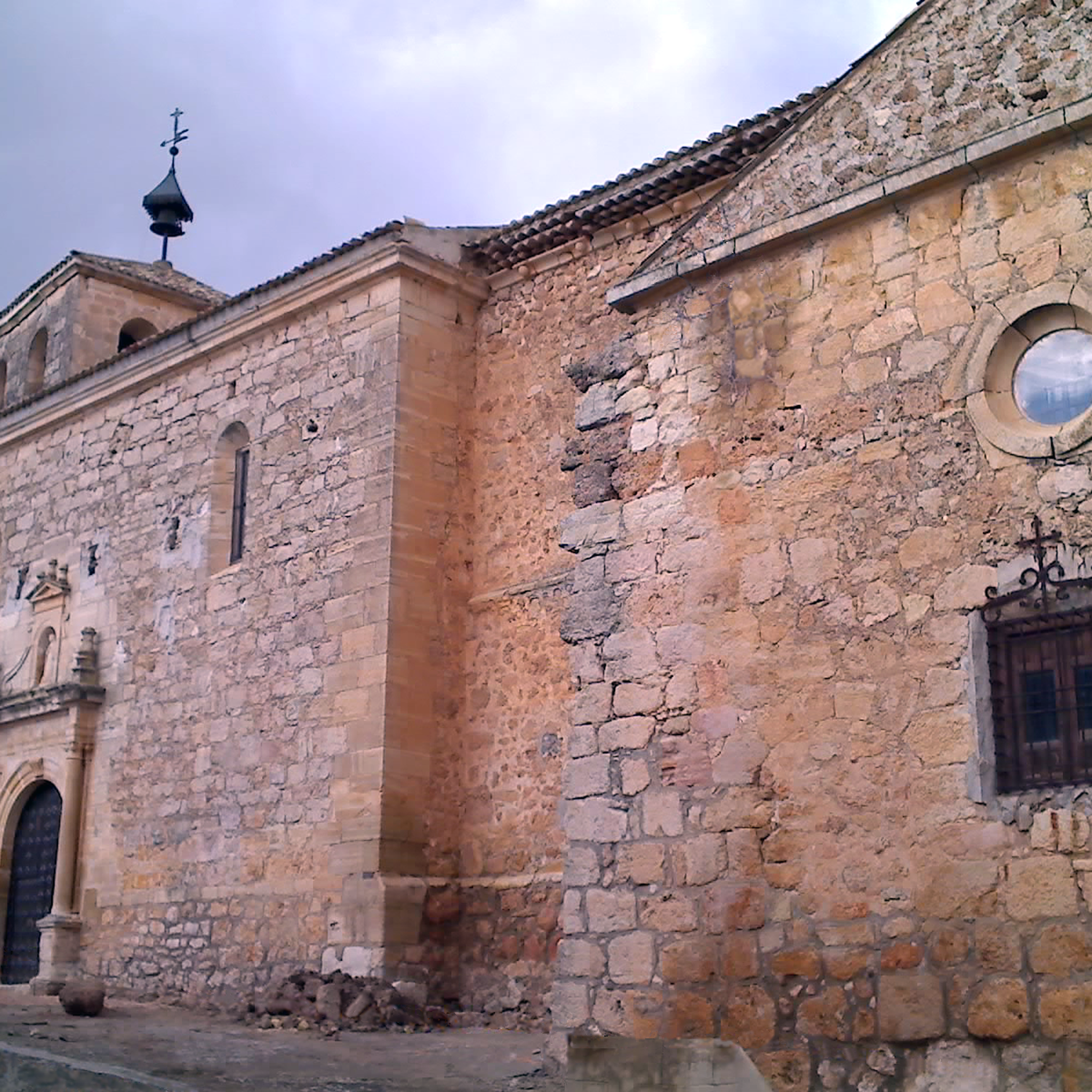
You have to go to the picnic areas near the spring and take the path to the left. Leave the bike and cross the field towards the stones on the right. First we see the necropolis and later the hermitage.
0
0
Frequently Asked Questions
What types of natural monuments can I explore around Vellisca?
The area around Vellisca, particularly within the province of Cuenca, is rich in diverse natural monuments. You can find impressive karst formations like the large circular depressions known as "torcas" and sinkholes, ancient rock formations sculpted by erosion, and unique desert-like landscapes. There are also natural springs, lagoons, and viewpoints offering panoramic vistas.
What are some unique geological features to see near Vellisca?
The region boasts several unique geological features. The El Hoyo Redondo Sinkhole is a prime example of a depression typical of calcareous soils. Further afield, the Monumento Natural Torcas de Lagunaseca features extensive torcas, dolines, and lapiaces, showcasing millions of years of limestone dissolution. Las Torcas de los Palancares also offers numerous sinkholes, some over 80 million years old.
Are there any natural monuments with historical significance around Vellisca?
Yes, the area is known for its integration of historical sites within natural settings. You can visit the Rock-Cut Necropolis with Carved Symbol, an ancient burial site carved directly into rock formations. Another notable historical natural monument is the Rock-cut Necropolis of Buenafuente del Sistal, which also features ancient carvings and structures within its natural surroundings.
What is the best time to visit the natural monuments around Vellisca?
The best time to visit is generally during spring and autumn when the weather is mild and comfortable for outdoor activities like hiking. Spring brings lush greenery and blooming flora, while autumn offers pleasant temperatures and often vibrant colors. Summer can be hot, especially in open areas, and winter can be chilly, though some sites like the Nacimiento del Río Cuervo are particularly beautiful with increased water flow after rainfall.
Are there family-friendly natural monuments or activities in the area?
Many natural monuments offer family-friendly experiences. La Ciudad Encantada, with its whimsical rock formations, is a popular choice for all ages, sparking imagination. The path around Laguna de Uña is relatively flat and easy, perfect for a leisurely stroll with children. When planning, consider the difficulty levels of specific trails; some are intermediate, while others, like certain routes near Laguna artificial de Donace, are easy.
What outdoor activities can I do near these natural monuments?
The region offers a variety of outdoor activities. You can explore numerous hiking trails, such as the Altomira Trail or the Hispania Crystal Route. For cyclists, there are dedicated routes for both road cycling and mountain biking. Check out the hiking routes around Vellisca, road cycling routes, and MTB trails for detailed options.
Are there any viewpoints offering scenic views of the natural landscape?
Absolutely. The Desert Landscape Near Cuenca offers a unique geographical contrast and serves as a viewpoint. Further into the Serranía de Cuenca, El Ventano del Diablo provides breathtaking panoramic views of the surrounding mountains and the Júcar River below, making it a popular stop for photographers and nature lovers.
Can I see wildlife at the natural monuments?
Yes, several natural monuments are excellent for wildlife observation. Laguna de Uña is known for its diverse bird species and ancient linden trees, making it a great spot for birdwatching. The Nacimiento del Río Cuervo also supports characteristic Atlantic plant formations and provides a habitat for various local fauna, especially near its impressive waterfalls.
How long does it typically take to visit these natural monuments?
The duration of your visit can vary greatly depending on the monument and your activity. For sites like the Rock-Cut Necropolises, a visit might take 1-2 hours. Larger areas like La Ciudad Encantada or the Torcas de Lagunaseca, especially if you plan to hike a circular route, could easily fill half a day or more. Planning specific routes will help you estimate your time.
What are some less-known or 'hidden' natural monuments worth discovering?
While some sites are well-known, others offer a more secluded experience. The Rock-Cut Necropolis with Carved Symbol is described by visitors as a place that often goes unnoticed, yet treasures centuries of history within its rock formations. Similarly, the Rock-cut Necropolis of Buenafuente del Sistal offers a chance to explore ancient sites away from larger crowds.
Are there any natural monuments that are particularly good for photography?
Many natural monuments in the region offer fantastic photographic opportunities. La Ciudad Encantada, with its unique and imaginative rock formations, is a photographer's paradise. The dramatic landscapes of the Torcas de Lagunaseca and the panoramic views from El Ventano del Diablo also provide stunning backdrops. The waterfalls at Nacimiento del Río Cuervo are particularly photogenic, especially after rainfall.
Most popular attractions around Vellisca

Get inspired with the komoot mobile app


Explore more
Extend your search for the best caves by checking out these guides of the top ones around Vellisca:
