Top 20 Natural Monuments around Cañada De Calatrava
Best natural monuments around Cañada De Calatrava showcase a landscape shaped by volcanic activity and the presence of natural lagoons. This region, part of the Campo de Calatrava, features unique geological formations and significant natural heritage. Visitors can explore a variety of natural attractions, from ancient volcanic structures to river features and conservation areas. The area provides opportunities to experience the natural charm of Castilla-La Mancha.
Best natural monuments around Cañada De Calatrava
- The most popular natural monuments is San…
Last updated: June 4, 2026
Alarcos Archaeological Park
Highlight • Historical Site
Translated by Google •
Tip by

Old dam of the Guadiana River
Highlight • River
Translated by Google •
Tip by
Sign up now to discover places like this
Get recommendations on the best single tracks, peaks, & plenty of other exciting outdoor places.
Sign up for free
Ascent to the Shepherd's Cave
Highlight • Cave
Translated by Google •
Tip by
Mortero on the Poblete Greenway
Highlight • Volcano
Translated by Google •
Tip by
La Posadilla Viewpoint
Highlight • Viewpoint
Translated by Google •
Tip by

Sign up for free to discover even more natural monuments around Cañada De Calatrava.
Sign up for free
Already have an account?
Start today with a free account
Your next adventure awaits.
Login or Signup
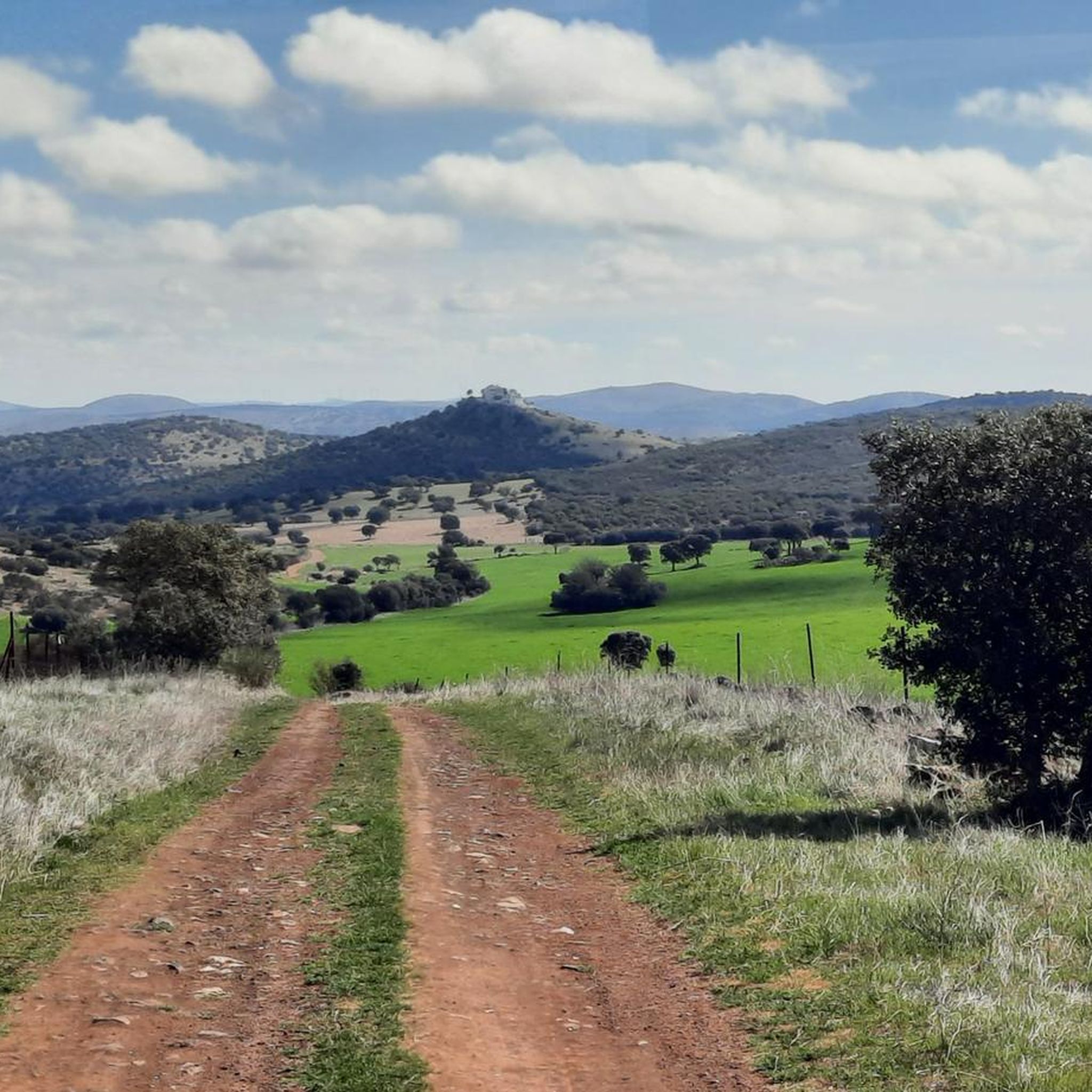
Tips from the Community

In the Park is the Sanctuary of Our Lady of Alarcos, a Gothic-style hermitage located in Alarcos, declared a Site of Cultural Interest in 1980. Gothic style and basilica in plan, a large tracery rose window opens above its door. Their pilgrimage is celebrated on Pentecost Monday.
19
0
La Hoya del Mortero is one of the maars that best preserves its structure in Campo de Calatrava. Its crater forms a depression about 30 meters deep and about 500 meters in diameter. To appreciate these dimensions, it is best to visit it and observe it from its edge. Currently there is an interpretive panel from which we have a good view of the whole and helps to understand what we are seeing. Starting point of the Ciudad Real Greenway.
49
0

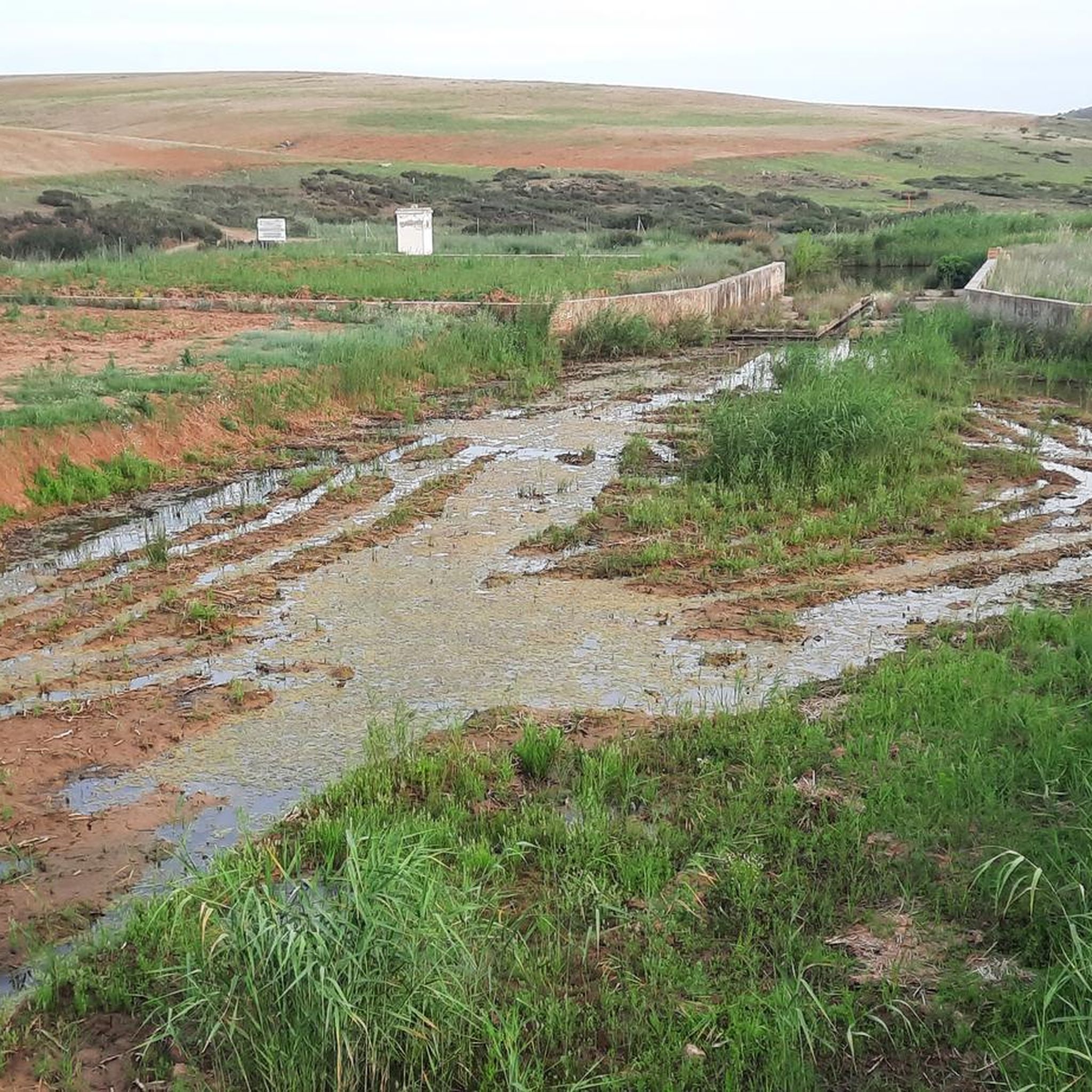
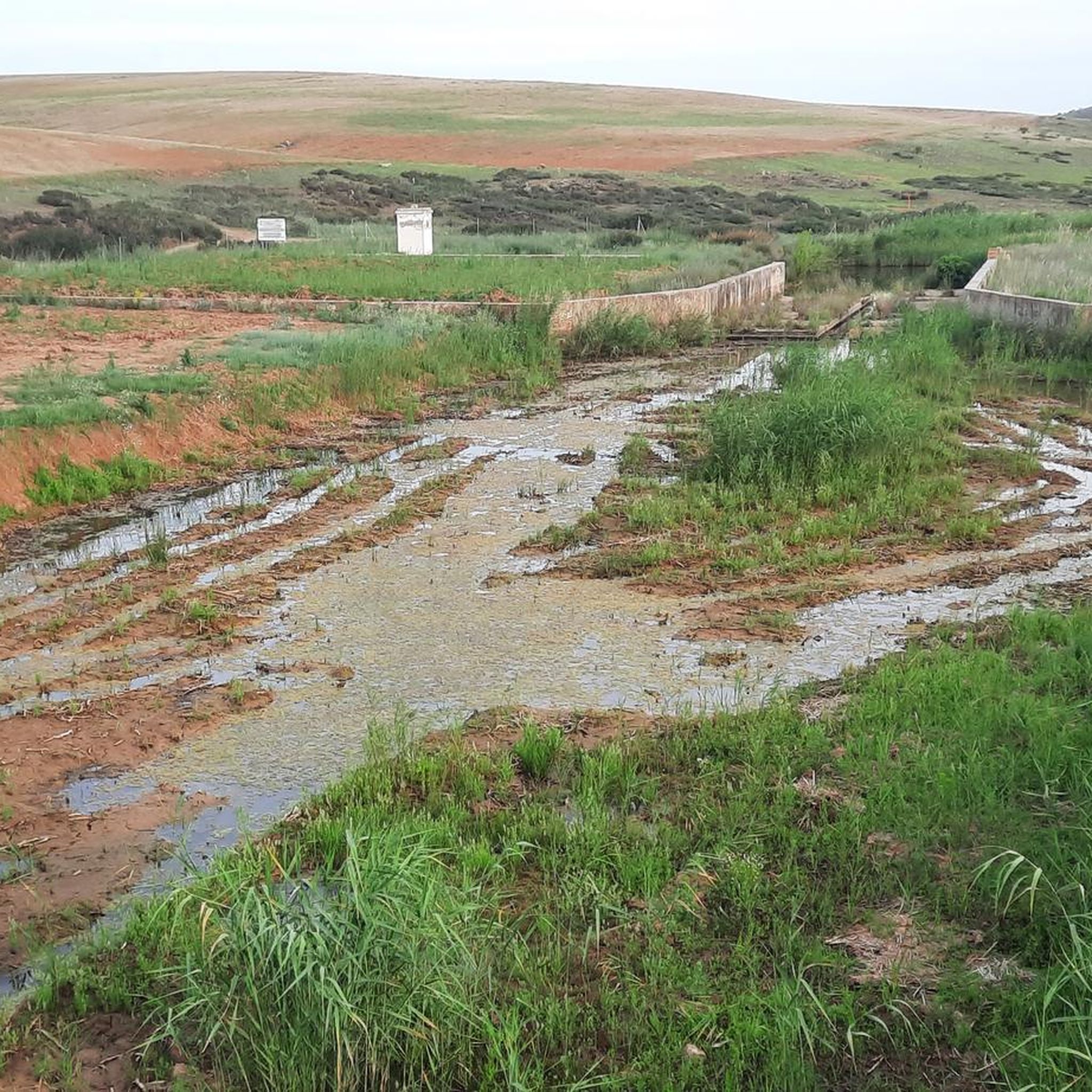
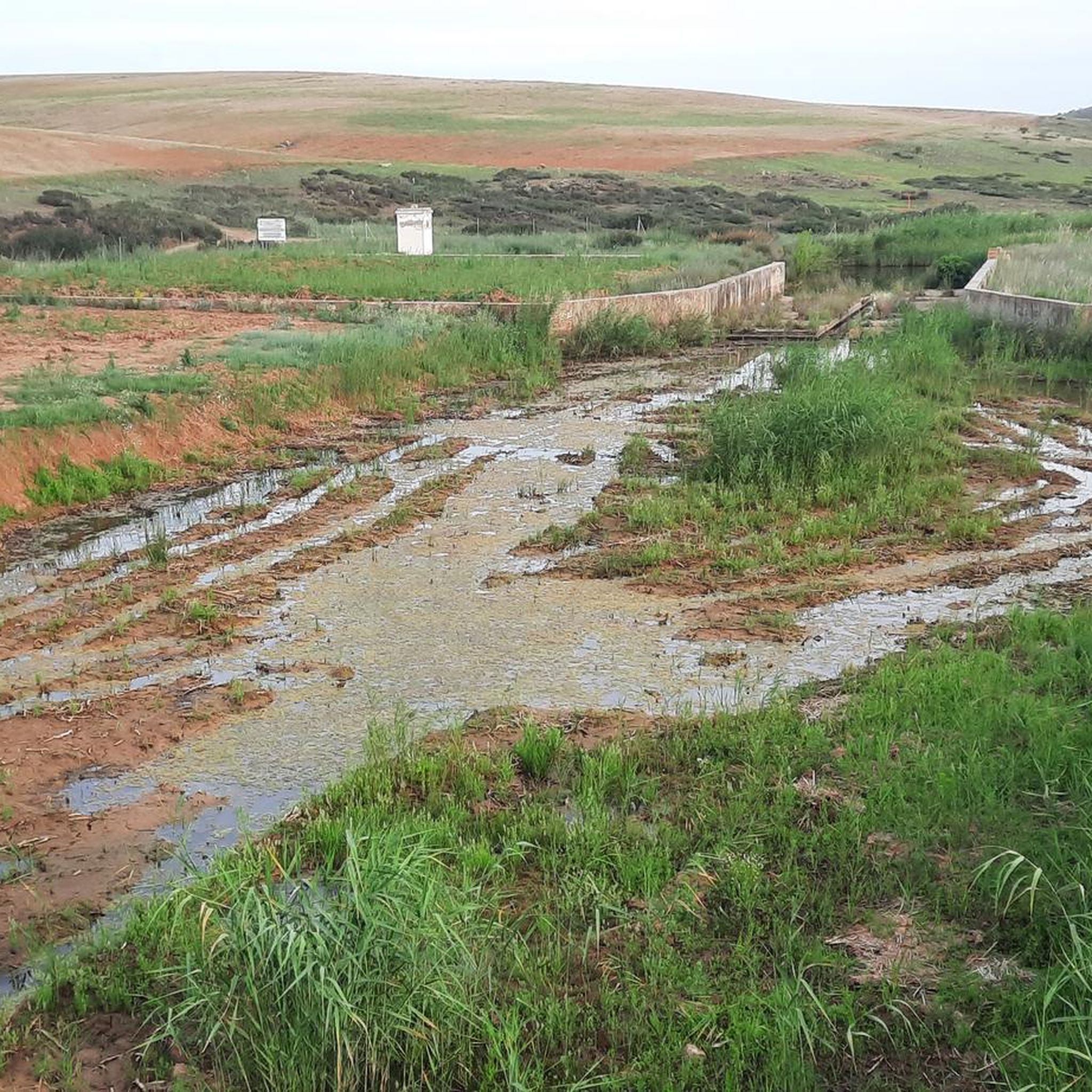
The path that passes by the Río Guadiana lets us see this area where a dam has been built and which can be a good time to take a short break!
1
1
Today after a few days raining a beautiful landscape and a good flow.
4
0

One of the most important historical sites in La-Mancha, the Alarcos Archaeological Park is a unique excavation site with evidence of a Bronze Age settlement, a medieval castle.
8
0
The Sanctuary of Nuestra Señora de Alarcos is located in the Park. It is a Gothic-style hermitage located in Alarcos, declared an Asset of Cultural Interest in 1980. In Gothic style and with a basilica plan, a large tracery rose window opens over its door. Its pilgrimage is celebrated on Pentecost Monday.
34
0

Like other lagoons in the area, this one originated when magma came into contact with groundwater. The violent explosion generated a crater 500 meters in diameter and a maximum depth of 100 meters. The lagoon is surrounded by a forest of holm oaks, kermes oaks, mastics and cornicabras. The lagoon water also attracts birds such as black and white storks, imperial eagles, short-toed eagles, golden eagles and black vultures.
6
1

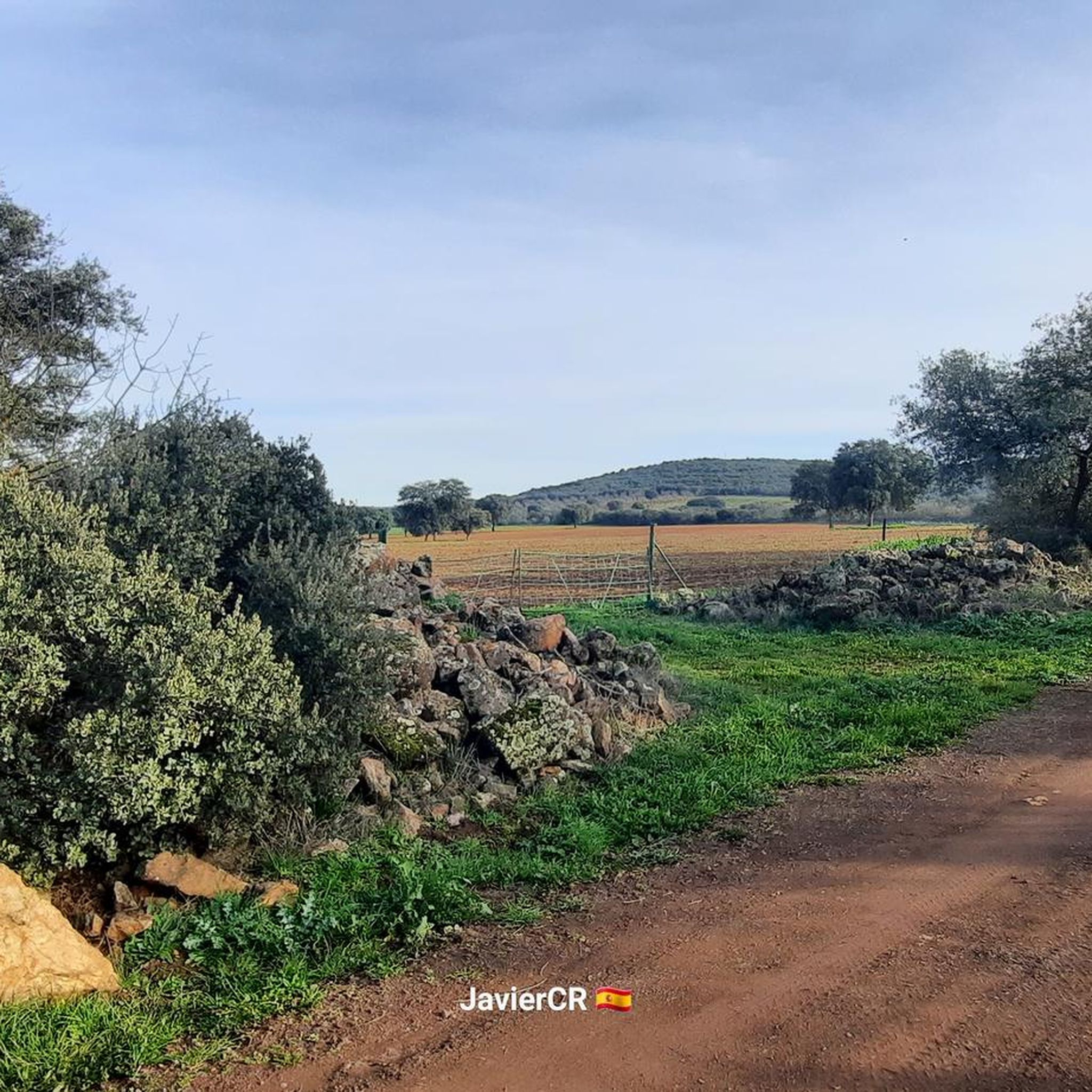
It has easy access you can go without any problem you do not need anything special in terms of shoes and clothes unless it rains
6
0
Frequently Asked Questions
What unique natural features can I explore around Cañada De Calatrava?
The region is characterized by its volcanic landscape, featuring ancient volcanoes and natural lagoons. You can explore sites like the San Isidro Hermitage and Maares Viewpoint, located on the Cabezo del Rey Volcano, offering panoramic views. Another significant feature is the La Posadilla Viewpoint, which overlooks a maar, a lagoon formed in a hydromagmatic explosion crater.
Are there any family-friendly natural monuments in the area?
Yes, several natural monuments are suitable for families. The San Isidro Hermitage and Maares Viewpoint offers a recreation area. The Alarcos Archaeological Park combines historical exploration with natural surroundings, and the Old dam of the Guadiana River is a pleasant spot to appreciate the river's flow. Even the Ascent to the Shepherd's Cave is noted as family-friendly, though it is a challenging trail.
What kind of historical and cultural sites are integrated with the natural monuments?
The Alarcos Archaeological Park is a prime example, featuring archaeological remains from the Bronze Age to the High Middle Ages, situated on the left bank of the Guadiana river. You can also visit the hermitage of the Virgen de Alarcos and the ruins of the Castle there. Additionally, the San Isidro Hermitage and Maares Viewpoint includes a small temple built in 1995.
What outdoor activities can I do near these natural monuments?
The region is ideal for hiking and exploring its unique terrain. You can find various routes, such as the "Route of the Battle of Alarcos" or the "Guadiana Natural Way: Corral de Calatrava Loop." For more options, check out the hiking guide for Cañada De Calatrava. There are also running and road cycling routes available, including the "Campo de Calatrava Loop" for cyclists.
Where can I go birdwatching or observe wildlife?
The Campo de Calatrava region is important for wildlife conservation. The La Posadilla Viewpoint, overlooking a maar lagoon, attracts various bird species such as black and white storks, imperial eagles, short-toed eagles, golden eagles, and black vultures. The Centro Ornitológico «El Primillar» is also a crucial site dedicated to the conservation of the Lesser Kestrel, offering unique birdwatching opportunities.
What is the geological significance of Cañada De Calatrava's natural monuments?
Cañada De Calatrava is situated within the volcanic landscape of Campo de Calatrava, known for its unique geological features. The area boasts over 300 volcanoes and 30 volcanic lagoons. Monuments like the San Isidro Hermitage and Maares Viewpoint are located on the Cabezo del Rey Volcano, and La Posadilla Viewpoint overlooks a maar, which is a lagoon formed by hydromagmatic explosions.
Are there any natural monuments related to rivers or water features?
Yes, the Old dam of the Guadiana River allows visitors to appreciate the flow of the Guadiana river and the sound of falling water near the Molino de Geldres Dam. The Alarcos Archaeological Park is also located on the left bank of the Guadiana river.
What kind of views can I expect from the viewpoints?
From the San Isidro Hermitage and Maares Viewpoint, you can enjoy panoramic views of the surrounding volcanic landscape. The La Posadilla Viewpoint offers dreamlike views of the maar lagoon, which is surrounded by a forest of holm oaks, kermes oaks, mastics, and cornicabras.
What is the best time to visit the natural monuments in Cañada De Calatrava?
While specific seasonal advice isn't provided, the region's natural beauty, including lagoons and volcanic terrain, can be enjoyed throughout much of the year. Spring and autumn generally offer pleasant temperatures for hiking and outdoor exploration. Always check local weather conditions before your visit.
Are there any caves or unique rock formations to explore?
Yes, you can explore the Ascent to the Shepherd's Cave. This curious rock shelter, located near Poblete, is believed to have traditionally served as a refuge for shepherds and their flocks. It is noted for having easy access, though it is part of a challenging trail.
What makes the lagoons in Cañada De Calatrava special?
The lagoons in Cañada De Calatrava, such as La Lagunilla and the one at La Posadilla Viewpoint, are often maars – lagoons formed when magma came into contact with groundwater, causing violent explosions and creating craters. These unique geological formations contribute significantly to the region's ecological value and attract diverse wildlife, including various bird species.
Most popular routes around Cañada De Calatrava
Most popular attractions around Cañada De Calatrava

Get inspired with the komoot mobile app


Explore more
Extend your search for the best caves by checking out these guides of the top ones around Cañada De Calatrava:
