Top 6 Natural Monuments around Almodóvar Del Río
Best natural monuments around Almodóvar Del Río are found in a region characterized by its blend of history and diverse natural landscapes. The area features significant natural parks, reservoirs, and riverine environments. Almodóvar Del Río's northern territory includes a portion of the Sierra de Hornachuelos Natural Park, known for its cork oaks, holm oaks, and riverbank forests. The landscape offers various natural features, including waterfalls, caves, and unique geological formations.
Best natural monuments around Almodóvar Del Río
- The most popular…
Last updated: June 4, 2026
Baños de Popea Waterfalls
Highlight • Waterfall
Translated by Google •
Tip by

Elephant Fountain
Highlight • Monument
Translated by Google •
Tip by

Sign up now to discover places like this
Get recommendations on the best single tracks, peaks, & plenty of other exciting outdoor places.
Sign up for free
Roman Mine and Pools
Highlight • Cave
Translated by Google •
Tip by

Fuente del Oso
Highlight • Natural Monument
Translated by Google •
Tip by

Cork Oak Trees
Highlight • Forest
Translated by Google •
Tip by

Sign up for free to discover even more natural monuments around Almodóvar Del Río.
Sign up for free
Already have an account?
Start today with a free account
Your next adventure awaits.
Login or Signup
Popular around Almodóvar Del Río
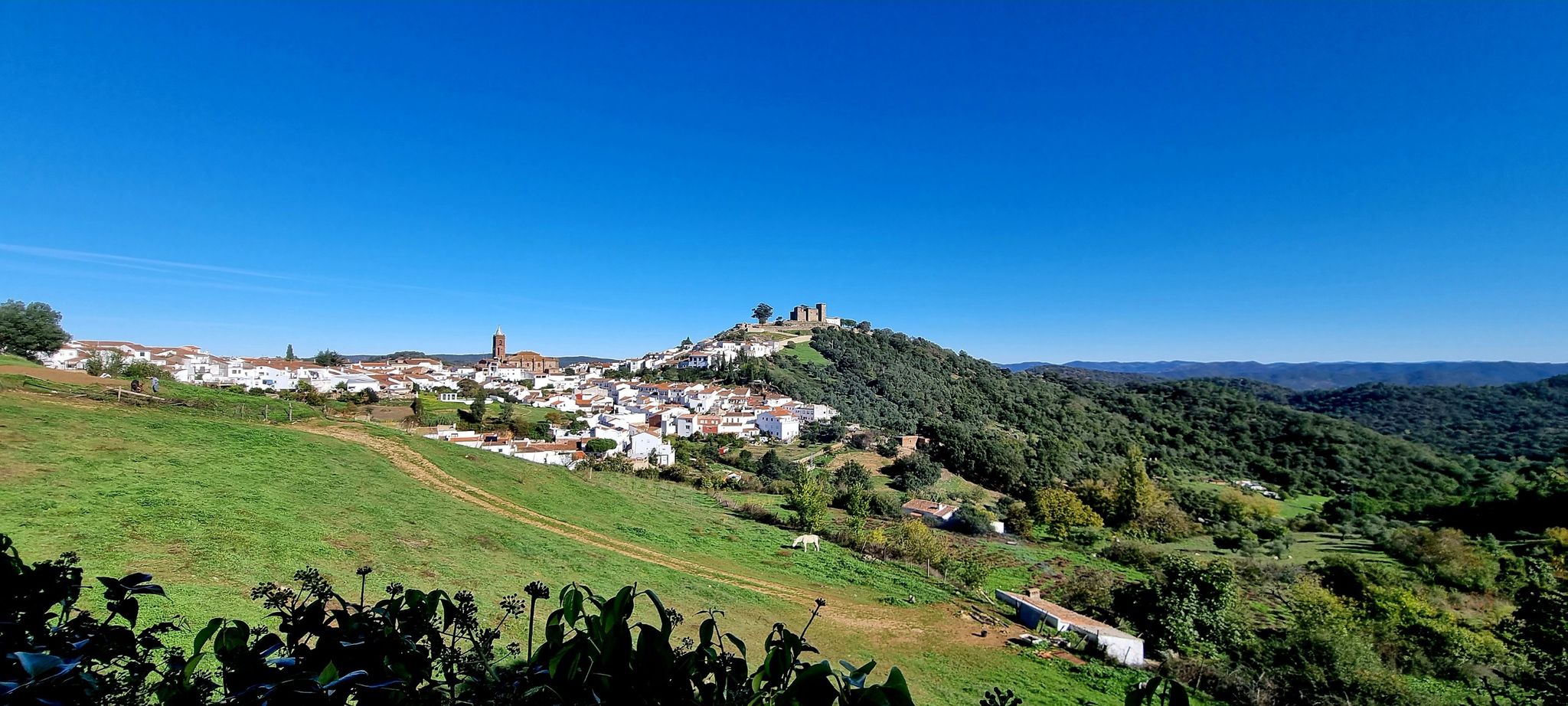
European Divide Trail across the Iberian Peninsula – south
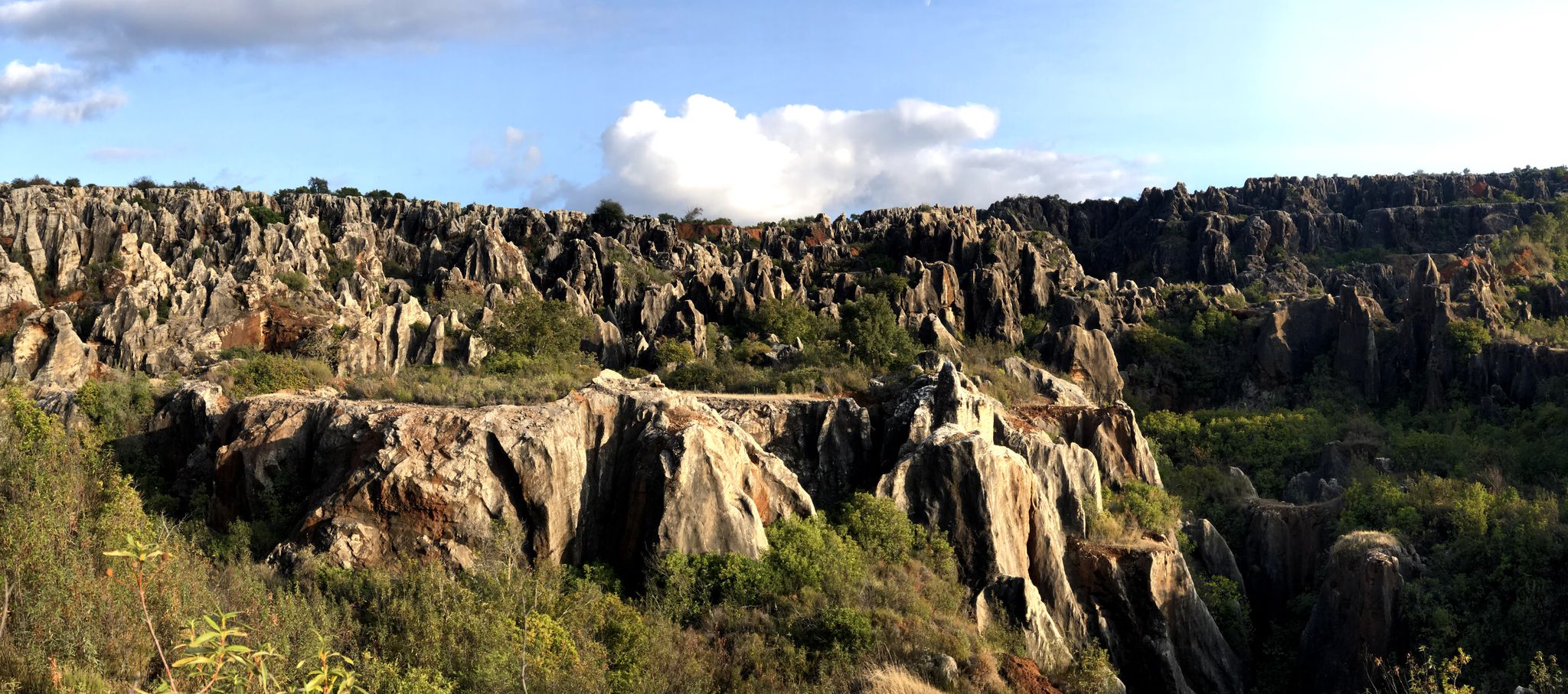
Cycling among the mysterious faults – Sierra Morena (GR 48)
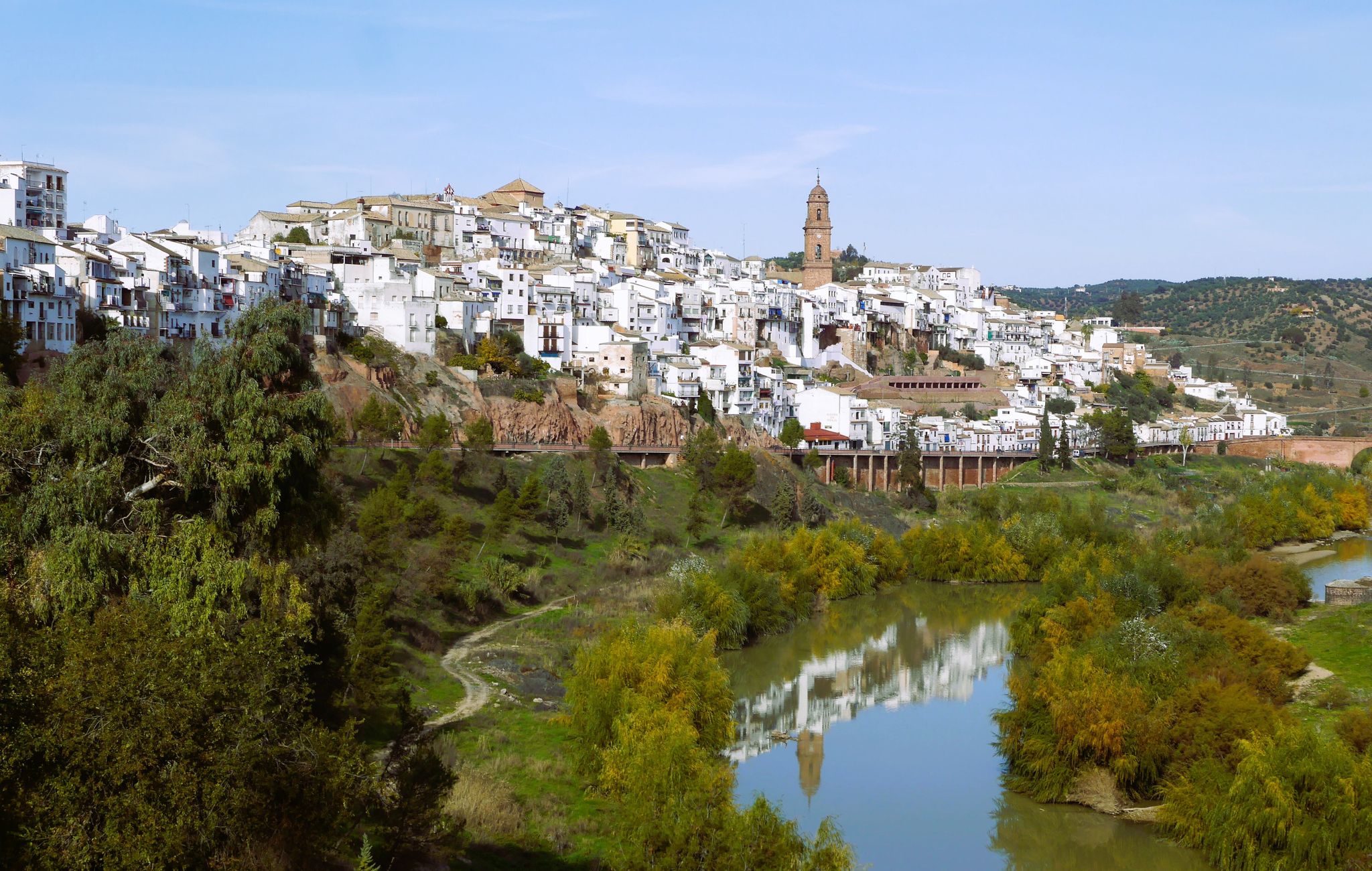
Hike the glorious countryside of Cordoba and Jaen – Sierra Morena (GR 48)
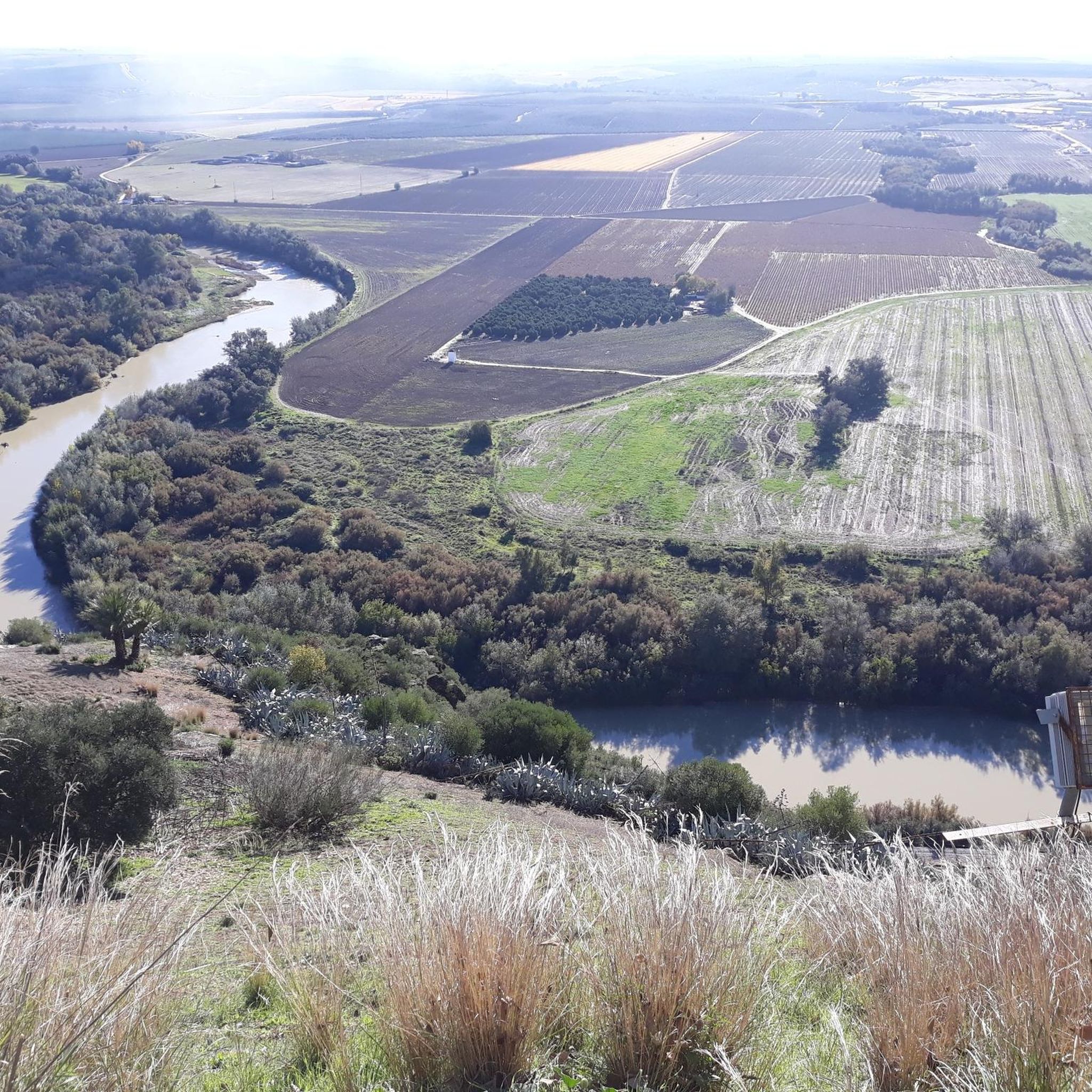
Road Cycling Routes around Almodóvar Del Río
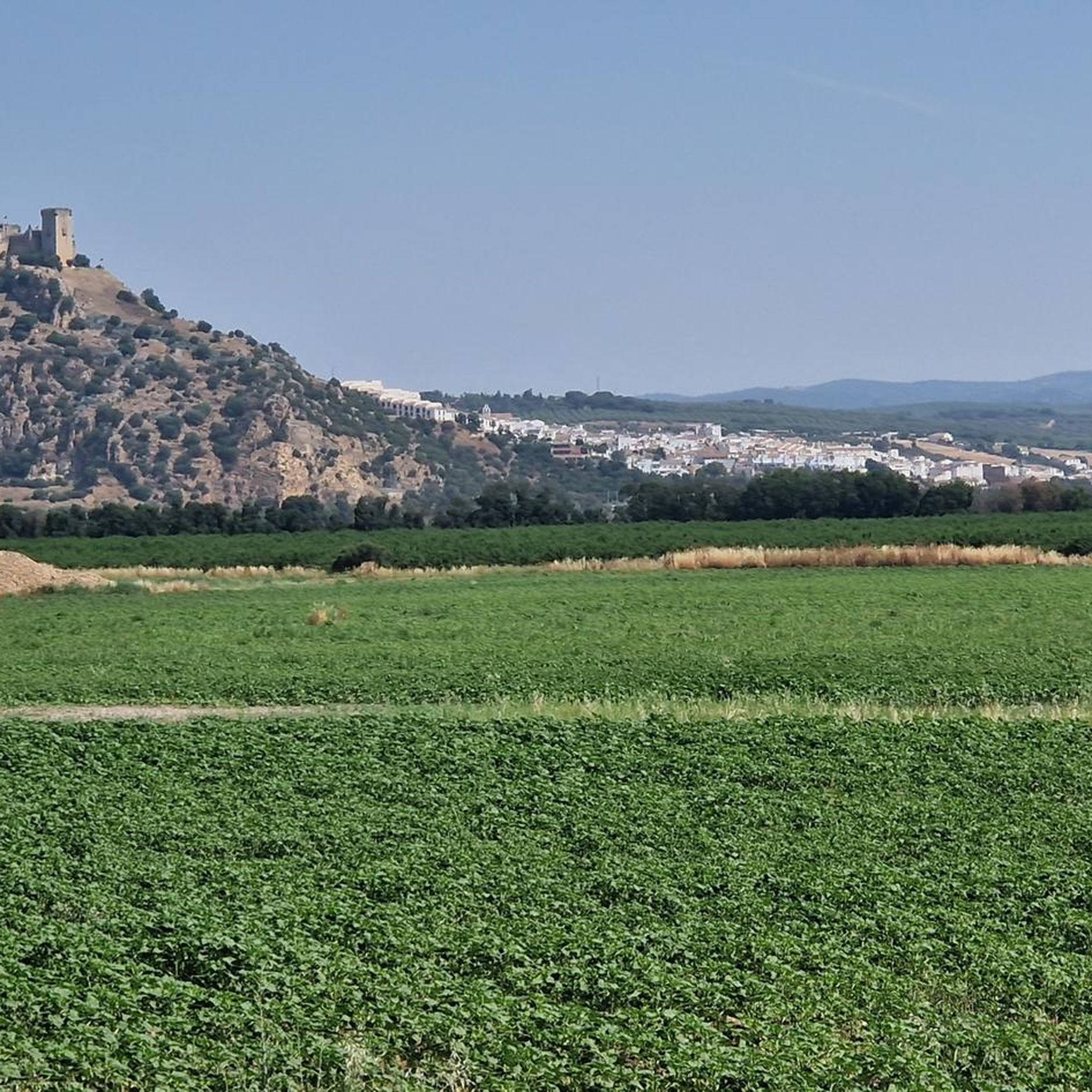
Hiking around Almodóvar Del Río
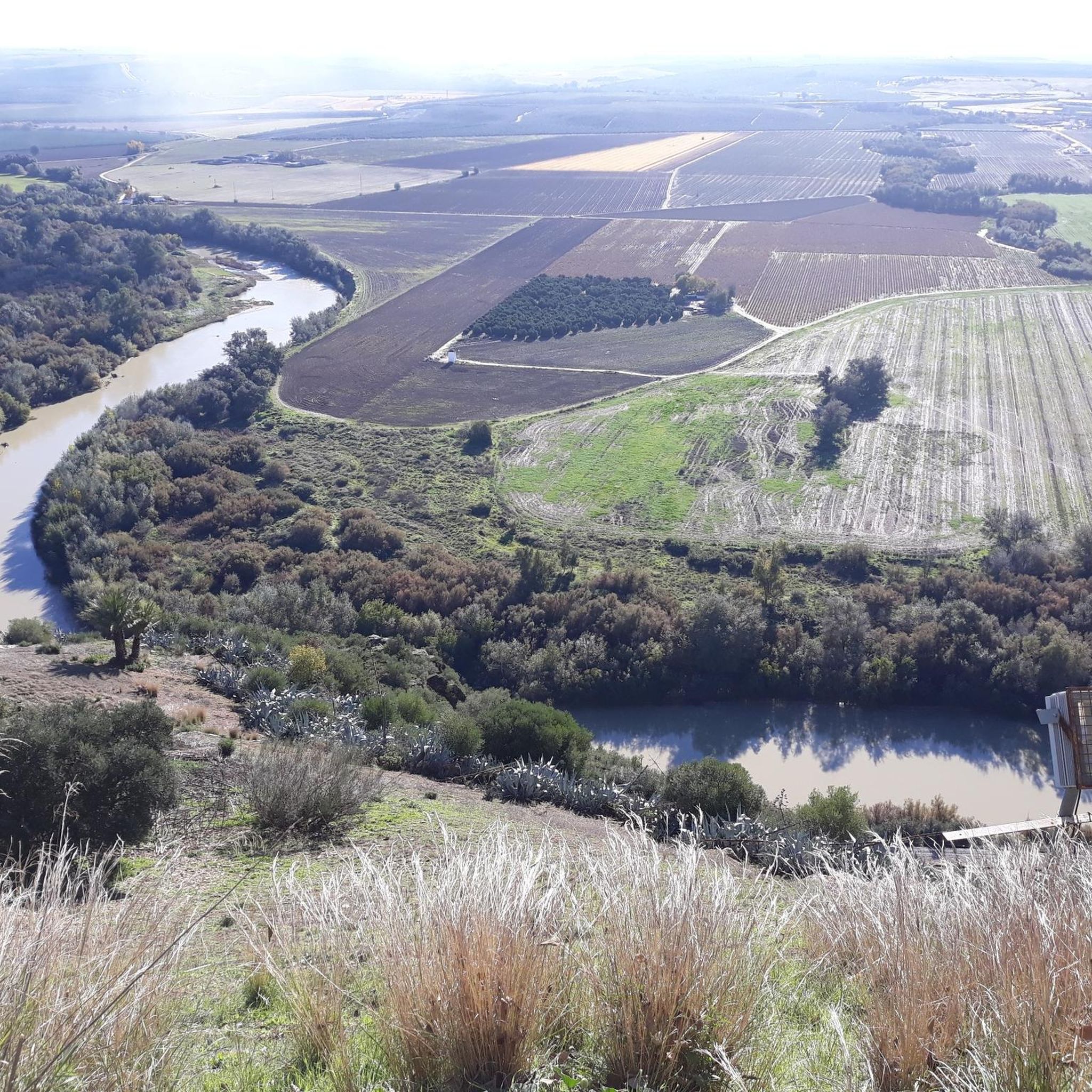
MTB Trails around Almodóvar Del Río
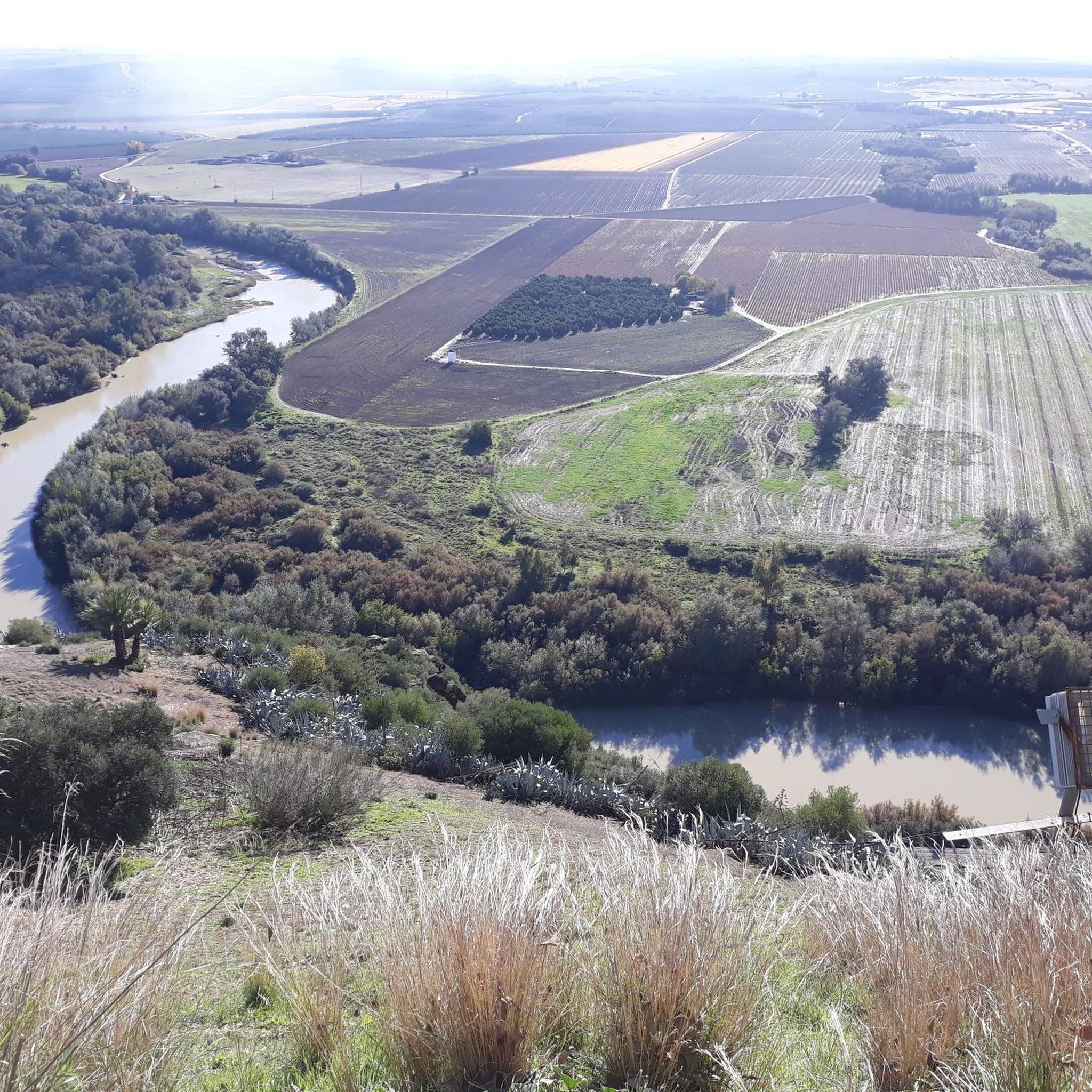
Cycling around Almodóvar Del Río
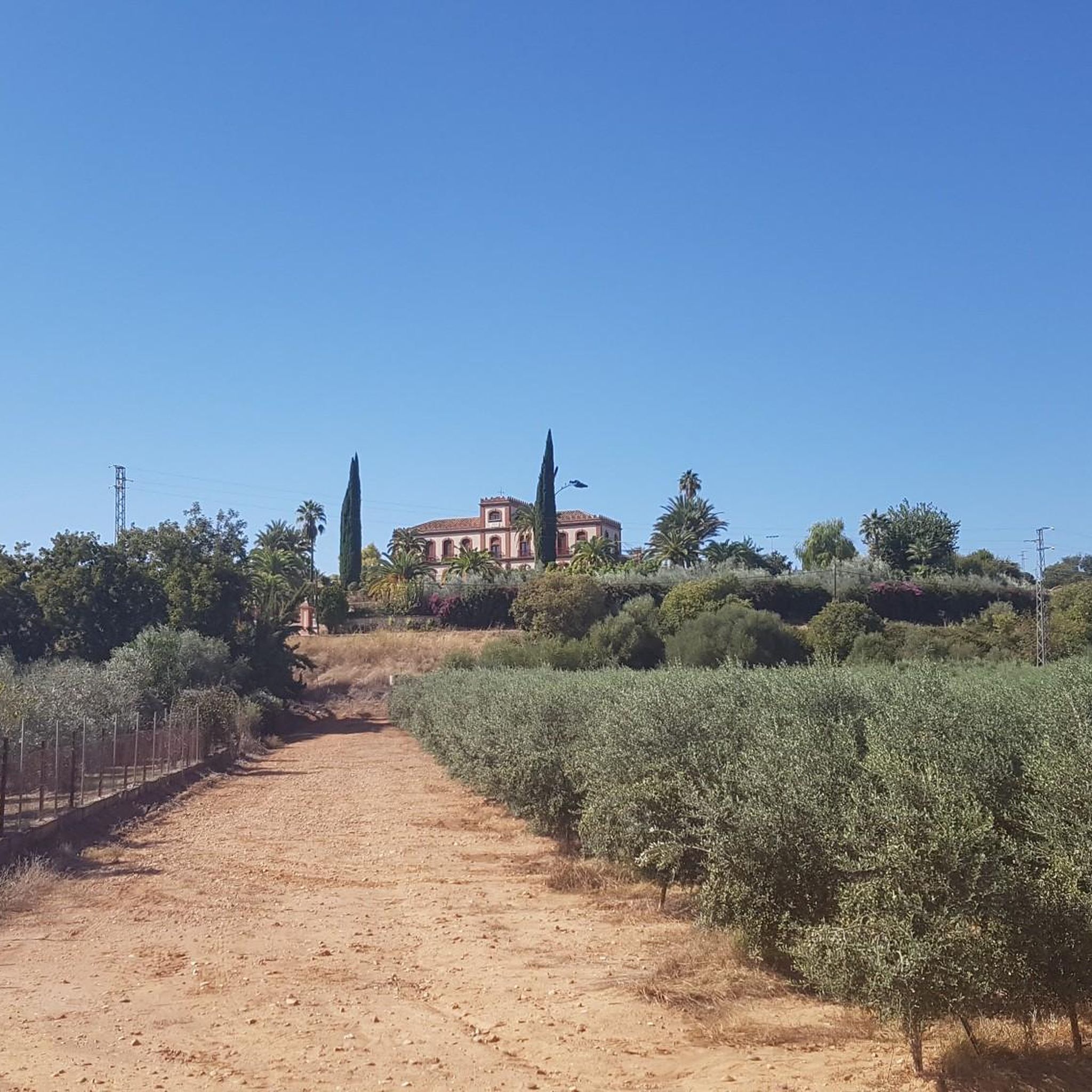
Running Trails around Almodóvar Del Río

Gravel biking around Almodóvar Del Río
Other adventures around Almodóvar Del Río


Tips from the Community

Located on the Caño Escaravita estate, just beyond the outlying neighborhood of Santa María de Trassierra. We found it in the western Sierra peri-urban district, next to the crossroads leading to the Ermitas and the Mirador de las Niñas, about fifteen kilometers from Córdoba. This is a zoomorphic water fountain on a pedestal from the Caliphate period, dating back to the 10th century. The sculpture represents a small elephant. Made of gray limestone from the Sierra Morena, it served as a support for the spout. The fountain is made up of three components: a water collection basin, a masonry pillar attached to it on its north side (which leads to a masonry irrigation ditch), and a rectangular pool located to the west of the canal. https://amedinacordoba.com/fuente-del-elefante/
1
0
The Baths of Poppaea are a natural stretch of small waterfalls alternating with small pools that follow the course of the Molino stream, near the mouth of the Guadiato River. This area was visited by Christopher Columbus. Its name comes from the place where the Cordoba poets of the Cántico Group used to visit, as during the Franco regime it was a safe place, away from the scrutiny of this intellectual group, as well as the homosexuality of some of them. One day, three members of the group, Pablo García Baena, Juan Bernier, and Ricardo Molina, were walking when they saw some girls bathing in the stream. The latter exclaimed, "Look, like Poppaea in the bath," referring to the Roman Empress Poppaea Sabina, a prominent figure at the time due to the film The Sign of the Cross (1932), in which actress Claudette Colbert appeared bathing in donkey's milk, just as the Empress did. The girls told the residents of Trassierra about this incident, and from then on, the story spread and became known as the Baths of Poppea. https://es.wikipedia.org/wiki/Ba%C3%B1os_de_Popea
2
0

Oak trees grow here whose bark is made of cork. On one oak tree, bark was left on the tree so that you can see how it grows back.
0
0

Please note that this highlight is also listed in the description as a parking spot. However, we found that it is not allowed to drive up to the indicated parking spot/start of the route with a car. Just park near the jardin de popea and start the hike from there, it will add 2.5 km to the distance but is not too bad.
1
0

The fountain has three large pylons and two smaller ones, which look more modern. Perhaps that is why it is known in some references as the Fountain of the Five Pylons and in others as the Fountain of the Three Pylons.
0
0

Super cool route.
0
0

Non-bicyclable place. Very narrow path with a lot of vegetation, fallen trees... Better to walk. Beautiful setting next to the Arroyo Bejarano with the caves.
0
0
Motif place of the Cordovan sierra. It is a waterfall that unfortunately is dry right now. You have to get off the path to get to it. The path is narrow and ends in the Guadiato. Accessing the waterfall with a bike is impractical, but even the river can be done more or less.
0
0
Frequently Asked Questions
What unique natural features can I explore around Almodóvar Del Río?
The region offers diverse natural features, including the expansive Sierra de Hornachuelos Natural Park, known for its cork and holm oaks, and lush riverbank forests. You can also find unique geological formations and the impressive La Breña II Reservoir, one of Andalusia's largest.
Are there any historical natural monuments in the area?
Yes, several natural monuments are intertwined with history. You can visit the Roman Mine and Pools, which date back to Roman times and offer passable walking paths. Additionally, the Elephant Fountain, a replica of a Roman aqueduct component, also has significant historical ties.
What kind of wildlife can I expect to see in the natural monuments?
The Sierra de Hornachuelos Natural Park is a significant game reserve, rich in fauna. Along the Guadalquivir River Banks, you can observe local flora and fauna thriving in the tranquil riverine environment. The diverse ecosystems support various species, making it a great spot for nature observation.
Are there family-friendly natural monuments around Almodóvar Del Río?
Absolutely. The Cork Oak Trees highlight is considered family-friendly, offering an interesting insight into cork harvesting. The La Breña II Reservoir also features an inland beach and a nature activities center, perfect for family leisure activities like cycling, hiking, and water sports.
What outdoor activities can I do near these natural monuments?
Near the natural monuments, you can enjoy various activities. The La Breña II Reservoir is ideal for water sports such as fishing, water skiing, canoeing, and sailing. For land-based activities, there are numerous hiking and cycling routes. You can find detailed routes for hiking, cycling, and road cycling around Almodóvar Del Río.
Where can I find waterfalls in the region?
The Baños de Popea Waterfalls, located in the Sierra Morena, offer a unique natural spectacle with a series of small waterfalls. This site also includes the ruins of nearby Moorish mills, adding a historical dimension to your visit.
What is the best time to visit the natural monuments around Almodóvar Del Río?
The region experiences hot summers, so spring (April-May) and autumn (September-October) are generally the most pleasant times to visit. During these seasons, the weather is milder, making outdoor activities and exploring the natural landscapes more enjoyable.
Are there any natural monuments with unique water features besides waterfalls?
Yes, you can visit the Fuente del Oso, a natural fountain with multiple pylons. While it's a historical water source, visitors should note that water flow can vary, and it may not always be active.
Are there good hiking trails near the natural monuments?
Yes, the area offers various hiking opportunities. For example, you can find moderate trails like the 'Embalse de la Breña - circular from Almodóvar del Río' which explores the reservoir area. More hiking routes are available on the Hiking around Almodóvar Del Río guide.
What can I expect when visiting the Sierra de Hornachuelos Natural Park?
The Sierra de Hornachuelos Natural Park, a significant part of Almodóvar del Río's northern territory, is characterized by its scenic beauty. You'll find extensive cork and holm oak forests, scrubland, and lush riverbank vegetation. It's an excellent destination for nature excursions and observing local wildlife.
Is there an inland beach or water recreation area nearby?
Yes, the La Breña II Reservoir features an inland beach that has been awarded a blue flag, signifying high standards for water quality, safety, and facilities. It's a great spot for swimming, kayaking, paddleboarding, or even taking a solar-powered boat ride.
What do visitors enjoy most about the natural monuments in Almodóvar Del Río?
Visitors frequently appreciate the blend of natural beauty and historical significance. The tranquil settings, opportunities for outdoor activities, and the unique geological and historical sites like the Roman Mine and Pools and the Baños de Popea Waterfalls are often highlighted as favorite aspects.
Most popular routes around Almodóvar Del Río
Most popular attractions around Almodóvar Del Río

Get inspired with the komoot mobile app


Explore more
Extend your search for the best caves by checking out these guides of the top ones around Almodóvar Del Río:
