Santibáñez De Vidriales
Santibáñez De Vidriales
Top 6 Natural Monuments around Santibáñez De Vidriales
Best natural monuments around Santibáñez De Vidriales are found within a region characterized by a rich natural environment in the province of Zamora, Spain. The area features diverse flora and fauna, including various wildlife and common trees like holm oak and chestnut. This landscape offers opportunities for outdoor activities such as hiking and exploring natural features. The municipality is situated on a plain near the Almucera stream, within the Benavente y los Valles region.
Best natural monuments around Santibáñez De…
Last updated: May 20, 2026
Dolmen de San Adrián
Highlight • Historical Site
Translated by Google •
Tip by

Ancient Trees of Las Majadas
Highlight • Forest
Translated by Google •
Tip by

Sign up now to discover places like this
Get recommendations on the best single tracks, peaks, & plenty of other exciting outdoor places.
Sign up for free
Prehistoric Rock Formation of Arrabalde
Highlight • Natural Monument
Translated by Google •
Tip by
Tera Bridge
Highlight • Bridge
Translated by Google •
Tip by
Start today with a free account
Your next adventure awaits.
Login or Signup

Tips from the Community

A prehistoric stone circle. The structure was usually built from locally quarried granite or slate. They were used for various ceremonies throughout the seasons.
2
0
A prehistoric rock formation on the outskirts of the town of Arrabalde in the foothills of the Sierra de las Labradas.
2
0

Dating back over 3,000 years, this prehistoric megalithic site is worth a visit. You may need to walk your bike from the road to the actual Dolmen because I think bicycling is not allowed.
0
0

Pebble linear structure.
1
0
A prehistoric megalithic site, the dolmen of San Adrián is located to the north of El Granucillo. The stone structure and settlement date to between 3,500 and 3,000 years ago.
1
0
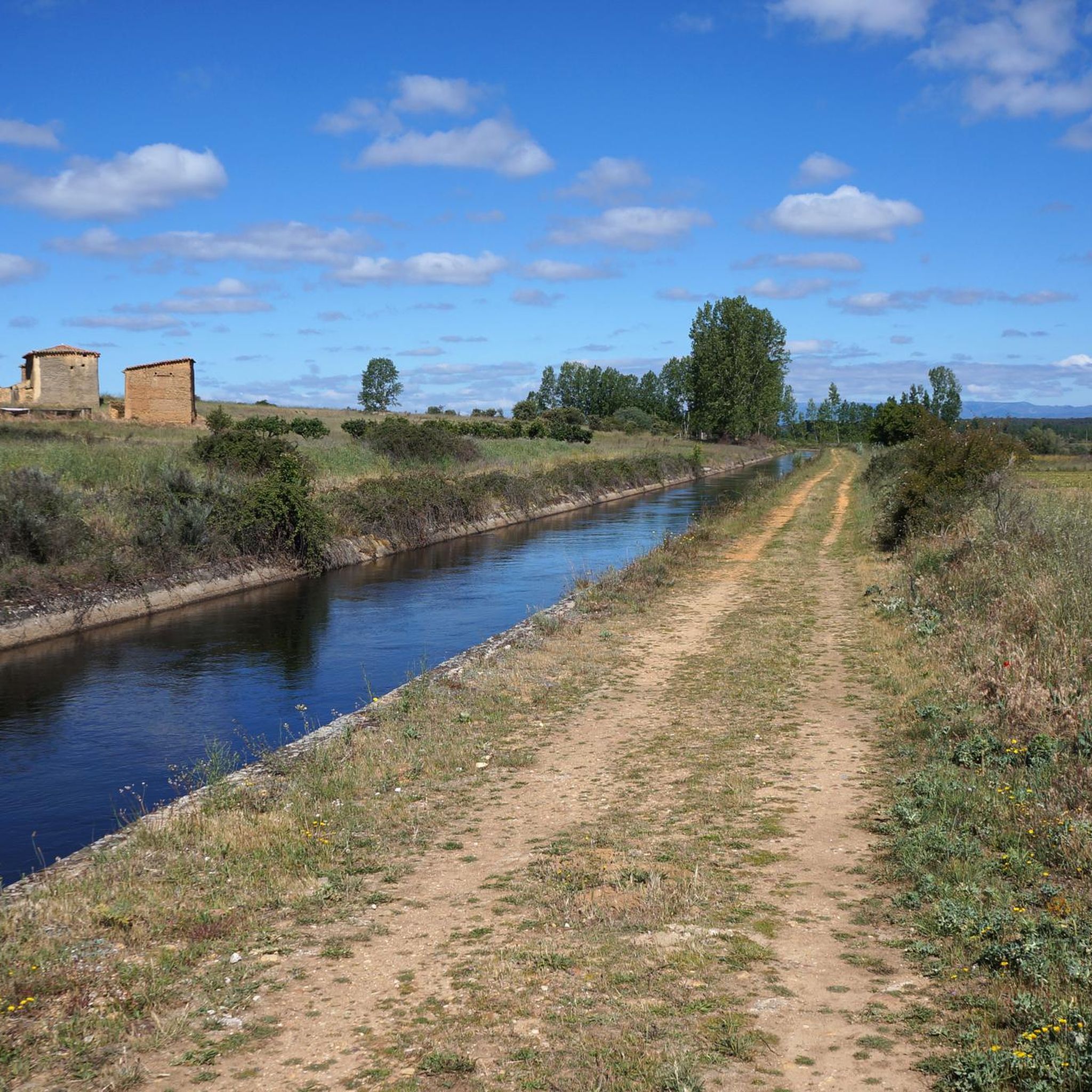
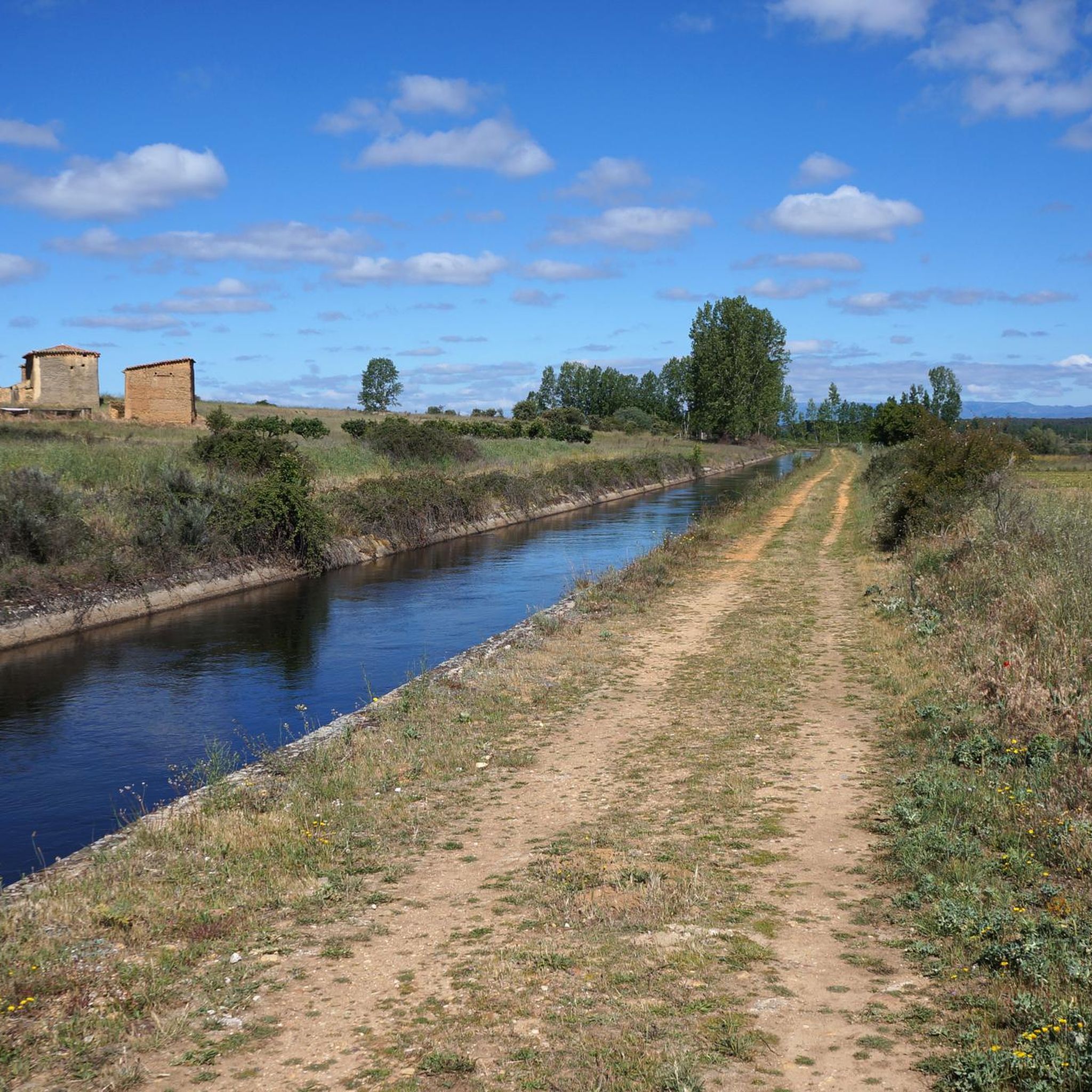
Bridge over the Tera river between Santibáñez de Tera and Sitrama de Tera. Beautiful quiet roads for biking along the Tera River Trail.
1
0
Bridge over the Tera river between Sitrama and Santibáñez de Tera. The river is a tributary of the Esla river, a natural park of special conservation.
1
0

The Majadas de San Pedro de Ceque Forest with ancient and leafy oaks and holm oaks such as the "Los Enamorados" holm oaks, the "La vaciada" holm oak or other hundred-year-old holm oaks.
3
0
Frequently Asked Questions
What kind of natural features can I expect to see around Santibáñez De Vidriales?
The region of Santibáñez De Vidriales is characterized by a rich natural environment, offering diverse flora and fauna. You can observe abundant wildlife, including roe deer, deer, and various bird species. The vegetation features common trees like holm oak and chestnut, alongside shrubs such as thyme, rockrose, and heather. The area also includes the Almucera stream and the Tera River, a tributary of the Esla river, which is part of a natural park.
Are there any ancient forests or unique tree formations to explore?
Yes, you can visit the Ancient Trees of Las Majadas. This forest, located in San Pedro de Ceque, features ancient and leafy oaks and holm oaks, including notable specimens like the 'Los Enamorados' holm oak and the 'La vaciada' holm oak, some of which are hundreds of years old.
What historical or archaeological sites are considered natural monuments in the area?
The region boasts several significant historical sites that are also recognized as natural monuments. These include Castro de Las Labradas, a large fortified town from the Asturian Iron Age, and Dolmen de San Adrián, a prehistoric megalithic stone circle dating back over 3,000 years. Additionally, you can find the Prehistoric Rock Formation of Arrabalde, located in the foothills of the Sierra de las Labradas.
Are there family-friendly natural monuments or activities in Santibáñez De Vidriales?
Yes, the Tera Bridge is considered family-friendly, offering a pleasant spot over the Tera River. The Ancient Trees of Las Majadas also provide a gentle natural setting suitable for families to explore ancient oaks and holm oaks.
What outdoor activities can I do near these natural monuments?
The natural landscape around Santibáñez De Vidriales is ideal for various outdoor activities. You can enjoy hiking, hunting, and fishing. For specific routes, komoot offers numerous options. For hiking, explore trails like 'Bosque Las Majadas y arboles milenarios' or 'Route of the Dolmens and Castles of Granucillo'. For cycling, there are routes like 'The Benavente river vegas' or 'The Castle of the Counts of Benavente from Brime de Urz'. You can find more details on these activities in the hiking guide, road cycling guide, and general cycling guide for the area.
Are there hiking trails near the natural monuments?
Absolutely. You can find several hiking trails that allow you to explore the natural monuments and surrounding areas. For example, the 'Arrabalde — circular through the Sierra de las Labradas' trail takes you near the Prehistoric Rock Formation of Arrabalde and the Sierra de las Labradas. The 'Route of the Dolmens and Castles of Granucillo' offers a longer exploration. For more hiking options, refer to the Hiking around Santibáñez De Vidriales guide.
What is the best time of year to visit Santibáñez De Vidriales for nature exploration?
Given the diverse flora and fauna, spring and autumn are generally excellent times to visit. Spring offers lush greenery and blooming wildflowers, while autumn provides beautiful colors and comfortable temperatures for outdoor activities like hiking and wildlife observation. Summer can be warm, but the rivers and shaded forests offer respite. Winter is quieter, with opportunities for different types of wildlife viewing.
Can I bring my dog to the natural monuments and trails?
While specific regulations for each site may vary, many natural areas and trails in Spain are generally dog-friendly, especially if dogs are kept on a leash. It's always advisable to check local signage at each specific natural monument or trail for any restrictions. When hiking, ensure your dog is well-behaved and that you clean up after them to preserve the natural environment.
What should I bring when visiting the natural monuments?
For a comfortable visit, especially if you plan to hike or explore, bring appropriate footwear, water, and sun protection (hat, sunscreen). Binoculars can enhance wildlife viewing. If visiting historical sites, a camera is recommended. For longer excursions, pack snacks and a map or GPS device. Always remember to carry out everything you bring in.
Are there any viewpoints offering scenic vistas of the region?
Yes, the Castro de Las Labradas, located above the city in the Sierra de Capurias, offers a viewpoint. Additionally, the nearby Sierra de Carpurias provides picturesque views of valleys and mountains, with a small chapel at the top of a hill in Brime de Urz offering a vantage point for these beautiful vistas.
What makes the Tera Bridge a notable natural monument?
The Tera Bridge is significant as it spans the Tera River, a vital tributary of the Esla River, which is part of a natural park. It connects Sitrama and Santibáñez de Tera and is appreciated for its scenic location, offering beautiful quiet roads for biking along the Tera River Trail and serving as a tranquil spot for visitors.
What is the significance of the Dolmen de San Adrián?
The Dolmen de San Adrián is a prehistoric megalithic site, a stone circle dating back over 3,000 years. It was constructed from locally quarried granite or slate and was used for various ceremonies throughout the seasons. This ancient structure offers a fascinating glimpse into the region's prehistoric past.
Most popular routes around Santibáñez De Vidriales
Most popular attractions around Santibáñez De Vidriales

Get inspired with the komoot mobile app


Explore more
Extend your search for the best caves by checking out these guides of the top ones around Santibáñez De Vidriales:
