Top 6 Mountain Passes around Vilassar De Dalt
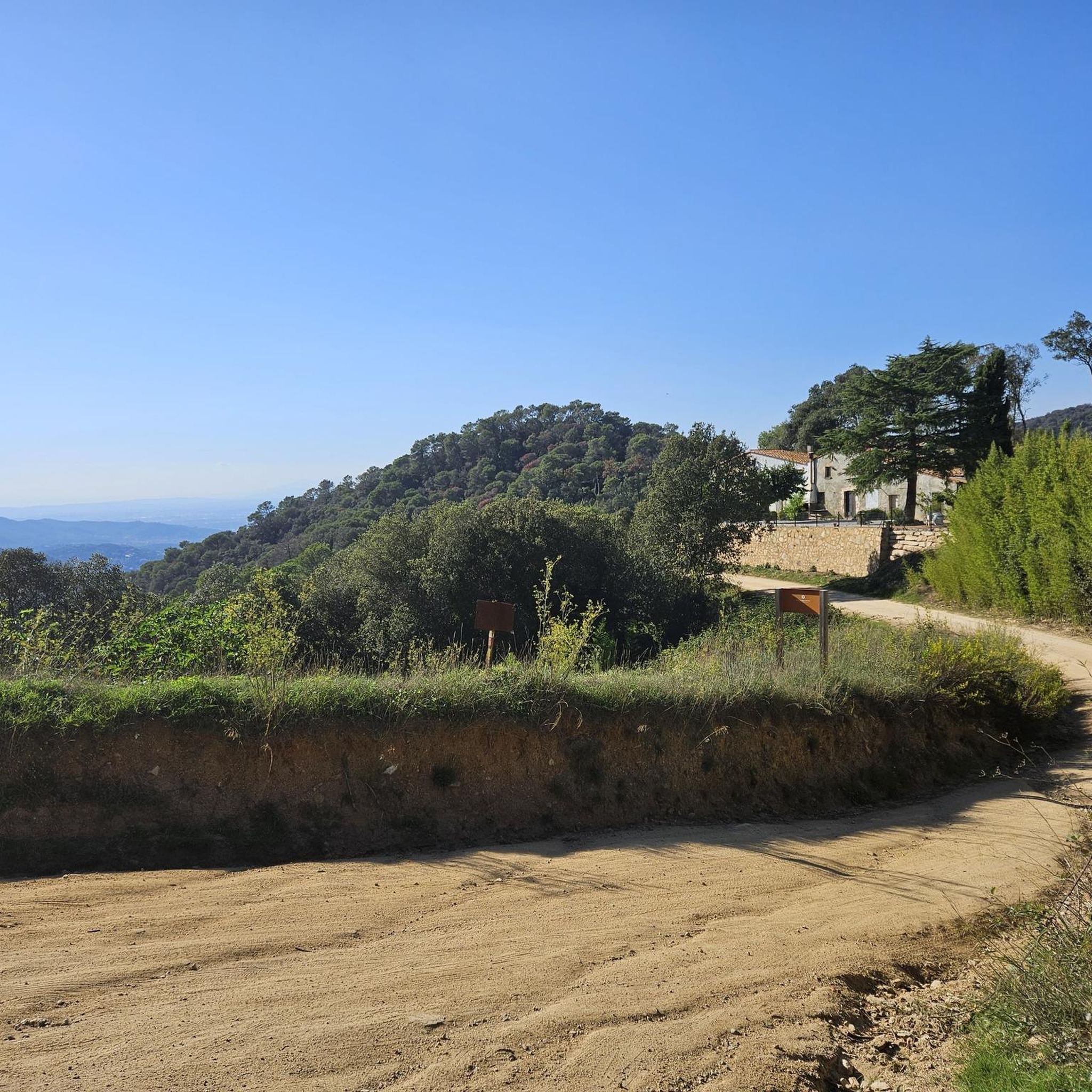
Mountain passes near Vilassar de Dalt are located within the Parc de la Serralada Litoral, an area characterized by Mediterranean forests and moderate mountainous terrain. This region provides elevated routes suitable for both cycling and hiking. The landscape features well-maintained roads and varied trails, connecting coastal areas with inland valleys. Visitors can explore a combination of natural features and historical elements.
Best mountain passes around Vilassar De Dalt
- The most popular mountain passes is Òrrius Pass, a mountain pass…
Last updated: November 14, 2026
Parpers Pass
Highlight • Mountain Pass
Translated by Google •
Tip by

Orrius Pass - Sant Bartomeu Pass
Highlight (Segment) • Mountain Pass
Translated by Google •
Tip by

Sign up now to discover places like this
Get recommendations on the best single tracks, peaks, & plenty of other exciting outdoor places.
Conreria Pass
Highlight • Mountain Pass
If you feel like exploring, then take …
Tip by

Can Boquet Cross
Highlight • Mountain Pass
It …
Translated by Google •
Tip by
Can Bordoi Pass
Highlight (Segment) • Mountain Pass
Translated by Google •
Tip by

Sign up for free to discover even more mountain passes around Vilassar De Dalt.
Already have an account?
Start today with a free account
Your next adventure awaits.
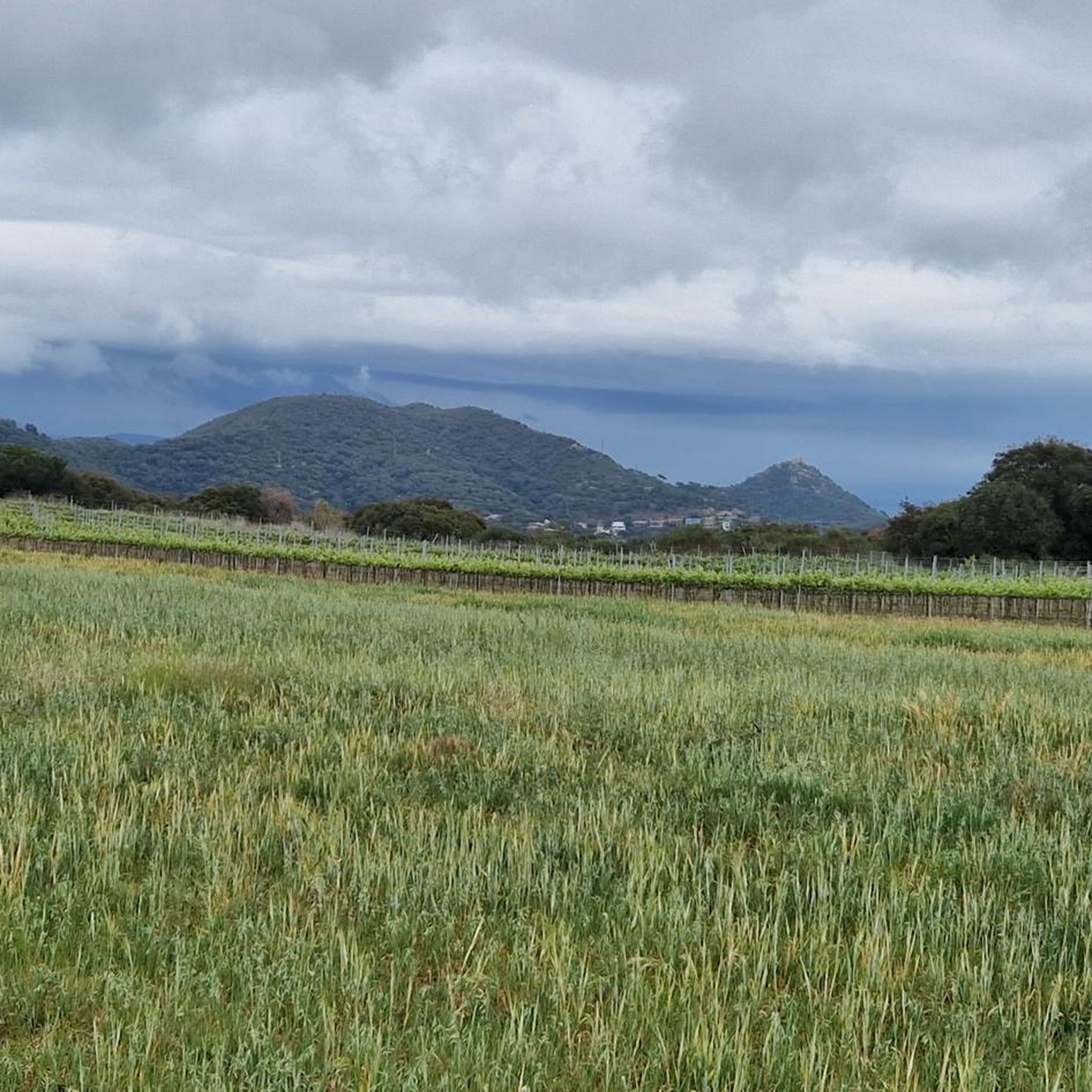
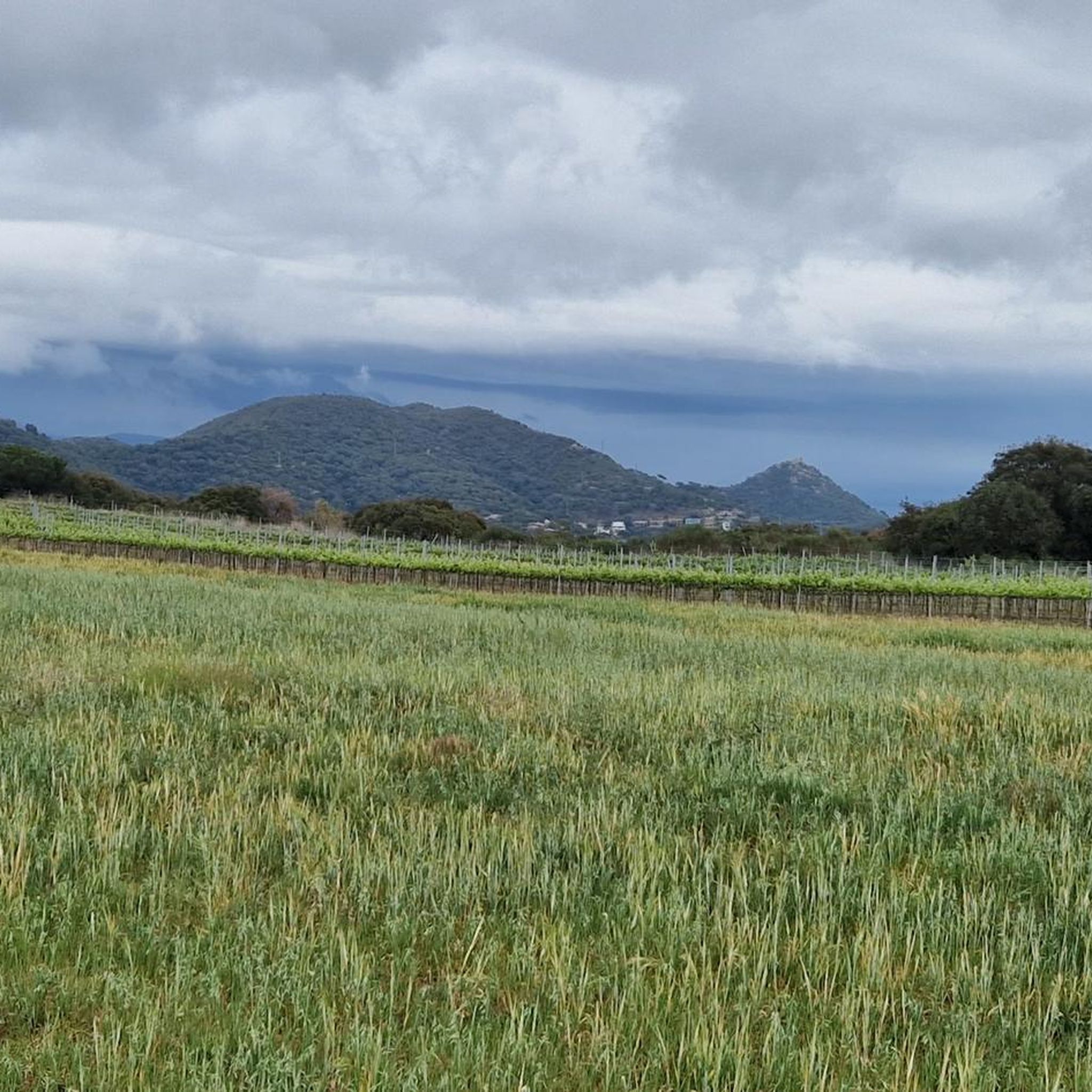

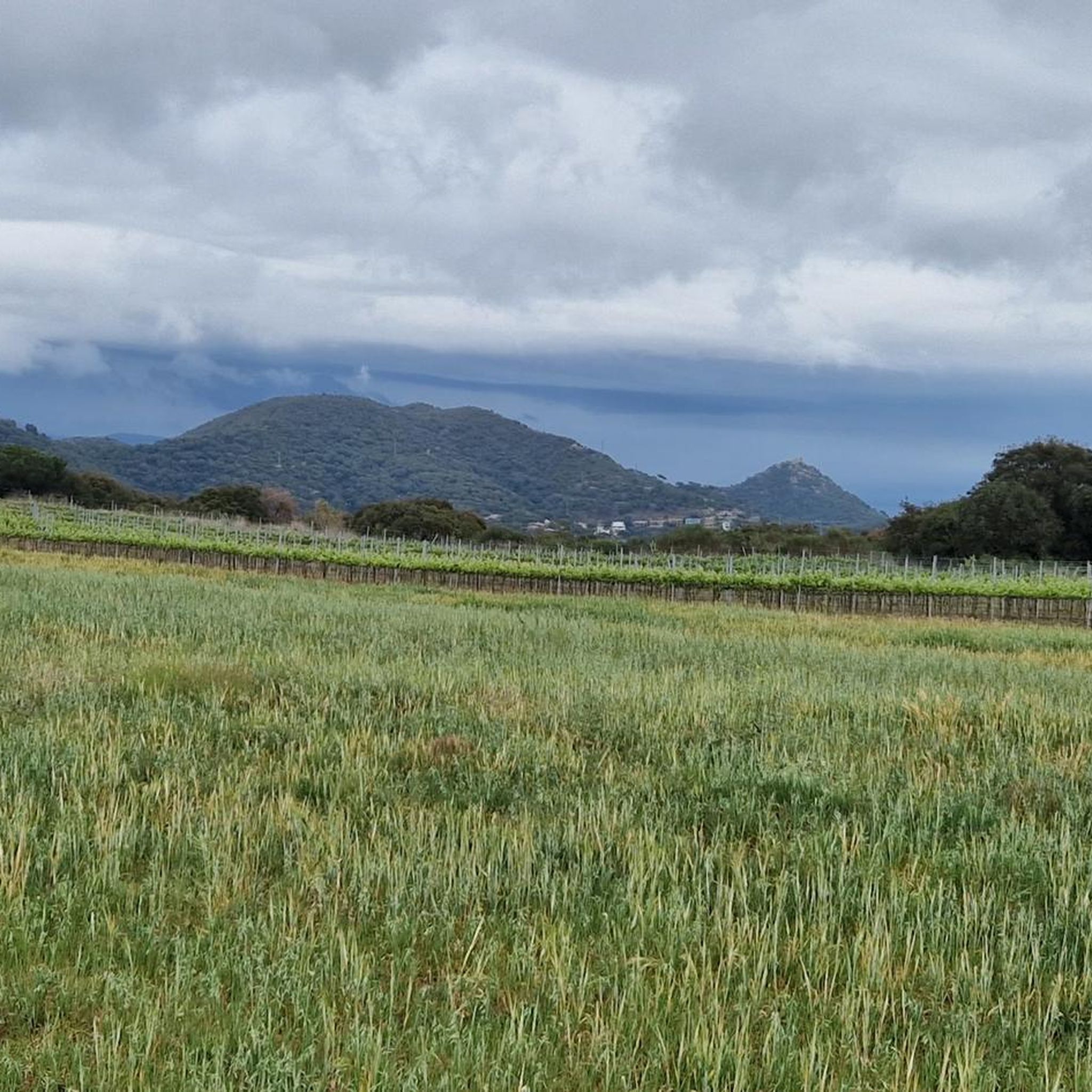
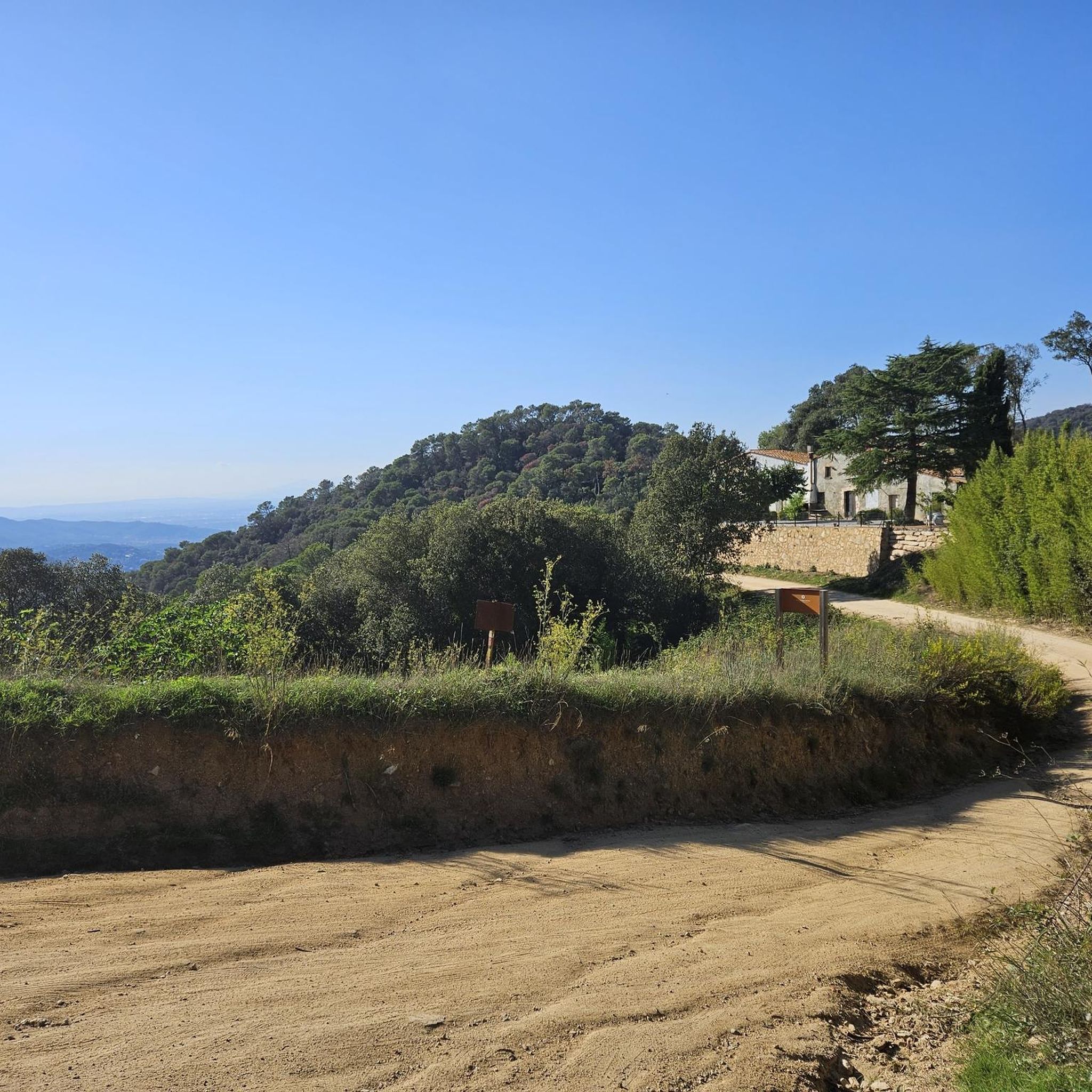
Tips from the Community


Coll de Orrius is also known as Coll de Sant Bertomeu.
1
0
It is one of the many climbs that cross the coastal mountain range of the province of Barcelona, connecting in this case the towns of Argentona with Roca del Vallés. It is a port parallel to Coll de Papers, although this is much harder. The Argentona side is longer and with less slope than the Roca del Vallés. The Argentona side is 6.5 km with an average gradient of 4.5%. There is a rest with a descent in the middle area of the port, the second section being harder than the first. The Roca del Vallés side is barely 4 km with a very constant average gradient of 7%. The views of the valleys, the coast and Montseny from the top of the port are very cool and well worth it.
1
0
Mountain pass in the coastal mountain range that connects Tiara with San Fost de Campsentelles.
1
0
Beautiful climb highly recommended for any winter outing along the Maresme coast. Constant slopes and continuously panoramic views of the Mediterranean Sea and the coast.
1
0

In my experience, it gets harder if you start from La Roca del Vallés. It does not have particularly complicated slopes, but the ascent can become somewhat tedious. I advise going slowly and taking a steady pace to the top, where you can pull over to the side of the road and enjoy the beautiful views. The descent from the top of Coll to Òrrius (I recommend extending it to Mataró / Vilassar de Mar) translates into a few minutes of adrenaline and speed. Of course, be careful with some curves, which are somewhat closed and force you to slow down. If you finally continue descending, via Argentona, you will end up on the Costa del Maresme, very close to the train tracks and the CostaMar apartment complex. In short, a good challenge for cyclists of any level, with the reward of a dizzying descent and a varied and attractive landscape. Recommended.
1
0


This road has history, the Primitive Path of Parpers, es formed hundreds of years ago, to communicate the inland area with the coast, and maybe it is this is where they passed Iberians and Romans, farmers, soldiers and now us with E-bikes.
4
0
Frequently Asked Questions
Which are the most notable mountain passes near Vilassar de Dalt?
The most prominent passes in the area are Òrrius Pass, known for its moderate Category 3 climb, and Parpers Pass, which offers a 190-meter vertical ascent from Argentona and connects many routes in the coastal mountain range. Another significant one is Can Bordoi Pass, featuring sections with up to a 9% gradient.
What kind of natural features can I expect to see around these mountain passes?
The mountain passes are situated within the Parc de la Serralada Litoral, characterized by Mediterranean forests, predominantly oak and pine trees. You'll find scenic viewpoints, geological features like 'sauló' material, and unique rock formations. The area also offers a blend of coastal paths and moderate mountainous terrain.
Are there historical or cultural sites near the mountain passes?
Yes, around the Can Boquet Cross, which is a 378-meter mountain pass, you can find the ancient dolmen of Roca d'en Toni. The area around Òrrius also features various routes that showcase ancient dolmens, adding a cultural dimension to your outdoor experience.
What outdoor activities can I do near the mountain passes?
The region offers a variety of activities. For cyclists, the passes provide excellent training grounds with varied gradients. Hikers can explore numerous trails, including a moderate 7.7-mile loop through the Rocas de Boquet. You can also find many running, road cycling, and gravel biking routes. For more details, check out the Running Trails around Vilassar De Dalt, Road Cycling Routes around Vilassar De Dalt, and Gravel biking around Vilassar De Dalt guides.
What is the best time of year to visit the mountain passes around Vilassar de Dalt?
Given the Mediterranean climate, the best times to visit are typically spring and autumn when temperatures are milder and the weather is generally pleasant for outdoor activities like cycling and hiking. Summers can be hot, while winters are usually mild but some curves on descents might be wet.
Are there family-friendly options among the mountain passes?
The Parc de la Serralada Litoral, where these passes are located, offers accessible paths and varied terrain. While some passes like Òrrius Pass are known for moderate climbs, there are also easier sections and trails suitable for families looking for less strenuous activities. The diverse landscape allows for choosing routes that match different skill levels.
What are the difficulty levels of the mountain passes for cycling?
Òrrius Pass is considered a moderate Category 3 climb, with an average gradient of 7.25%. Parpers Pass is generally a softer climb, with average gradients around 3.8% to 4.7% depending on the approach. Can Bordoi Pass has sections reaching a 9% gradient, offering a more challenging climb.
Are there any specific viewpoints worth visiting at these passes?
Many of the passes double as viewpoints. Parpers Pass and Òrrius Pass offer panoramic views of the surrounding valleys and the Parc de la Serralada Litoral. Can Boquet Cross also provides scenic vistas, connecting the hills of Roure and Pedrells.
What do visitors appreciate most about the mountain passes in this region?
Visitors frequently highlight the well-maintained roads and varied terrain, which cater to different skill levels for cyclists. The steady, manageable gradients are appreciated for endurance training. Hikers enjoy the blend of natural beauty and historical elements, such as ancient dolmens. The low traffic and scenic views of the entire Vallés are also often mentioned.
Is it possible to find cafes or pubs near the mountain passes?
While the passes themselves are natural areas, the surrounding villages and towns within the Parc de la Serralada Litoral, such as Òrrius or Argentona, would offer options for cafes and pubs. It's advisable to plan your route to pass through these settlements if you wish to stop for refreshments.
Are the mountain passes and trails dog-friendly?
The Parc de la Serralada Litoral generally welcomes dogs on its trails, but it's always recommended to keep them on a leash, especially in protected areas or near wildlife. Specific regulations might apply in certain zones, so checking local signage is advised.
How accessible are the trailheads for parking?
Many trailheads within the Parc de la Serralada Litoral, including those leading to or near the passes, typically have designated parking areas. For example, areas around Òrrius and La Roca del Vallès, common starting points for passes like Parpers Pass, usually offer parking facilities for visitors.
Can I reach the mountain passes using public transport?
While direct public transport to the very summit of every pass might be limited, major towns and villages surrounding the Parc de la Serralada Litoral, such as Vilassar de Dalt, Argentona, or La Roca del Vallès, are accessible by public transport. From these points, you can often connect to trails or roads leading to the passes, though some walking or cycling may be required to reach the starting points.
Most popular routes around Vilassar De Dalt
Most popular attractions around Vilassar De Dalt

Get inspired with the komoot mobile app


Explore more
See even more epic mountain passes by checking out these guides around Vilassar De Dalt:
