Top 10 Natural Monuments around Turre
Best natural monuments around Turre, Spain, are concentrated in a region characterized by diverse geological features. The Sierra Cabrera mountains, a range of volcanic origin, rise to nearly 1,000 meters south of Turre, featuring steep slopes, deep gorges, and varied landscapes. This area is known for its Mediterranean vegetation and diverse fauna, including raptors and the endangered Moorish Tortoise. Further afield, the wider Almería region offers unique coastal and karst formations.
Best natural monuments around Turre
- The most popular natural…
Last updated: May 20, 2026
Views from the Granatilla viewpoint
Highlight • Viewpoint
Translated by Google •
Tip by

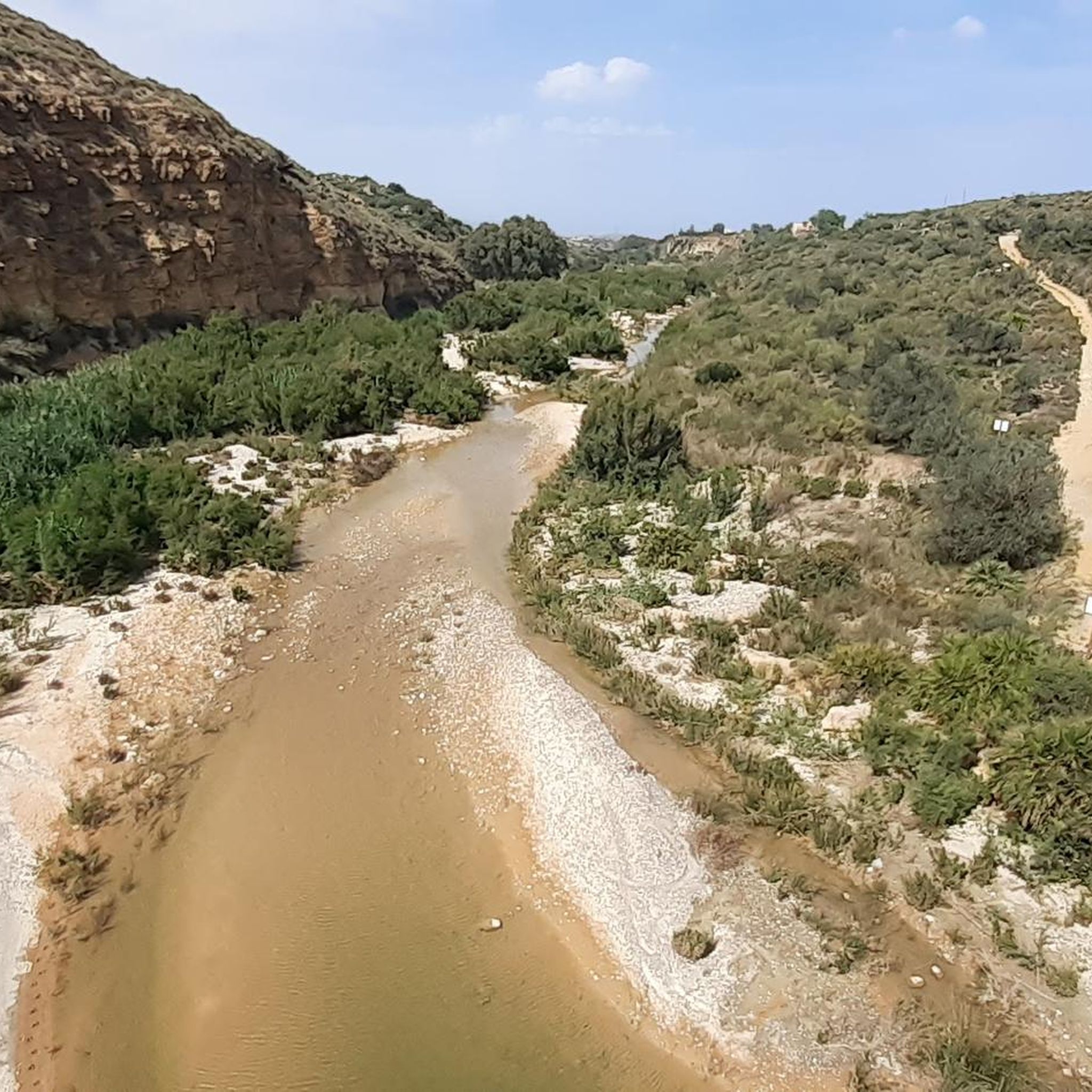
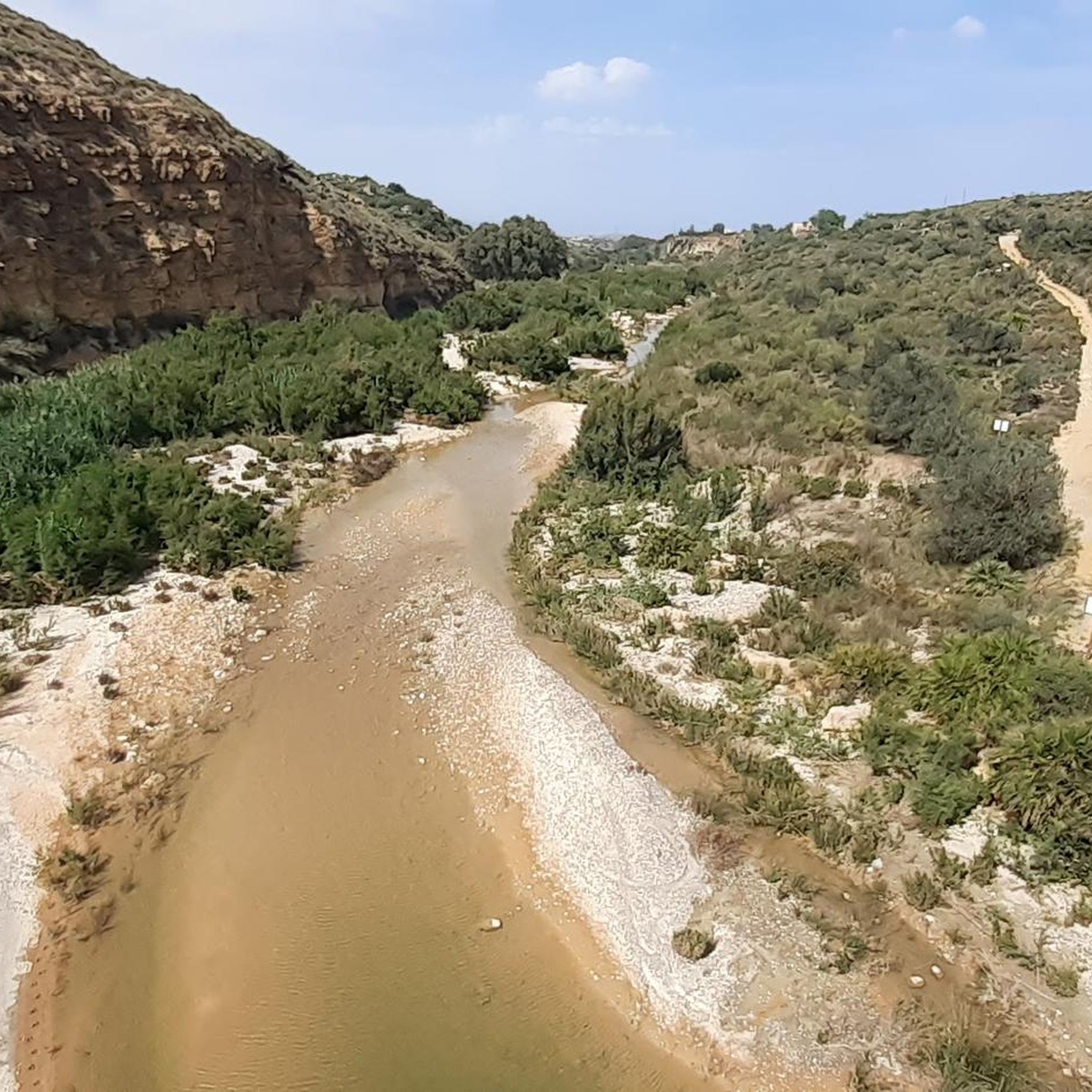
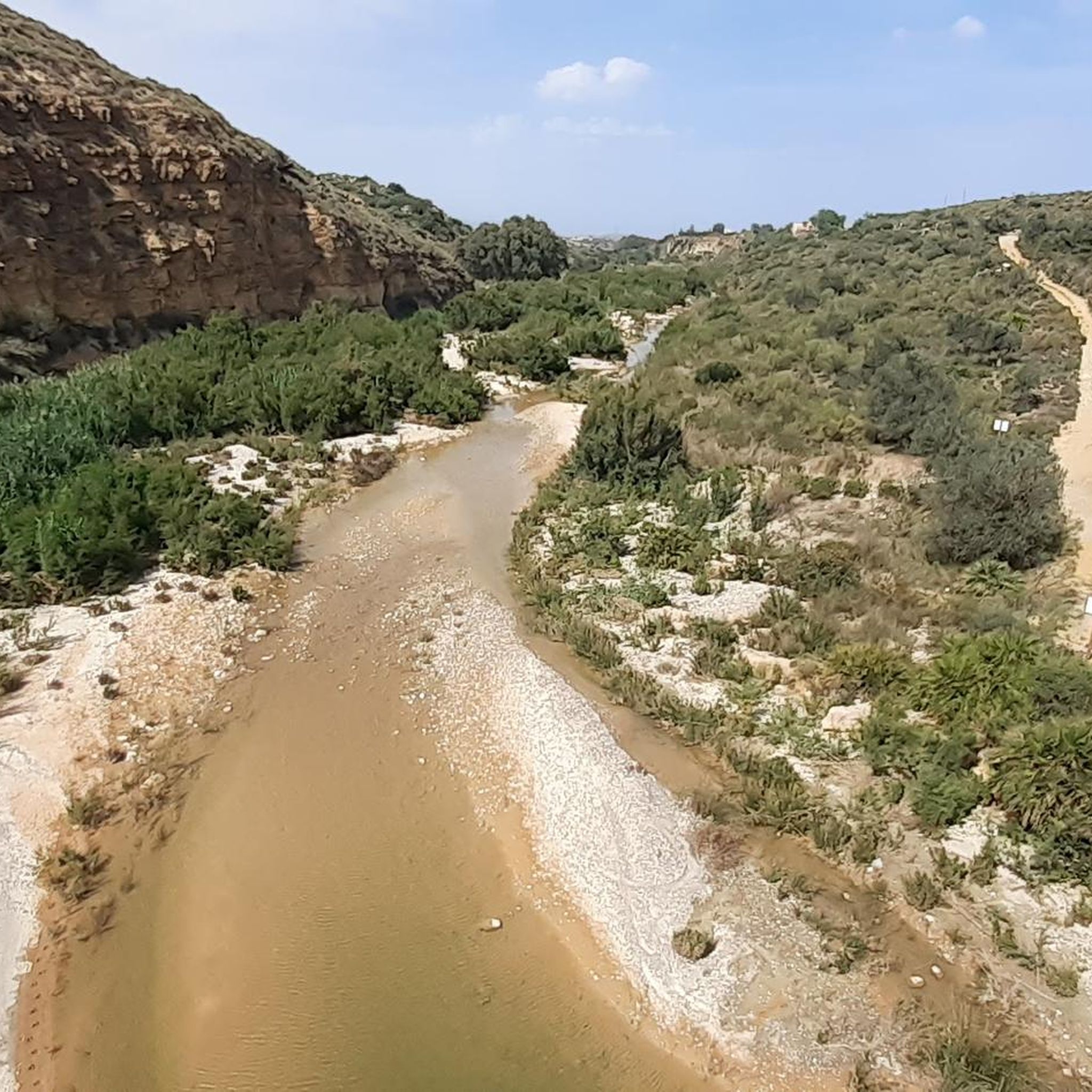
Río Aguas in Paraje Natural Karst en Yesos de Sorbas
Highlight • River
Translated by Google •
Tip by

Sign up now to discover places like this
Get recommendations on the best single tracks, peaks, & plenty of other exciting outdoor places.
Sign up for free
Salar de los Caños Wetland
Highlight • Lake
Translated by Google •
Tip by

The legend of the Nazareno stone.
Highlight • Natural Monument
Translated by Google •
Tip by
Fuente Mora of Mojácar
Highlight • Monument
Translated by Google •
Tip by
Sign up for free to discover even more natural monuments around Turre.
Sign up for free
Already have an account?
Start today with a free account
Your next adventure awaits.
Login or Signup

Tips from the Community

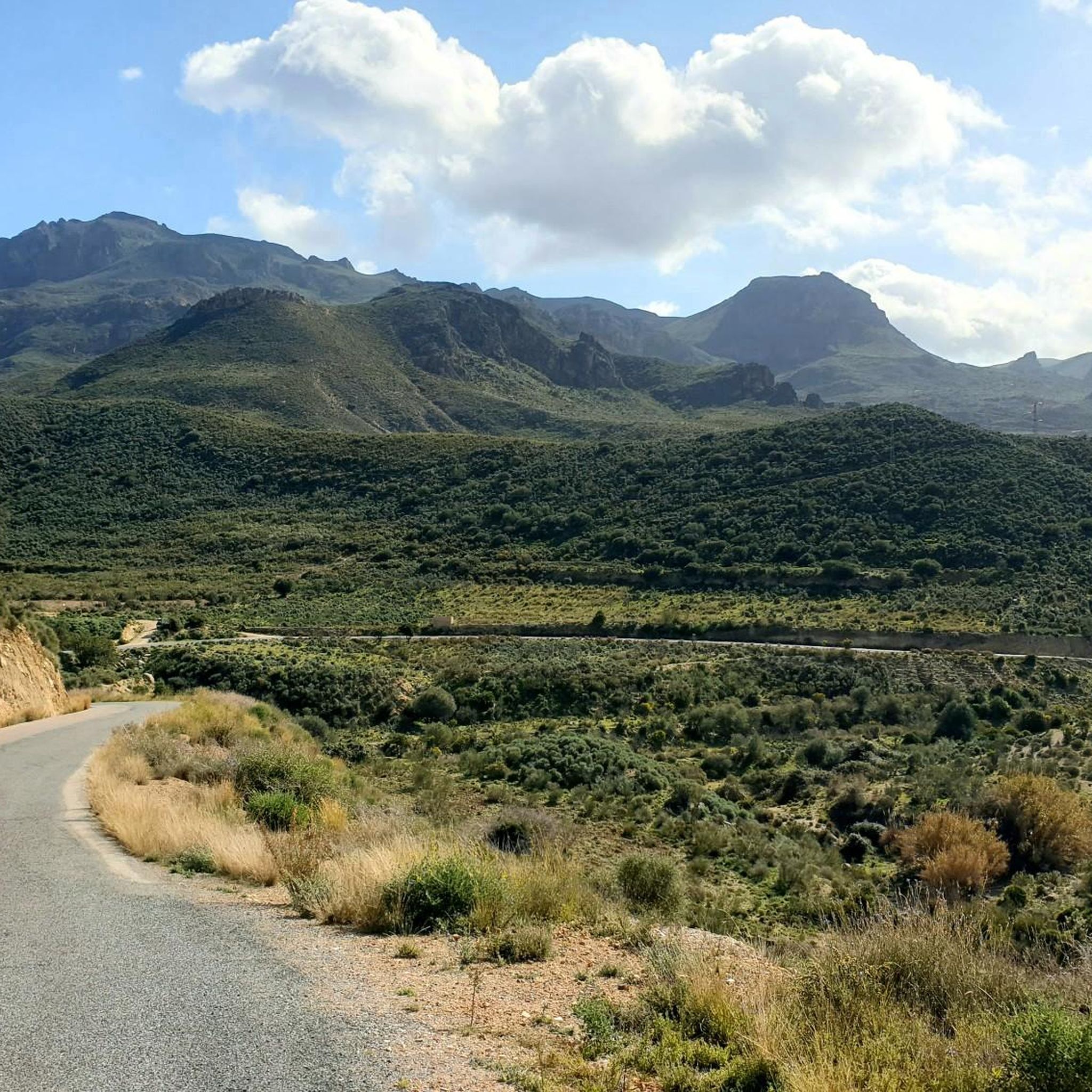
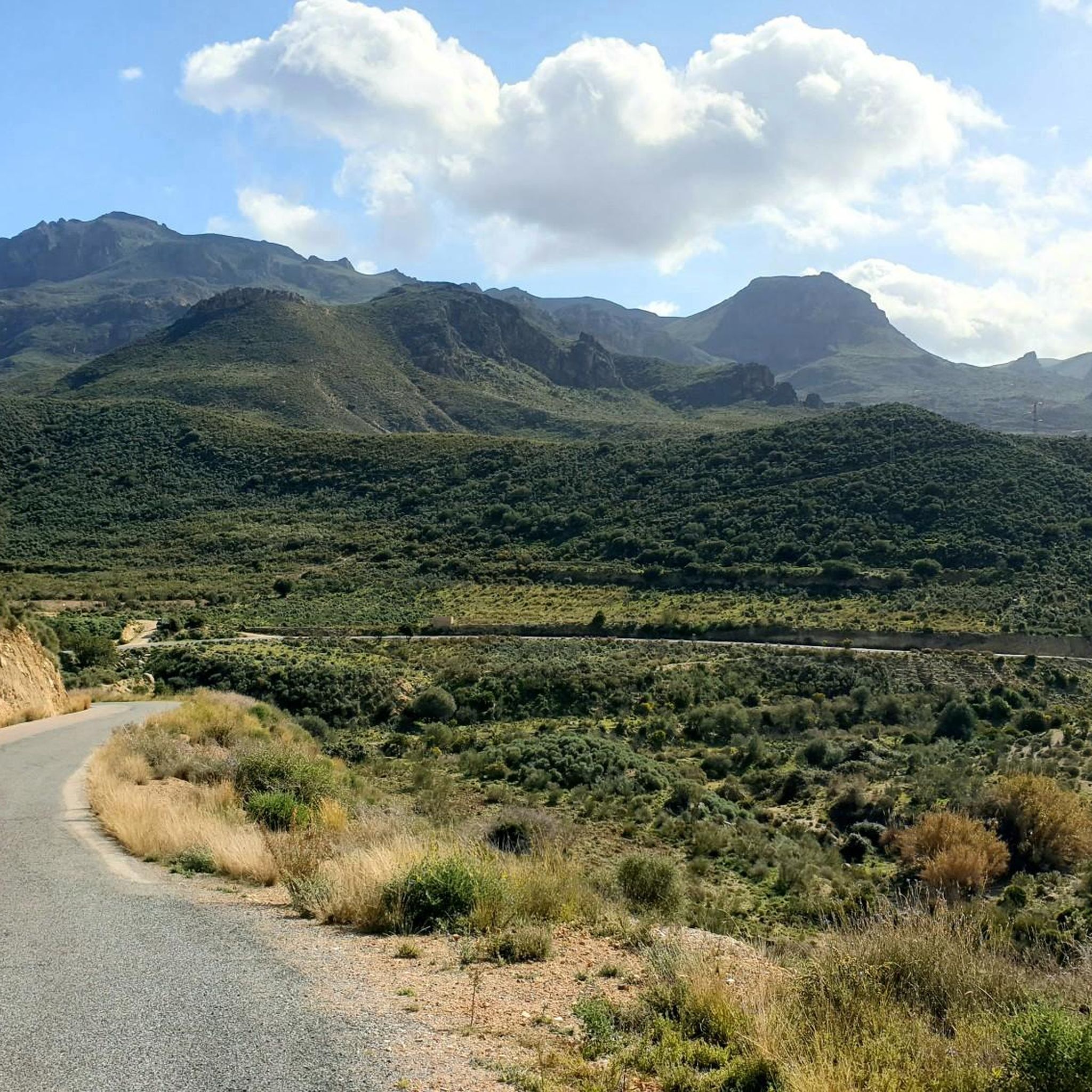
Great views from the Granatilla Pass
0
0

Spectacular views. But the best part was the descent on a well-paved road with some really fun curves.
0
0

An ideal place to enjoy views of the Mediterranean Sea lapping against the cliffs, the coast of the Cabo de Gata–Níjar Natural Park, and closer to home, the Rambla bridge.
1
0

The Salar de los Canos is a coastal wetland located in the municipality of Vera, in the province of Almería, Andalusia. This natural space is characterized by its high salinity and its biodiversity, especially in terms of birds. The salt flat has two lagoons and is an excellent place for bird watching, including species such as the common flamingo, the white-headed duck and the squacco heron. In addition, more than 150 species of birds have been documented in this environment. Access to the Salar de los Canos is easy, and you can park in the parking lot in front of the Consum Supermarket in Vera Playa. From there, you can explore the area on foot and enjoy the observatories available.
6
0

We tried the same hike. We started the loop in the opposite direction. The paths are barely recognizable, very steep and in some places they go over a gorge ridge: 30 cm wide. Very dangerous in windy conditions! The gradients are sometimes 30%, parts of the path are clayey. Very slippery and dangerous in rainy weather. You need very good shoes and hiking poles to hold on to. If you follow the Komoot instructions, you end up in the gorge. The path that Komoot shows often doesn't exist. The difficulty level of the path is high. Duration > 3 hours.
2
0
This natural space covers an area of approximately 57.38 hectares and is one of the most important ecosystems in the province. The salt flat is located near Vera beach and is known for its rich biodiversity. Among the birds that can be observed here are the white-headed duck, the marbled teal, the squacco heron, flamingos, grey herons, black-winged stilts and mallards. In addition, the salt flat is home to endangered species such as the Moorish tortoise. The surroundings of the Salar de los Canos are ideal for bird watching and nature photography, offering a unique and peaceful landscape.
3
0

Be sure to bring empty water bottles to fill up at will
0
0
Frequently Asked Questions
What are the primary natural monuments to explore around Turre?
The region around Turre is dominated by the Sierra Cabrera mountains, a unique natural area of volcanic origin known for its steep slopes, deep gorges, and diverse landscapes. Further afield, visitors can explore the dramatic coastal formations of the Cabo de Gata-Níjar Natural Park and the unique karst landscape of Río Aguas in Paraje Natural Karst en Yesos de Sorbas.
What kind of geological features can I expect to see in the natural monuments near Turre?
The Sierra Cabrera mountains, south of Turre, are characterized by their volcanic origin, resulting in an irregular profile of ridges, steep slopes, and deep gorges. You'll find a mix of siliceous and limestone materials. The Río Aguas in Paraje Natural Karst en Yesos de Sorbas offers a unique karst landscape formed by gypsum, with challenging paths through its gorges.
Are there good hiking opportunities near the natural monuments around Turre?
Yes, the Sierra Cabrera mountains are a paradise for hikers, offering numerous trails with spectacular panoramic views. For those seeking more challenging terrain, the area around Río Aguas in Paraje Natural Karst en Yesos de Sorbas provides demanding paths through gorges, requiring good footwear. You can find various routes for MTB, cycling, and gravel biking around Turre.
What are some notable viewpoints to visit in the area?
One of the most spectacular viewpoints is Views from the Granatilla viewpoint, which offers comprehensive panoramic vistas of the Cabo de Gata Natural Park. The Sierra Cabrera mountains also provide many trails with stunning views of the mountainous landscapes and the coast.
What kind of wildlife and vegetation can be observed in the natural monuments?
The Sierra Cabrera mountains boast diverse Mediterranean vegetation, including broom, thorn bushes, rockrose, rosemary, thyme, gorse, and esparto grass. You might spot species like Dwarf Fan Palm and Wild Olive. The area is home to wild boars, foxes, martens, badgers, and various raptors. The endangered Moorish Tortoise is also an important resident, and the rare orchid Limonium estevei can be found here. The Salar de los Caños Wetland is excellent for birdwatching, including flamingos and white-headed ducks.
Are there any family-friendly natural monuments or activities around Turre?
The Salar de los Caños Wetland is considered family-friendly and offers easy access for birdwatching. While many trails in the Sierra Cabrera are suitable for families, some paths, particularly around Río Aguas, can be challenging and are not recommended for young children or those without good footwear.
When is the best time to visit the natural monuments around Turre?
The Sierra Cabrera mountains receive more rainfall and marine humidity compared to other parts of eastern Almería, making it a 'green island.' Generally, spring and autumn offer pleasant temperatures for hiking and exploring. Winter can also be suitable for hikes, but some paths might be slippery in rainy conditions, especially in areas like Río Aguas.
What unique natural formations can be found near Turre?
Beyond the general geology of the Sierra Cabrera, you can discover The legend of the Nazareno stone, a curious finger-shaped rock formation near a historical mining area. The Río Aguas in Paraje Natural Karst en Yesos de Sorbas also features unique karst formations due to gypsum.
What do visitors enjoy most about the natural monuments in this region?
Visitors frequently praise the spectacular panoramic views, especially from spots like Granatilla viewpoint. The diverse ecosystems of the Sierra Cabrera are highly appreciated by nature lovers and birdwatchers. The unique geological features and the opportunity to explore traces of old settlements and mining activity also draw significant interest.
Are there any historical or cultural sites integrated with the natural monuments?
Yes, the Sierra Cabrera mountains contain historical remnants such as old irrigation ditches and abandoned terraces, speaking to its agricultural past, and traces of 19th-century mining activity. The area around The legend of the Nazareno stone also has a history of mining exploitation. Additionally, the Fuente Mora of Mojácar, while a man-made monument, is a historical site with natural springs vital to the town's history.
Can I find accessible natural monuments around Turre?
The Fuente Mora of Mojácar is noted as wheelchair accessible. While many natural areas involve uneven terrain, the Salar de los Caños Wetland offers easy access and observatories, making it a more accessible option for enjoying nature.
Most popular attractions around Turre

Get inspired with the komoot mobile app


Explore more
Extend your search for the best caves by checking out these guides of the top ones around Turre:
