Top 20 Natural Monuments around Valle De Mena
Best natural monuments around Valle De Mena offer a diverse natural landscape in the north of Burgos, Spain. The region features significant natural features including prominent summits, waterfalls, and reservoirs. This area is characterized by its ecological value, with Atlantic forests, unique oak stands, and rocky cliffs. The Valle De Mena provides extensive opportunities for exploring diverse ecosystems and geological features.
Best natural monuments around Valle De Mena
- The most popular natural monuments is Views of Pico del Fraile,…
Last updated: June 4, 2026
Views of Pico del Fraile
Highlight • Summit
Translated by Google •
Tip by

Zalama Summit
Highlight • Summit
Translated by Google •
Tip by

Sign up now to discover places like this
Get recommendations on the best single tracks, peaks, & plenty of other exciting outdoor places.
Sign up for free
Burgüeno Summit
Highlight • Summit
Translated by Google •
Tip by

Maroño Reservoir
Highlight • Lake
Translated by Google •
Tip by

Tologorri
Highlight • Summit
Translated by Google •
Tip by
Sign up for free to discover even more natural monuments around Valle De Mena.
Sign up for free
Already have an account?
Start today with a free account
Your next adventure awaits.
Login or Signup
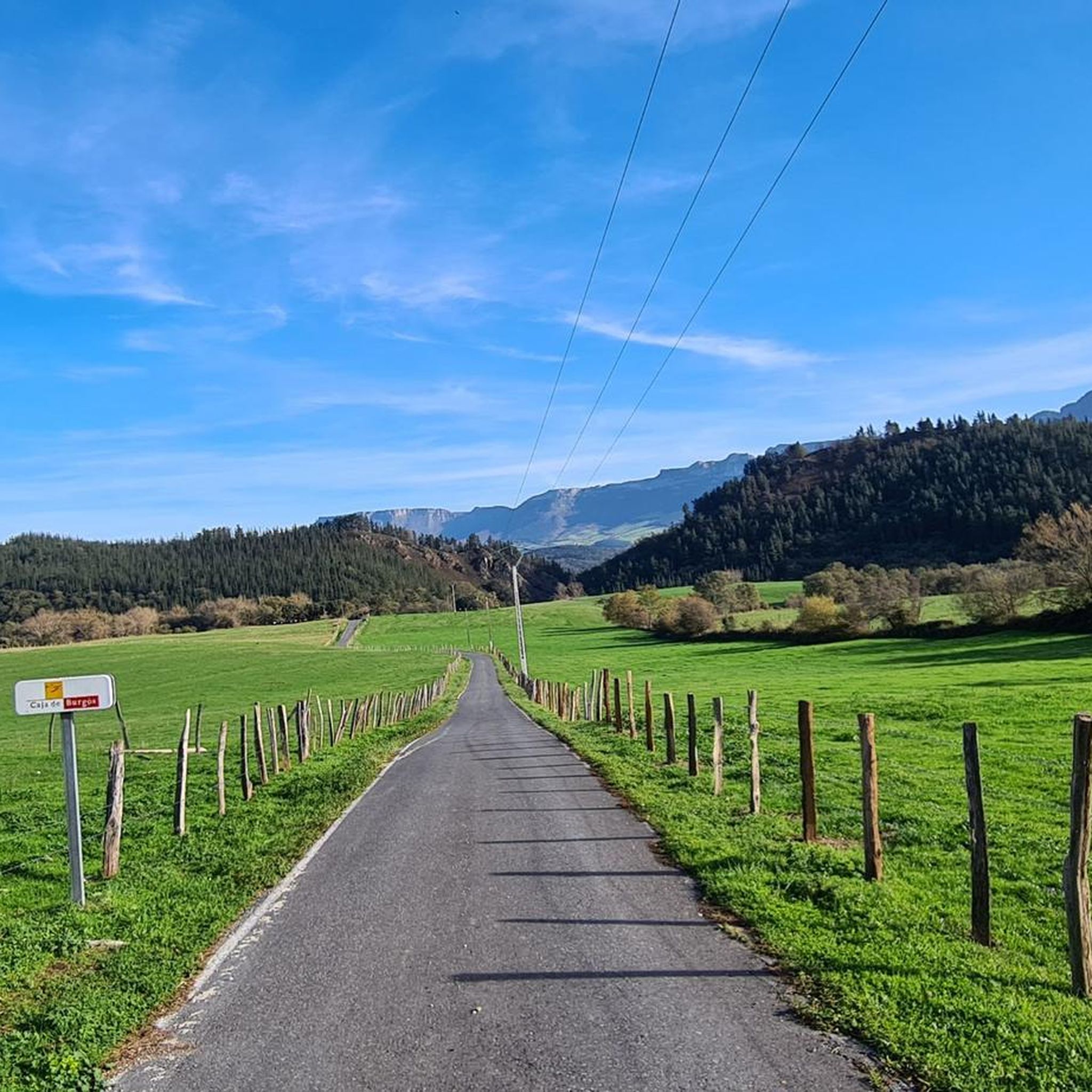
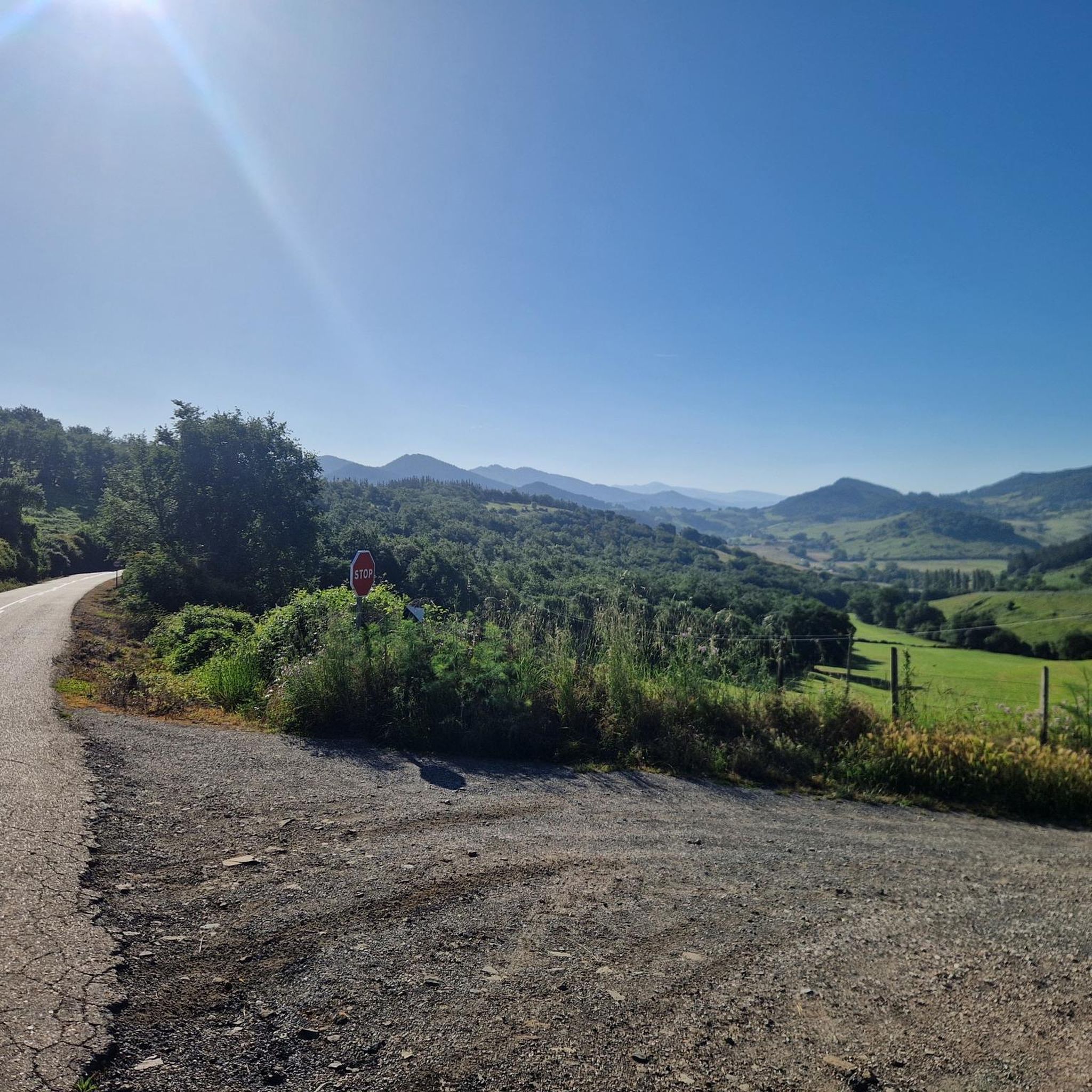

Other adventures around Valle De Mena

Tips from the Community

One of the emblematic mountains of the area.
1
0

Pico del Fraile (864 m) is a mountain in the Cordillera. There is a path to the top. The nearest mountain refuge is Refugio del Tolope, located 1,037 m/3,402 ft NNW from the summit.
3
0

This rocky peak is vertical on all its flanks, which makes it necessary to use leather straps during the ascent. It was first climbed in 1924 by Ángel Sopeña, precursor of climbing in the Basque Country. Its name comes from its resemblance to the figure of an abbot.
5
0

Spectacular reservoir surrounded by the Sierra Sálvada mountain range in the north of Álava. The dam is a popular place for fishing. In addition, the reservoir serves as a refuge for migratory birds. The surroundings of the dam allow you to enjoy a natural space made up of pine forests, oaks and shrubs.
1
0

Beautiful views from the Tologorri massif, belonging to the Sierra Salvada
1
0

To the right of the path appears the Pico del Fraile where it is a huge pinnacle that separates from the cliff and where it has a special shape. It's worth stopping to see.
0
0
This is one of the highest mountains of the Montes de Orduente on its western side and offers good views of all the lands that are on both sides of the mountain range.
0
0
Zalama is a mountain 1343 meters high. A few meters from the top there is a stone monolith where you can read: "Merindad de Montija, year 1886". At this point the borders of three provinces converge: Vizcaya, Burgos and Cantabria. Also close to the top is a peculiar and very scarce plant community today, the peat bog, a community of mosses and liverworts that takes root on a soil that is almost always flooded.
0
0
Frequently Asked Questions
What are some of the most notable natural monuments to visit in Valle de Mena?
Valle de Mena offers a diverse range of natural monuments. Among the most prominent are Views of Pico del Fraile, a challenging summit known for its impressive vistas, and Burgüeno Summit, one of the highest points in the Montes de Orduente with expansive views. Don't miss the serene Maroño Reservoir, which is surrounded by the Sierra Sálvada mountain range.
Are there any family-friendly natural monuments in Valle de Mena?
Yes, the Maroño Reservoir is a great family-friendly option. It's a beautiful natural space surrounded by pine and oak forests, offering opportunities for gentle walks and birdwatching. The area around the Source of the Cadagua River also provides a short, easy walk suitable for families.
What kind of natural features can I expect to see in Valle de Mena?
Valle de Mena boasts a rich variety of natural features. You'll find impressive summits like Zalama Summit, which marks the convergence of three provinces, and the emblematic Tologorri with its easy climb and stunning views. The region also features striking waterfalls like Peñaladros, the powerful Source of the Cadagua River, and diverse ecosystems including Atlantic forests, kermes oak stands, and wetlands.
Are there opportunities for hiking near the natural monuments?
Absolutely. The Valle de Mena is excellent for hiking. You can find various routes, from easy walks like the Nacimiento del Cadagua Trail to more challenging options such as the Mount Kolitza and Mount Burueño Loop. For more hiking ideas and detailed routes, explore the Hiking around Valle De Mena guide.
What unique geological features can be found in Valle de Mena?
The region is characterized by its colossal rocky cliffs, especially in the Montes de la Peña. Views of Pico del Fraile is a prime example, being a rocky peak with vertical flanks. Additionally, near Zalama Summit, you can find a unique and scarce peat bog community of mosses and liverworts.
Is Valle de Mena known for any historical natural sites?
Yes, near Irús, you can explore a well-preserved Roman road that leads towards Arceo. Following this path, you'll discover a series of small waterfalls formed by the Hijuela River, offering a unique blend of historical infrastructure and natural beauty amidst oak and holm oak forests.
What is the Peñaladros Waterfall and how accessible is it?
The Peñaladros Waterfall is a striking natural wonder located about 500 meters from Cozuela. It features a 13-meter drop and maintains water flow year-round. It's considered a well-kept secret and is easily accessible via a short walk, making it ideal for those seeking a less strenuous outdoor experience.
Can I go stargazing in Valle de Mena?
Yes, Valle de Mena is an exceptional location for stargazing. In 2010, it was recognized by UNESCO as Spain's first 'Star Park' (Parque Estelar) due to its minimal light pollution, offering unique opportunities for astronomy enthusiasts to enjoy the night sky.
What other outdoor activities are available besides hiking?
Beyond hiking, Valle de Mena offers opportunities for gravel biking and running. You can find various routes for these activities, such as the Ascent through trees and hills – Maroño Reservoir loop for gravel biking, or the Cuenca del Cadagua Trail for running. For more options, check out the Gravel biking around Valle De Mena guide and the Running Trails around Valle De Mena guide.
What is the best time to visit Valle de Mena for natural monuments?
The Valle de Mena is beautiful year-round, but spring and autumn offer particularly pleasant weather for exploring the natural monuments and hiking trails. After periods of rain, the Source of the Cadagua River and the Hijuela River waterfalls are especially vibrant. The diverse ecosystems, including Atlantic forests and wetlands, are lush and active during these seasons.
What kind of wildlife can I observe in Valle de Mena?
The Valle de Mena's rich ecological landscape supports a variety of wildlife. Its diverse habitats, including forests, wetlands, and rocky cliffs, host a rich variety of birdlife. The Maroño Reservoir, for instance, serves as a refuge for migratory birds.
Most popular routes around Valle De Mena
Most popular attractions around Valle De Mena

Get inspired with the komoot mobile app


Explore more
Extend your search for the best caves by checking out these guides of the top ones around Valle De Mena:
