Top 5 Natural Monuments around Valverde Del Camino
Best natural monuments around Valverde Del Camino include a variety of ecological sites and historical locations set within natural landscapes. The region in Huelva, Spain, features peri-urban parks with Mediterranean vegetation, ancient coniferous forests, and dykes that support diverse ecosystems. These areas offer opportunities for outdoor activities and provide insight into the area's natural and historical heritage. The landscape is characterized by gentle hills, pine and cork oak forests, and riverine environments.
Best natural monuments around Valverde Del Camino
- The…
Last updated: July 28, 2026
Dolmens of El Pozuelo
Highlight • Historical Site
Translated by Google •
Tip by

Calabazar Reservoir
Highlight • Lake
Translated by Google •
Tip by

Sign up now to discover places like this
Get recommendations on the best single tracks, peaks, & plenty of other exciting outdoor places.
Sign up for free
Odiel Mills Trail
Highlight (Segment) • Trail
Translated by Google •
Tip by
Calañas
Highlight • Settlement
Ancient Origins: It was a mining enclave …
Translated by Google •
Tip by
Dolmens of Los Gabrieles
Highlight (Segment) • Historical Site
Translated by Google •
Tip by
Start today with a free account
Your next adventure awaits.
Login or Signup
Tips from the Community

Part of the route runs alongside the river, and due to recent rains, the paths and trails have disappeared. There are sections where it's impossible to know where to walk, and some are even dangerous because of the dense vegetation washed down by the river.
1
0

Places of Interest Church of Santa María de Gracia: Late Gothic with Renaissance elements (16th–17th centuries). Hermitage of Nuestra Señora de la Coronada: Built on a Roman necropolis, a center of local devotion. El Morante: A natural viewpoint with Roman remains. Odiel Mills Route: Hiking trails among old flour mills and riverside landscapes. Paseo El Real: A green area along the Odiel River, ideal for relaxing. Fuente García and La Torerera: Charming and refreshing spots.
1
0
Calañas, in the province of Huelva, is a town with a rich mining history, a privileged natural environment, and a deeply rooted culture. Ancient Origins: It was a mining enclave from the Tartessian and Roman periods, with finds at "El Morante" including amphorae, tombstones, and coins. Middle Ages: Under Muslim, then Christian, rule, it passed to the Guzmán family. Livestock farming was the main activity. 19th Century: Mining revived (pyrite, copper, iron, manganese), and the railway arrived in 1886. Calañas reached 12,000 inhabitants in 1910. 20th Century: The closure of mines and subsistence farming led to depopulation. Today, it seeks to revitalize itself through tourism and culture.
1
0
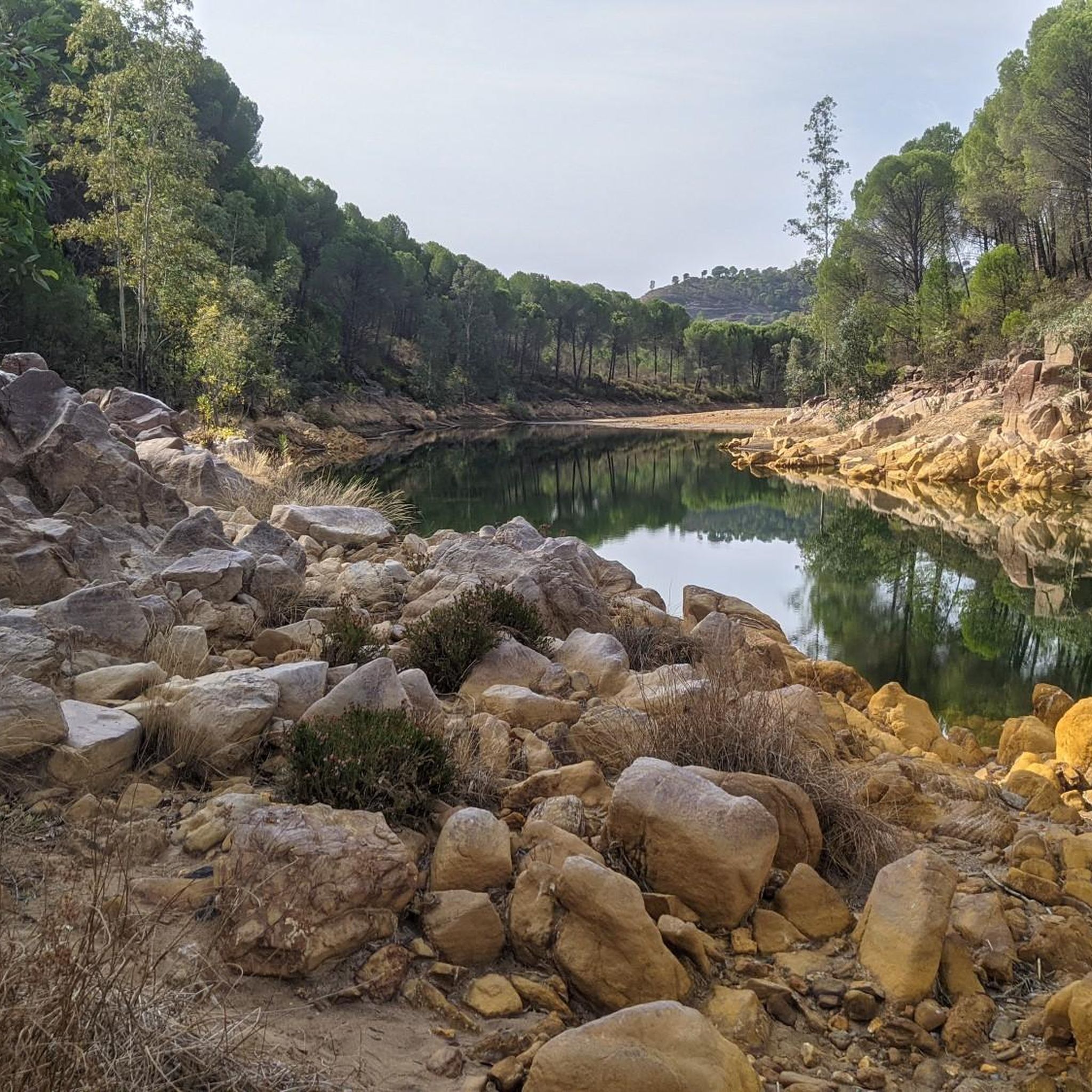
The route offers a unique experience, combining the tranquility of the natural environment with the opportunity to explore the history of the region. Hikers can enjoy the lush vegetation, diverse fauna and picturesque landscapes along the way.
2
0

One of the most populated areas of archaeological sites in Zalamea La Real. This site was excavated in the middle of the 20th century and was dated between 3000 and 2500 BC. c.
3
0
Nice and easy forest track that runs through the Gabrieles dolmens. These funerary vestiges are dated from the Bronze Age near the urban center of the town of Valverde del Camino.
2
0
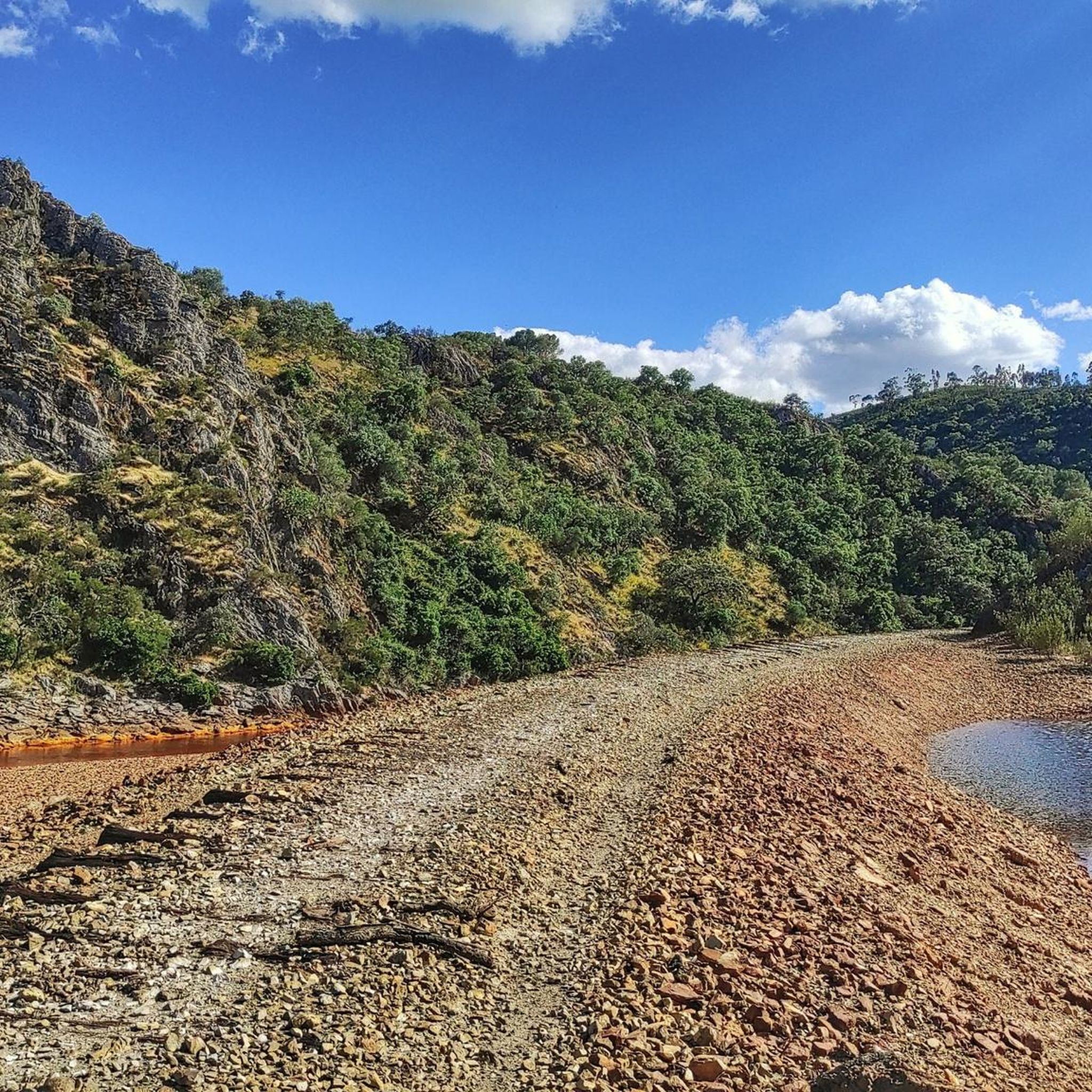
Path along the banks of the Odiel river where you can discover part of the historical and natural heritage such as the old flour mills that used water as the driving force of the Odiel. We can also see arched bridges from the 19th century, most of them in ruins, and a long etcetera highly recommended.
2
0

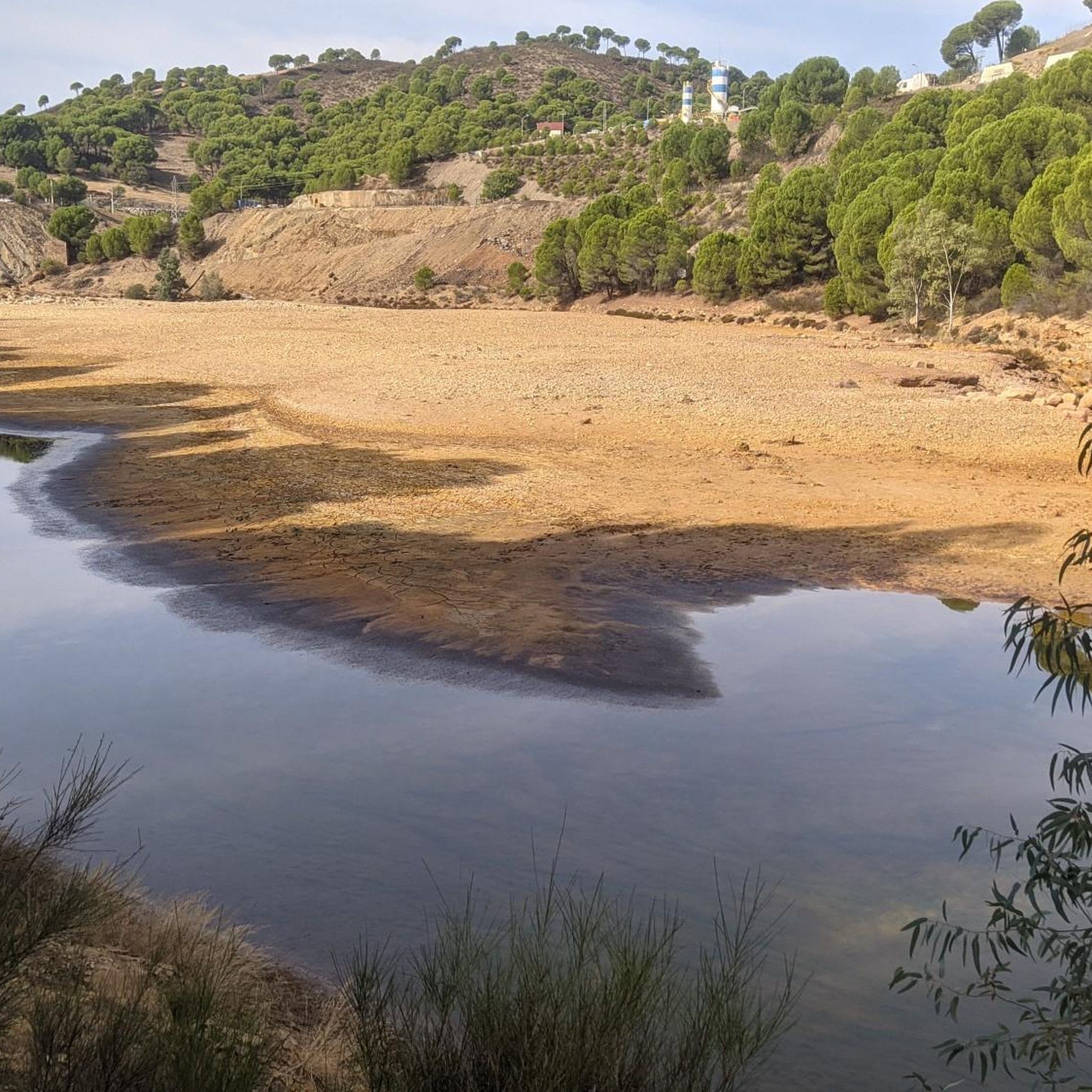
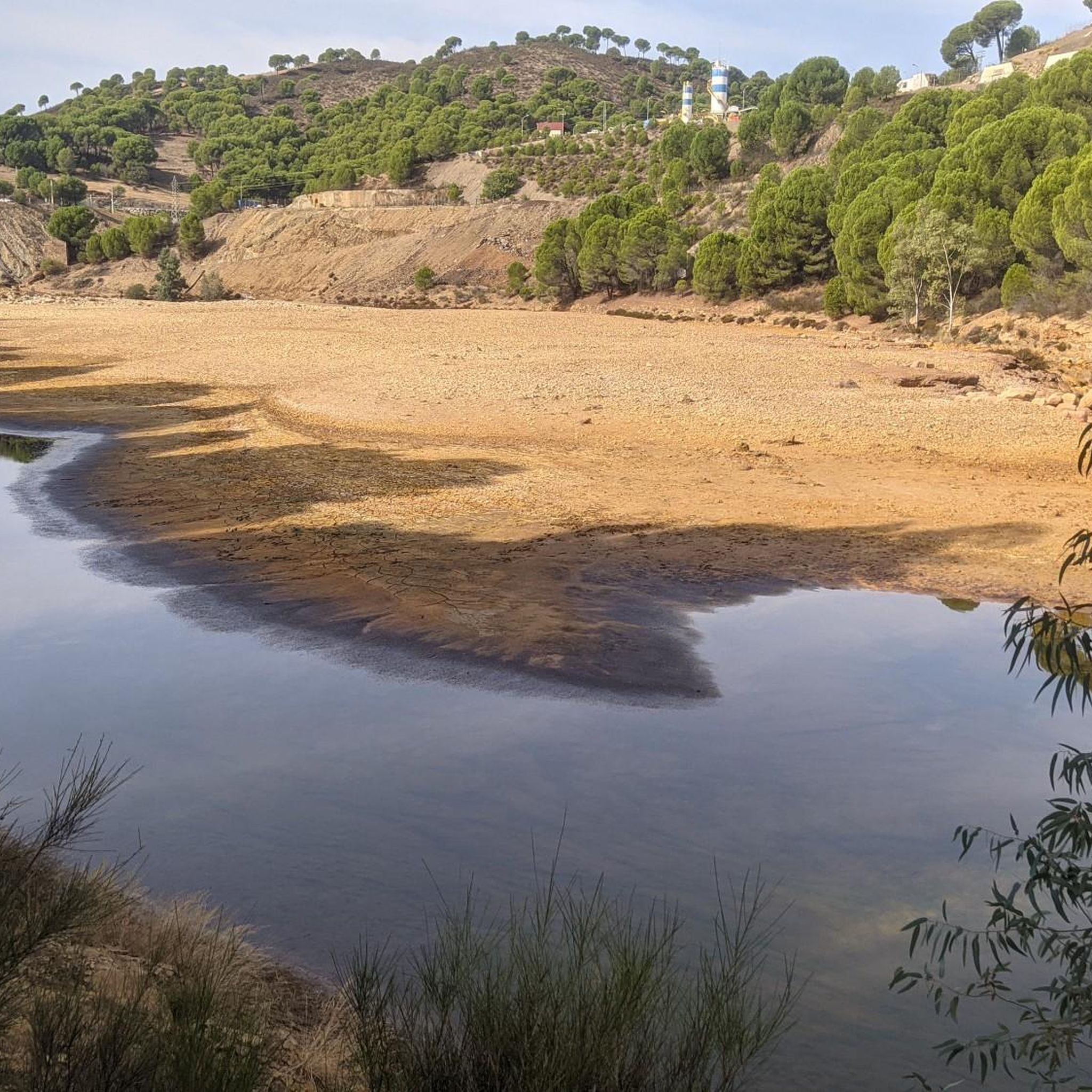
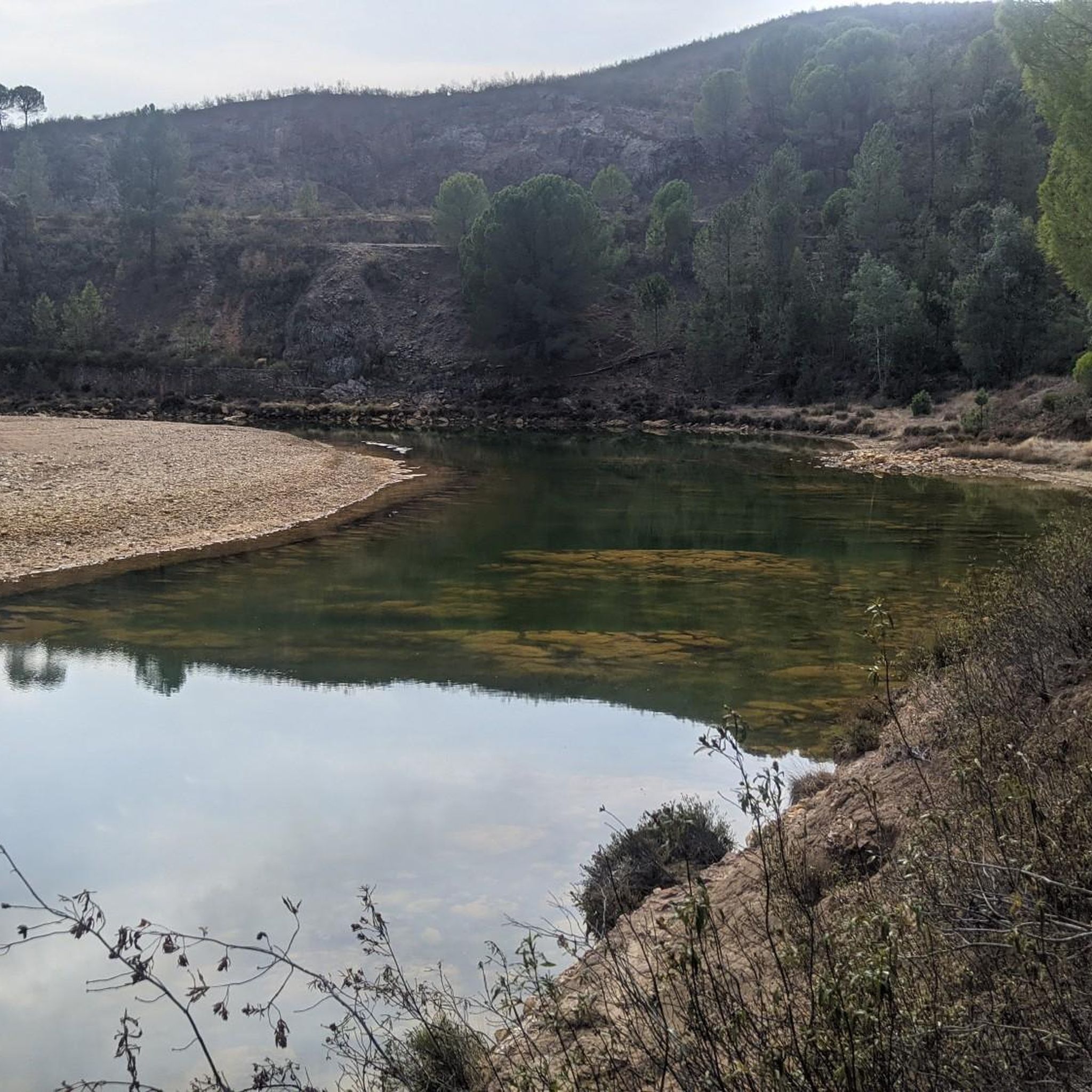
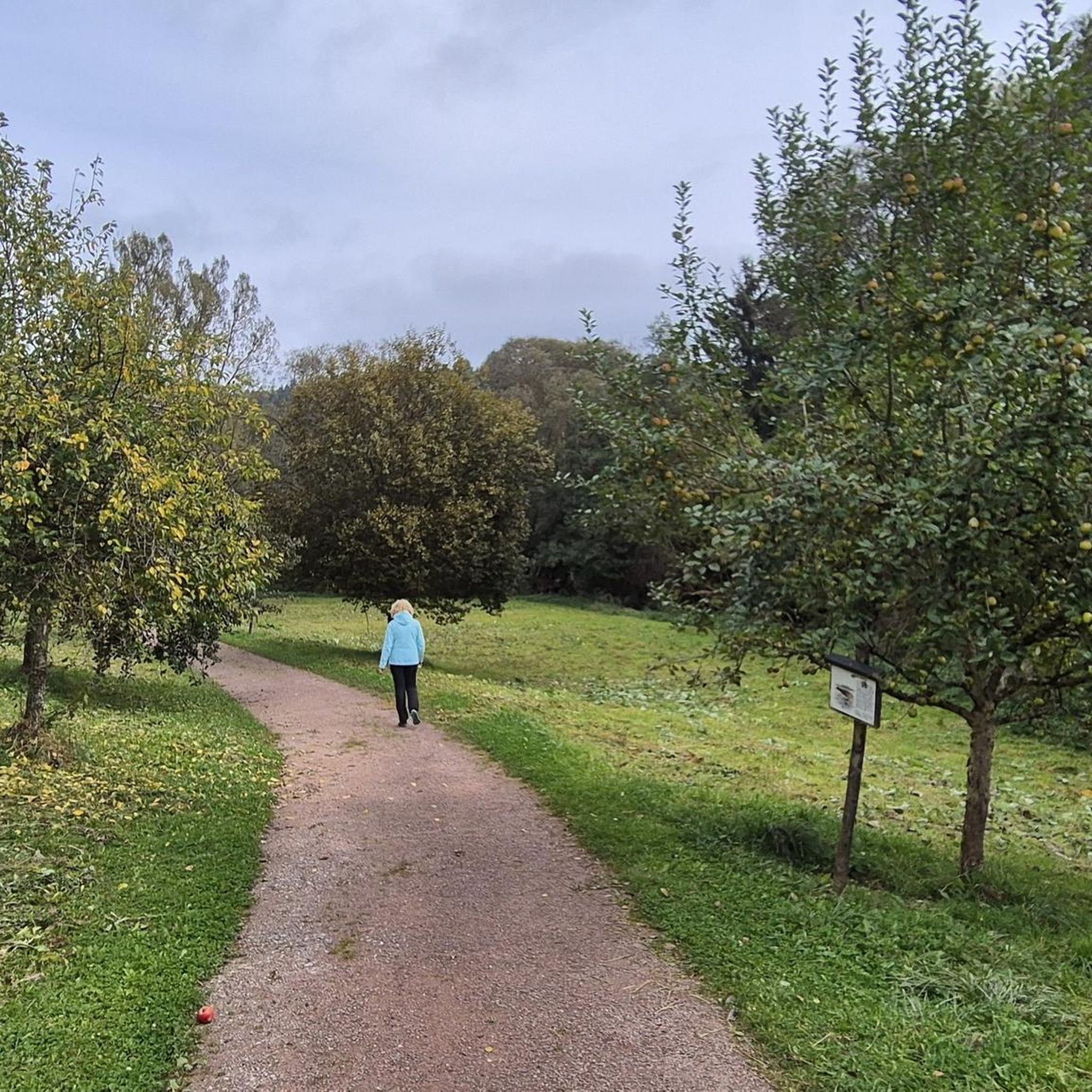
Charming area among pine forests, totally recommended if you like nature and tranquility. Very visited by tourists.
1
0
Frequently Asked Questions
What unique natural and historical sites can I explore around Valverde Del Camino?
Beyond the well-known spots, you can discover a blend of natural beauty and ancient history. The Dolmens of El Pozuelo offer a fascinating glimpse into the Bronze Age with archaeological sites dating back to 3000-2500 BC. For a scenic walk combining nature and heritage, the Odiel Mills Trail follows the river, revealing old flour mills and 19th-century arched bridges amidst lush vegetation.
Are there any natural monuments suitable for families with children?
Yes, several areas are great for families. The Calabazar Reservoir is a tranquil spot surrounded by picturesque pine forests, offering a quiet escape to connect with nature. While bathing and camping are not permitted, it's ideal for a peaceful stroll. Additionally, the Dolmens of Los Gabrieles feature an easy forest track leading to Bronze Age funerary vestiges, making for an accessible and educational outing near Valverde del Camino.
What kind of outdoor activities can I do near the natural monuments?
The region around Valverde Del Camino is excellent for various outdoor activities. You can find numerous routes for running, road cycling, and gravel biking. For example, there are running loops like the 'Río Odiel – running circular on the Vía Verde del Camino' and road cycling routes such as the 'Valverde del Camino, Calañas, and Zalamea la Real Loop'. Explore more options on the Running Trails around Valverde Del Camino, Road Cycling Routes around Valverde Del Camino, and Gravel biking around Valverde Del Camino guide pages.
Where can I experience the local flora and fauna?
For an immersive experience with local flora and fauna, visit the Parque Periurbano El Saltillo y Lomero Llano. This park, located between Beas and Valverde del Camino, features typical Mediterranean vegetation including holm oaks, cork oaks, and stone pines. It's a haven for birdwatchers, where you might hear the robin's song or spot Eurasian magpies and hoopoes. The Odiel Mills Trail also offers lush vegetation and diverse fauna along the riverbanks.
Are there any natural areas with historical significance related to mining?
Yes, the region has a rich mining history that intertwines with its natural landscapes. The town of Calañas, for instance, has ancient origins as a mining enclave from Tartessian and Roman periods, with archaeological remains to prove it. The Vía Verde of the Odiel River, a 36 km railway footpath, allows visitors to explore varied natural landscapes while tracing the path of former mining infrastructure.
What are some lesser-known natural spots or 'hidden gems' in the area?
Beyond the main highlights, the Dique de Campanario, southwest of Valverde del Camino, offers a pleasant 10-kilometer walk alongside its deep waters and lush vegetation, supporting rich fauna. Another tranquil spot is the Dique de los Silillos, which serves as a drinking water supply and is popular for fishing, with scenic views of local ecosystems along the road leading to it.
Can I find easy hiking trails suitable for beginners?
Yes, there are options for easier walks. The Dolmens of Los Gabrieles features an easy forest track, perfect for a gentle stroll. Additionally, the Parque Periurbano El Saltillo y Lomero Llano provides access to several routes suitable for walking, including the Water Mills route, which are generally less strenuous and ideal for beginners.
What kind of trees and forests can I expect to see?
The region boasts diverse forest types. The Parque Periurbano El Saltillo y Lomero Llano features typical Mediterranean vegetation with holm oaks, cork oaks, and stone pines. To the south of Valverde del Camino, there's also a significant area of ancient coniferous trees recognized for its extraordinary environmental value. The Calabazar Reservoir is also surrounded by picturesque pine forests.
Is there any specific natural monument that offers a quiet escape from crowds?
The Calabazar Reservoir is particularly noted for being a quiet and less crowded spot. Visitors describe it as an ideal escape to connect with nature, despite not being authorized for bathing or camping. Its serene atmosphere among pine forests makes it perfect for tranquility.
What is the best way to explore the natural monuments and surrounding areas?
Exploring by foot or bike is highly recommended to fully appreciate the natural monuments and their surroundings. Many areas, like the Parque Periurbano El Saltillo y Lomero Llano, offer routes for walking, horseback riding, or cycling. The Vía Verde of the Odiel River is also a popular railway footpath for exploring varied landscapes. For specific routes, check the komoot guide pages for running, road cycling, and gravel biking.
Are there any natural monuments that combine natural beauty with cultural elements?
Absolutely. The Odiel Mills Trail is a prime example, where you can discover historical flour mills and ancient bridges set against a backdrop of lush riverine landscapes. Similarly, within the area of ancient coniferous trees, you can find the Chapel of Las Cuartas, adding a cultural element to the natural environment.
Most popular routes around Valverde Del Camino
Most popular attractions around Valverde Del Camino

Get inspired with the komoot mobile app


Explore more
Extend your search for the best caves by checking out these guides of the top ones around Valverde Del Camino:
