Top 9 Natural Monuments around Peñascosa
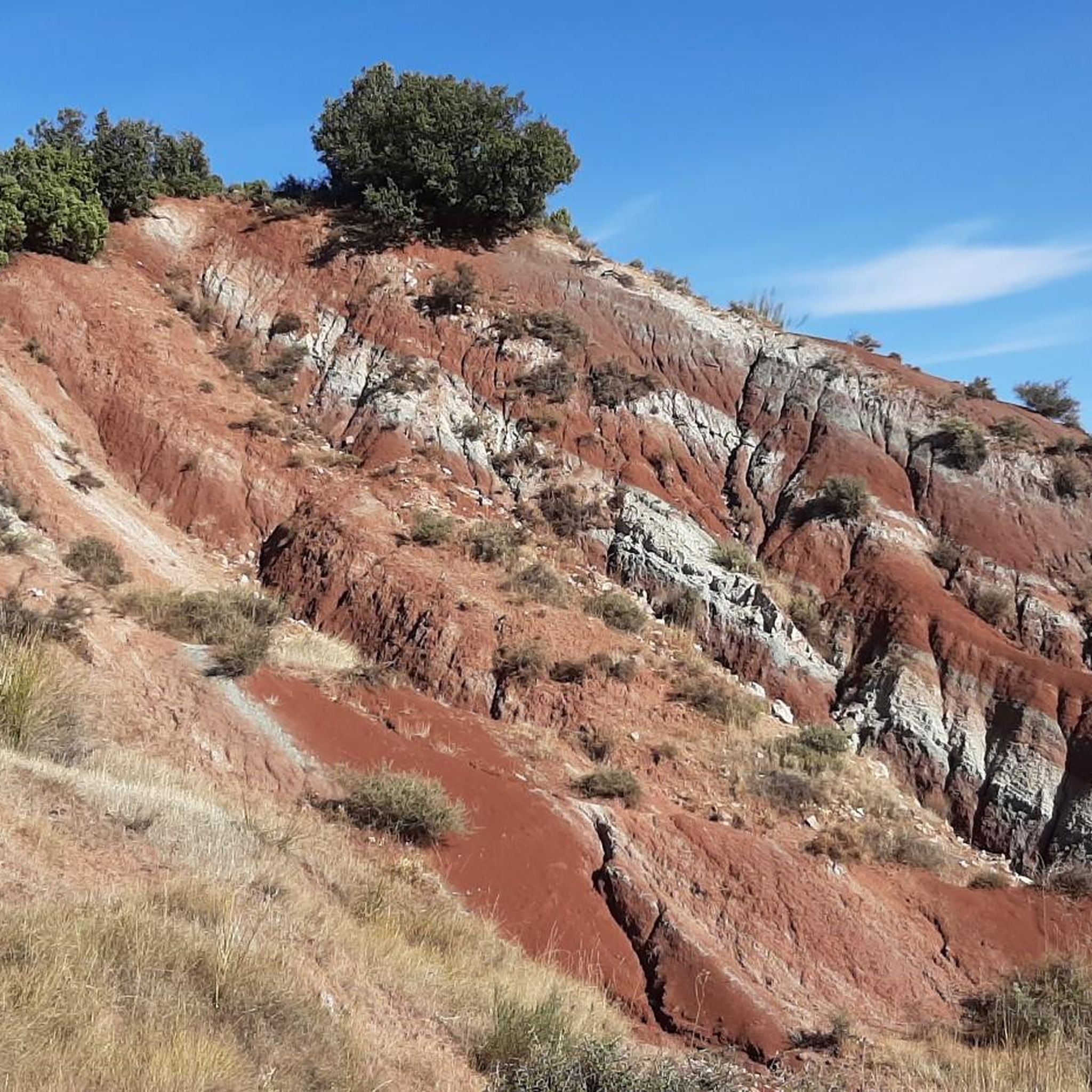
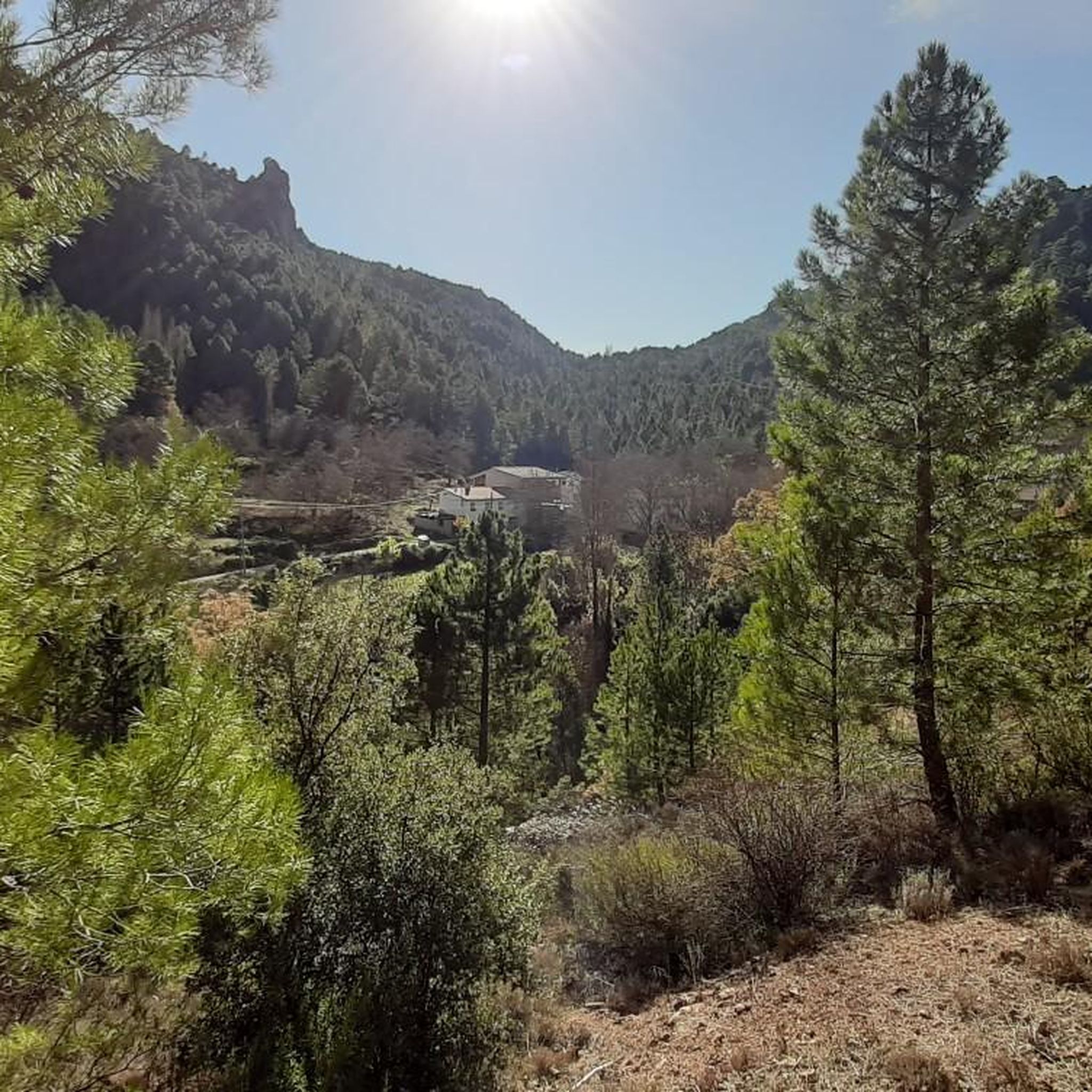
Best natural monuments around Peñascosa are found within the Sierra de Alcaraz, a region characterized by mountainous terrain, diverse forests, and unique geological formations. This area offers a rich ecological and scenic environment. It encompasses over 12,000 hectares of public utility forests and special protection areas. The geomorfology, with rocky outcrops, ravines, and river courses, provides varied natural features.
Best natural monuments around Peñascosa
- The most popular natural monuments is Batán Waterfall, a waterfall that is approximately 10 meters…
Last updated: June 4, 2026
Almenara Peak
Highlight • Summit
Translated by Google •
Tip by

Batán Waterfall
Highlight • Waterfall
Translated by Google •
Tip by

Sign up now to discover places like this
Get recommendations on the best single tracks, peaks, & plenty of other exciting outdoor places.
Sign up for free
Pino Gordo del Toril
Highlight • Natural Monument
Translated by Google •
Tip by
Laguna del Arquillo
Highlight • Lake
Translated by Google •
Tip by

Cascada de los Batanes
Highlight • Waterfall
Translated by Google •
Tip by
Sign up for free to discover even more natural monuments around Peñascosa.
Sign up for free
Already have an account?
Start today with a free account
Your next adventure awaits.
Login or Signup

Tips from the Community

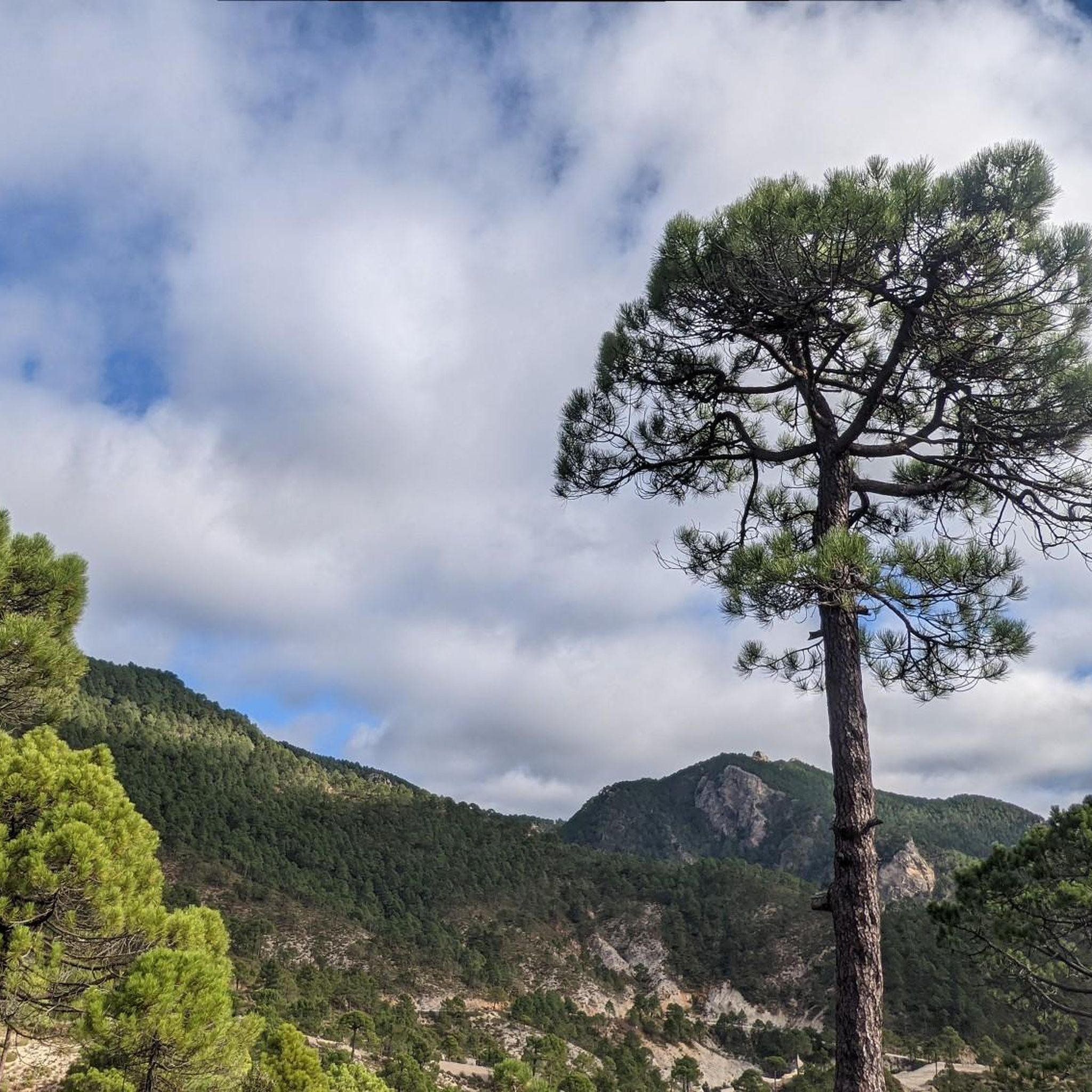
The Sierra de Alcaraz is part of the pre-Betic system, a subdivision of the Betic mountain ranges. The predominant vegetation includes reforested pine forests between 1,000 and 1,600 metres, and low scrub near the summit. The most common ascent route is along the south face, starting from the Pino de los Muchachos spring. Although it is not a difficult mountain to access, the climb requires some physical preparation.
5
0

The waterfall is located 150 m from the road and parking area, going south. The waterfall is about 25 meters high and is especially impressive after the rainy season. It's worth a stop.
1
0

It is located at one of the ends of the Sculpture Route. You can cross the stream over the wooden bridge and continue a few meters along the narrow path to the pool decorated by the beautiful waterfall. On the hottest days, you can cool off in its crystal clear waters.
0
0

The waterfall has a height of about 25 meters and is especially impressive after a rainy season.
1
0
With a height of more than 35 meters and a trunk diameter of more than 3 meters, it is one of the largest trees in the area. It is over 400 years old and is protected as a natural monument, due to its uniqueness and its importance in the local ecosystem.
1
0
With a height of 1,695 meters above sea level, it is the highest peak in this mountain range. From the top, you can see the Sierra de Segura, the Lagunas de Ruidera and the Picos de Urbión, among other places.
2
0
A spectacular waterfall located in the Bogarra river. It has a height of about 10 meters. It is located in an impressive natural environment, surrounded by pine and holm oak forests, and is one of the most popular tourist attractions in the region, especially in summer.
2
0
The lagoon is of karstic origin and has an area of about 25 hectares. It is an important wetland that is home to numerous species of migratory and aquatic birds, such as ducks, herons and coots. It is also an important habitat for reptiles and amphibians, such as the water snake and natterjack toad. On the banks there are some recreational areas with tables, benches and barbecues where you can enjoy a picnic. There is also a bird observatory.
1
0
Frequently Asked Questions
What unique natural features can I discover in Peñascosa?
Peñascosa is rich in diverse natural features. You can explore significant geological formations like the karstic Laguna del Arquillo, which is an important wetland for migratory birds. The region also boasts impressive summits such as Almenara Peak, offering panoramic views, and the spectacular Batán Waterfall, nestled in pine and holm oak forests.
Are there family-friendly natural monuments around Peñascosa?
Yes, several natural monuments in Peñascosa are suitable for families. The Batán Waterfall is a popular spot, offering an easy approach to a beautiful 10-meter waterfall. Laguna del Arquillo is another excellent choice, with recreational areas and a bird observatory, perfect for a relaxed outing. Additionally, the ancient Pino Gordo del Toril, a protected 400-year-old pine, offers an engaging stop along forest trails.
What outdoor activities can I do near Peñascosa's natural monuments?
The area around Peñascosa's natural monuments is ideal for various outdoor activities. You can find numerous trails for hiking, running, and cycling. For instance, there are several running routes, such as the 'Robledo - Sierra de Alcaraz Greenway Loop', and cycling routes like the 'Monumento Natural Laguna del Arquillo from the Santuario Virgen de Cortes'. You can explore more options on the Running Trails around Peñascosa or Cycling around Peñascosa guide pages.
What kind of wildlife and flora can I expect to see in Peñascosa?
Peñascosa is a haven for diverse wildlife and flora. The region's public utility forests and special protection areas host a rich variety of plant life, including wild orchids and natural hollies. For fauna, you might spot protected species of raptors like the royal eagle and imperial eagle. Wetlands like Laguna del Arquillo are crucial habitats for numerous migratory and aquatic birds, reptiles, and amphibians, including water snakes and natterjack toads.
Are there any unique trees or geological formations in Peñascosa?
Yes, Peñascosa is particularly known for its 'Árboles Singulares' (Singular Trees). The most famous is the Pino del Roble, a rare example of plant symbiosis where a pine grew within an ancient oak. Other notable trees include the Carrasca de la Centella and Pino Calixto, integrated into an emblematic 'Route of the Singular Trees'. Geologically, the region features distinct rocky outcrops, ravines, and river courses, contributing to its unique landscape.
Where are the best viewpoints to enjoy the landscapes of Peñascosa?
For breathtaking panoramic views, Almenara Peak is highly recommended. From its 1796-meter summit, you can see the Sierra de Segura, the Lagunas de Ruidera, and the Picos de Urbión. Another excellent spot is the Spring and Views from the Base of Pico Almenara, which offers incredible vistas of the highest peak in the mountain range.
What is the best season to visit the natural monuments in Peñascosa?
The natural monuments in Peñascosa can be enjoyed year-round, with each season offering a different charm. Spring brings vibrant flora and pleasant temperatures for hiking. Summer is popular for visiting the Batán Waterfall where you can cool off in its crystal clear waters. Autumn showcases beautiful fall foliage, while winter offers a serene, often snow-dusted landscape, especially at higher elevations like Almenara Peak. The Laguna del Arquillo is recommended at any time of the year for birdwatching.
Are there challenging hikes for experienced adventurers?
Yes, the mountainous terrain of Peñascosa offers challenging hikes for experienced adventurers. While Almenara Peak is not considered difficult to access, its ascent requires some physical preparation. The region's geomorfology, with rocky outcrops and ravines, provides numerous trails that can be demanding. You can find difficult-grade routes for running and cycling, such as the 'Río Madera – Batán del Puerto loop' for running or the 'Tunnels – Castilico de Alcaraz Tunnel loop' for gravel biking, detailed in the Running Trails around Peñascosa and Gravel biking around Peñascosa guides.
What do visitors enjoy most about Peñascosa's natural monuments?
Visitors particularly appreciate the exceptional ecological value and stunning landscapes. The tranquility of the forests, the opportunity for bird watching, and landscape photography are frequently highlighted. The diverse range of natural features, from the impressive Batán Waterfall to the panoramic views from Almenara Peak, provides a complete experience for those looking to connect with nature.
Are the trails around Peñascosa's natural monuments dog-friendly?
While specific regulations for each natural monument may vary, many outdoor trails in natural areas like Peñascosa are generally dog-friendly, especially if dogs are kept on a leash. It's always advisable to check local signage or official park websites for the most current rules regarding pets in protected areas to ensure a pleasant and responsible visit for everyone.
Where can I find parking and trailheads for these natural monuments?
Parking and trailheads are typically available near the main access points for popular natural monuments. For instance, the most common ascent route for Almenara Peak starts from the Pino de los Muchachos spring, where parking facilities are usually present. For the Batán Waterfall, access points often have designated parking. It is recommended to consult detailed route descriptions on komoot or local tourist information for specific trailhead locations and parking availability for each monument.
Are there any lesser-known natural monuments worth exploring in Peñascosa?
Beyond the most popular sites, Peñascosa offers other natural monuments like La Molata and La Muela, which contribute to the region's diverse landscape and are part of a nature reserve with hiking trails. These areas provide a chance to experience the region's beauty away from more crowded spots, offering unique geological formations and serene natural environments.
Most popular attractions around Peñascosa

Get inspired with the komoot mobile app


Explore more
Extend your search for the best caves by checking out these guides of the top ones around Peñascosa:
