Top 20 Natural Monuments around Lezo
Best natural monuments around Lezo are situated in the Basque Country of Spain, offering diverse landscapes and experiences. The region features prominent mountain ranges, ancient geological formations, and ecologically valuable wetland environments. These natural areas provide opportunities to explore varied terrain, from rugged cliffs to dense forests and coastal ecosystems. Lezo's surroundings are characterized by significant natural landmarks that showcase the area's geological and ecological importance.
Best natural monuments around Lezo
- The most popular natural monuments is View from Monte…
Last updated: June 4, 2026
Jaizkibel Summit
Highlight • Summit
Translated by Google •
Tip by

Peine del Viento
Highlight • Monument
Translated by Google •
Tip by

Sign up now to discover places like this
Get recommendations on the best single tracks, peaks, & plenty of other exciting outdoor places.
Sign up for free
Aitzondo Waterfall
Highlight • Waterfall
Translated by Google •
Tip by

View from Monte Urgull
Highlight • Viewpoint
Translated by Google •
Tip by

Sandstone Cliff with Fossil Formations
Highlight • Natural Monument
Translated by Google •
Tip by

Sign up for free to discover even more natural monuments around Lezo.
Sign up for free
Already have an account?
Start today with a free account
Your next adventure awaits.
Login or Signup


Tips from the Community

Access to the foot of the waterfall is dangerous and from the path, you can't see much ☹️
0
0

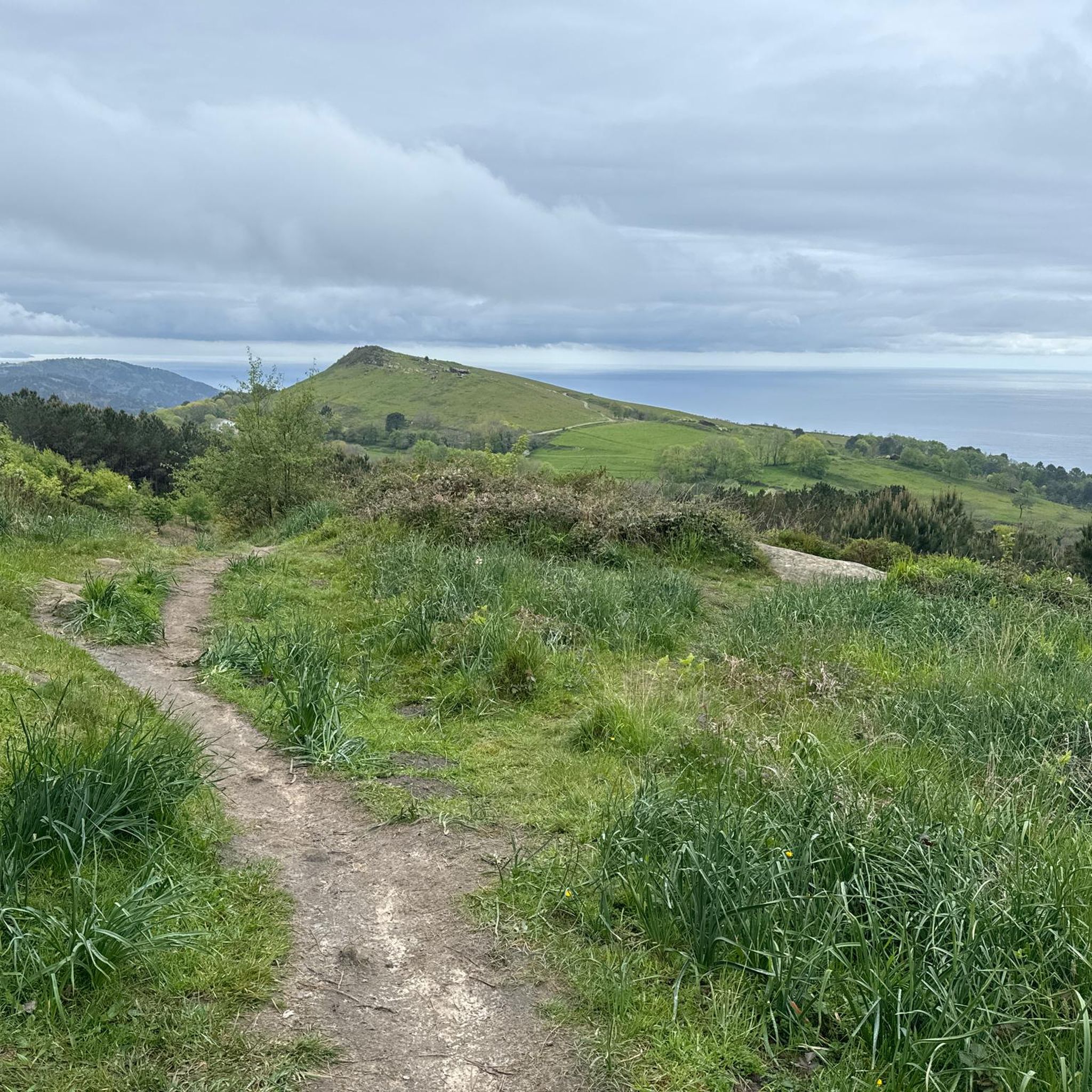
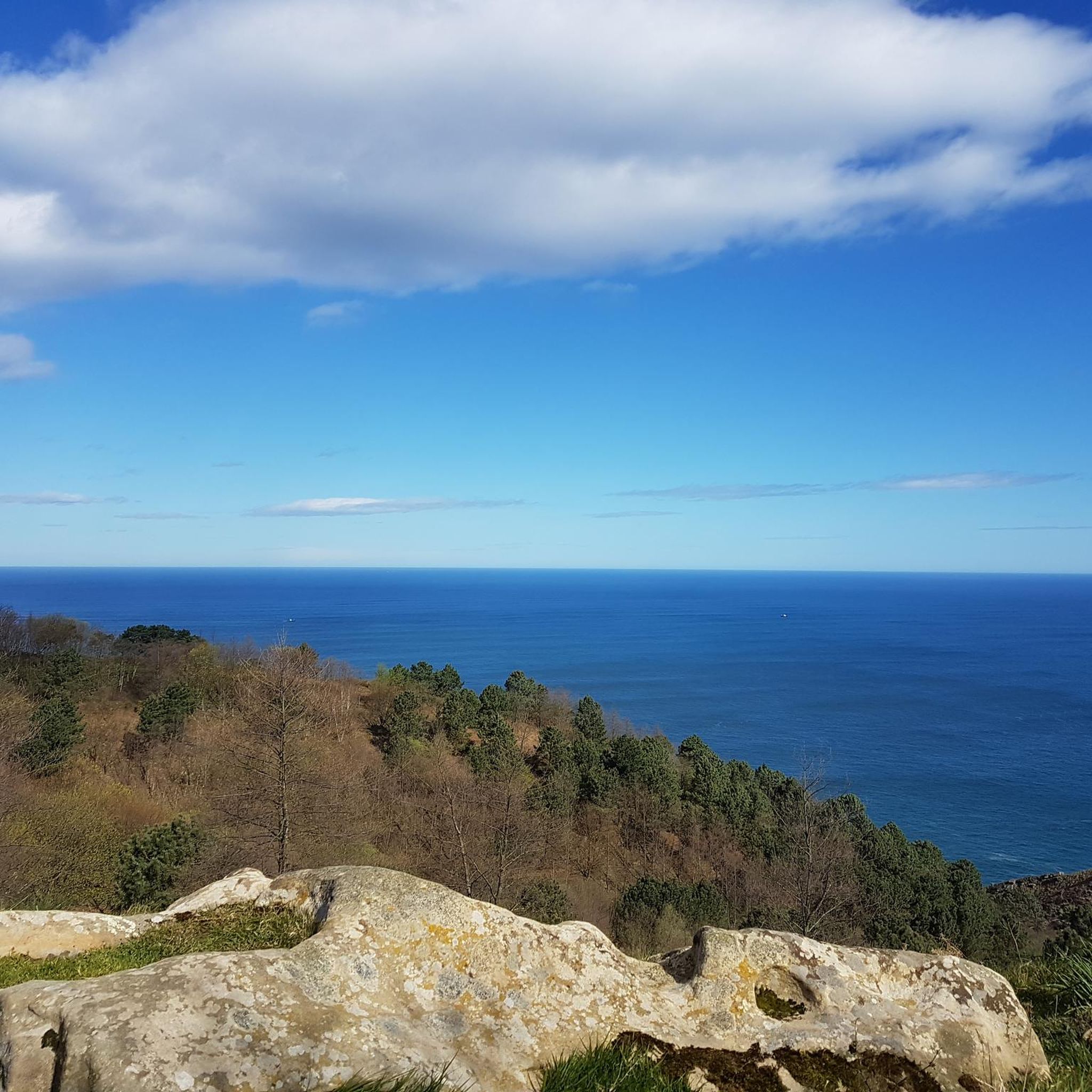
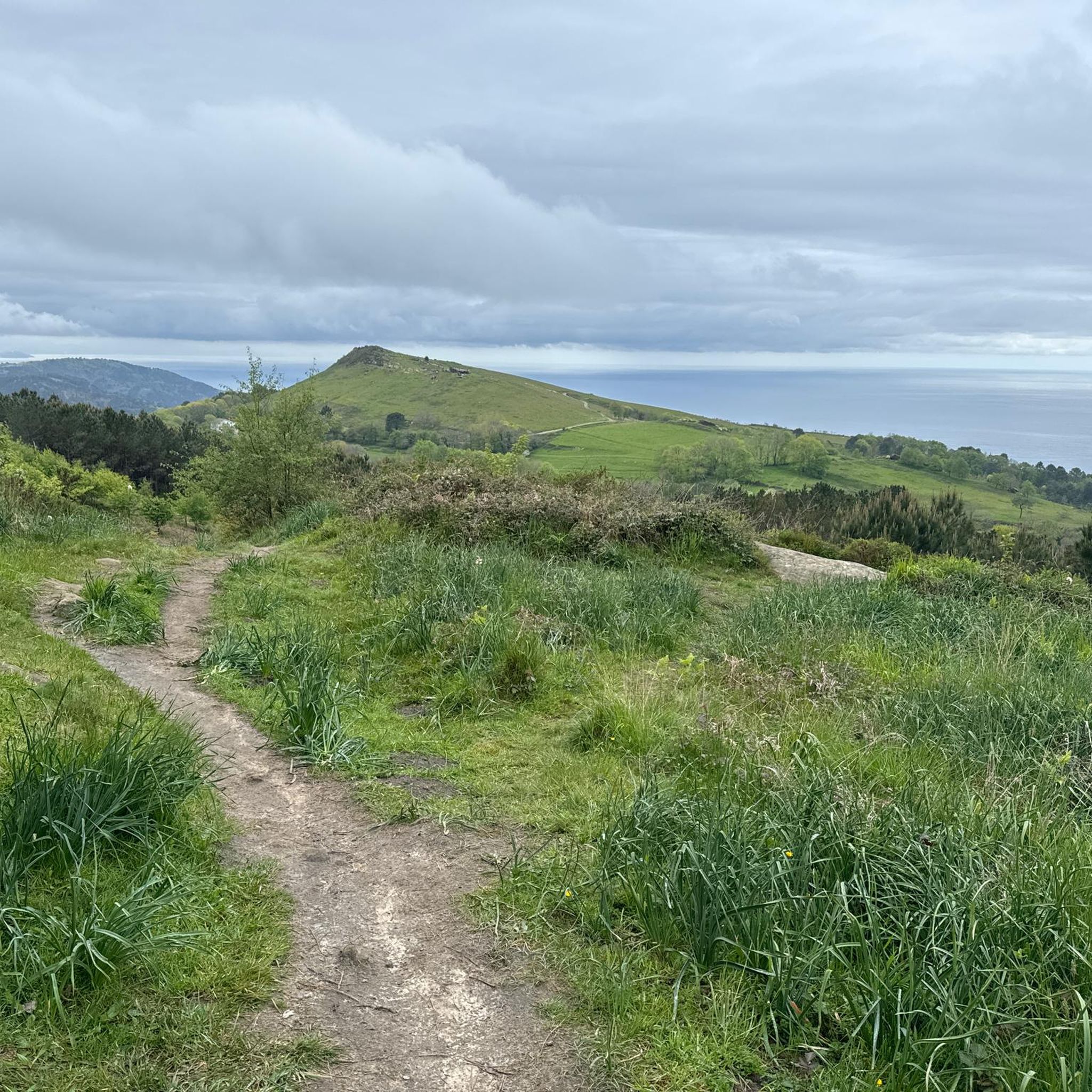
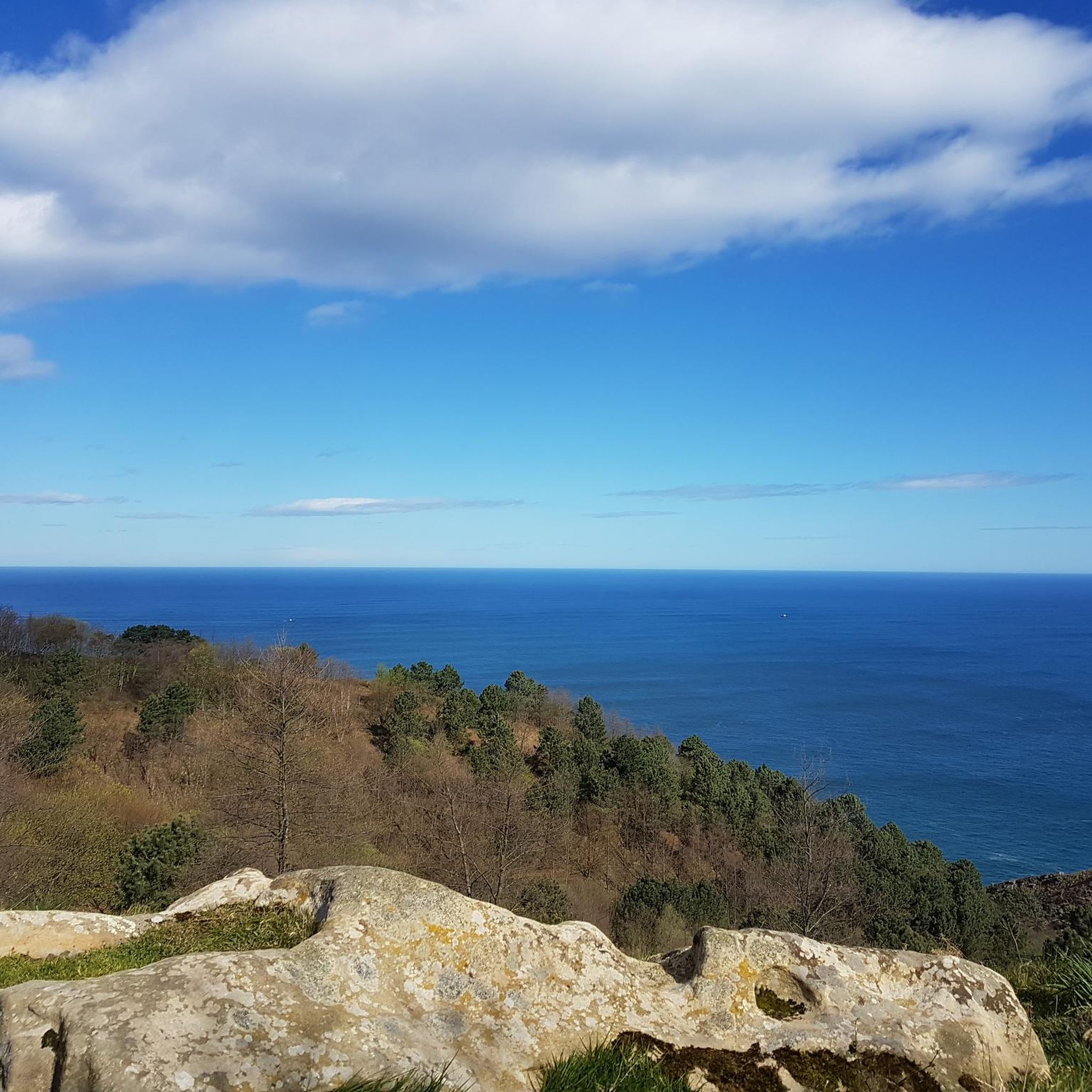
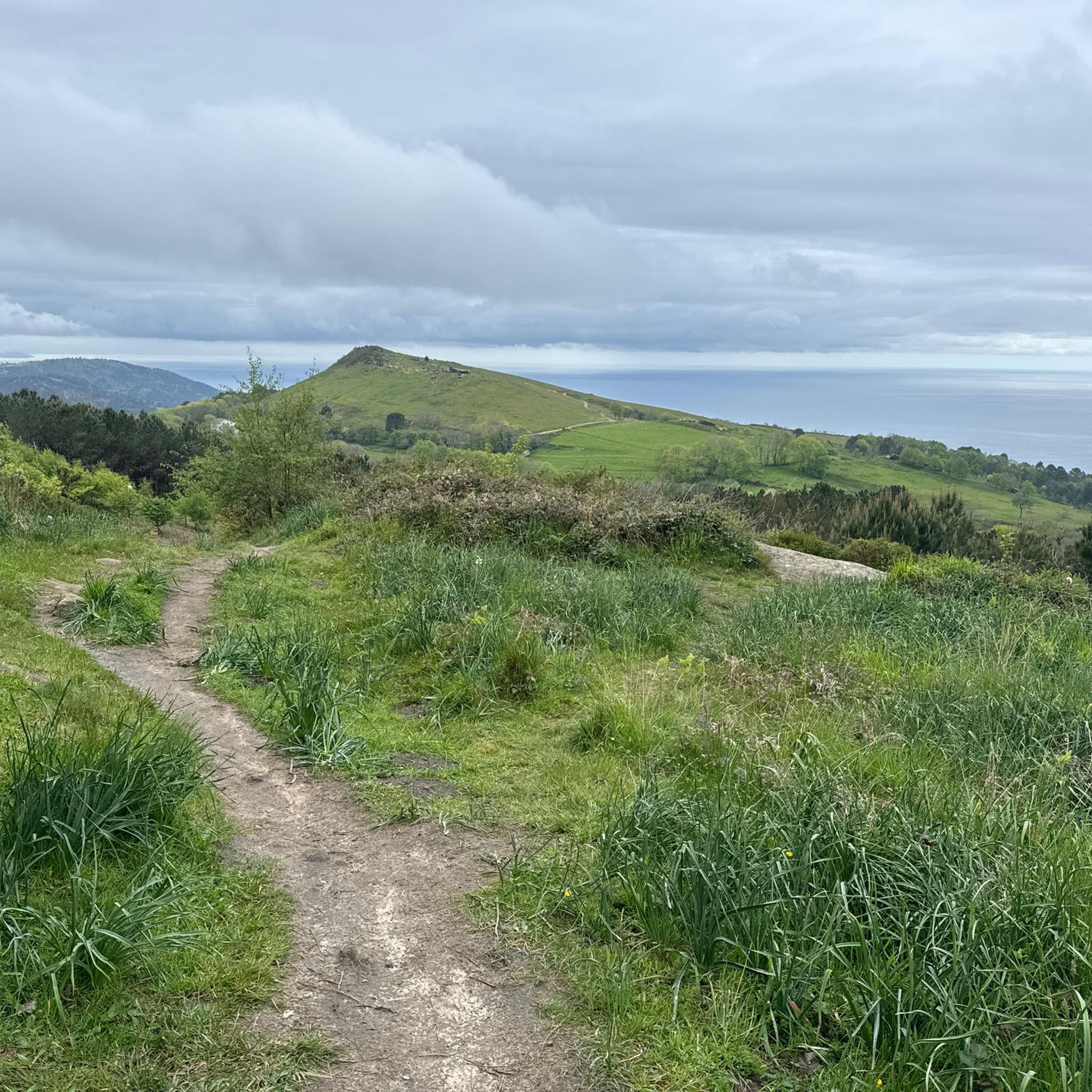
Jaizkibel summit at 547m, superb viewpoint over the Basque coast.
1
0

A place where the sea and wind battle in a frenzy, and you meet the rocks. Where nature and art merge and seem to become one. And the placement of the sculptures makes it seem as if they emerge from the rock itself, as if they were a part of it.
3
0

Beautiful promenade with many cafes and ice cream shops
4
2

The Comb of the Wind is a set of three steel sculptures by Eduardo Chillida, weighing more than 9 tons each, which is located where the city ends and the sea begins, where the waves hug the steep cliffs of Monte Igeldo.
6
0

Beautiful, delicate metal works of art right next to the rushing and foaming sea.
6
0

The Aitzondo waterfall is located in the Aiako Harria natural park, at the western end of the Pyrenees. This waterfall is one of the largest in Guipuzcoa, with a drop of 140 meters that ends in a small pond.
1
0

Developed under the sea, as the abundant fossils attest, in the flysch alternate layers of hard rocks (sandstone, limestone, slate) with other soft ones (marl, clay). As erosion affects some more than others, unusual shapes are created, together with a rich range of colors (NatGeo)
5
0
Frequently Asked Questions
What are the most popular natural monuments around Lezo for visitors?
Visitors frequently enjoy the stunning views from View from Monte Urgull, which offers an exceptional panorama of San Sebastián and the ocean. Another highly-rated spot is Jaizkibel Summit, providing magnificent vistas over the Bay of Hendaye and the Atlantic coast. The impressive Aitzondo Waterfall, located in the Aiako Harria natural park, is also a favorite, known for its 140-meter drop.
Are there family-friendly natural attractions near Lezo?
Yes, the region offers several family-friendly options. Txingudi Bay, with its Plaiaundi ecological park, is excellent for families interested in birdwatching and gentle walks along its trails. The park has observation huts and an interpretation center, making it an engaging educational experience for all ages. While some trails to natural monuments can be challenging, many areas offer accessible paths suitable for families.
What kind of geological features can I explore around Lezo?
Lezo is surrounded by diverse geological formations. You can explore the ancient granite peaks of Aiako Harria Natural Park, which are among the oldest in the Basque Country, dating back approximately 250 million years. Jaizkibel Mountain features rugged cliffs that dramatically plunge into the Cantabrian Sea, along with unique formations like the Akerregi Crevice and the Zapelarri Rock. Additionally, you can find a fascinating Sandstone Cliff with Fossil Formations, showcasing layers of hard and soft rocks developed under the sea.
What outdoor activities can I do near these natural monuments?
The area around Lezo is excellent for various outdoor activities. You can find numerous hiking trails, such as the 'Jaizkibel and Mitxintxola Circular Trail' or the 'Jaizkibel Ridge Trail'. For cycling enthusiasts, there are routes like the 'Bike loop from Lezo-Rentería'. Gravel biking is also popular, with options like the 'Kursaal Bridge – Jaizkibel loop'. You can find more details on these and other routes in the hiking guide, cycling guide, and gravel biking guide for Lezo.
Are there historical or cultural sites integrated with the natural monuments?
Yes, several natural monuments in the Lezo area also boast significant historical elements. Jaizkibel Mountain features historical military fortifications, including towers from the Carlist Wars and the Fortress of Guadalupe. Within Aiako Harria Natural Park, you can explore Roman-era Arditurri mines and ancient megalithic monuments such as cromlechs, burial mounds, and dolmens, offering a glimpse into the region's past.
Where can I go for birdwatching near Lezo?
Txingudi Bay is a prime location for birdwatching. It is recognized as a protected Ramsar site and a Special Protection Area for Birds. The Plaiaundi ecological park within the bay is specifically designed for public enjoyment and conservation, offering trails, observation huts, and an interpretation center, making it an ideal spot to observe migratory birds and local species.
What is the best time to visit the natural monuments around Lezo?
The best time to visit the natural monuments around Lezo generally depends on your preferred activity. Spring and autumn offer pleasant temperatures for hiking and cycling, with lush landscapes or vibrant fall colors. Summer is ideal for enjoying coastal areas and boat trips, though it can be busier. Winter can be beautiful for crisp walks, but some higher elevation trails might be more challenging due to weather conditions.
Are there any waterfalls to visit in the area?
Yes, the Aitzondo Waterfall is a notable natural monument in the Aiako Harria natural park. It is one of the largest waterfalls in Guipuzcoa, with an impressive drop of 140 meters. There are also some amazing caves worth exploring on the way to the waterfall.
What kind of wildlife can I expect to see in the natural parks?
Aiako Harria Natural Park is a haven for diverse wildlife, including European mink, desman, and salmon in its rivers. It's also home to various bird species such as peregrine falcons and griffon vultures. Txingudi Bay is particularly important for migratory birds, offering a unique opportunity for birdwatching.
Can I find viewpoints with panoramic scenery near Lezo?
Absolutely. The Jaizkibel Summit provides a magnificent panorama over the Bay of Hendaye, the Atlantic coast, and Spain. Another exceptional viewpoint is the View from Monte Urgull, offering sweeping vistas of San Sebastián and the ocean. From Jaizkibel, you can also see Txingudi Bay and the Bidasoa River.
What makes Jaizkibel Mountain a significant natural monument?
Jaizkibel Mountain is significant for its dramatic geological features, including rugged cliffs that plunge into the Cantabrian Sea. It offers demanding hiking routes with breathtaking views of the sea and surrounding landscapes. Ecologically, it's part of the Natura 2000 network. Historically, it features old windmills and military fortifications, adding a cultural dimension to its natural beauty.
What is unique about Aiako Harria Natural Park?
Aiako Harria Natural Park is unique for its ancient geological formations, with its three main granite peaks dating back approximately 250 million years. It features a mosaic of mountains, ravines, dense oak and beech forests, and is rich in biodiversity. The park also holds significant historical value with Roman-era mines and ancient megalithic monuments, making it a blend of natural wonder and historical intrigue.
Most popular routes around Lezo
Most popular attractions around Lezo

Get inspired with the komoot mobile app


Explore more
Extend your search for the best caves by checking out these guides of the top ones around Lezo:
