Top 20 Natural Monuments around Sant Joan Les Fonts
Best natural monuments around Sant Joan Les Fonts are primarily shaped by ancient volcanic activity within the Garrotxa Volcanic Zone Natural Park. This region in Girona, Catalonia, features significant geological formations such as the Route of the Three Basaltic Lava Flows. The landscape combines ancient lava formations with lush riverine environments. The area provides insight into millions of years of geological history and industrial heritage.
Best natural monuments around Sant Joan Les Fonts
- The most popular natural monuments is Santa…
Last updated: October 4, 2026
Santa Margarida Volcano
Highlight • Volcano
Translated by Google •
Tip by

Croscat Volcano Scoria Slopes
Highlight • Volcano
Translated by Google •
Tip by

Sign up now to discover places like this
Get recommendations on the best single tracks, peaks, & plenty of other exciting outdoor places.
Llierca Bridge
Highlight • Bridge
Tip by

Santa Margarida Volcano Crater
Highlight • Volcano
Translated by Google •
Tip by

Olot
Highlight • Settlement
Translated by Google •
Tip by

Sign up for free to discover even more natural monuments around Sant Joan Les Fonts.
Already have an account?
Start today with a free account
Your next adventure awaits.
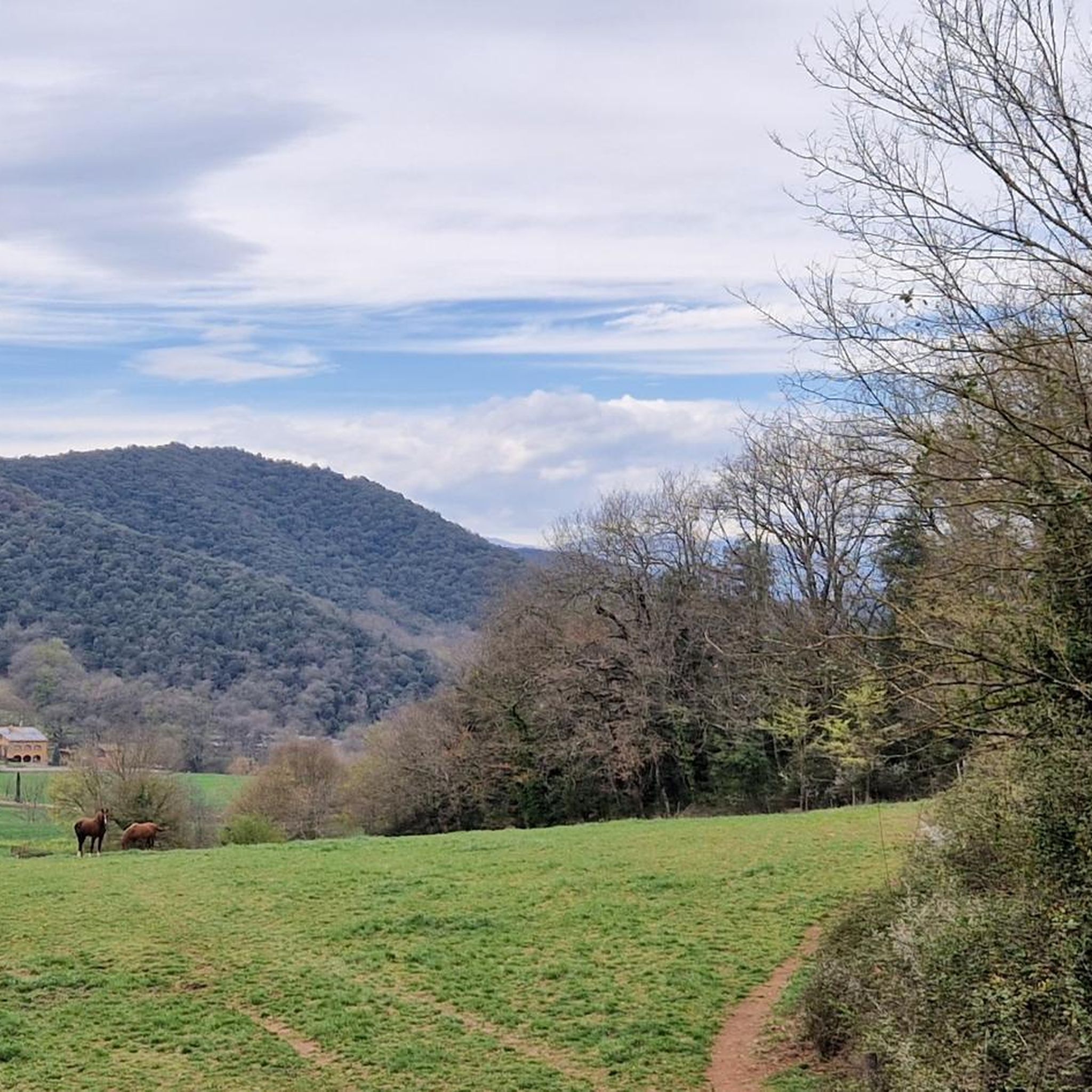
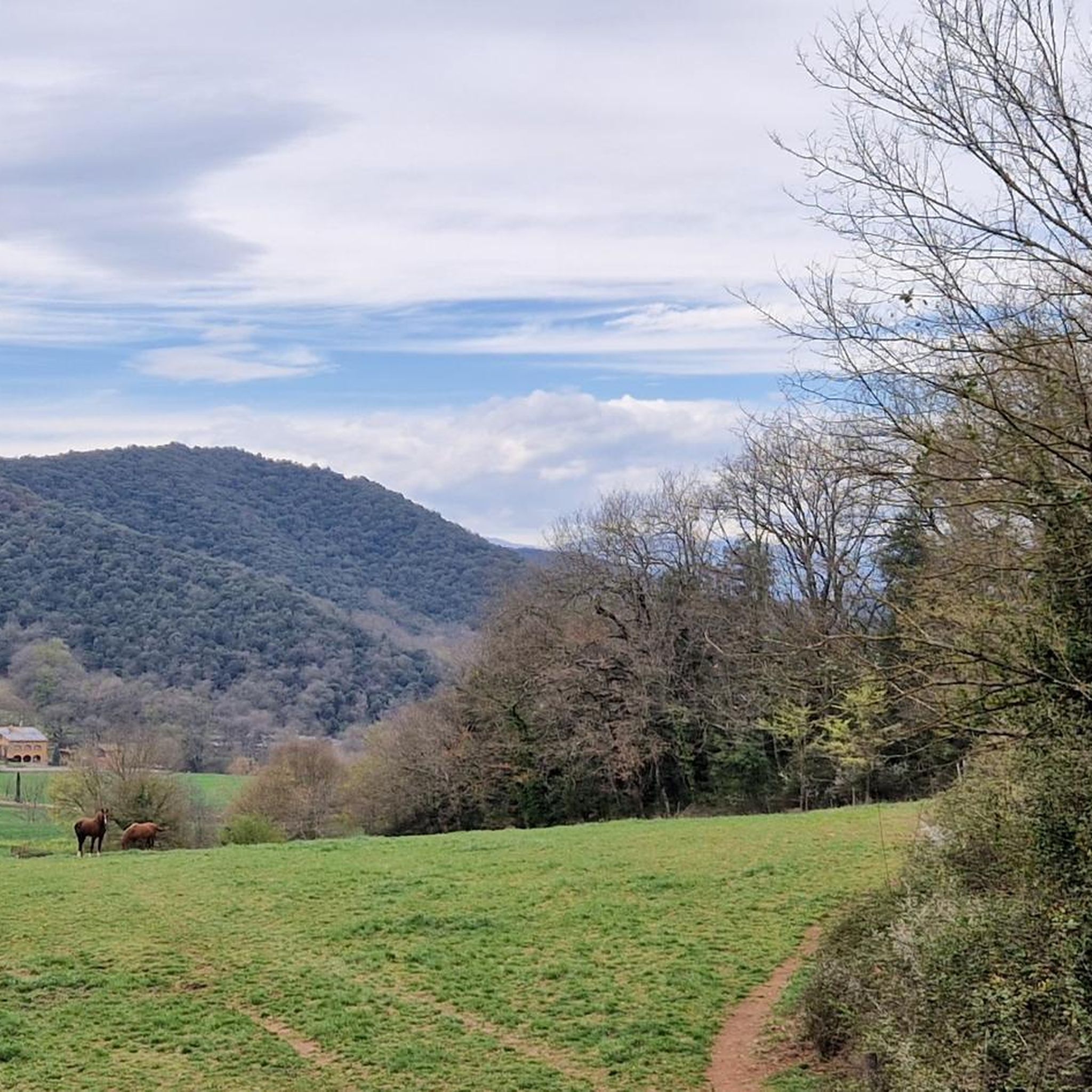
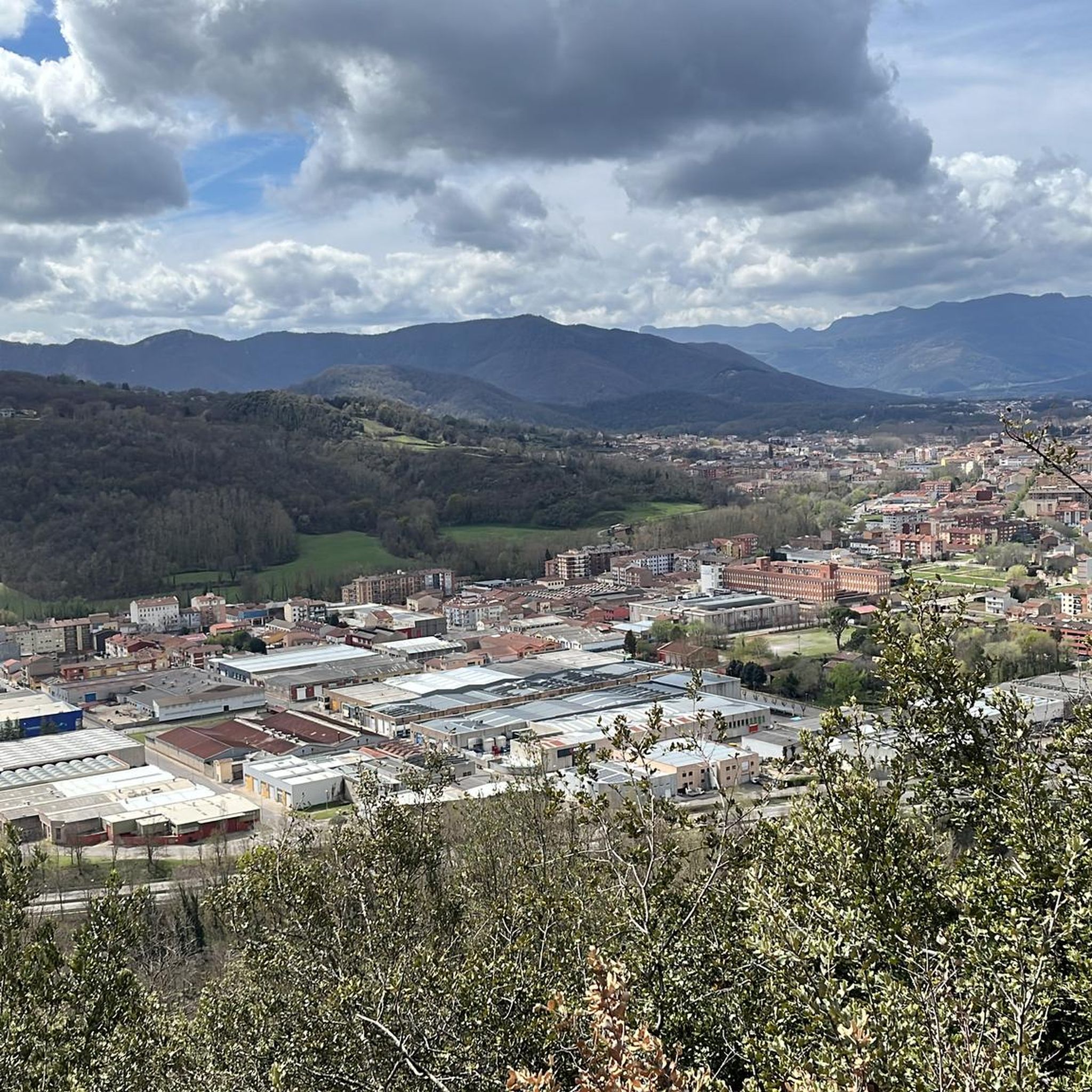
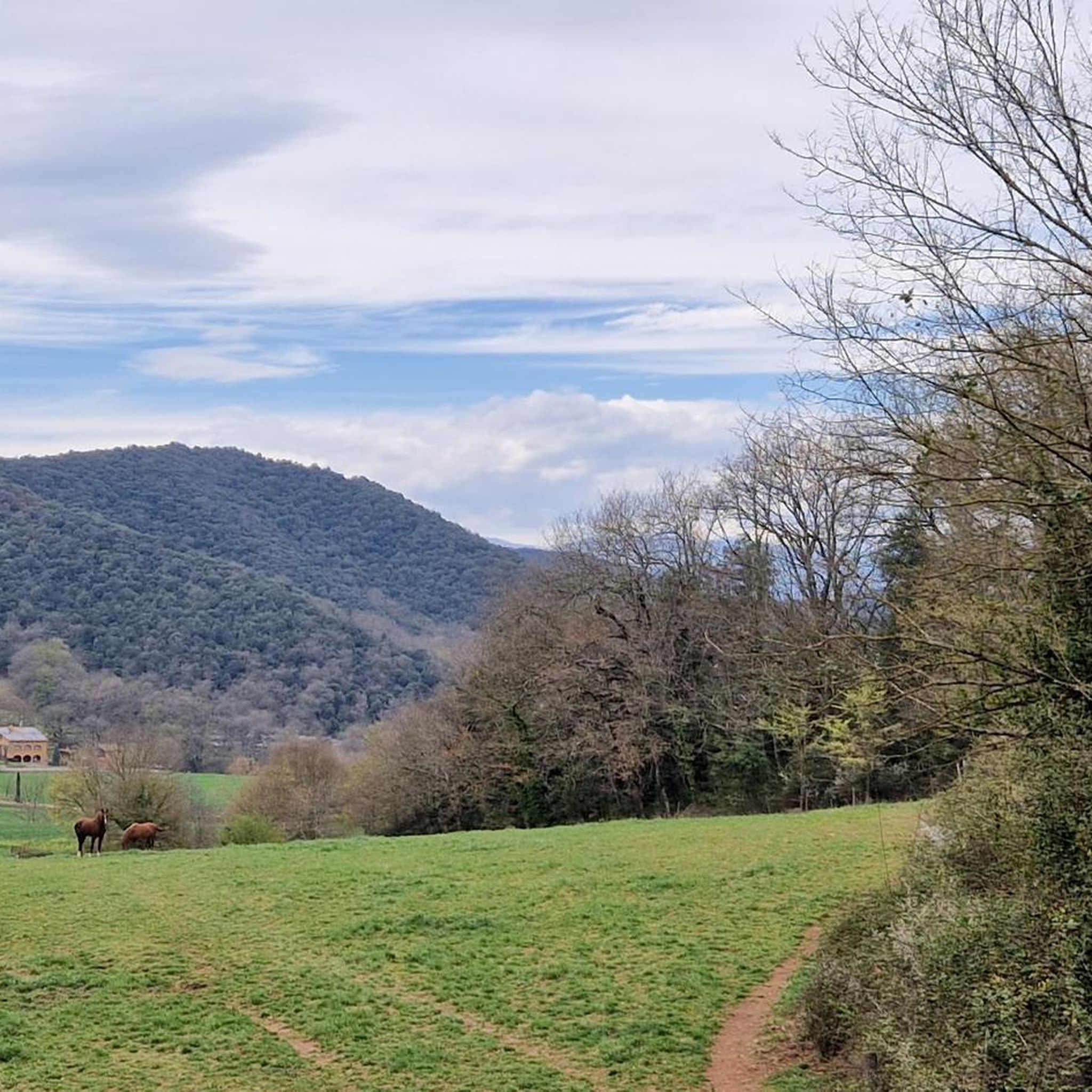

Tips from the Community

Beautiful relaxing place 😀
0
0

The area east of the bridge is not particularly suitable for gravel bikes. The bridge is definitely worth a visit.
0
0

Lovely small town up in the mountains above Girona. This is where the Ruta del Carrilet starts
0
0

In the Garrotxa Natural Park there are about 40 catalogued volcanoes with 10 well-preserved explosion craters. The Volcá del Croscat is a highly explosive Strombolian volcano. The eruption took place around 9,500 BC. It is the last volcano to erupt in the Garrotxa volcanic area and also in the Iberian Peninsula. Source https://parcsnaturals.gencat.cat/ca/xarxa-de-parcs/garrotxa/inici/
0
1

A Romanesque bridge worth seeing. Be sure to take a detour there and take a look. You can easily walk across it.
3
0

The Llierca Bridge, also called Pont de Sadernes, is a bridge 28 m high, 52 m long and 3 m wide. With a single, very slender arch, it crosses the Llierca river between Tortellà and Sadernes. Romanesque in style, although we do not know the date of its construction, there is evidence of its use since at least the 14th century, when it is documented that a toll was paid to cross it. The bridge was probably built by order of the barons of Sales, to facilitate trade between the farmhouses located west of the Llierca river with the towns of Tortellà and Besalú.
0
0


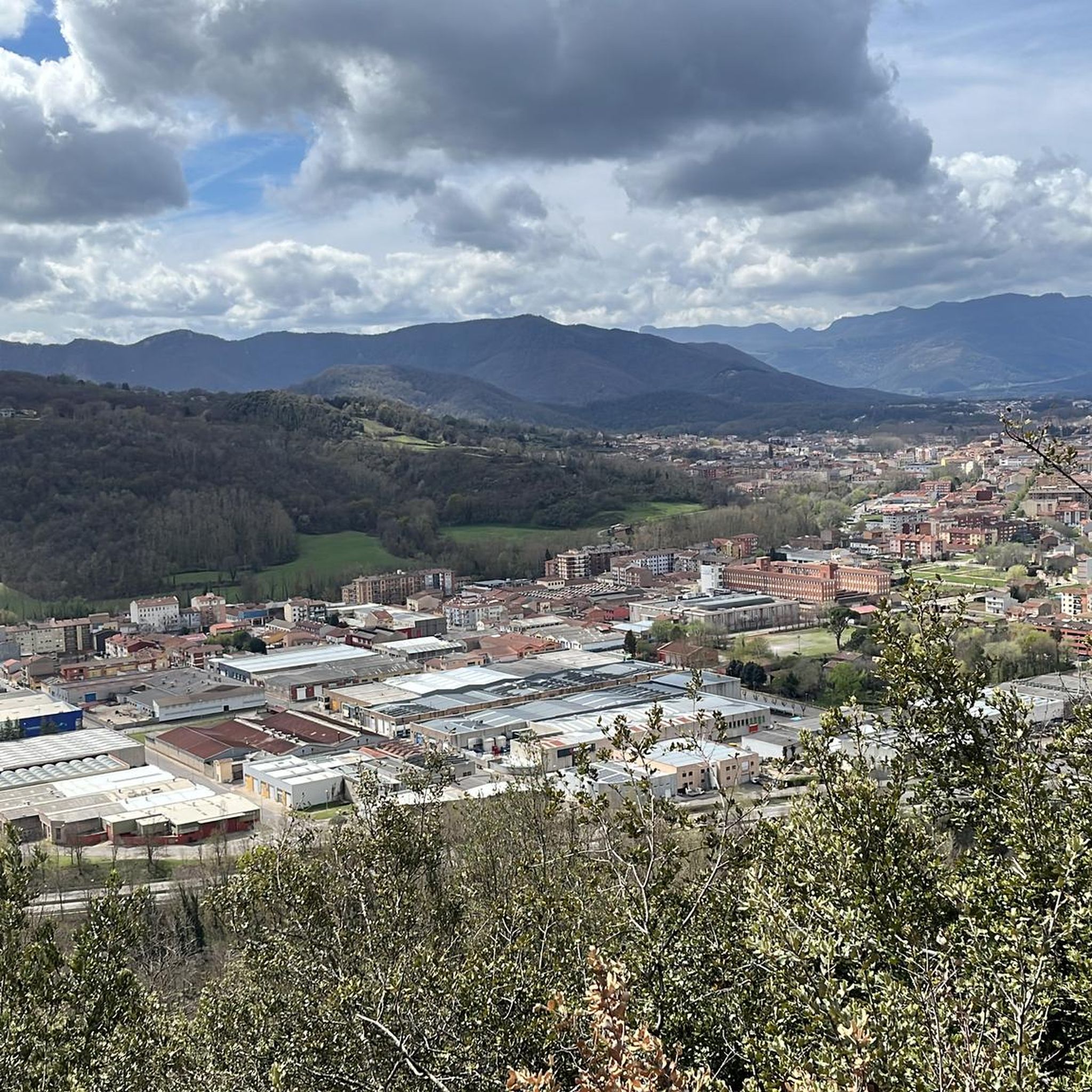
Olot, known as "the city of volcanoes", is the capital of the Garrotxa region, in the province of Girona, in Catalonia. It is known for its natural landscapes and its location within the Garrotxa Volcanic Zone Natural Park. In its territory there are four volcanoes, two of which can be visited: Montsacopa and Montolivet. It also has valuable wetlands and the Croscat volcano in its surroundings. La Fageda d'en Jordá, a vast beech forest, is also a popular tourist attraction for walks, bike rides, horseback or carriage rides. Olot has an outstanding cultural heritage, including modernist-style monuments and also the Renaissance-style cloister of El Carme. The local gastronomy, known as "volcanic cuisine", is another tourist attraction in Olot. Olot potatoes are a famous recipe in the region. In addition, the city is home to the oldest bullring in Catalonia and the second oldest in Spain, built in 1859.
3
0
Frequently Asked Questions
What unique geological features can I explore around Sant Joan Les Fonts?
The region is renowned for its volcanic activity, particularly the Route of the Three Basaltic Lava Flows. Here, you can observe three distinct layers of lava flows, some dating back 600,000 years, which have solidified into spectacular basaltic cliffs and columns. These formations often exhibit distinctive pentagonal or hexagonal shapes, offering a unique glimpse into the area's fiery past.
Are there any notable waterfalls or riverine landscapes to visit?
Yes, the picturesque Molí Fondo waterfall is a highlight, cascading over volcanic rock. It's particularly impressive after rainfall. The natural monuments often follow the Bianya stream and the Fluvià river, revealing lush riverbank woods that contrast beautifully with the rugged volcanic terrain.
What are some of the most impressive volcanic sites in the area?
You can visit the Santa Margarida Volcano, an extinct volcano where you can descend into its crater to see a chapel. Another must-see is the Croscat Volcano Scoria Slopes, known for its distinctive shape and visible layers due to past clay exploitation, offering a cross-section view of the volcano's structure.
Can I see ancient geological formations up close?
Absolutely. The Route of the Three Basaltic Lava Flows allows for close observation of ancient lava formations, including basaltic columns at sites like Molí Fondo, Boscarró, and Fontfreda cliffs. Near Molí Fondo, recently discovered volcanic tube and blister caves offer a rare insight into volcanic phenomena.
Are there historical sites or cultural monuments alongside the natural attractions?
Yes, the area blends natural beauty with rich history. The Molí Fondo waterfall, for instance, was historically used to power an old paper mill dating back to 1723, showcasing industrial heritage. Additionally, the Llierca Bridge is a stunning Romanesque structure from the 13th-14th centuries, spanning 52 meters across the river.
Are the natural monuments around Sant Joan Les Fonts suitable for families?
Many natural monuments are family-friendly. The Santa Margarida Volcano and Croscat Volcano Scoria Slopes are popular choices. The Route of the Three Basaltic Lava Flows also offers both short (20 minutes) and longer (1 hour 45 minutes) variants, making it adaptable for different fitness levels and ages.
What kind of hiking trails are available near the natural monuments?
The region offers a variety of hiking trails, many of which are easy and circular. A popular option is the "Route of the 3 volcanic lava flows - Circular in Sant Joan de les Fonts." You can find more hiking routes and detailed information in the Hiking around Sant Joan Les Fonts guide.
Are there options for cycling around Sant Joan Les Fonts' natural monuments?
Yes, the area provides several cycling routes, ranging from moderate to difficult. Examples include the "Capsacosta Pass – Castell de Juvinyà loop from Sant Joan les Fonts" and "Castell de Juvinyà – Castellfollit de la Roca loop from la Canya." Explore more options in the Cycling around Sant Joan Les Fonts guide.
What other outdoor activities can I do in the region?
Beyond hiking and cycling, the Garrotxa Volcanic Zone Natural Park is excellent for running. Trails like "Mont-ros and Baumes de Caixurma Trail" offer challenging and scenic experiences. For more running routes, check the Running Trails around Sant Joan Les Fonts guide.
What do visitors enjoy most about the natural monuments in Sant Joan Les Fonts?
Visitors frequently praise the unique geological formations, especially the ability to explore volcanic craters and ancient lava flows. The combination of natural beauty, historical elements like the Molí Fondo mill and Llierca Bridge, and well-maintained trails for various activities makes the area highly appealing. The serene riverine landscapes and lush woods also provide a beautiful contrast to the rugged volcanic rock.
Is the town of Olot worth visiting when exploring the natural monuments?
Yes, Olot, known as 'the city of volcanoes,' is the capital of the Garrotxa region and is located within the Natural Park. It offers cultural heritage with modernist and Renaissance architecture, local 'volcanic cuisine,' and is home to two visitable volcanoes, Montsacopa and Montolivet, making it a great complement to your natural monument exploration.
When is the best time to visit the natural monuments around Sant Joan Les Fonts?
The region can be enjoyed year-round. Spring and autumn offer pleasant temperatures for hiking and exploring, with vibrant flora in spring and beautiful foliage in autumn. Even on warmer days, many trails pass through wooded areas, providing comfortable walking conditions. Winter can also be beautiful, though some paths might be more challenging.
Most popular routes around Sant Joan Les Fonts
Most popular attractions around Sant Joan Les Fonts

Get inspired with the komoot mobile app


Explore more
Extend your search for the best caves by checking out these guides of the top ones around Sant Joan Les Fonts:
