Top 11 Mountain Passes around Santa Magdalena De Pulpis
Best mountain passes around Santa Magdalena De Pulpis are situated within the Sierra de Irta Natural Park, a mountainous coastal range in Castellón, Spain. This region is characterized by its diverse terrain, where elevated points offer views of both the Mediterranean Sea and the rugged inland landscape. The area provides numerous hiking opportunities that combine natural exploration with historical discovery. Trails often lead to ancient fortresses and significant viewpoints.
Best mountain passes around Santa Magdalena De Pulpis
- The most popular…
Last updated: May 3, 2026
Mallada de la Rabossa
Highlight • Trail
Translated by Google •
Tip by

El Portell
Highlight • Mountain Pass
Translated by Google •
Tip by
Sign up now to discover places like this
Get recommendations on the best single tracks, peaks, & plenty of other exciting outdoor places.
Sign up for free
Trail to Coll de la Bota and Polpís Castle
Highlight • Trail
Translated by Google •
Tip by
Collado Camí de La Salzadella
Highlight • Mountain Pass
Translated by Google •
Tip by
Santa María Pass
Highlight • Mountain Pass
Translated by Google •
Tip by
Sign up for free to discover even more mountain passes around Santa Magdalena De Pulpis.
Sign up for free
Already have an account?
Start today with a free account
Your next adventure awaits.
Login or Signup
Popular around Santa Magdalena De Pulpis

Tips from the Community

Collado that divides the Alcalà valley with the Estopet valley. In this, spectacular views of the whole valley and the sea.
1
0
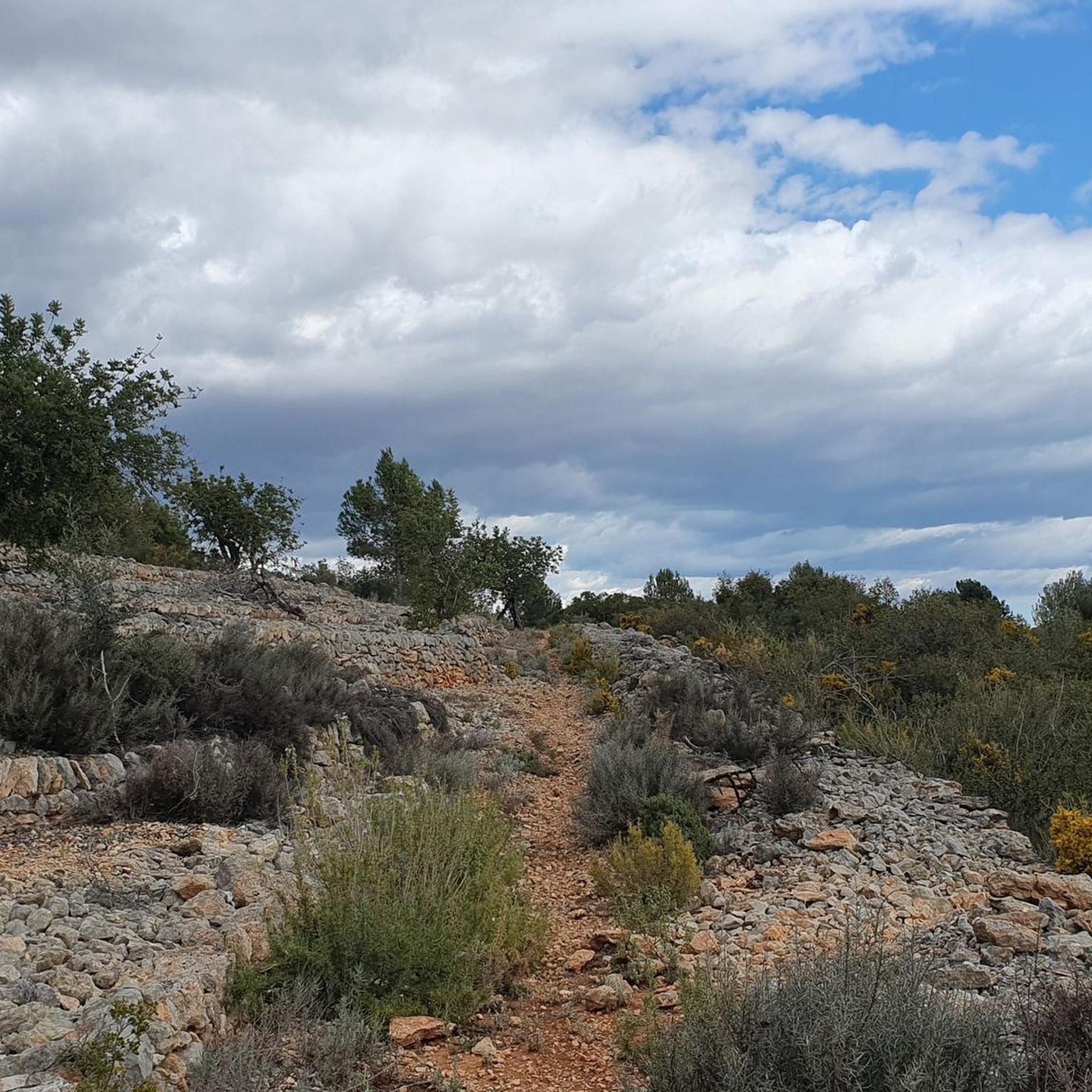
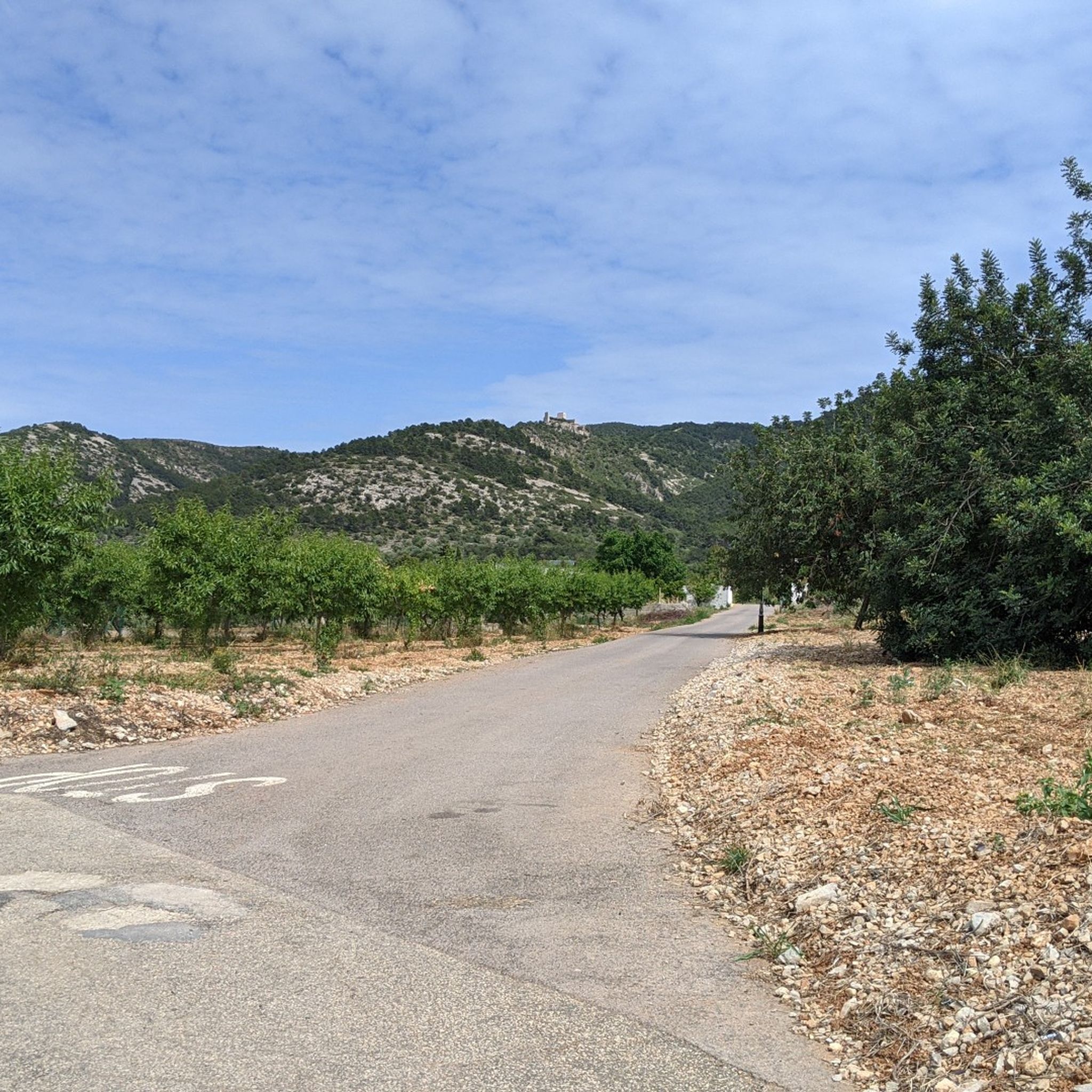
A hill that is before reaching the Polpís forest deposit and by path we can go towards the Coll de la Palma or go down to Mas del Senyor. Excellent views.
0
0
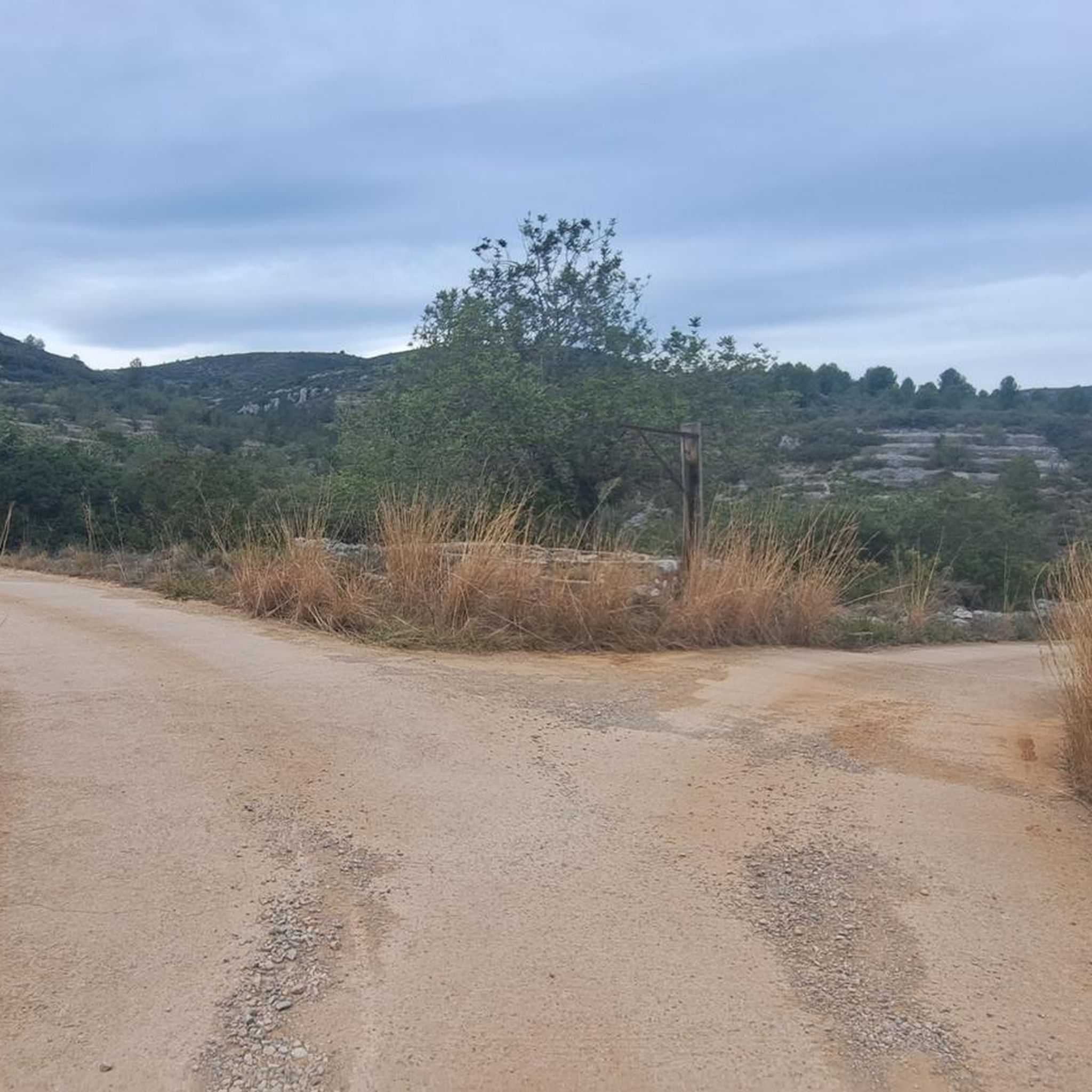
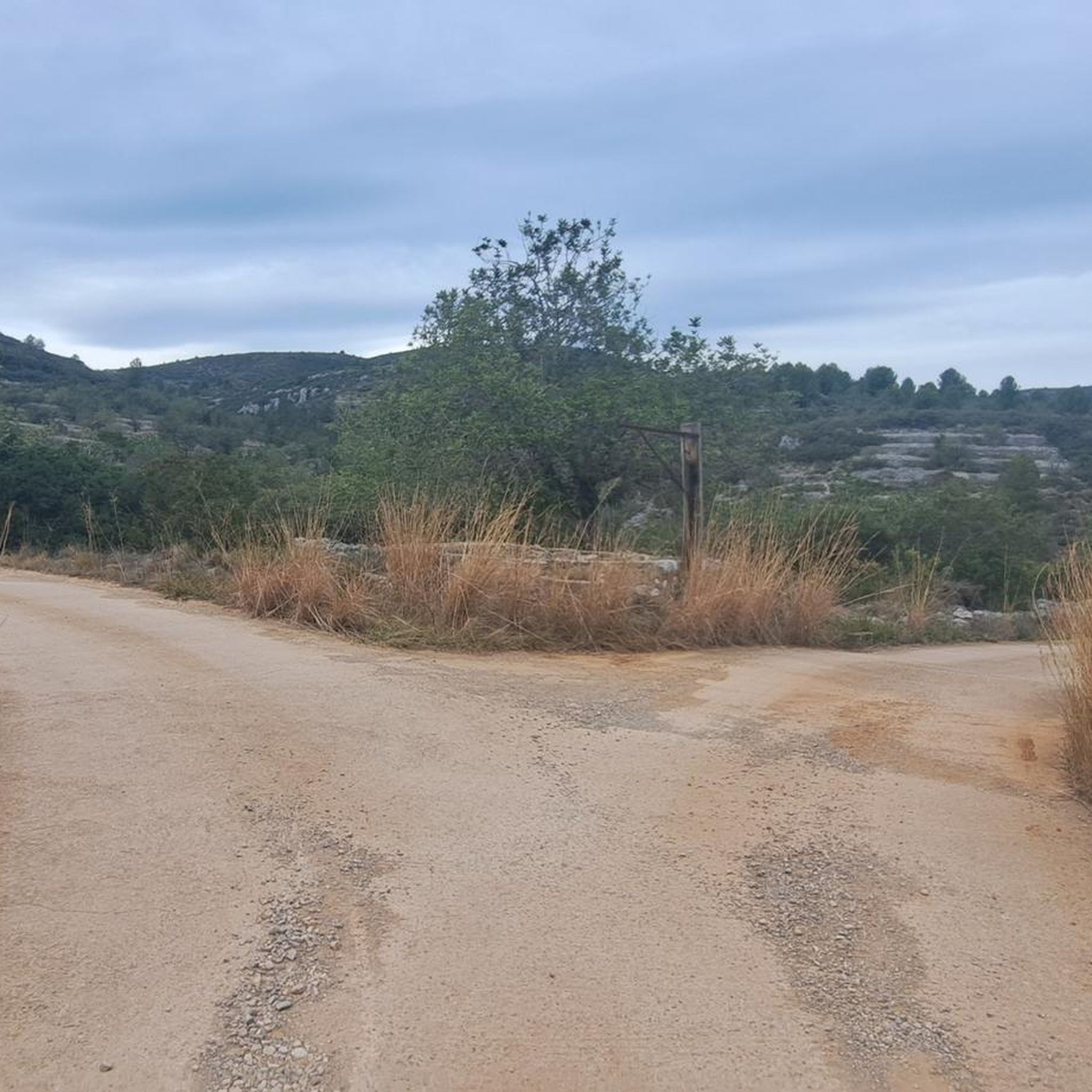
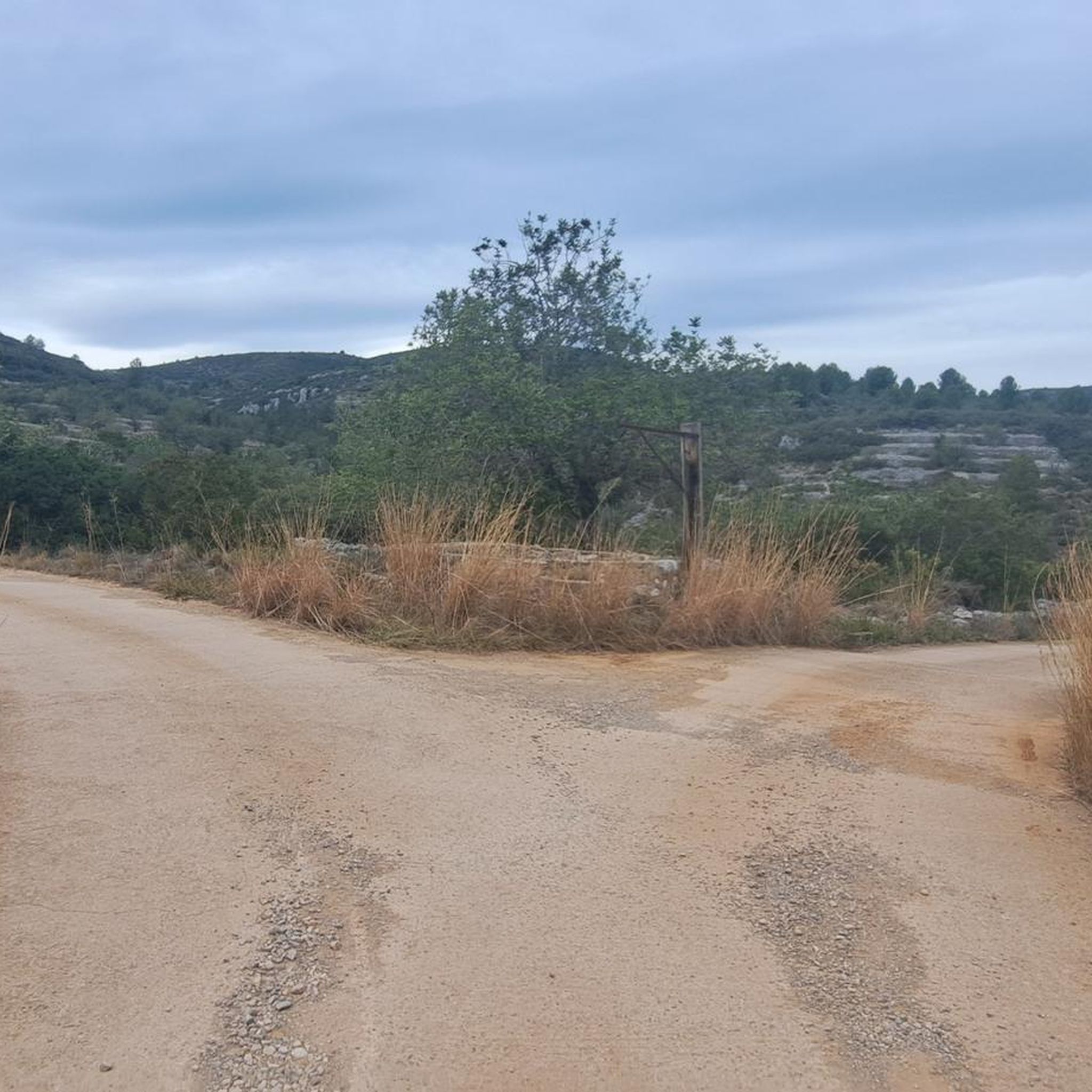
At this crossroads the track leaves and, with a steep slope, goes up to the Mallada de la Rabossa, the Templar Castle of Polpís and the Coll de la Bota. In the upper part of the Sierra there are various trails to make a wide variety of routes.
1
0
At this junction the track suitable for vehicles begins, which goes up to Pulpís Castle and Alto de la Bota. The descent to the castle is prohibited by vehicle, you must go down on foot.
1
0
Highlight of the road that goes from the town of La Salzadella to Santa Magdalena de Polpís and vice versa. From this point you can access the climb that will take us to the top of Molló where the San Josep forest observatory and the hermitage that gives it its name are located.
1
0
We can reach the aforementioned pass through three different places. The first going up the Atmeller valley and/or from Xivert Castle along the main track. The second following the aforementioned track from the Castle before reaching the Corral de la Viuda through the firewall that will take us up a steep climb to the top of Mount Santa María where the Atmeller forestry observatory is located. And thirdly and lastly, the fully concreted ascent that begins on the raised bridge of the AP7.
2
0
Col that divides the Valley of Estopet with the Valley of Alcalà de Xivert. Obligatory step for hiking and mountain biking routes that want to go down the Ameler or go up from it or access the Barranco de la Carrera. Panoramic place with views of the entire valley, the sea, the repeaters next to the Ebrí Tower, the Carrera ravine and the Santa Lucía Hermitage. If we pass, I recommend stopping a bit and contemplating the views.
2
0
La Mallada de la Rabossa is the point of connection to be able to choose between four paths to follow. From Mallada itself, we can go down to Santa Magdalena de Pulpis, go to the Ermita de San Antonio, Vistahermosa, Castillo de Pulpis, etc. or towards the Coll de la Palma. Obviously if we are doing a route we will already be coming from some point so we will only have three left to choose from. Mark it as a crossing point and confluence of various routes.
3
0
Frequently Asked Questions
What kind of views can I expect from the mountain passes around Santa Magdalena de Pulpis?
The mountain passes and elevated points in this region offer diverse and spectacular views. From El Portell, you can see the entire valley, the Mediterranean Sea, and nearby historical structures. Other passes provide panoramic vistas of the rugged inland landscape, the Sierra de Irta Natural Park, and on clear days, even the Columbretes Islands. Locations like Mallada de la Rabossa are known for their excellent views over the surrounding natural beauty.
Are there historical sites accessible from these mountain passes?
Yes, the area is rich in history. Many trails leading to or from the mountain passes will take you past historical vestiges. For example, the Trail to Coll de la Bota and Polpís Castle leads directly to the mountain-type fortress of Santa Magdalena de Pulpis Castle, which dates back to Arab times. You might also encounter ancient lime kilns, Iberian settlements, hermitages, 19th-century telegraph towers, and UNESCO-recognized dry stone constructions along the routes.
What natural features are prominent in the Sierra de Irta Natural Park?
The Sierra de Irta Natural Park, where these mountain passes are located, is one of the last undeveloped coastal mountain ranges in the Mediterranean. It boasts a diverse ecosystem with kermes oaks, mastic trees, junipers, ash trees, honeysuckles, rosemary, lavender, thyme, and dwarf palms. The park is also home to various wildlife, including Bonelli's eagles, peregrine falcons, mouse-eared bats, wild boars, and genets. The unique landscape where mountains meet the sea is a defining feature.
What other outdoor activities can I do near the mountain passes?
Beyond exploring the mountain passes, the region offers a wide range of outdoor activities. You can find numerous running trails, including challenging routes like the 'Hermitage of Saint Anthony – Polpis Castle loop'. For cyclists, there are many road cycling routes and general cycling routes, ranging from easy coastal loops to more difficult ascents.
How challenging are the trails around these mountain passes?
The trails associated with these mountain passes generally range from intermediate to difficult. Many involve ascents with steep slopes, such as the track leading to Mallada de la Rabossa or the climb towards Molló from Collado Camí de La Salzadella. While some sections may be suitable for beginners, many routes require a moderate level of fitness and experience, especially those leading to higher viewpoints or historical sites like Pulpís Castle.
When is the best time of year to visit the mountain passes around Santa Magdalena de Pulpis?
The best time to visit is typically during the spring (March to May) and autumn (September to November) months. During these periods, the weather is generally mild and pleasant for hiking and outdoor activities, avoiding the intense heat of summer and the cooler, potentially wetter conditions of winter. This allows for comfortable exploration of the trails and enjoyment of the panoramic views.
Are the mountain passes suitable for families or dogs?
While specific trails vary, many routes in the Sierra de Irta Natural Park are suitable for families with older children and well-behaved dogs, provided they are accustomed to hiking. It's important to check the difficulty of individual trails and ensure proper hydration, especially for pets. Some paths may be steep or rocky, so appropriate footwear for all family members and pets is recommended. Always keep dogs on a leash to protect wildlife and other hikers.
Where can I find a good connection point for multiple hiking routes?
Mallada de la Rabossa serves as an excellent connection point for various routes. From this hill, you can choose paths leading to destinations such as the Ermita de San Antonio, Vistahermosa, Castillo de Pulpis, or towards the Coll de la Palma, offering flexibility for different hiking plans.
What is the significance of the Santa María Pass?
The Santa María Pass is a notable mountain pass that can be reached via several routes, including from the Atmeller valley or Xivert Castle. It leads to the top of Mount Santa María, where the Atmeller forestry observatory is located, offering another unique viewpoint and access to different parts of the mountainous terrain.
Are there any specific points that offer views of both the sea and inland areas?
Yes, El Portell is a prime example, offering panoramic views of the entire valley, the sea, and even historical structures like the repeaters next to the Ebrí Tower and the Santa Lucía Hermitage. Many elevated points within the Sierra de Irta Natural Park provide this unique combination of coastal and mountainous scenery.
What kind of infrastructure or amenities can I expect near the mountain passes?
The Sierra de Irta Natural Park is largely undeveloped, preserving its natural beauty. While you won't find extensive amenities directly on the passes, the nearby town of Santa Magdalena de Pulpis and other surrounding villages offer cafes, restaurants, and accommodation options. It's advisable to carry sufficient water, snacks, and any necessary supplies as you explore the trails within the park.
Most popular routes around Santa Magdalena De Pulpis
Most popular attractions around Santa Magdalena De Pulpis

Get inspired with the komoot mobile app


Explore more
See even more epic mountain passes by checking out these guides around Santa Magdalena De Pulpis:
