Top 14 Natural Monuments around Maranchón
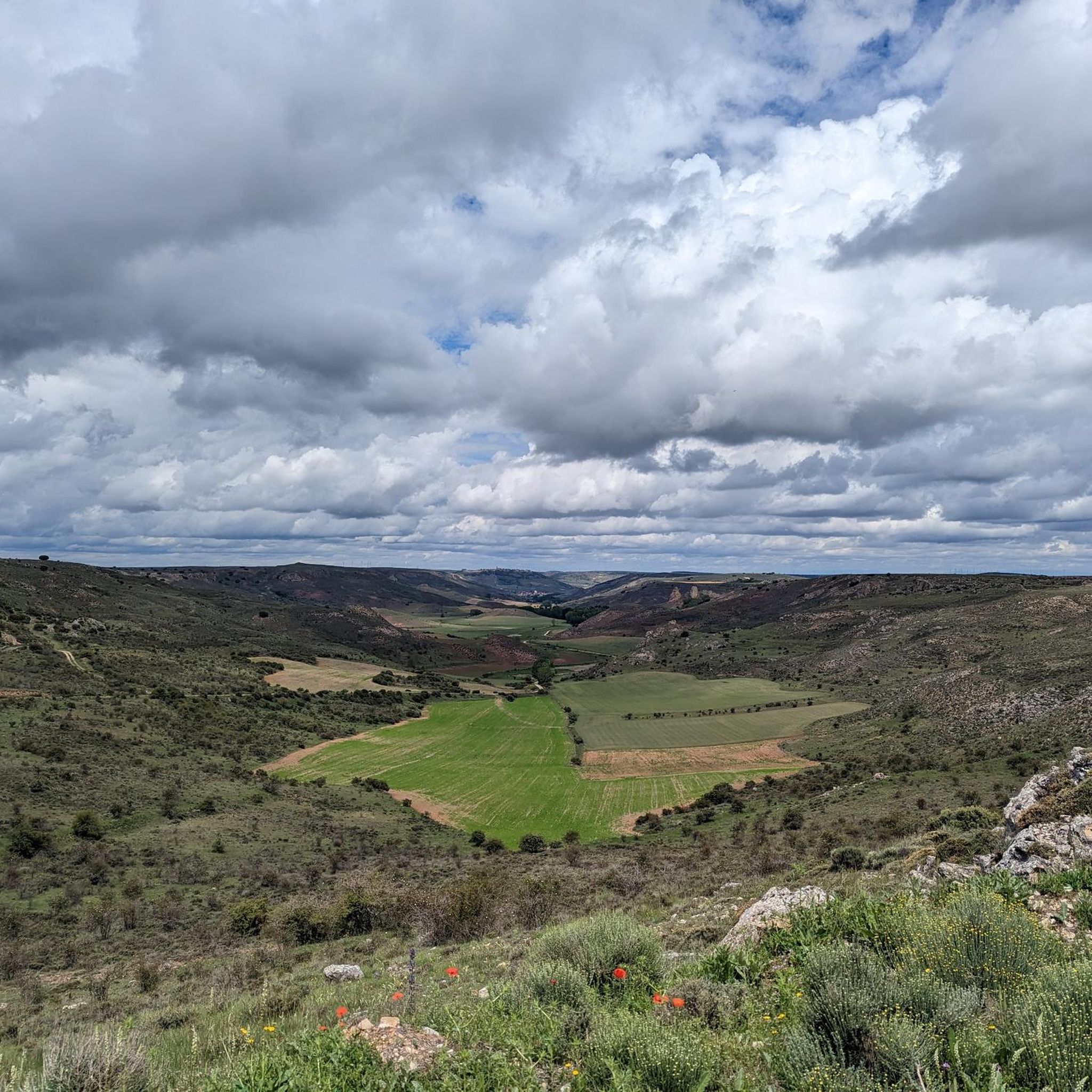
Natural monuments around Maranchón are characterized by a landscape where Mediterranean high mountain features converge with a rich geological history. The region, particularly the Parameras de Maranchón, features a limestone substratum that has shaped its unique terrain. This area is home to extensive juniper and gorse woodlands, including one of the largest Spanish juniper forests in Castilla-La Mancha. Diverse flora, including endemic species, and a variety of fauna, such as steppe birds, are present.
Best natural monuments around Maranchón
- The…
Last updated: July 15, 2026
Laguna de Judes
Highlight • Lake
Translated by Google •
Tip by

Tajuña River Gorges
Highlight (Segment) • Canyon
Translated by Google •
Tip by

Sign up now to discover places like this
Get recommendations on the best single tracks, peaks, & plenty of other exciting outdoor places.
Sign up for free
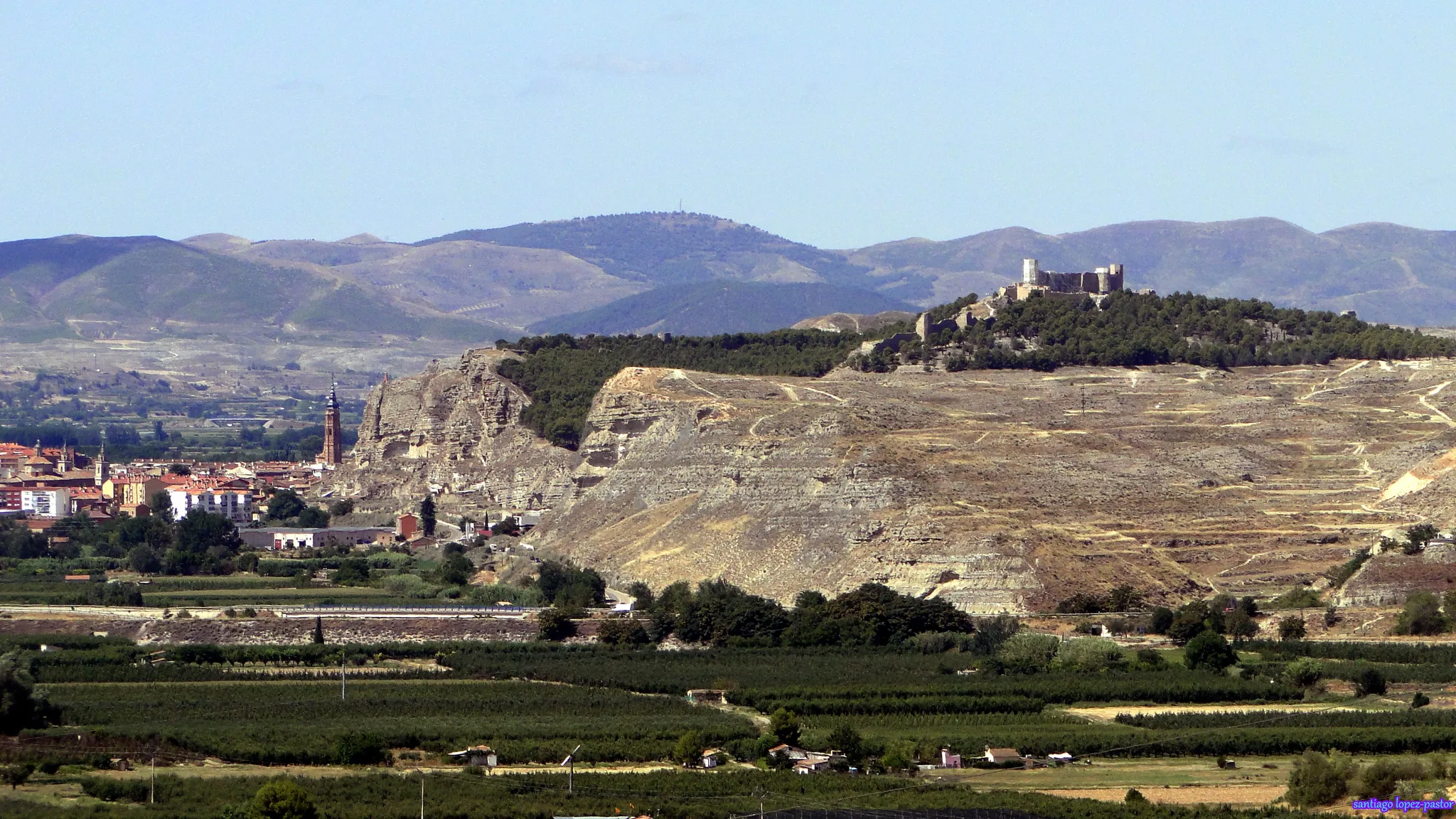
Castle of the Funes
Highlight • Castle
Translated by Google •
Tip by

Maranchón Juniper Forest
Highlight • Forest
Translated by Google •
Tip by

Barranco de la Escalera
Highlight • Gorge
Translated by Google •
Tip by

Sign up for free to discover even more natural monuments around Maranchón.
Sign up for free
Already have an account?
Start today with a free account
Your next adventure awaits.
Login or Signup
Popular around Maranchón
18th-century gravel – Camino Real de Aragón from Madrid
Canyons and countryside – Spain’s Tajuña River gravel
Tierras de Frontera on a gravel bike – El Camino del Cid
El Camino del Cid – The Borderlands on MTB
Camino del Cid by bicycle — frontier lands in Spain
Hiking around Maranchón
Road Cycling Routes around Maranchón
MTB Trails around Maranchón
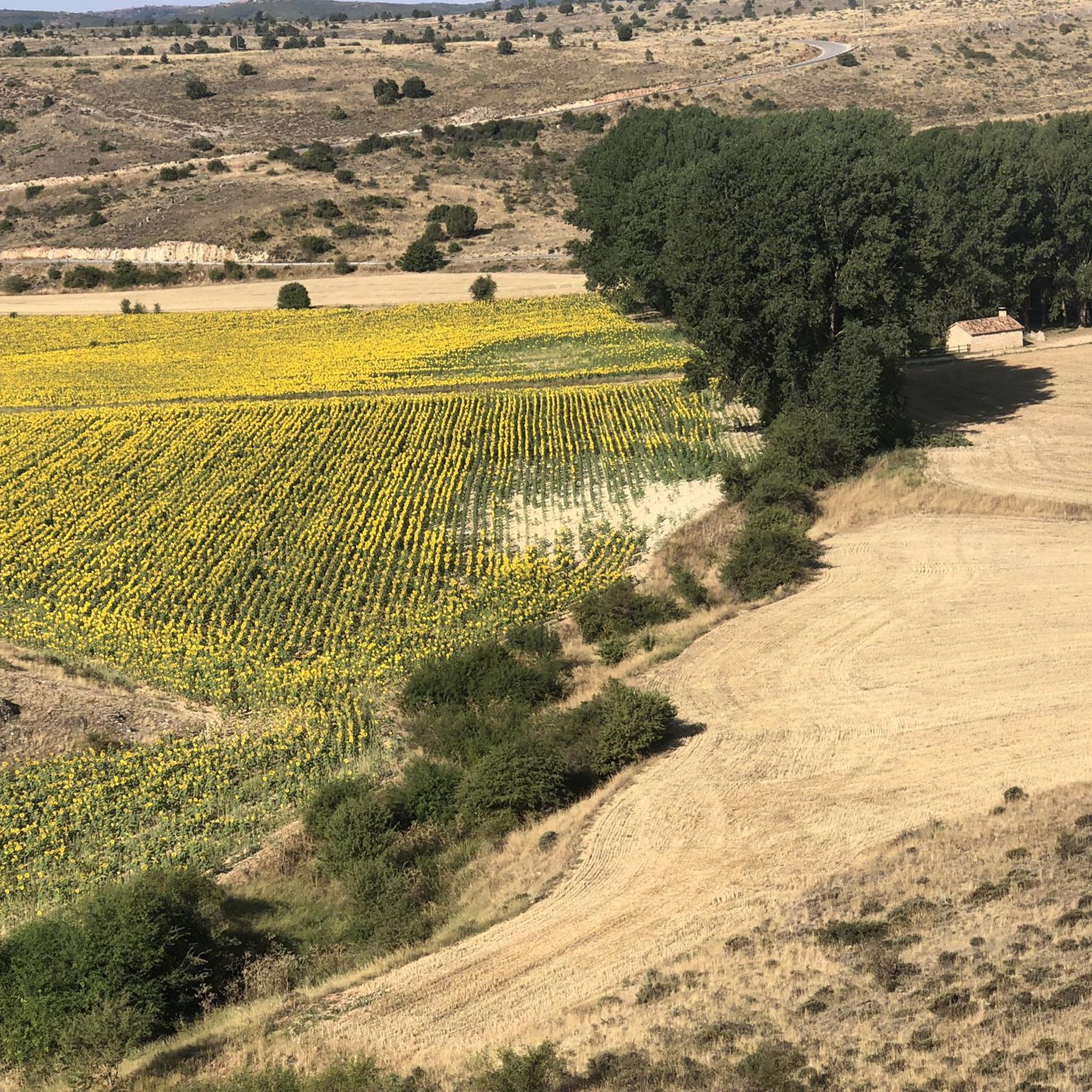
Cycling around Maranchón
Other adventures around Maranchón


Tips from the Community

The Judes Lagoon is a karst wetland located in the town of Judes, within the municipality of Arcos de Jalón, in the province of Soria, Castile and León. It is the only lagoon of its kind in the province, as most are of glacial origin.
4
0

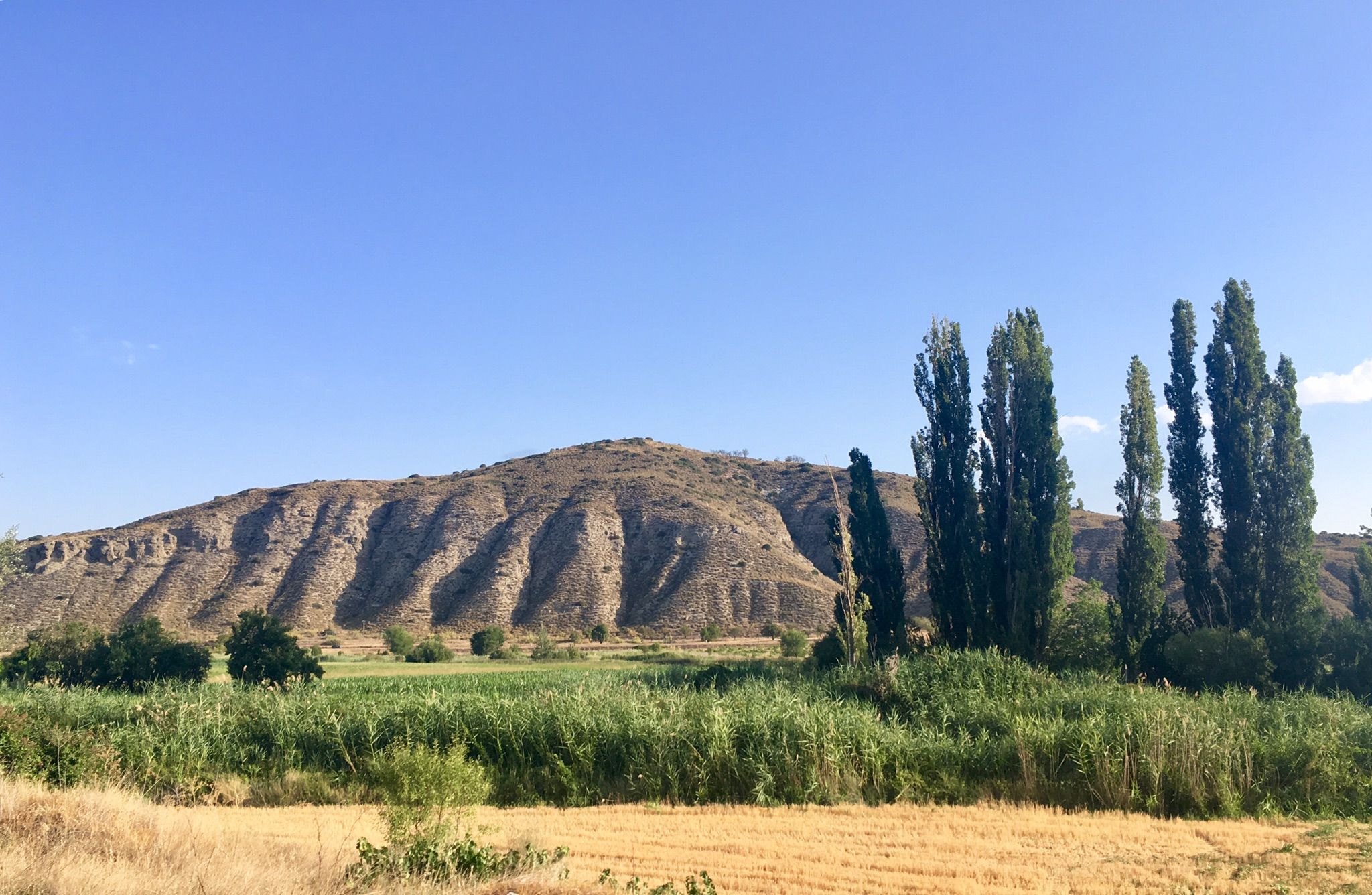
Nice place, like the rest of the landscape upstream and downstream of La Hoz del Rio Tajuña.
1
0
Judes Lagoon only has water in wet years, in winter and spring. It is curious to see the corner of rocks where the Water of the Gorgoncil Stream reaches
0
1

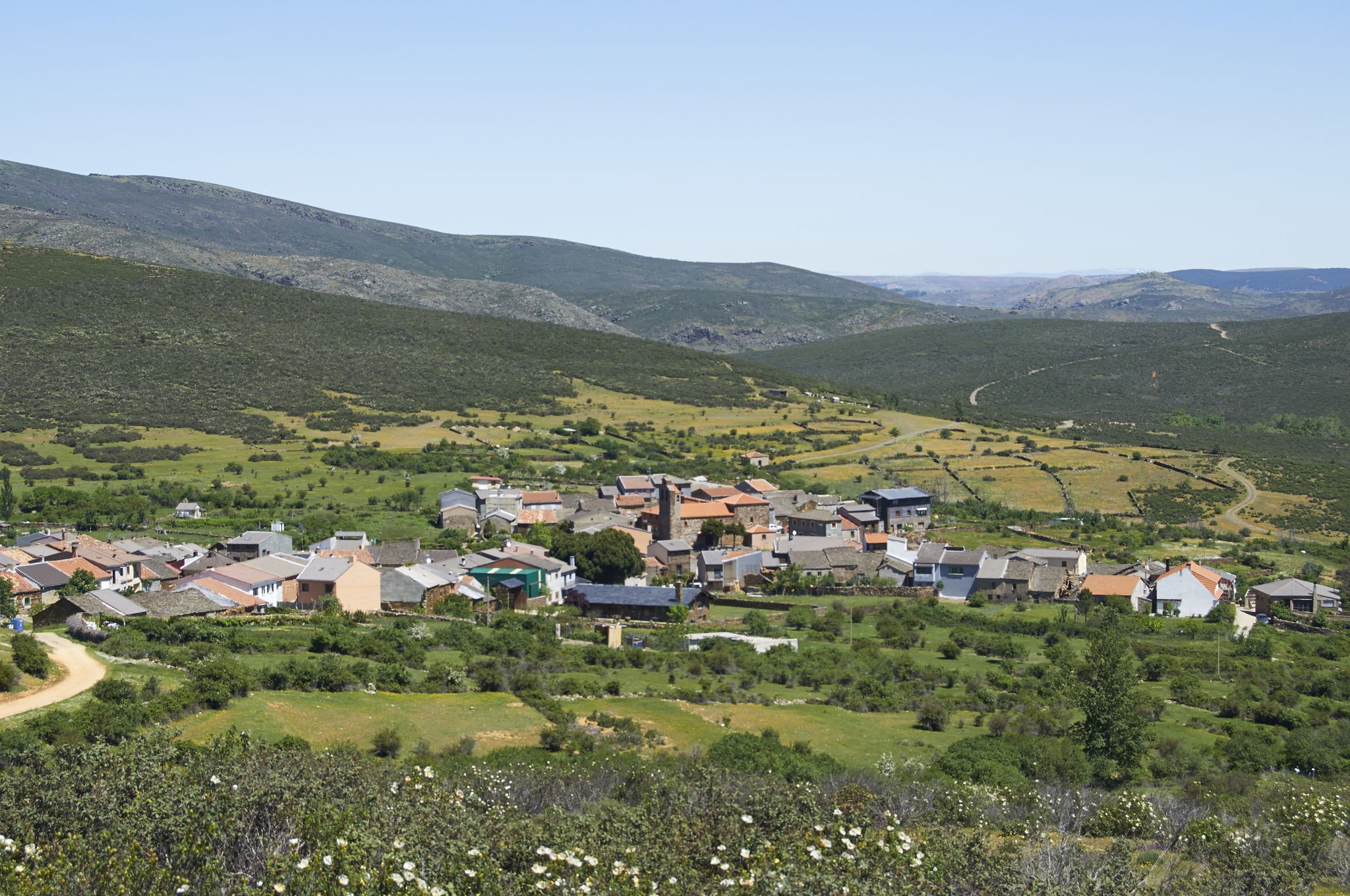
In the Guadalajara moor a juniper forest survives. It is impressive to see how these trees of post-glacial origin have adapted to this area of low rainfall.
0
0
It is a beautiful place, but very jungle, with a large number of trees, fallen and undergrowth. However, you can walk well through it. It was generated by the Almuguera stream or Chaorna stream. Its name is due to the fact that in that area, the stream descends a great unevenness, and in one of its areas, it has produced on the ground, a kind of staircase in its descent. On both sides of the ravine there are two rock cliffs. In the cliffs there are some caves.
0
1
Judes Lagoon is a lagoon formed by the subsidence of limestone (karst) terrain. It usually has water at the end of winter and in spring. In wet years, it overflows, and the excess water flows down to the Almuguera de Chaorna stream, forming beautiful waterfalls called Chorroneras, very close to the town.
1
0

Section of the Camino del Cid that runs through the gorge of the Tajuña river.
2
0

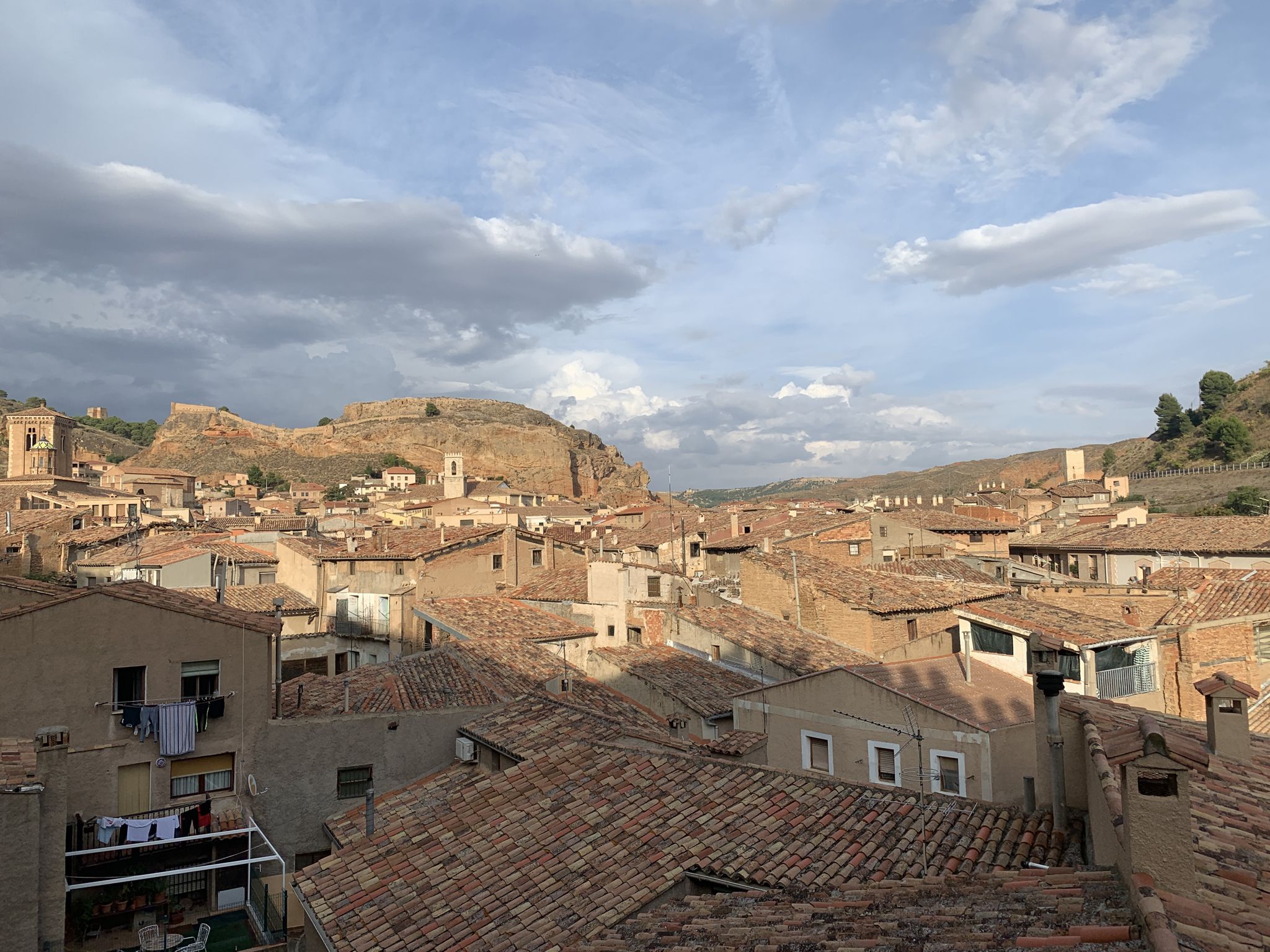
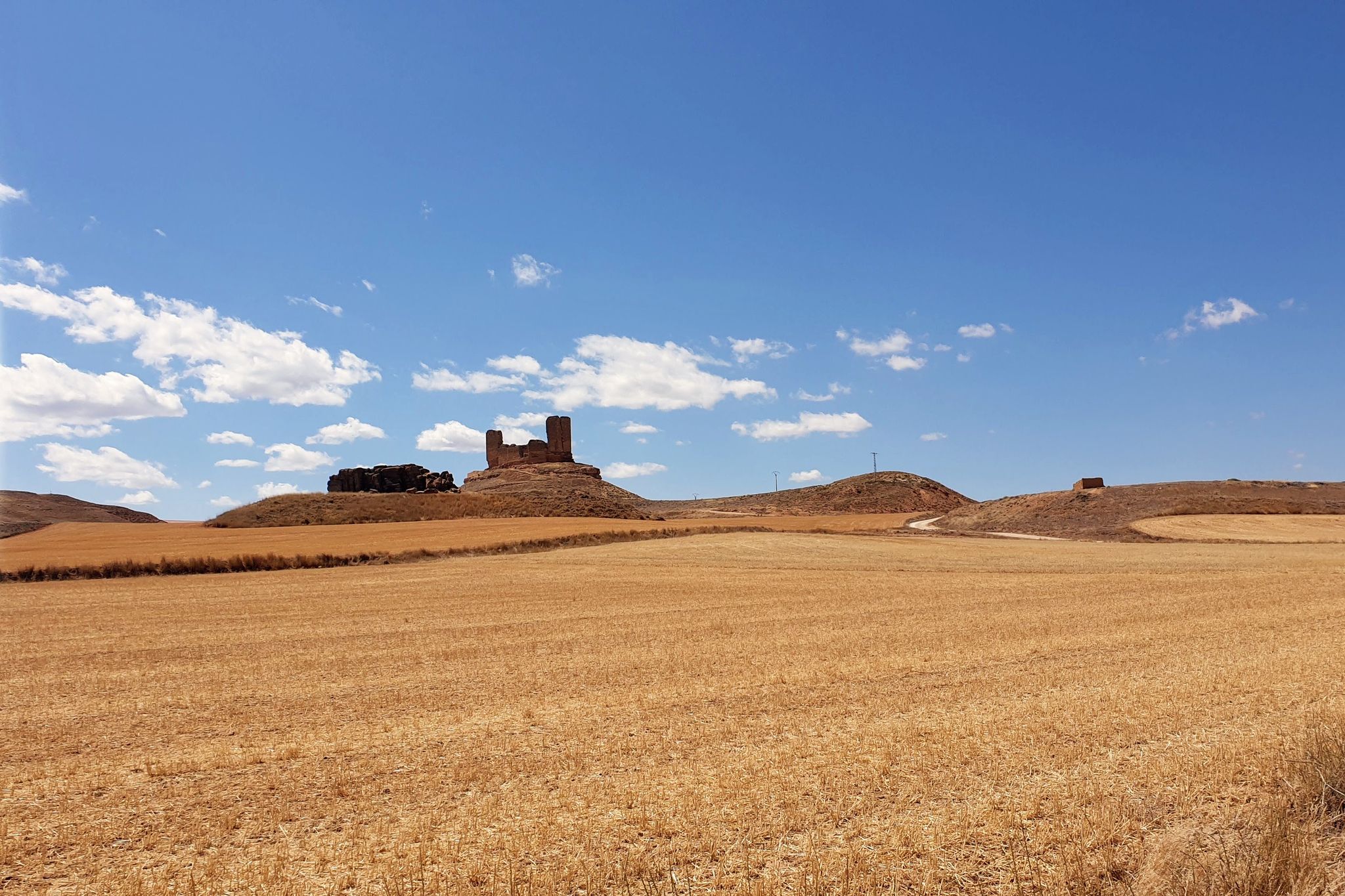
The castle of the Funes, in Villel de Mesa, is located on a large, elongated rock mass with vertical walls, which reach forty meters in height and a little more in length. This ridge is located between the village facing north and south. The southern part rises between the houses and the palace of the marquises of Villel, imposing the castle.
0
0
Frequently Asked Questions
What unique natural features can I explore around Maranchón?
The region around Maranchón is characterized by its unique geological foundation, particularly the Parameras de Maranchón. Here, you'll find a limestone substratum that has shaped the landscape, extensive juniper and gorse woodlands, and diverse flora including endemic species. It's a singular ecosystem where nature and history intertwine.
Are there any notable geological formations or wetlands to visit?
Yes, you can visit Laguna de Judes, a unique karst wetland formed by the subsidence of limestone terrain. It typically holds water in late winter and spring, and in wet years, it can even overflow, creating beautiful waterfalls nearby.
Where can I observe wildlife, especially birds, near Maranchón?
The Parameras de Maranchón is an excellent location for birdwatching, offering sightings of various steppe bird species like the Ricotí lark, stone-curlew, tawny pipit, and common crested lark. Additionally, at the Tajuña River Gorges, it's common to see vultures soaring above the canyons.
What kind of forests can I find in the natural monuments around Maranchón?
You can explore the Maranchón Juniper Forest, which is part of one of the most extensive Spanish juniper forests in Castilla-La Mancha. These ancient trees have adapted remarkably to the region's low rainfall.
Are there any historical sites integrated with the natural landscape?
Yes, the Castle of the Funes is a prominent historical site. It's dramatically situated on a large, elongated rock mass with vertical walls reaching forty meters in height, offering a unique blend of history and natural grandeur.
What kind of hiking trails are available near Maranchón's natural monuments?
There are various hiking opportunities, from easy to moderate. For example, you can find routes like 'Mochales loop from Mochales' (easy) or 'Sagides — circular around Laguna de Judes' (moderate). You can explore more options on the Hiking around Maranchón guide.
Can I go cycling near the natural monuments?
Absolutely. The area offers diverse cycling routes. For road cycling, you might consider challenging routes like 'Monasterio de Madre de Dios y Castillo de Cobeta - from Maranchon' or 'Santuario de Jaraba – Castle of the Funes loop'. Mountain biking enthusiasts can find trails such as 'Luzón - Alcolea del Pinar – circular por el río Tajuña y Camino del Cid'. Discover more on the Road Cycling Routes around Maranchón and MTB Trails around Maranchón guides.
Are there any gorges or canyons with interesting features?
The Tajuña River Gorges are a landscape of great beauty where the river has carved curious cracks and caves into the rock. Another fascinating spot is the Barranco de la Escalera, a 'jungle-like' gorge with a stream that descends a great unevenness, creating a natural 'staircase' effect, and features caves in its rock cliffs.
What is the best time of year to visit the natural monuments around Maranchón?
The Laguna de Judes is best visited in late winter and spring when it typically holds water. Generally, spring and autumn offer pleasant temperatures for hiking and exploring the diverse flora and fauna of the Parameras de Maranchón.
What should I know about accessibility and parking for these natural monuments?
The Parameras de Maranchón are easily accessible, located near the intersection of Guadalajara, Soria, and Zaragoza. Specific parking information for individual natural monuments like the Laguna de Judes or the Tajuña River Gorges can often be found in local guides or on site, typically near trailheads or points of interest.
Are there family-friendly options among the natural monuments?
Many of the natural areas, particularly those with well-marked trails within the Parameras de Maranchón, can be enjoyed by families. For instance, easier hiking routes like the 'Mochales loop from Mochales' are suitable for a family outing. Always check the specific trail difficulty before heading out.
What do visitors enjoy most about the natural monuments around Maranchón?
Visitors appreciate the unique ecosystem where nature and history intertwine. The opportunity for birdwatching, exploring diverse geological formations like the karst wetland of Laguna de Judes, and discovering extensive juniper forests are frequently highlighted. The scenic beauty of places like the Tajuña River Gorges also receives positive feedback.
Most popular attractions around Maranchón

Get inspired with the komoot mobile app


Explore more
Extend your search for the best caves by checking out these guides of the top ones around Maranchón:
