Top 12 Natural Monuments around Canet Lo Roig
Best natural monuments around Canet Lo Roig include a notable concentration of ancient olive trees. This region is home to over 1,100 millenary olive trees, some dating back to 569 AD, making them significant living historical monuments. These trees showcase centuries of agricultural practices and the enduring natural landscape. Visitors can explore dedicated routes to observe these unique natural features.
Best natural monuments around Canet Lo Roig
- The most popular natural monument is Ulldecona Reservoir, a lake that receives…
Last updated: October 4, 2026
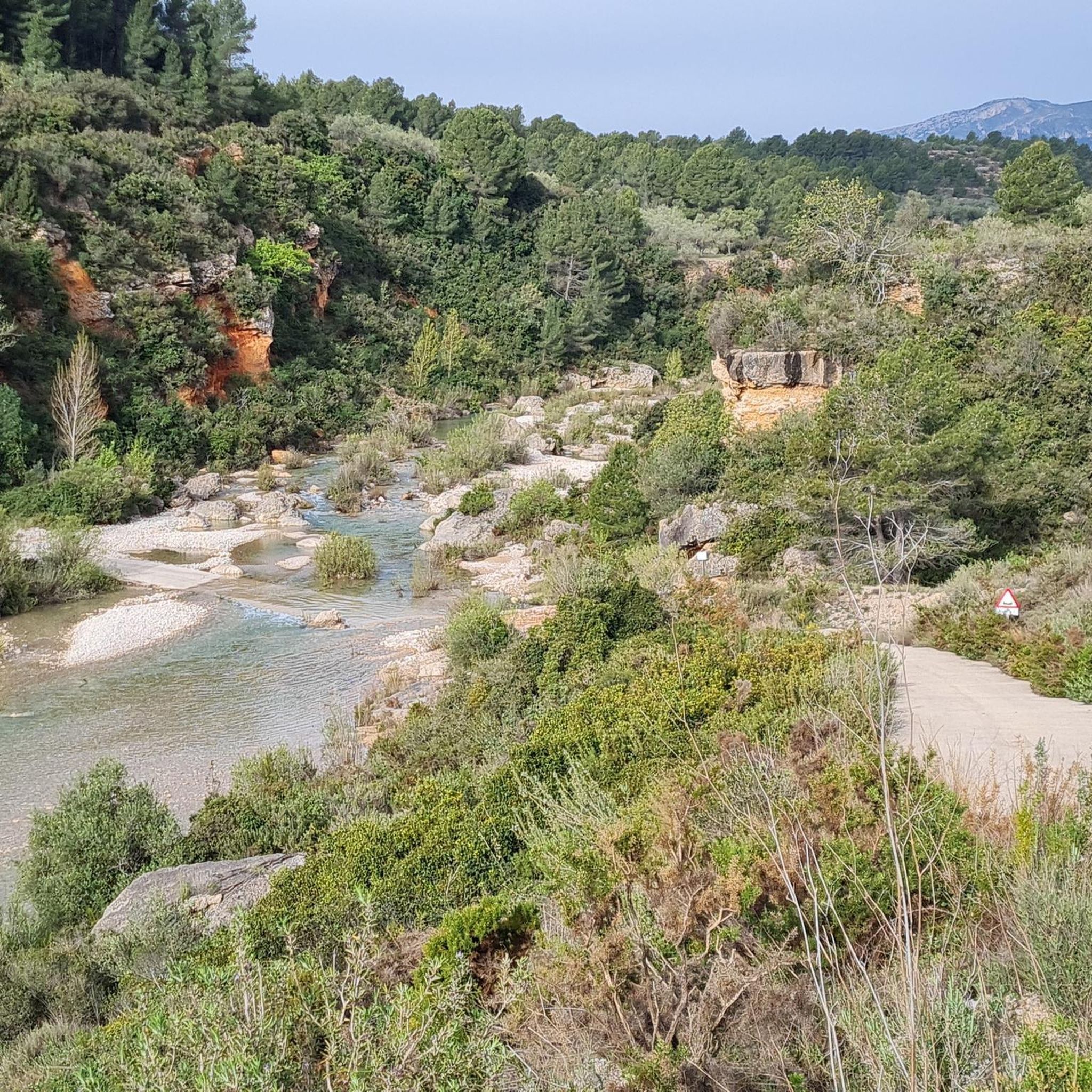
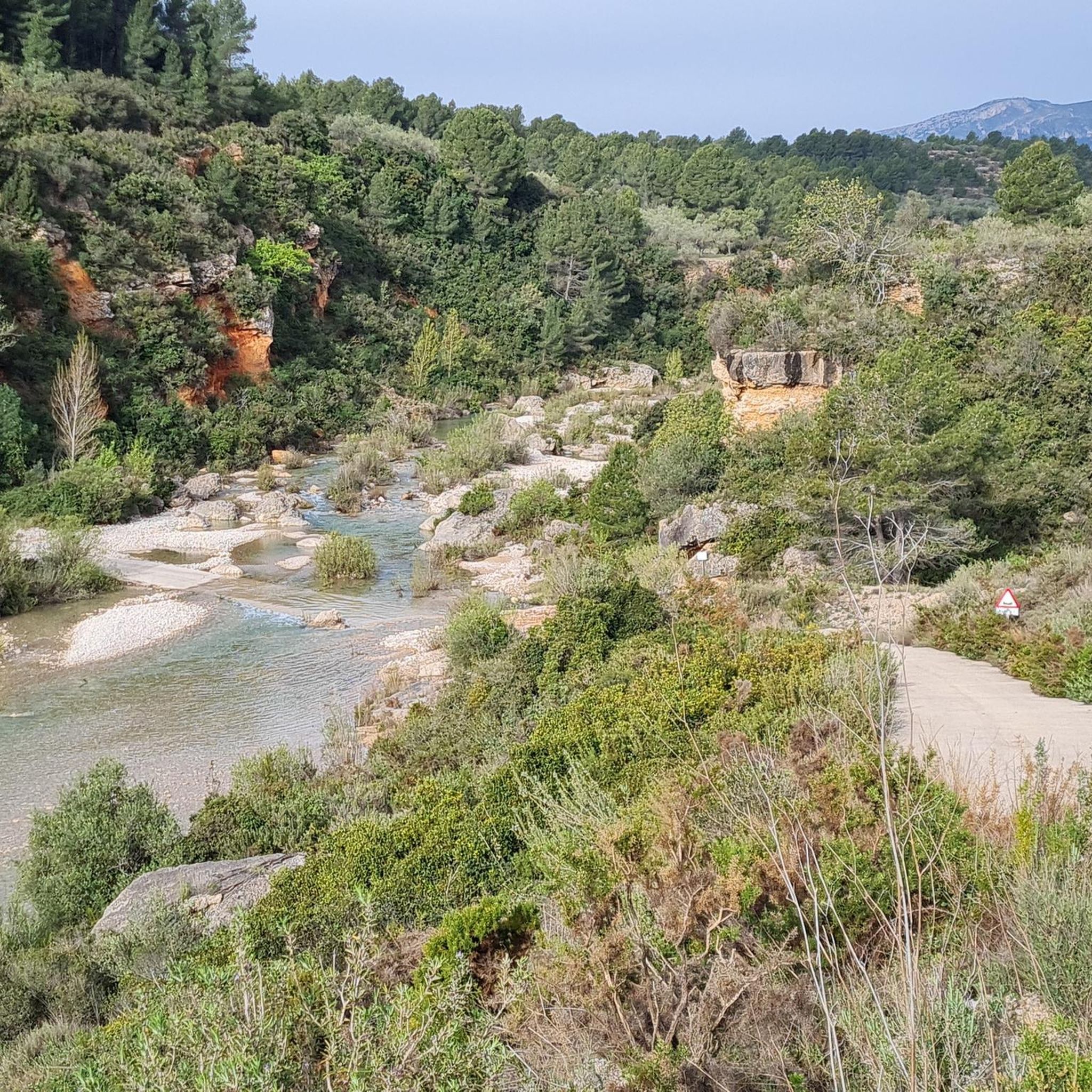
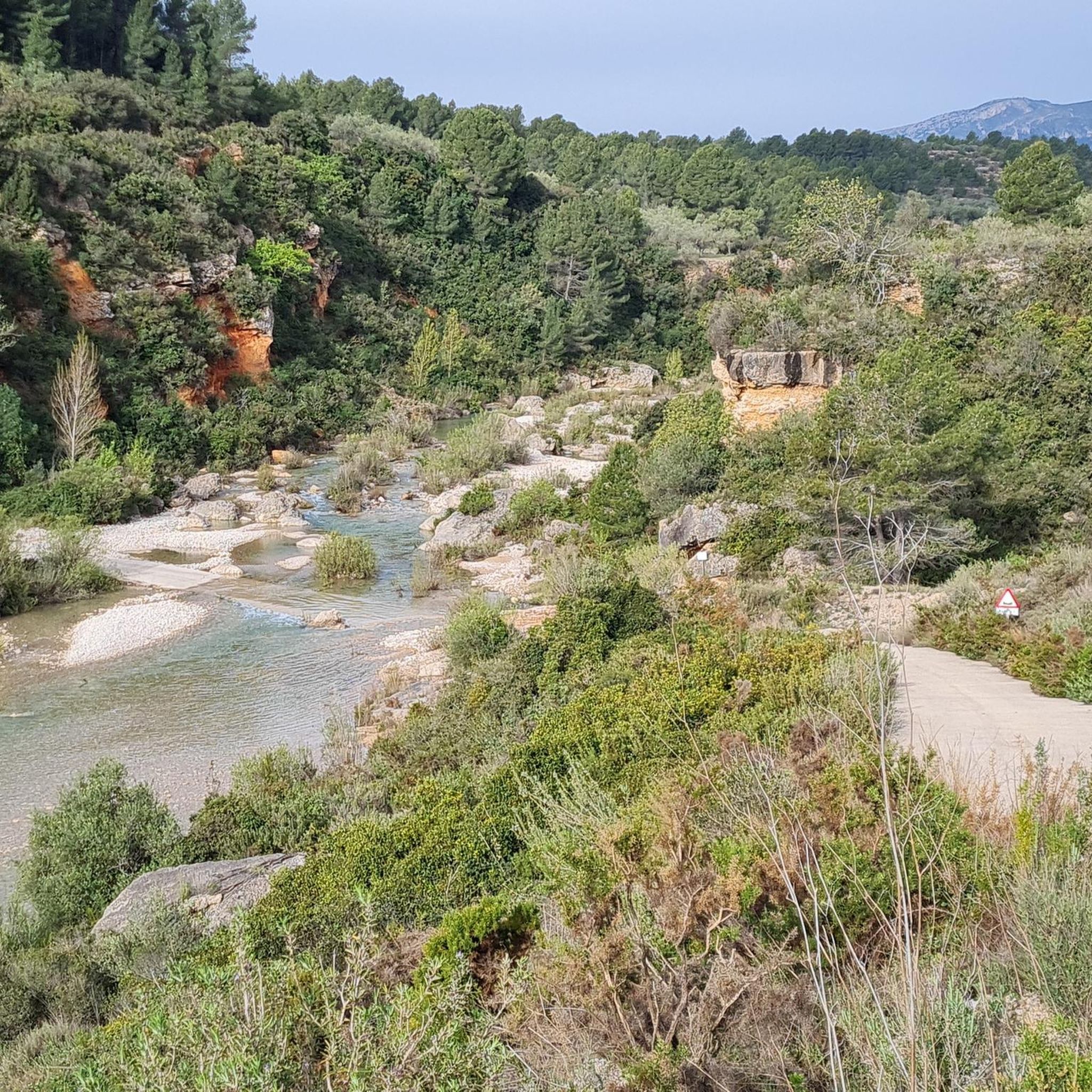
Ulldecona Reservoir
Highlight • Lake
Translated by Google •
Tip by

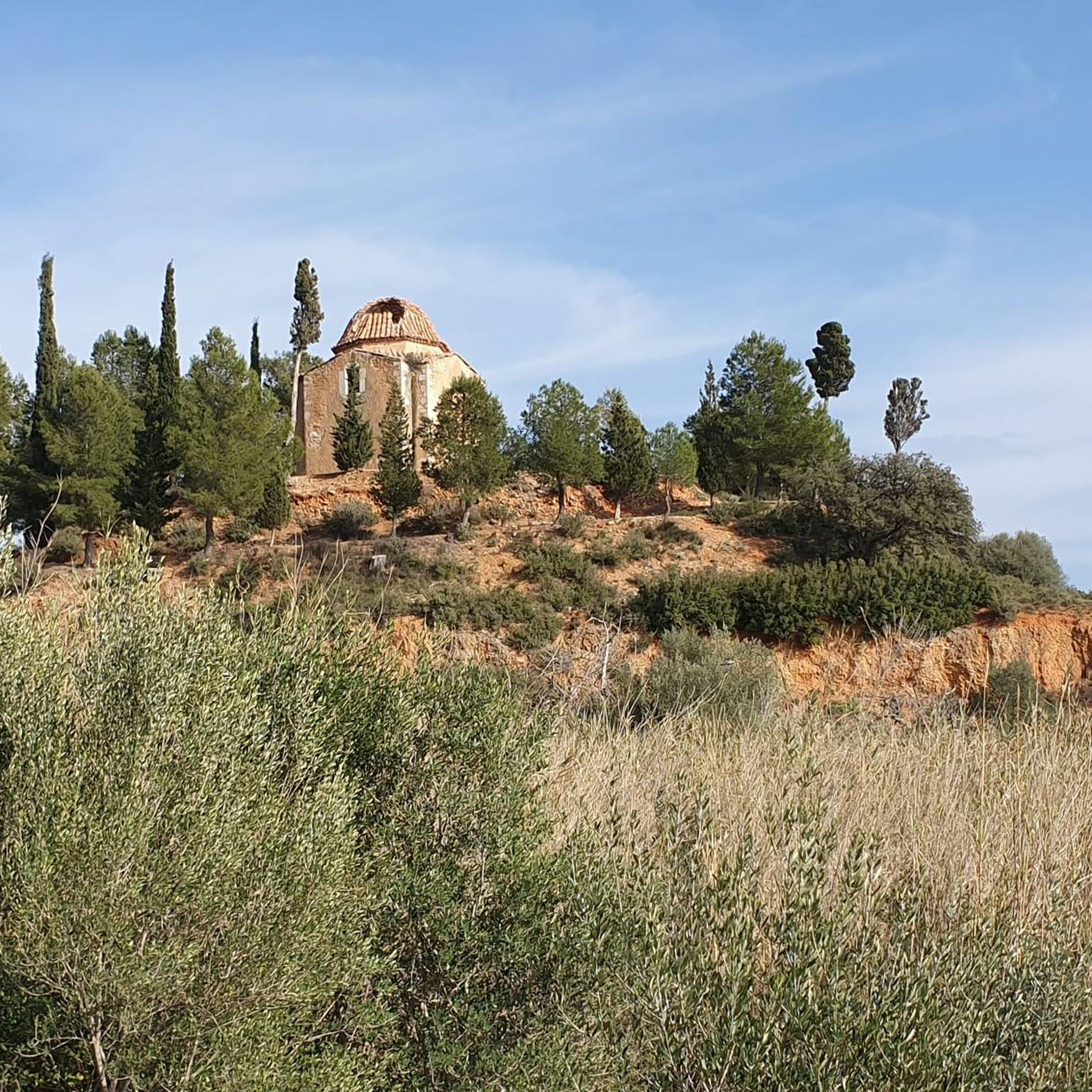
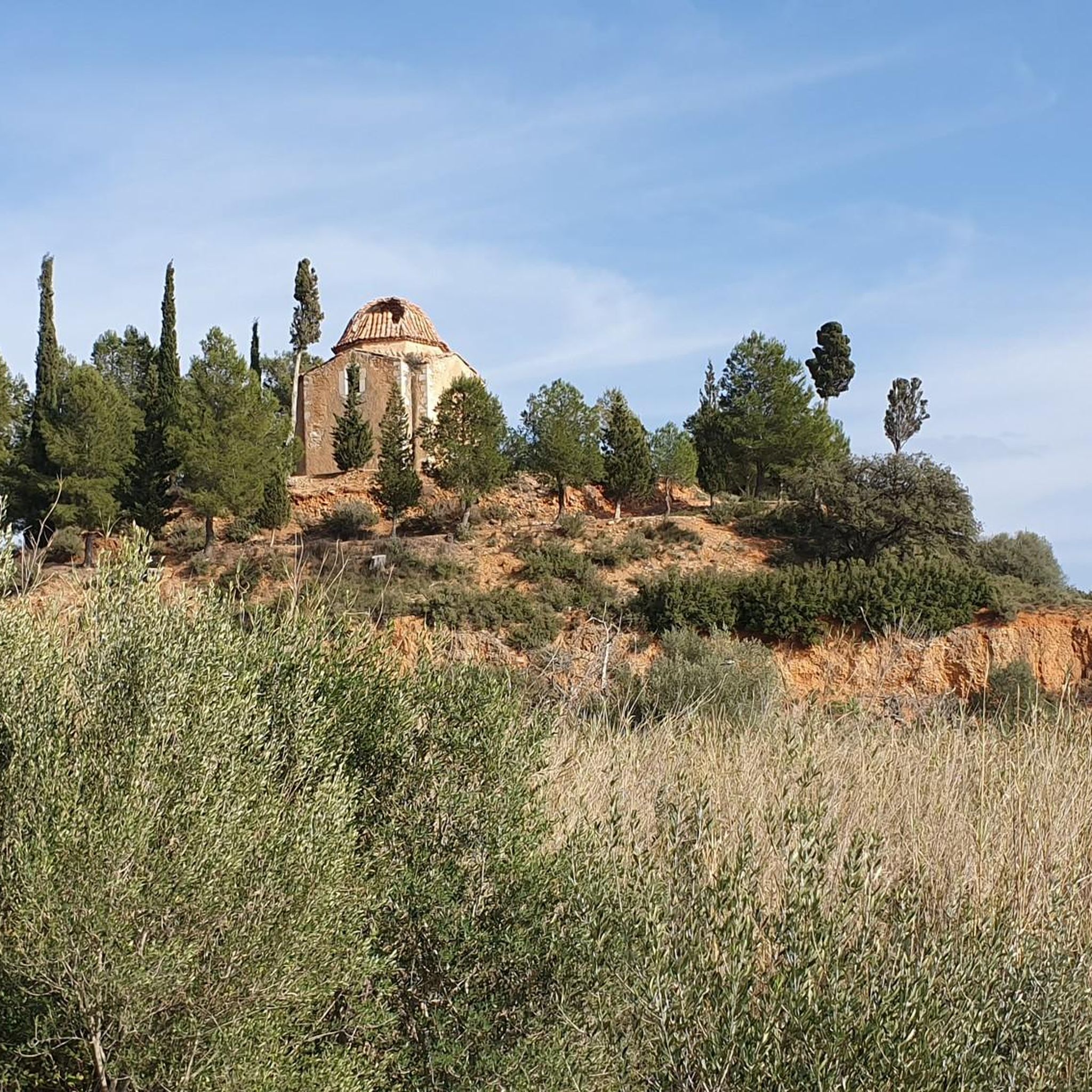
Chapel and Fountain of Sant Vicent
Highlight • Religious Site
Translated by Google •
Tip by

Sign up now to discover places like this
Get recommendations on the best single tracks, peaks, & plenty of other exciting outdoor places.
Millennial Olive Tree of the Four Legs (Canet lo Roig)
Highlight • Natural Monument
Some of the olive trees were studied …
Translated by Google •
Tip by

Along the riu Verd
Highlight (Segment) • River
Translated by Google •
Tip by
La Mola de Xert
Highlight • Natural Monument
Translated by Google •
Tip by
Sign up for free to discover even more natural monuments around Canet Lo Roig.
Already have an account?
Start today with a free account
Your next adventure awaits.

Tips from the Community

Beautiful mountain biking routes in the area, and tough ones
1
0

Well-preserved area of old wash houses.
0
0

Very beautiful, clean lake. You can go pedal boating.
0
0

Spectacular reservoir and in a privileged environment. A visit is essential if you travel to the area. Starting point for many routes in the area, both hikers and mountain bikers.
0
0
Ulldecona reservoir dam, where several cycling and hiking routes start.
0
0

The chapel dedicated to Sant Vicent Ferrer was built in memory of the blessing of the saint, who on his way through Traiguera in 1413 asked that the fountain that is right next to it never lack water. The chapel was built in the 17th century, includes an altar and a small image of the saint, and was restored in the 19th century.
1
0

Above the Riu Verd is the Ulldecona reservoir, a very picturesque site that offers not only beautiful landscapes but also countless activities in nature.
1
0
Canet lo Roig has the largest number of ancient olive trees within the entire Valencian Community (1131 specimens). Some of them date their planting to the year 569 AD. Among so many specimens, the impressive "4 legs" stands out, which has a rich history, particularly related to the war serving as a refuge.
5
0
Frequently Asked Questions
What are the most unique natural monuments to see in Canet Lo Roig?
Canet Lo Roig is most famous for its extraordinary collection of millenary olive trees. Among these, the Millennial Olive Tree of the Four Legs is particularly notable, having won an award for its unique shape and beauty. Many of these trees date back to 569 AD, offering a living connection to ancient history.
Beyond the olive trees, what other natural features can I explore around Canet Lo Roig?
You can visit the Ulldecona Reservoir, a picturesque lake with varying water colors and scenic views from its bridge, offering opportunities for activities like kayaking. Another striking natural monument is La Mola de Xert, characterized by its abruptly rising rocks and vertical walls, providing a unique landscape for exploration.
Are there family-friendly natural monuments in the area?
Yes, several natural monuments are suitable for families. The millenary olive trees, including the Millennial Olive Tree of the Four Legs, are great for a family visit, offering an engaging historical and natural experience. The Ulldecona Reservoir and the path Along the riu Verd are also considered family-friendly, with gentle slopes and beautiful scenery.
What kind of historical significance do the natural monuments in Canet Lo Roig hold?
The millenary olive trees are living historical monuments, with some specimens dating back to 569 AD. They represent centuries of agricultural practices and the enduring rural life of the region. The famous "4 Patas" olive tree even has war stories associated with it, having served as a refuge. Additionally, the Chapel and Fountain of Sant Vicent is a historical site built in the 17th century, linked to a blessing by Saint Vicent Ferrer in 1413.
What outdoor activities can I do near these natural monuments?
The area around Canet Lo Roig offers a variety of outdoor activities. Near the Ulldecona Reservoir, you can enjoy hiking, biking, mountain biking, sailing, and kayaking. For more structured routes, you can explore various road cycling routes, gravel biking trails, and running trails that pass through the scenic landscapes.
Are there specific hiking trails to see the millenary olive trees?
Yes, to help visitors explore, three specific areas have been set up, along with a dedicated route (SL-V58), allowing you to admire the landscape and the best examples of these ancient olive trees. This route provides an accessible way to experience these majestic natural wonders.
What is the terrain like for hiking around Canet Lo Roig's natural monuments?
The terrain varies. While paths like the one Along the riu Verd offer gentle slopes suitable for easy walks, other areas like La Mola de Xert feature more technical paths with vertical walls, requiring a firm step. Generally, you'll find a mix of easy walking trails and more challenging routes.
What is the best time of year to visit the natural monuments in Canet Lo Roig?
The millenary olive trees and other natural monuments can be enjoyed throughout much of the year. Spring and autumn generally offer pleasant temperatures for outdoor activities like hiking and cycling. Summer can be warm, so early mornings or late afternoons are ideal for exploration. Winter offers a different, often quieter, perspective on the landscape.
Are there any viewpoints or scenic spots to capture the beauty of the region?
Absolutely. The bridge over the Ulldecona Reservoir offers magnificent views of the water and surrounding nature. The path around La Mola de Xert also provides unique perspectives of its dramatic rock formations. Additionally, walking among the ancient olive trees themselves offers visually striking landscapes and photo opportunities.
What do visitors enjoy most about the natural monuments in Canet Lo Roig?
Visitors are often awe-struck by the majestic presence and unique beauty of the millenary olive trees, finding them to be living historical monuments. The diverse landscapes, from the serene Ulldecona Reservoir to the dramatic La Mola de Xert, are also highly appreciated. The blend of natural beauty with deep historical and cultural significance makes for a memorable experience.
Is there parking available near the natural monuments?
While specific parking details for every monument are not provided, the region is set up to facilitate exploration. An area at the entrance of Canet Lo Roig village features two spectacular millenary olive trees to welcome visitors, suggesting accessibility. For the dedicated olive tree route (SL-V58), parking is generally available at designated starting points to allow visitors to admire the landscape.
Can I bring my dog to the natural monuments?
While specific regulations for dogs on every trail are not detailed, many natural areas in Spain are dog-friendly, especially on marked trails, provided dogs are kept on a leash and owners clean up after them. It's always recommended to check local signage or specific monument guidelines upon arrival to ensure compliance.
Most popular routes around Canet Lo Roig
Most popular attractions around Canet Lo Roig

Get inspired with the komoot mobile app


Explore more
Extend your search for the best caves by checking out these guides of the top ones around Canet Lo Roig:
