Top 14 Natural Monuments around Coria Del Río
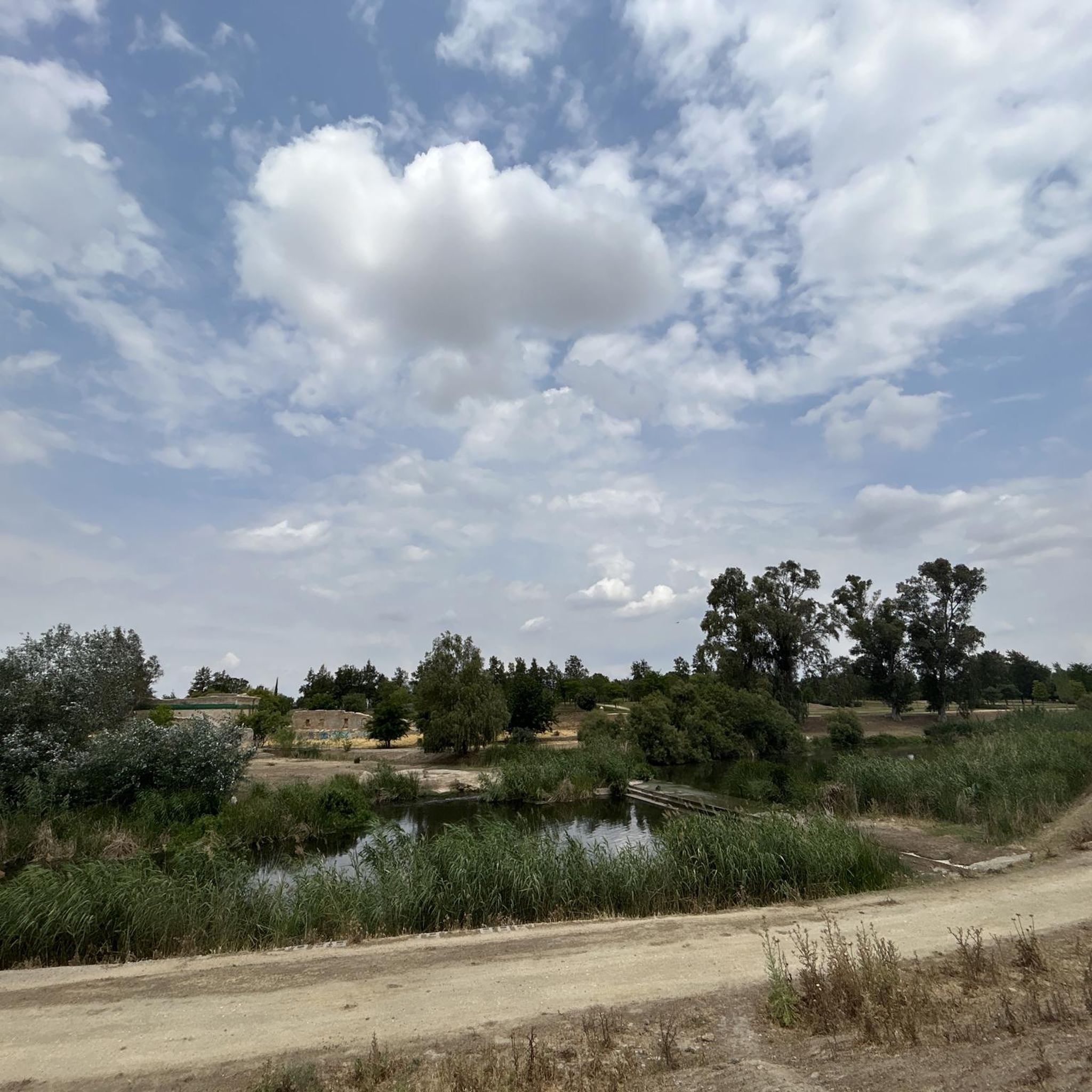
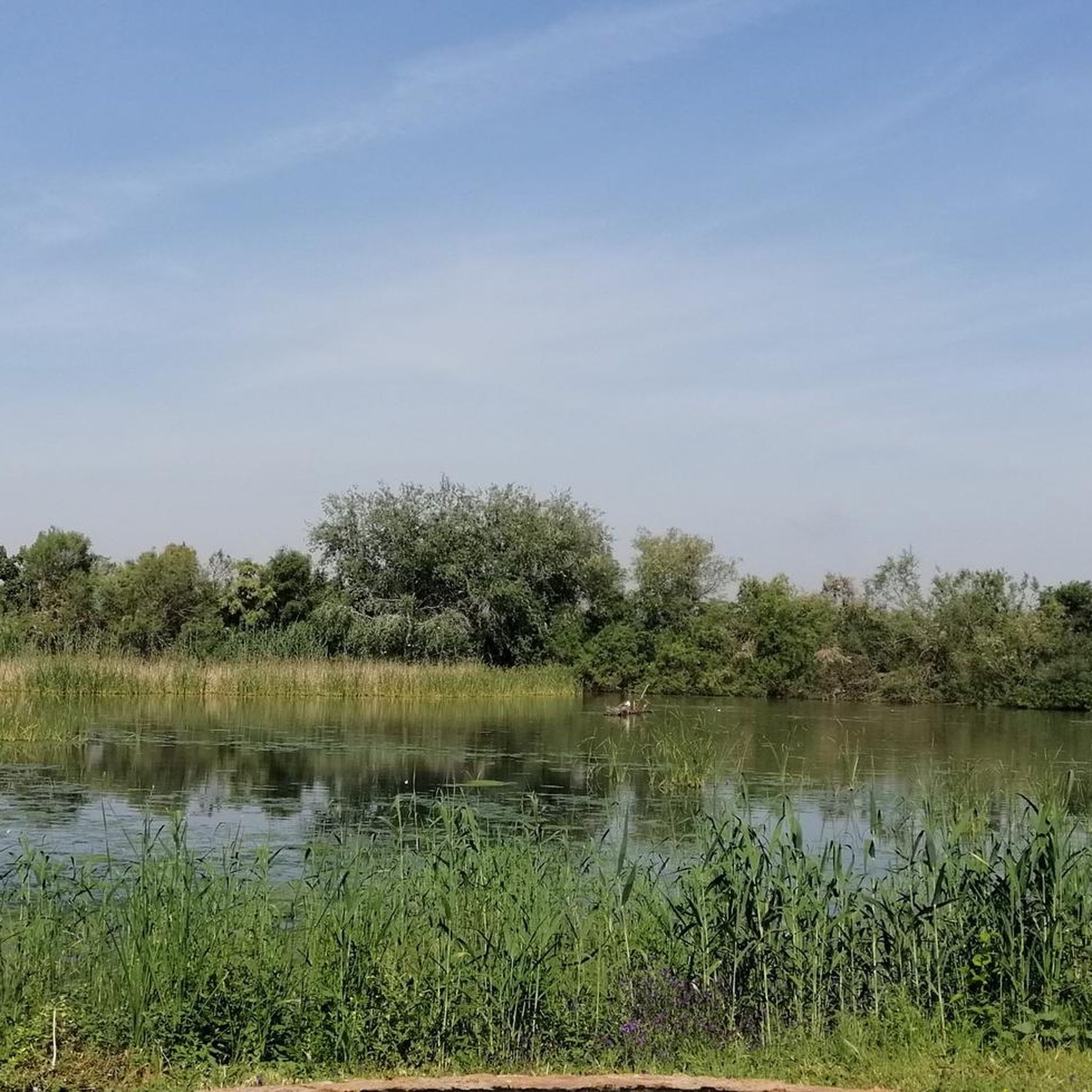
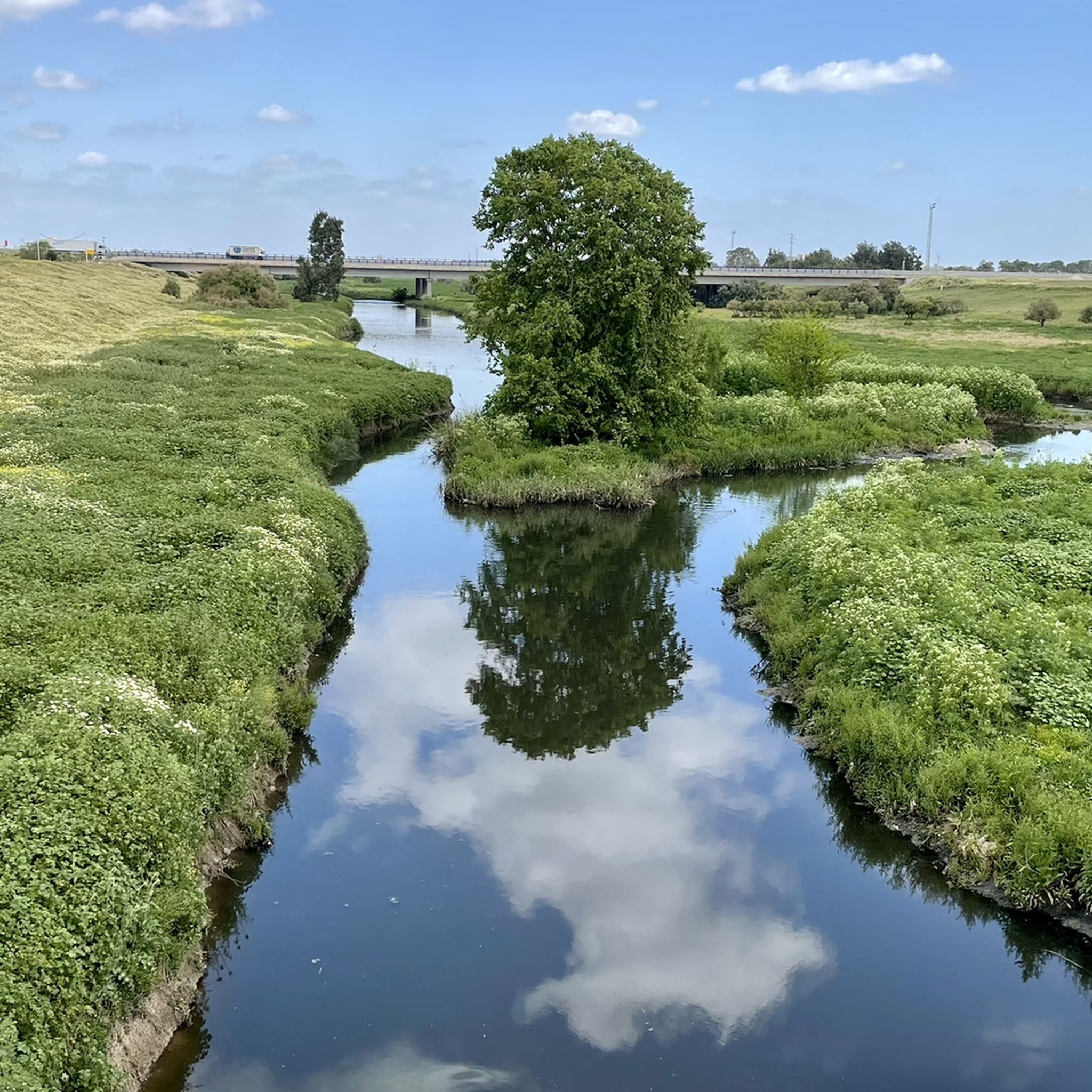
Best natural monuments around Coria Del Río are found along the Guadalquivir River, a significant natural feature that shapes the local environment. The region is characterized by its rich biodiversity and unique landscapes, particularly its wetland ecosystems. These areas provide crucial habitats for diverse flora and fauna, making the area a notable destination for nature observation.
Best natural monuments around Coria Del Río
- The most popular natural monuments is Monumental Carob Tree, María Luisa Park, a natural monument located within a spacious park. This area is ideal for discovery on foot or by bike, offering a tranquil retreat.
- Another must-see spot is Great Large-leaved Fig (Ficus macrophylla), Calle Palos de la Frontera, a natural monument known for its impressive size and extensive aerial roots. Visitors can observe a tree that reaches heights of up to 55 meters with a trunk diameter of up to 2 meters.
- Visitors also love Frog Fountain, María Luisa Park, a man-made monument within the María Luisa Park. This fountain is one of the park's oldest and most iconic features, dating back to 1914.
- Coria Del Río is known for its significant trees, wetland areas, and riverine landscapes. The region offers a variety of natural monuments to see and explore, from ancient trees to important bird habitats.
- The natural monuments around Coria Del Río are appreciated by the komoot community, with more than 250 upvotes and over 210 photos shared by visitors.
Last updated: May 20, 2026
Monumental Carob Tree, María Luisa Park
Highlight • Natural Monument
It was inaugurated in 1914 and was part of the private gardens of the San Telmo Palace, later designed by the French landscaper Jean Claude Nicolas Forestier in 1914.
Translated by Google •
Tip by

Frog Fountain, María Luisa Park
Highlight • Monument
It was opened in 1914 and was part of the private gardens of the San Telmo Palace, later designed by the French landscaper Jean Claude Nicolas Forestier in 1914.
Translated by Google •
Tip by
Sign up now to discover places like this
Get recommendations on the best single tracks, peaks, & plenty of other exciting outdoor places.
Sign up for free
María Luisa Park
Highlight • Natural
The park was opened to the Plazas of Spain and America, created for the Ibero-American Exhibition of 1929, which are one of its main attractions. The fountains give that arabesque touch that adds sound and tranquility to the relaxation that can be enjoyed among the many benches and gazebos, which describe literary works and other works of art where you can rest peacefully.
Translated by Google •
Tip by

Monument to Juan Sebastián Elcano
Highlight • Monument
The monument, created by the artist Antonio Cano in 1973, consists of several parts, including a pond with water jets that symbolize the sea and its movements, a wall with a world map and a bronze statue of Elcano. It commemorates the 250 men who set out from Seville on August 10, 1519 to travel around the world.
Translated by Google •
Tip by
Great Large-leaved Fig (Ficus macrophylla), Calle Palos de la Frontera
Highlight • Natural Monument
Translated by Google •
Tip by
Sign up for free to discover even more natural monuments around Coria Del Río.
Sign up for free
Already have an account?
Start today with a free account
Your next adventure awaits.
Login or Signup
Tips from the Community

The Frog Fountain is a charming and playful fountain, built in the 1920s. The central element is an octagonal basin from which water spouts. Around this basin are eight bronze frogs that also spout water.
3
0
One of the most striking features of Seville is the beauty of its fountains, which are so recurrent to cool off on the hottest days. In the María Luisa Park we find one of the most beautiful fountains in the city, the Fountain of the Frogs. It is the oldest fountain in the entire enclosure, dating back to 1914, when what used to be the San Telmo Gardens began to become a park. It is located between two large ponds, next to the Garden of the Lions and the Isleta de los Patos, and surrounded by lush vegetation. It consists of a circular enclosure, surrounded by the figures of eight frogs and a duck leaning on a turtle in the middle of it. The mouths of the frogs and the beak of the duck expel water, although they are not always in operation, and form one of the most beautiful scenes in the park.
1
0

The Frog Fountain is located in María Luisa Park in Seville and is one of the park's oldest and most iconic fountains. It was designed by ceramist Manuel García-Montalván and inaugurated in 1914.
3
0
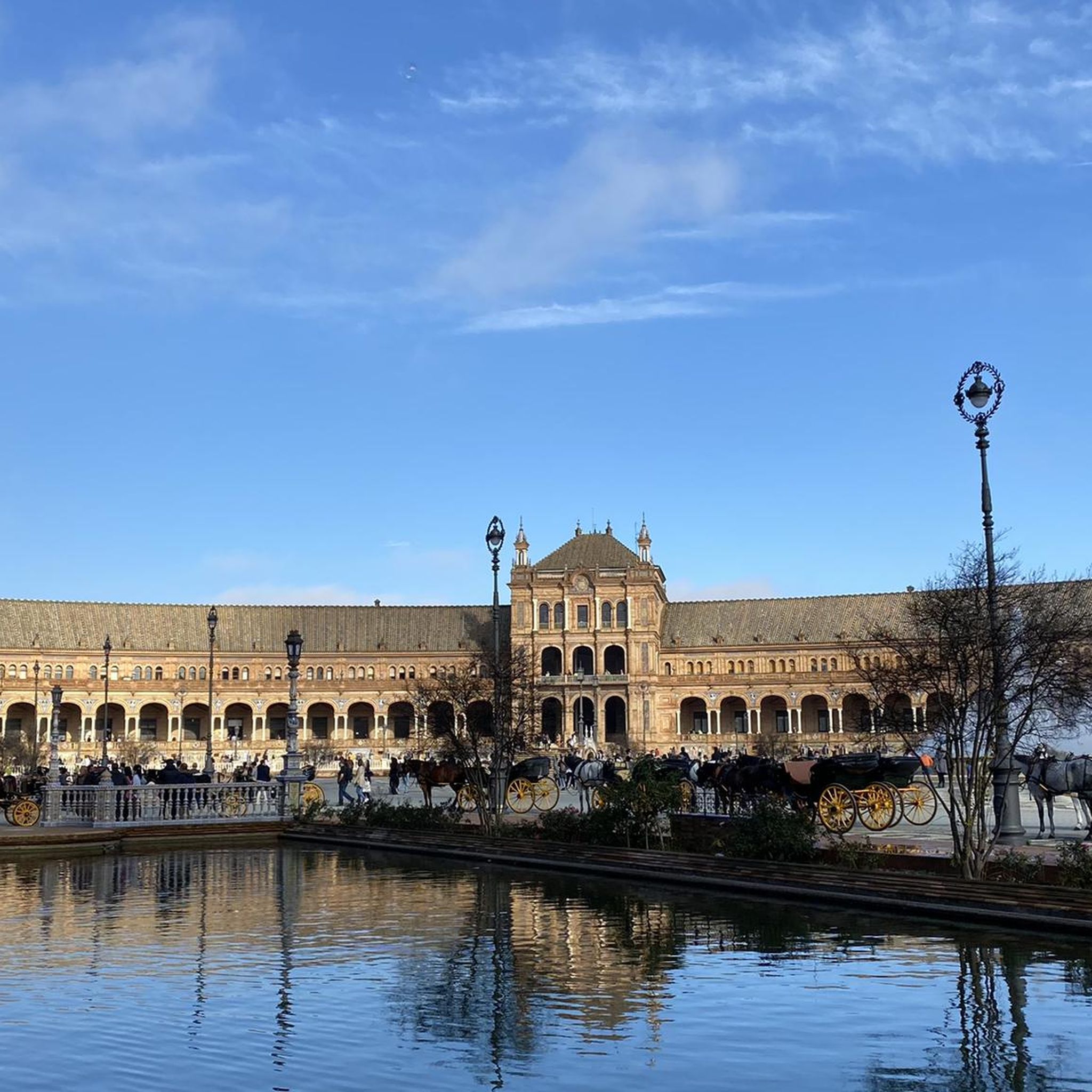
It's a spacious, free-access park, ideal for exploring on foot or by bike. It houses the Archaeological Museum and Plaza de España. It was inaugurated in 1914 and was part of the private gardens of the San Telmo Palace, later designed by French landscape designer Jean Claude Nicolas Forestier in 1914.
4
0
They were formerly private gardens of the Palace of San Telmo and were donated to the city in 1893 by the Infanta María Luisa Fernanda de Borbón (Duchess of Montpensier). They were renovated by the French engineer Jean-Claude Nicolas Forestier, curator of the Bois de Boulogne in Paris, who gave them a romantic touch, inspired by the gardens of the Generalife, the Alhambra and the Alcázares in Seville. The park was opened to the Plazas of Spain and America, created for the Ibero-American Exhibition of 1929, which are one of its main attractions. The fountains give that arabesque touch that adds sound and tranquility to the relaxation that can be enjoyed among the many benches and gazebos, which describe literary works and other works of art where you can rest peacefully.
7
0

The Frog Fountain is the oldest fountain in the María Luisa Park in Seville. It dates back to 1914, the year in which the former San Telmo Gardens were converted into a park.
3
0
The Monumento a Juan Sebastián de Elcano is an impressive monument located in the Glorieta de los Marineros. The monument was built to commemorate the first circumnavigation of the world, which was completed on September 8, 1522 with the return of the Nao Victoria under the command of Juan Sebastián de Elcano. The monument, created by the artist Antonio Cano in 1973, consists of several parts, including a pond with water jets that symbolize the sea and its movements, a wall with a world map and a bronze statue of Elcano. It commemorates the 250 men who set out from Seville on August 10, 1519 to travel around the world.
1
1
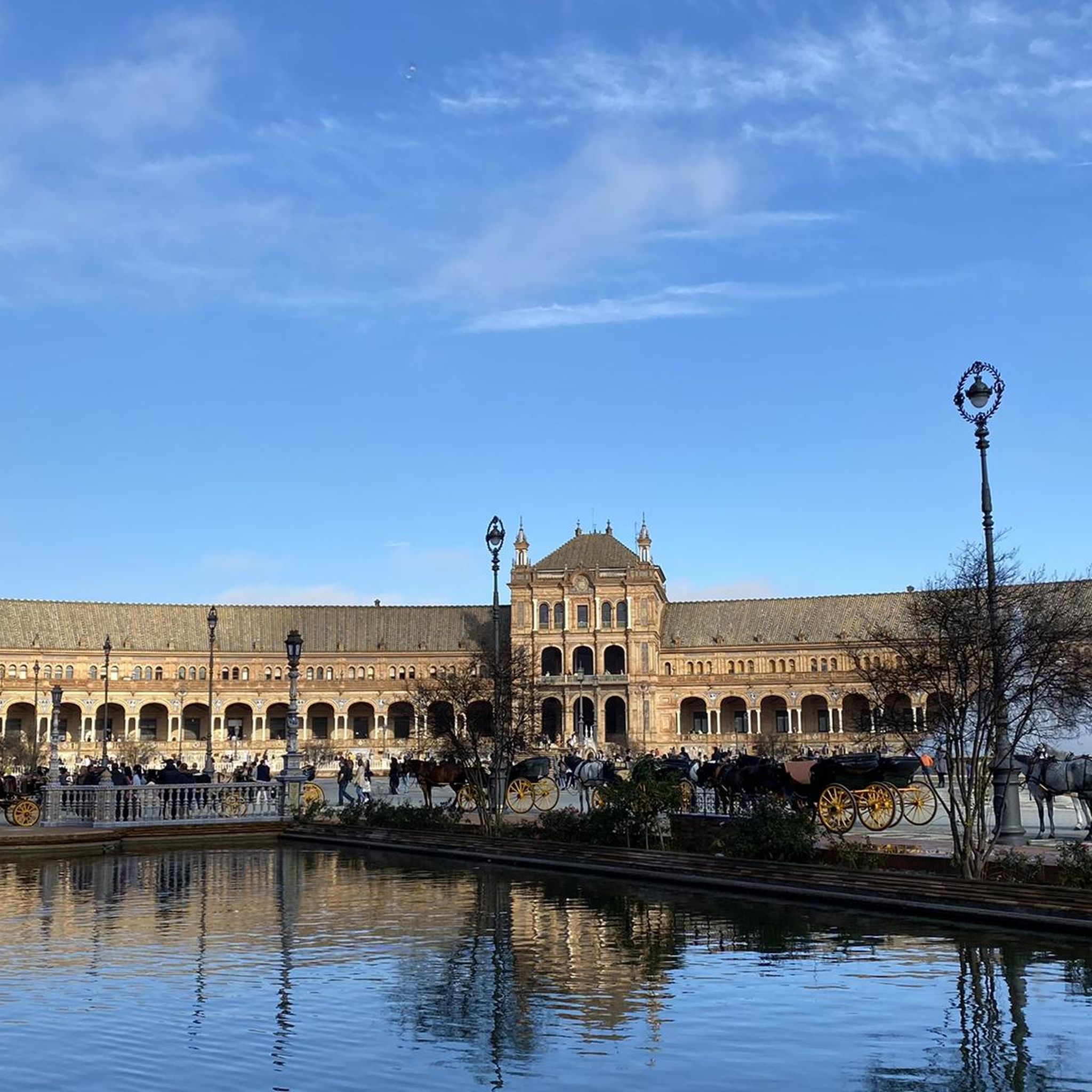
The Parque de María Luisa is a beautiful city park. The park was originally created in 1914 and is named after Infanta María Luisa Fernanda de Borbón, who donated the gardens of the Palacio de San Telmo to the city. The park is a beautiful example of romantic landscape architecture and includes several themed gardens, pavilions and fountains. Some of the highlights include the Plaza de España, an impressive square with a large pond and a fountain in the shape of a world map, and the Plaza de América, where you can visit the Museo de Artes y Costumbres Populares.
7
1
Frequently Asked Questions
What are the most notable natural monuments to visit around Coria del Río?
The region around Coria del Río offers several significant natural monuments. Key areas include the Paraje Natural Brazo del Este, a vast wetland important for bird migration, and the Reserva Natural Concertada Dehesa de Abajo, known for its unique combination of Mediterranean forest and marshland. The Guadalquivir River itself is also a fundamental natural feature with scenic banks and areas like 'El Bajo' and 'El Sotillo'.
Are there family-friendly natural monuments in the Coria del Río area?
Yes, several natural monuments are suitable for families. Monumental Carob Tree, María Luisa Park, and Great Large-leaved Fig (Ficus macrophylla), Calle Palos de la Frontera, are both located in accessible areas. María Luisa Park, which houses the Carob Tree, is a spacious park ideal for exploring on foot or by bike, offering a tranquil retreat for all ages.
What kind of wildlife can I expect to see at the natural monuments?
The natural monuments around Coria del Río are rich in wildlife, especially birds. The Paraje Natural Brazo del Este is a Special Protection Area for Birds (ZEPA) and a Ramsar Site, hosting protected species like the marbled teal and imperial heron. The Reserva Natural Concertada Dehesa de Abajo is home to flamingos, spoonbills, and the largest colony of white storks in Spain. Mammals such as foxes, badgers, and genets also inhabit the Dehesa de Abajo.
What outdoor activities can I do near these natural monuments?
The natural monuments and surrounding areas offer various outdoor activities. You can enjoy walking, cycling, or even horseback riding along the trails in the Reserva Natural Concertada Dehesa de Abajo. The Paraje Natural Brazo del Este also provides routes for cycling and hiking. For more structured activities, you can find numerous running trails, gravel biking routes, and cycling routes around Coria del Río.
What are the best natural features to observe along the Guadalquivir River in Coria del Río?
The Guadalquivir River is central to Coria del Río's natural environment. Its banks feature diverse vegetation including white poplars, tamarisks, and willows. You can also visit 'El Bajo,' a sedimentary clay and sand beach, and 'El Sotillo,' a former meander that is now a tidal beach attracting various avifauna. The river offers picturesque fluvial routes and scenic views, particularly sunsets from Carlos de Mesa Park.
Is there an environmental education center or interpretive guide available?
Yes, the Reserva Natural Concertada Dehesa de Abajo enhances the visitor experience with an environmental education center and an interpretive guide. This allows visitors to learn more about the unique ecosystems and biodiversity of the reserve.
What is the best time of year to visit the natural monuments around Coria del Río?
The region's natural monuments, particularly the wetlands, are significant resting points during bird migration. Therefore, spring and autumn are excellent times to visit for birdwatching. The mild temperatures during these seasons also make outdoor activities like hiking and cycling more enjoyable.
Are there any historical or man-made monuments integrated with the natural areas?
Yes, for example, within María Luisa Park, you can find the Frog Fountain, one of the park's oldest and most iconic features dating back to 1914. The park itself was formerly private gardens of the San Telmo Palace and was renovated with a romantic touch inspired by historical gardens. Additionally, the Monument to Juan Sebastián Elcano, commemorating the first circumnavigation of the world, is also located in a scenic area.
What makes the Great Large-leaved Fig tree a significant natural monument?
The Great Large-leaved Fig (Ficus macrophylla), Calle Palos de la Frontera, is a remarkable natural monument due to its impressive size and age. This evergreen tree can reach heights of up to 55 meters with a trunk diameter of up to 2 meters. It is also characterized by numerous buttress roots and extensive aerial roots that root into the ground, creating a unique and striking appearance.
What do visitors particularly enjoy about the natural monuments in this region?
Visitors appreciate the tranquility and natural beauty of the area. The spacious parks, like María Luisa Park, are ideal for peaceful walks or bike rides. The rich biodiversity, especially the high concentration of birds in areas like the Paraje Natural Brazo del Este and Reserva Natural Concertada Dehesa de Abajo, offers exceptional opportunities for nature observation and photography. The scenic views along the Guadalquivir River are also highly enjoyed.
Are there specific trails for cycling within the natural monuments?
Yes, both the Paraje Natural Brazo del Este and the Reserva Natural Concertada Dehesa de Abajo offer trails suitable for cycling, allowing visitors to explore their diverse landscapes. For more extensive cycling options, you can find various cycling routes around Coria del Río, including those that pass through natural areas.
How long should I plan for a visit to one of the natural monuments?
The duration of your visit can vary depending on the monument and your interests. For a comprehensive experience at a larger area like the Paraje Natural Brazo del Este or the Reserva Natural Concertada Dehesa de Abajo, especially if you plan to hike, cycle, or birdwatch, you might want to allocate a half-day or even a full day. Smaller monuments like the Monumental Carob Tree or the Great Large-leaved Fig can be enjoyed in a shorter visit, perhaps an hour or two, especially if combined with exploring María Luisa Park.
Most popular routes around Coria Del Río
Most popular attractions around Coria Del Río

Get inspired with the komoot mobile app


Explore more
Extend your search for the best caves by checking out these guides of the top ones around Coria Del Río:
