Top 4 Natural Monuments around Bustares
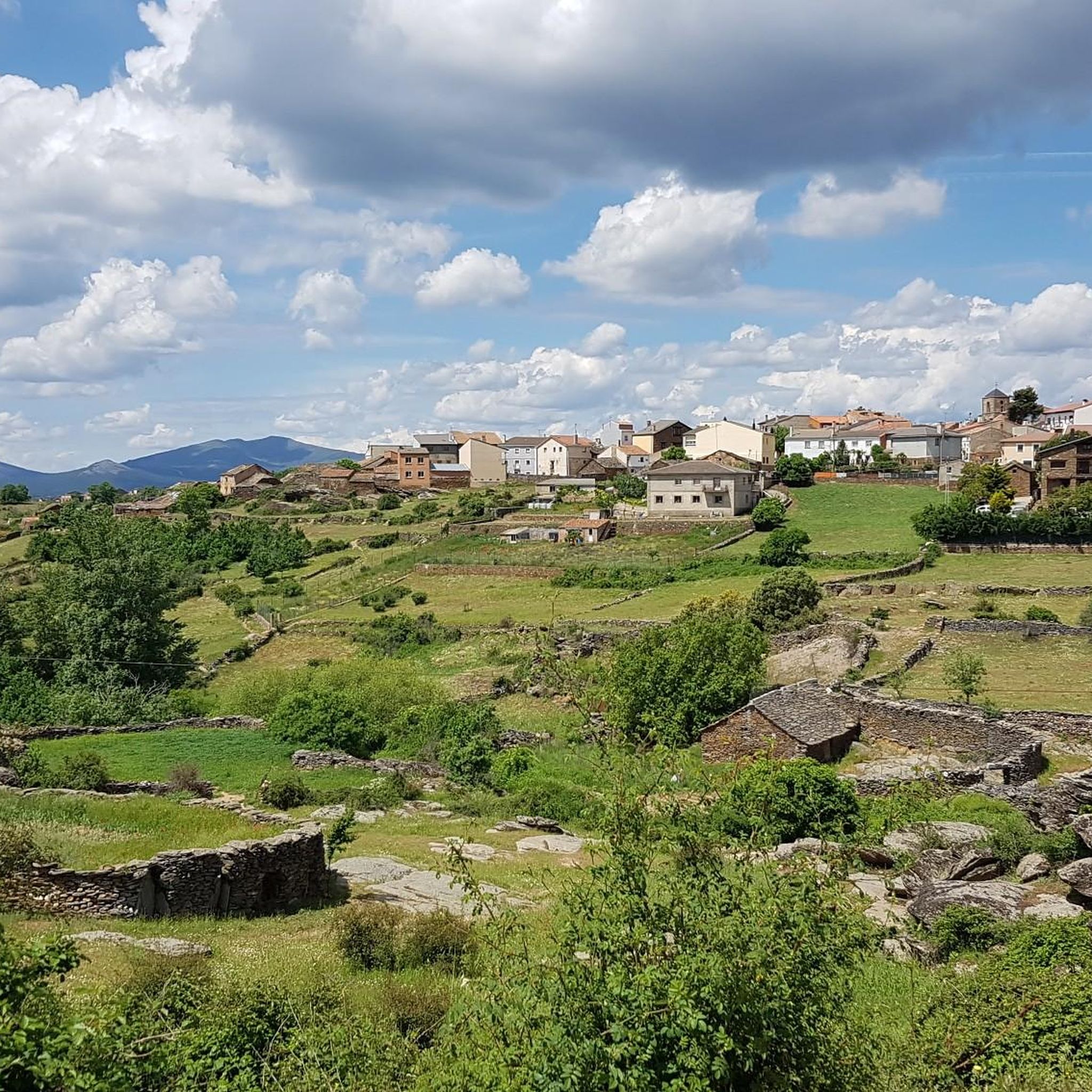
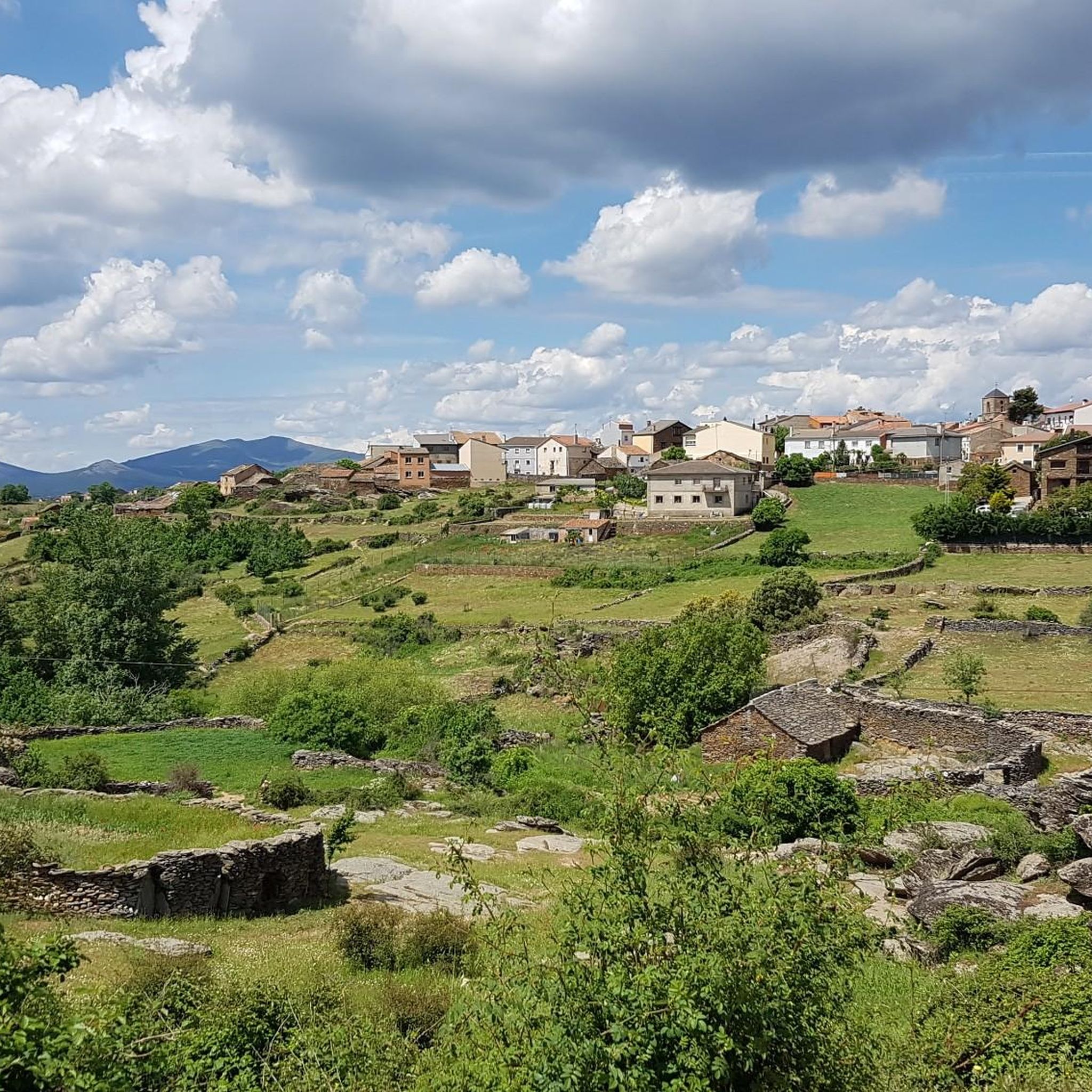
Best natural monuments around Bustares are found within the Sierra Norte de Guadalajara Natural Park, an area known for its rugged mountainous terrain and diverse ecosystems. This region features unique geological formations, including rock forests and varied landscapes. Bustares itself is one of the "Black Villages," characterized by architecture built with black slate, adobe, and wood, integrated into the natural environment. The area offers a blend of cultural heritage and natural beauty, providing numerous opportunities for exploration.
Best natural monuments…
Last updated: May 3, 2026
Views of the Pelagallinas River
Highlight • Viewpoint
Translated by Google •
Tip by

Source of the Arroyo de La Sandría
Highlight • Natural Monument
Translated by Google •
Tip by

Sign up now to discover places like this
Get recommendations on the best single tracks, peaks, & plenty of other exciting outdoor places.
Sign up for free
Sombrero Rock
Highlight • Natural Monument
Translated by Google •
Tip by
Sinkhole on the Trail to Campisábalos
Highlight • Cave
Translated by Google •
Tip by
View of Cueva del Oso
Highlight • Cave
Translated by Google •
Tip by

Start today with a free account
Your next adventure awaits.
Login or Signup
Tips from the Community

There are those who claim that it is the source of the Sorbe River, but it is only the source of the Arroyo de La Sandria, a small tributary stream of the Sorbe.
1
0
We found this chasm on the path to Campisábalos. It is less famous or less known than the Sima de La Cabeza, also in this area, but it is there.
1
0
Curious rock worn by erosion in its lower part, and yet the upper part is much more resistant.
1
0

Cave tucked inside a rocky outcrop where legend has it that the great Cid Campeador took refuge one night.
2
0

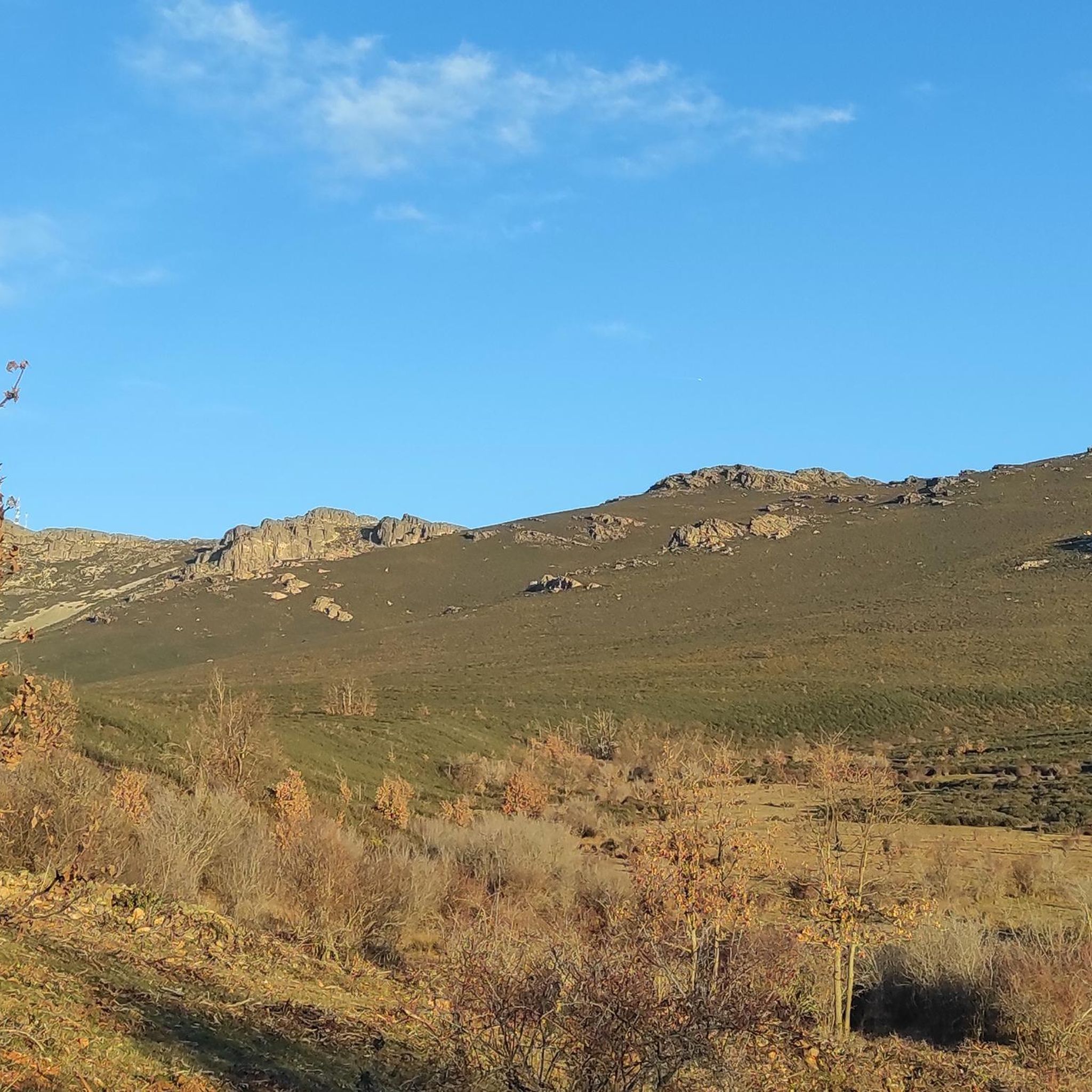
The Pelagallinas river valley is a Natural Reserve of high environmental value within the Sierra Norte de Guadalajara Natural Park due to the botanical diversity associated with fluvial ecosystems. The quartzite shoots that stand out in the slate relief of the mountains are striking and give a special geological value to the lonely mountain valley.
1
0
Frequently Asked Questions
What are some unique natural landmarks near Bustares?
Beyond the immediate vicinity, Bustares is nestled within the Sierra Norte de Guadalajara Natural Park, offering a wealth of natural beauty. You can explore the impressive Views of the Pelagallinas River, a natural reserve known for its botanical diversity and striking quartzite shoots. Other notable natural attractions in the broader region include the majestic Pico del Alto Rey, the ancient Hayedo de Tejera Negra beech forest, and the scenic Chorreras de Despeñalagua waterfalls.
Are there any historical or cultural natural monuments to visit?
Yes, the area blends natural beauty with rich history. The View of Cueva del Oso is a cave tucked inside a rocky outcrop, steeped in local legends suggesting it served as a refuge for historical figures like Cid Campeador. Additionally, Bustares itself is one of the 'Black Villages,' where the distinctive architecture built with black slate, adobe, and wood is seamlessly integrated into the natural environment, offering a unique cultural and visual experience.
What kind of geological features can I explore around Bustares?
The region around Bustares is rich in geological interest. You can observe the striking quartzite shoots near the Views of the Pelagallinas River. There's also the curious Sombrero Rock, a formation with its lower part worn by erosion contrasting with a more resistant upper section. For those interested in subterranean features, the Sinkhole on the Trail to Campisábalos offers a glimpse into the area's karst topography.
What outdoor activities can I do near these natural monuments?
The Sierra Norte de Guadalajara Natural Park, where these monuments are located, is ideal for various outdoor activities. You can find numerous hiking trails, such as the challenging route to Pico del Alto Rey starting from Bustares, or explore the many paths within the Hayedo de Tejera Negra. For more options, check out the Hiking around Bustares guide, the Cycling around Bustares guide, or the Running Trails around Bustares guide for detailed routes.
Are there any family-friendly natural monuments or activities?
While specific 'family-friendly' designations aren't always given for natural monuments, many of the sites offer accessible experiences. Gentle walks to viewpoints like the Views of the Pelagallinas River or exploring the unique architecture of the 'Black Villages' can be enjoyable for families. The Hayedo de Tejera Negra also offers peaceful walks, though access restrictions apply in autumn. Always check the difficulty of specific trails before heading out with children.
What is the best time to visit the natural monuments around Bustares?
The best time to visit largely depends on your preferred activity. Spring and autumn offer pleasant temperatures for hiking and exploring. Autumn is particularly magical for visiting the Hayedo de Tejera Negra when the leaves change color, though access requires passes during this peak season. Summer can be warm, but higher elevations like Pico del Alto Rey offer cooler conditions. Winter brings a different kind of beauty, especially if there's snow, but some trails may be more challenging.
Can I bring my dog to the natural monuments?
Many natural areas in Spain, including parts of the Sierra Norte de Guadalajara Natural Park, are generally dog-friendly, especially on trails. However, it's always best to keep dogs on a leash to protect wildlife and ensure their safety. Specific rules might apply to protected areas like the Hayedo de Tejera Negra, so it's advisable to check local regulations before your visit. Always clean up after your pet.
Where can I find impressive panoramic views?
For spectacular panoramic views, the summit of Pico del Alto Rey (1,858 meters) is highly recommended, offering expansive vistas of the surrounding Sierra Norte. The Views of the Pelagallinas River also provides a beautiful outlook over the river valley and its unique geological features. Additionally, the Sombrero Rock is a viewpoint that offers interesting perspectives of the landscape.
Are there any waterfalls or river features to see?
Yes, the region boasts several beautiful water features. The Views of the Pelagallinas River highlight a river valley of high environmental value. You can also visit the Source of the Arroyo de La Sandría, a small tributary stream. Further afield, the Chorreras de Despeñalagua are impressive waterfalls with an 80-meter drop, and the Pozas del Aljibe offer beautiful pools formed by a waterfall, especially stunning during the rainy season.
What makes the Sierra Norte de Guadalajara Natural Park special?
The Sierra Norte de Guadalajara Natural Park is a vast, rugged mountainous area known for its exceptional botanical, scenic, and wildlife value. It features peaks over 2,000 meters, diverse rock types from gneiss ridges to clay landscapes, and some of the southernmost beech forests in Europe, such as the Hayedo de Tejera Negra. It's a haven for wildlife, including raptors, Iberian wolves, and wildcats, offering a unique blend of ecosystems and opportunities for solitude.
What are the 'Black Villages' and how do they relate to the natural monuments?
The 'Black Villages' (Pueblos Negros) are a distinctive feature of the Sierra Norte de Guadalajara, with Bustares being one of them. These villages are characterized by their traditional architecture, primarily built with black slate, adobe, and wood, which blends seamlessly into the natural environment. They are not natural monuments themselves, but their unique integration with the surrounding landscapes, including geological formations and diverse flora, makes them a cultural and visual extension of the region's natural beauty.
Are there any challenging hikes to natural monuments in the area?
Absolutely. For experienced hikers, the route to Pico del Alto Rey from Bustares is considered challenging and offers rewarding panoramic views from its 1,858-meter summit. Another significant challenge is reaching the summit of Pico Ocejón, one of the highest peaks in the Sierra Norte de Guadalajara Natural Park, which also provides spectacular vistas. You can find more challenging routes in the Hiking around Bustares guide.
Most popular routes around Bustares
Most popular attractions around Bustares

Get inspired with the komoot mobile app


Explore more
Extend your search for the best caves by checking out these guides of the top ones around Bustares:
