Top 12 Natural Monuments around Valdeprado Del Río
Best natural monuments around Valdeprado Del Río offer a diverse landscape in Cantabria, characterized by extensive forests, dramatic river canyons, and serene reservoirs. The municipality provides a range of natural attractions and protected areas for outdoor exploration. This guide features 12 natural monuments, showcasing the region's ecological value and geological formations.
Best natural monuments around Valdeprado Del Río
- The most popular natural monuments is Valcabado Viewpoint, a viewpoint located on a natural balcony over the Monte Ahedo beech forest.…
Last updated: June 3, 2026
Valcabado Viewpoint
Highlight • Viewpoint
Translated by Google •
Tip by

Covalagua Waterfall
Highlight • Waterfall
Translated by Google •
Tip by

Sign up now to discover places like this
Get recommendations on the best single tracks, peaks, & plenty of other exciting outdoor places.
Sign up for free
Ruins of Julióbriga
Highlight • Historical Site
Translated by Google •
Tip by

Peña Corbera
Highlight • Viewpoint
It climbs very comfortably from the moor, where there is no established path but it is not lost.
There are remains of parapets and trenches from the Civil War.
Translated by Google •
Tip by
Menhir de la Llaneda
Highlight • Monument
Translated by Google •
Tip by

Sign up for free to discover even more natural monuments around Valdeprado Del Río.
Sign up for free
Already have an account?
Start today with a free account
Your next adventure awaits.
Login or Signup

Tips from the Community

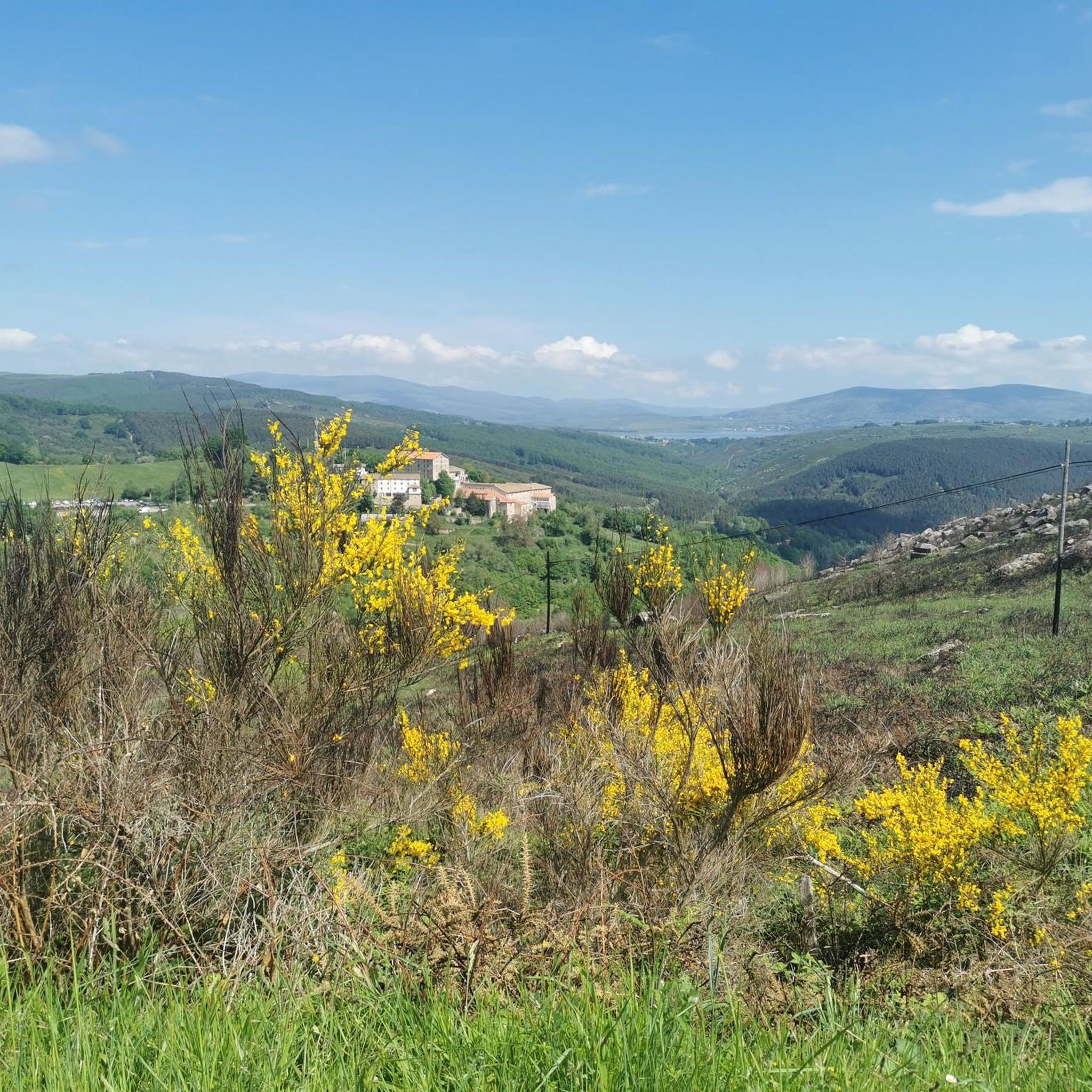
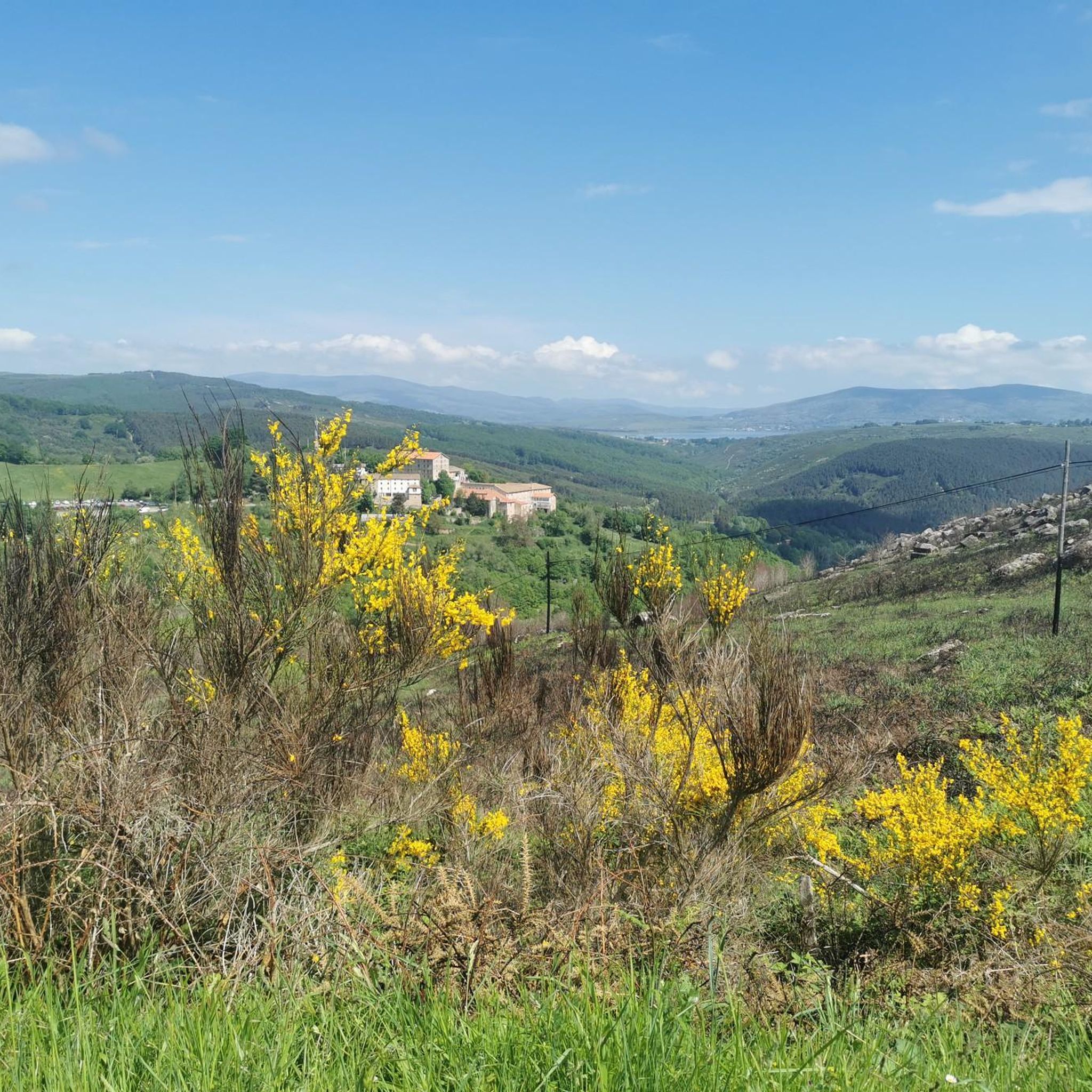
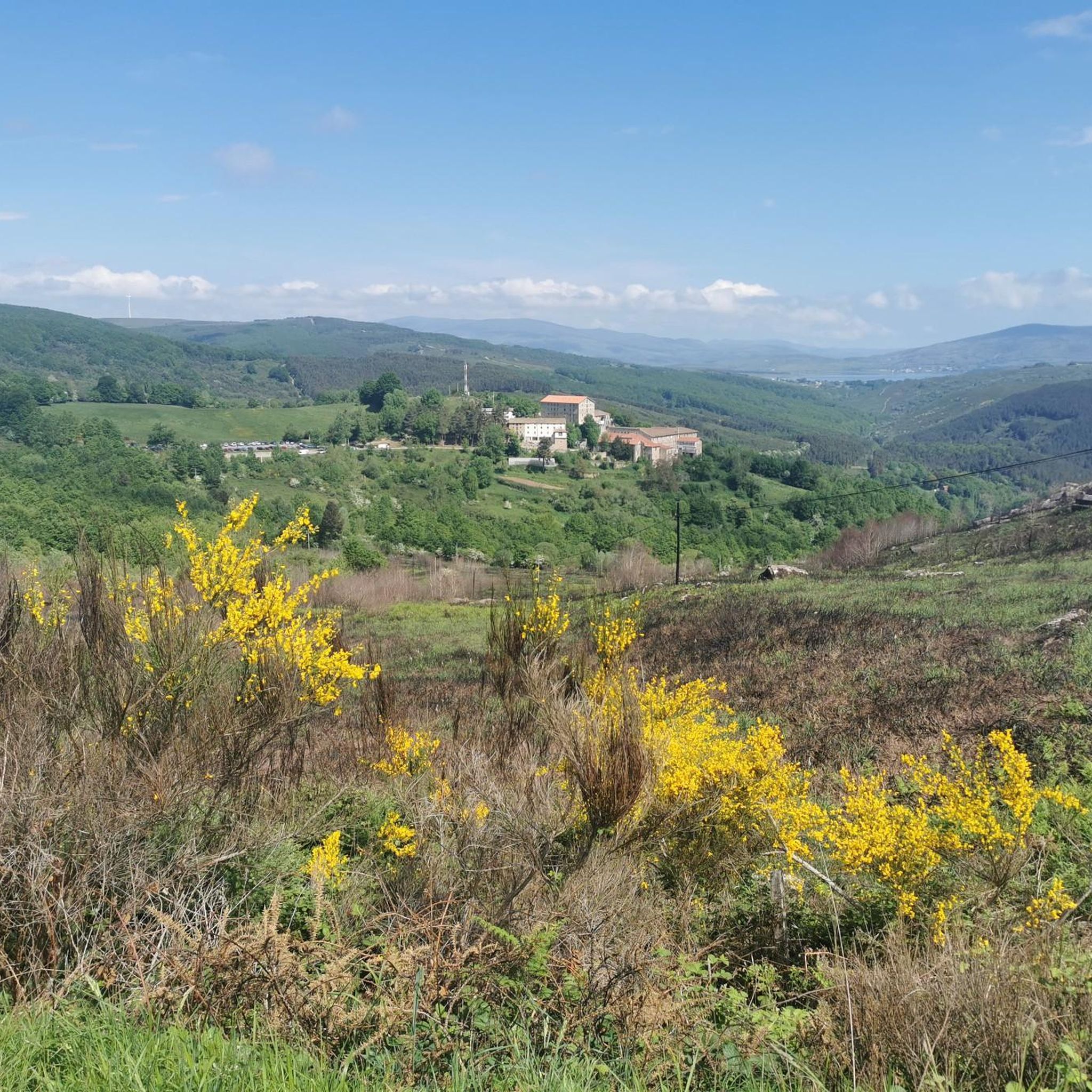
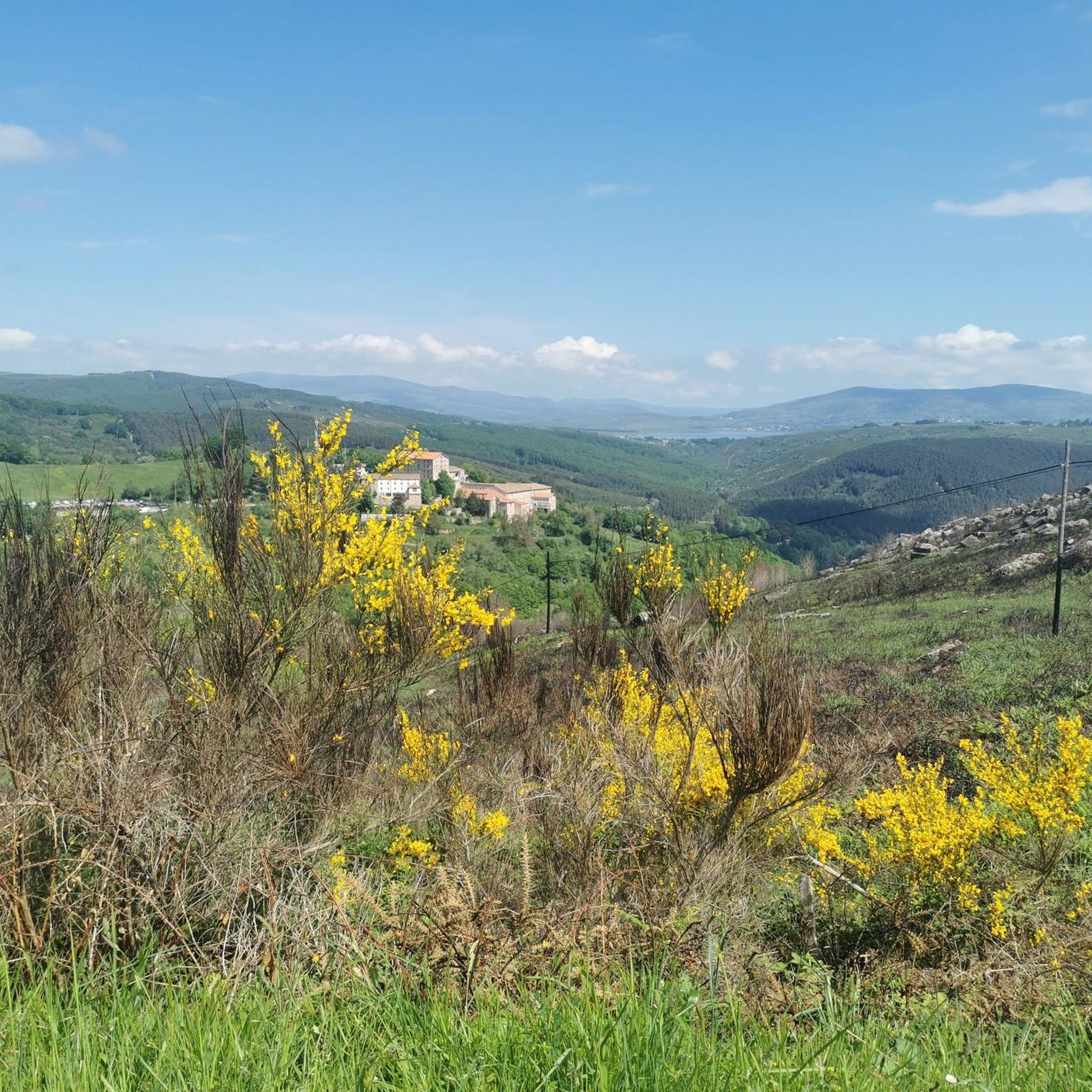
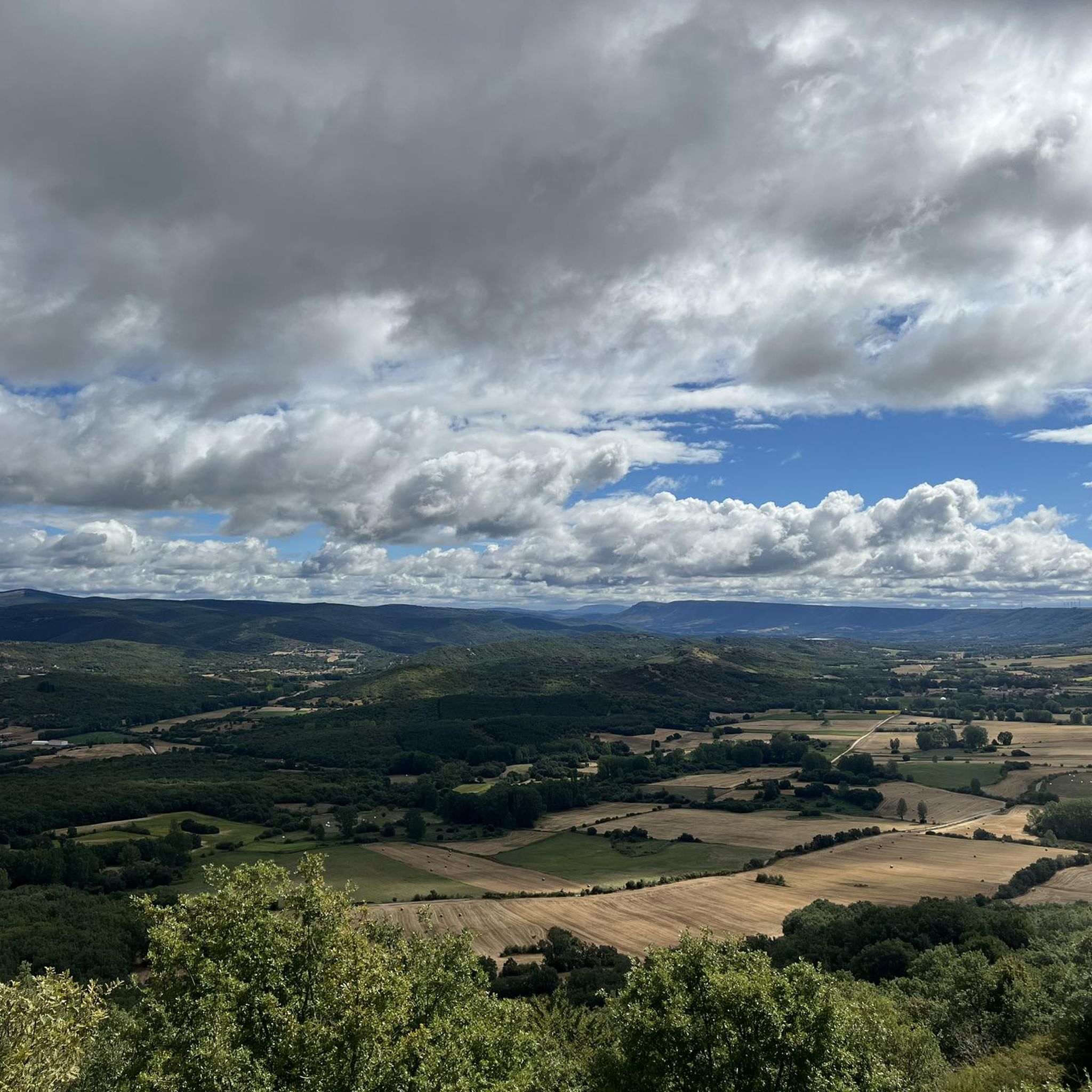
The Valcabado Viewpoint is located in the Covalagua Natural Area, in Revilla de Pomar (Pomar de Valdivia), within the Las Loras Unesco World Geopark. This viewpoint is a natural balcony located at an altitude of 1,224 metres, offering spectacular views of the Valderredible Valley. It is an ideal place to enjoy nature, go hiking and observe stars due to the low light pollution. In addition, near the viewpoint is the Cueva de los Franceses, about 1,500 metres away.
5
0

A few hundred from the Domus is the other part of the Roman city of Julióbriga.
3
0

Menhir 3.78 meters high located in the area of La Llaneda, hence its name, although it was demolished for a long time and located on a farm about 200 meters from the original point.
1
0

Spectacular viewpoint that offers impressive views of the Valle de Valderredible in its extension. The cliff makes the views of the Río Ebro valley and the valley as a whole clear on a cloudless day!
0
0
Spectacular viewpoint that offers impressive views of the Valle de Valderredible in its extension. The cliff makes the views look far away!
0
1

It has a total height of 3.78 meters and a weight of 4 tons. It had been knocked down and displaced from its original location, which is unknown, on a farm some 200 meters away. It was moved to its current position and hoisted inside a metallic structure that recreates its original vertical position.
1
0

Just 3 km from the city of Reinosa are the ruins of the ancient Roman city known as the "fortified city of Julius" which owes its name to the Emperor Julius Caesar. The city was built in 19 B.C. after the Roman victory against the Cantabrians. Today it is one of the most important interpretation centers of its kind and is worth a visit.
2
0
This viewpoint is located in a privileged location, on a spectacular natural balcony over the “Monte Ahedo” beech forest, dominating the Valderredible Valley.
9
0
Frequently Asked Questions
What are some of the most popular natural monuments to visit around Valdeprado Del Río?
Visitors frequently enjoy the Valcabado Viewpoint, which offers spectacular views over the Monte Ahedo beech forest and the Valderredible Valley. Another popular spot is the Covalagua Waterfall, known for its impressive rock formations, especially when water levels are high. The Peña Corbera viewpoint is also highly rated for its panoramic views of the moor and valley, along with historical Civil War remains.
Are there any historical natural monuments or sites of cultural significance in the area?
Yes, the Ruins of Julióbriga are a significant historical site. This ancient Roman city, known as the 'fortified city of Julius,' was built in 19 B.C. and offers an important interpretation center for visitors to explore its rich past. Additionally, Peña Corbera features remains of Civil War parapets, adding a historical layer to its natural beauty.
What kind of natural features can I expect to see around Valdeprado Del Río?
The region boasts a diverse range of natural features. You can explore extensive deciduous forests like the Monte Hijedo, dramatic river canyons carved by the Ebro River, and serene reservoirs such as the Embalse de Alsa. There are also impressive viewpoints, seasonal waterfalls like the Covalagua Waterfall, and unique geological formations including caves and sinkholes like the Well of the Cueva de los Franceses.
What outdoor activities can I do near the natural monuments?
Valdeprado Del Río offers numerous outdoor activities. You can enjoy hiking through ancient forests like Monte Hijedo, trekking along the dramatic Cañones del Ebro, or leisurely walks around the Embalse de Alsa. The region is also popular for road cycling and running. For detailed routes, you can explore guides like Hiking around Valdeprado Del Río, Road Cycling Routes around Valdeprado Del Río, and Running Trails around Valdeprado Del Río.
Are there family-friendly natural monuments or activities in the area?
Yes, several natural monuments are suitable for families. The Valcabado Viewpoint and the Ruins of Julióbriga are both categorized as family-friendly. The Paseo del Pisueña also offers an easy and enjoyable walking path along the river, perfect for a relaxed afternoon with children. The Embalse de Alsa provides a tranquil environment for picnics and gentle strolls.
What is the best time of year to visit the natural monuments around Valdeprado Del Río?
The natural landscape of Valdeprado Del Río changes beautifully with the seasons. Spring and autumn are particularly recommended for hiking and enjoying the vibrant flora and changing foliage in areas like Monte Hijedo Forest. Summer offers pleasant conditions for water-based activities in the Cañones del Ebro or around Embalse de Alsa. If you wish to see the Covalagua Waterfall with significant water flow, visiting after periods of rain or in spring is advisable.
Can I go hiking in the Monte Hijedo Forest, and what can I expect to see?
Yes, Monte Hijedo Forest is an excellent destination for hiking. It is one of the most extensive and well-preserved deciduous forests in northern Spain, featuring ancient sessile oaks, beeches, and yew trees, some over 800 years old. You can expect serene pathways, unique rocky landscapes sculpted by erosion, and diverse wildlife, including wolves, roe deer, and various bird species. The forest's appearance transforms with the seasons, offering a unique visual experience throughout the year.
Are there opportunities for birdwatching in the natural areas?
Absolutely. The Cañones del Ebro are a prime location for birdwatching, especially for raptors such as griffon vultures, eagles, and Egyptian vultures that soar above the dramatic cliffs. The Monte Hijedo Forest also provides refuge for various bird species. Around the Embalse de Alsa and along the Paseo del Pisueña, you might spot cormorants, herons, and wagtails, making these areas ideal for nature enthusiasts.
What makes the Cañones del Ebro a significant natural attraction?
The Cañones del Ebro are significant for their dramatic landscapes, featuring vertical cliffs over 200 meters deep carved by the Ebro River. This area is part of the Natural Park of the Hoces del Alto Ebro y Rudrón and boasts rich botanical diversity, with mixed forests covering the steep slopes. It's an ideal spot for adventure activities like kayaking and rock climbing, as well as for observing a wide array of raptors.
What is the Embalse de Alsa, and what activities can be done there?
The Embalse de Alsa is a majestic reservoir surrounded by rolling hills and lush greenery. While it serves as part of a pumped-hydroelectric power plant, its surroundings offer significant natural appeal. It's a great spot for leisurely hikes along scenic trails, birdwatching, or simply enjoying a relaxing picnic by the water's edge. It provides stunning vistas and a tranquil environment for connecting with nature.
Are there any caves or geological formations to explore?
Yes, the region features interesting geological formations. The Well of the Cueva de los Franceses is a natural sinkhole that leads to a cave, offering a glimpse into the underground world. The Monte Hijedo Forest also has unique rocky landscapes where erosion has sculpted curious shapes in sandstone, including shelters, 'eyes,' and rock mushrooms.
What kind of wildlife can I encounter in the natural monuments of Valdeprado Del Río?
The natural monuments around Valdeprado Del Río are home to diverse wildlife. In the Monte Hijedo Forest, you might encounter wolves, roe deer, wild boars, pine martens, stoats, weasels, badgers, and otters in its rivers. The Cañones del Ebro are known for raptors like griffon vultures, eagles, and Egyptian vultures. The Pisueña River is home to trout, minnows, cormorants, herons, and wagtails.
Most popular routes around Valdeprado Del Río
Most popular attractions around Valdeprado Del Río

Get inspired with the komoot mobile app


Explore more
Extend your search for the best caves by checking out these guides of the top ones around Valdeprado Del Río:
