Top 15 Natural Monuments around La Romana
Best natural monuments around La Romana include diverse landscapes and geological formations. The region features a variety of natural attractions, from unique geological features to significant natural monuments. These sites offer insights into the area's natural heritage and provide opportunities for exploration. The natural environment around La Romana is characterized by its varied terrain and distinct natural landmarks.
Best natural monuments around La Romana
- The most popular natural monuments is La Rambla Salada, a gorge that is one of…
Last updated: October 4, 2026
Final Waterfall of the Via Ferrata
Highlight • Waterfall
Tip by

La Mola summit
Highlight • Summit
Translated by Google •
Tip by

Sign up now to discover places like this
Get recommendations on the best single tracks, peaks, & plenty of other exciting outdoor places.
La Rambla Salada
Highlight (Segment) • Gorge
Translated by Google •
Tip by

The Clot of the Black Waters - The pit of the black waters
Highlight • Natural Monument
Translated by Google •
Tip by

Cave of Jaime el Barbudo
Highlight • Cave
Translated by Google •
Tip by

Sign up for free to discover even more natural monuments around La Romana.
Already have an account?
Start today with a free account
Your next adventure awaits.

Tips from the Community

The tour is listed as moderate on Komoot. In my opinion, that's incorrect. Hikers who a) haven't climbed any vertical 8-meter-high sections before and b) have to ascend or descend without via ferrata equipment, despite the available rungs... this should be rated as black or difficult. Don't get me wrong—I think it's okay for non-hikers, but I believe others will reach their limits here. 🤨
1
0

If you do the route in the direction as described. Then it goes 8 meters up. Not down.
1
0

Curious place where many people go to bathe all year round, the water is very salty and you float like in the dead sea.
2
0
It is located on the left bank of the Vinalopó River near the mouth of the Casa Mitjana ravine and has an approximate flow rate of 20 to 30 l/sec. being the largest of the holes in the area. The waters are halosulfurous and are characterized by the hydrogen sulfide smell they give off.
2
0

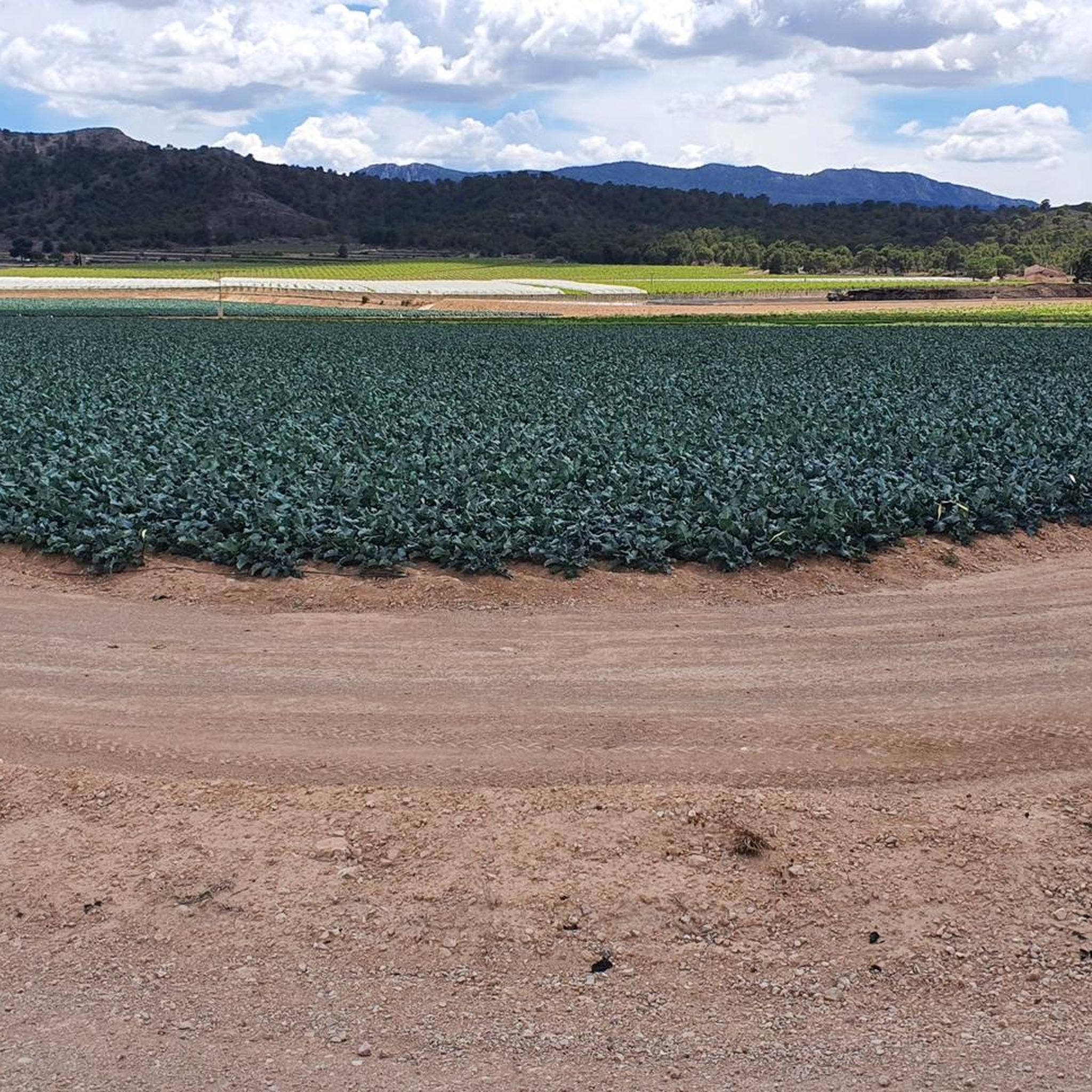
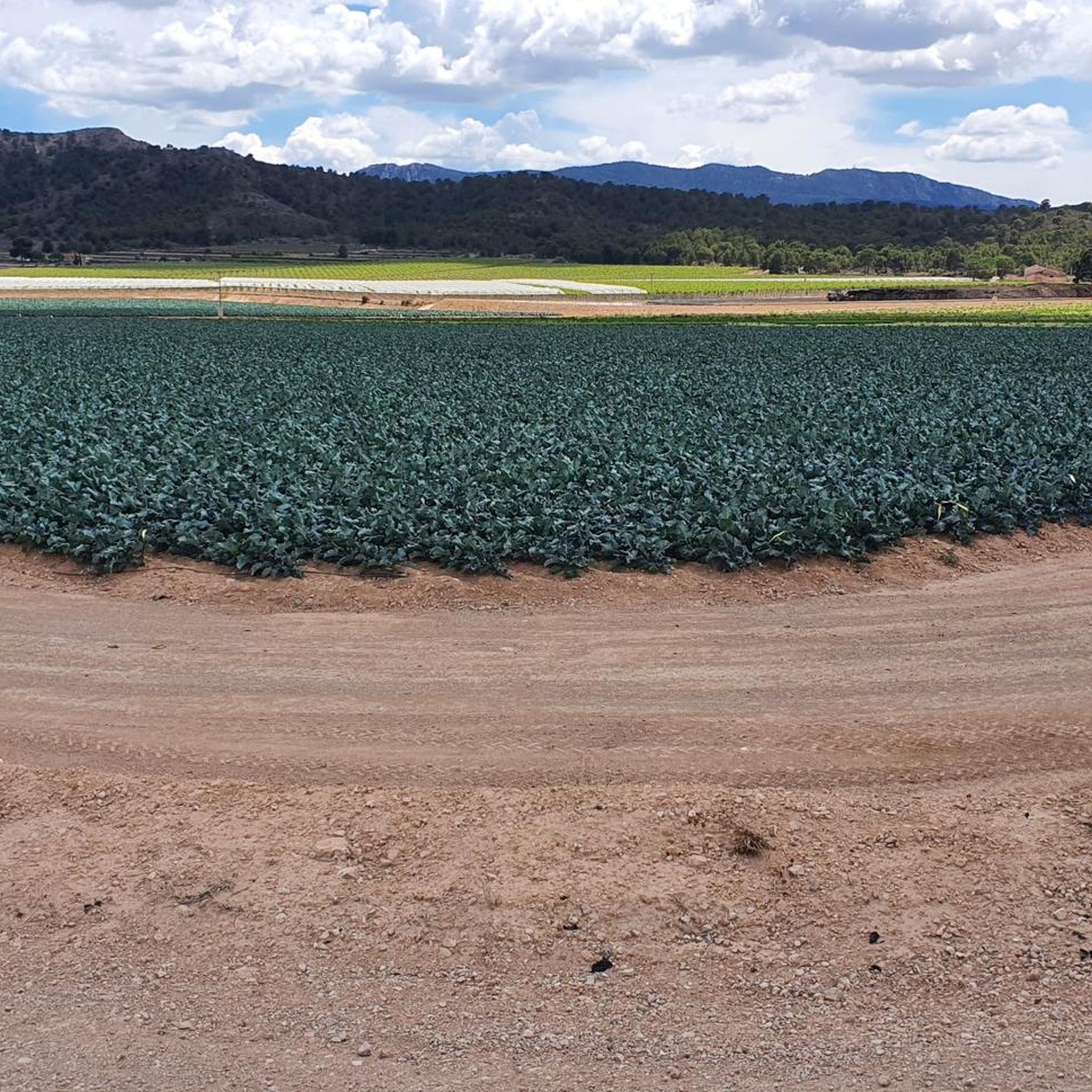
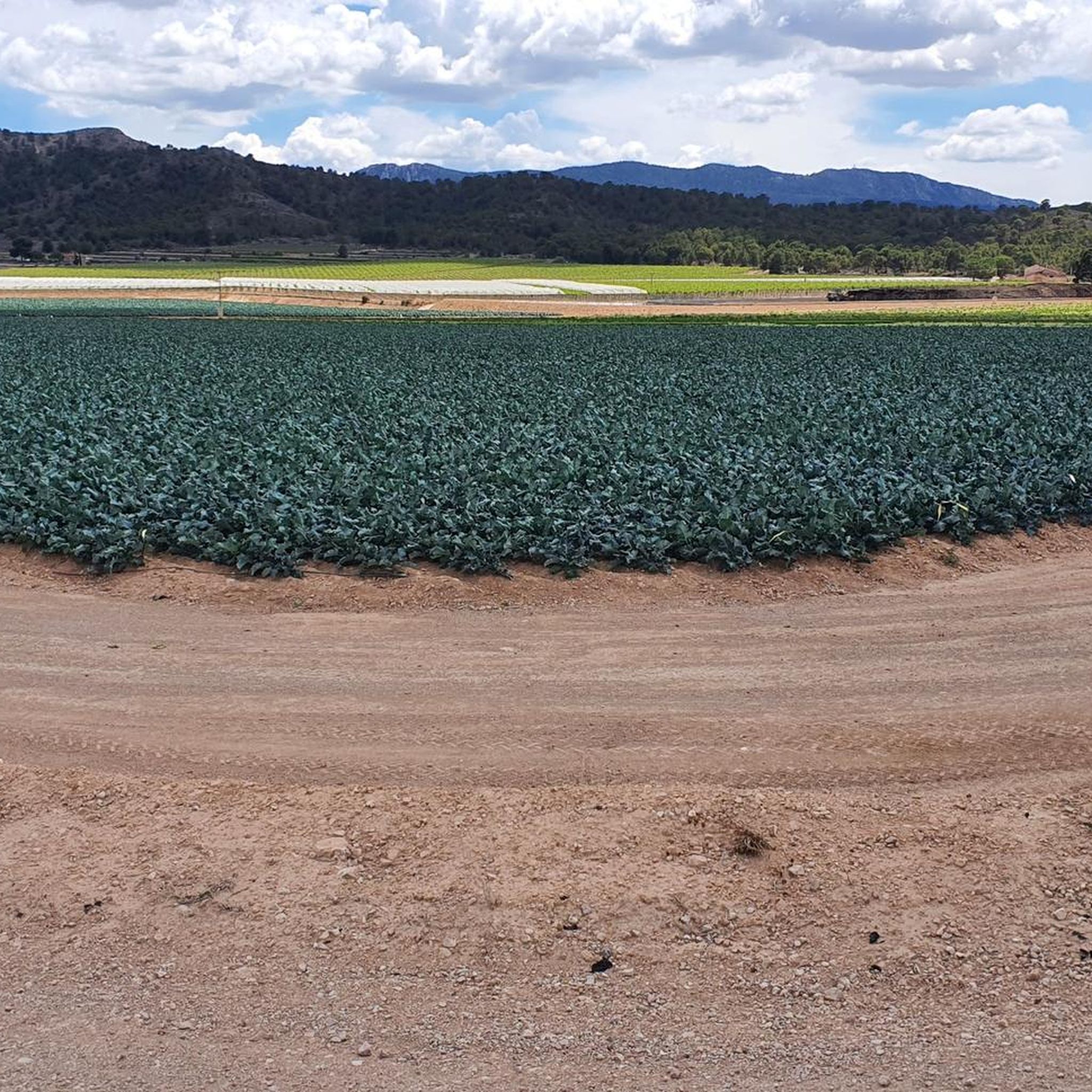
One of the most spectacular natural spaces in the area. Very attractive area for lovers of hiking and unique places that combine rock and water. With a channel excavated and eroded by meteorological agents, which gives it a very characteristic appearance. This rambla is crossed by a small spring of salt water (hence its name).
4
1

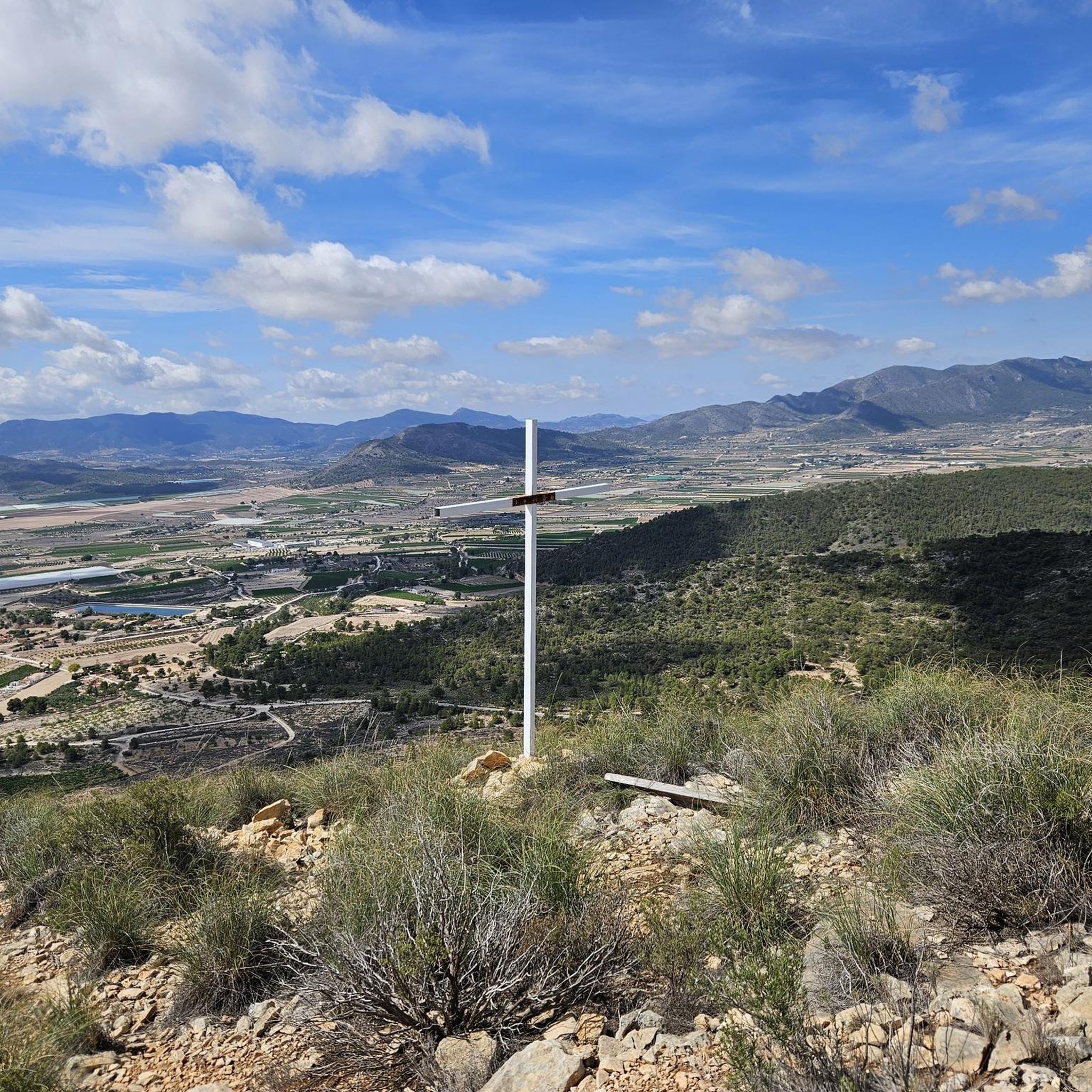
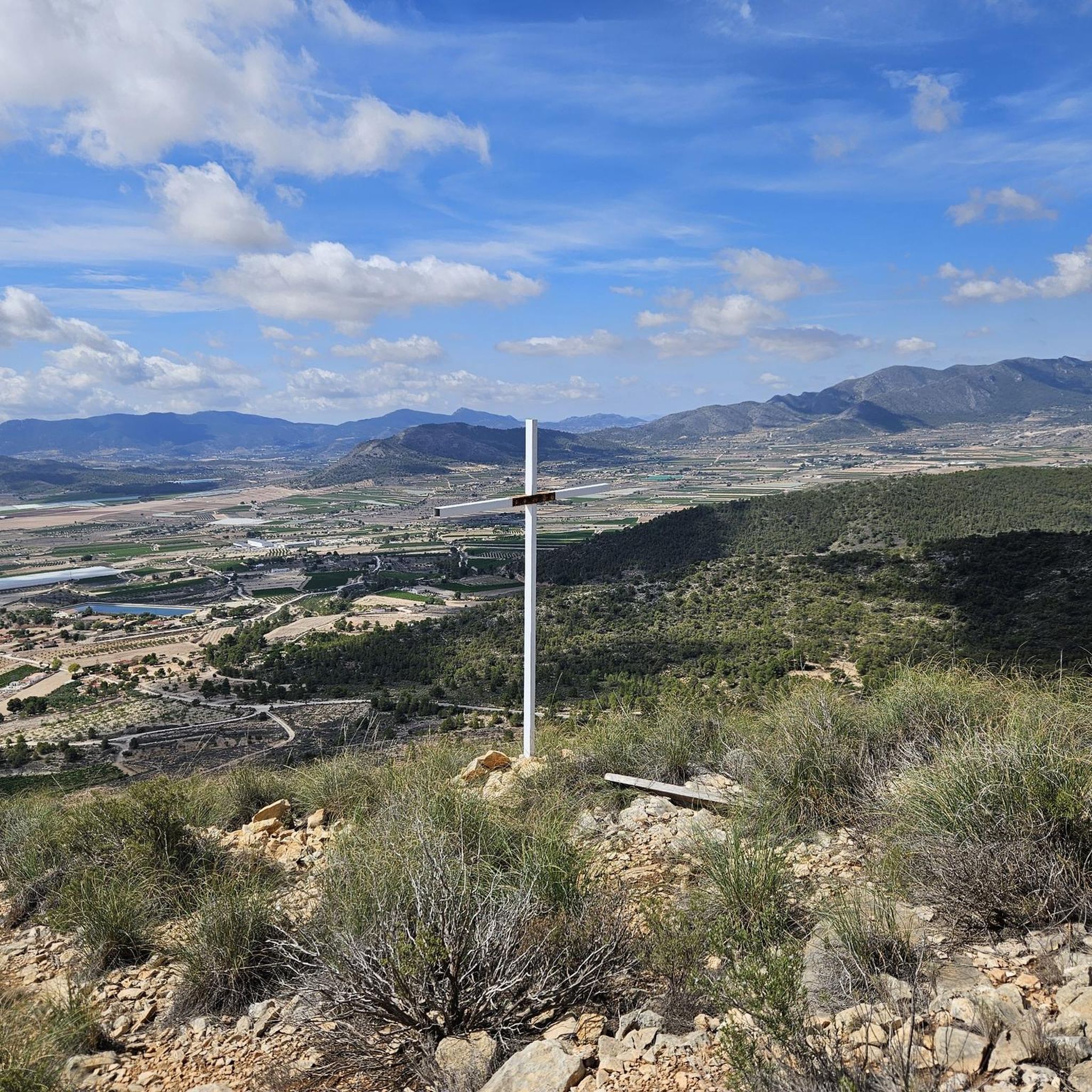
The climb to La Mola is a must if you are in the Novelda area. From the top you can appreciate beautiful views of the town, the Castle and the Magdalena Sanctuary. The climb is not very demanding but it is recommended to bring enough water and walking sticks.
3
0

A narrow but very high crevice leading to the cave. It is more than 20 meters long and you have to be careful and especially with light, as it is very dark inside. The gorge ends in an area of steps that descend very steeply and end at the entrance to the pit.
0
0

This is the most exciting of the lot. It is approx 8m in height and quite steep but there are plenty of staples to guide you down. Pack your fear of heights into your rucksack though.
2
1
Frequently Asked Questions
What are the most notable natural monuments to explore in La Romana?
La Romana, Dominican Republic, is home to several spectacular natural monuments. Key attractions include the Cueva de las Maravillas, an impressive underground cave system, and the expansive Cotubanamá National Park, which encompasses the pristine islands of Isla Saona and Isla Catalina.
What unique features can I expect to see at Cueva de las Maravillas?
The Cueva de las Maravillas is renowned for its stunning geological formations, including stalactites and stalagmites, and the mesmerizing 'Water Mirror'. It also features over 500 indigenous Taíno pictographs and petroglyphs, some dating back thousands of years, depicting human figures, animals, and ritual scenes.
Is Cueva de las Maravillas accessible for all visitors?
Yes, the Cueva de las Maravillas is considered one of the most accessible cave tours in the Dominican Republic. It features a wonderful lighting system, sturdy paths, accessible ramps, and even an elevator, making it suitable for a wide range of visitors. Guided tours are available in multiple languages.
What makes Cotubanamá National Park a significant natural monument?
Cotubanamá National Park is an ecological and culturally significant area covering approximately 310 square miles of land and sea. It boasts diverse landscapes including pristine white-sand beaches, lush tropical forests, coastal mangroves, and remarkable coral reefs. It's a biodiverse haven, home to over 500 flora species and a rich variety of wildlife, including hundreds of bird species, sea turtles, and manatees.
What activities can I do within Cotubanamá National Park?
Within Cotubanamá National Park, visitors can enjoy hiking trails that lead to caves with ancient Taíno art, engage in snorkeling and scuba diving to explore vibrant coral reefs, and observe diverse wildlife. The park's islands, Isla Saona and Isla Catalina, offer opportunities for relaxation, swimming, and marine exploration.
What are the highlights of visiting Isla Saona?
Isla Saona, a prime attraction within Cotubanamá National Park, is famous for its breathtaking natural beauty. It features long stretches of powdery white-sand beaches, crystal-clear turquoise waters, and abundant palm trees. It's well-known for its stunning natural pools, perfect for relaxing and spotting starfish, and is also the most important sea turtle nesting site in the Dominican Republic.
Why is Isla Catalina a popular destination for nature lovers?
Isla Catalina, another beautiful island in Cotubanamá National Park, is a popular destination for snorkeling and scuba diving. It offers excellent opportunities to explore its rich underwater world, characterized by pristine white-sand beaches and crystal-clear waters with vibrant marine life.
Are there any historical or cultural sites within these natural monuments?
Yes, both the Cueva de las Maravillas and Cotubanamá National Park contain significant historical and cultural elements. The cave is famous for its ancient Taíno pictographs and petroglyphs. Within Cotubanamá National Park, inland cave systems also feature Taíno art, and the park itself is recognized by UNESCO for its archaeological value.
What kind of wildlife can be spotted in the natural monuments around La Romana?
The natural monuments in La Romana are rich in wildlife. Cotubanamá National Park is a biodiverse haven, home to hundreds of bird species like the Hispaniolan parrot and white-crowned pigeon, as well as sea turtles, manatees, dolphins, iguanas, and various fish species. Isla Saona is particularly important as a sea turtle nesting site.
What outdoor activities are available near these natural monuments?
While the specific natural monuments offer activities like cave tours, snorkeling, and diving, the broader La Romana region provides diverse outdoor opportunities. You can find various running trails, MTB trails, and gravel biking routes, catering to different difficulty levels from easy to difficult.
Are there family-friendly options among La Romana's natural monuments?
Absolutely. The Cueva de las Maravillas, with its accessible ramps and elevator, is suitable for families. Isla Saona, with its shallow natural pools and calm beaches, offers an idyllic and safe environment for families to relax and swim. Cotubanamá National Park generally provides a range of activities that can be tailored for different age groups.
What is the best way to explore the marine life around La Romana's islands?
For exploring marine life, Isla Catalina is particularly recommended for snorkeling and scuba diving due to its vibrant underwater world. Isla Saona also offers excellent opportunities for swimming in crystal-clear waters and observing marine species in its natural pools.
Most popular routes around La Romana
Most popular attractions around La Romana

Get inspired with the komoot mobile app


Explore more
Extend your search for the best caves by checking out these guides of the top ones around La Romana:
