Top 5 Natural Monuments around Pruna
Best natural monuments around Pruna are found within the Sierra Sur of Seville, offering a diverse natural landscape. This region provides opportunities for rural tourism, including hiking and cycling. The area is characterized by its mountainous terrain, natural springs, and significant geological formations.
Best natural monuments around Pruna
- The most popular natural monument is Zaframagón Viaduct, a bridge that is 135 meters long and features seven identical arches. It offers a privileged view of the Estrechón Canyon and the…
Last updated: June 3, 2026
Zaframagón Viaduct
Highlight • Bridge
It was built to span the Guadalporcún River crossing …
Translated by Google •
Tip by

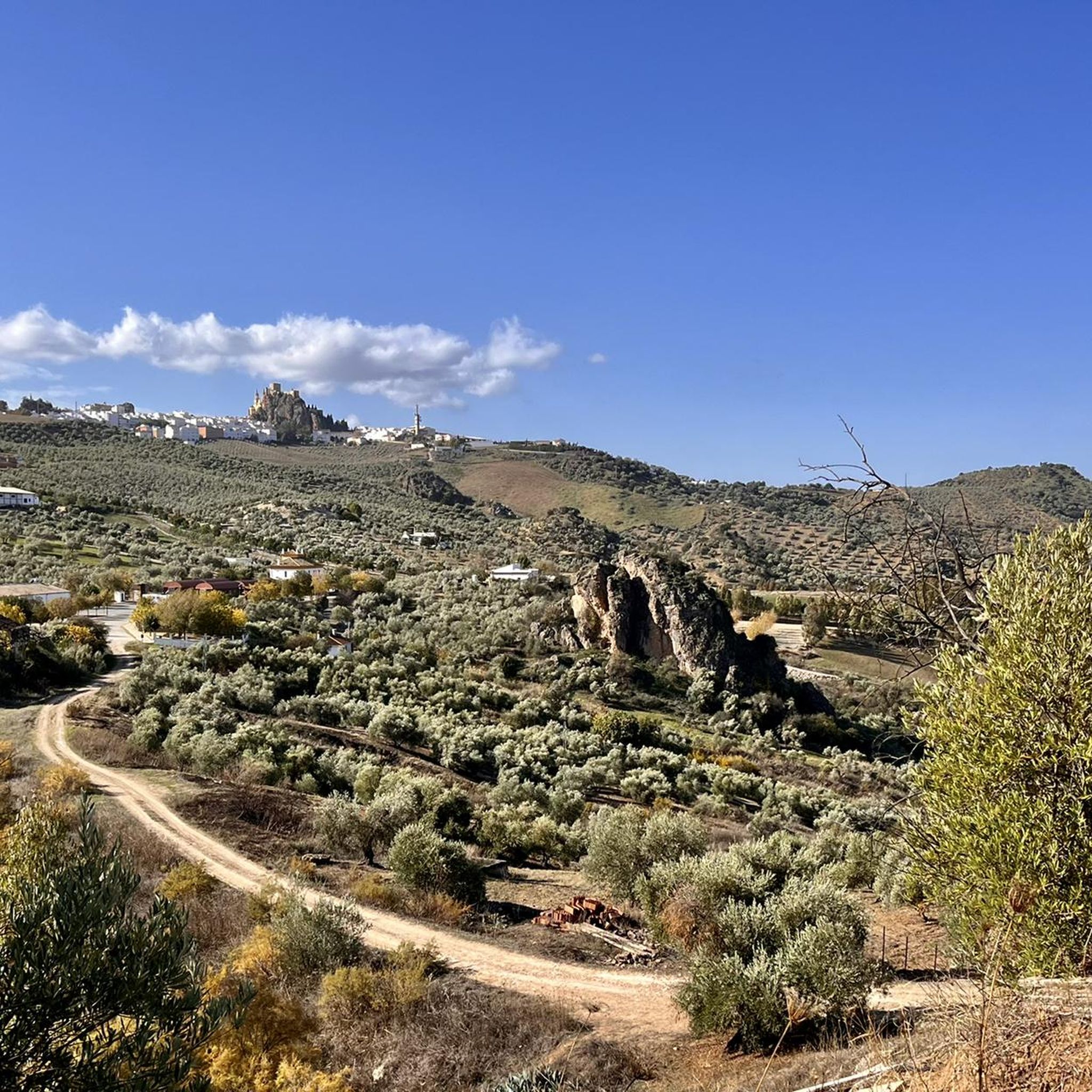
Peñón de Zaframagón Nature Reserve
Highlight • Natural Monument
Translated by Google •
Tip by
Sign up now to discover places like this
Get recommendations on the best single tracks, peaks, & plenty of other exciting outdoor places.
Sign up for free
Peñón de Algámitas
Highlight • Summit
Translated by Google •
Tip by

Pico del Terril
Highlight • Summit
Translated by Google •
Tip by
Andalusia Square in Olvera
Highlight • Viewpoint
Translated by Google •
Tip by
Sign up for free to discover even more natural monuments around Pruna.
Sign up for free
Already have an account?
Start today with a free account
Your next adventure awaits.
Login or Signup
Tips from the Community

The climb to the Rock of the Coroneta (also known as the Rock of the Sacred Heart) from Plaza de Andalucía in Olvera is very easy and picturesque. It is a central and well-known square in Olvera, also known as La Alameda. From here, you can clearly see the Rock, crowned by the statue of the Sacred Heart of Jesus.
1
0


The plaza offers beautiful views and is surrounded by historic buildings such as the Iglesia de la Victoria and the Arco de Zorrilla. It is also the place where the subida al Peñón del Sagrado Corazón begins, a visit that is definitely worth it.
9
0
A 135-meter-long viaduct, built using rectangular truncated pyramidal pilasters with mortared ashlars, is formed by the repetition of seven identical arches. It was built to span the Guadalporcún River crossing before it meets the Guadamanil River. The latter originates in the Sierra de la Lebrona mountain range in the municipality of Pruna (Seville) and flows into the Guadalporcún River just a few meters from the viaduct. The confluence of the rivers has created a wide floodplain. From this railway infrastructure, there is a privileged view of the Estrechón Canyon, a natural passage carved by the Guadalporcún River to traverse the foothills of the Zaframagón Rock. Just below, on the left bank of the Guadalporcún, we find the ruined building of what was once the Zaframagón mill. A little further west, other ruins can be seen. It is a small town built for workers on the railway line construction site.
8
0
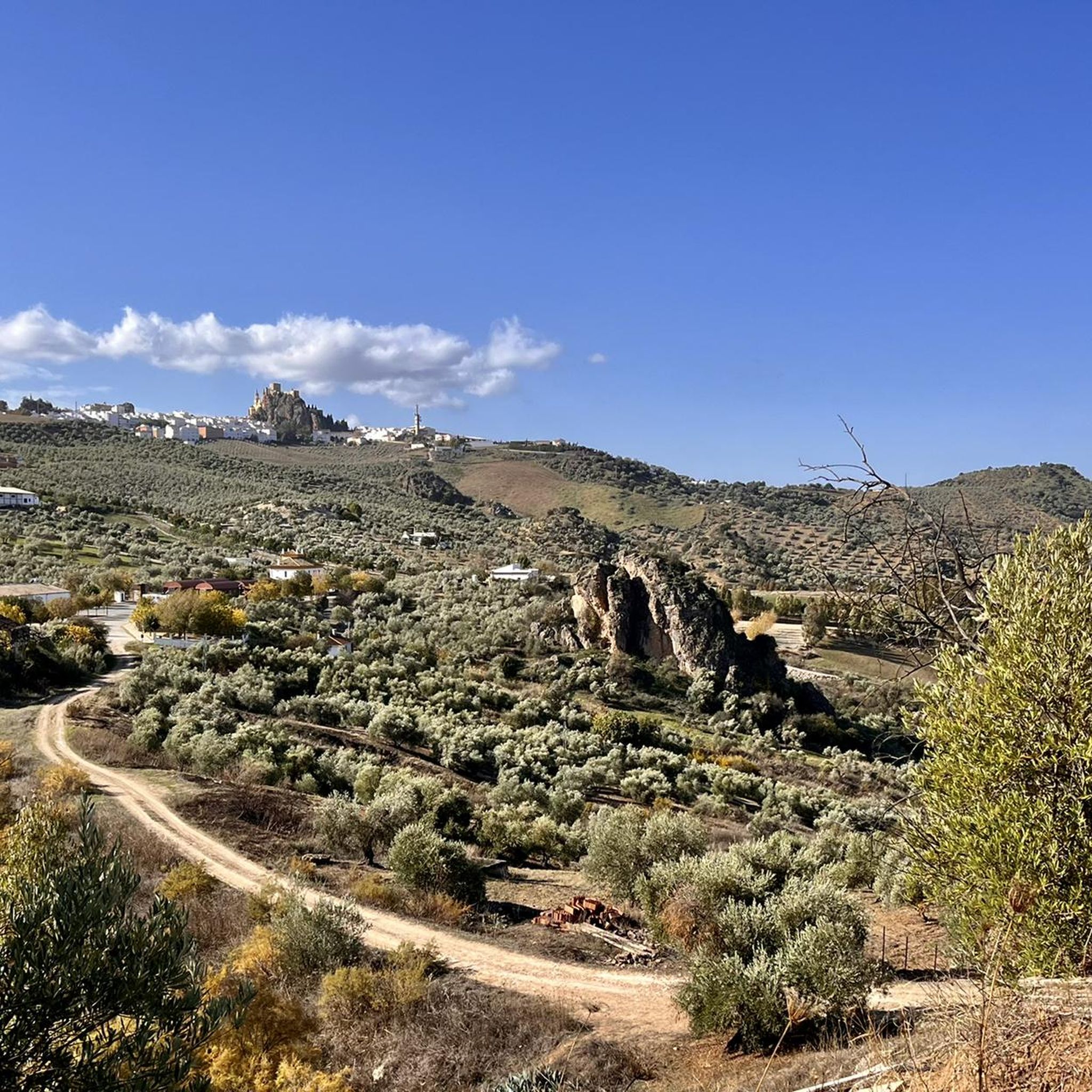
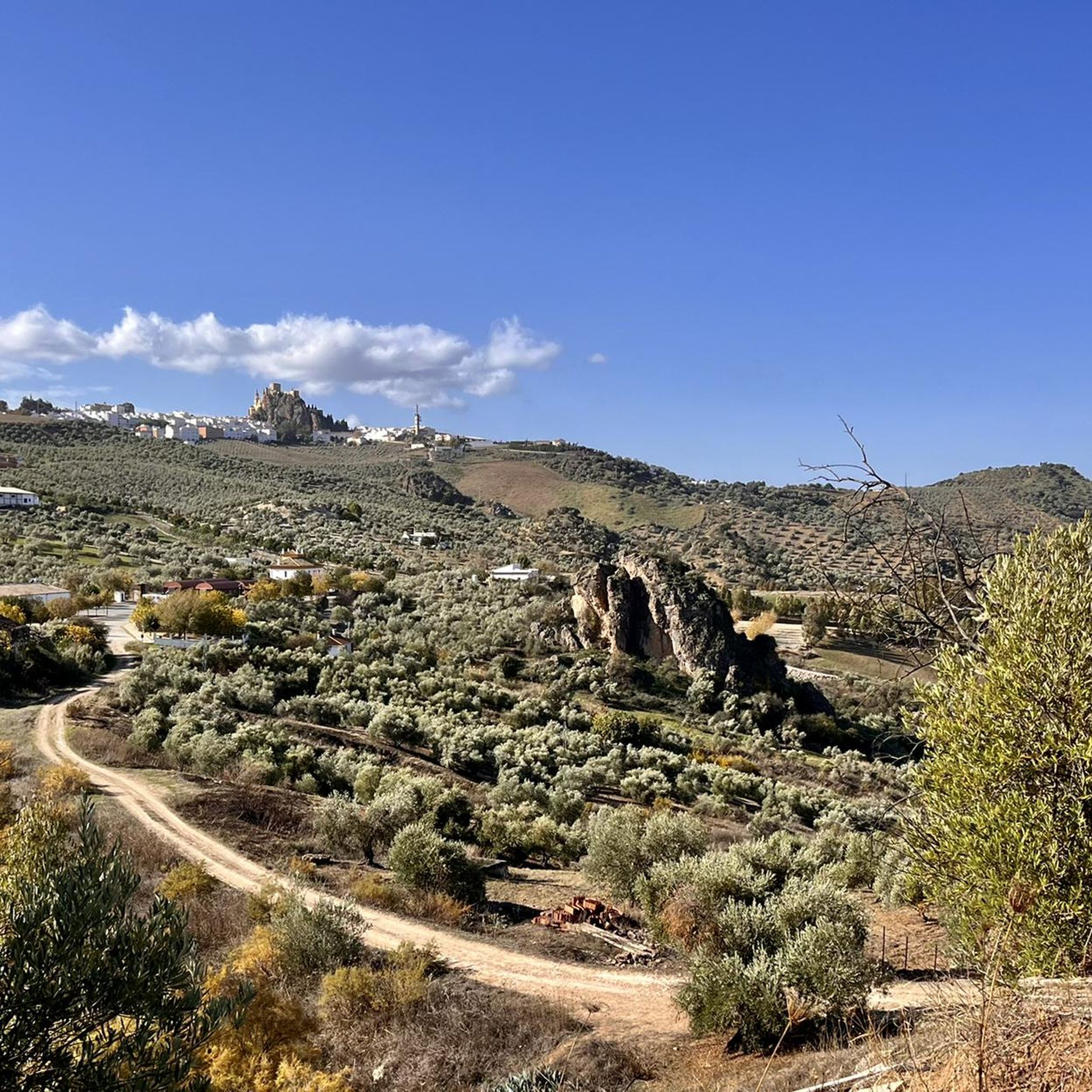
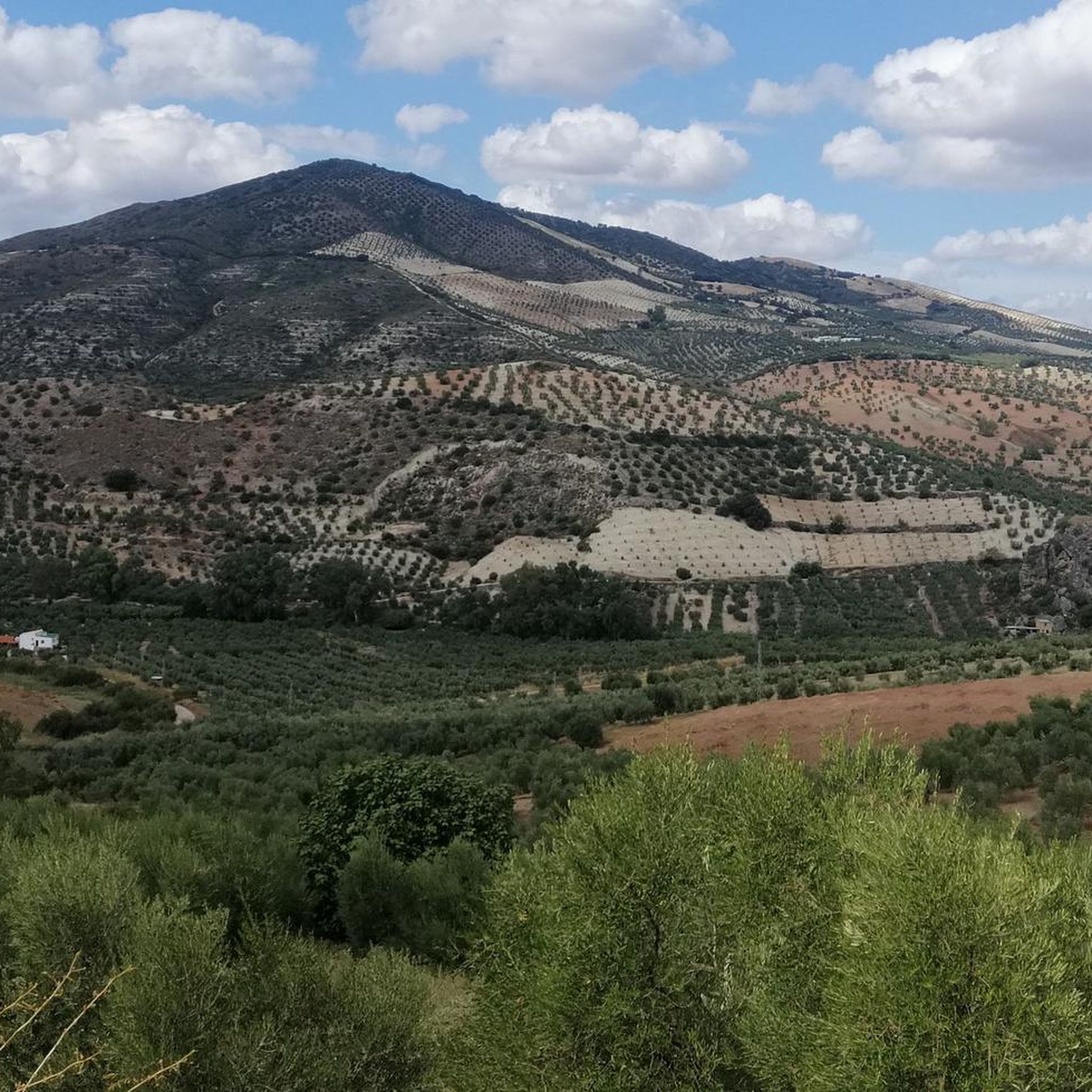
The Peñón de Algámitas is an impressive rock formation located in the Sierra del Tablón, in the province of Seville, Andalusia. With an altitude of 1,121 metres, it is one of the highest points in the province and offers spectacular views of the surrounding area.
6
0
This rock is known for its impressive landscape and its value as a natural viewing point over the surrounding olive groves. Typical vegetation includes holm oaks, cork oaks, wild olive trees and other Mediterranean species. In addition, it is a popular place for recreational and sporting activities such as hiking and climbing.
4
0

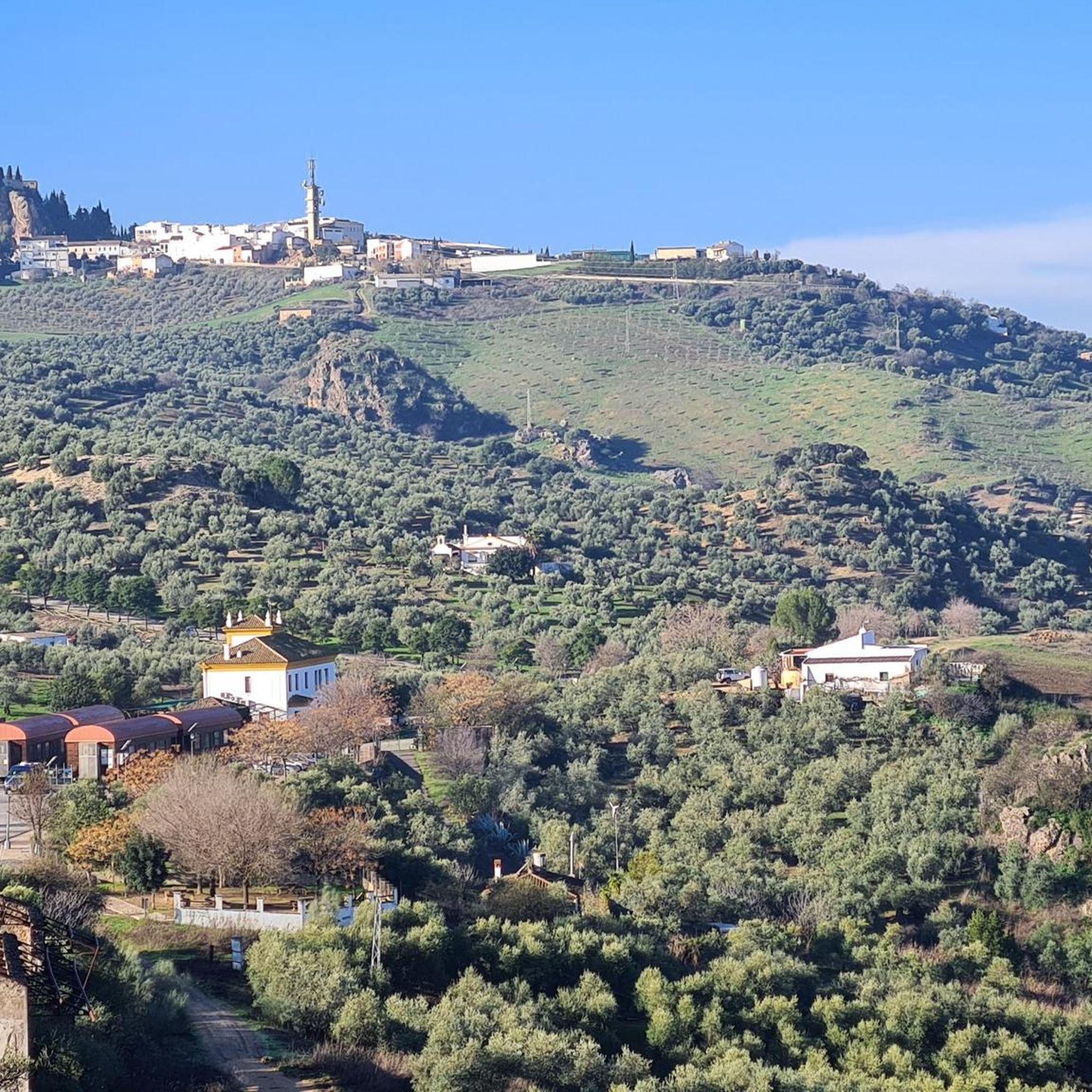
Andalusia Square Of particular note is the Peñon del Sagrado Corazon, a hanging garden with spectacular panoramic views of the two masterpieces: the parish church of Nuestra St de la Encarnación, built on the remains of the old mosque, and the castle built at the end of the 19th century
5
0
Frequently Asked Questions
What are some of the most popular natural monuments to visit around Pruna?
Visitors frequently enjoy the Zaframagón Viaduct, known for its impressive arches and views of the Estrechón Canyon. Another popular spot is the Peñón de Zaframagón Nature Reserve, which features a deep gorge carved by the Guadalporcún River and is home to a large colony of fulvus vultures.
Are there any natural monuments suitable for families with children?
Yes, Pico del Terril is considered family-friendly. It's the highest point in the province of Seville, offering a simple peak with a short route that doesn't require technical knowledge. Additionally, the Andalusia Square in Olvera, while a bit further, offers beautiful views and is family-friendly.
What kind of outdoor activities can I do near Pruna's natural monuments?
The area around Pruna is excellent for various outdoor activities. You can find numerous cycling routes, including options for touring bicycles, mountain biking, and road cycling. For detailed routes, explore the guides for Cycling around Pruna, MTB Trails around Pruna, and Road Cycling Routes around Pruna.
Are there any natural springs or waterfalls to visit in Pruna?
Pruna is rich in natural springs, many with historical significance. You can visit sites like El Pilar Lejos, Los Nacimientos, Fuente del Molino Cegato, Fuente del Duque, and Fuente del Pilarillo, all known for their quality water and serene environments. Just one kilometer from town, you'll also find La Cascada, an impressive waterfall approximately 25 to 30 meters high, offering captivating scenery.
Where can I find panoramic views of the Sierra Sur region?
For stunning panoramic views of the Sierra Sur region, head to the Puerto de la Ventana Viewpoint. It's an excellent spot to appreciate the vast landscapes and fresh air, particularly appealing for photographers and nature enthusiasts.
What is the highest point in the province of Seville, and can I hike there?
The highest point in the province of Seville is Pico del Terril, standing at 1,129 meters. It's located within the Sierra del Tablón and offers a relatively simple and short hiking route, making it accessible for many visitors.
What unique natural features can be found in the Sierra del Tablón?
The Sierra del Tablón, home to Pico del Terril and Peñón de Algámitas, is known for its natural beauty and rich biodiversity. It features olive groves, distinctive geological formations with fossils, and offers exceptional scenery for hiking. Its low light pollution also makes it a great spot for astrotourism.
Is there any significant wildlife to observe near Pruna's natural monuments?
Yes, the Peñón de Zaframagón Nature Reserve is particularly notable for its wildlife. It hosts the largest colony of fulvus vultures in Andalusia and one of the largest in Europe, making it an important site for birdwatching.
Are there any challenging hikes or climbs in the area?
For those seeking a more challenging experience, the Peñón de Algámitas offers a challenging climb. It's the second highest peak in the province of Seville, and while the ascent is relatively easy for most of the way, the final meters to the top require some climbing and hand assistance.
What is the best time of year to visit the natural monuments around Pruna?
The Sierra Sur region, including Pruna, is ideal for rural tourism, hiking, and cycling. Spring and autumn generally offer the most pleasant weather for outdoor activities, with milder temperatures and lush landscapes. Summer can be very hot, while winter offers cooler temperatures suitable for hiking, with the added possibility of spectacular sunrises and sunsets.
How long should I plan to spend visiting the natural monuments?
The duration of your visit depends on which monuments you choose to explore. Some, like La Cascada or the natural springs, can be enjoyed in a shorter visit of an hour or two. For larger areas like the Peñón de Zaframagón Nature Reserve or hikes to Pico del Terril, you might want to dedicate a half-day or full day to fully experience the trails and views.
Are there any historical aspects associated with the natural monuments in Pruna?
Many of Pruna's natural springs have historical significance, such as El Pilar Lejos, which was historically used for washing clothes and as a watering trough. Fuente del Duque is named after the Duke of Osuna, who once governed the lands. The Zaframagón Viaduct itself is a historical railway infrastructure, and from it, you can see the ruins of the Zaframagón mill, offering a glimpse into the region's past.
Most popular attractions around Pruna

Get inspired with the komoot mobile app


Explore more
Extend your search for the best caves by checking out these guides of the top ones around Pruna:
