Top 9 Natural Monuments around Pedrafita Do Cebreiro
Best natural monuments around Pedrafita Do Cebreiro are found within a landscape characterized by mountains and its role as a gateway to the Camino de Santiago. The region offers diverse natural features, including ancient trees, waterfalls, and mountain passes. These natural landmarks provide opportunities for outdoor exploration and offer insights into the area's geological and historical significance. The natural monuments around Pedrafita Do Cebreiro contribute to the region's appeal for those seeking natural beauty.
Best natural monuments around Pedrafita Do Cebreiro
- The most popular natural monuments is Ancient Chestnut Tree in Ramil, a natural monument that is more than 800 years old and located on the French Way of the Camino de Santiago. This emblematic tree has become an iconic place for pilgrims and visitors to photograph.
- Another must-see spot is Beiro Waterfall, a waterfall found near the town of Busmayor. Visitors can expect to see the first waterfall along this route, known locally as Fervenza do Beiro.
- Visitors also love Deer Spring Waterfall, waterfalls located at an altitude of 1264 meters. What makes it special is its curious bicolor appearance, resulting from different types of water, crystalline and ferruginous, flowing in parallel.
- Pedrafita Do Cebreiro is known for its waterfalls, ancient trees, and mountain passes. The area offers a variety of natural monuments to see and explore, from historic natural landmarks to scenic viewpoints.
- The natural monuments around Pedrafita Do Cebreiro are appreciated by the komoot community. These highlights have received 247 upvotes and feature 104 photos, showcasing their appeal to outdoor enthusiasts.
Last updated: November 14, 2026
Ancient Chestnut Tree in Ramil
Highlight • Natural Monument
Translated by Google •
Tip by

Deer Spring Waterfall
Highlight • Waterfall
Translated by Google •
Tip by

Sign up now to discover places like this
Get recommendations on the best single tracks, peaks, & plenty of other exciting outdoor places.
Beiro Waterfall
Highlight • Waterfall
Translated by Google •
Tip by

The three peaks of Cebreiro
Highlight (Segment) • Mountain Pass
In the first stretch, starting from Pedrafita (1100 m above sea level) and following the LU-633 up to Cebreiro (1300 m.) there are 4 km almost entirely of climbs, which are also very tiring if you are carrying a lot of luggage: the heat accumulated for fatigue can turn into frozen sweat, cold and chills due to possible fog, tiredness and/or dehydration and the difference in temperature compared to Pedrafita; in addition to covering up, it is advisable to stop for a short refreshment at the village bar.
In the second stretch you descend to Linares (1220 m), and then climb up to Alto de San Roque (1260 m), which is particularly windy, as evidenced by the statue of the saint placed on the pass of the hill.
The third stretch descends again to Hospital (approximately 1250m) and then rises again reaching Alto do Poio (1335m), the highest point of the three peaks.
From here the road begins to descend rapidly for about fifteen km up to 660 m. above sea level of Triacastela.
Translated by Google •
Tip by

Cantejeira Waterfall
Highlight • Waterfall
If you have the opportunity to visit it, you will surely enjoy its natural beauty! 😊🌿🌊
Translated by Google •
Tip by
Sign up for free to discover even more natural monuments around Pedrafita Do Cebreiro.
Already have an account?
Start today with a free account
Your next adventure awaits.
Popular around Pedrafita Do Cebreiro
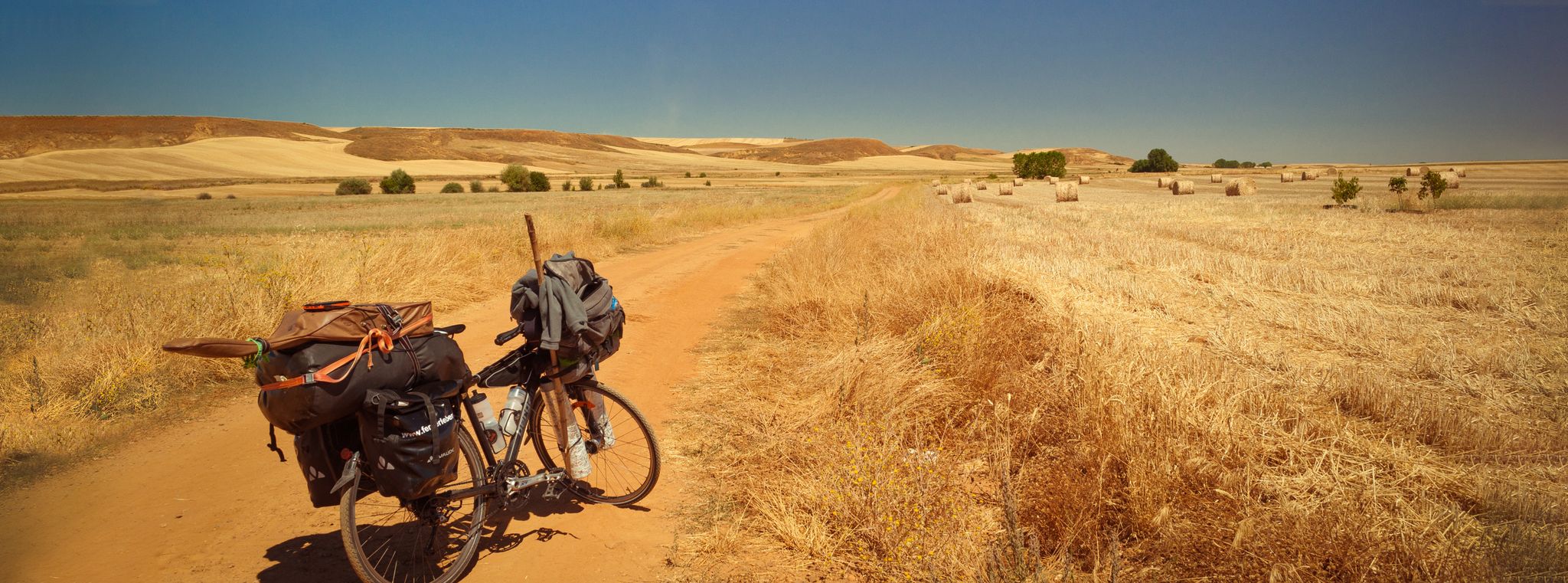
Camino Francés and Camino Finisterre – Cycling pilgrimages in Spain
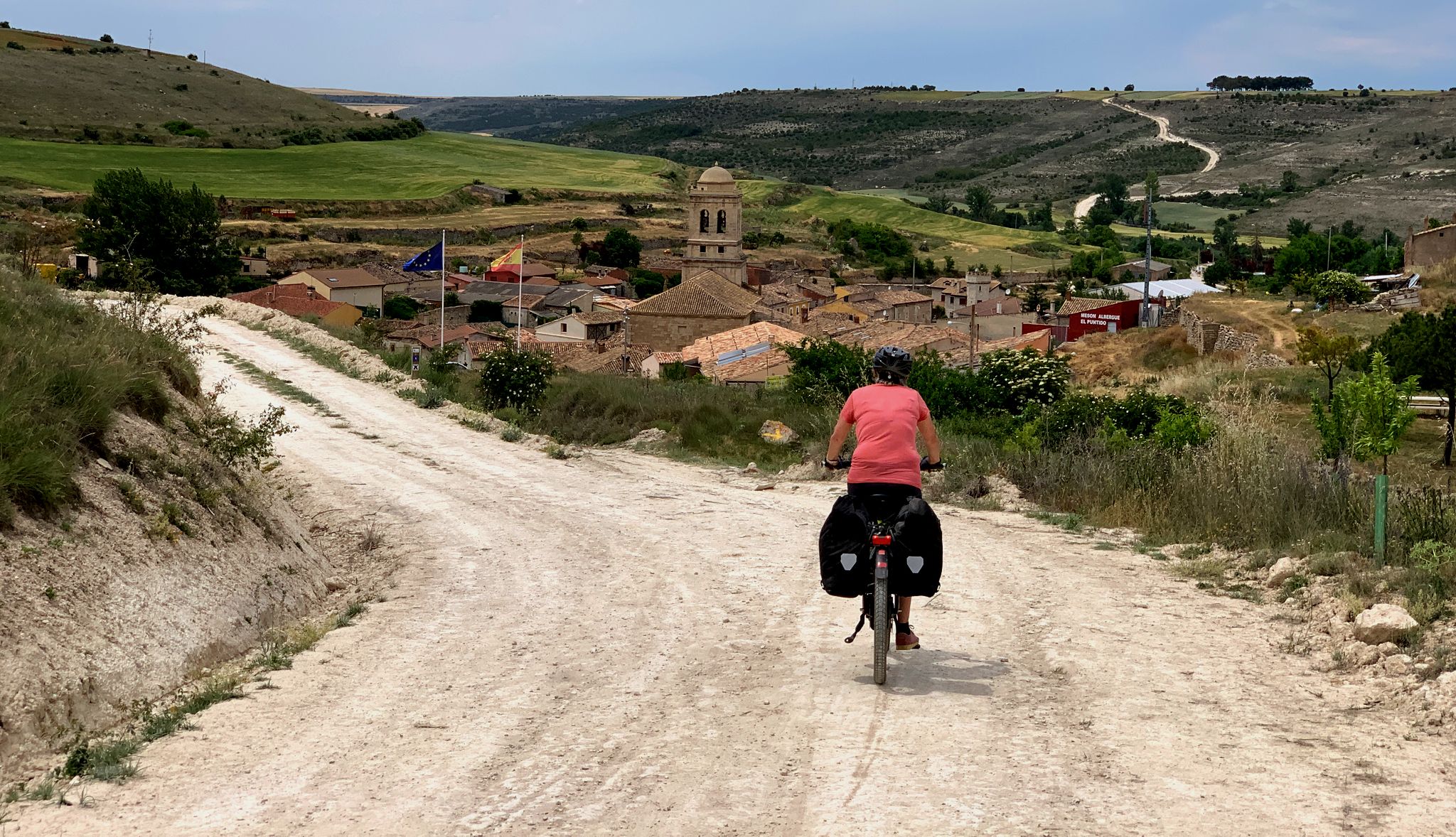
The Pilgrim Route — EuroVelo 3 through Spain
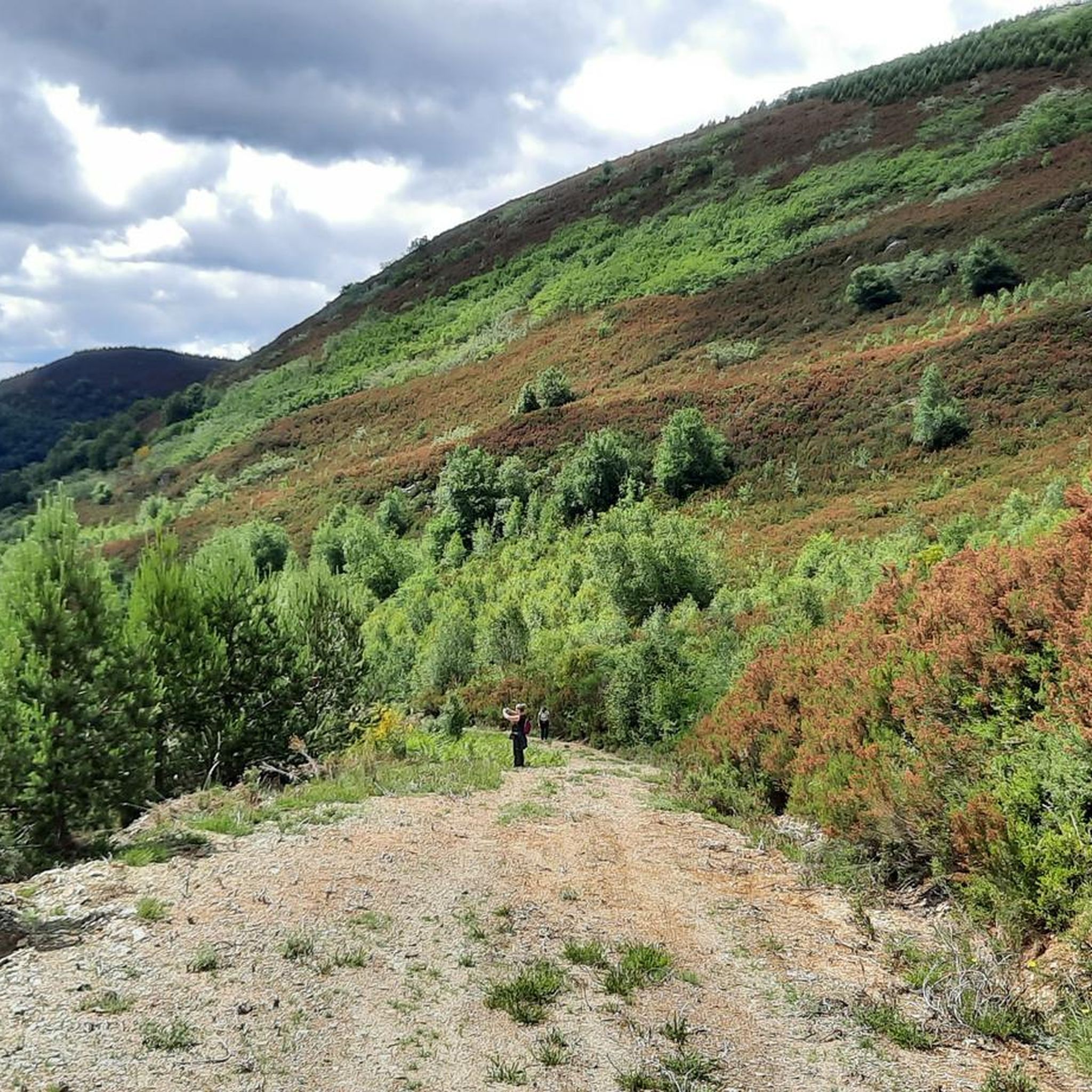
MTB Trails around Pedrafita Do Cebreiro
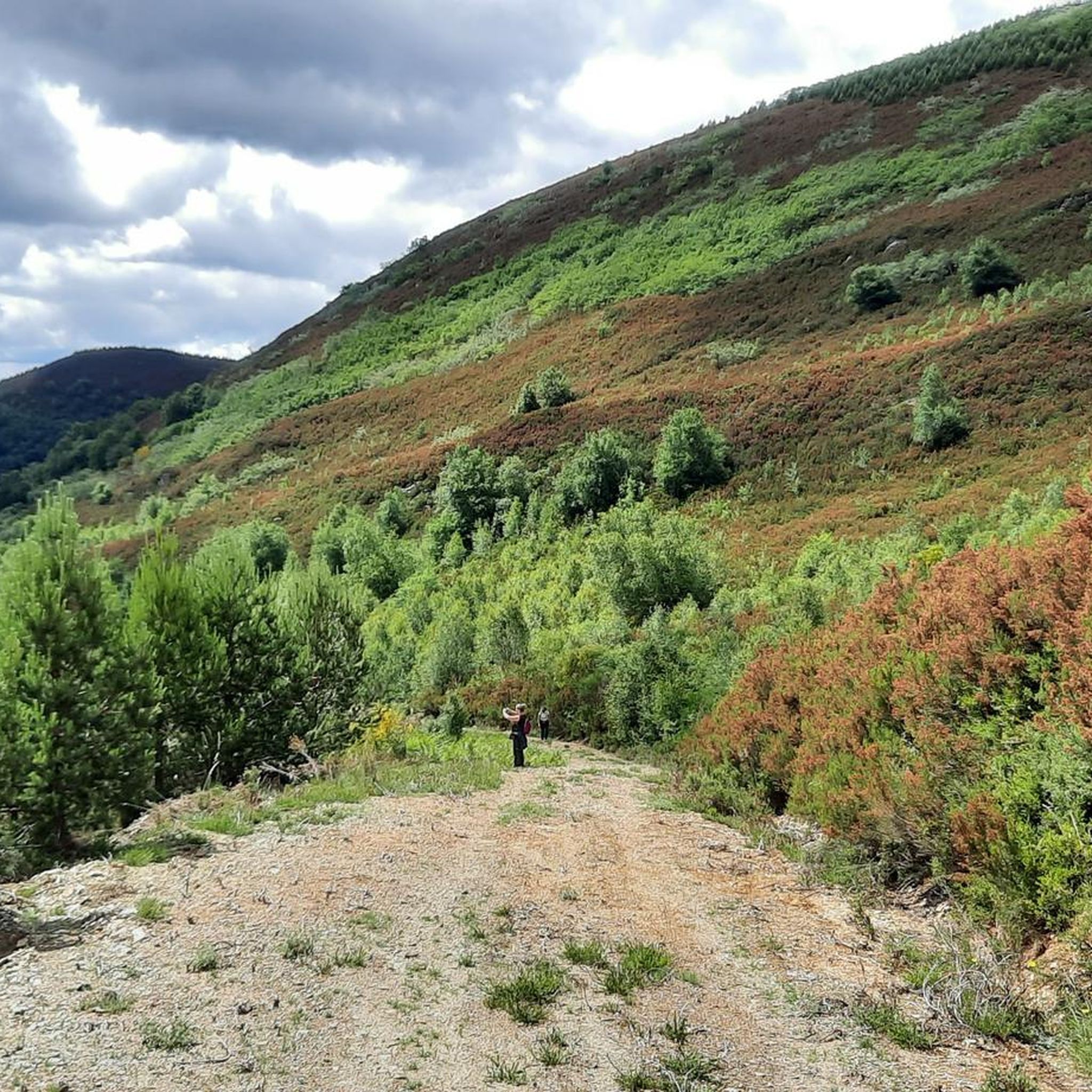
Cycling around Pedrafita Do Cebreiro
Road Cycling Routes around Pedrafita Do Cebreiro
Hiking around Pedrafita Do Cebreiro
Running Trails around Pedrafita Do Cebreiro

Gravel biking around Pedrafita Do Cebreiro
Other adventures around Pedrafita Do Cebreiro


Tips from the Community

In the small village of Ramil at the foot of the Camino, just before Triacastela, stands one of Galicia's most beautiful century-old chestnut trees. Its trunk spans 8.5 meters and, with its hollow spaces and thick branches that seem to embrace the tree, resembles an X-ray of time.
0
1

Large deciduous tree that is common in the mountains of Galicia. The fruits are covered with a green rind with thorns, the "erize". The season for harvesting chestnuts is November, and in Triacastela and throughout Galicia in general it is celebrated with a festival called "magesto". The main use of the chestnut tree is to obtain its wood and use its fruit as food for the population in general and as food for livestock.
1
0

This impressive tree is over 800 years old. A true natural monument.
2
0

The waterfall is about ten meters high. It is located in Cantejeira (or Cantexeira), a town that belongs to the municipality of Balboa, in the Ancares region. There are several routes to reach the waterfall. One option is from Trabadelo, following a path that passes through the Paradela neighborhood and the Pontón de Paradela. Although the path is uneven, it is relatively easy and offers panoramic views of the valley and dense forests of oaks and hazelnuts. If you have the opportunity to visit it, you will surely enjoy its natural beauty! 😊🌿🌊
8
0

Fantastic ancient tree at entrance to Triacastela
4
0
This emblematic chestnut tree, which is located in the middle of the Jacobean route, specifically on the French Way, is more than 800 years old. It has become an iconic place that many pilgrims want to remember by taking photos.
13
0

The last real climbs of the Camino are the three peaks of the Cebreiro mountain group, over a distance of approximately 13 km, divided into three equivalent segments. In the first stretch, starting from Pedrafita (1100 m above sea level) and following the LU-633 up to Cebreiro (1300 m.) there are 4 km almost entirely of climbs, which are also very tiring if you are carrying a lot of luggage: the heat accumulated for fatigue can turn into frozen sweat, cold and chills due to possible fog, tiredness and/or dehydration and the difference in temperature compared to Pedrafita; in addition to covering up, it is advisable to stop for a short refreshment at the village bar. In the second stretch you descend to Linares (1220 m), and then climb up to Alto de San Roque (1260 m), which is particularly windy, as evidenced by the statue of the saint placed on the pass of the hill. The third stretch descends again to Hospital (approximately 1250m) and then rises again reaching Alto do Poio (1335m), the highest point of the three peaks. From here the road begins to descend rapidly for about fifteen km up to 660 m. above sea level of Triacastela.
2
0

In the small town of Ramil, at the foot of the Camino, stands one of the most beautiful hundred-year-old chestnut trees in Galicia. Its trunk measures 8.5 meters and looks like an X-ray of time, with its cavities and thick branches that seem to hug the tree.
4
0
Frequently Asked Questions
What are some of the most popular natural monuments to visit around Pedrafita do Cebreiro?
Visitors frequently enjoy the Ancient Chestnut Tree in Ramil, an iconic 800-year-old landmark on the Camino de Santiago. Other popular spots include the Beiro Waterfall near Busmayor and the unique Deer Spring Waterfall, known for its bicolor appearance.
Are there any family-friendly natural monuments or trails in the area?
Yes, the Ancient Chestnut Tree in Ramil is considered family-friendly and is a great spot for a break and photos. Additionally, the Cantejeira Waterfall offers a route suitable for all audiences, providing panoramic views and dense forests.
What kind of natural features can I expect to see around Pedrafita do Cebreiro?
The region is characterized by stunning mountain ranges like the Sierra de Ancares and O Courel Mountains, offering diverse landscapes. You'll find ancient trees, impressive waterfalls, and numerous viewpoints. The area is rich in forests, meadows, and often mist-shrouded peaks, providing a profound sense of connection to nature.
What outdoor activities can I do near these natural monuments?
Pedrafita do Cebreiro is a haven for outdoor enthusiasts. You can explore various cycling routes, including touring bicycle routes and road cycling routes. There are also challenging MTB trails, especially in the Sierra de Ancares and O Courel areas, perfect for exploring the mountainous terrain.
What is the significance of the Ancient Chestnut Tree in Ramil?
The Ancient Chestnut Tree in Ramil is an emblematic natural monument, over 800 years old, located directly on the French Way of the Camino de Santiago. It has become an iconic spot for pilgrims and visitors to pause, admire its grandeur, and capture photographs, representing a living piece of history and nature intertwined with the pilgrimage route.
Where can I find panoramic views of the surrounding mountains?
For spectacular panoramic views, visit Alto de San Roque, located at 1,270 meters, which offers sweeping vistas and features an iconic pilgrim statue. Near O Cebreiro, viewpoints like Mirador de O Cebreiro and Tesón da Cruz also provide stunning scenic overlooks of the Os Ancares area.
What makes the Deer Spring Waterfall unique?
The Deer Spring Waterfall, situated at an altitude of 1264 meters, is special due to its curious bicolor appearance. This phenomenon results from different types of water—crystalline and ferruginous—flowing in parallel down the rock face.
Are there any challenging natural monuments for experienced hikers or cyclists?
Yes, for those seeking a challenge, The three peaks of Cebreiro offer a demanding experience. These mountain passes are part of the last significant climbs on the Camino de Santiago, known for their elevation and often windy conditions, providing a true test for hikers and cyclists.
What do visitors enjoy most about the natural monuments around Pedrafita do Cebreiro?
Visitors particularly appreciate the blend of natural beauty and historical significance. The ancient landmarks like the Ancient Chestnut Tree in Ramil, the serene beauty of the waterfalls, and the breathtaking panoramic views from mountain passes and viewpoints are frequently highlighted. The connection to the Camino de Santiago also adds a unique spiritual and historical dimension to the natural exploration.
When is the best time to visit the natural monuments in Pedrafita do Cebreiro?
The best time to visit depends on your preferred activities. During summer and spring, the area is ideal for hiking and enjoying the lush landscapes. In winter, the Sierra de Ancares transforms into a destination for winter sports, with the ski resort of Cabeza de Manzaneda nearby, offering a different kind of natural experience.
How accessible are the natural monuments by public transport?
While Pedrafita do Cebreiro is a significant point on the Camino de Santiago, public transport options directly to all natural monuments can be limited. It's advisable to check local bus schedules or consider personal transport for greater flexibility in reaching some of the more remote natural features and viewpoints.
Most popular routes around Pedrafita Do Cebreiro
Most popular attractions around Pedrafita Do Cebreiro

Get inspired with the komoot mobile app


Explore more
Extend your search for the best caves by checking out these guides of the top ones around Pedrafita Do Cebreiro:
