Top 7 Natural Monuments around La Jana
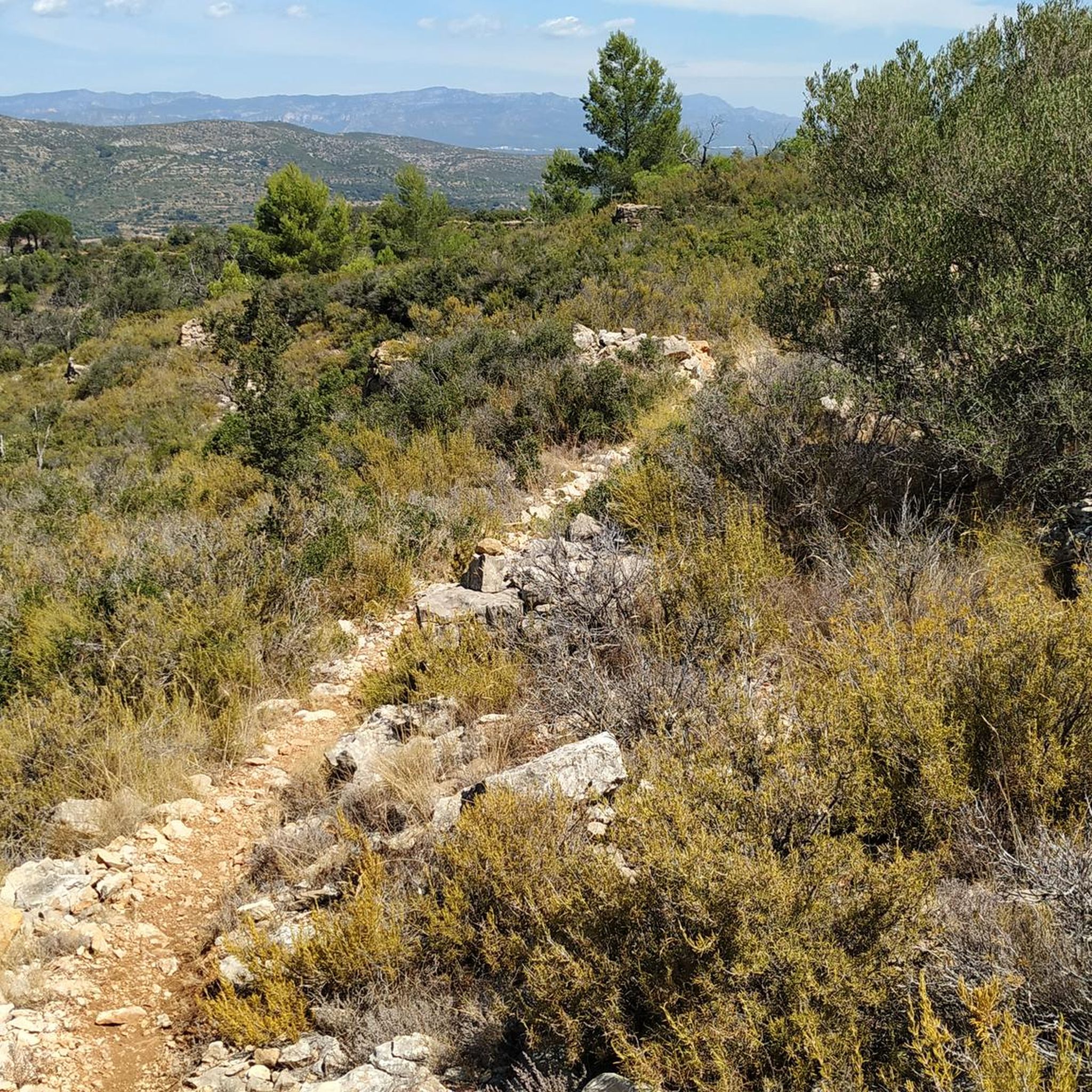
Best natural monuments around La Jana are found within its agricultural landscape and surrounding mountainous terrain. La Jana is a municipality in the Baix Maestrat comarca of the Valencian Community, Spain. The area is characterized by cultivated plots of almond, carob, and olive trees. The Cervera Mountains rise east of La Jana, providing a natural backdrop to the region.
Best natural monuments around La Jana
- The most popular natural monument is La Mola de Xert, a natural monument where…
Last updated: July 28, 2026
Chapel and Fountain of Sant Vicent
Highlight • Religious Site
Translated by Google •
Tip by

Millennial Olive Tree of the Four Legs (Canet lo Roig)
Highlight • Natural Monument
Some of the olive trees were studied …
Translated by Google •
Tip by

Sign up now to discover places like this
Get recommendations on the best single tracks, peaks, & plenty of other exciting outdoor places.
Sign up for free
La Mola de Xert
Highlight • Natural Monument
Translated by Google •
Tip by
Serolla Stone Well
Highlight • Structure
Translated by Google •
Tip by

Font de l'Aubelló
Highlight • Natural Monument
Translated by Google •
Tip by

Sign up for free to discover even more natural monuments around La Jana.
Sign up for free
Already have an account?
Start today with a free account
Your next adventure awaits.
Login or Signup

Tips from the Community

Well-preserved area of old wash houses.
0
0

Hello, do you know if there are many pine trees on the route? It is the processionary season and we are taking a dog. Thank you very much.
0
0

Quiet place with history 10' walk from the center
0
0

Nice spot to sit for a while.
0
0

Ancient fountain, interesting to visit and emblematic place of Xert
1
0
Your visit was interesting, it is worth stopping to take a photo
1
0

The chapel dedicated to Sant Vicent Ferrer was built in memory of the blessing of the saint, who on his way through Traiguera in 1413 asked that the fountain that is right next to it never lack water. The chapel was built in the 17th century, includes an altar and a small image of the saint, and was restored in the 19th century.
1
0

Canet lo Roig has the largest number of ancient olive trees within the entire Valencian Community (1131 specimens). Some of them date their planting to the year 569 AD. Among so many specimens, the impressive "4 legs" stands out, which has a rich history, particularly related to the war serving as a refuge.
5
0
Frequently Asked Questions
What are some unique natural features to explore around La Jana?
Beyond the agricultural landscapes, you can discover geological formations like La Mola de Xert, where rocks rise abruptly with vertical walls. The area is also rich in ancient olive groves, notably the estate in Canet lo Roig, home to the award-winning Millennial Olive Tree of the Four Legs.
Are there any family-friendly natural monuments near La Jana?
Yes, several natural monuments are suitable for families. The Chapel and Fountain of Sant Vicent is a pleasant spot with historical significance and facilities. The Millennial Olive Tree of the Four Legs (Canet lo Roig) offers an engaging visit for all ages, with its impressive ancient trees and historical context. Additionally, Font de l'Aubelló is a quiet, historical fountain that is also family-friendly.
What kind of historical natural monuments can I find in the area?
The region around La Jana features several sites where history intertwines with nature. The Chapel and Fountain of Sant Vicent dates back to the 17th century, built in memory of a saint's blessing. The Millennial Olive Tree of the Four Legs (Canet lo Roig) is part of an estate with olive trees planted as early as 569 AD, some even serving as refuge during wars. You can also visit the Serolla Stone Well and Font de l'Aubelló, both ancient and emblematic historical sites.
What outdoor activities can I do near these natural monuments?
The area offers various outdoor activities. You can explore MTB trails, go running, or enjoy cycling routes. For instance, the 'La Ruta de los Olivos Milenarios' is an easy MTB route that takes you through ancient olive groves.
Are there hiking trails near the natural monuments around La Jana?
Yes, there are hiking opportunities. While some paths, like the one around La Mola de Xert, have some technical difficulty, they are generally manageable with a firm step. For more options, you can explore the running trails guide, which includes routes like the 'Fresh Water Spring – Moleta Redona loop from Xert' that can also be enjoyed for hiking.
What is the best time of year to visit the natural monuments around La Jana?
The region's agricultural landscape, with almond, carob, and olive trees, is beautiful year-round. Spring offers blooming trees, while autumn brings harvest colors. For outdoor activities like hiking and cycling, spring and autumn generally provide milder temperatures than the summer months.
What do visitors enjoy most about the natural monuments in this region?
Visitors appreciate the blend of natural beauty and historical significance. The ancient olive trees, particularly the '4 legs' specimen, are often highlighted for their impressive age and unique shapes. The tranquility and historical context of sites like the Chapel and Fountain of Sant Vicent and Font de l'Aubelló are also frequently mentioned as enjoyable aspects.
Are there any natural monuments with viewpoints or scenic climbs?
Yes, La Mola de Xert is a notable natural monument that offers a viewpoint. Its abrupt vertical rock formations provide a unique landscape and a rewarding experience for those who undertake the path around it, despite its technical difficulty.
Can I find facilities like water sources at these natural monuments?
Yes, some natural monuments offer facilities. The Chapel and Fountain of Sant Vicent is known for its fountain, which locals say has never lacked water since a saint's blessing. Font de l'Aubelló is another ancient fountain that provides a nice spot to rest.
What should I bring when visiting natural monuments and trails in the La Jana area?
Given the varied terrain, including agricultural paths and potentially technical trails like those around La Mola de Xert, it's advisable to wear sturdy footwear. Bringing water is essential, especially if you plan longer walks, though some fountains like Sant Vicent's are available. Sun protection is also recommended, particularly during sunnier months.
Are there any natural monuments that are considered 'hidden gems' or less known?
While the main highlights are well-regarded, the broader agricultural landscape itself, with its extensive ancient olive groves, offers many serene and less-traveled paths. Exploring the areas around the Serolla Stone Well or Font de l'Aubelló can lead to quiet discoveries away from more popular spots, allowing for a deeper appreciation of the region's natural charm.
Most popular routes around La Jana
Most popular attractions around La Jana

Get inspired with the komoot mobile app


Explore more
Extend your search for the best caves by checking out these guides of the top ones around La Jana:
