Top 5 Mountain Passes around San Agustín
Best mountain passes around San Agustín are found within a region characterized by its mountainous terrain. San Agustín is located in the Colombian Andes, where the country's three Andean ranges converge, creating a landscape of green mountains, canyons, and valleys. The area offers scenic routes and elevated locations that blend natural features with archaeological significance. These routes provide opportunities to experience the region's diverse geography.
Best mountain passes around San Agustín
- The most popular mountain passes is Fanzara to Montanejos…
Last updated: June 3, 2026
Los Molares Pass
Highlight • Mountain Pass
Translated by Google •
Tip by

Puerto de Los Molares (Second Ascent)
Highlight • Mountain Pass
Translated by Google •
Tip by
Sign up now to discover places like this
Get recommendations on the best single tracks, peaks, & plenty of other exciting outdoor places.
Sign up for free
Fanzara to Montanejos Scenic Route
Highlight (Segment) • Trail
Translated by Google •
Tip by

Collado Pino Rey
Highlight • Mountain Pass
Translated by Google •
Tip by

Collado del Lobo
Highlight • Mountain Pass
Translated by Google •
Tip by

Start today with a free account
Your next adventure awaits.
Login or Signup

Tips from the Community

It is accessed from Collado del Lobo. It is one of the best-known peaks in the area. The final stretch is characterized by a large amount of loose white rock.
0
0
The climb to Enebral Hill passes through the Collado del Lobo. It's one of the best-known mountain bike climbs in the area.
1
0

somewhat difficult but very, very beautiful route
0
0

From Alto de Pino Rey you will have the best views of Pico de Santa Bárbara and its antennas.
0
0


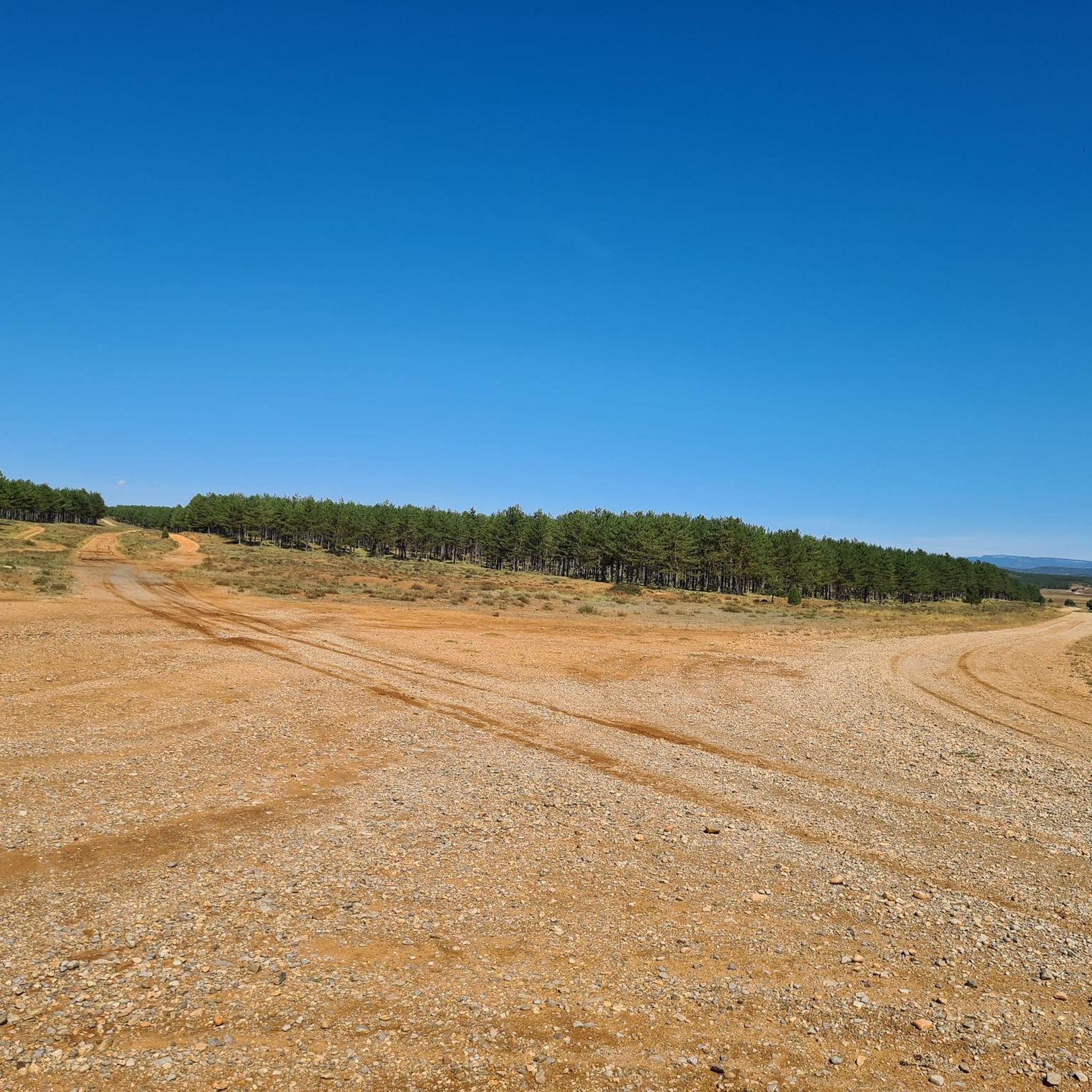
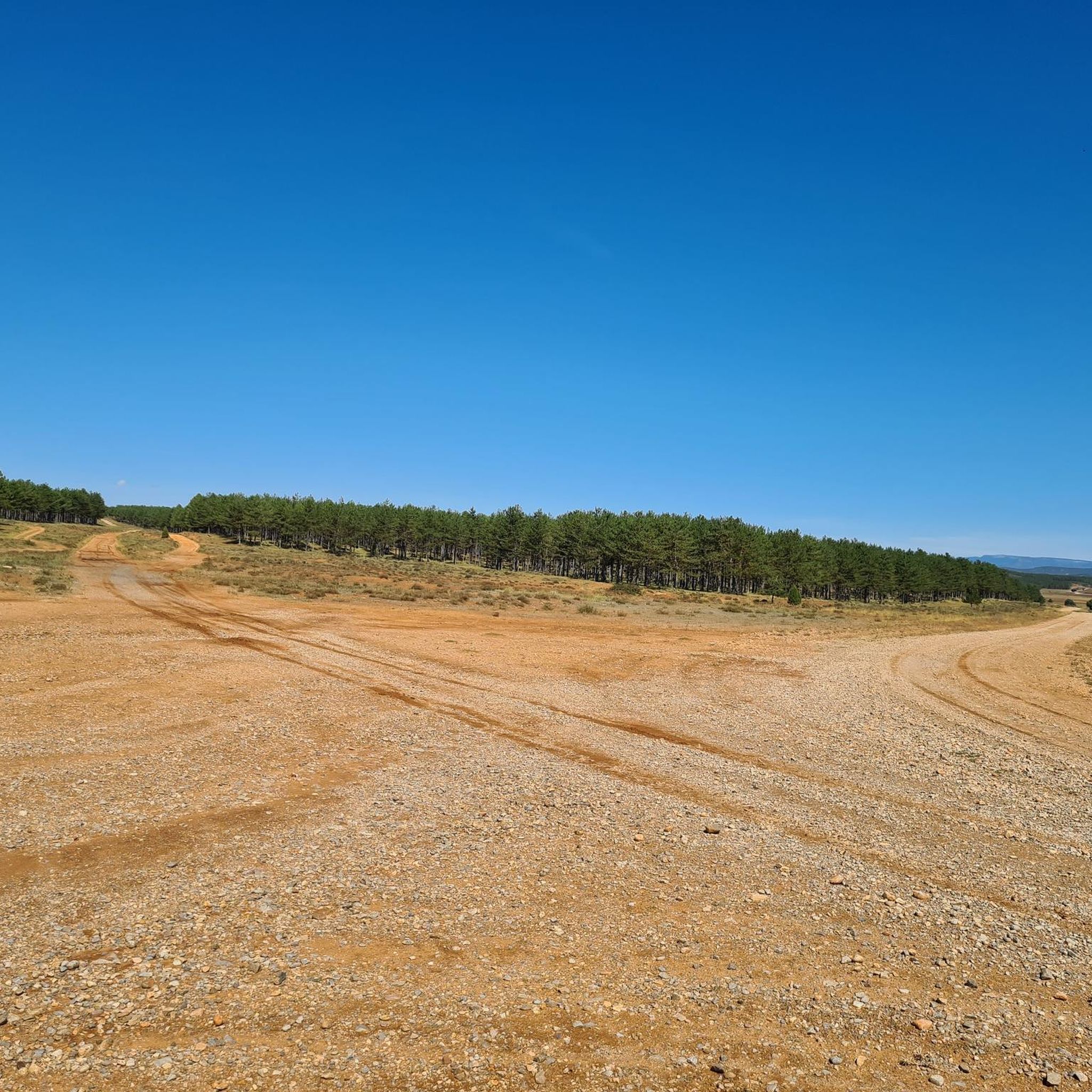
Impressive views of Pina from this pass. The ascent is always under the shade of carefully cared for pine forests. A shot of energy...
0
0

Demanding stretch if done uphill from Fanzara to Montanejos. You pass through the port of Vallat, one of the most colorful and picturesque of Alto Mijares. In addition to being colorful, this section is very quiet, practically without traffic and with pavement in excellent condition.
3
0

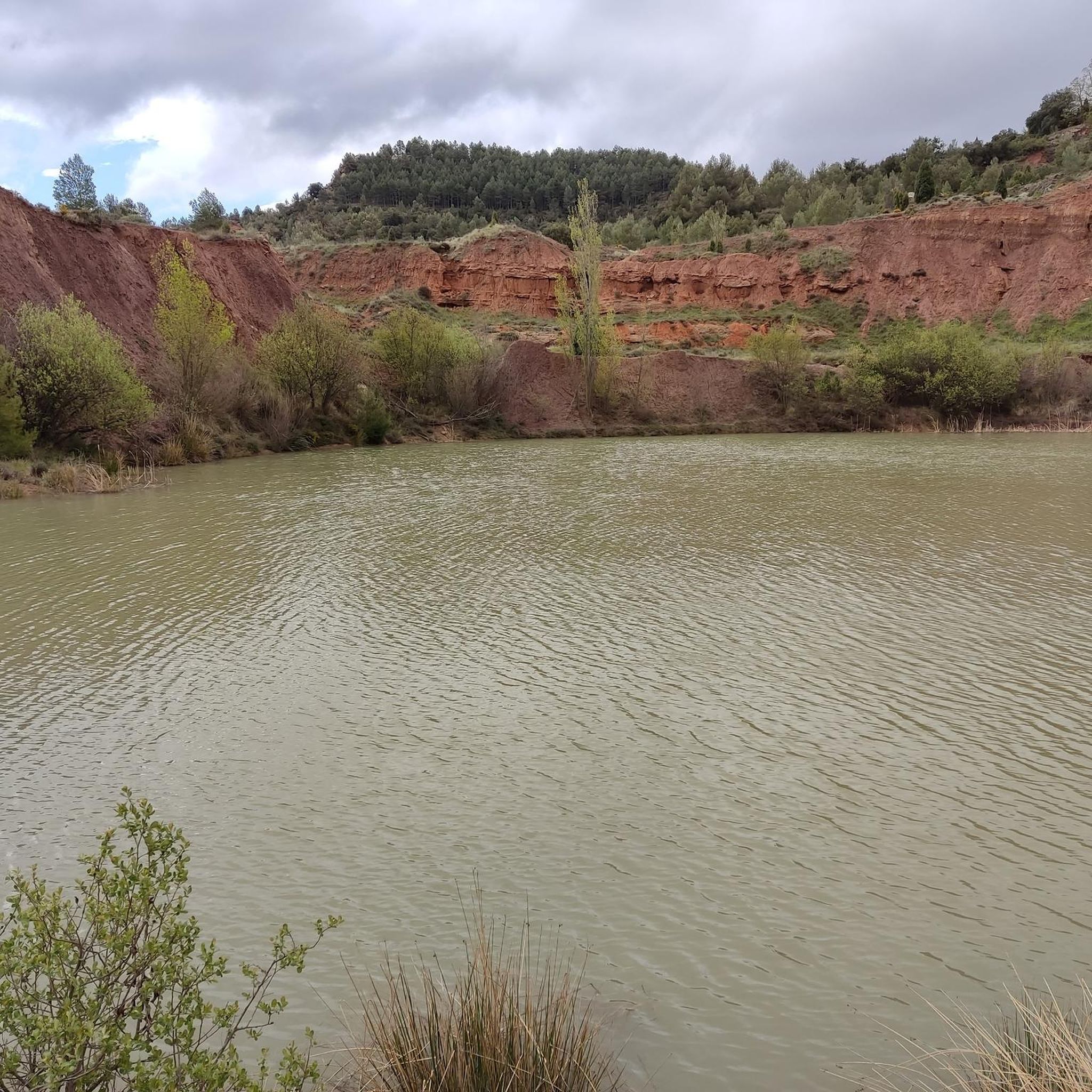
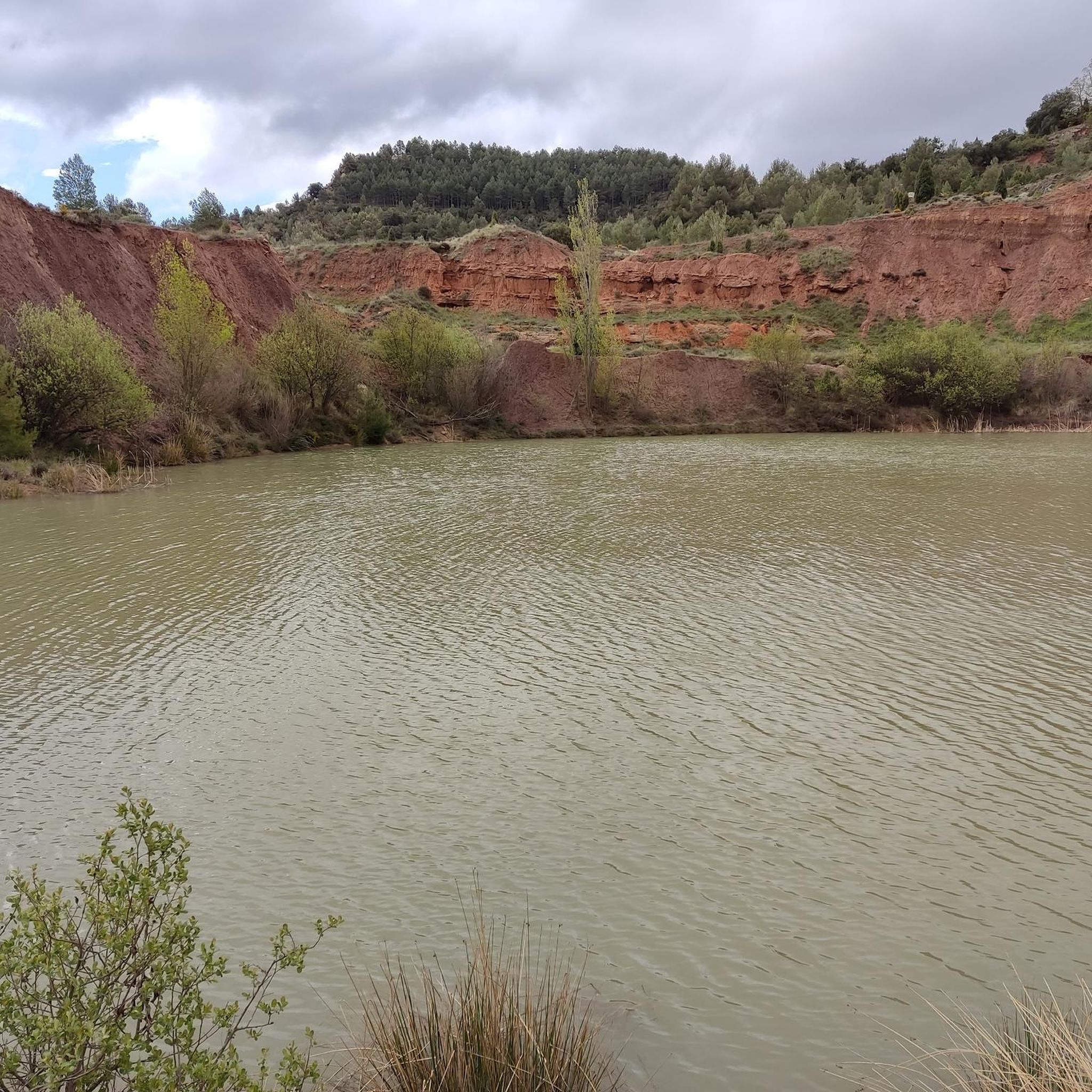
Second ascent in the area of Caserío de Los Molares, on the inhospitable and deserted road that joins the towns of Montanejos and Cortes de Arenoso. It could have been included as an extension of the Puerto de los Molares, but there is a considerable drop between these two climbs that makes it inadvisable. After overcoming the dilapidated Caserío de Los Molares, this ascent of less than 2 kilometers begins whose summit slightly exceeds the Puerto de los Molares in altitude. Narrow and quite broken road that winds through a very dense forest area. Abundant shade, non-existent road traffic even in August. There is a maximum ramp at 13% but very short. After crowning there is a viewpoint to the left towards the Puebla de Arenoso reservoir, the Castle and Mount Santa Bárbara. It is not recommended to travel this path in reverse with the road bike, there are many holes.
0
0
Frequently Asked Questions
What kind of mountain passes can I expect to find around San Agustín?
The San Agustín region, nestled in the Colombian Andes, is characterized by dramatic mountainous terrain rather than traditional named passes. You'll find scenic routes and elevated locations that offer a blend of natural beauty and archaeological significance. These include challenging climbs through dense forests, winding roads with panoramic viewpoints, and trails leading to ancient sites. For example, the Puerto de Los Molares (Second Ascent) offers a narrow, winding road through a dense forest with a viewpoint towards the Puebla de Arenoso reservoir.
Are there any particularly challenging mountain passes for experienced cyclists or hikers?
Yes, for those seeking a challenge, the Los Molares Pass is known as one of the hardest in the Montanejos area, featuring an APM hardness coefficient of 85 points. It involves a narrow, somewhat bumpy road through a very leafy forest, with sustained climbs above 7-8% and punctual ramps reaching 10-12% in its final two kilometers. The Fanzara to Montanejos Scenic Route is also a demanding stretch if done uphill.
What kind of views can I expect from the mountain passes in San Agustín?
The mountain passes around San Agustín offer spectacular views of the surrounding green mountains, canyons, and valleys. Many routes feature dedicated viewpoints. For instance, from Collado Pino Rey, you can enjoy views of Pico de Santa Bárbara and its antennas. The Collado del Lobo also provides impressive views of Pina, often under the shade of pine forests.
Are there mountain passes that offer a combination of natural beauty and historical or archaeological interest?
Absolutely. The mountainous routes around San Agustín are often intertwined with its rich archaeological heritage. Journeys to sites like Alto de los Ídolos, Alto de las Piedras, La Chaquira, and La Pelota involve traversing stunning mountainous landscapes. These routes offer numerous viewpoints to admire canyons and waterfalls, blending cultural immersion with majestic natural scenery. La Chaquira, for example, is perched on a cliff overlooking the Magdalena River, providing a unique perspective of the canyon.
What outdoor activities can I do near the mountain passes around San Agustín?
Beyond exploring the mountain passes themselves, the region offers a variety of outdoor activities. You can find numerous running trails, including easy loops like the Senda Aceicuca Trail and more difficult options like the Morrón de Olba Loop. For cyclists, there are extensive gravel biking routes and road cycling routes that navigate the mountainous terrain, such as the Montanejos – Vallat Pass to Argelita loop.
Are there multi-day trekking opportunities in the mountains near San Agustín?
Yes, for adventurous trekkers, multi-day journeys through the mountains originating from San Agustín are a significant draw. A notable example is the challenging trek that leads to the source of the Magdalena River (Laguna de la Magdalena). This journey can involve climbs to altitudes of 3327 meters, offering expansive views of the central and eastern mountain ranges of the Huila department, with features like jungle sections, river crossings, and scenic ridges.
What is the best way to experience the mountainous terrain around San Agustín?
The mountainous terrain around San Agustín can be experienced in various ways. Many visitors enjoy scenic drives and 4x4 adventures, as the roads themselves offer a continuous spectacular view and a sense of adventure. Horseback riding is also a popular way to explore routes to archaeological sites. For those seeking more active pursuits, hiking and cycling on the numerous trails and passes provide deep immersion in nature and stunning vistas.
What makes the mountain passes in San Agustín unique compared to other regions?
The mountain passes and routes in San Agustín are unique due to the convergence of Colombia's three Andean mountain ranges, creating an exceptionally dramatic and biodiverse landscape. What truly sets them apart is the seamless integration of profound archaeological wonders with the natural environment. You're not just traversing mountains; you're often on routes that lead to ancient pre-Columbian statues and ceremonial sites, offering a rich blend of cultural and natural exploration.
Can I find mountain passes with dense forest sections for a shaded experience?
Yes, several mountain passes in the region feature dense forest sections, providing shade and a different kind of scenic experience. The Puerto de Los Molares (Second Ascent), for example, is described as a narrow, winding road through a very dense forest. Similarly, the Los Molares Pass also winds through a leafy forest, and the ascent to Collado del Lobo is always under the shade of carefully cared for pine forests.
Are there any specific viewpoints along the mountain routes that are highly recommended?
Yes, the region is dotted with numerous viewpoints offering breathtaking panoramas. After crowning the Puerto de Los Molares (Second Ascent), there's a viewpoint to the left towards the Puebla de Arenoso reservoir, the Castle, and Mount Santa Bárbara. From Collado Pino Rey, you get excellent views of Pico de Santa Bárbara and its antennas. Additionally, routes to archaeological sites like La Chaquira offer unique perspectives overlooking the Magdalena River canyon.
What is the general character of the roads and trails in the mountain passes around San Agustín?
The roads and trails in the mountain passes around San Agustín vary. Some sections, like parts of the Fanzara to Montanejos Scenic Route, are quiet with good pavement. However, many routes, especially those leading to higher elevations or more remote areas, can be narrow, winding, and sometimes bumpy, particularly through dense forest sections. The region is known for its 4x4 routes, indicating that some paths are rugged and adventurous.
Most popular routes around San Agustín
Most popular attractions around San Agustín

Get inspired with the komoot mobile app


Explore more
See even more epic mountain passes by checking out these guides around San Agustín:
