Top 5 Natural Monuments around Culla
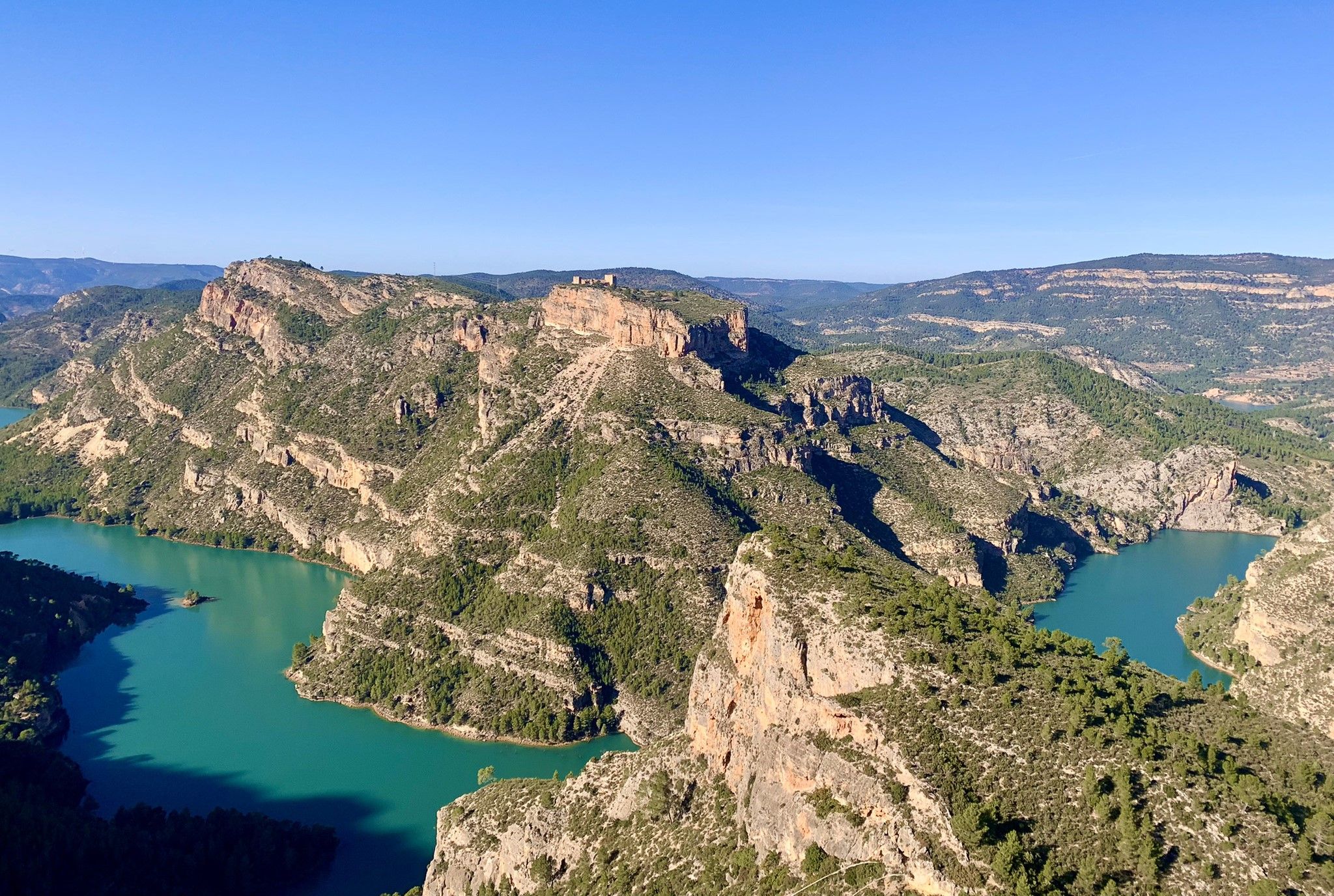
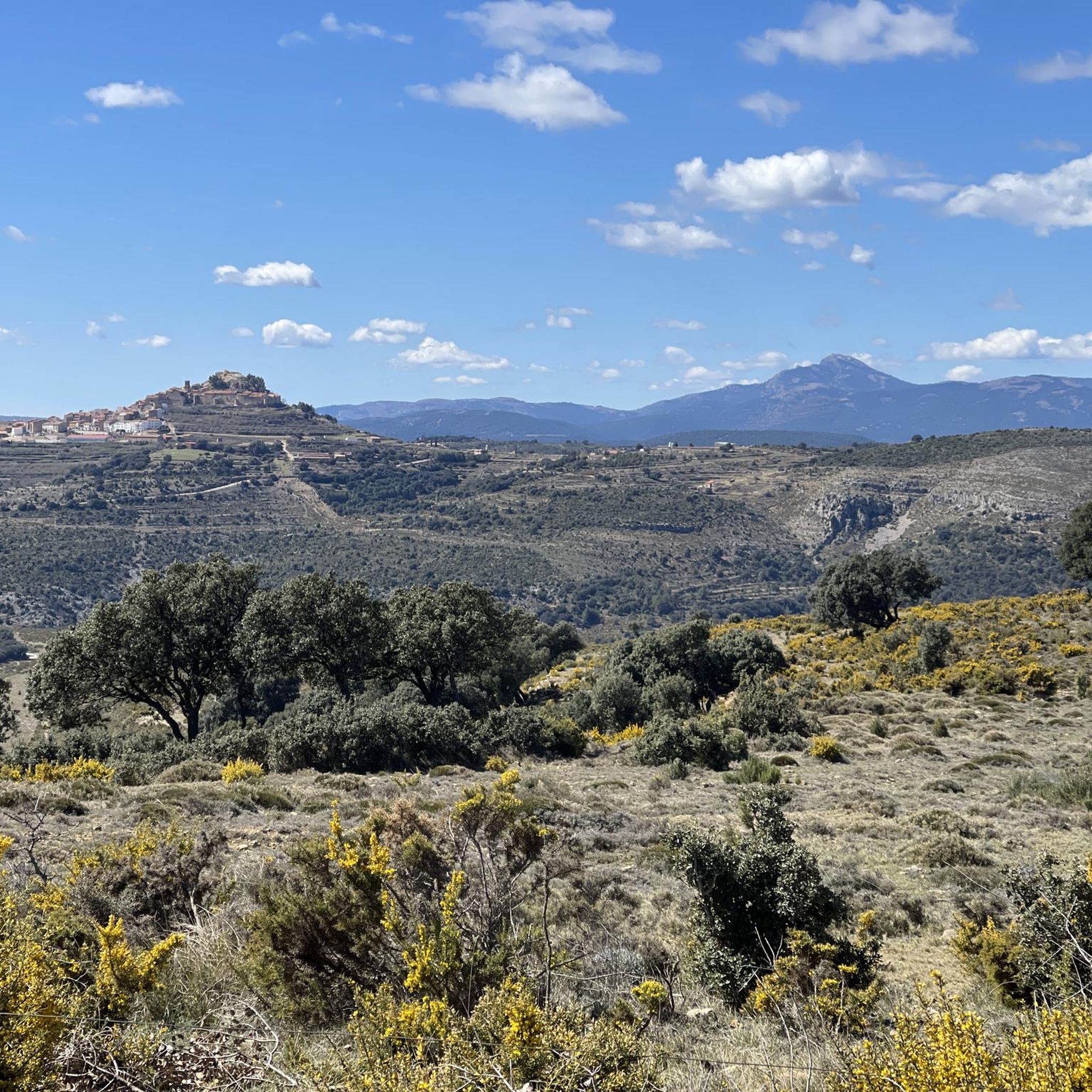
Natural monuments around Culla showcase the diverse natural heritage of this village in the Alt Maestrat region of Castellón, Spain. The area features a captivating natural landscape rich in geological formations, including deep ravines, steep mountains, and impressive rock formations. Culla is home to significant monumental trees and diverse ecosystems. These natural features contribute to the region's wild beauty and offer various opportunities for exploration.
Best natural monuments around Culla
- The most popular natural monuments is El Rivet Municipal Nature…
Last updated: June 3, 2026
El Rivet Municipal Nature Park
Highlight • Forest
Translated by Google •
Tip by

Carrasca de Culla
Highlight • Natural Monument
Translated by Google •
Tip by
Sign up now to discover places like this
Get recommendations on the best single tracks, peaks, & plenty of other exciting outdoor places.
Sign up for free
Espaneguera Summit
Highlight • Summit
Translated by Google •
Tip by

Roca Figueral Via Ferrata
Highlight • Climb
rocjumper.com/via-ferrata/roca-figueral-sierra-engarceran
Translated by Google •
Tip by

Font d'en Segures
Highlight • Natural Monument
Translated by Google •
Tip by
Start today with a free account
Your next adventure awaits.
Login or Signup

Other adventures around Culla

Tips from the Community

It's a very beautiful but very tough route. Be well prepared. The descent is quite demanding.
0
0


Monumental holm oak that is worth seeing; it is a unique tree. The restaurant that is at the same point is recommended, be it for lunch or dinner, phone. 964 76 21 76
2
0
Fresh water all year round, perfect for filling water and enjoying the place.
2
0
Water source of the Font d'en Segures spring.
0
0

Great fun for adults who have already done a via ferrata. https://www.rocjumper.com/via-ferrata/roca-figueral-sierra-engarceran/
12
0
Centennial oak and holm oak forest, currently protected as a micro-reserve of flora. Spectacular place to enjoy a walk, a picnic or just admire nature in its purest form. Highly recommended to make a stop.
5
0
Frequently Asked Questions
What are the most popular natural monuments to visit around Culla?
Among the most popular natural monuments, you'll find El Rivet Municipal Nature Park, a centennial oak and holm oak forest protected as a micro-reserve of flora. Another highly regarded spot is Carrasca de Culla, a monumental holm oak declared a monumental tree of the Valencian Community. Visitors also appreciate Espaneguera Summit for its panoramic views.
Are there family-friendly natural monuments in Culla?
Yes, several natural monuments are suitable for families. El Rivet Municipal Nature Park offers a pleasant environment for walks and picnics. The majestic Carrasca de Culla is also a great family-friendly attraction, allowing visitors to admire a unique, ancient tree. Additionally, Font d'en Segures provides fresh water and a nice spot to enjoy the surroundings.
What unique natural features or geological formations can I explore in Culla?
Culla's natural landscape is rich in geological features, particularly within the Montlleó River Natural Area. Here, you can explore deep ravines, steep mountains, and impressive rock formations such as Peñacalva and Cingle Vert, sculpted by natural erosion. The area also features numerous caves and sinkholes, offering a wild and authentic natural beauty.
What outdoor activities can I do near Culla's natural monuments?
The region around Culla offers various outdoor activities. You can find numerous routes for mountain biking, cycling, and running. For example, there are challenging MTB routes like 'Serra de Engarcerán via the Collado de la Bandereta' and cycling tours such as the 'Gran Travesía BTT Alt Maestrat Loop'. You can explore more options on the MTB Trails around Culla, Cycling around Culla, and Running Trails around Culla guide pages.
Are there any challenging routes or viewpoints for experienced hikers?
Yes, for those seeking a challenge, Espaneguera Summit offers challenging routes with panoramic views. The climb from Rosildos, for instance, is described as very beautiful but tough, requiring good preparation. Additionally, the Roca Figueral Via Ferrata provides an exciting and challenging climbing experience for adults.
What is the significance of La Carrasca de Culla?
La Carrasca de Culla is a majestic centenary holm oak, estimated to be over 500 years old, making it one of the largest in Spain and the biggest in the Valencian Community. It's not just its impressive size (20 meters tall, 7-meter trunk circumference, 35-meter branch spread) that makes it significant, but also its cultural and historical value. Legends say its branches sheltered an entire army company during the Carlist Wars, making it a symbol of resilience and a silent witness to centuries of history in the Maestrazgo region.
What kind of flora and fauna can be found in Culla's natural areas?
Culla's natural areas, particularly the Montlleó River Natural Area and El Rivet Municipal Nature Park, are ecologically rich. El Rivet is a protected micro-reserve of flora, featuring centennial oak and holm oak forests. The broader Montlleó area boasts an abundance of native flora and fauna, thriving in its rugged terrain and diverse ecosystems.
Are there any natural springs or water sources in the area?
Yes, the Montlleó River Natural Area is dotted with numerous springs. One notable example is Font d'en Segures, which provides fresh water all year round, making it a perfect spot for refilling water bottles and enjoying the natural surroundings.
What do visitors particularly enjoy about the natural monuments around Culla?
Visitors appreciate the opportunity to enjoy nature in its purest form, especially at places like El Rivet Municipal Nature Park, which is highly recommended for walks and picnics. The unique and monumental Carrasca de Culla is also a highlight, often paired with a recommendation for the nearby restaurant. The panoramic views from summits like Espaneguera Summit are also highly valued.
What is the best time to visit Culla's natural monuments?
While specific seasonal data isn't provided, the region's natural beauty, including its forests, geological formations, and viewpoints, can be enjoyed across different seasons. For hiking and outdoor activities, spring and autumn generally offer milder temperatures. Summer can be warm, while winter might offer a different, quieter experience, though some routes could be more challenging.
Is there parking available near the natural monuments?
While specific parking details for every monument are not listed, La Carrasca de Culla is accessible by vehicle and can be admired from the road, even though it's on private land. For other areas, it's advisable to check local information or guide pages for specific parking instructions, especially for trailheads.
Are there any amenities like cafes or restaurants near the natural monuments?
Yes, near Carrasca de Culla, there is a recommended restaurant at the same point, suitable for lunch or dinner. For other natural monuments, Culla village itself and surrounding areas offer rural accommodation, cafes, and restaurants where visitors can find refreshments and meals.
Most popular attractions around Culla

Get inspired with the komoot mobile app


Explore more
Extend your search for the best caves by checking out these guides of the top ones around Culla:
