Top 5 Natural Monuments around Granucillo
Natural monuments around Granucillo are deeply intertwined with the region's rich archaeological heritage, offering insights into prehistoric life within a natural landscape. This area in the province of Zamora, Spain, is notable for its ancient stone structures and historical sites set amidst the natural environment. Visitors can explore significant landmarks that blend human history with the surrounding geography. The region provides a unique perspective on how ancient civilizations interacted with their natural surroundings.
Best natural monuments around Granucillo
- The most…
Last updated: October 4, 2026
Castro de Las Labradas
Highlight • Historical Site
Translated by Google •
Tip by

Dolmen de San Adrián
Highlight • Historical Site
Translated by Google •
Tip by
Sign up now to discover places like this
Get recommendations on the best single tracks, peaks, & plenty of other exciting outdoor places.
Prehistoric Rock Formation of Arrabalde
Highlight • Natural Monument
Translated by Google •
Tip by
Tera Bridge
Highlight • Bridge
Translated by Google •
Tip by
Start today with a free account
Your next adventure awaits.

Tips from the Community

A prehistoric stone circle. The structure was usually built from locally quarried granite or slate. They were used for various ceremonies throughout the seasons.
2
0
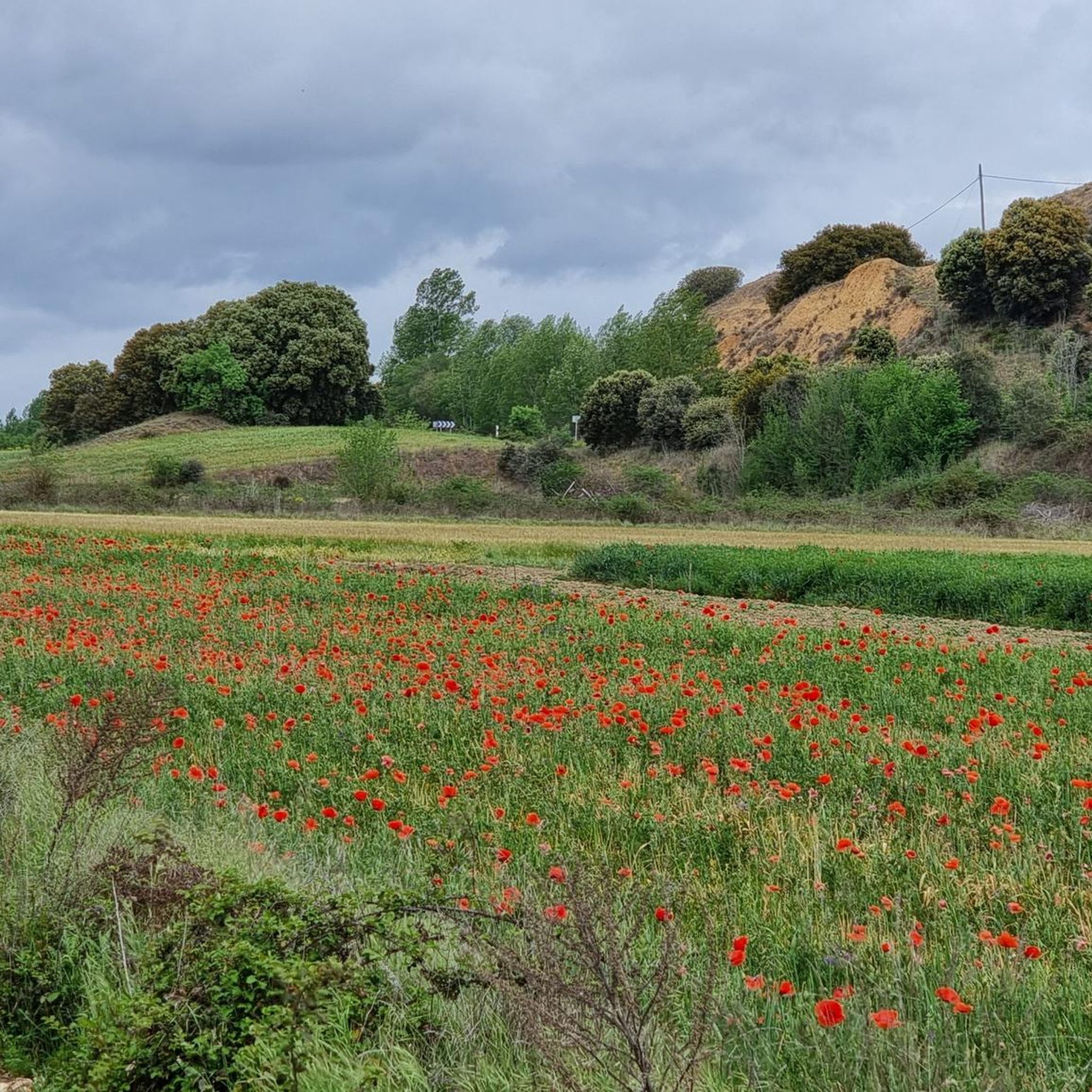
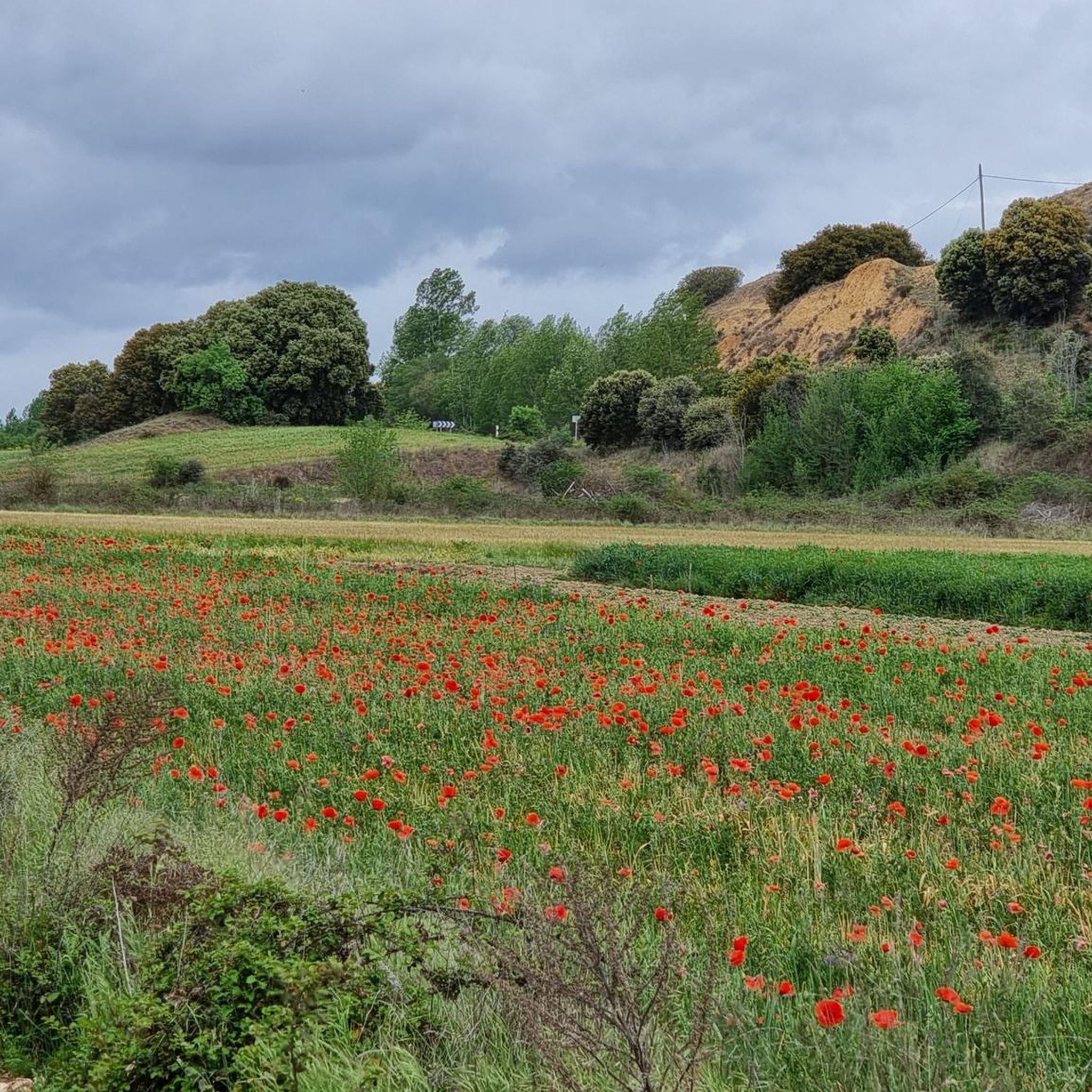
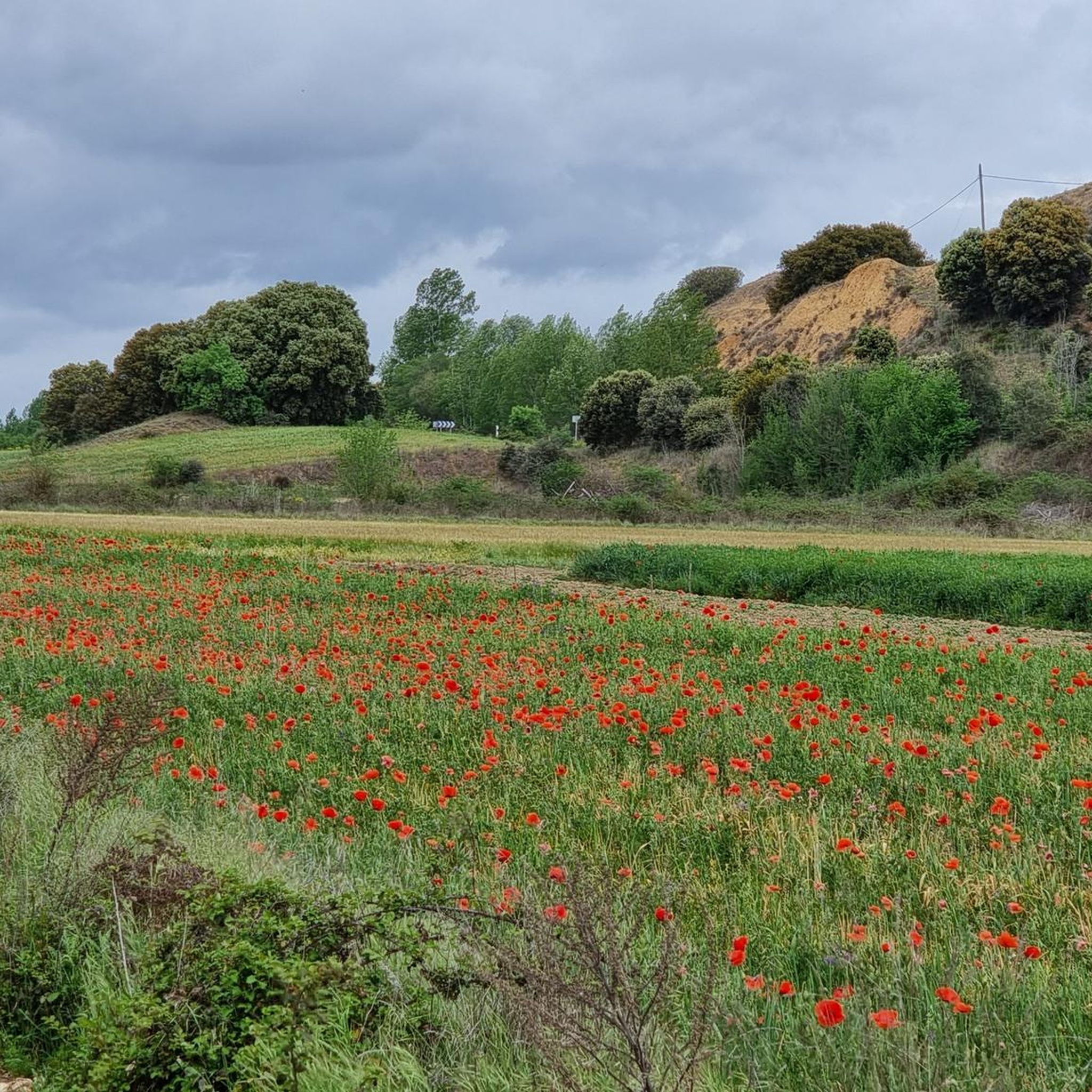
A prehistoric rock formation on the outskirts of the town of Arrabalde in the foothills of the Sierra de las Labradas.
2
0

Dating back over 3,000 years, this prehistoric megalithic site is worth a visit. You may need to walk your bike from the road to the actual Dolmen because I think bicycling is not allowed.
0
0

Pebble linear structure.
1
0
A prehistoric megalithic site, the dolmen of San Adrián is located to the north of El Granucillo. The stone structure and settlement date to between 3,500 and 3,000 years ago.
1
0
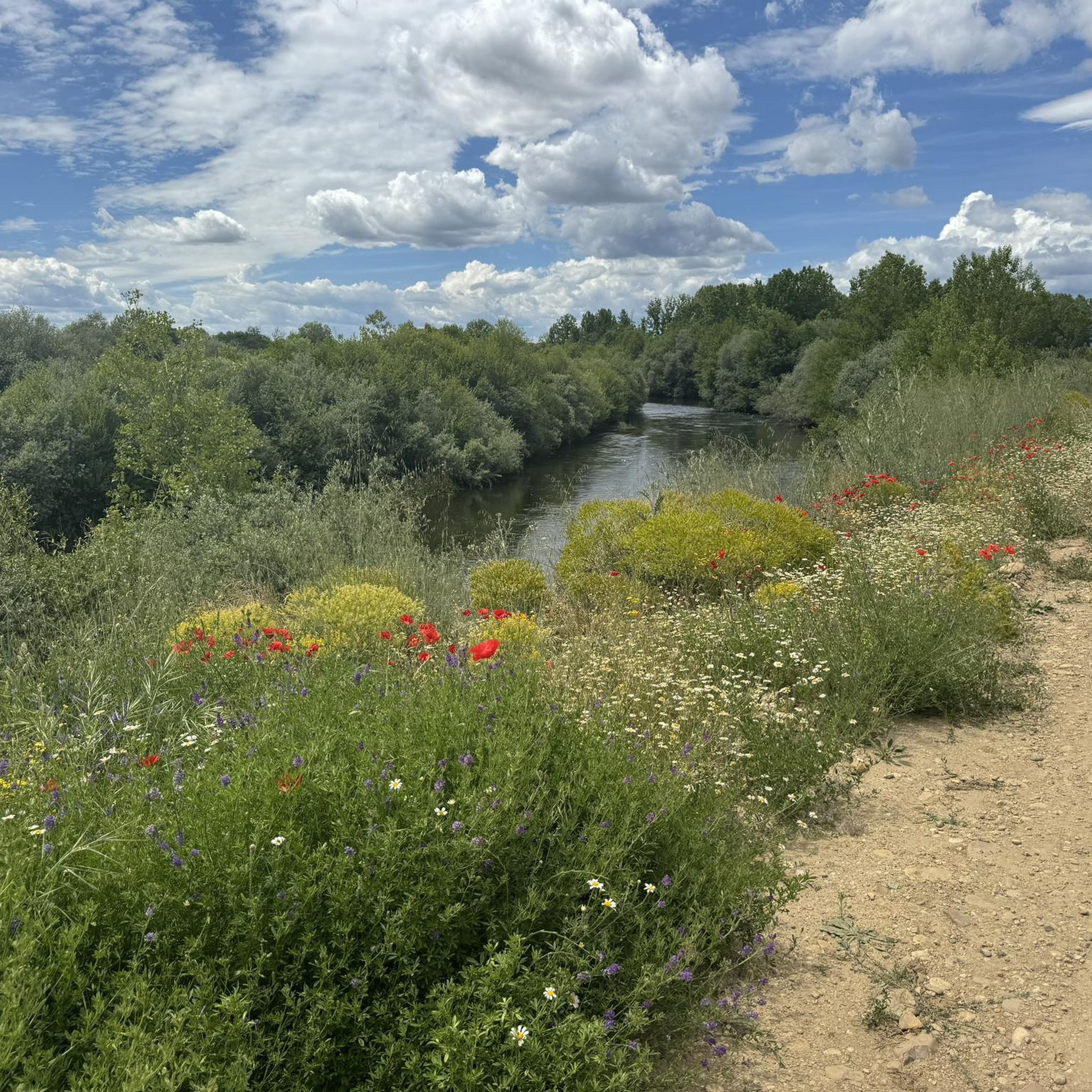
Bridge over the Tera river between Santibáñez de Tera and Sitrama de Tera. Beautiful quiet roads for biking along the Tera River Trail.
1
0
Bridge over the Tera river between Sitrama and Santibáñez de Tera. The river is a tributary of the Esla river, a natural park of special conservation.
1
0
A small town north of the province of Zamora. If you have time for a detour and the right set of wheels, you should head up and visit the Sierra de las Labradas, an archaeological site above the city. This town has important archaeological remains, including one from the Neolithic, located 1 kilometer from the town, at the top of the Sierra de Capurias, is the Castro de Las Labradas, a large fortified town from the Asturian era of the Age of Iron.
1
0
Frequently Asked Questions
What kind of natural monuments can I expect to find around Granucillo?
The natural monuments around Granucillo are deeply intertwined with the region's rich archaeological heritage. You'll primarily discover ancient prehistoric stone structures, such as dolmens, and fortified Iron Age settlements. These sites are set within natural landscapes like the Sierra de las Labradas and Sierra de Carpurias, offering a unique blend of history and nature.
Are there specific prehistoric sites worth visiting in Granucillo?
Absolutely. Two prominent prehistoric sites are the Dolmen de San Adrián, a megalithic structure dating back over 3,000 years, and the Dolmen de Las Peñezuelas. Both offer a tangible connection to the region's ancient inhabitants and provide insight into early burial practices and engineering.
What is the Sierra de las Labradas, and what can I do there?
The Sierra de las Labradas is an archaeological site located about 5.1 km from Granucillo. It features significant remains, including the Castro de Las Labradas, a large fortified town from the Iron Age. Visitors can explore these historical remnants, enjoy scenic views from the elevated location, and experience a broader natural and historical landscape.
Are there any natural features beyond archaeological sites to explore?
Yes, beyond the archaeological sites, you can visit the Tera Bridge, which spans the Tera river. This spot offers scenic views and is part of a natural park of special conservation. Additionally, the Prehistoric Rock Formation of Arrabalde provides another interesting natural feature to observe.
What outdoor activities can I do near these natural monuments?
The area around Granucillo offers various outdoor activities. You can find numerous routes for cycling, road cycling, and running. For example, you can explore routes like 'Castro de las Labradas and Alija del Infantado Loop' for cycling, or 'Vidriales Valley Roman Sites Loop' for road cycling. Running enthusiasts might enjoy the 'Peña Redonda and miradores del Coto and de las Suertes' route. You can find more details on these activities in the cycling guide, road cycling guide, and running guide for Granucillo.
Are there hiking trails suitable for exploring the natural monuments?
While specific hiking trails directly to each monument aren't detailed, the natural setting of these sites, particularly within the Sierra de las Labradas and Sierra de Carpurias, lends itself to walking and exploration. Many of the cycling and running routes mentioned above can also be adapted for hiking, offering opportunities to discover the historical sites and natural landscapes on foot.
Is Granucillo suitable for family visits?
Yes, Granucillo can be suitable for family visits, especially for those interested in history and gentle outdoor exploration. Sites like the Tera Bridge are noted as family-friendly. The archaeological sites offer an educational experience, and the natural settings provide space for families to enjoy the outdoors together.
Can I bring my dog to the natural monuments and trails?
While specific rules for dogs at each monument are not provided, generally, natural areas and trails in Spain are often dog-friendly, especially if dogs are kept on a leash. It's always advisable to check local signage at individual sites or consult local tourism information for any specific restrictions regarding pets.
What is the best time of year to visit Granucillo's natural monuments?
The best time to visit Granucillo's natural monuments is typically during the spring (April-June) and autumn (September-October) months. During these periods, the weather is generally mild and pleasant for outdoor activities and exploring the sites. Summers can be quite hot, and winters can be chilly, though the sites are accessible year-round.
How accessible are the natural monuments around Granucillo?
The accessibility of the natural monuments varies. Sites like the dolmens are often located in natural, rural settings, which may involve walking on uneven terrain. The Tera Bridge is generally more accessible. Visitors with mobility concerns should be prepared for varying ground conditions, as some sites might not have paved paths or specific accessibility infrastructure.
Where can I find parking when visiting these sites?
Parking information for individual sites is not explicitly detailed. However, given the rural nature of Granucillo and its surroundings, you can typically find parking in or near the villages closest to the monuments. For example, when visiting the dolmens, parking would likely be available in Granucillo itself or a nearby hamlet, requiring a short walk to the site.
Are there places to eat or stay near the natural monuments?
Granucillo and the surrounding towns in the province of Zamora offer local amenities. While not directly adjacent to every monument, you can find cafes, pubs, and accommodation options in Granucillo itself or in nearby larger towns like Benavente y los Valles. These establishments provide convenient options for meals and lodging during your visit.
Most popular attractions around Granucillo

Get inspired with the komoot mobile app


Explore more
Extend your search for the best caves by checking out these guides of the top ones around Granucillo:
