Quiruelas De Vidriales
Quiruelas De Vidriales
Top 5 Natural Monuments around Quiruelas De Vidriales
Natural monuments around Quiruelas De Vidriales offer diverse landscapes and features for exploration. The area is situated in the Valle de Vidriales, characterized by fertile plains, gentle hills, and extensive holm oak forests. The Almucera stream and the nearby Tera River contribute to the region's natural richness, supporting local ecosystems and providing opportunities for activities like fishing. The Sierra de Carpurias to the north and east presents more rugged terrain, complementing the valley's varied natural areas.
Best natural monuments around…
Last updated: May 20, 2026
Dolmen de San Adrián
Highlight • Historical Site
Translated by Google •
Tip by

Prehistoric Rock Formation of Arrabalde
Highlight • Natural Monument
Translated by Google •
Tip by
Sign up now to discover places like this
Get recommendations on the best single tracks, peaks, & plenty of other exciting outdoor places.
Sign up for free
Tera Bridge
Highlight • Bridge
Translated by Google •
Tip by
Start today with a free account
Your next adventure awaits.
Login or Signup
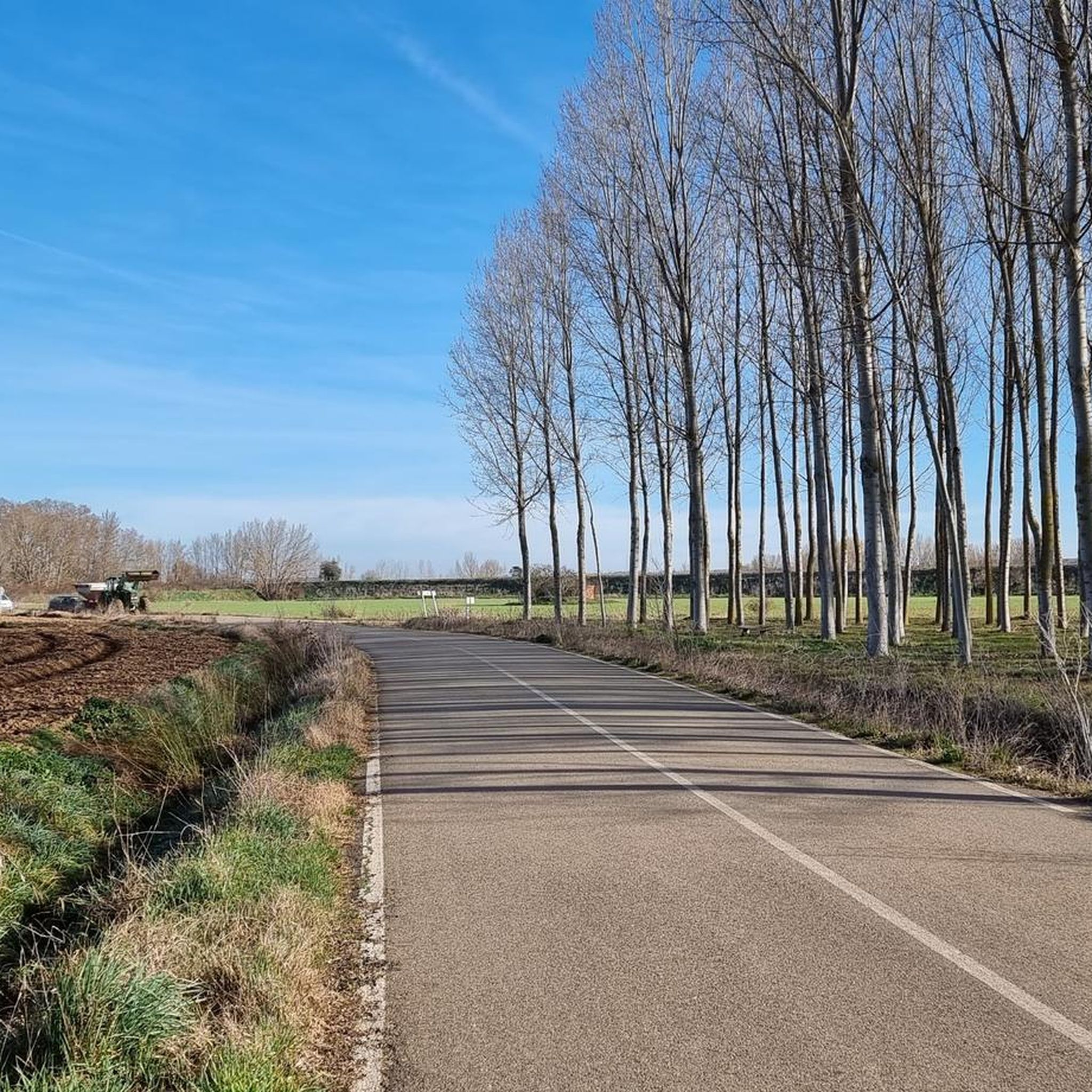


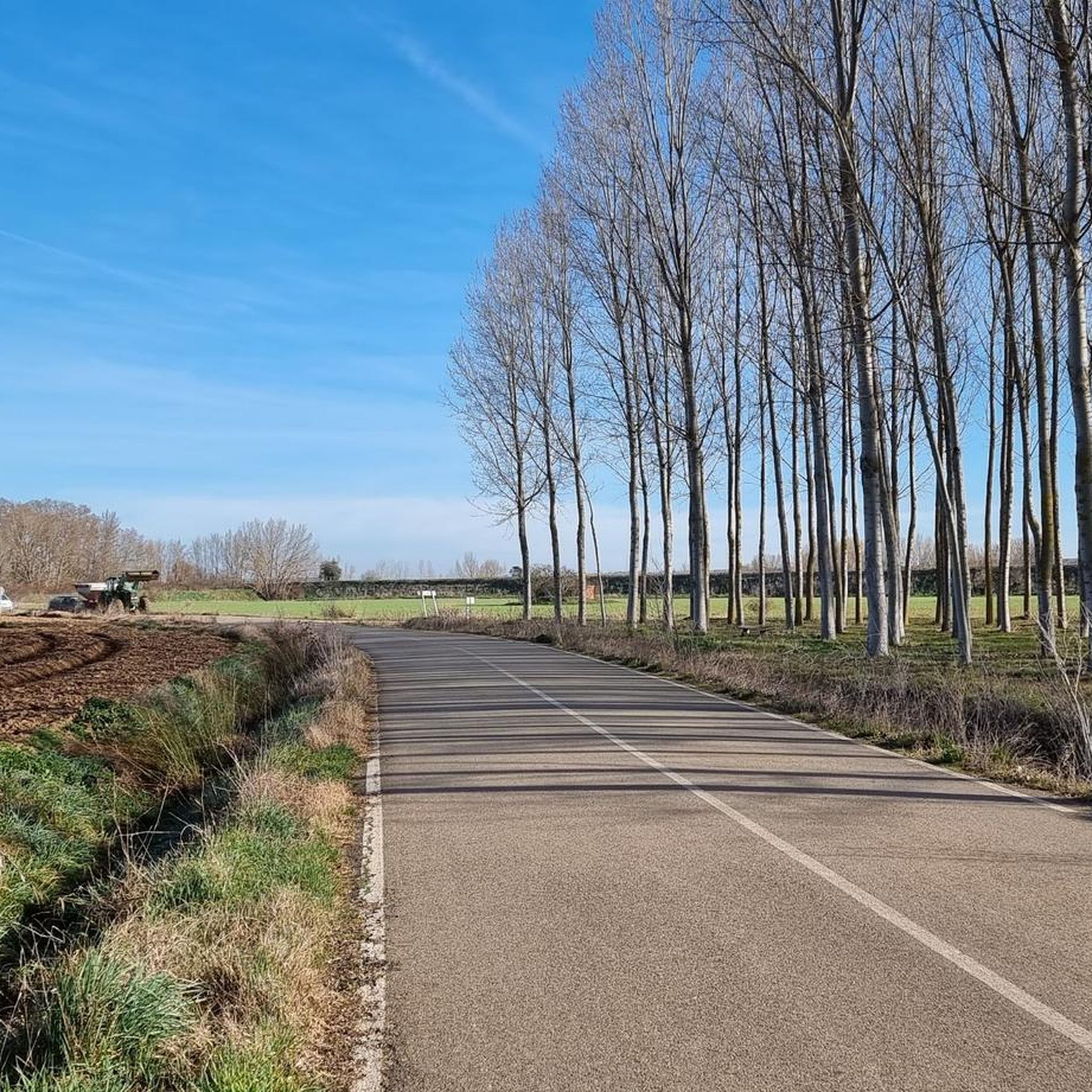
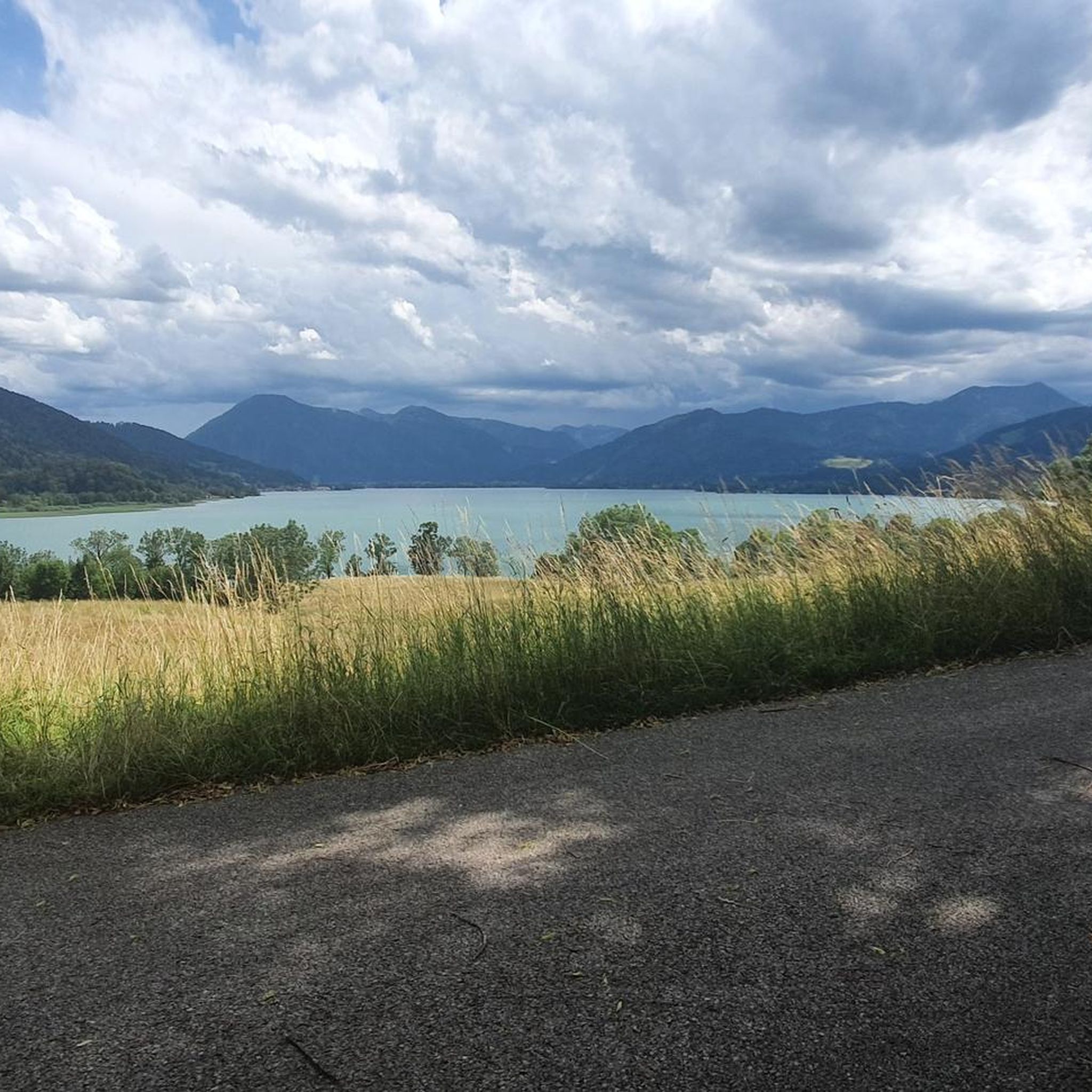
Tips from the Community

A prehistoric stone circle. The structure was usually built from locally quarried granite or slate. They were used for various ceremonies throughout the seasons.
2
0
A prehistoric rock formation on the outskirts of the town of Arrabalde in the foothills of the Sierra de las Labradas.
2
0

Dating back over 3,000 years, this prehistoric megalithic site is worth a visit. You may need to walk your bike from the road to the actual Dolmen because I think bicycling is not allowed.
0
0

Pebble linear structure.
1
0
A prehistoric megalithic site, the dolmen of San Adrián is located to the north of El Granucillo. The stone structure and settlement date to between 3,500 and 3,000 years ago.
1
0
Bridge over the Tera river between Santibáñez de Tera and Sitrama de Tera. Beautiful quiet roads for biking along the Tera River Trail.
1
0
Bridge over the Tera river between Sitrama and Santibáñez de Tera. The river is a tributary of the Esla river, a natural park of special conservation.
1
0
Frequently Asked Questions
What types of natural monuments can I explore around Quiruelas de Vidriales?
The natural monuments around Quiruelas de Vidriales offer a blend of historical and natural features. You can discover ancient archaeological sites like Castro de Las Labradas, which is a fortified Iron Age town, and prehistoric megalithic structures such as Dolmen de San Adrián. The area also features riverine landscapes, like the Tera Bridge over the Tera River, and unique geological formations like the Prehistoric Rock Formation of Arrabalde.
Are there any historical or archaeological natural monuments in the area?
Yes, the region is rich in historical and archaeological natural monuments. You can visit Castro de Las Labradas, an Iron Age fortified town located at the top of the Sierra de Capurias. Another significant site is Dolmen de San Adrián, a prehistoric megalithic structure dating back over 3,000 years, typically built from locally quarried granite or slate.
What natural features define the landscape of Quiruelas de Vidriales?
Quiruelas de Vidriales is nestled in the picturesque Valle de Vidriales, characterized by fertile plains, gentle hills, and extensive holm oak forests. The Arroyo Almucera stream nourishes the plain, while the nearby Tera River, a tributary of the Esla, contributes to the region's natural richness and is known for its abundant fauna. To the north and east, the Sierra de Carpurias offers more rugged terrain and different hiking experiences.
Can I find viewpoints among the natural monuments?
Yes, several natural monuments offer scenic views. Castro de Las Labradas, situated at the top of the Sierra de Capurias, provides expansive views of the surrounding landscape. The Tera Bridge also offers pleasant views of the Tera River, which is part of a natural park of special conservation.
What outdoor activities are available near these natural monuments?
The diverse landscapes around Quiruelas de Vidriales are ideal for various outdoor activities. You can enjoy cycling on routes like the 'Vía de la Plata Greenway Loop' or 'Tera Valley Loop' (Cycling around Quiruelas De Vidriales). For mountain biking, consider trails such as the 'Castro de las Labradas Loop from Brime de Urz' (MTB Trails around Quiruelas De Vidriales). Running enthusiasts can explore routes like 'Peña Redonda and miradores del Coto and de las Suertes' (Running Trails around Quiruelas De Vidriales). The Tera River is also popular for fishing, especially for trout.
Are there family-friendly natural monuments or trails?
The Tera Bridge is considered family-friendly, offering a pleasant spot by the river. The broader Valle de Vidriales, with its gentle hills and plains, provides many opportunities for easy walks and cycling routes suitable for families. For example, the 'Vía de la Plata Greenway Loop' is an easy cycling route that families might enjoy (Cycling around Quiruelas De Vidriales).
What about dog-friendly options for exploring the natural monuments?
Many of the natural areas and trails around Quiruelas de Vidriales are suitable for walks with dogs, provided they are kept on a leash and you follow local regulations. The open landscapes of the Valle de Vidriales and the trails along the Tera River offer ample space for you and your dog to enjoy nature. Always remember to clean up after your pet.
When is the best time to visit the natural monuments around Quiruelas de Vidriales?
Spring and autumn are generally the best times to visit. During these seasons, the weather is mild and pleasant for outdoor activities like hiking and cycling. Spring brings lush greenery and blooming flora, while autumn offers beautiful colors and opportunities for mycology (mushroom foraging). Summers can be hot, making early mornings or late afternoons preferable for exploration, while winters are cooler but still offer tranquil landscapes.
Are there any designated protected natural areas near Quiruelas de Vidriales?
While Quiruelas de Vidriales itself is within the naturally rich Valle de Vidriales, the broader Zamora province features designated natural monuments. For example, the Tera River, near the Tera Bridge, is part of a natural park of special conservation. Further afield in Zamora, sites like the Otero de Sariegos Bird Observatory and Laguna Salina Grande within the Villafáfila Nature Reserve are recognized for their ecological importance, especially for birdwatching.
What kind of wildlife and flora can I expect to see?
The region boasts rich fauna and flora. The Valle de Vidriales is characterized by extensive holm oak forests, green meadows, and diverse plant life. The Tera River is known for its abundant aquatic fauna, including trout, making it a popular spot for fishing. The varied landscapes also support a range of wildlife, making it suitable for nature observation and, in some designated areas, hunting. Mycology is also popular due to the diverse forest types.
Are there any loop trails to explore the natural monuments?
Yes, there are loop trails that allow you to experience the natural monuments and surrounding areas. For instance, the 'Castro de las Labradas Loop from Brime de Urz' is a moderate mountain biking route that takes you past the historical site (MTB Trails around Quiruelas De Vidriales). Many other cycling and running routes also form loops, providing varied exploration opportunities through the valley and its features.
Most popular routes around Quiruelas De Vidriales
Most popular attractions around Quiruelas De Vidriales

Get inspired with the komoot mobile app


Explore more
Extend your search for the best caves by checking out these guides of the top ones around Quiruelas De Vidriales:
