Top 20 Natural Monuments in Greater London
Best natural monuments in Greater London offer tranquil escapes and insights into the region's ecological and geological heritage. The area features a diverse landscape, from expansive ancient woodlands to vital wetland ecosystems. These sites provide unique natural features and support rich biodiversity within the urban environment. Visitors can explore a range of natural settings, showcasing London's commitment to preserving its natural heritage.
Best natural monuments in Greater London
- The most popular natural monuments is Deer in Richmond Park, a…
Last updated: July 28, 2026
Deer in Richmond Park
Highlight • Forest
Tip by

Kensington Palace and Gardens
Highlight • Historical Site
Tip by

Sign up now to discover places like this
Get recommendations on the best single tracks, peaks, & plenty of other exciting outdoor places.
Sign up for free
Queen Mary's Gardens
Highlight • Natural Monument
Tip by

Natural History Museum London
Highlight • Monument
Translated by Google •
Tip by

Hampstead Mixed Bathing Pond
Highlight • Lake
Tip by

Abney Park Cemetery
Highlight • Historical Site
Tip by

Ham Common Pond
Highlight • Lake
Tip by

Long Water and Fountains, Hampton Court Park
Highlight • Lake
Tip by

Crofton Wood
Highlight • Forest
Tip by

St Lawrence and Mary Magdalene Drinking Fountain
Highlight • Historical Site
Tip by

Sign up for free to discover even more natural monuments in Greater London.
Sign up for free
Already have an account?
Start today with a free account
Your next adventure awaits.
Login or Signup
Popular around Greater London
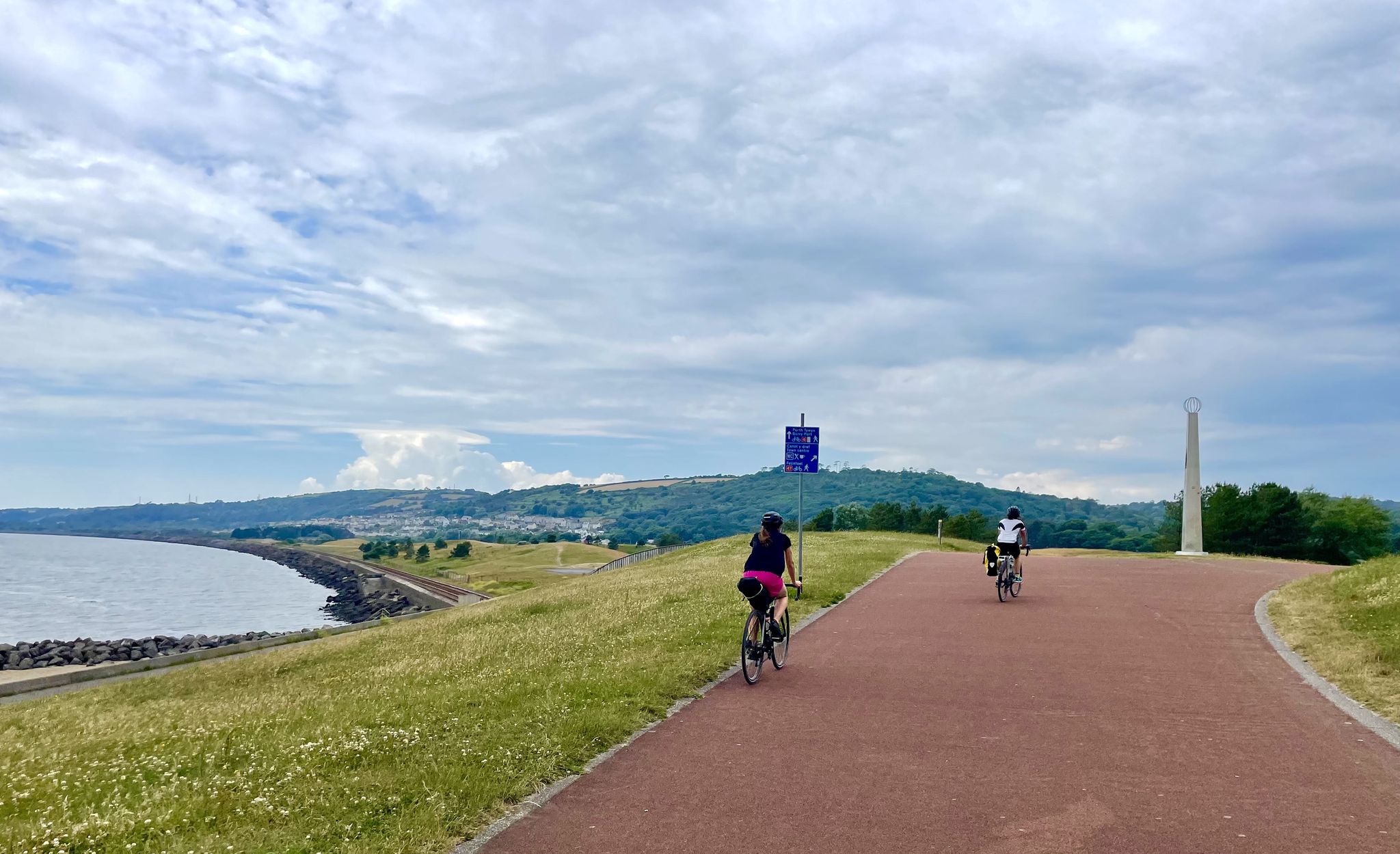
National Cycle Network Route 4 — Greenwich to Fishguard
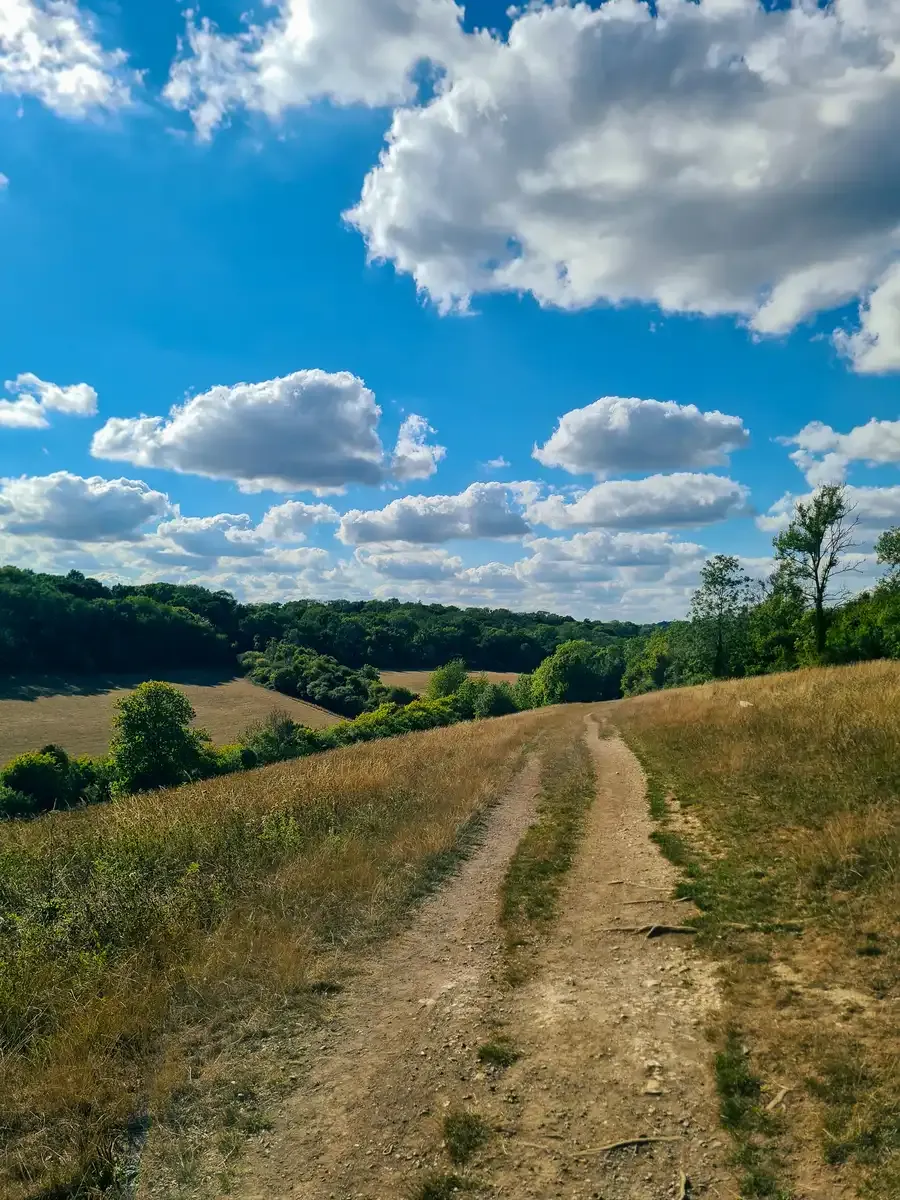
London LOOP — Hiking a ring of greenspaces around the capital
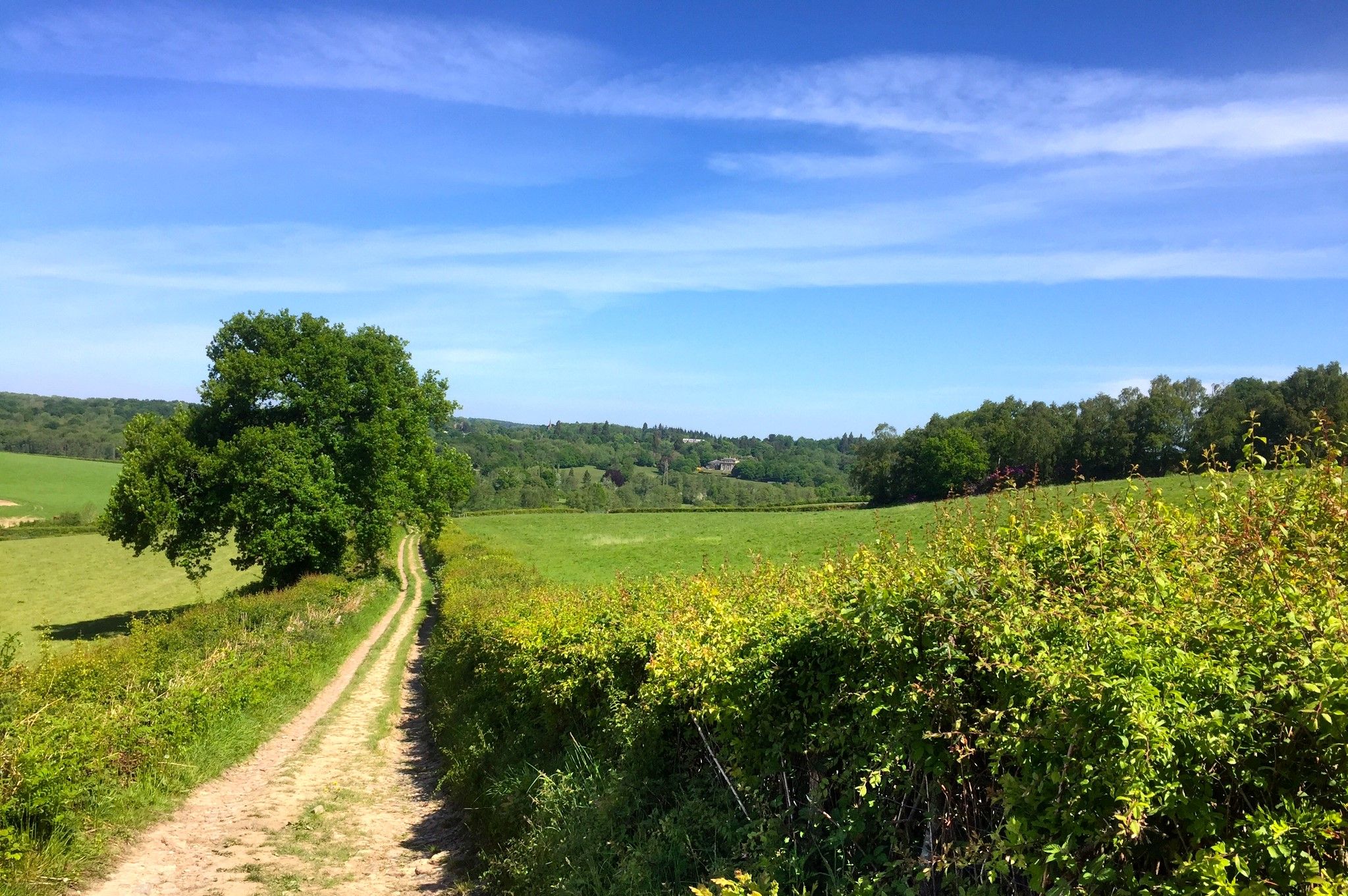
Vanguard Way – Hike some of the finest countryside in the South East
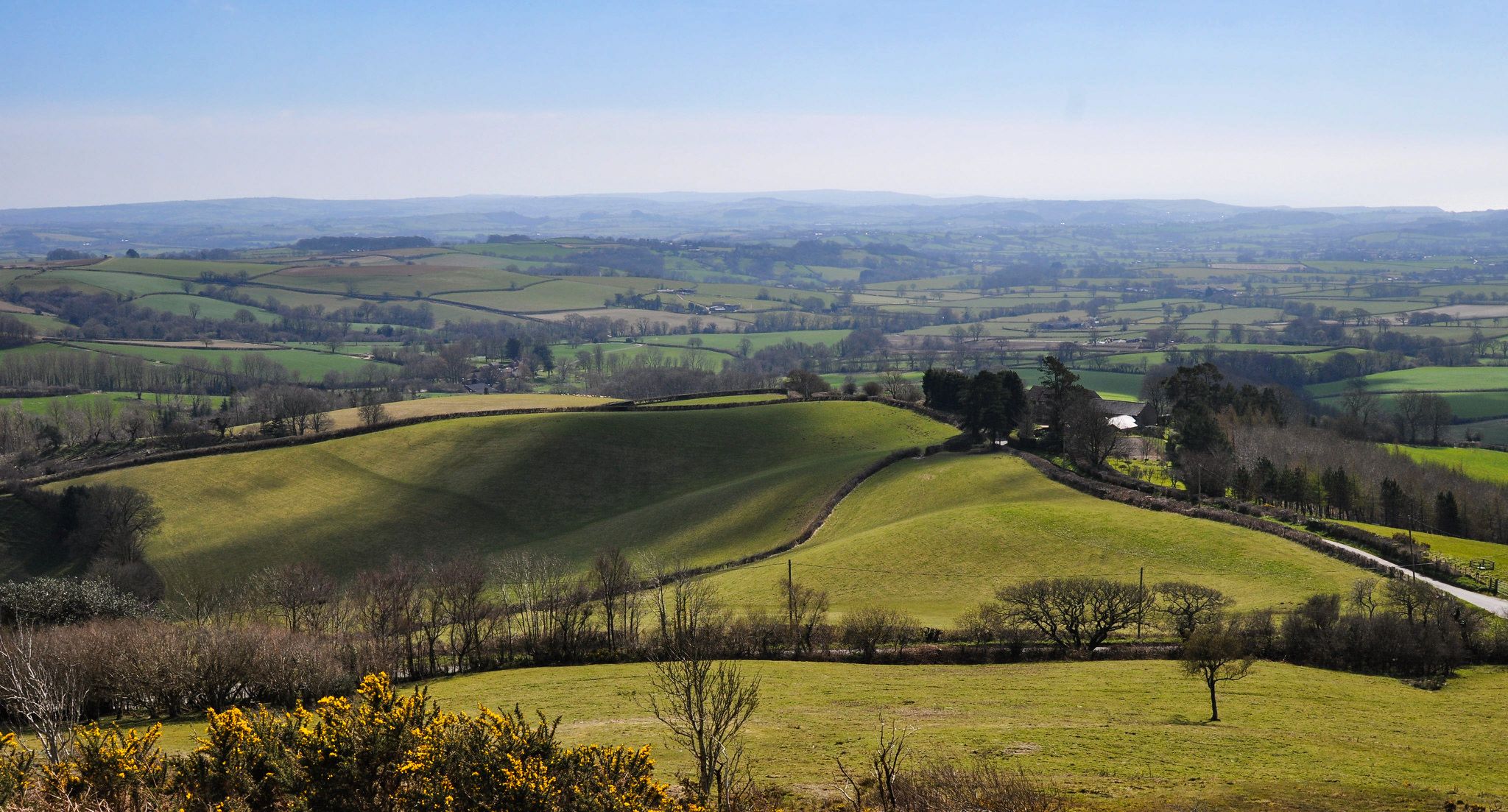
Hiking the Orange Way — Southern England in the footsteps of a king
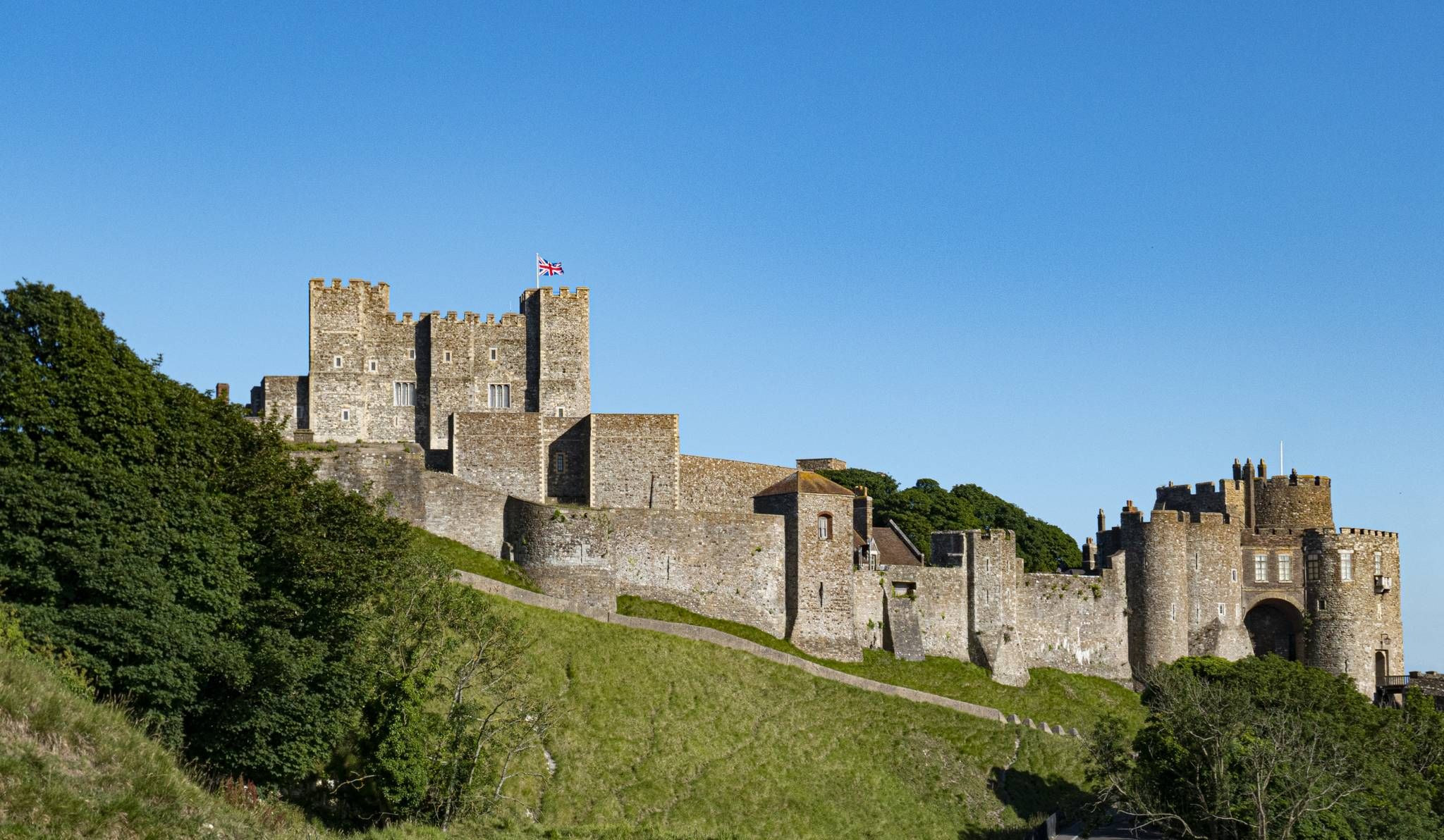
Cycling the Garden of England – orchards, cliffs and maritime history
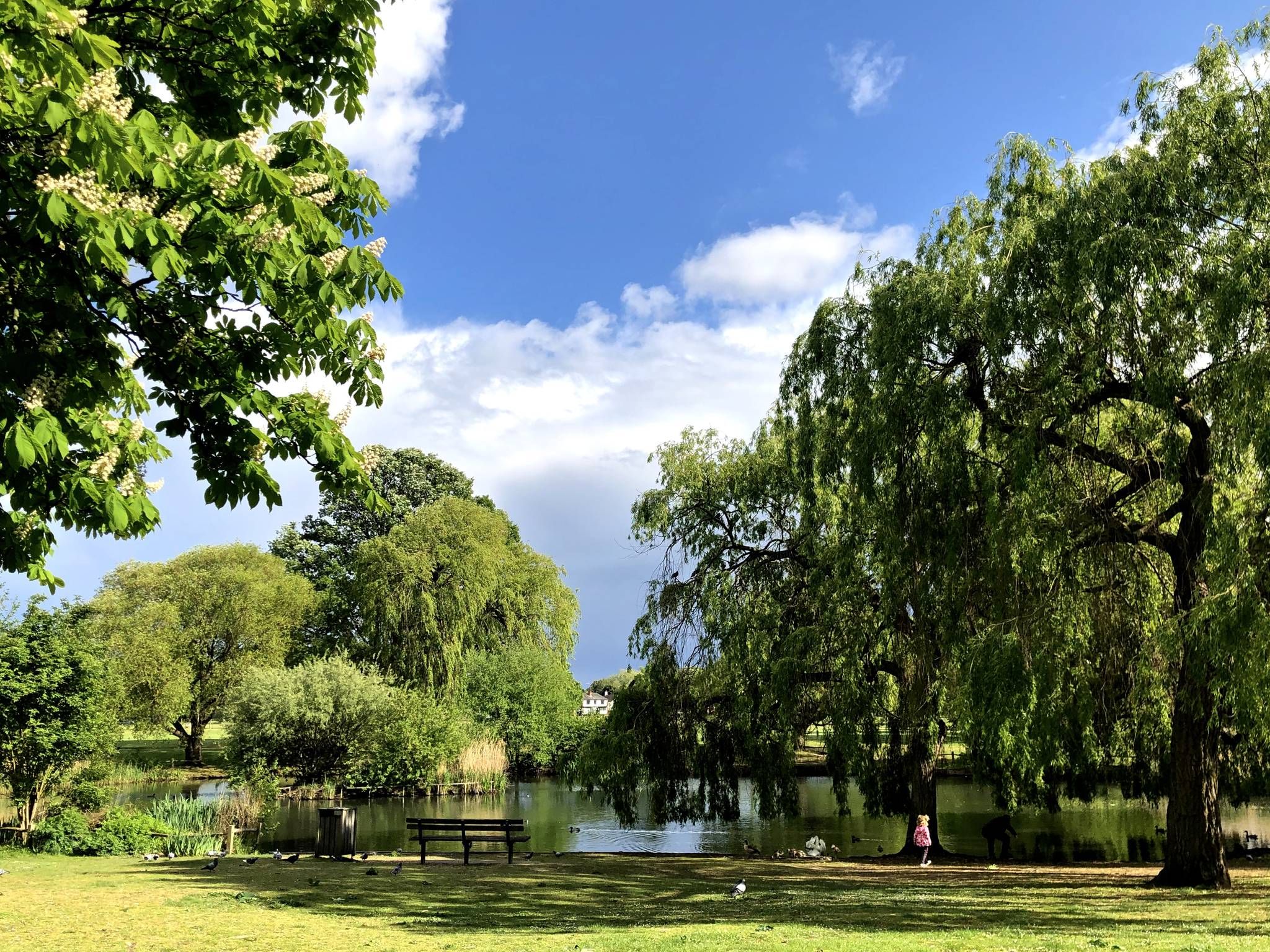
Thames Valley Cycle Route – Where red deer roam & history comes alive
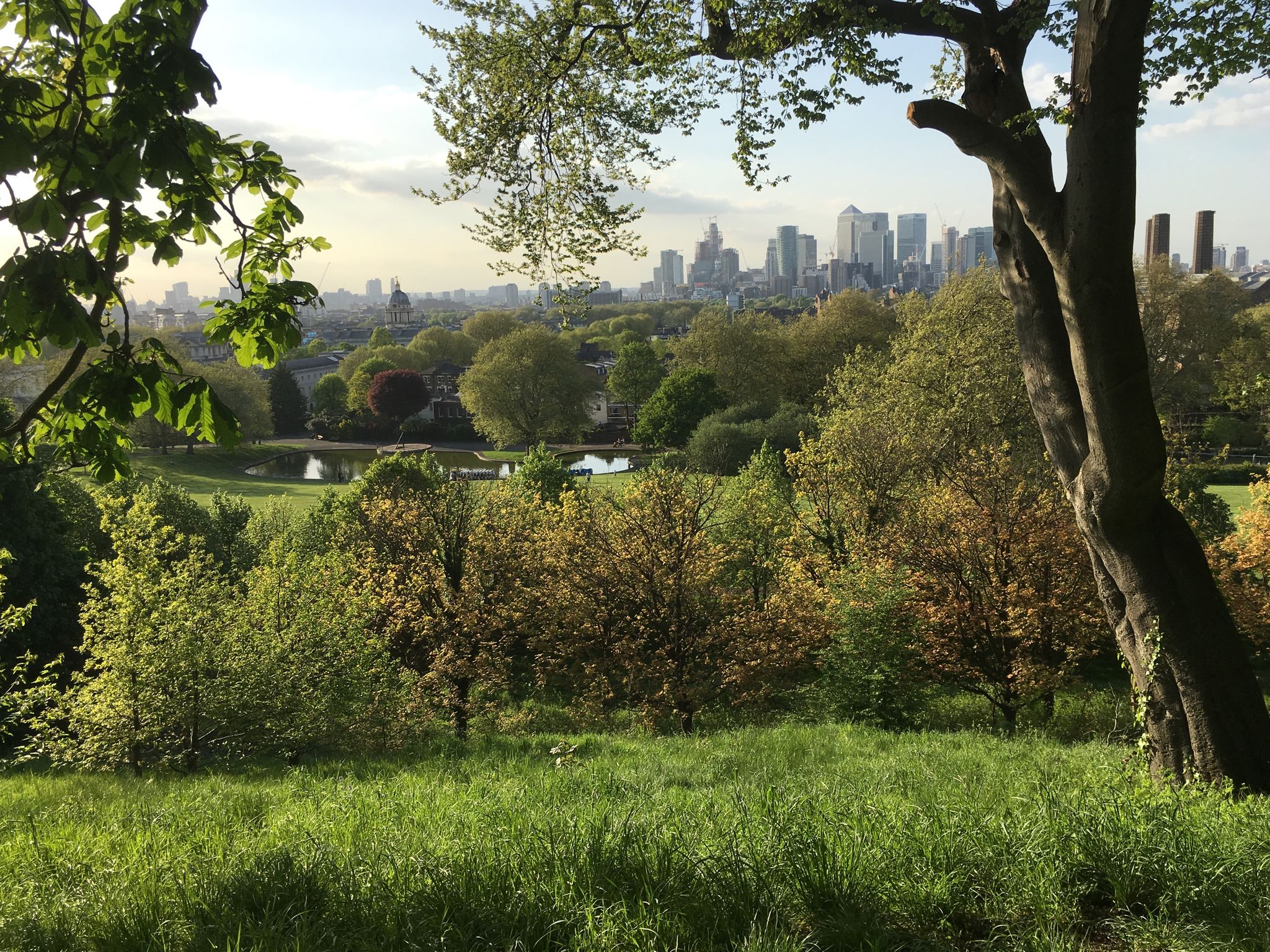
Downs and Weald Way – From London to the sea, a great adventure
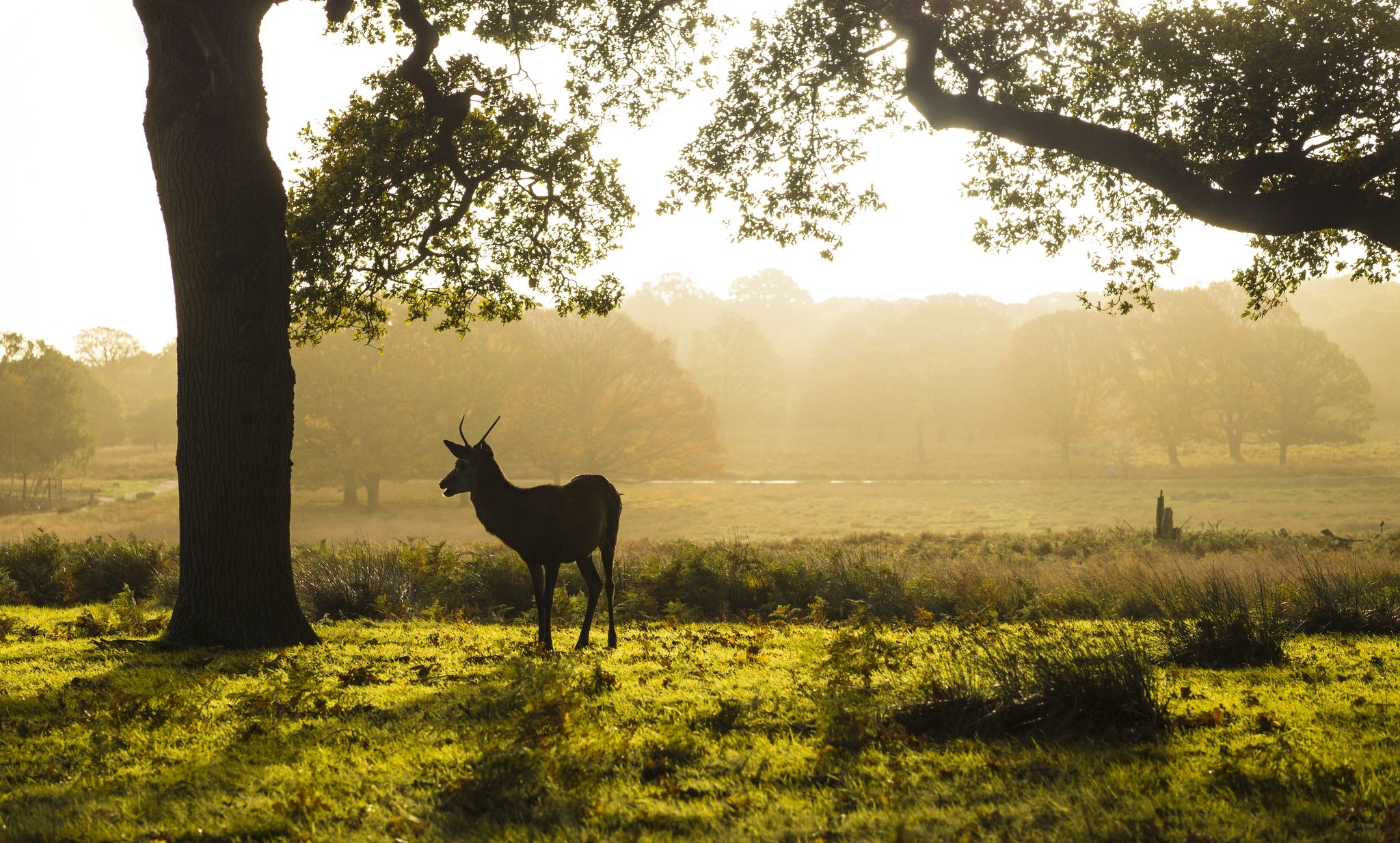
Capital Ring — Discover London's hidden green spaces
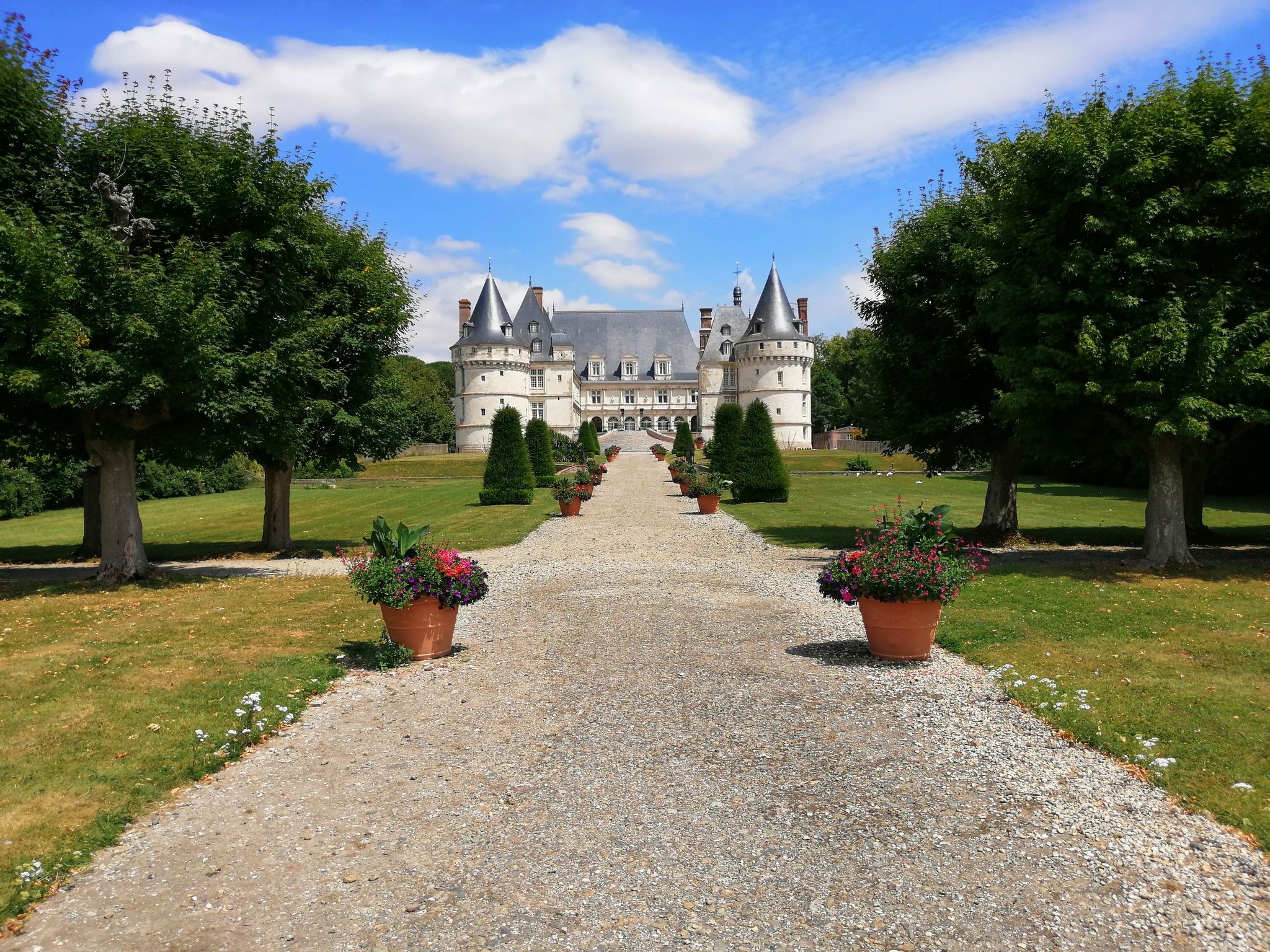
Avenue Verte – Cycling a beautiful adventure from London to Paris
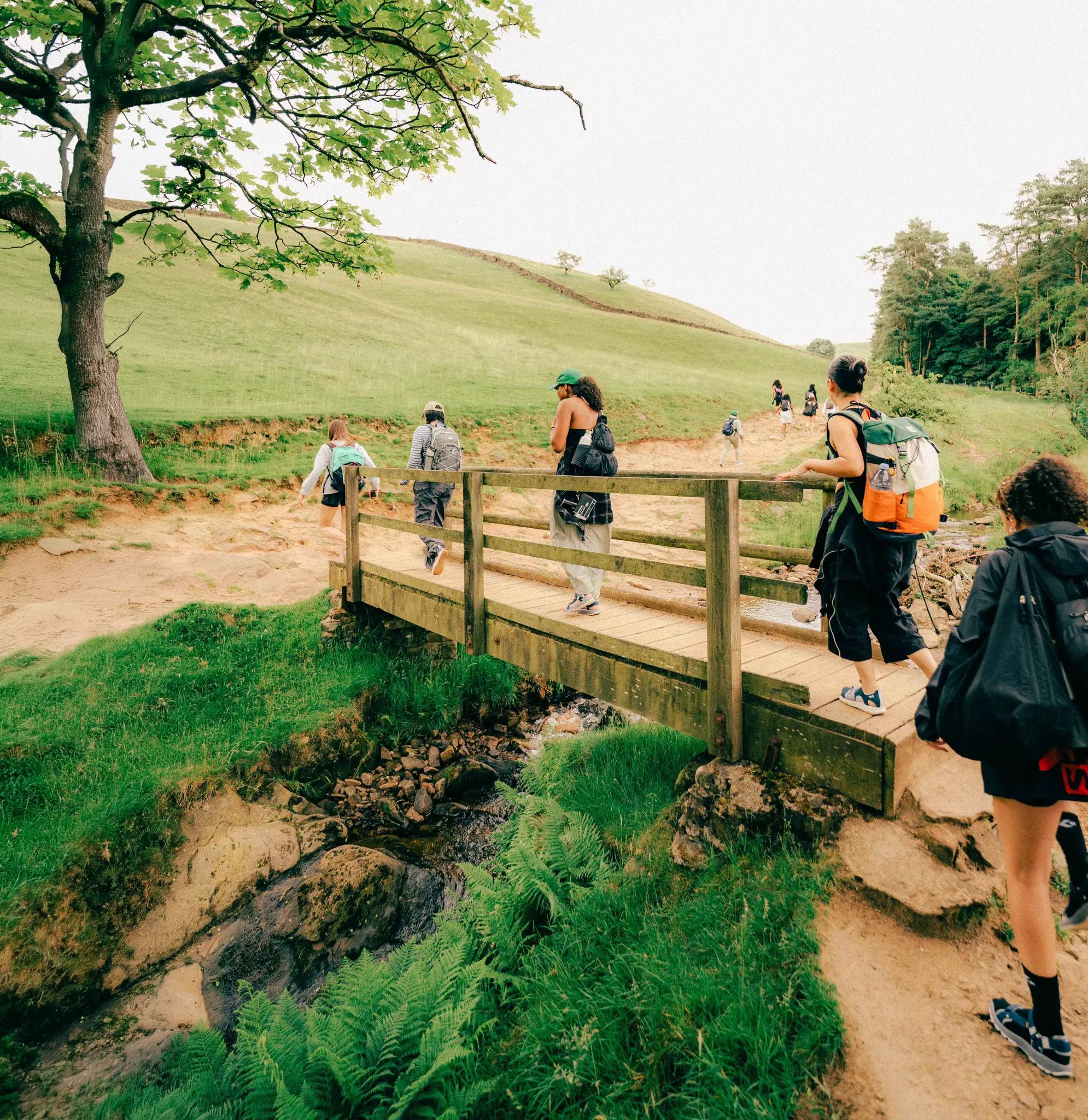
Scenic Trails to Natural Swimming Spots
Other adventures in Greater London


Tips from the Community

What a tranquile place - great to wander around and feel the atmosphere.
0
0

My personal favorite spots: "creepy crawlies" is unfortunately currently closed and will only reopen in autumn 27. "Major refurbishment". I hope they don't change it too much, it was great and old-fashioned and exciting - and when you were through, it made you itch all over 😁 Then (of course) the earthquake simulator. It also seems a bit dated now, but our whole family loves the wobbling and how they have recreated a Japanese supermarket here.
2
0
Free entry - expect some queues in the school holidays, but its worth it. With a ticket you can skip the row.
1
0

Queens Mary Garden is located in Regent's Park. I really like the Japanese garden and the ponds.
1
0

A little oasis of countryside in the midst of London. The bench in front of the pond is perfect for a short stop for a snack with a view.
0
0

Queen Mary's Gardens is a world-famous garden named after the wife of King George V. When Queen Mary's Gardens opened to the public in 1932, the first director planted a rose garden, which was completed in 1934.
1
0

The ornate Metropolitan Drinking Fountain, originally erected in 1866 outside the Church of St Lawrence Jewry, was a generous gift to London from the Metropolitan Drinking Fountain and Cattle Trough Association. Designed by architect John Robinson with bronze sculpture work by Joseph Durham, this Victorian fountain was carefully dismantled into approximately 150 pieces during the Guildhall redevelopment in the 1970s and placed in storage.
3
0

A great museum where you can spend a few hours. If you don't have that much time, you should at least check out these highlights: 1. The blue whale skeleton in Hintze Hall (hanging from the ceiling) 2. Earthquake simulator in the Geology Department (Kobe Supermarket) 3. Dinosaur Gallery (Dinos are always a good idea. Personally, I find the dinosaur presentations in the two German museums – Senckenberg Museum in Frankfurt and the Natural History Museum in Berlin – much better!) Aside from the exhibits, the museum's architecture is a highlight in itself. The museum is free. Booking a ticket/time slot is still recommended: https://ticketing.nhm.ac.uk/events/GENAD-ADM?_gl=1*c2bq7*_ga*MjA3MjEwMjQwMS4xNzQzMzU3Mzcz*_ga_PYMKGK73C4*MTc0NDUwNjEwNy4yLjEuMTc0NDUwNjExMC4wLjAuMA.. The garden in front of the museum is also a highlight, with various rocks and bronze dinosaur replicas, as well as plants representing the Jurassic period. No ticket or time slot is required for this. However, the opening hours depend on the museum.
3
0
Frequently Asked Questions
What types of natural monuments can I explore in Greater London?
Greater London offers a diverse range of natural monuments, including expansive ancient woodlands, vital wetland ecosystems, and significant geological sites. You can find ancient trees, serene lakes, and unique geological formations that showcase the region's natural heritage.
Are there family-friendly natural monuments in Greater London?
Yes, many natural monuments in Greater London are suitable for families. For instance, Deer in Richmond Park is a popular choice where children can observe hundreds of red and fallow deer roaming freely. Kensington Palace and Gardens also offers vast green spaces and formal gardens for families to enjoy. Additionally, Hampstead Mixed Pond provides a supervised open-air swimming experience.
Where can I see ancient trees in Greater London?
Greater London is renowned for its ancient woodlands and veteran trees. Richmond Park is famous for its vast ancient oak trees, some dating back over 500 to 700 years. Epping Forest boasts an astonishing 55,000 ancient trees, the highest number at any single site in the UK. Hainault Forest and Ashtead Common are also excellent locations to see ancient hornbeam pollards and oak trees.
What are some notable wetland natural monuments for wildlife spotting?
For wildlife spotting, especially birds, Walthamstow Wetlands is one of the largest urban wetlands in Europe and a significant haven for migrating and wintering birds. Woodberry Wetlands in Hackney also offers scenic views and diverse wildlife around its reservoirs, providing a peaceful escape for nature enthusiasts.
Are there any geological natural monuments to visit in Greater London?
Yes, Greater London has several interesting geological sites. The Old Gravel Pit at Blackheath (Vanbrugh Pit) allows visitors to observe rounded pebbles of the Blackheath Member of the Harwich Formation. Wanstead Flats showcases the Hackney Gravel terrace overlying London Clay, with flint exposures around Alexandra Lake. Bourne Wood Thanet Sand offers a rare opportunity to see an exposed section of fine-grained Thanet Sand.
What outdoor activities can I do near these natural monuments?
You can enjoy a variety of outdoor activities near Greater London's natural monuments. Cycling is popular, with routes like the Thames Path and Richmond Park Loop, or the Epping Forest loop from Hackney Wick. For gravel biking, explore routes such as the Epping Forest gravel loop from Walthamstow. Running trails are also abundant, including the Tamsin Trail loop in Richmond Park or the Thames Path loop from Charing Cross. Find more details on these activities in the Cycling in Greater London, Gravel biking in Greater London, and Running Trails in Greater London guides.
What is the best time to visit natural monuments in Greater London?
The best time to visit natural monuments in Greater London largely depends on your interests. Spring and summer offer lush greenery, blooming flowers, and warmer weather ideal for walks and outdoor activities. Autumn provides stunning foliage, especially in ancient woodlands like Epping Forest and Richmond Park. Winter can offer a serene, quiet experience, particularly for birdwatching in wetlands.
Are there natural monuments that are easily accessible by public transport?
Many of Greater London's natural monuments are well-served by public transport. For example, Walthamstow Wetlands is easily accessible, as is Woodberry Wetlands near Manor House tube station. Large parks like Richmond Park and Epping Forest also have various access points reachable by train or bus, making them convenient for visitors without a car.
Can I bring my dog to natural monuments in Greater London?
Many natural monuments and green spaces in Greater London are dog-friendly, though specific rules may apply. Richmond Park, for instance, allows dogs but often requires them to be on a lead in certain areas, especially during deer birthing season. Always check local signage or official websites for specific regulations regarding dogs in each natural monument you plan to visit.
Are there any historical sites that are also considered natural monuments?
Yes, some sites blend historical significance with natural monument status. Kensington Palace and Gardens is a historical site with vast green spaces and formal gardens. Abney Park Cemetery is another example, recognized for its historical importance and its role as a nature reserve. The Hardy Tree in St Pancras Gardens, where an ash tree's roots entangle unearthed gravestones, is a unique historical and natural monument.
What are some less crowded natural monuments for a peaceful experience?
While popular sites can get busy, you can find quieter spots. Hainault Forest, a surviving fragment of the medieval Forest of Essex, offers ancient woodlands and diverse natural reserves. Ashtead Common, a Site of Special Scientific Interest, is known for its ancient oak trees and provides a peaceful setting for nature lovers. Crofton Wood also offers a tranquil forest experience away from the busiest areas.
Are there any natural monuments with unique water features?
Yes, Greater London features several natural monuments with unique water elements. Hampstead Mixed Pond is a natural pond popular for open-air swimming. Long Water and Fountains at Hampton Court Park is a beautiful stretch of water with historical significance, originally created by King Charles II. Ham Common Pond is a lovely green space centered around a historic pond.
Most popular routes in Greater London
Most popular attractions in Greater London

Get inspired with the komoot mobile app


Didn’t find what you were looking for?
Find even more amazing natural monuments in Greater London by checking out the top Highlights region by region:
Explore more
Extend your search for the best caves by checking out these guides of the top ones in Greater London:
