Top 17 Natural Monuments around Glenstaghey
Best natural monuments around Glenstaghey are found in a region characterized by its dramatic coastlines, lush greenery, and rolling hills. This area, often associated with the Glens of Antrim, features landscapes shaped by geological processes like glacial activity and volcanic eruptions. It offers a variety of natural attractions, from ancient woodlands to rugged coastal formations. The region provides opportunities for exploring diverse ecosystems and enjoying panoramic views.
Best natural monuments around Glenstaghey
- The most popular natural monuments is The Dark…
Last updated: July 28, 2026
Giant's Causeway and Causeway Coast Clifftop Walk
Highlight (Segment) • Trail
Translated by Google •
Tip by

The Dark Hedges
Highlight (Segment) • Natural
Translated by Google •
Tip by

Sign up now to discover places like this
Get recommendations on the best single tracks, peaks, & plenty of other exciting outdoor places.
Sign up for free
Kinbane Castle
Highlight • Viewpoint
Tip by

RSPB West Light Seabird Centre
Highlight • Natural
Translated by Google •
Tip by

Elephant Rock
Highlight • Natural Monument
Translated by Google •
Tip by

Sign up for free to discover even more natural monuments around Glenstaghey.
Sign up for free
Already have an account?
Start today with a free account
Your next adventure awaits.
Login or Signup
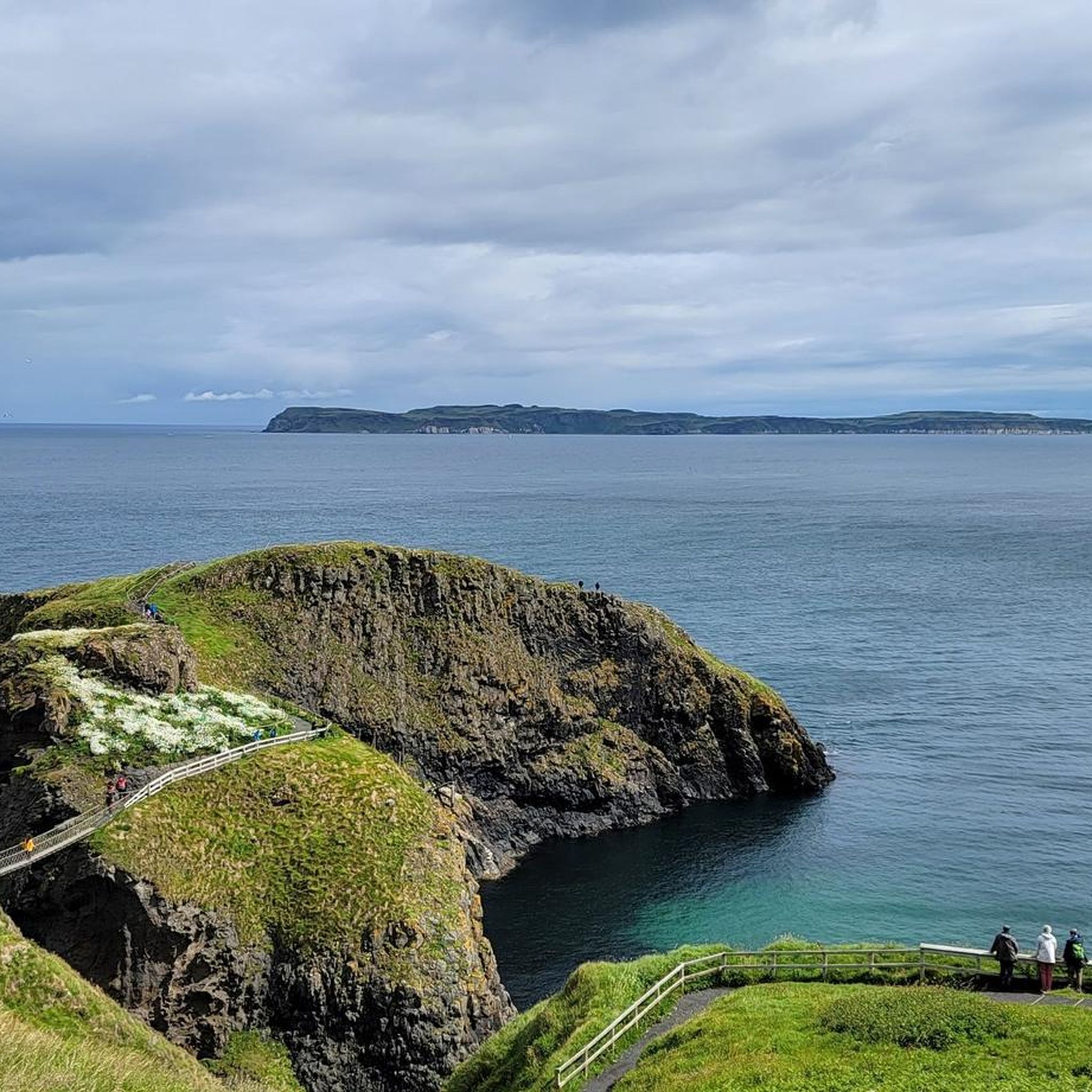
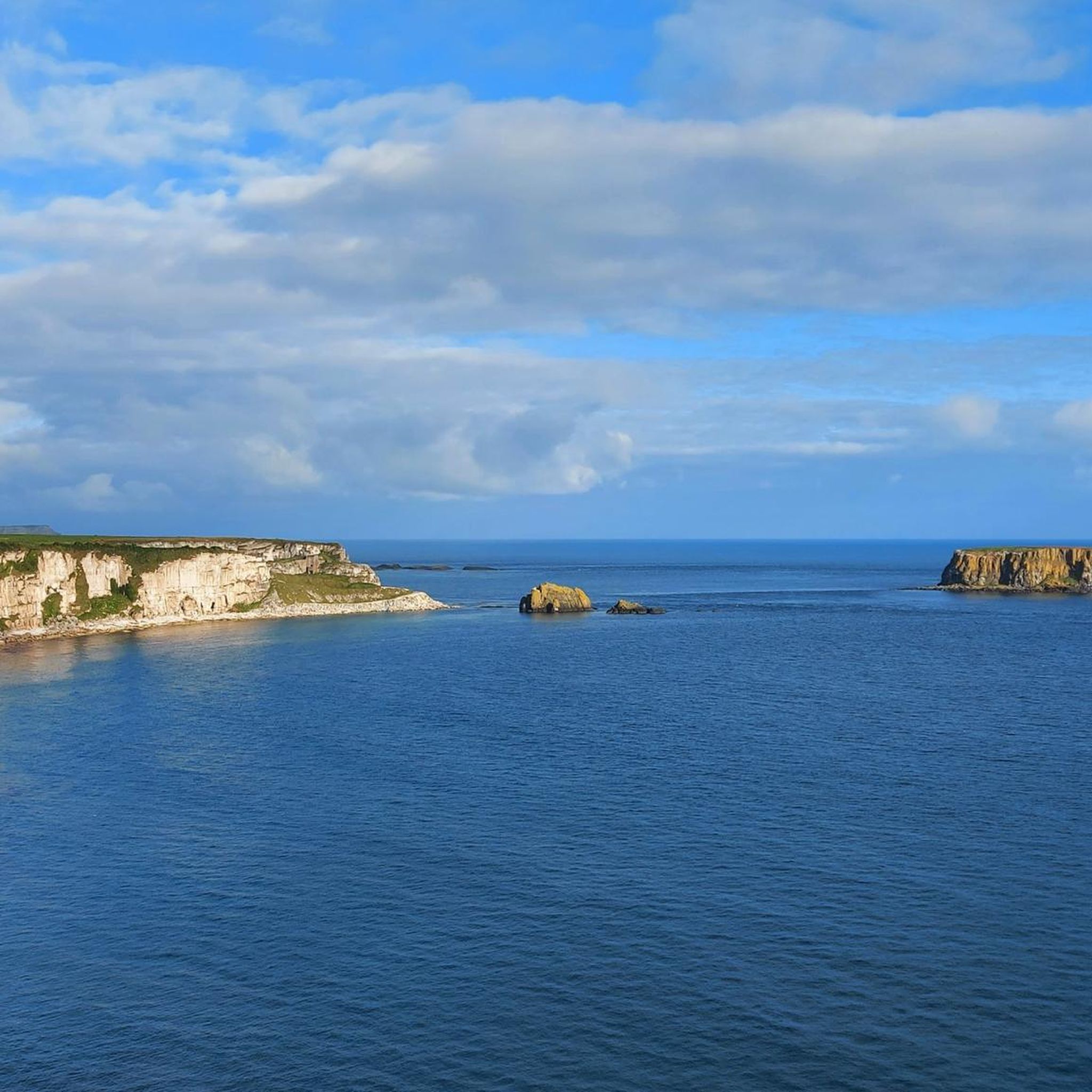
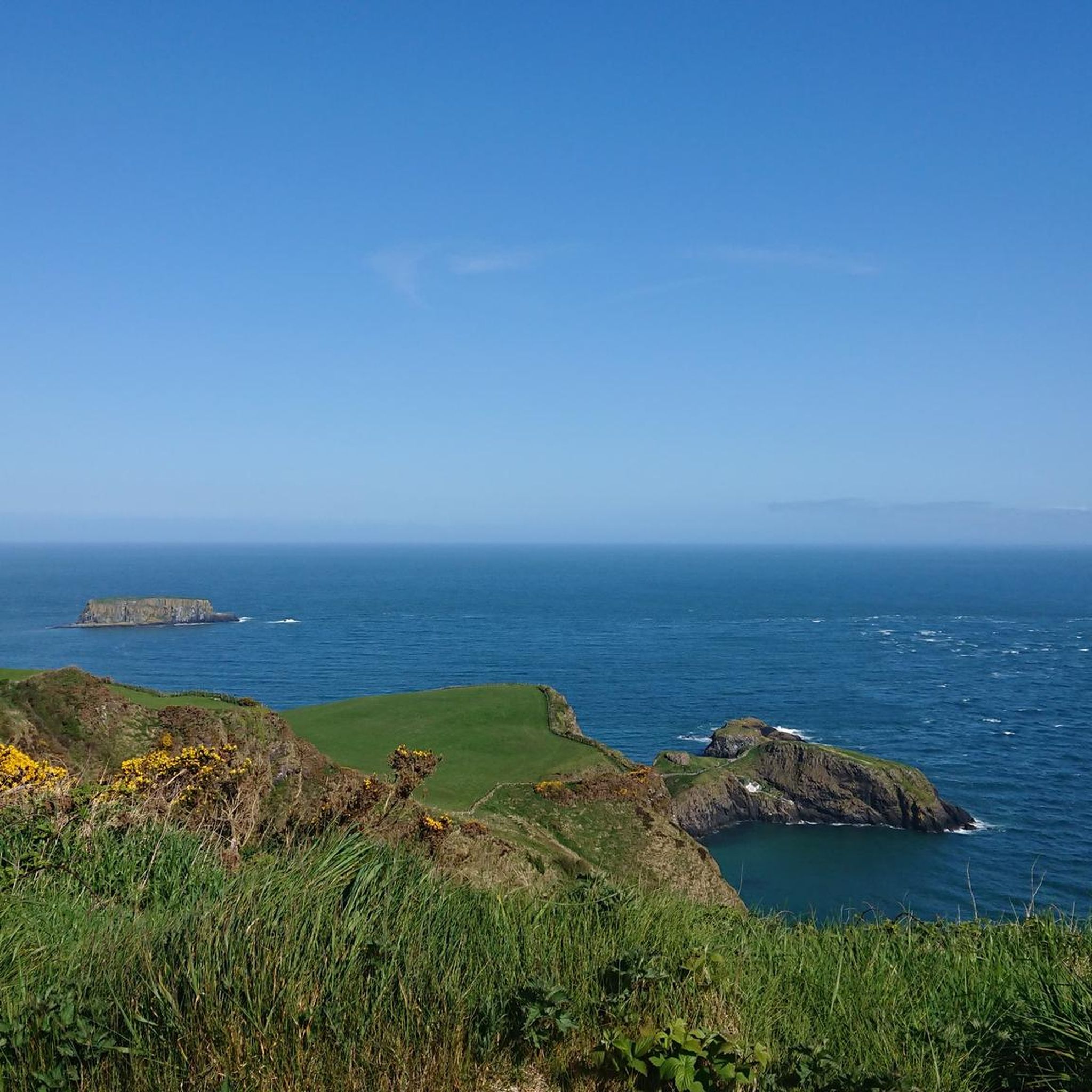

Tips from the Community

Fantastically beautiful view, landscape a bit rough but the people really warm-hearted ♥️ definitely want to go again 😊☀️
0
0

A rather photogenic rock formation on the Atlantic coast
0
0

A dream in good weather
0
0

Absolutely overrated. Many trees have been broken or cut down. Completely overcrowded during normal daytime. You really don't have to go there...only if it's on your way.
1
0


Built in 1547, Kinbane Castle is almost 500 years old and is a stunning site. With the waves crashing against the rocks below it makes for a rugged picnic spot!
2
0
Frequently Asked Questions
What are some of the most notable natural monuments to visit around Glenstaghey?
The region around Glenstaghey, often associated with the Glens of Antrim, offers several impressive natural monuments. Among the most popular are The Dark Hedges, an iconic avenue of ancient beech trees, and Elephant Rock, a distinctive rock formation accessible from Whitpark Bay Beach. Another significant site is the RSPB West Light Seabird Centre on Rathlin Island, offering remote island views and wildlife observation.
Are there any historical natural monuments in the Glenstaghey area?
Yes, Kinbane Castle is a notable historical site that also functions as a natural monument. Built in 1547, these ruins offer stunning views of the North Antrim coast, Rathlin Island, and even as far as Scotland. While the castle itself is historical, its dramatic cliff-top location and the surrounding rugged landscape make it a natural monument as well.
What kind of unique rock formations can I expect to see?
Beyond the well-known Elephant Rock, the area is characterized by dramatic coastal geology. Fair Head Climbing Area features a cliff top approximately 3 miles long and 200m high, offering sweeping views and impressive rock faces. The entire Glens of Antrim region was shaped by glacial activity and volcanic eruptions, resulting in diverse and striking landscapes.
Are there natural monuments suitable for families with children?
Many natural monuments in the area are family-friendly. The Dark Hedges is an easy and visually striking visit for all ages. Kinbane Castle is also suitable for families, though it involves steep steps and requires careful supervision of younger children on narrow or slippery sections near the rocky outcrops.
Where can I observe wildlife near Glenstaghey?
For excellent wildlife observation, visit the RSPB West Light Seabird Centre on Rathlin Island. This remote island setting between Ireland and Scotland is a haven for seabirds and offers unique opportunities to see local fauna in their natural habitat.
What outdoor activities can I do near these natural monuments?
The region offers a variety of outdoor activities. You can explore numerous hiking trails, including sections of the Causeway Coast Way. There are also dedicated running routes and cycling tours that allow you to experience the dramatic coastlines and lush glens. For the adventurous, Fair Head is a renowned climbing area.
What is the best time to visit the natural monuments around Glenstaghey?
The Glens of Antrim and Causeway Coast region can be visited year-round, but each season offers a different experience. Spring and summer provide longer daylight hours and generally milder weather, ideal for hiking and exploring. Autumn brings vibrant fall colors to the landscapes, particularly in areas with woodlands. While winter can be colder and wetter, it often offers dramatic, rugged scenery and fewer crowds.
Are there any easy walking routes to natural monuments near Glenstaghey?
Yes, there are several easy walks. The path to The Dark Hedges is a straightforward stroll. For coastal views, the Causeway Coast Way offers an easy section from Whitepark Bay to Ballintoy, which provides access to natural features like Elephant Rock. You can find more options in the hiking guide for the area.
What are the parking options for visiting natural monuments in the area?
Parking availability varies by specific location. For popular sites like The Dark Hedges, designated parking areas are usually available nearby. For coastal attractions and viewpoints, small car parks are often provided. It's advisable to check specific access details for each natural monument you plan to visit, especially during peak season.
Can I bring my dog to the natural monuments around Glenstaghey?
Many natural monuments and outdoor areas in the Glens of Antrim are dog-friendly, especially walking trails and open spaces, provided dogs are kept on a lead and owners clean up after them. However, specific restrictions might apply at certain sites, particularly nature reserves like the RSPB West Light Seabird Centre, to protect wildlife. Always check local signage.
What kind of terrain can I expect on trails near these natural monuments?
The terrain around Glenstaghey is diverse, reflecting the region's geological history. You can expect everything from relatively flat, paved paths at sites like The Dark Hedges to rugged coastal paths, steep ascents and descents at places like Kinbane Castle, and challenging cliff-top trails at Fair Head. Many trails involve uneven surfaces, rocky sections, and potentially muddy areas, especially after rain.
Are there cafes or pubs near the natural monuments?
Yes, the towns and villages scattered throughout the Glens of Antrim and along the Causeway Coast offer various amenities. You'll find cafes and pubs in nearby settlements like Ballycastle, which is a good base for exploring many of the natural monuments. These establishments provide opportunities for refreshments and meals after your explorations.
Most popular routes around Glenstaghey
Most popular attractions around Glenstaghey

Get inspired with the komoot mobile app


Explore more
Extend your search for the best caves by checking out these guides of the top ones around Glenstaghey:
