Top 15 Natural Monuments around Redmarley D'Abitot
Best natural monuments around Redmarley D'Abitot include a variety of natural attractions characterized by rolling hills, river valleys, and ancient woodlands. The region, situated in the Forest of Dean district, offers access to prominent natural areas known for their geological significance and recreational opportunities. Its distinct red sandstone geology contributes to a unique landscape, providing numerous natural attractions for exploration.
Best natural monuments around Redmarley D'Abitot
- The most popular natural monuments is Herefordshire Beacon (British Camp), a summit that…
Last updated: November 14, 2026
Herefordshire Beacon (British Camp)
Highlight • Summit
Tip by

May Hill Summit
Highlight • Summit
Tip by

Sign up now to discover places like this
Get recommendations on the best single tracks, peaks, & plenty of other exciting outdoor places.
Midsummer Hill Iron Age Hillfort
Highlight • Historical Site
Tip by

Jubilee Hill
Highlight • Viewpoint
Tip by

Clutter's Cave
Highlight • Viewpoint
Tip by

Sign up for free to discover even more natural monuments around Redmarley D'Abitot.
Already have an account?
Start today with a free account
Your next adventure awaits.
Tips from the Community

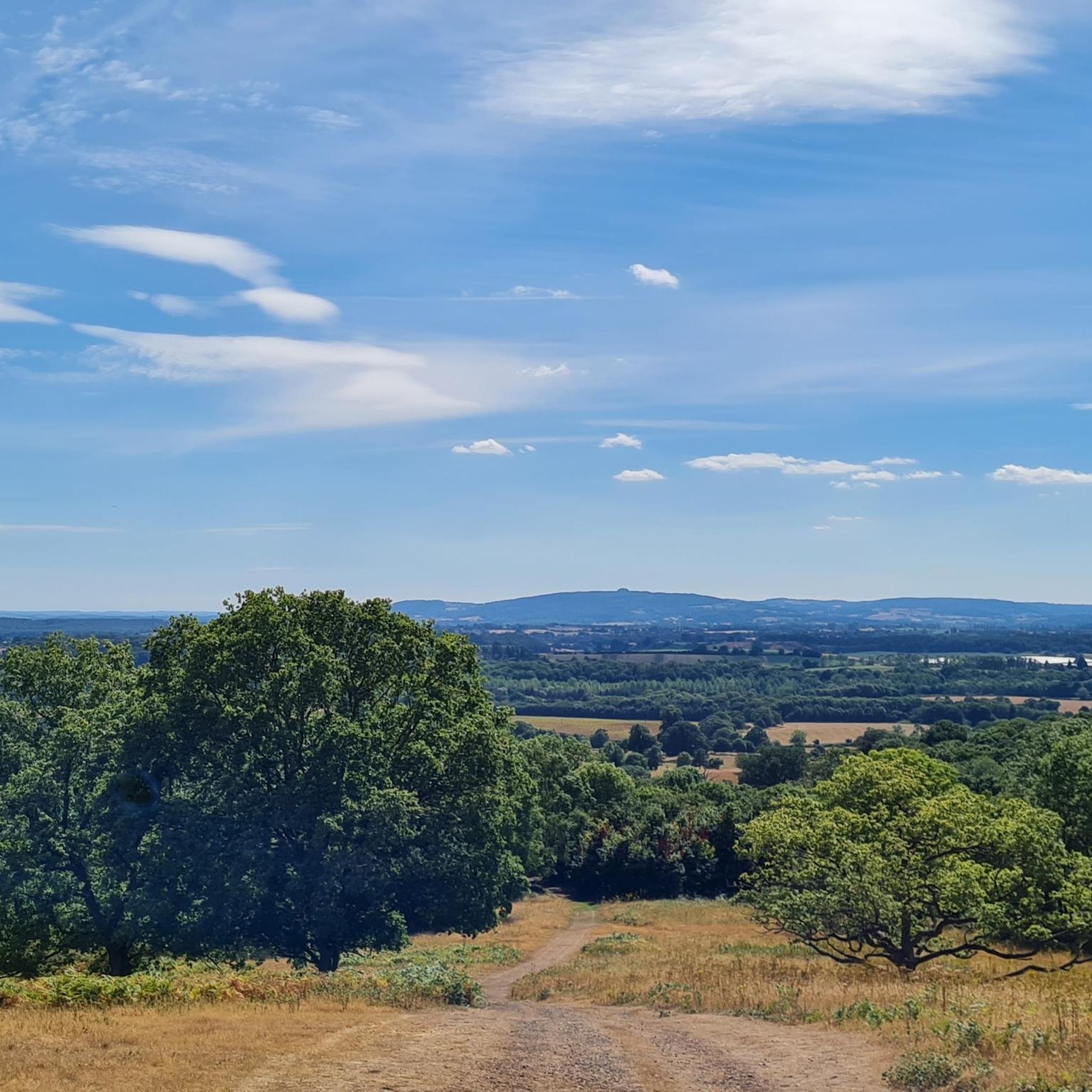
Great views of the surrounding area, both into Wales and across the Severn to the Cotswolds. It has benches to sit on and admire the views and shade from the clump of trees at the top;
0
0

Small little cave but great to get out of the rain/sun for a quick drink and snack.
0
0

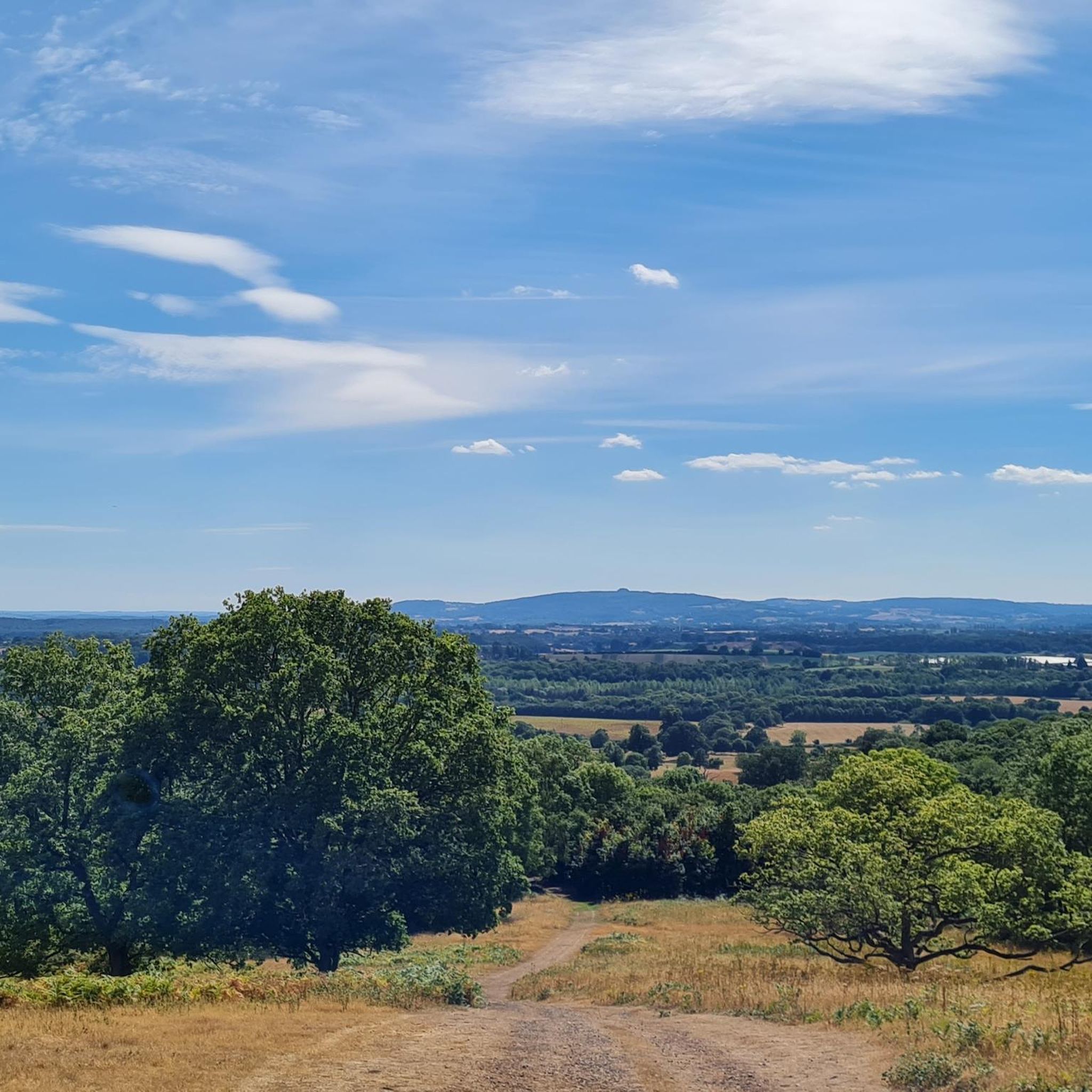
This little top is a fine viewpoint both north to Perseverance Hill and beyond to the Worcester Beacon, and south to Pinnacle Hill.
0
0
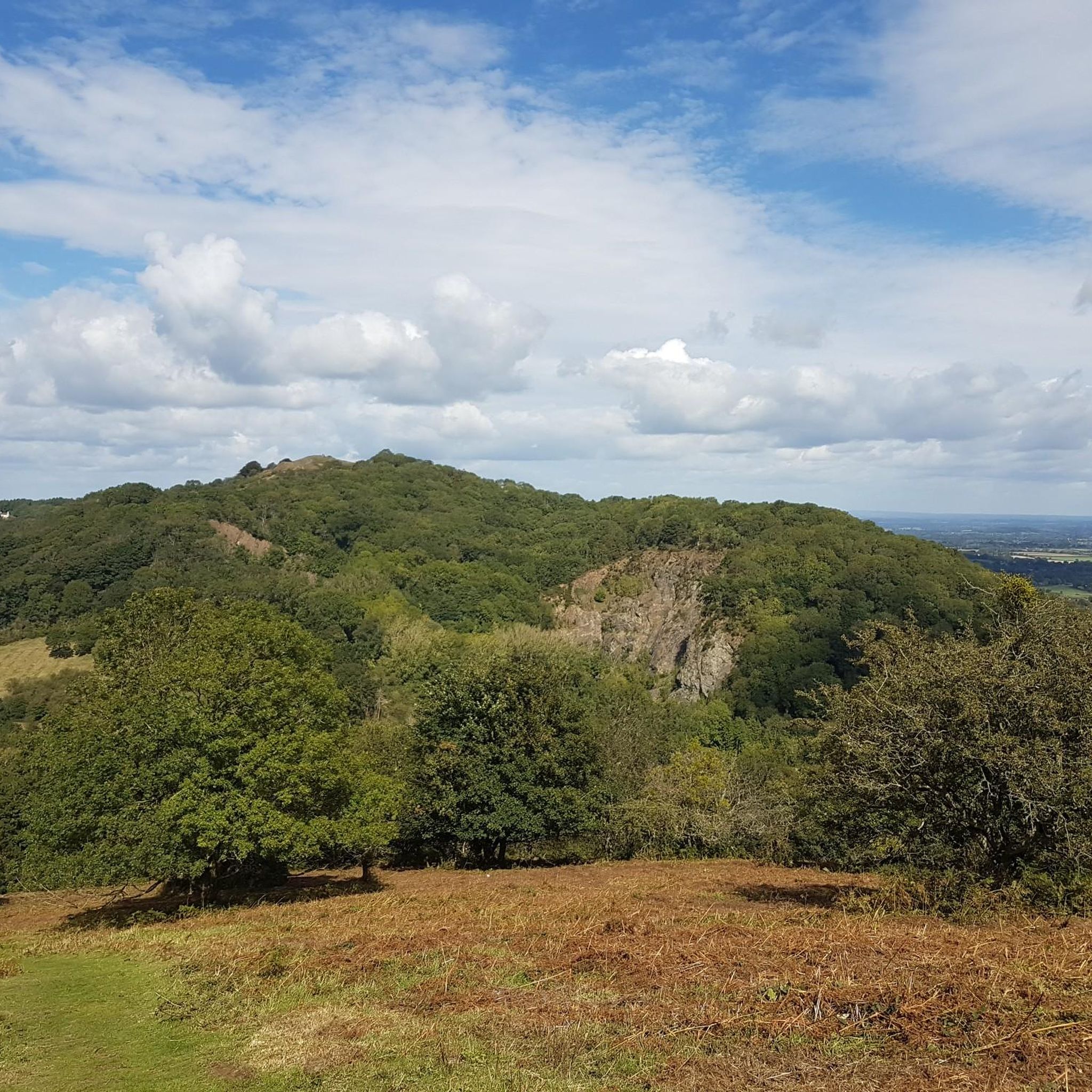
One of the finest hills in the Malverns with it's Iron Age Hillfort (yes another one on the Malverns!), and superb views west across Eastnor Park. It used to be heavily wooded on the Eastern Side, but Ash Die-back disease has caused a huge number of large mature Ash trees to be felled in recent times. This is still a hill to be savoured and you will not see too many people here either.
0
0

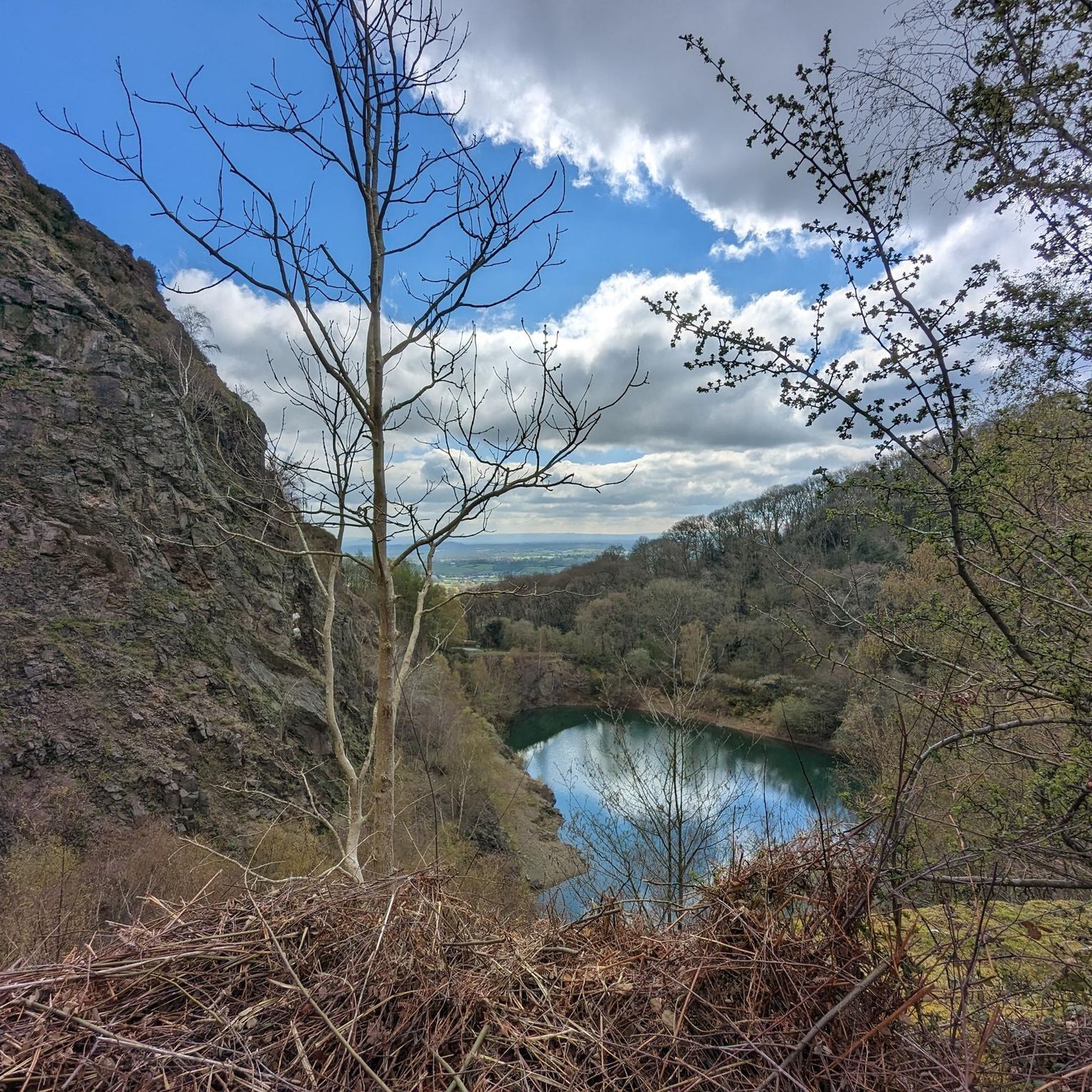
From Myseries of Mercia - a book and facebook page.... A mysterious cave on the Malvern hills and an enormous lump of stone in a nearby village...what connects them? This is Clutters Cave, an apparently man-made grotto within a volcanic basalt outcrop. Very little is known about it, not least who on earth "Clutter" was, but it's been mentioned in connection with various points in history going back to the medieval age. Folklore claims that Owain Glyndwr, the legendary Welsh hero, hid in Clutters Cave after his abortive attempt to invade England and retreat from North Worcestershire. He was never seen again so it's as good a story as any. I've also been told that a hermit once lived in the cave, dispensing blessings and wisdom to those who climbed up the hills to see him. Alfred Watkins, author of The Old Straight Track and father of the ley line concept, reckoned he had found a "door" to the cave a few yards away in a nearby gulley which was used as a "sacrificial stone" by "druids". He even got his assistant McKaig to lie on it as a "victim" to prove his point. Unfortunately for Watkins, we know that at least part of his theory was wide of the mark as his cave door is of a completely different type of rock. So what about the big rock? This lies at the centre of the village of Colwall and folklore gives us a reason for its presence. Another name for Clutters Cave is "Giant's Cave" and the story goes that this giant lived on the Malvern Hills with his human wife. One day he saw a man flirting with his good lady down in the valley where Colwall now lies. Erupting with rage as he watched the two of them giggling, he dug his hands into the rock and scooped out an enormous lump which he hurled at the pair down below, crushing them both. It was said that they lay under the rock for centuries until someone dragged it away to clear the obstruction, whereupon the giant put it back into place the next night! Strangely, there is a record of a payment made to a local man to drag the current stone into position to replace "the stone that once stood there". Some say that Clutters Cave is actually a Victorian folly, but nobody has any idea when it appeared. I find this unlikely as although Alfred Watkins did misidentify a few sites he surely would have been aware of something being just a few decades old. I've also seen a reference to it in a novel from 1883 and in the journal of the Royal Anthropological Institute from 1881, neither of which dismiss it as a folly.
0
0
Enjoy the walk up from Clifford Mesne, and then taken in the expansive views. Don't miss the copse at the top, planted to commemorate Queen Victoria's Golden Jubilee.
0
0

Midsummer Hill rises in the southern part of the Malvern Hills and is a very worthy objective. Site of a former hillfort, along with neighbouring Hollybush Hill, it provides extensive views, with the impressive Eastnor Castle visible in the Herefordshire countryside. A hike to the top could be combined with Herefordshire Beacon to the north, or a longer outing traversing the entire Malvern ridge.
0
0

Jubilee Hill is situated in the range of Malvern Hills that runs about 13 kilometres (8 mi) north-south along the Herefordshire - Worcestershire border. It lies between Perseverance Hill and Pinnacle Hill and has an elevation of 327 metres (1,073 ft). Jubilee Hill was named by the Malvern Hills Conservators in 2002 in honour of the Golden Jubilee of Elizabeth II. The Duke of York unveiled a plaque at the top of the hill, commemorating its new identity, in 2003. The plaque was taken away by someone sometime in March/April 2018. The site was also previously known, and is still today by a group of locals, as 'Dad's Hill', after a well-loved local bicycle shop-owner called Mr Earp who climbed Jubilee Hill frequently. Commemorated there upon his death a local group still climb the hill on the same day every year in his name[citation needed]. Jubilee Drive, the road which runs along the western (Herefordshire) side of the hills, was built and named for the Golden Jubilee of Queen Victoria, in 1887. Source: Wikipedia
0
0
Frequently Asked Questions
What kind of natural features can I expect to see around Redmarley D'Abitot?
The area around Redmarley D'Abitot is characterized by rolling hills, ancient woodlands, and picturesque river valleys, particularly the Leadon Valley. You'll find prominent hills offering extensive views, and the region's distinct red sandstone geology contributes to its unique landscape.
Are there any natural monuments with historical significance in the area?
Yes, several natural monuments also boast rich history. For instance, Herefordshire Beacon (British Camp) and Midsummer Hill Iron Age Hillfort are sites of former Iron Age hillforts, offering a glimpse into ancient Britain along with splendid views.
Which natural monuments offer the best panoramic views?
For breathtaking panoramic views, consider visiting May Hill Summit, which provides far-reaching vistas towards the Welsh border and over the River Severn. The Malvern Hills, including peaks like Herefordshire Beacon and Jubilee Hill, also offer spectacular moorland views across the landscape.
What outdoor activities can I do near these natural monuments?
The natural monuments around Redmarley D'Abitot are excellent for outdoor activities. Hiking and cycling are popular, with many trails allowing you to experience the diverse terrain. You can find various routes, from easy strolls to more challenging treks, in guides like Hiking around Redmarley D'Abitot and Running Trails around Redmarley D'Abitot.
Are there hiking trails suitable for different skill levels near the natural monuments?
Yes, the area caters to various hiking abilities. For easy walks, you can explore routes like the 'Ragged Stone and Chase End Hills loop from Hollybush' or 'View of Eastnor Obelisk – Somers Obelisk loop from Midsummer Hill' found in the Easy hikes around Redmarley D'Abitot guide. More challenging options are available for experienced hikers, particularly along the Malvern ridge.
What makes the River Leadon Gorge a unique natural feature?
The River Leadon Gorge, near Durbridge Farm, is a less-known but remarkably beautiful natural feature. It showcases the impact of geological processes, with the river cutting through sandstone hills to create a small gorge with 'hanging woods.' The vivid red sandstone and the winding river offer a striking visual and a peaceful walking experience, shaped significantly by Ice Age meltwater.
What do visitors enjoy most about the natural monuments around Redmarley D'Abitot?
Visitors particularly enjoy the extensive views from the summits, the historical insights provided by the Iron Age hillforts, and the peaceful walking experiences through ancient woodlands and along river valleys. The opportunity to combine shorter walks with longer routes traversing the Malvern ridge is also a highlight for many.
Are there any natural caves or geological formations to explore?
Yes, Clutter's Cave is a fascinating natural monument. It's a man-made grotto within a volcanic basalt outcrop, formed from ancient pillow lavas almost 600 million years ago. It offers a unique geological insight and is steeped in local folklore.
Is the area around Redmarley D'Abitot suitable for family outings to natural monuments?
Absolutely. The region offers many natural areas with trails suitable for families. While some climbs can be steep, there are numerous circular walks and easier routes, especially around the base of the Malvern Hills or through the ancient woodlands, that provide enjoyable experiences for all ages.
What is the best time of year to visit the natural monuments?
The natural monuments around Redmarley D'Abitot can be enjoyed year-round. Spring brings vibrant wildflowers and fresh greenery, while autumn offers stunning foliage across the ancient woodlands. Summer is ideal for longer hikes, and even winter provides crisp views, though some paths may be muddy. Always check local conditions before heading out.
Can I find dog-friendly walks among the natural monuments?
Many of the trails and natural areas around Redmarley D'Abitot are dog-friendly, making them perfect for walks with your canine companion. Always ensure your dog is under control, especially around livestock, and follow any local signage regarding lead requirements.
Are there any specific trails that cross multiple natural monuments?
Yes, for example, the Gloucestershire Way and Wysis Way trails cross May Hill Summit. Additionally, longer routes along the Malvern ridge can connect several peaks and historical sites, such as combining Midsummer Hill Iron Age Hillfort with Herefordshire Beacon.
Most popular attractions around Redmarley D'Abitot

Get inspired with the komoot mobile app


Explore more
Extend your search for the best caves by checking out these guides of the top ones around Redmarley D'Abitot:
