Top 20 Natural Monuments around Coleford
Best natural monuments around Coleford are found within the historic Forest of Dean, a region characterized by ancient woodlands, river valleys, and unique geological formations. This area offers a diverse landscape for outdoor exploration, from underground caves to scenic viewpoints. The natural environment is shaped by its rich history, including ancient mining activities and prehistoric settlements. Visitors can experience a variety of natural attractions that highlight the region's geological and ecological significance.
Best natural monuments around Coleford
- The most popular…
Last updated: May 19, 2026
King Arthur's Cave
Highlight • Cave
Tip by

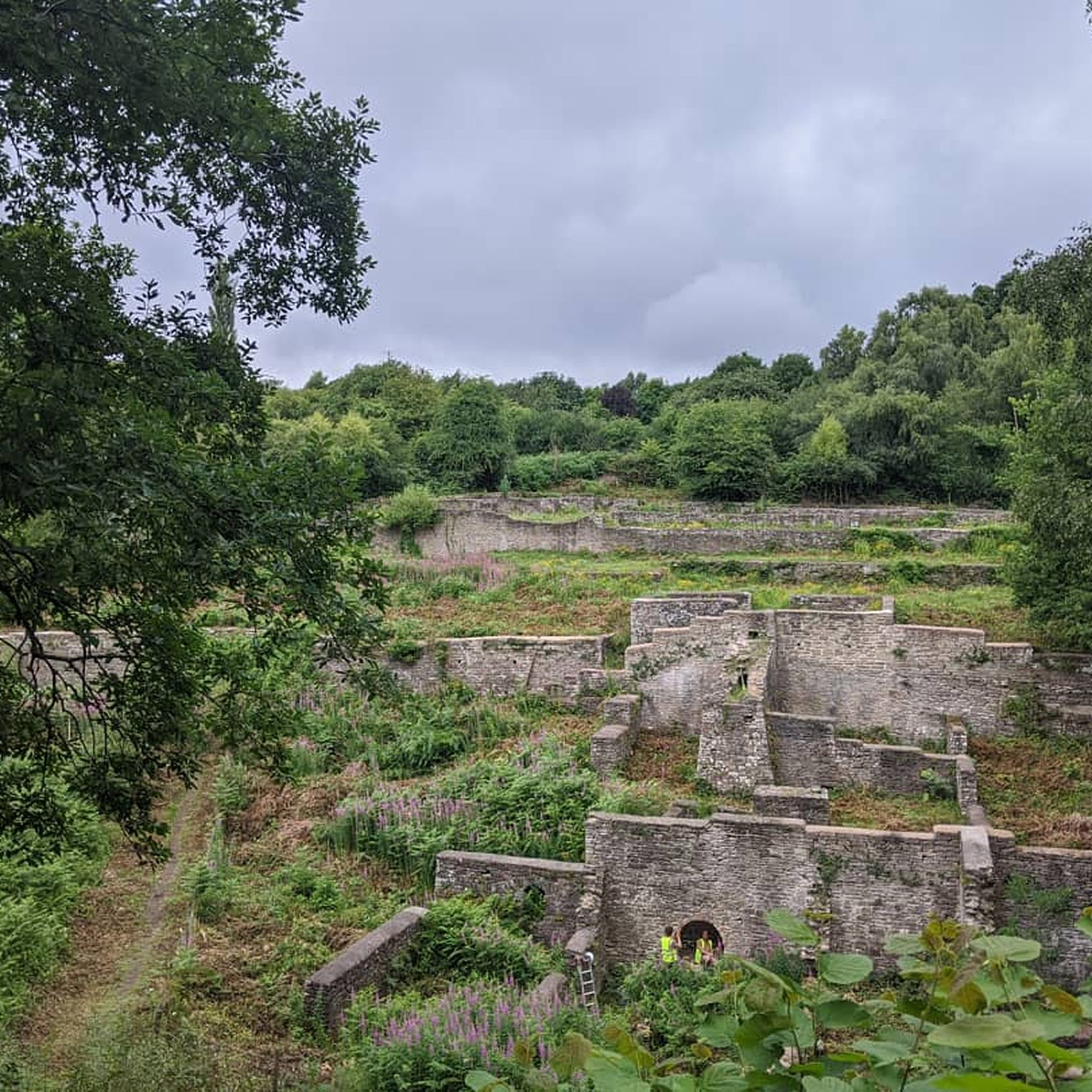
Slade Brook Travertine Dams
Highlight • Natural Monument
Tip by

Sign up now to discover places like this
Get recommendations on the best single tracks, peaks, & plenty of other exciting outdoor places.
Sign up for free
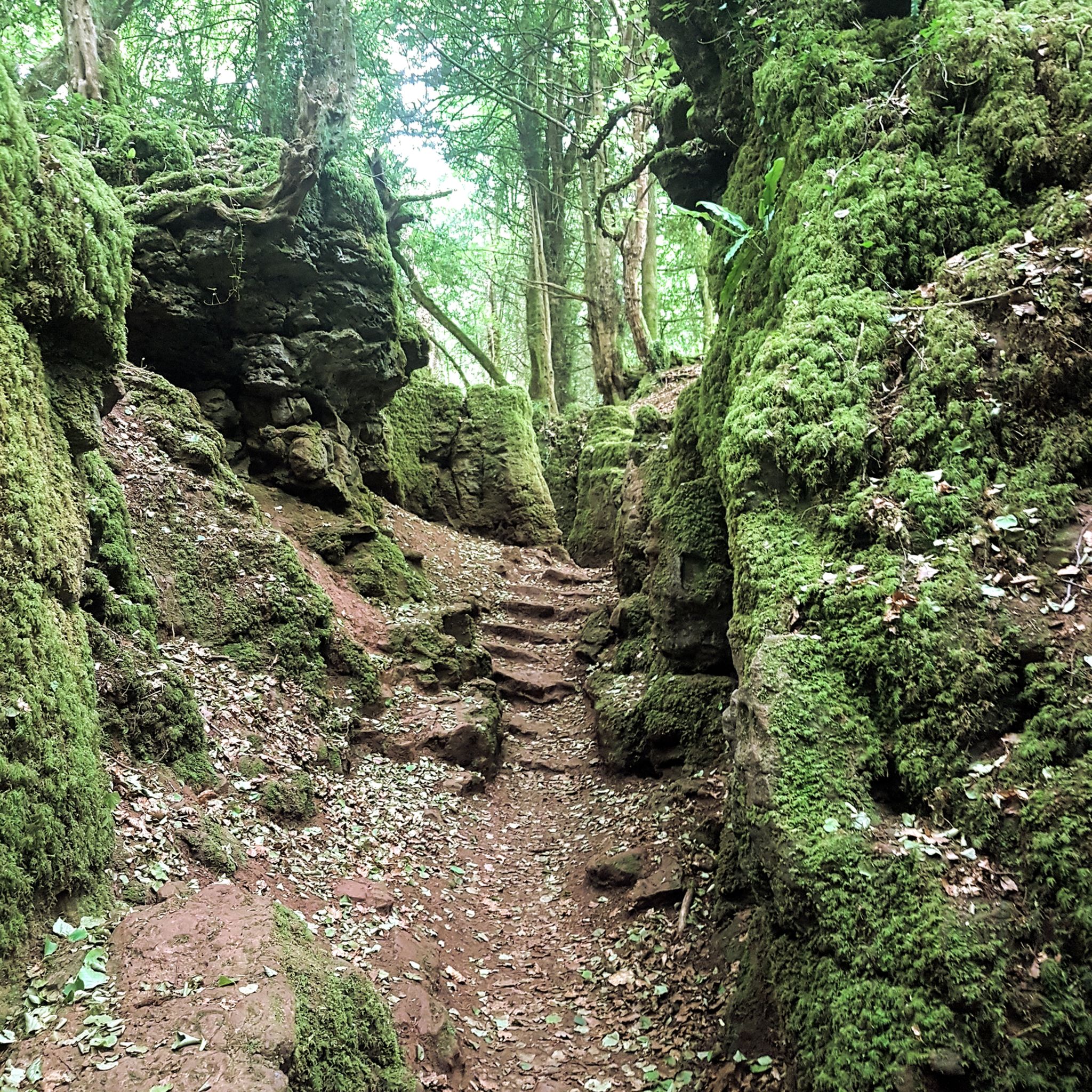
Puzzlewood
Highlight (Segment) • Natural Monument
Tip by

View of the Wye Valley from Symonds Yat Rock
Highlight • Viewpoint
Tip by

Cathedral Stained Glass Window, Forest of Dean Sculpture Trail
Highlight • Trail
Tip by

Sign up for free to discover even more natural monuments around Coleford.
Sign up for free
Already have an account?
Start today with a free account
Your next adventure awaits.
Login or Signup

Tips from the Community


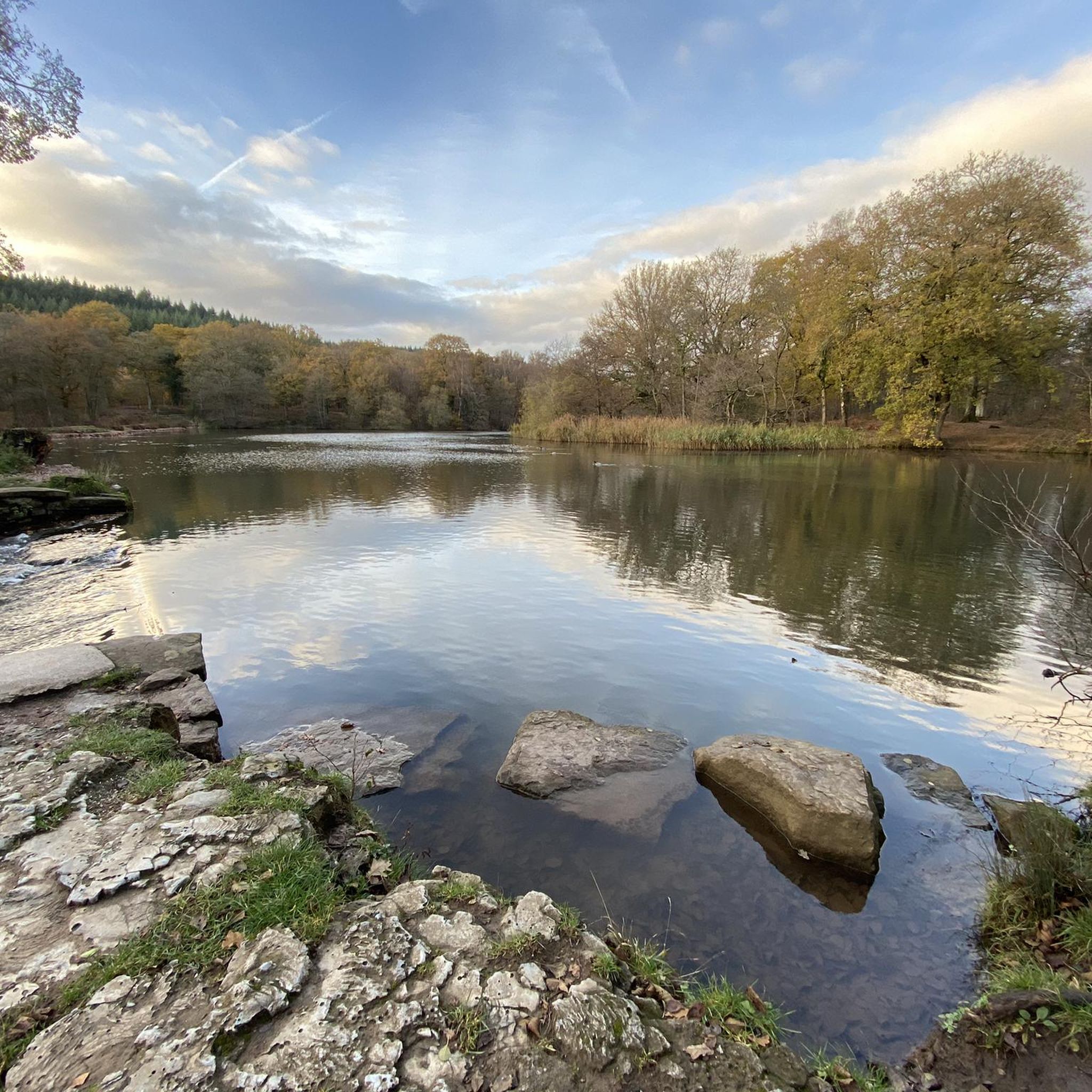
Symonds Yat is a wonderful place to come, but even better to catch it in the autumn when the trees are in full colour, with the sun on them to make them really shine.
0
0

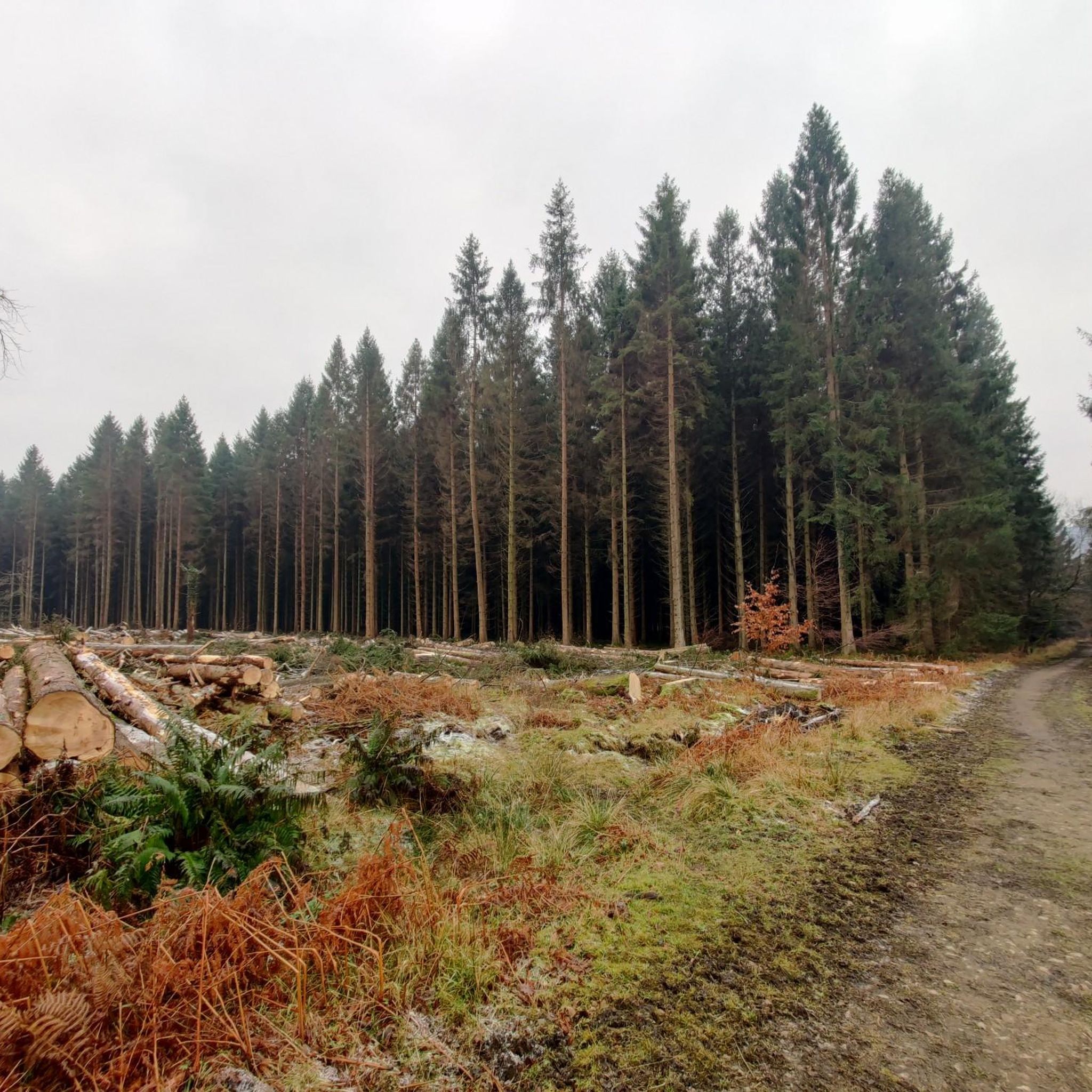
As I ride slowly, I soak in all the beauty of the forest. It’s easy to overlook the sculptures in this area, so I make sure to take a gentle ride and glance around to appreciate the wonders of this beautiful trail system.
0
0
Please be aware that this is a shared trail; lots of walkers, families, and dogs will be found around this very popular area.
0
0
Along this section, you will see an old cathedral window erected in 1986 on the sculpture trail at the Forest of Dean.
0
0

forest Dean explore trail glass window
1
0

One of the original items ever changing sculpture trail, worth a visit either by bike or on foot.
1
0

Jump off the bike and head on foot down the footpath east of the road to reach the Symonds Yat Rock. Symonds Yat Rock harbours the remnants of an Iron Age hillfort, erected roughly 2,500 years in the past. Presently, this locale stands as a Scheduled Ancient Monument, where traces of the fortifications endure as a series of embankments and trenches. In more contemporary times, Yat Rock and the Wye Valley have gained renown as the birthplace of British tourism. Beginning in the 18th century, they achieved popularity thanks to the efforts of Reverend William Gilpin, a trailblazer of the 'Picturesque' movement. His literary works left an indelible mark on the appeal of English landscape painting and served as inspiration for Romantic poets. Symonds Yat Rock viewpoint enjoys a well-earned reputation as one of the nation's prime spots for observing peregrine falcons. Yet, with a touch of patience, a multitude of bird species can be sighted here. Goshawks offer close-up viewing, sparrowhawks are frequent denizens nesting among the valley's trees, while soaring buzzards often grace the skies. Spring and autumn migrations frequently draw ospreys to this locale, with tawny owls occasionally spotted. Meanwhile, nearby nesting sites typically host barn owls, ravens, and kestrels.
2
0
Frequently Asked Questions
What unique natural features can I explore in the Coleford area?
The Coleford area, nestled within the Forest of Dean, offers a diverse range of natural features. You can explore ancient woodlands with unusual rock formations like Puzzlewood, known for its 'scowles' formed from eroded cave systems. There are also significant limestone caverns such as King Arthur's Cave, and the remarkable Slade Brook Travertine Dams, a series of natural dams formed by lime-rich spring water.
What historical significance do the natural monuments around Coleford hold?
Many natural monuments in the Coleford area are steeped in history. King Arthur's Cave is a significant archaeological site, showing evidence of human occupation during the Upper Palaeolithic era. Puzzlewood has a history of open-cast iron ore mining dating back to Roman times, with over 3,000 Roman-era coins discovered there. Even the View of the Wye Valley from Symonds Yat Rock overlooks an Iron Age hillfort and was a key site in the 18th-century 'Picturesque' movement.
Are there family-friendly natural monuments suitable for children around Coleford?
Yes, several natural monuments are great for families. Puzzlewood is particularly popular, offering a magical forest experience with labyrinthine paths, bridges, and a Roman coin hunt for children. Clearwell Caves, though not listed as a highlight here, provides an engaging underground adventure exploring ancient iron mines. The View of the Wye Valley from Symonds Yat Rock is also family-friendly, offering stunning views and opportunities for birdwatching.
What outdoor activities can I do near the natural monuments around Coleford?
The Forest of Dean, surrounding Coleford, offers extensive opportunities for outdoor activities. You can find numerous routes for road cycling, mountain biking, and hiking. For example, there are many easy hikes around Coleford, as well as more challenging MTB trails like the Verderers' Trail, and various road cycling routes that pass by scenic natural landmarks.
Are there specific hiking trails to explore the natural monuments?
Absolutely. The wider Forest of Dean is crisscrossed with trails. The Colliers Trail is known for its well-maintained surface and historical elements, while the Verderers' Trail offers a blue-graded mountain biking experience through the forest. For easier walks, you can find routes around places like Cannop Ponds or leading to the Biblins Suspension Bridge, which offers picturesque views over the River Wye. You can explore various hiking guides around Coleford for detailed information.
Can I bring my dog to the natural monuments and trails in the Forest of Dean?
Many trails and outdoor areas in the Forest of Dean are dog-friendly, allowing you to enjoy the natural monuments with your canine companion. However, it's always best to keep dogs on a lead, especially in areas with wildlife or livestock, and to check specific site regulations before visiting, as some privately managed attractions like Puzzlewood may have their own rules.
What is the best time of year to visit the natural monuments around Coleford?
The natural monuments around Coleford can be enjoyed year-round, each season offering a different charm. Spring brings vibrant new growth and blooming wildflowers, while autumn transforms the Forest of Dean into a spectacular display of colors. Summer is ideal for longer walks and outdoor activities, and even winter offers a serene, crisp atmosphere, though some paths might be muddy. Check local weather conditions before your visit.
Is parking available at the natural monuments around Coleford?
Parking is generally available at or near the main natural monuments and trailheads in the Forest of Dean. Popular spots like Symonds Yat Rock and Puzzlewood have dedicated parking facilities, though charges may apply. For specific parking information and potential fees, it's advisable to check the individual attraction's website or local visitor information before your trip.
What kind of wildlife can I spot near Coleford's natural monuments?
The Forest of Dean is rich in wildlife. From Symonds Yat Rock, you have an excellent chance to spot peregrine falcons, sparrowhawks, buzzards, and even ospreys during migration. The ancient woodlands and caves, such as King Arthur's Cave, are home to horseshoe bats and rare invertebrates. Keep an eye out for deer, wild boar, and a variety of bird species throughout the forest trails.
Are there any hidden natural gems around Coleford that are less known?
Beyond the well-known sites, the Slade Brook Travertine Dams offer a unique natural phenomenon that is less frequented. This remarkable series of natural dams, formed by mineral deposition, is considered one of the best examples of such structures in the country. Exploring the extensive network of trails in the Forest of Dean can also lead you to quiet, picturesque spots and viewpoints away from the main crowds.
Where can I find refreshments or accommodation near the natural monuments?
Coleford town centre, being a historic market town, offers a selection of cafes, pubs, and accommodation options. Many popular natural monuments, such as Symonds Yat Rock, also have visitor centers or nearby establishments where you can find refreshments. For a broader range of options, consider exploring the surrounding villages within the Forest of Dean.
How long does it typically take to explore the natural monuments near Coleford?
The time required varies greatly depending on the monument. Exploring Puzzlewood can take 1-2 hours, while a visit to King Arthur's Cave might be part of a longer hike. For viewpoints like Symonds Yat Rock, you might spend anywhere from 30 minutes to a couple of hours enjoying the views and birdwatching. If you plan to combine multiple sites or undertake longer hikes, allocate a full day or more.
Most popular routes around Coleford
Most popular attractions around Coleford

Get inspired with the komoot mobile app


Explore more
Extend your search for the best caves by checking out these guides of the top ones around Coleford:
