Top 19 Natural Monuments around St. Agnes
Best natural monuments around St. Agnes are found on Cornwall's north coast, offering a blend of rugged coastal beauty and historical significance. The area is part of a designated Area of Outstanding Natural Beauty and a World Heritage Site. These sites feature unique geological formations and provide insight into the region's past. Visitors can explore a variety of natural landmarks across the landscape.
Best natural monuments around St. Agnes
- The most popular natural monuments is Holywell Cave, a cave…
Last updated: August 10, 2026
Basset's Cove
Highlight • Natural Monument
Translated by Google •
Tip by

Basset's Cove
Highlight (Segment) • Viewpoint
Translated by Google •
Tip by
Sign up now to discover places like this
Get recommendations on the best single tracks, peaks, & plenty of other exciting outdoor places.
Sign up for free
Cligga Head Coastal Cliffs and Ruins
Highlight • Viewpoint
Tip by

Cadjack Cove
Highlight (Segment) • Beach
Translated by Google •
Tip by
Holywell Cave
Highlight • Beach
Tip by

Sign up for free to discover even more natural monuments around St. Agnes.
Sign up for free
Already have an account?
Start today with a free account
Your next adventure awaits.
Login or Signup
Other adventures around St. Agnes

Tips from the Community

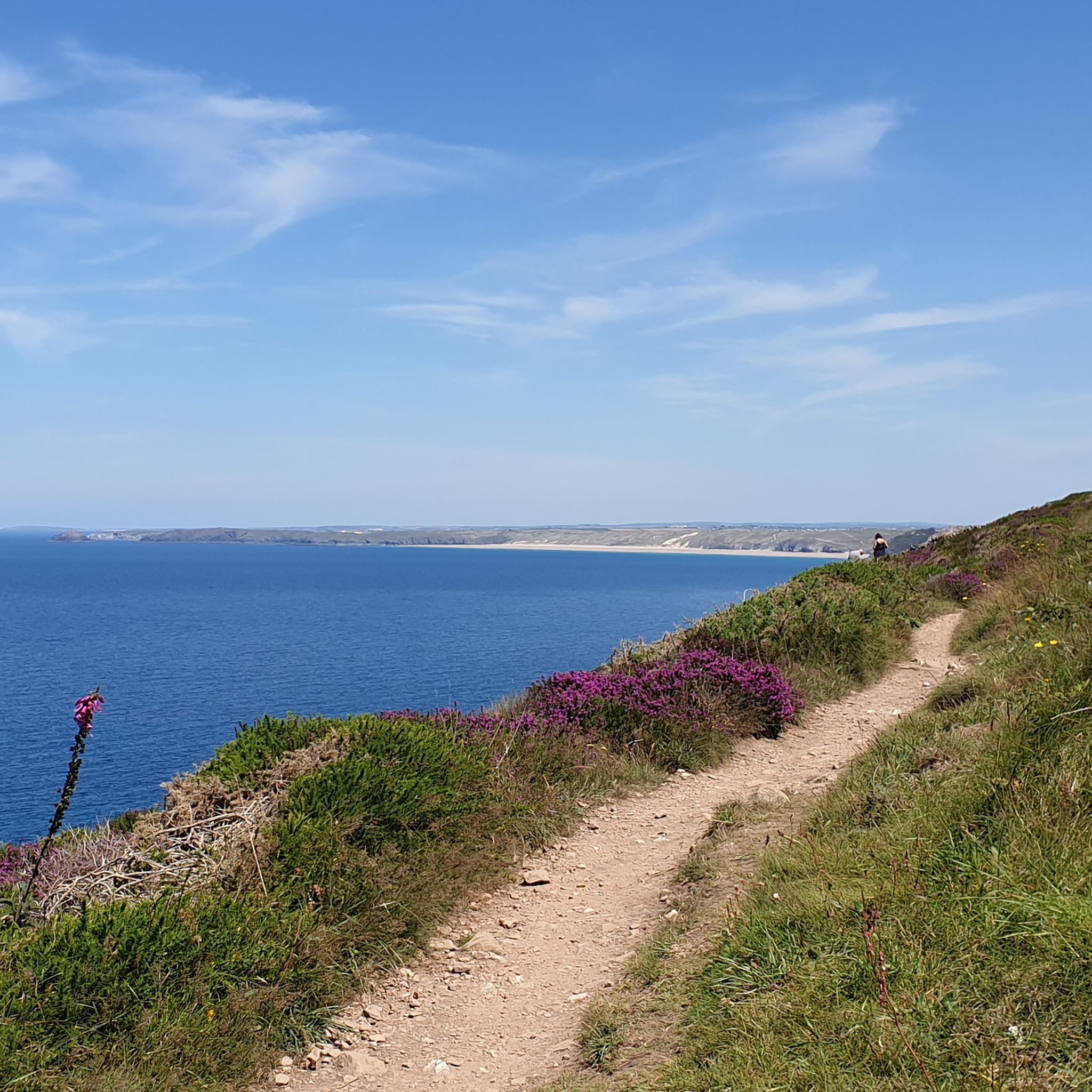
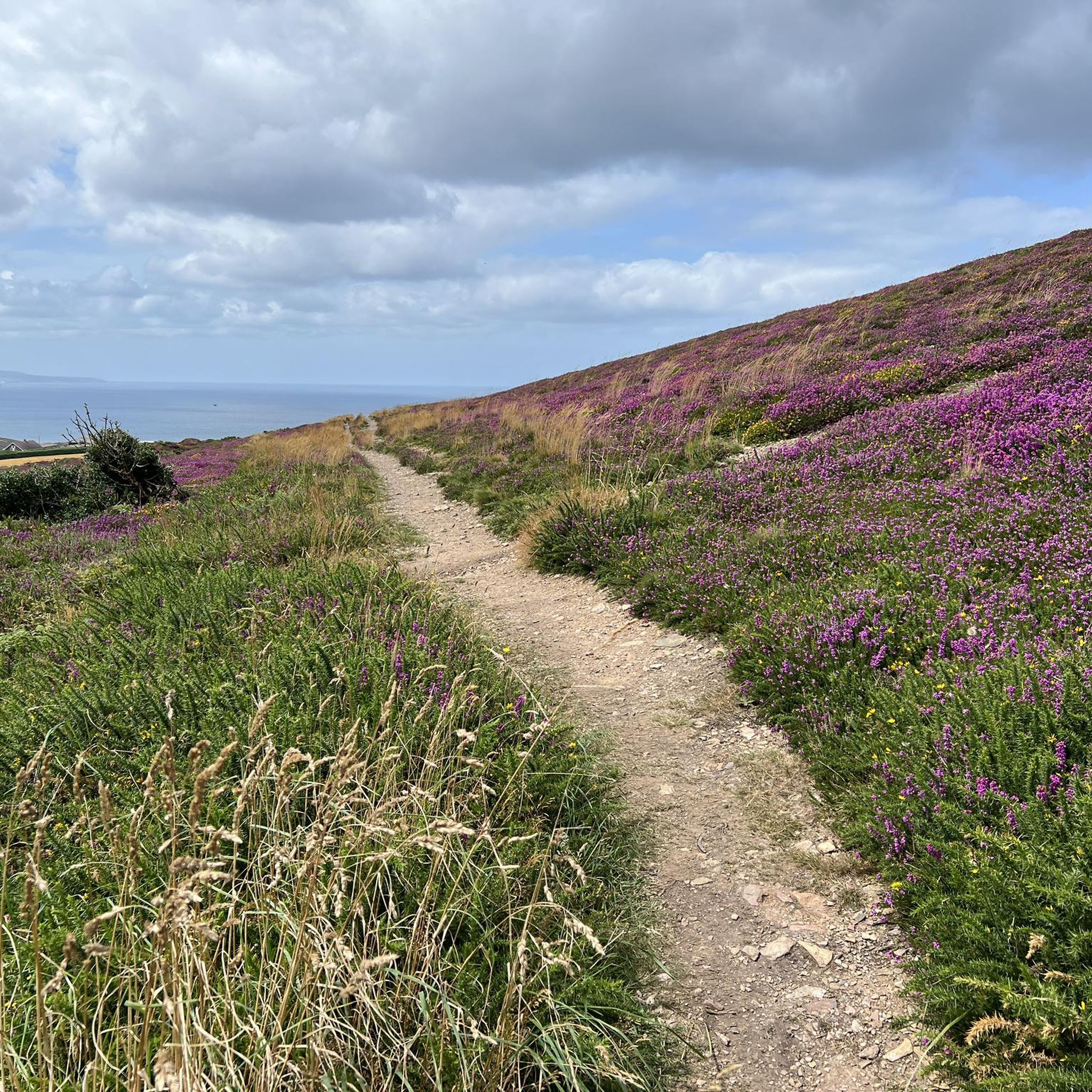
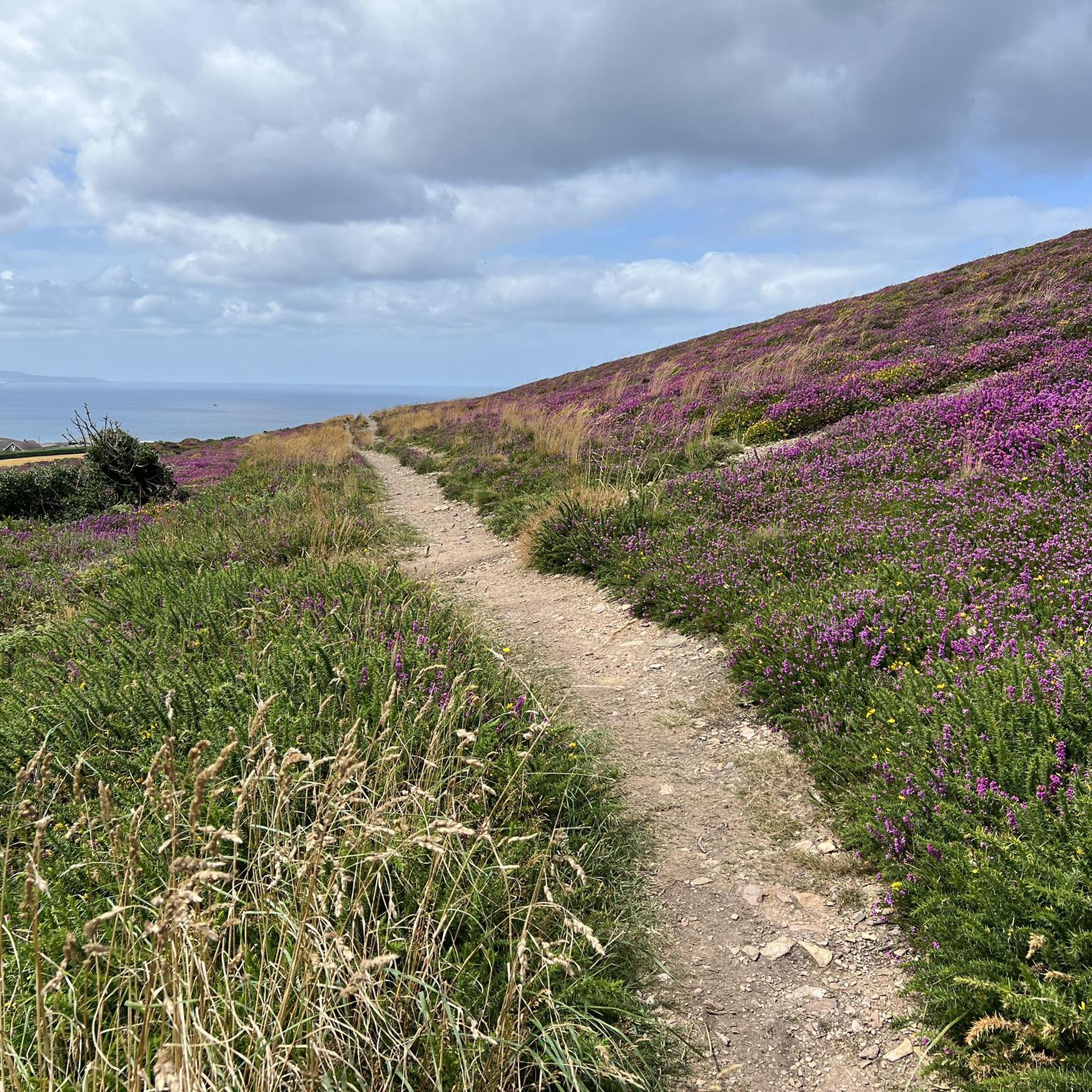
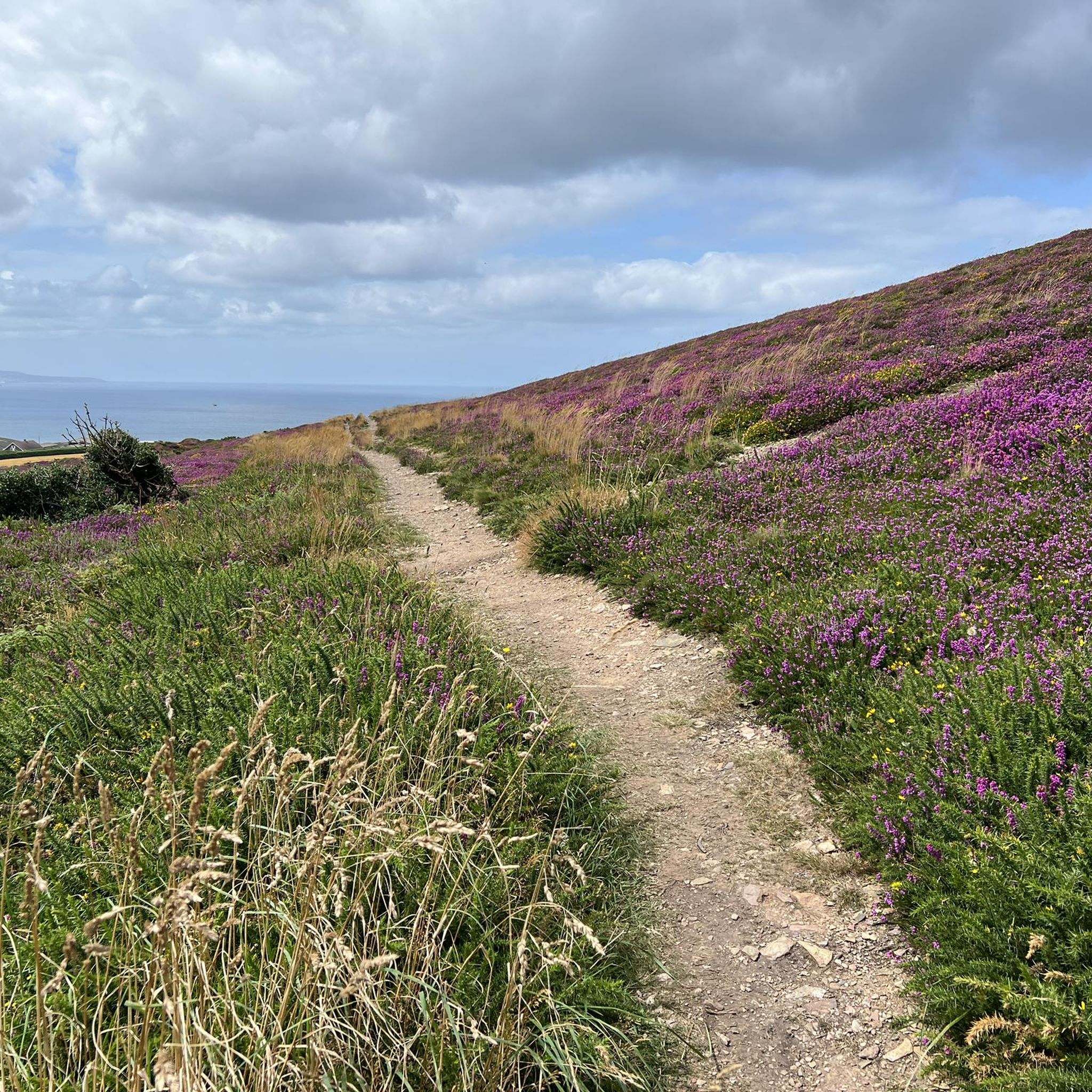
Breathtaking views. Especially when combined with the blooming heather!
0
0

A beautiful section of the SWC Path between Perranporth and St. Agnes. The walk to St. Agnes is about 8km long, with no major climbs but fantastic views.
0
0


Site of Alfred Nobel's Munitions Factory. Active during WWI & WWII, mostly filling grenades and other explosives. I would recommend looking up the talking history clip on BBC Sounds. Also the site of Tungsten mining during the same time.
0
0

While running along along Cligga Head you will find some cracking coastal views, but also some interesting evidence of the mining history. You are running in the shoes of the miners who would take this path to work.
0
0
While hiking along along Cligga Head you will find some cracking coastal views, but also some interesting evidence of the mining history. You are walking in the shoes of the miners who would walk along this path to work.
1
0

GB: In Cadjack Cove, tectonic features can be seen, such as faults (described in ⑦) and folds, which were formed during the Variscan orogeny as a result of pressure from the south. These folds are formed on different scales and range from a few inches to several hundred feet. In addition, the folds show different openings and curves. Very narrow folds with pointed angles are called kink bands. However, the folds seen in this bay are not the main folds of orogeny but represent folds that are folded in themselves. Another special feature in this bay is the pink to dark red coloring of the rocks. This is caused by iron-rich water that runs down the cliffs. EN: Tectonic phenomena can be seen in Cadjack Cove, such as faults (described in ⑦) and folds, which were formed by pressure from the south during the Variscan Orogeny. These folds are formed at different scales and range from a few centimeters to several meters. The folds also show different openings and curves. Very tight folds with acute angles are called kink bands. However, the folds seen in this bay are not the main folds of the orogeny, but rather represent folds that fold into themselves. Another special feature in this bay is the pink to dark red color of the rocks. This is caused by iron-rich water running down the cliffs.
0
0
GB: Basset's Cove provides a good overview of the high cliff with its narrow beach area. The sides of the cove are weathered to varying degrees, so that some parts are mainly made up of debris. The weathering resistance of the cliffs depends on the rock from which they are formed. Sedimentary rocks usually weather more easily than igneous rocks (formed from melted rocks). In the bay below, it is mainly the siltstones and the clay shales that weather particularly easily. In addition, the lower part of the coastal cliffs is exposed to particularly strong weathering caused by the tides. Due to their resistance to weathering, the different rocks form cliffs and steep coasts of different heights. If the coastline consists mainly of sedimentary rocks, as is the case here, the cliffs reach a maximum height of 164 feet(50 m). In the Lands End area, the coasts are formed by granitic rocks and reach heights of more than 459 feet (140 m). Besides the differences in the rocks, the shape of the coast is also influenced by tectonic processes. EN: Basset's Cove provides a good overview of the high cliffs with their narrow beach area. The walls of the bay are weathered to varying degrees, so that some areas consist mainly of rubble. The weathering resistance of the cliffs depends on the rock from which they are made. Sedimentary rocks generally weather more easily than igneous rocks (formed from molten rock). In the bay below us, it is primarily the siltstones and slate that weather particularly easily. In addition, the lower area of the cliffs is particularly exposed to weathering due to the tides. Due to their resistance to weathering, the different rocks form cliffs and cliffs of different heights. If the coastline consists mainly of sedimentary rocks, as here, the cliffs reach a maximum height of 50 meters. In the Lands End area, the coasts are formed by granitic rocks and reach heights of more than 140 meters. In addition to the differences in rocks, the shape of the coast is also influenced by tectonic processes.
0
0
Frequently Asked Questions
What are some of the most popular natural monuments to explore around St. Agnes?
Visitors frequently enjoy Holywell Cave, known for its colorful ceiling and limestone pools visible at low tide. Another favorite is Basset's Cove, which offers significant geological features and breathtaking views, especially when the heather is in bloom. The dramatic Cligga Head Coastal Cliffs and Ruins are also highly rated for their coastal vistas and mining history.
Are there natural monuments in St. Agnes that showcase the region's mining history?
Yes, St. Agnes is rich in mining heritage. Cligga Head Coastal Cliffs and Ruins offer a glimpse into the past with paths once used by miners. Additionally, the iconic Wheal Coates engine houses, perched dramatically above Chapel Porth, are a powerful reminder of Cornwall's mining past and are part of a UNESCO World Heritage Site.
What kind of geological features can I expect to see at the natural monuments in St. Agnes?
The natural monuments around St. Agnes are geologically fascinating. At Basset's Cove, you can observe sedimentary rocks deposited during the Devonian age and evidence of the Variscan orogeny. Cadjack Cove features large faults and various folds, along with unique pink to dark red rocks colored by iron-rich water. Mirrose Well Cove showcases deposits with repeated sequences, formed by ancient turbidites.
Are there good walking or hiking trails near the natural monuments?
Absolutely. The area around St. Agnes is excellent for walking. St. Agnes Beacon offers popular walking trails through wild gorse and heather, providing panoramic views. The coastal path connects sites like Wheal Coates, Chapel Porth, and St. Agnes Beacon, allowing for scenic hikes. You can find detailed hiking routes in the Hiking around St. Agnes guide.
What is St. Agnes Beacon, and what makes it worth visiting?
St. Agnes Beacon is a prominent landmark standing at 192 meters (630ft) high. It offers spectacular 360-degree panoramic views of the Cornish coastline and countryside, stretching from St Ives Bay to Bodmin Moor. Historically, it was a Bronze Age burial mound and later a fire beacon. It's a popular spot for walks, photography, and appreciating the area's ecological value with its diverse heathland.
Is Chapel Porth suitable for swimming or surfing?
Yes, Chapel Porth is known for its fantastic surf when conditions are right and offers clear blue waters for swimming. Lifeguards are typically on duty from May to September, making it a safer spot for water activities during these months. At low tide, the beach reveals vast sands, rock pools, and caves for exploration.
What should I wear when visiting the natural monuments, especially for coastal walks?
Given the exposed coastal environment, it's advisable to plan for changing weather. St. Agnes Beacon, for instance, can be windy or wet. We recommend wearing sturdy shoes for exploration, especially if you plan to visit places like Holywell Cave. Layered clothing and waterproofs are generally a good idea for coastal walks in Cornwall.
Are there any family-friendly natural monuments or activities in the St. Agnes area?
Chapel Porth is a great option for families, especially at low tide when the vast sandy beach, rock pools, and caves are revealed for exploration. The beach also has a café famous for its 'hedgehog' ice creams. St. Agnes Beacon offers accessible walking trails with panoramic views that can be enjoyed by families.
Can I find places to eat or drink near the natural monuments?
Yes, Chapel Porth has a café right by the beach, known for its 'hedgehog' ice creams, providing a cozy spot for refreshments. While specific cafes aren't directly adjacent to every monument, St. Agnes village itself offers various options, and many coastal walks will lead you to places where you can find food and drink.
What other outdoor activities can I do near the natural monuments in St. Agnes?
Beyond hiking, the St. Agnes area is popular for cycling. You can explore various routes for gravel biking, detailed in the Gravel biking around St. Agnes guide, or tackle mountain biking trails, which you can find in the MTB Trails around St. Agnes guide. The coastal areas also offer opportunities for surfing and wild swimming.
What is the best time of year to visit the natural monuments in St. Agnes?
The natural monuments in St. Agnes can be enjoyed year-round. From late summer onwards, the heathland around St. Agnes Beacon bursts into vibrant yellow and purple gorse and heather blooms, offering spectacular scenery. For swimming and surfing at Chapel Porth, the warmer months from May to September are ideal when lifeguards are on duty. However, the dramatic coastal views and historical sites are impressive in any season, though weather can be unpredictable.
Most popular routes around St. Agnes
Most popular attractions around St. Agnes

Get inspired with the komoot mobile app


Explore more
Extend your search for the best caves by checking out these guides of the top ones around St. Agnes:
