Top 20 Natural Monuments around Paul
Best natural monuments around Paul offer a diverse landscape characterized by dramatic coastlines, historical sites, and unique geological formations. This region provides opportunities to explore significant natural and man-made landmarks. Visitors can experience rugged cliffs, ancient settlements, and distinctive rock formations. The area is well-suited for those interested in coastal exploration and historical discovery.
Best natural monuments around Paul
- The most popular natural monuments is Cape Cornwall Chimney Monument, a man-made monument that marks a distinctive headland. This site…
Last updated: May 19, 2026
Land's End
Highlight • Viewpoint
Tip by

RMS Mülheim Shipwreck
Highlight • Structure
Tip by

Sign up now to discover places like this
Get recommendations on the best single tracks, peaks, & plenty of other exciting outdoor places.
Sign up for free
Cape Cornwall Chimney Monument
Highlight • Monument
Tip by

St Michael's Mount
Highlight • Castle
Tip by

Logan Rock and Treryn Dinas Iron Age Cliff Castle
Highlight • Historical Site
Tip by
Sign up for free to discover even more natural monuments around Paul.
Sign up for free
Already have an account?
Start today with a free account
Your next adventure awaits.
Login or Signup
Popular around Paul


Tips from the Community

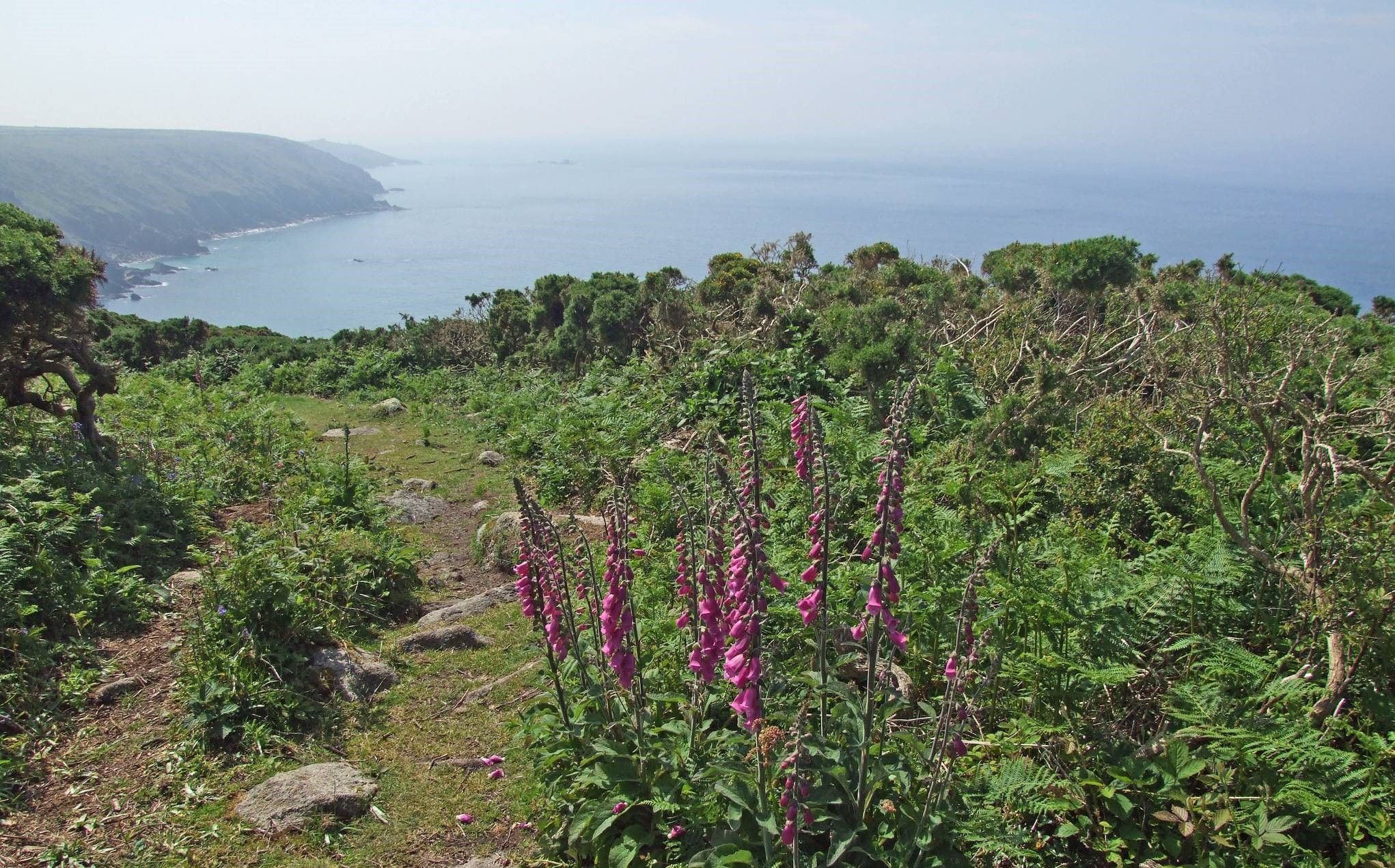
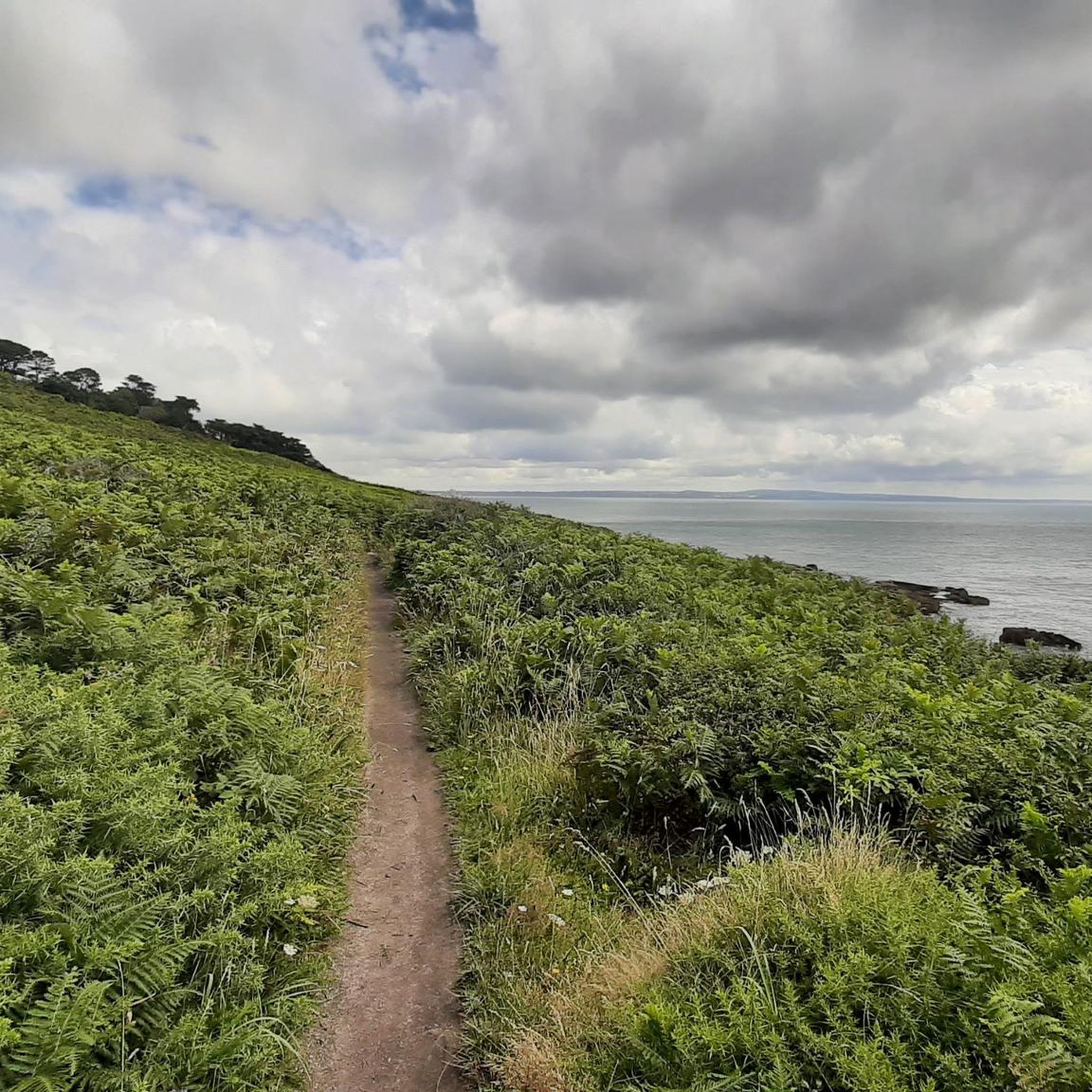
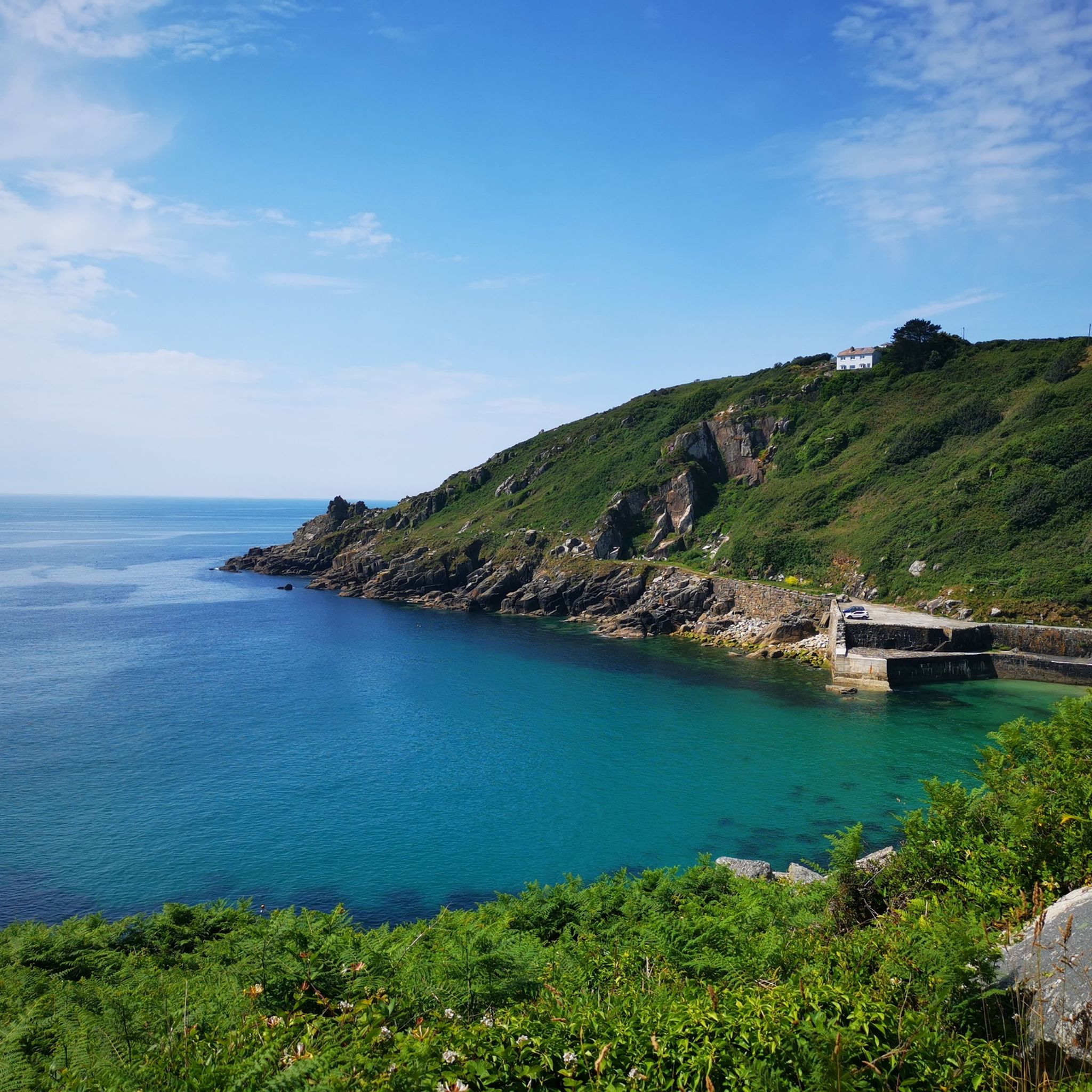
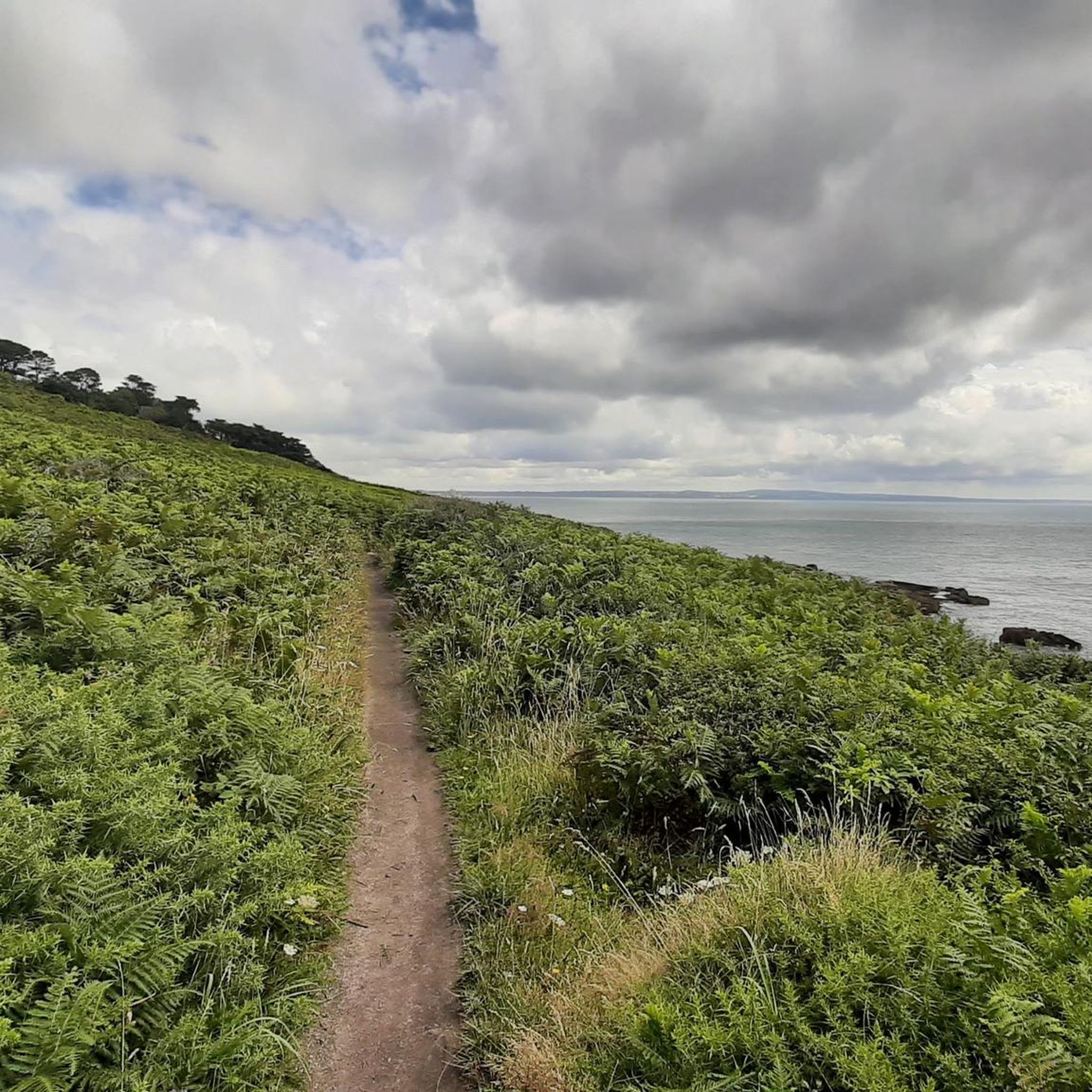
This point is of course the classic one and you have to head there just for the photos. But it's better to leave the tourist center to one side and continue walking along the wonderful coastal path.
4
0

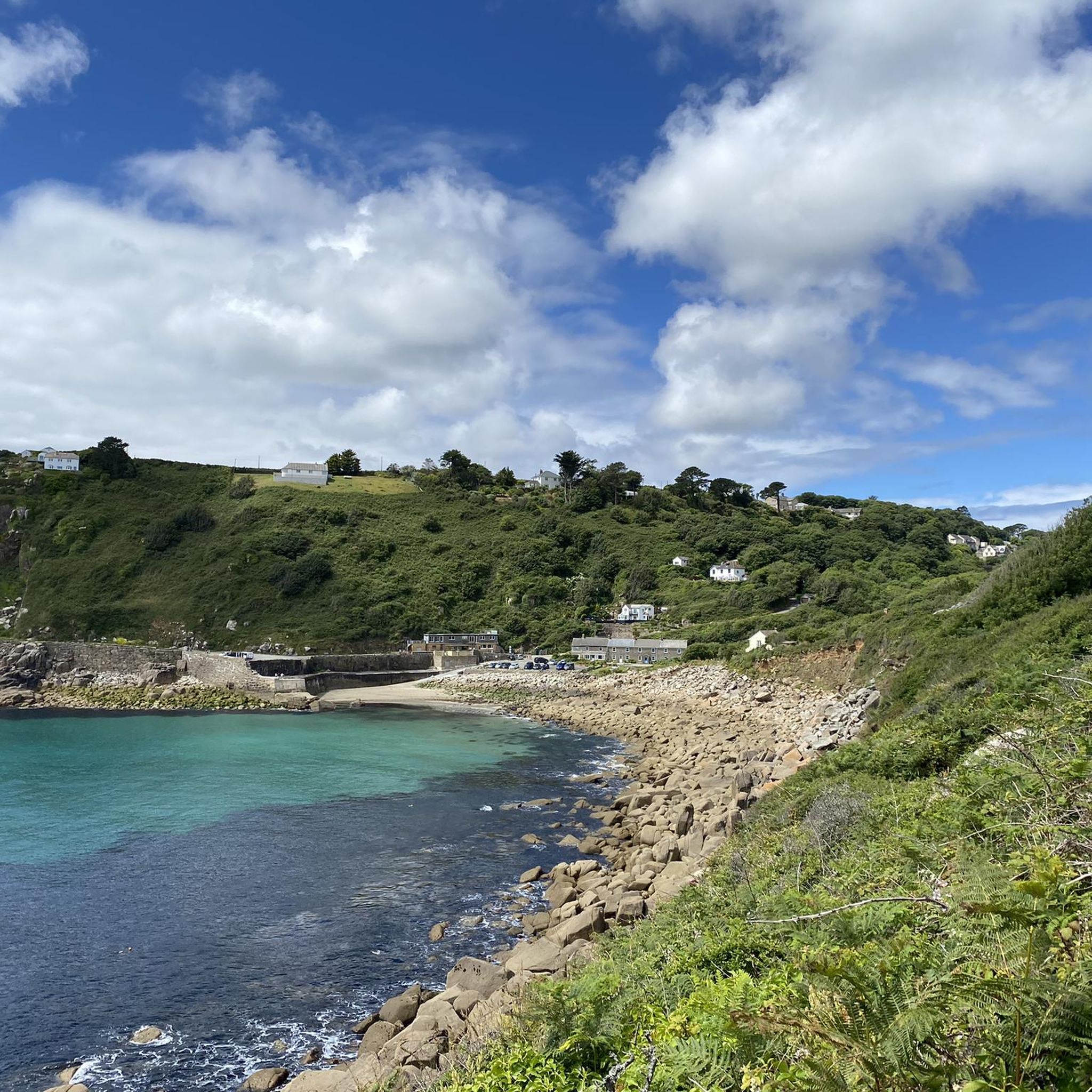
Cape Cornwall is a much quieter alternative to Land's End and has the added element of being seeped in Cornish Mining History. The chimney of Cape Cornwall Mine, which operated from 1838 to 1883, is still standing on the small peninsula.
0
0
The RMS Mülheim was a German Cargo ship that was wrecked here in between Sennen Cove and Lands End. At first the whole ship, which was carrying scrap plastic from cars, was stranded on the rocks but over time the hull broke in two and it was washed up into the cove known as Castle Zawn.
0
0
This spot is named after an 80-ton stone on top of the outcrop that used to rock if pushed in the right place. Sadly, it rocked it's last rock in 1824 when a group of sailors pushed it into the sea. The sailors were made to replace the rock with their own money and you can see the paperwork relating to the incident on display in the Logan Rock Inn.
0
0

Nice wreck… it’s dangerous so don’t be tempted to go exploring as the air ambulance crew will be cursing you when you injure yourself
0
0


You can't miss this place if you're near here. Nothing is particularly dramatic here, and yet Lands End is a symbolic place; Lands End is the western end of mainland Britain. Lands End is much more: the end of the world, a landmark, a starting point or an ending point and dangerous for shipping. In front of and in the cliffs there is a ship graveyard, no wonder. And for hiking fans: Land’s End is the beginning or end of one of the biggest hiking challenges in the UK: from Land’s End to John o’ Groats it is over 1,600 kilometers diagonally across the island. No two other points on the British mainland are so far apart, and connecting these two places runs from the most southwestern point in England to the most northeastern point in Scotland.
2
0

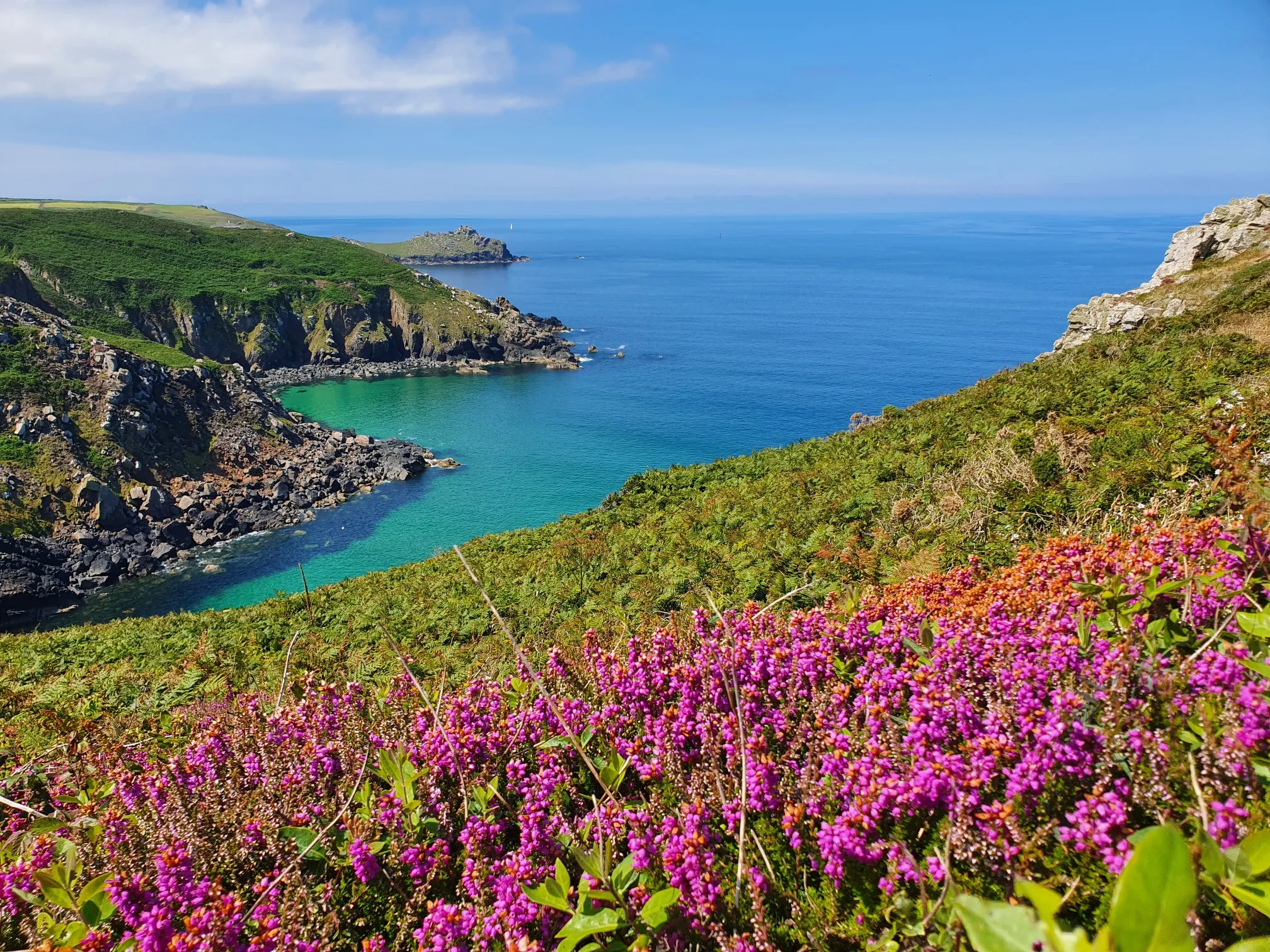
Wonderful coastal landscape with remains of the tin mining that used to be important here
0
0
Frequently Asked Questions
What are some popular natural monuments to visit around Paul?
Beyond the well-known highlights, visitors often enjoy exploring Land's End, England's most westerly point, known for its dramatic coastal views. Another favorite is the Cape Cornwall Chimney Monument, offering a scenic alternative to Land's End with significant mining heritage. The unique Logan Rock, a famous rocking stone, also draws many visitors.
Are there historical sites among the natural monuments near Paul?
Yes, the region is rich in history. St Michael's Mount is a prominent historical site featuring a castle and settlement on a tidal island. The Logan Rock and Treryn Dinas Iron Age Cliff Castle offers a glimpse into ancient fortifications. Additionally, the Cape Cornwall Chimney Monument is part of the Cornish Mining World Heritage Site, preserving the area's industrial past.
What kind of unique geological features can I expect to see?
You'll find a variety of striking geological formations. The famous Logan Rock is an 80-ton granite boulder that once rocked with minimal pressure. The dramatic cliffs at Land's End and Cape Cornwall showcase the rugged coastal geology where Atlantic currents meet. St Michael's Mount itself is a unique tidal island, accessible by foot at low tide.
Are there opportunities for hiking near these natural monuments?
Absolutely. Many natural monuments are integrated into excellent hiking routes. For instance, Land's End is a key point on the South West Coast Path, offering numerous trails. You can find various hiking routes around Paul, including moderate to difficult options like the Kemyel Crease Nature Reserve loops. Explore more hiking trails in the area on the Hiking around Paul guide.
What other outdoor activities can I do near these natural monuments?
Besides hiking, the area around Paul offers diverse outdoor activities. You can find mountain biking trails, such as those exploring the views of St Michael's Mount or the Mên-an-Tol area. There are also gravel biking routes, including scenic loops around Botallack Mines and Sennen Cove Beach. For more details, check out the MTB Trails around Paul guide and the Gravel biking around Paul guide.
Are there family-friendly natural monuments around Paul?
Many natural monuments offer experiences suitable for families. Land's End, while touristy, has attractions and cafes that can appeal to families. Exploring the causeway to St Michael's Mount at low tide can be an exciting adventure for children, though entry to the castle and gardens has a fee. Coastal walks near these sites generally offer accessible paths for families.
What do visitors enjoy most about the natural monuments around Paul?
Visitors frequently praise the breathtaking coastal views and the sense of history. The dramatic landscapes, such as those at Land's End and Cape Cornwall, are highly appreciated. The unique experience of walking to St Michael's Mount at low tide and exploring its ancient castle is also a major draw. Many also enjoy the opportunities for hiking and discovering hidden coves.
Can I see any shipwrecks near the natural monuments?
Yes, near Land's End, you can find the site of the RMS Mülheim Shipwreck. This German cargo ship ran aground in 2003 and its remains are still visible, slowly disintegrating over time, offering a poignant and interesting sight for visitors.
Are there any natural monuments that are less crowded than Land's End?
If you're looking for a less crowded experience than Land's End, the Cape Cornwall Chimney Monument is often recommended as a more scenic and tranquil alternative. It offers equally stunning coastal views and a rich historical context without the same level of commercialization.
What should I know about visiting St Michael's Mount?
St Michael's Mount is a tidal island, meaning it's accessible by foot via a causeway at low tide. At high tide, you'll need to use a boat service. Be aware that there is an entry fee for the castle and gardens, which can be substantial. It's advisable to check tide times and consider visiting a couple of hours after low tide or early to avoid the busiest queues, especially on weekends.
Are there any natural monuments with unique wildlife viewing opportunities?
The coastal areas around Paul, particularly headlands like Cape Cornwall, are home to many species of seabirds that nest on the cliffs. Keep an eye out for various birdlife while exploring the rugged coastline.
Most popular attractions around Paul

Get inspired with the komoot mobile app


Explore more
Extend your search for the best caves by checking out these guides of the top ones around Paul:
