Top 10 Natural Monuments around Verwood
Best natural monuments around Verwood are found on the eastern edge of Dorset, England. This area is characterized by expansive parks, heathlands, and protected landscapes. The region offers diverse ecosystems and opportunities for outdoor recreation. It is a location rich in natural beauty and historical significance.
Best natural monuments around Verwood
- The most popular natural monuments is Ibsley Common Triangulation Point, a viewpoint on a heath that offers far-reaching views of the area from 77m elevation. It is surrounded…
Last updated: May 19, 2026
Bokerley Dyke
Highlight • Trail
Tip by

Abbots Well
Highlight • Historical Site
Tip by
Sign up now to discover places like this
Get recommendations on the best single tracks, peaks, & plenty of other exciting outdoor places.
Sign up for free
Ibsley Common Triangulation Point
Highlight • Viewpoint
Tip by

White Deer in New Forest National Park
Highlight • Natural Monument
Tip by

Dudsbury Camp (Dudsbury Rings)
Highlight • Natural Monument
Tip by

Sign up for free to discover even more natural monuments around Verwood.
Sign up for free
Already have an account?
Start today with a free account
Your next adventure awaits.
Login or Signup
Tips from the Community

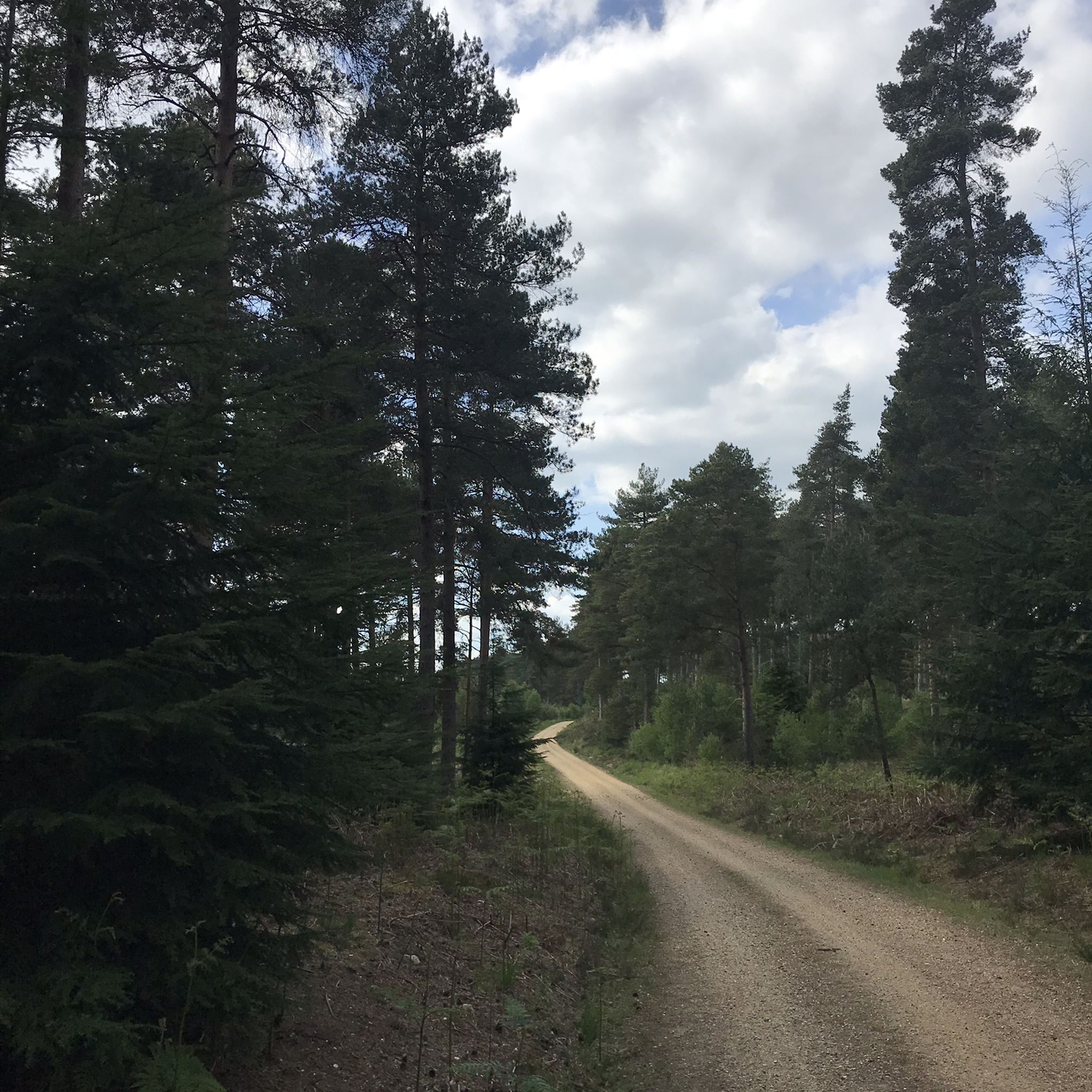
Bokerley Dyke is a substantial linear earthwork, approximately 5.75 kilometers (3.6 miles) long, located on Cranborne Chase. It runs along part of the border between Dorset and Hampshire, specifically between Woodyates and Martin. It is part of a larger Scheduled Monument that also includes Grim's Ditch and other earthworks. The dyke has a multi-period history. It is believed to have originated in the Bronze Age or Early Iron Age as an important political and cultural boundary. In the 1st century, it was cut through by a Roman road, Ackling Dyke, which ran between Old Sarum and Badbury Rings. In the 4th century, the dyke was remodeled and brought back into use. During this period, the Roman road was blocked. A coin of Valens found during excavations dates this activity to shortly after 364 AD, with some sources suggesting it was built between 367-368 AD. This remodeling may have been a defensive measure against attacks on Britain by Picts, Scots, and Saxons. The Roman road was eventually reopened, but the dyke may have continued to be used as a boundary after the Roman administration ended. Today, it still forms part of the border between the counties of Dorset and Hampshire.
0
0

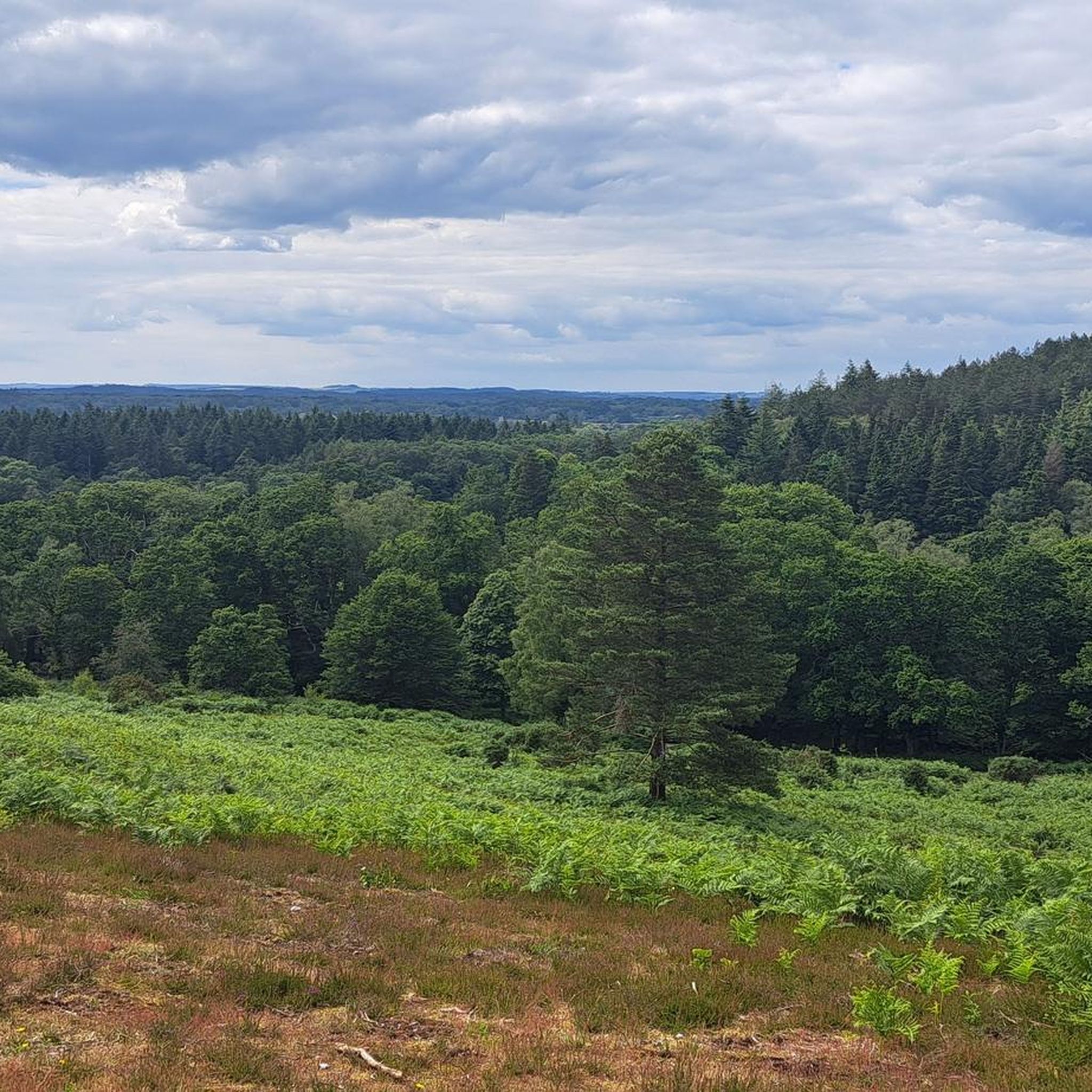
The white-coated Ibsley Common triangulation point is easy to see from a distance, sitting right next to the Whitefield Plantation. It's at 77m, surrounded by beautiful moorland and offering gorgeous far-reaching views of the area.
0
0
Everywhere I looked on this section were wild deer. The only time I've ever seen a white deer. it looked so majestic amongst the other deer.
2
0

Abbots Well was formerly known as Alleynewell within the ancient boundaries of the New Forest when defined during the reign of King Edward I (1272-1307). This perpetual spring was, for centuries, the main watering place for travellers on the old road to Southampton. Theoretically the chamber on the left is for forest fauna and under the wooden flap on the right water intended for human consumption. I’m not sure I’d drink from it though - make your own mind up!!!
2
0

Bokerley Dyke may have originated in the Bronze Age or Early Iron Age and formed a political and cultural boundary. It was cut through by a Roman Road (Ackling Dyke running between Old Sarum and Badbury Rings) in the 1st century.
0
0

An Iron Age fort, Dudsbury Camp lies in a chain of such forts which starts at Hambledon Hill and ends at Hengistbury Head. This isn't quite as impressive as the others, low-lying and not quite as obvious, but you can still see earthworks in the south-west of the site.
1
0
Frequently Asked Questions
Are there family-friendly natural monuments around Verwood?
Yes, several natural monuments near Verwood are suitable for families. Abbots Well is a historical site with a perpetual spring, and Ibsley Common Triangulation Point offers easy access to panoramic views. Moors Valley Country Park and Forest, though not a single monument, is an expansive area with play trails, a Tree Top Trail, and miniature train rides, making it highly family-friendly. The New Forest also offers opportunities to see wild ponies, which children often enjoy.
What kind of wildlife can I expect to see at the natural monuments?
The natural monuments around Verwood are rich in wildlife. In the New Forest National Park, you can observe free-roaming New Forest ponies, donkeys, and cattle. The highlight White Deer in New Forest National Park specifically mentions sightings of wild deer, including rare white deer. Heathlands like Holt Heath are crucial habitats for diverse bird species, reptiles, and insects, while forest areas support various woodland creatures.
What historical natural monuments can I explore near Verwood?
Verwood is surrounded by natural monuments with significant historical value. Bokerley Dyke is a substantial linear earthwork, approximately 5.75 kilometers (3.6 miles) long, believed to have originated in the Bronze Age or Early Iron Age. Abbots Well is an ancient well, first recorded in 1215, which served as a watering place for travelers for centuries. Additionally, Dudsbury Camp (Dudsbury Rings) is an Iron Age fort where you can still discern earthworks.
Are there good viewpoints among the natural monuments?
Yes, there are excellent viewpoints offering far-reaching vistas. Ibsley Common Triangulation Point is a popular spot at 77m elevation, surrounded by beautiful moorland with gorgeous views. Dudsbury Camp (Dudsbury Rings) also provides elevated perspectives. The Cranborne Chase Area of Outstanding Natural Beauty (AONB) is known for its rolling chalk grassland and chalk escarpments, offering breathtaking scenic views across the picturesque English countryside.
What are the best walking and hiking opportunities near Verwood's natural monuments?
The area around Verwood offers extensive walking and hiking opportunities. Moors Valley Country Park and Forest features miles of walking trails suitable for various abilities. The New Forest provides numerous routes through ancient woodlands and heathlands. For specific trails, you can explore options like the 'Moors Valley Cycle Path – Moors Valley Railway loop from Verwood' or the 'Wellingtons loop from Verwood' which are part of the Hiking around Verwood guide. The Castleman Trailway also offers an accessible route through varied natural landscapes.
Can I go cycling near the natural monuments?
Absolutely. Cycling is a popular activity around Verwood's natural monuments. Moors Valley Country Park and Forest has dedicated cycling trails. The New Forest is also renowned for its extensive network of cycling routes through its distinctive environment. The Castleman Trailway, following a disused railway line, is an excellent accessible route for cycling through moorland, rivers, and woodland. For more ideas, check out the Road Cycling Routes around Verwood guide, which includes routes like the 'Moors Valley Forest Parking – Matchams Lane Forest Trail loop from Verwood'.
What is the best time of year to visit the natural monuments around Verwood?
The best time to visit depends on your interests. Spring and summer offer lush greenery, blooming wildflowers, and warmer weather ideal for walking and cycling. The heathlands are particularly beautiful in late summer when the heather is in bloom. Autumn brings vibrant foliage to the woodlands of the New Forest and Cranborne Chase. Winter can offer peaceful, crisp walks, and the Cranborne Chase AONB, as an International Dark Sky Reserve, is exceptional for stargazing on clear nights year-round, especially in darker winter months.
Are the natural monuments around Verwood accessible by public transport?
While some natural monuments may have limited direct public transport access, Verwood itself has public transport links. From Verwood, you may need to combine bus services with walking or cycling to reach some of the more remote natural areas. For specific monuments like Moors Valley Country Park, it's advisable to check local bus routes that serve the park entrance or nearby areas. Planning your journey in advance is recommended.
Are there any unique natural features or phenomena to look out for?
Yes, the region offers several unique natural features. The Cranborne Chase Area of Outstanding Natural Beauty is designated an International Dark Sky Reserve, making it one of the best places in England for stargazing. The New Forest is famous for its ancient woodlands and the unique sight of free-roaming New Forest ponies. The local heathlands, including Holt Heath, are Sites of Special Scientific Interest (SSSI) due to their rare ecosystems and specialized flora and fauna, such as heather and gorse.
Are the trails and natural monuments dog-friendly?
Many of the natural areas and trails around Verwood are dog-friendly, especially the extensive networks within Moors Valley Country Park and Forest, the New Forest, and the Castleman Trailway. However, it's important to keep dogs under control, especially in areas with livestock (like the New Forest ponies) or ground-nesting birds, and to follow local signage regarding leads. Always clean up after your dog to help preserve these natural environments.
What kind of terrain can I expect on walks around the natural monuments?
The terrain around Verwood's natural monuments is varied. You can expect relatively flat, accessible paths along the Castleman Trailway and within Moors Valley Country Park. Heathlands like Ibsley Common and Holt Heath feature open, often sandy or gravelly tracks. The New Forest offers a mix of ancient woodland paths, open heathland, and some boggy areas, especially after rain. Cranborne Chase AONB is characterized by rolling chalk grassland and some steeper chalk escarpments, providing more undulating walks.
Where can I find refreshments or accommodation near the natural monuments?
Verwood itself offers various cafes, pubs, and accommodation options. Many of the larger natural attractions, such as Moors Valley Country Park, have on-site cafes or kiosks. In the New Forest, you'll find numerous charming pubs and tea rooms in the surrounding villages. For accommodation, you can find hotels, B&Bs, and campsites in and around Verwood and within the New Forest area, catering to different preferences and budgets.
Most popular routes around Verwood
Most popular attractions around Verwood

Get inspired with the komoot mobile app


Explore more
Extend your search for the best caves by checking out these guides of the top ones around Verwood:
