Top 9 Natural Monuments around Wylye
Natural monuments around Wylye showcase the region's diverse geological features and historical landscapes. The area is characterized by chalk downland, river valleys, and ancient woodlands. These natural features contribute to the unique character of the Wylye Valley, offering varied environments for exploration. The landscape includes significant chalk streams and ancient burial sites, reflecting both natural processes and human history.
Best natural monuments around Wylye
- The most popular natural monuments is Sarsen Stone at Stonehenge Visitor Centre, a man-made monument…
Last updated: May 19, 2026
Sarsen Stone at Stonehenge Visitor Centre
Highlight • Monument
Translated by Google •
Tip by

Cursus Barrows
Highlight • Natural Monument
Translated by Google •
Tip by
Sign up now to discover places like this
Get recommendations on the best single tracks, peaks, & plenty of other exciting outdoor places.
Sign up for free
Middle Hill
Highlight • Historical Site
Tip by

Normanton Down Barrows
Highlight • Viewpoint
Tip by

Birdhenge
Highlight • Natural Monument
Tip by

Sign up for free to discover even more natural monuments around Wylye.
Sign up for free
Already have an account?
Start today with a free account
Your next adventure awaits.
Login or Signup


Tips from the Community

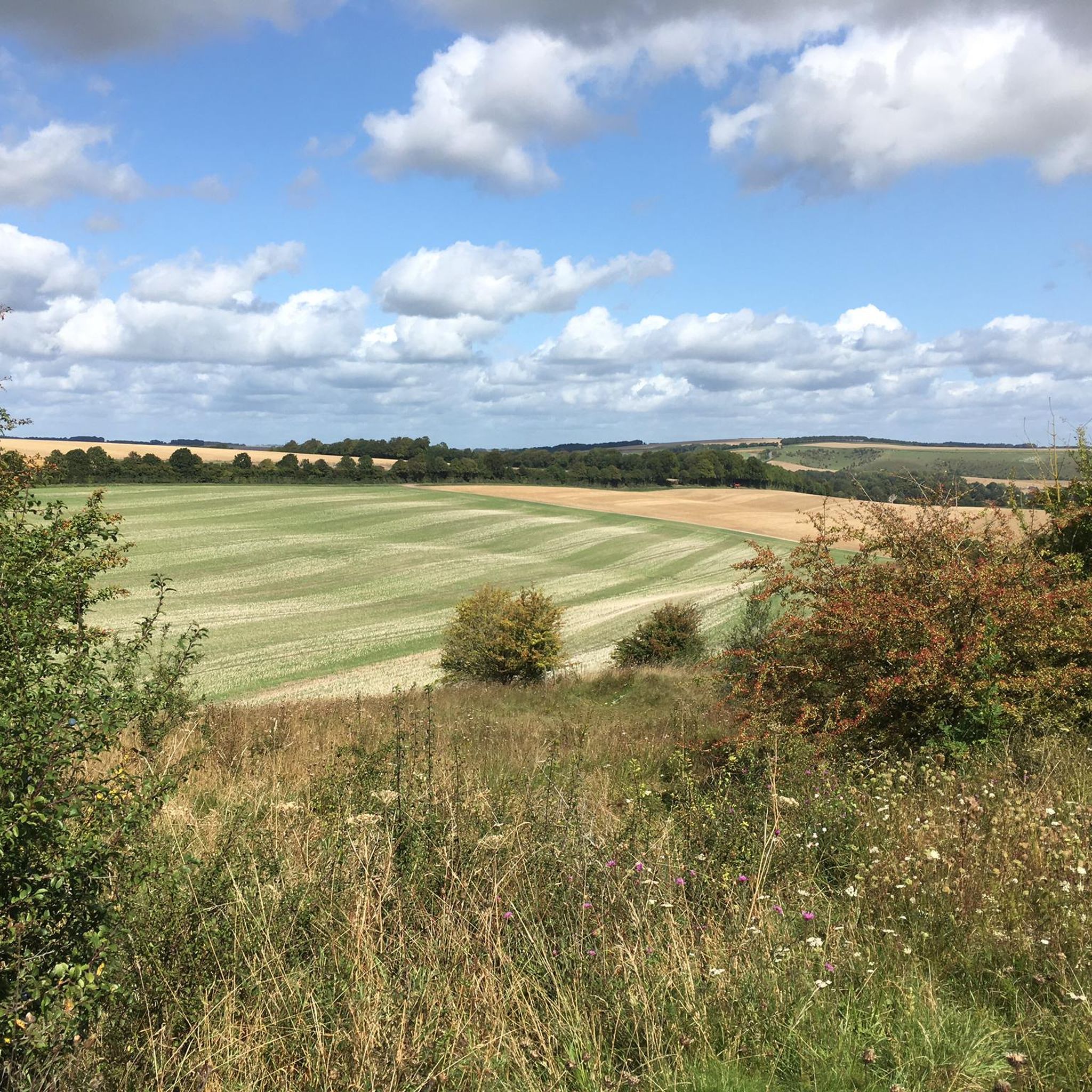
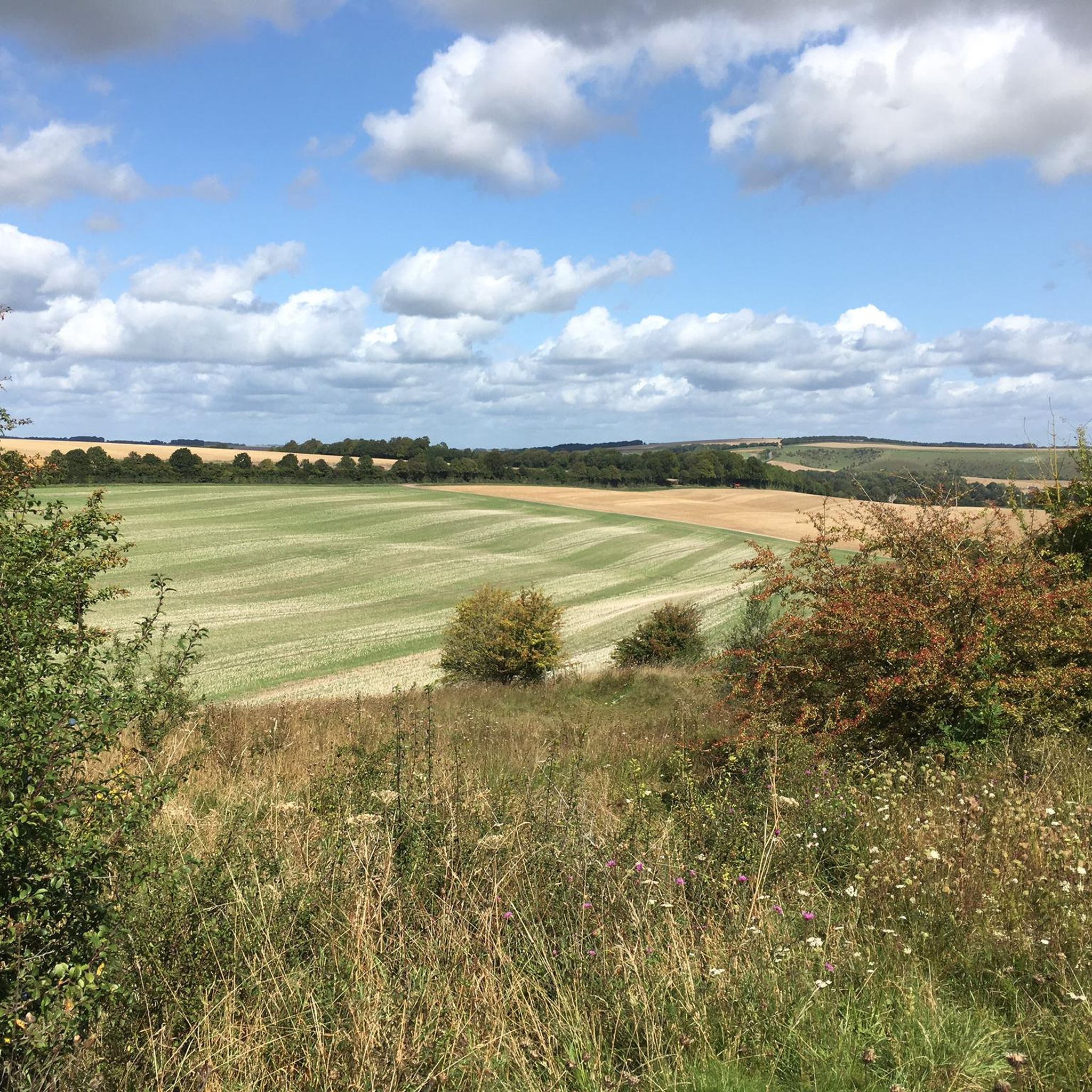
Why exactly there? Archaeologists suspect several reasons: Line of sight From the mounds, there is a direct view of Stonehenge. Sacred landscape The entire plain was a ritual area with paths, graves, and ceremonial sites. Status symbol Important people were buried near the famous sanctuary. Interesting fact There are over 300 burial mounds in the vicinity of Stonehenge – one of the largest prehistoric burial landscapes in Europe.
0
0
Here is a simple overview map explaining the landscape south of Stonehenge and why the burial mounds are located there. Landscape south of Stonehenge The most important range of mounds is called Normanton Down Barrows. It lies about 1 km south of Stonehenge. There are over 40 burial mounds there, dating from 2600–1600 BC. The mounds are situated on a long ridge that faces directly towards Stonehenge. Simplified diagram of the location North ↑ Stonehenge ○ | | approx. 1 km | ───────────────── Hill ridge with many burial mounds (Normanton Down) ○ ○ ○ ○ ○ ○ ○ ○ ○ ○ ↓ South Important hills there One particularly famous burial mound is Bush Barrow A richly furnished grave of a Bronze Age prince, containing gold objects and weapons, was found there.
0
0

It's unbelievable what people have achieved and built in the past (without any technology) - it's simply impressive and breathtaking
2
0

On the crest of this downland ridge is a Neolithic long barrow and around 40 Bronze Age round barrows, ancient burial grounds dating back to between 2600 and 1600 BC. Visible from Stonehenge around half a mile (0.6 km) to the north, Normanton Down Barrows have long been the subject of archaeological digs. Today they're a scheduled monument and part of the Avebury and Stonehenge World Heritage Site, so digs are strictly controlled.
1
0

To the south lies a group of burial mounds called the Cursus Barrows. The footpath to the impressive stone circle leads across the fields with the burial mounds, which can be clearly seen and are well explained on a display board. Bone remains and various beads were found in the graves.
5
0
Sarsen stones are blocks of sandstone found in large numbers in England, it is a contraction of Saracen stone, where “Saracenic” is equivalent to “pagan”. In this respect, sarsen means something like “heathen stone”, “stone of the heathen”. The most famous sarsen stones can be found here in Stonehenge.
6
0

Here you can measure your strengths
4
0

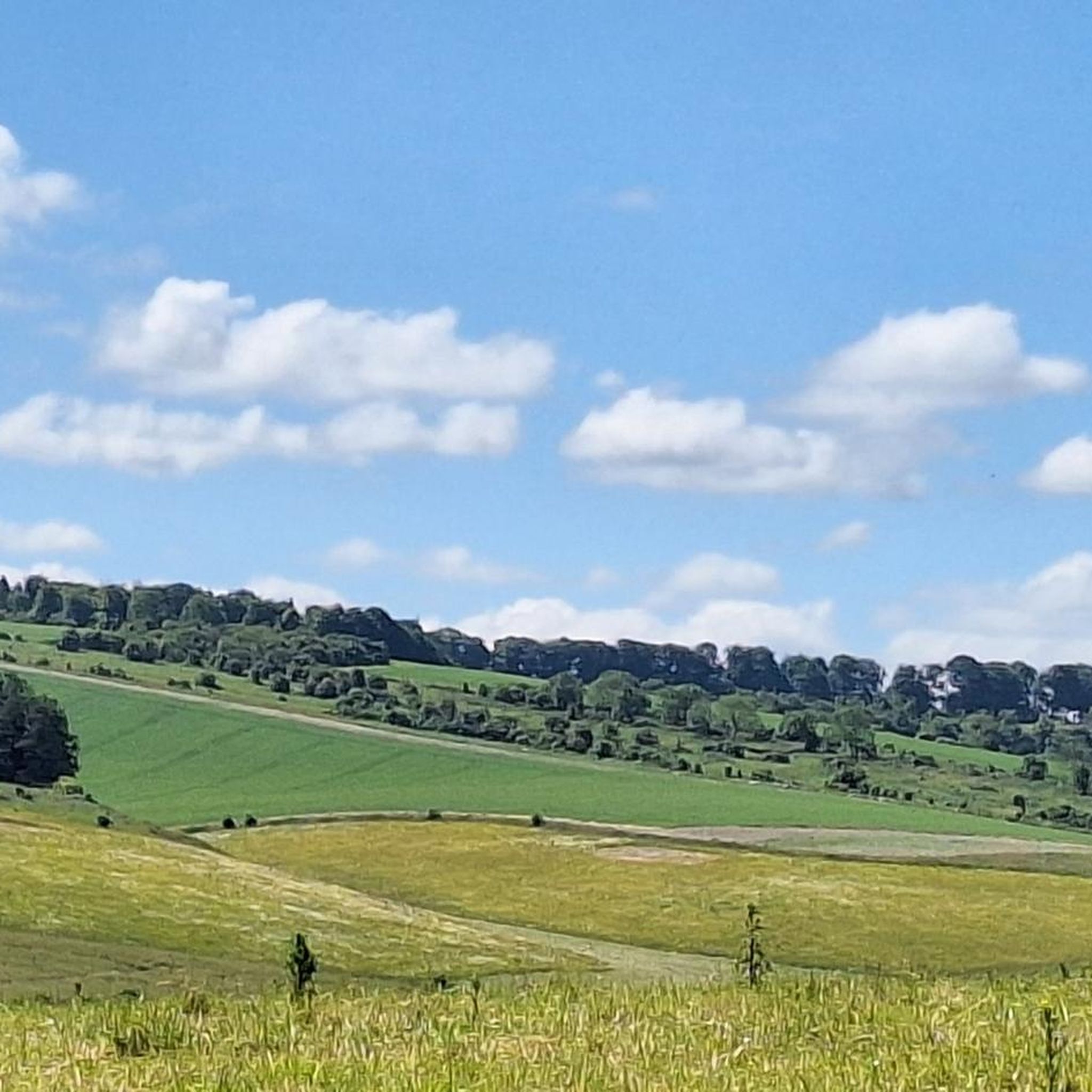
Birdhenge was made in 2014 with the aid of a grant from the Cranborne Chase and West Wiltshire Downs Area of Outstanding Beauty. It is visible from a public path between Heytesbury and Knook in the Wylye Valley.
3
0
Frequently Asked Questions
What are some significant natural monuments to explore around Wylye?
Beyond the well-known sites, the region offers the unique Wylye Down National Nature Reserve, a chalk grassland rich in rare wildflowers. The River Wylye itself is a prominent natural feature, known for its clear waters and scenic beauty. Additionally, you can visit Middle Hill, a conical chalk hill with an ancient bowl barrow atop its summit, offering historical and natural interest.
Where can I experience diverse plant life and wildlife near Wylye?
For diverse plant life, the Wylye Down National Nature Reserve is exceptional, especially in spring and summer, with over 100 plant species including rare early gentian and various orchids. Grovely Wood, a large woodland on a chalk ridge above the River Wylye, is also important for nature conservation and home to species like the Purple Emperor butterfly.
Are there natural monuments with historical significance in the Wylye area?
Yes, several natural monuments in the area are also significant historical sites. The Cursus Barrows represent a Neolithic and Bronze Age round barrow cemetery. Similarly, Normanton Down Barrows feature a Neolithic long barrow and around 40 Bronze Age round barrows, visible from Stonehenge and part of a World Heritage Site.
What outdoor activities can I do near these natural monuments?
The Wylye area offers various outdoor activities. You can find numerous running trails, mountain biking routes, and road cycling routes that pass by or through these natural landscapes. The River Wylye is also popular for fly fishing and offers opportunities for wild swimming during warmer months.
Are there family-friendly natural attractions around Wylye?
Yes, the Sarsen Stone at Stonehenge Visitor Centre is considered family-friendly and offers an interactive experience with these large geological features. Birdhenge, a unique art installation visible from a public path, also provides an interesting and accessible stop for families.
What is the best time to visit the natural monuments around Wylye?
The best time to visit depends on your interest. For wildflower displays at Wylye Down National Nature Reserve, spring and summer (May to July) are ideal. For walking and enjoying the River Wylye, late spring through early autumn offers pleasant weather. Historical sites like the barrows are accessible year-round, though conditions are best in drier months.
Can I go wild swimming in the River Wylye?
Yes, the River Wylye, a clear chalk stream, offers opportunities for wild swimming, particularly during the summer months when water levels are typically lower. It's a popular spot for those looking to enjoy the natural waters.
Are there any geological features of interest in the Wylye Valley?
The Wylye Valley is characterized by its chalk downland. A significant geological feature of the wider Wiltshire landscape, including areas around Wylye, are the Sarsen stones. These large blocks of sandstone are famously associated with Stonehenge and represent the region's geological history.
What makes the River Wylye unique?
The River Wylye is a beautiful chalk stream, distinguished by its exceptionally clear water flowing over a gravel bed. It's fed by seasonal winterbournes, causing its flow to vary. It's renowned for its wild brown trout and grayling, making it a popular destination for anglers, and its scenic banks offer peaceful walking opportunities.
Are there any natural monuments accessible for wheelchairs near Wylye?
The Sarsen Stone at Stonehenge Visitor Centre is listed as wheelchair accessible, offering facilities and pathways suitable for visitors with mobility needs. Access to other natural sites like Wylye Down NNR is primarily via public rights of way, which may vary in accessibility.
Where can I find ancient burial mounds in the Wylye area?
The area is rich in ancient burial sites. You can find the Cursus Barrows, a Neolithic and Bronze Age round barrow cemetery, and the Normanton Down Barrows, which include a Neolithic long barrow and numerous Bronze Age round barrows. Middle Hill also features an ancient bowl barrow at its summit.
What kind of natural landscapes can I expect to see around Wylye?
The landscape around Wylye is primarily characterized by chalk downland, with rolling hills and open grasslands. You'll also encounter picturesque river valleys, particularly along the River Wylye, and ancient woodlands such as Grovely Wood. These diverse environments offer varied scenery for exploration.
Most popular attractions around Wylye

Get inspired with the komoot mobile app


Explore more
Extend your search for the best caves by checking out these guides of the top ones around Wylye:
