Top 7 Natural Monuments around Barford St. Martin
Best natural monuments around Barford St. Martin are found within a landscape rich in historical significance and natural beauty. The area features ancient woodlands, a picturesque river valley, and expansive chalk downlands. These geographic elements provide varied terrain for outdoor activities, including walking and hiking. The region's long-standing ecological and historical importance makes it a notable destination for nature enthusiasts.
Best natural monuments around Barford St. Martin
- The most popular natural monuments is Stonehenge, a historical site that is one of the most famous sites in the world. Visitors can explore a visitor-centre with exhibitions and five Neolithic houses.
- Another must-see spot is Sarsen Stone at Stonehenge Visitor Centre, a man-made monument. This large sandstone block allows visitors to engage with the material used in the ancient monument.
- Visitors also love Cursus Barrows, a group of Neolithic and Bronze Age burial mounds. These barrows are clearly visible and offer insight into prehistoric burial practices in the landscape south of Stonehenge.
- Barford St. Martin is known for ancient woodlands, river valleys, and chalk downlands. The area offers a variety of natural monuments to see and explore, from historical sites to geological features.
- The natural monuments around Barford St. Martin are appreciated by the komoot community, with more than 360 upvotes and over 400 photos shared by visitors.
Last updated: July 28, 2026
Stonehenge
Highlight • Historical Site
Tip by

Sarsen Stone at Stonehenge Visitor Centre
Highlight • Monument
Translated by Google •
Tip by

Sign up now to discover places like this
Get recommendations on the best single tracks, peaks, & plenty of other exciting outdoor places.
Sign up for free
Stonehenge
Highlight • Historical Site
Tip by

Cursus Barrows
Highlight • Natural Monument
Translated by Google •
Tip by
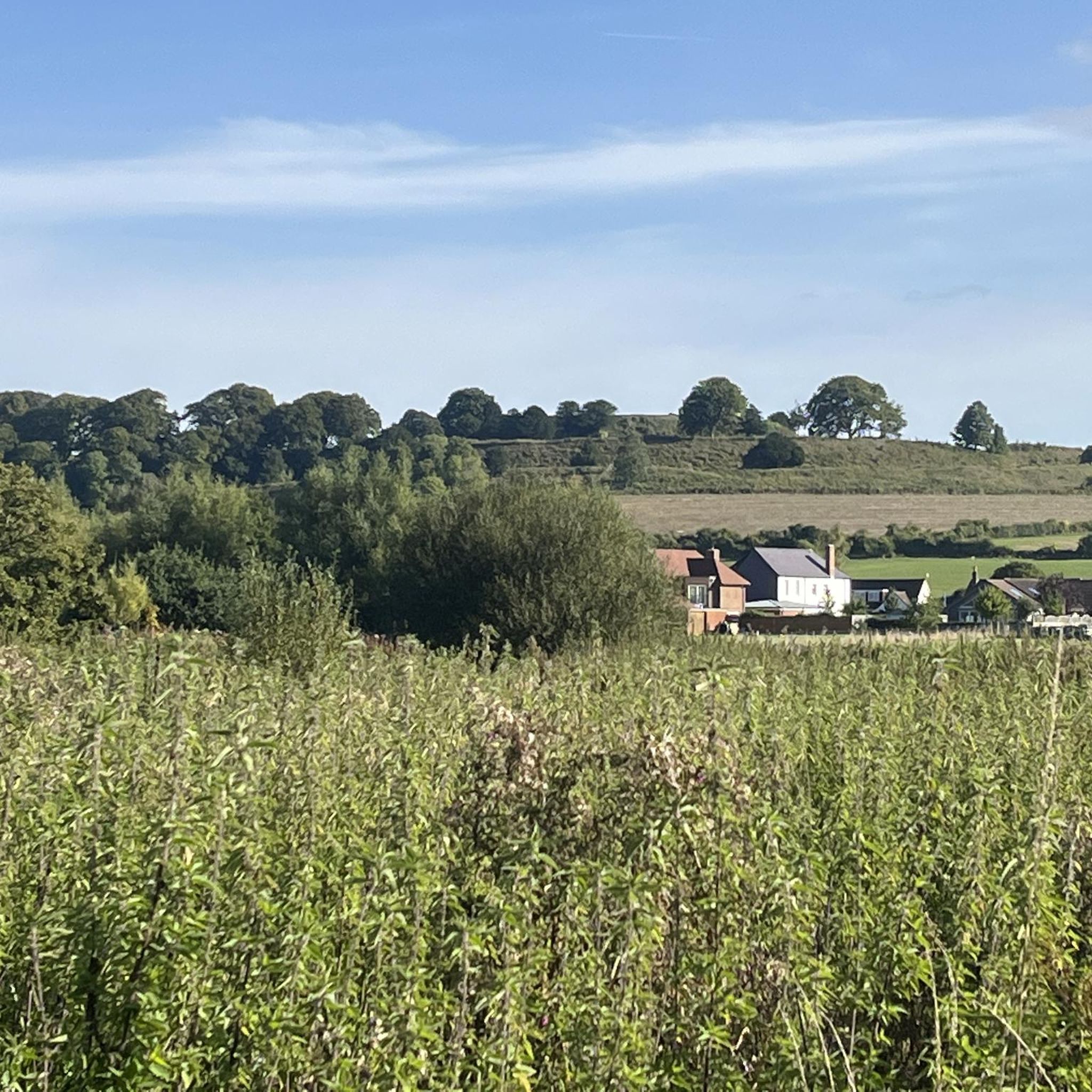
Knowle Hill
Highlight (Segment) • Natural Monument
Tip by

Sign up for free to discover even more natural monuments around Barford St. Martin.
Sign up for free
Already have an account?
Start today with a free account
Your next adventure awaits.
Login or Signup

Tips from the Community

Why exactly there? Archaeologists suspect several reasons: Line of sight From the mounds, there is a direct view of Stonehenge. Sacred landscape The entire plain was a ritual area with paths, graves, and ceremonial sites. Status symbol Important people were buried near the famous sanctuary. Interesting fact There are over 300 burial mounds in the vicinity of Stonehenge – one of the largest prehistoric burial landscapes in Europe.
0
0
Here is a simple overview map explaining the landscape south of Stonehenge and why the burial mounds are located there. Landscape south of Stonehenge The most important range of mounds is called Normanton Down Barrows. It lies about 1 km south of Stonehenge. There are over 40 burial mounds there, dating from 2600–1600 BC. The mounds are situated on a long ridge that faces directly towards Stonehenge. Simplified diagram of the location North ↑ Stonehenge ○ | | approx. 1 km | ───────────────── Hill ridge with many burial mounds (Normanton Down) ○ ○ ○ ○ ○ ○ ○ ○ ○ ○ ↓ South Important hills there One particularly famous burial mound is Bush Barrow A richly furnished grave of a Bronze Age prince, containing gold objects and weapons, was found there.
0
0

It's unbelievable what people have achieved and built in the past (without any technology) - it's simply impressive and breathtaking
2
0

A television series that I wholeheartedly recommend introduces culture-loving viewers to remarkable testimonies to human activity from many countries around the world. What they all have in common is that they have been granted "World Heritage" status by UNESCO. One of the episodes documents the ancient and still mysterious stone circle of Stonehenge. The accompanying documentary states: "The Salisbury Plateau in southern England is a harsh and uninviting area, often subject to cold and biting winds. About 5,000 years ago, during the Neolithic period, people lived here, about whom we know very little. But what they and subsequent generations left behind is impressive beyond measure: the stone circles and burial mounds of the Megalithic culture." This film (in German) can be found in the ARD media library under the following link => https://www.ardmediathek.de/video/schaetze-der-welt/stonehenge-grossbritannien-folge-16/swr/Y3JpZDovL3N3ci5kZS83MjQ1ODkw
0
1

If you are in the area, a mandatory stopover, and there is also no need to pay an entrance fee because you pass very close to the monument. When you leave, be careful if you are going to pass through the A303.
3
0

To the south lies a group of burial mounds called the Cursus Barrows. The footpath to the impressive stone circle leads across the fields with the burial mounds, which can be clearly seen and are well explained on a display board. Bone remains and various beads were found in the graves.
5
0
Sarsen stones are blocks of sandstone found in large numbers in England, it is a contraction of Saracen stone, where “Saracenic” is equivalent to “pagan”. In this respect, sarsen means something like “heathen stone”, “stone of the heathen”. The most famous sarsen stones can be found here in Stonehenge.
6
0

Here you can measure your strengths
4
0
Frequently Asked Questions
What are the primary natural features to explore around Barford St. Martin?
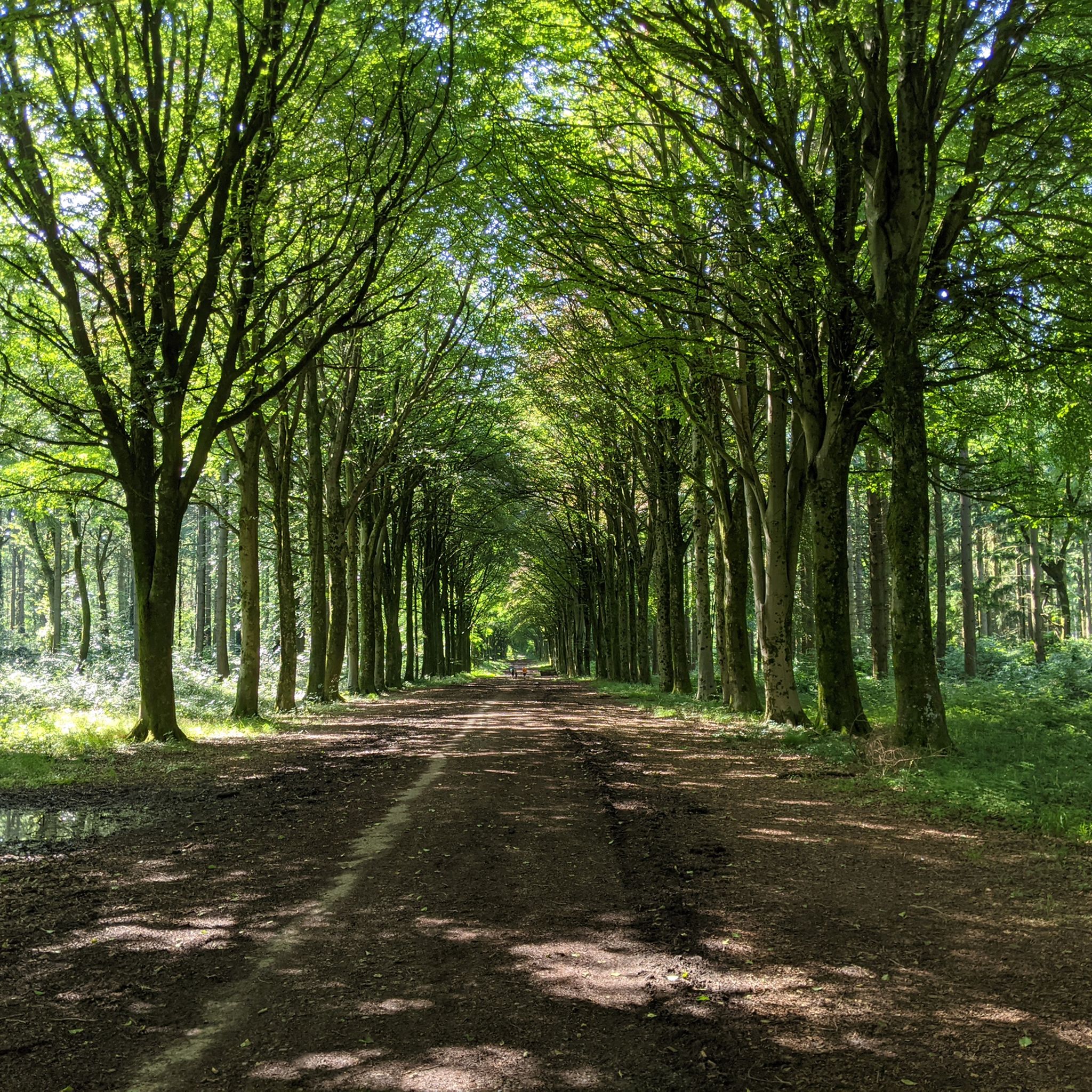
While specific 'natural monuments' are often historical sites in this region, the landscape itself offers significant natural beauty. You can explore the ancient woodlands of Grovely Wood, the picturesque River Nadder and its valley, and the expansive chalk downlands. These areas provide varied terrain for walking and offer a chance to connect with nature.
Are there any family-friendly natural monuments or sites near Barford St. Martin?
Yes, several sites are suitable for families. Stonehenge is a major attraction with a visitor centre, exhibitions, and Neolithic houses, making it engaging for all ages. The Sarsen Stone at Stonehenge Visitor Centre is also family-friendly and wheelchair accessible, allowing visitors to interact with the material used in the ancient monument.
What kind of historical or archaeological natural monuments can I visit?
The area is rich in historical significance. You can visit Stonehenge, a world-famous prehistoric monument. Nearby, the Cursus Barrows offer insight into Neolithic and Bronze Age burial practices, and the Normanton Down Barrows, a scheduled monument and part of the Avebury and Stonehenge World Heritage Site, feature numerous ancient burial mounds.
Are there opportunities for outdoor activities like hiking or cycling near these natural monuments?
Absolutely. The region around Barford St. Martin is excellent for outdoor pursuits. You can find numerous routes for mountain biking, gravel biking, and running. For example, there are MTB trails like the 'Grovely Wood & Wylye Valley loop' and running trails such as the 'Grovely Wood Forest Trail loop'. You can find more details on these activities in the MTB Trails around Barford St. Martin, Gravel biking around Barford St. Martin, and Running Trails around Barford St. Martin guides.
What are some notable viewpoints or scenic spots in the area?
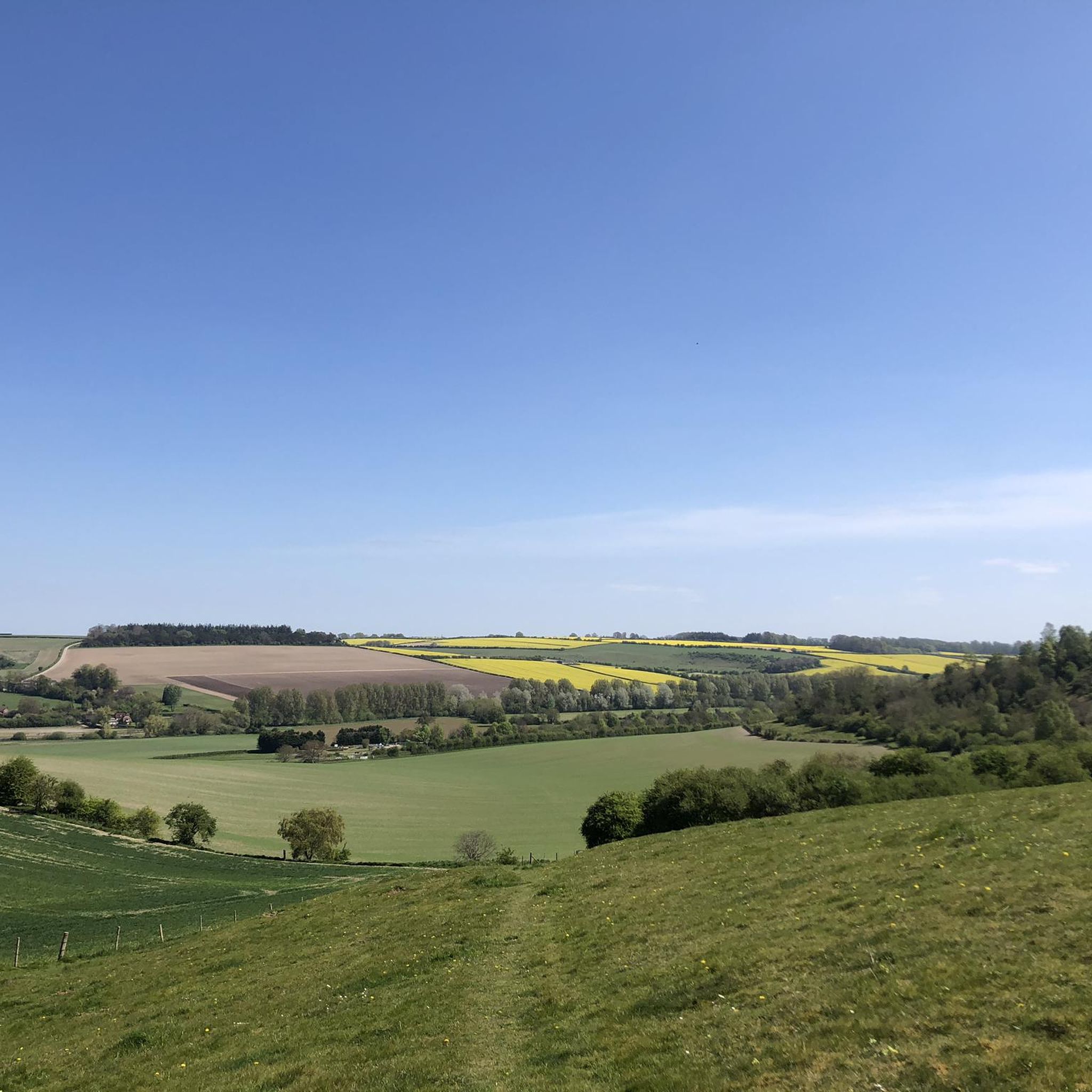
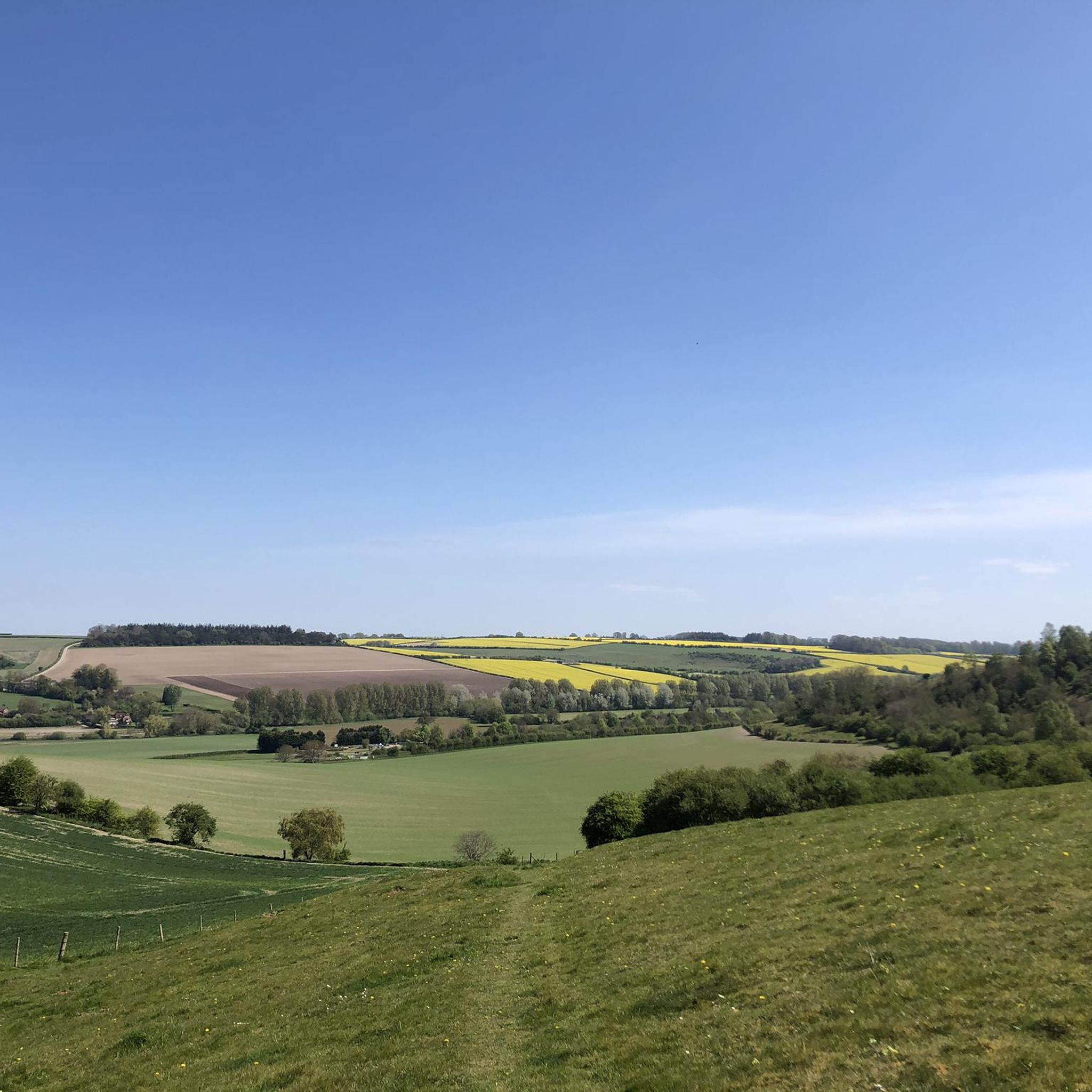
The chalk downlands surrounding Barford St. Martin offer expansive views across the Wiltshire countryside. Knowle Hill provides a nice climb with views across Cranborne Chase. Additionally, Cursus Barrows and Normanton Down Barrows are situated on ridges that offer good vantage points of the surrounding landscape, including distant views of Stonehenge.
Is public transport available to reach the natural monuments?
While specific public transport routes directly to all natural monuments can vary, Stonehenge is well-served by shuttle buses from its visitor center, which is accessible by various means. For other sites, public transport options might be limited, and a combination of local buses and walking or private transport may be necessary. It's advisable to check local transport schedules for the most up-to-date information.
Are there any natural monuments or sites that are wheelchair accessible?
Yes, the Sarsen Stone at Stonehenge Visitor Centre is noted as being wheelchair accessible, allowing visitors to experience a key element of the Stonehenge construction. The visitor center itself at Stonehenge also offers accessible facilities.
Can I bring my dog to the natural monuments and trails?
Many of the outdoor areas, such as Grovely Wood and the chalk downlands, are generally dog-friendly, especially on designated paths. However, specific rules may apply at managed historical sites like Stonehenge. It's always best to check the specific site's regulations regarding dogs, and always keep dogs on a lead and clean up after them to protect wildlife and other visitors.
What is the best time of year to visit Barford St. Martin for exploring its natural features?
The spring and summer months (April to September) generally offer the most pleasant weather for exploring the outdoor natural features and trails around Barford St. Martin. During these seasons, the woodlands are lush, the river valley is vibrant, and the downlands provide comfortable walking conditions. However, autumn brings beautiful foliage, and even winter can be rewarding for crisp walks, though some paths may be muddy.
Where can I find information about the history of Barford St. Martin and its natural surroundings?
The area has a rich history, with evidence of continuous occupation since the late Iron Age. Grovely Wood, for instance, has a long-standing ecological and historical importance, associated with royal forests. For more detailed historical context about the village and its surroundings, you can refer to resources like the Wiltshire Council's community history page: wiltshire.gov.uk.
Are there any easy walks suitable for all fitness levels near Barford St. Martin?
Yes, the region offers a variety of paths. While some routes involve climbs, many sections of Grovely Wood and the River Nadder valley provide relatively flat and easy walking opportunities. The paths around the Stonehenge visitor center and the immediate vicinity of the barrows are also generally accessible for easier strolls.
Most popular routes around Barford St. Martin
Most popular attractions around Barford St. Martin

Get inspired with the komoot mobile app


Explore more
Extend your search for the best caves by checking out these guides of the top ones around Barford St. Martin:
