Top 6 Natural Monuments around Marston
Best natural monuments around Marston are characterized by rolling chalk downland and ancient historical sites. This area features prominent chalk figures carved into hillsides, alongside Iron Age hillforts and long barrows. The landscape offers expansive views and is rich in both geological and archaeological significance. Visitors can explore 6 natural monuments that showcase the region's unique blend of natural beauty and human history.
Best natural monuments around Marston
- The most popular natural monuments is Bratton Camp and Long Barrow,…
Last updated: November 14, 2026
Westbury White Horse
Highlight • Natural Monument
Today the hill's most defining feature is the striking …
Tip by

Devizes White Horse
Highlight • Monument
Tip by

Sign up now to discover places like this
Get recommendations on the best single tracks, peaks, & plenty of other exciting outdoor places.
Bratton Camp and Long Barrow
Highlight • Viewpoint
Tip by
View from Westbury White Horse
Highlight • Viewpoint
Tip by

View of Westbury White Horse from Lower Westbury Road
Highlight • Viewpoint
Tip by
Sign up for free to discover even more natural monuments around Marston.
Already have an account?
Start today with a free account
Your next adventure awaits.
Tips from the Community

White Horse Westbury from Trowbridge Hilperton
0
0

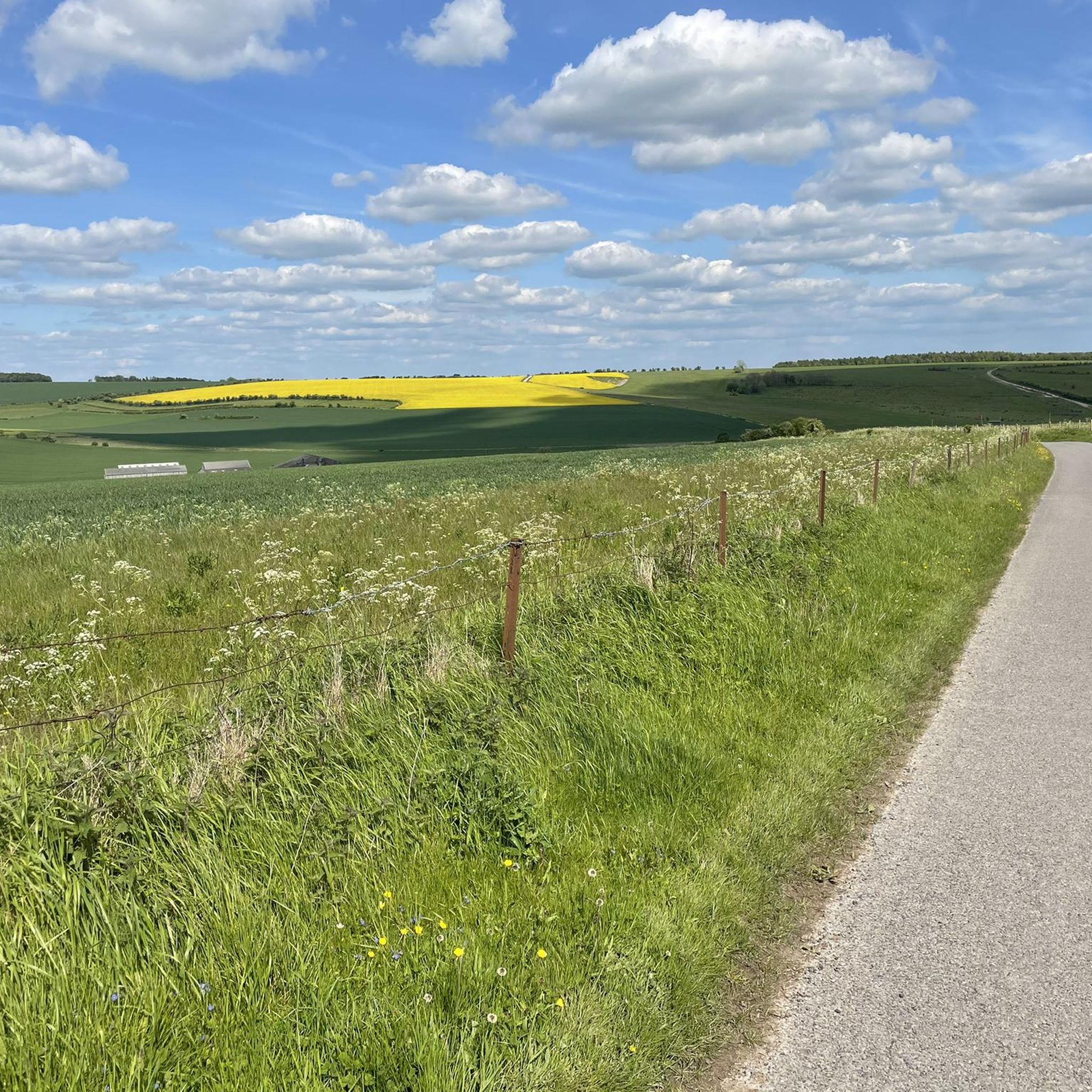
A great view point, even on a murky day. As well as the White Horse, there is Bratton Camp, an old hill fort and the art installation behind.
0
0

A steep hill up from each of the three routes, but great views to enjoy once you're up.
0
0

The oldest of the Wiltshire white horses this was originally cut in 1772 and restored in 1778. There was evidence of an older horse here facing the other way, but no strong evidence suggests how old that was. In 1872/1873 the horse was considered to be losing its shape, it was re cut and edging stones added. In 1957 the horse was concreted to preserve it. For the runner the trails around the top of the horse are great fun and the 33-mile Imber trail also passes here. There are nice loops from the car park above the horse or from nearby Westbury.
1
0

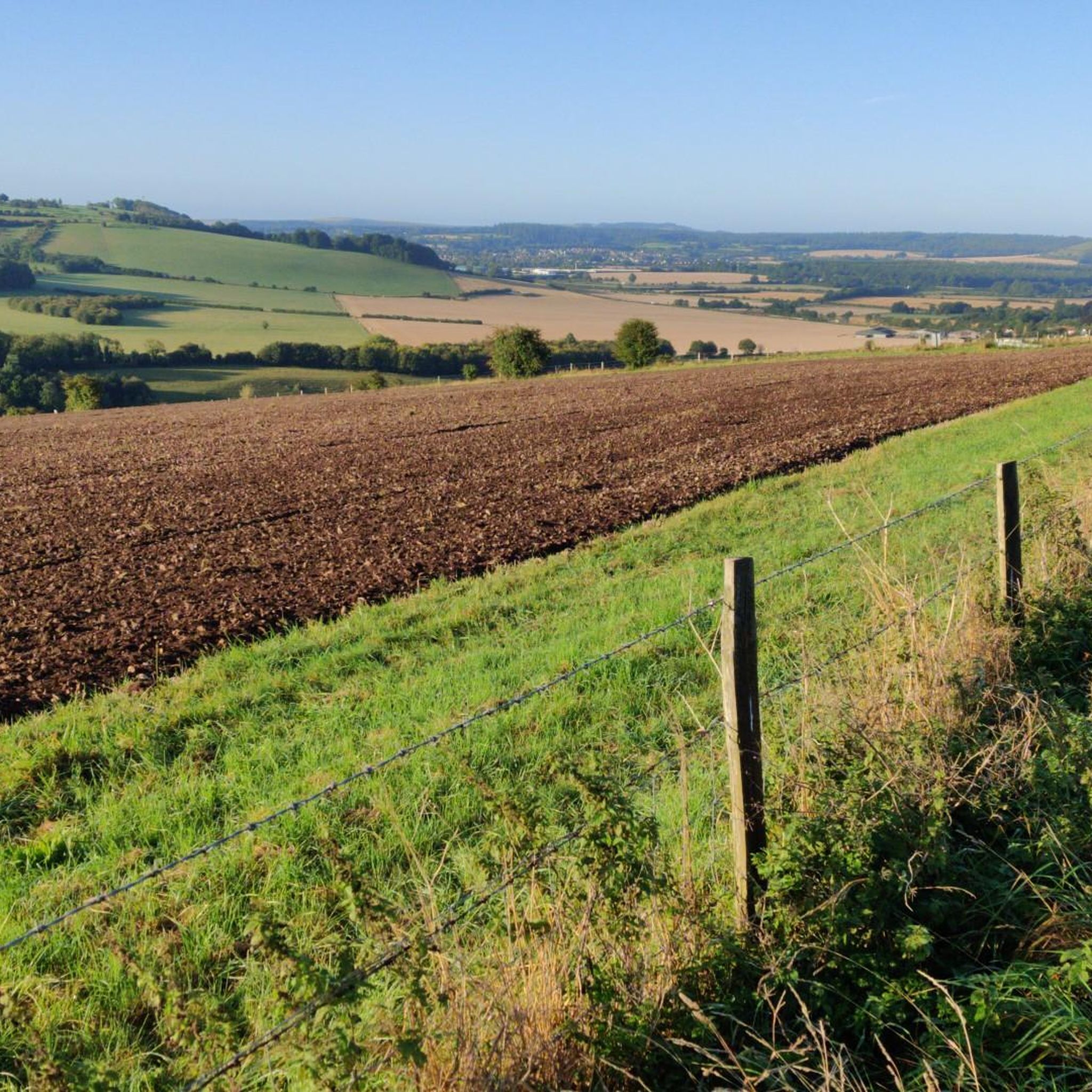
Easy running with lovely views up to the escarpment and white horse.
1
0

Lovely wide gravel bridleway with somewhat distracting views of the white horse and the Wilts lowlands that I had one of my worst crashes on. Deceptively smooth chunky gravel surface good for medium gravel or touring tyres. Nothing really wrong with the path excepting a few potholes and larger stones, but those potholes can make panniers bounce up and, if unsecured, said panniers can bounce into the path of one's front wheel tossing the obliviously joyful bike tourist over their handlebars and into said hard chunky gravel. One can rag their fully loaded bike down as many unsuitable trails as they please, as long as the load is secure. edit; the potholes are much bigger now.
0
0
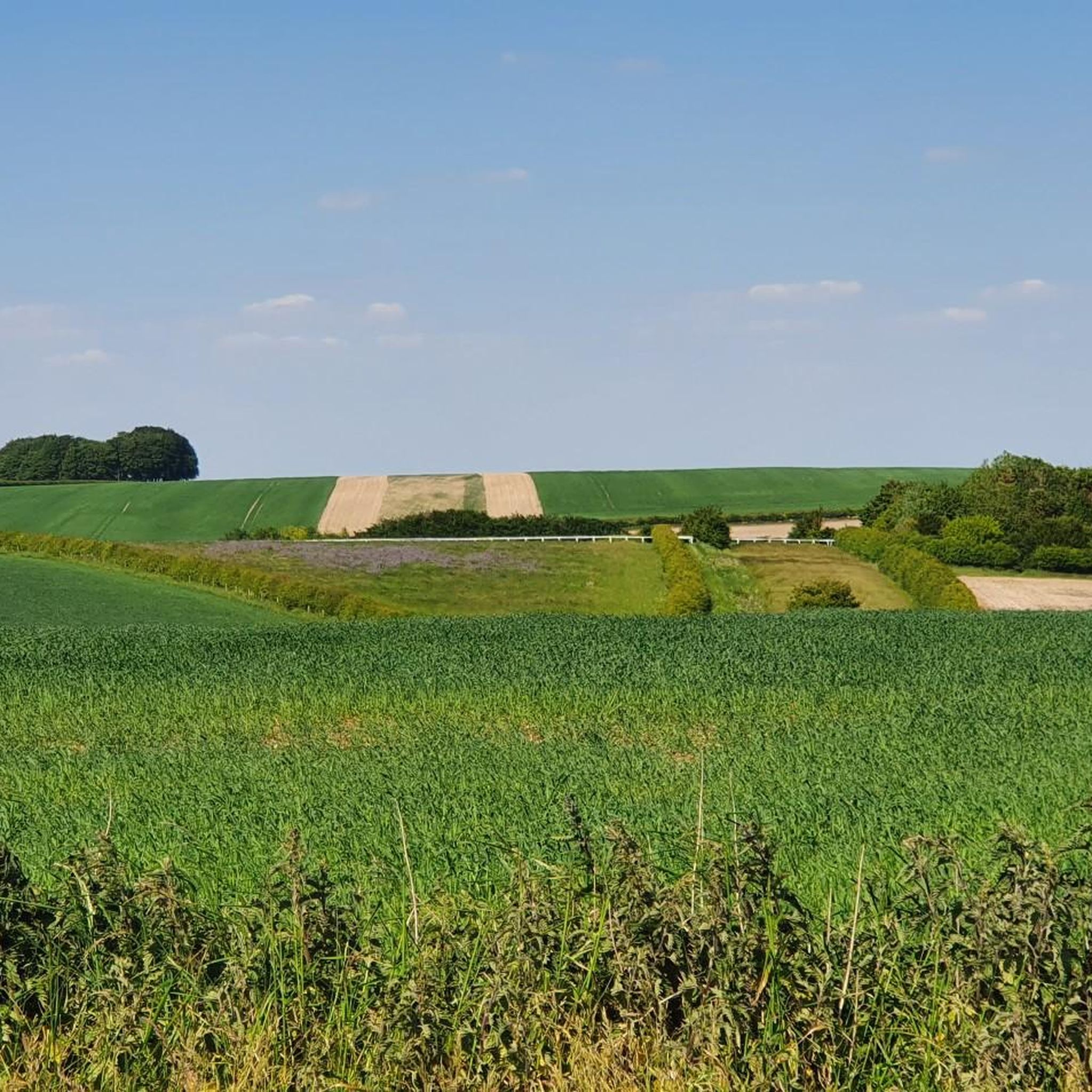
For the best views of the Westbury White horse you need to leave your bike or push it about 100m across the grass to the escarpment.
0
0

There are over 1,200 hillforts in England, most of which occupy fantastic viewpoints and Bratton Camp hillfort is no different. In fact, it has a truly extraordinary vistas from its earthen ramparts. The camp sits just on the ridge between Westbury and Bratton, and immediately above the Westbury White Horse. There's a long barrow within the castle's fortifications estimated to be around 5,000 years old.
0
0
Frequently Asked Questions
What types of natural monuments can I explore around Marston?
The natural monuments around Marston are primarily characterized by rolling chalk downland, ancient historical sites, and prominent chalk figures carved into hillsides. You'll find Iron Age hillforts, long barrows, and unique man-made chalk horses that blend natural landscapes with significant historical features.
Are there historical sites integrated with the natural monuments in the Marston area?
Yes, many natural monuments in the Marston area have deep historical roots. For example, Westbury White Horse and Bratton Camp features an Iron Age hillfort dating back over 2000 years, with a Neolithic long barrow nearby. These sites offer a unique blend of natural beauty and ancient human history.
Which natural monuments around Marston are suitable for families?
For families, Devizes White Horse is a great option, easily accessible by multiple footpaths and bridleways on Roundway Hill. Another family-friendly spot is the area around View of Westbury White Horse from Lower Westbury Road, which offers easy running with lovely views.
Can I find hiking trails near the natural monuments in Marston?
Absolutely! The Marston area is excellent for hiking. You can find numerous trails, including easy loops like the 'Hiking loop from Edington' (5.7 km) or moderate options such as 'View from Littleton Down – Sandy Track loop from West Lavington' (10.7 km). For more hiking options, check out the Hiking around Marston guide.
What kind of wildlife can I expect to see at the natural monuments around Marston?
The chalk grasslands around sites like Bratton Camp are rich in wildlife, including important plants that provide habitat for insects like the rare Adonis Blue butterfly and the scarce forester moth. The region's diverse habitats support various bird species and other local fauna.
Are there any natural monuments around Marston that are easily accessible?
Yes, Devizes White Horse is easily accessible via multiple footpaths and bridleways on Roundway Hill. While specific wheelchair accessibility varies, many viewpoints offer good access, and the surrounding areas often have well-maintained paths.
What do visitors particularly enjoy about the natural monuments in Marston?
Visitors frequently highlight the extraordinary vistas from viewpoints like Bratton Camp and Long Barrow, which offers expansive views from its earthen ramparts. The blend of historical significance with stunning natural scenery, especially the iconic chalk figures, is also a major draw.
Are there opportunities for running or cycling near the natural monuments?
Yes, the area around Marston offers great opportunities for running and cycling. You can find moderate running trails like the 'Running loop from Dauntsey's School' (7.1 km) or explore gravel biking routes such as the 'Avoncliff Aqueduct – Caen Hill Locks loop from Devizes' (72.5 km). More options are available in the Running Trails around Marston and Gravel biking around Marston guides.
What is the significance of the chalk figures around Marston?
The chalk figures, such as the Westbury White Horse and Devizes White Horse, are iconic landmarks. The Westbury White Horse is thought to have been cut in the late 1600s, possibly commemorating the Battle of Ethandun, while the Devizes White Horse was created in 1999 to mark the Millennium. They represent a unique blend of art, history, and landscape.
Can I visit other natural areas named 'Marston' in the UK?
Beyond the primary Marston area with its chalk figures, other notable natural areas include Marston Marshes in Norwich, a local nature reserve with open meadows and riverside paths along the River Yare, known for diverse wildlife. Priors Marston also features Bishops Bowl Lakes, a former quarry now recognized for its geological significance and marine fossils.
Are there any hidden natural gems or less-known spots around Marston?
While the main highlights are well-known, exploring the extensive network of footpaths and bridleways around the chalk downland can reveal quieter spots and alternative views. For instance, the View from Roundway Down offers fantastic vistas from an Iron Age hill fort, and its wildlife-rich chalk grassland is a great place to spot wildflowers and butterflies in summer, often away from the busiest crowds.
Most popular attractions around Marston

Get inspired with the komoot mobile app


Explore more
Extend your search for the best caves by checking out these guides of the top ones around Marston:
